Imágenes de Museo Americano de Historia Natural
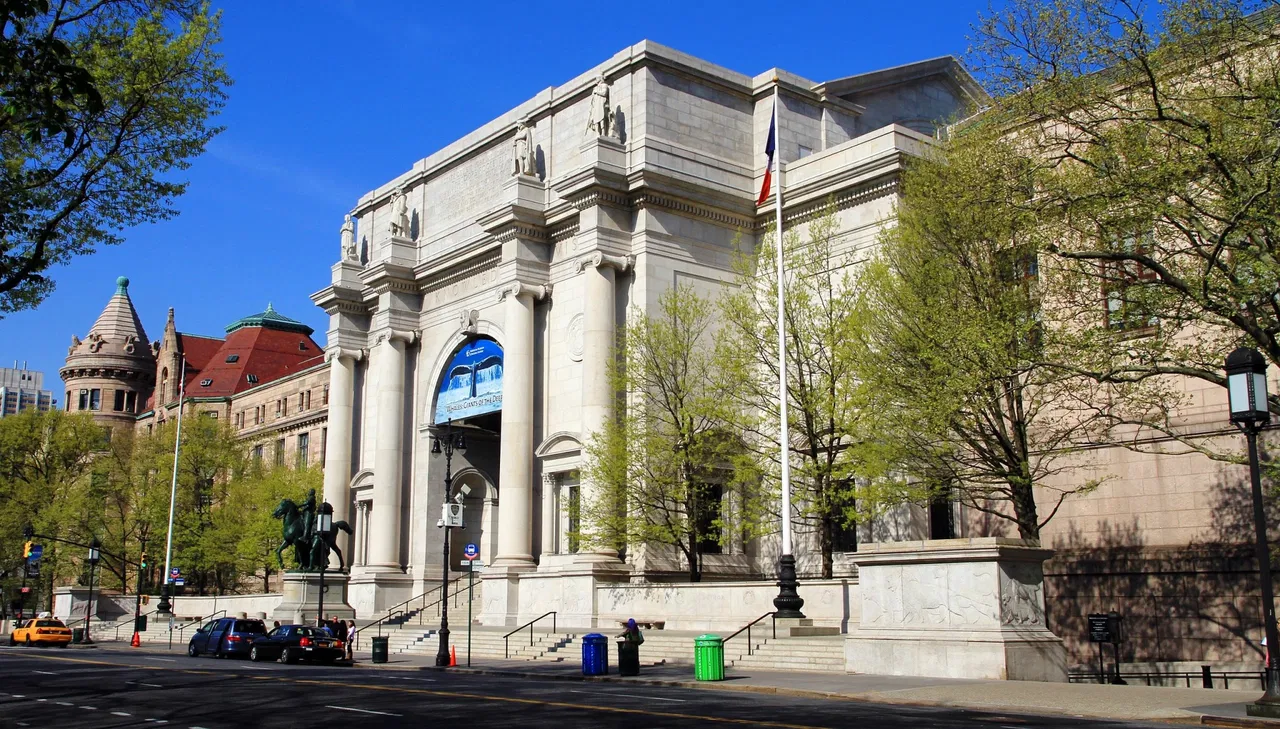
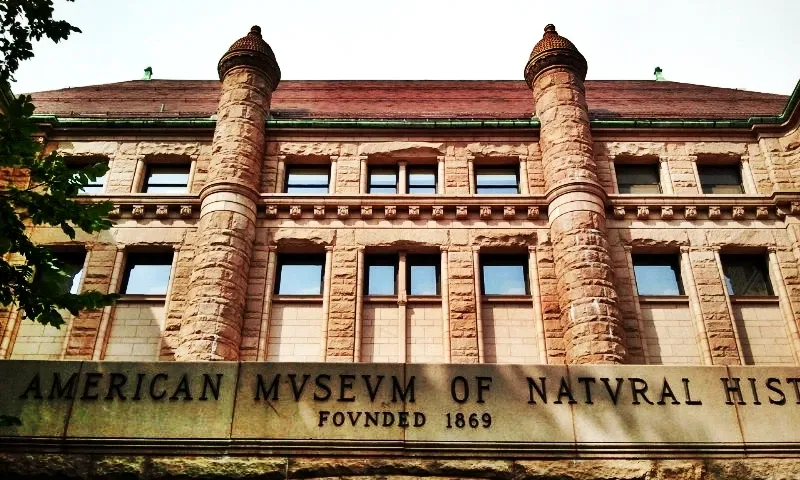
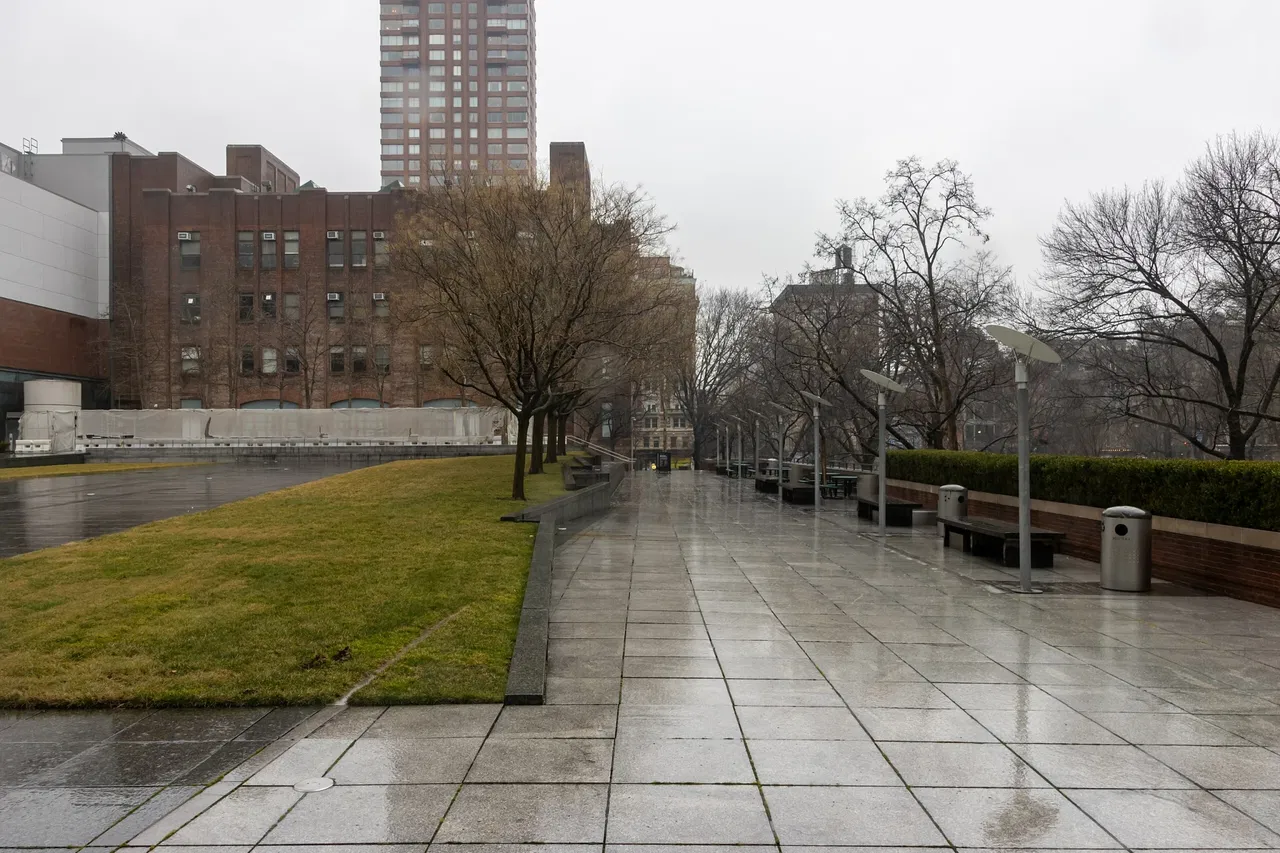
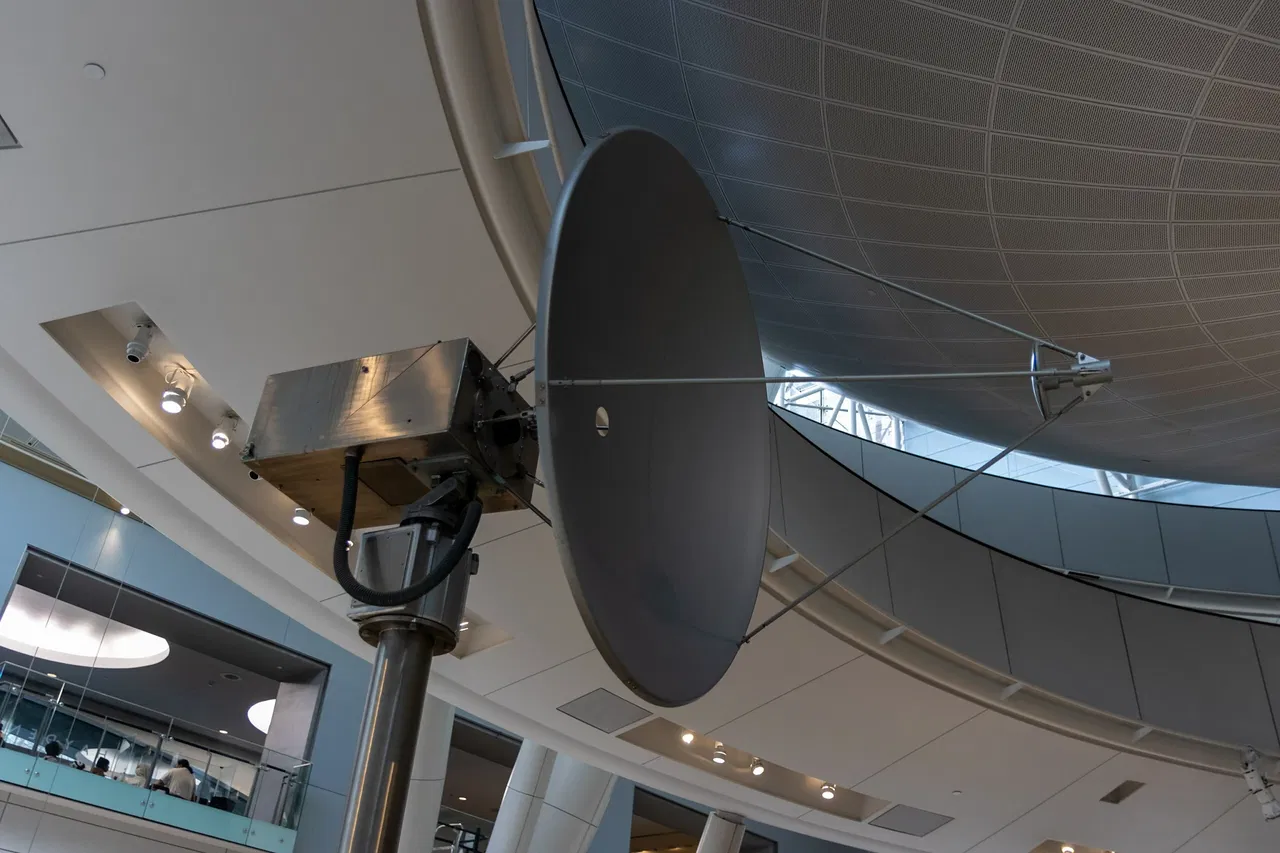
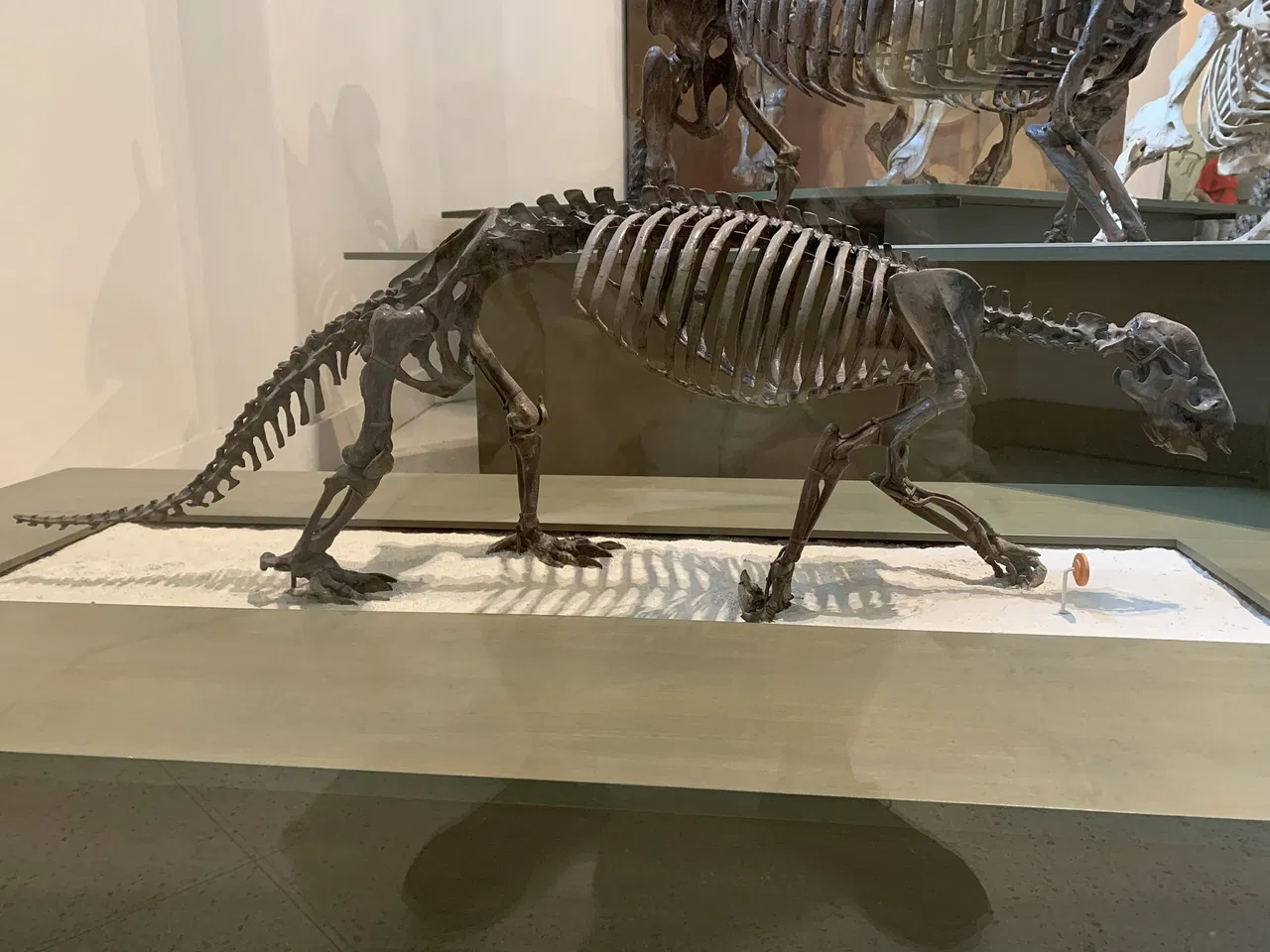
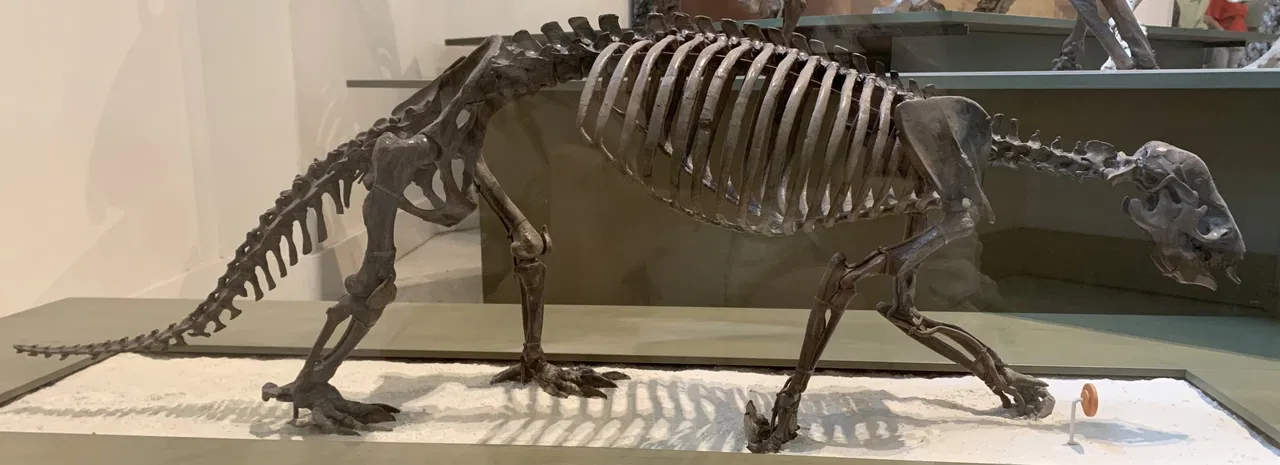
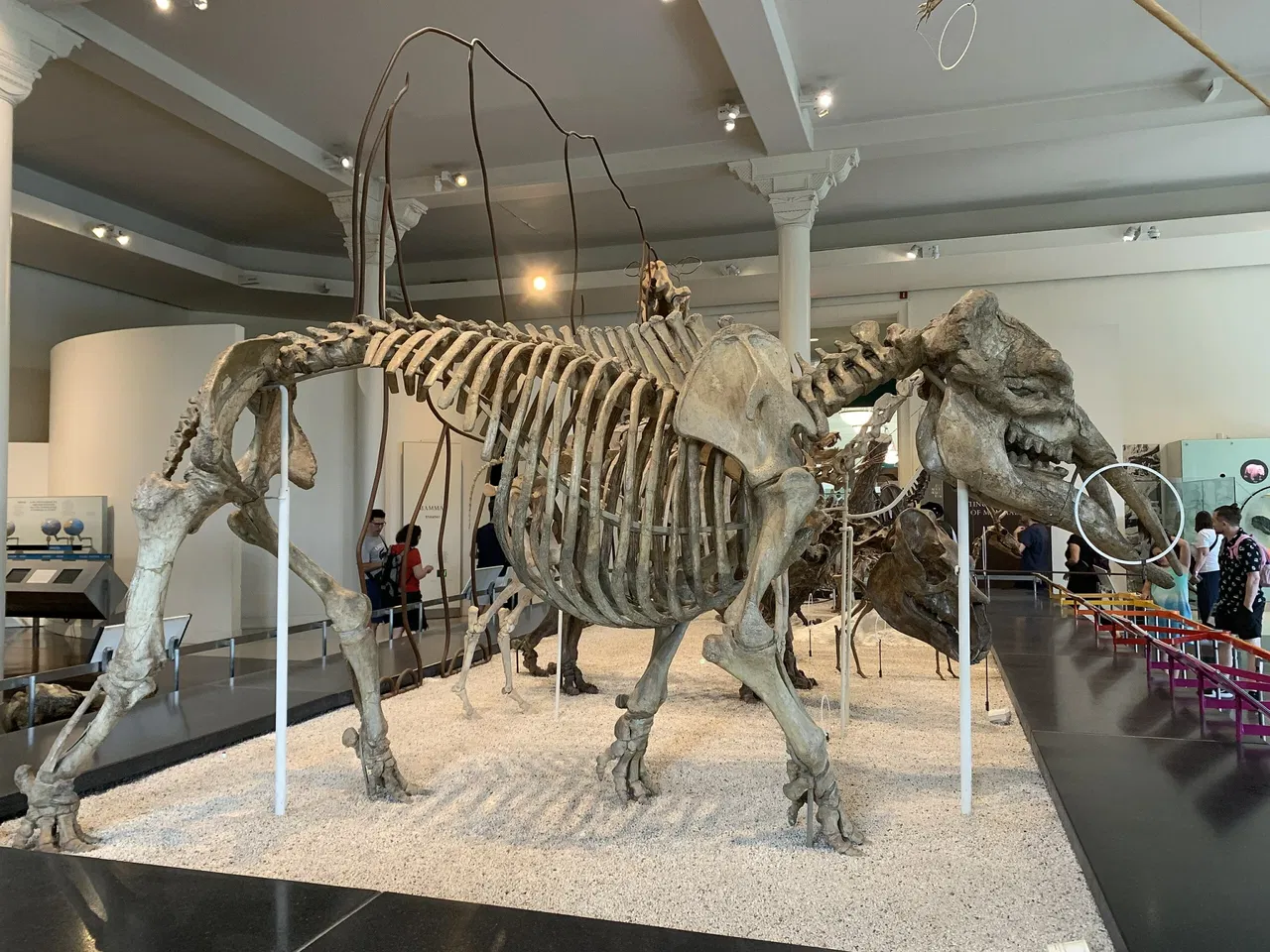
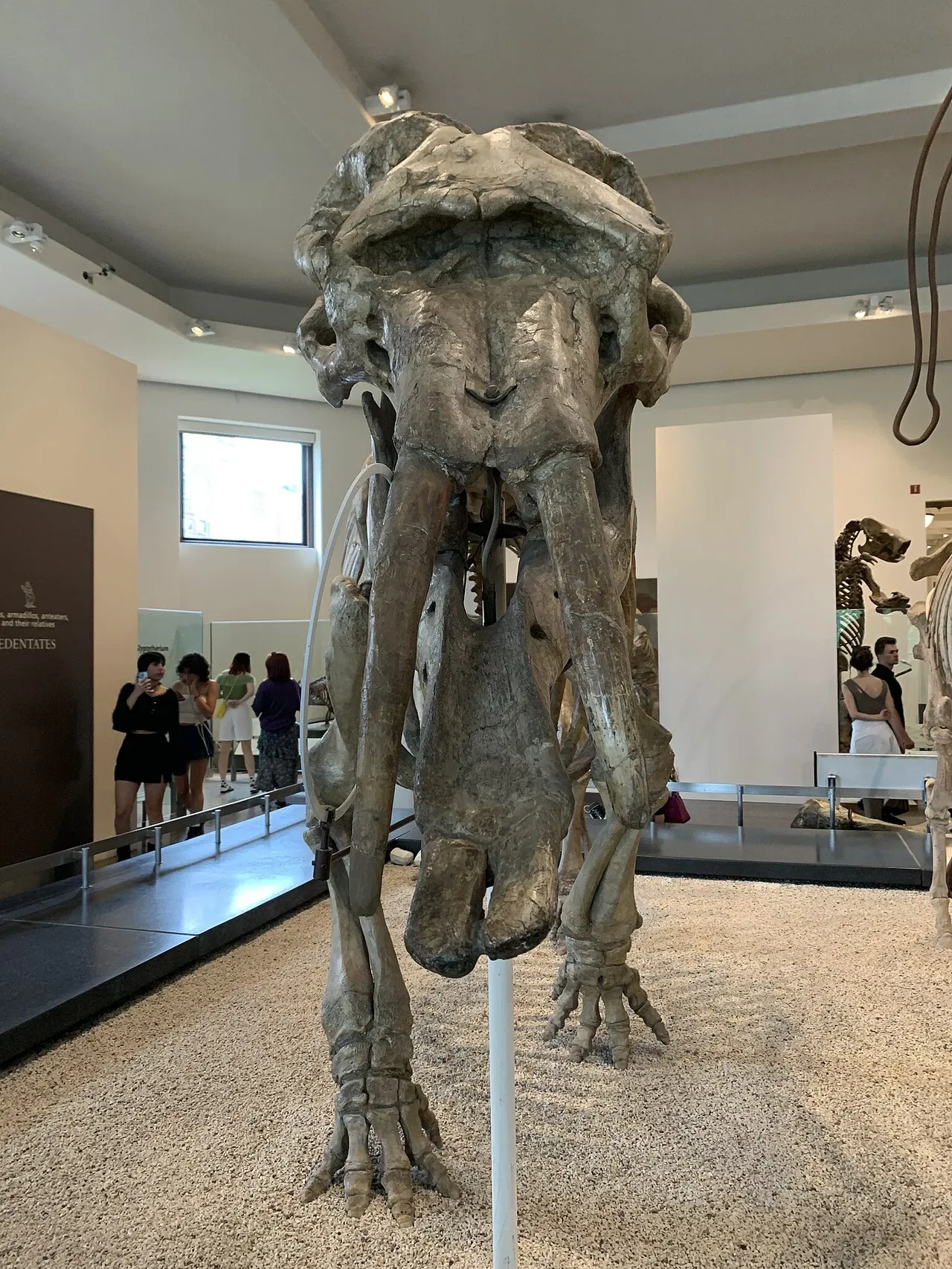
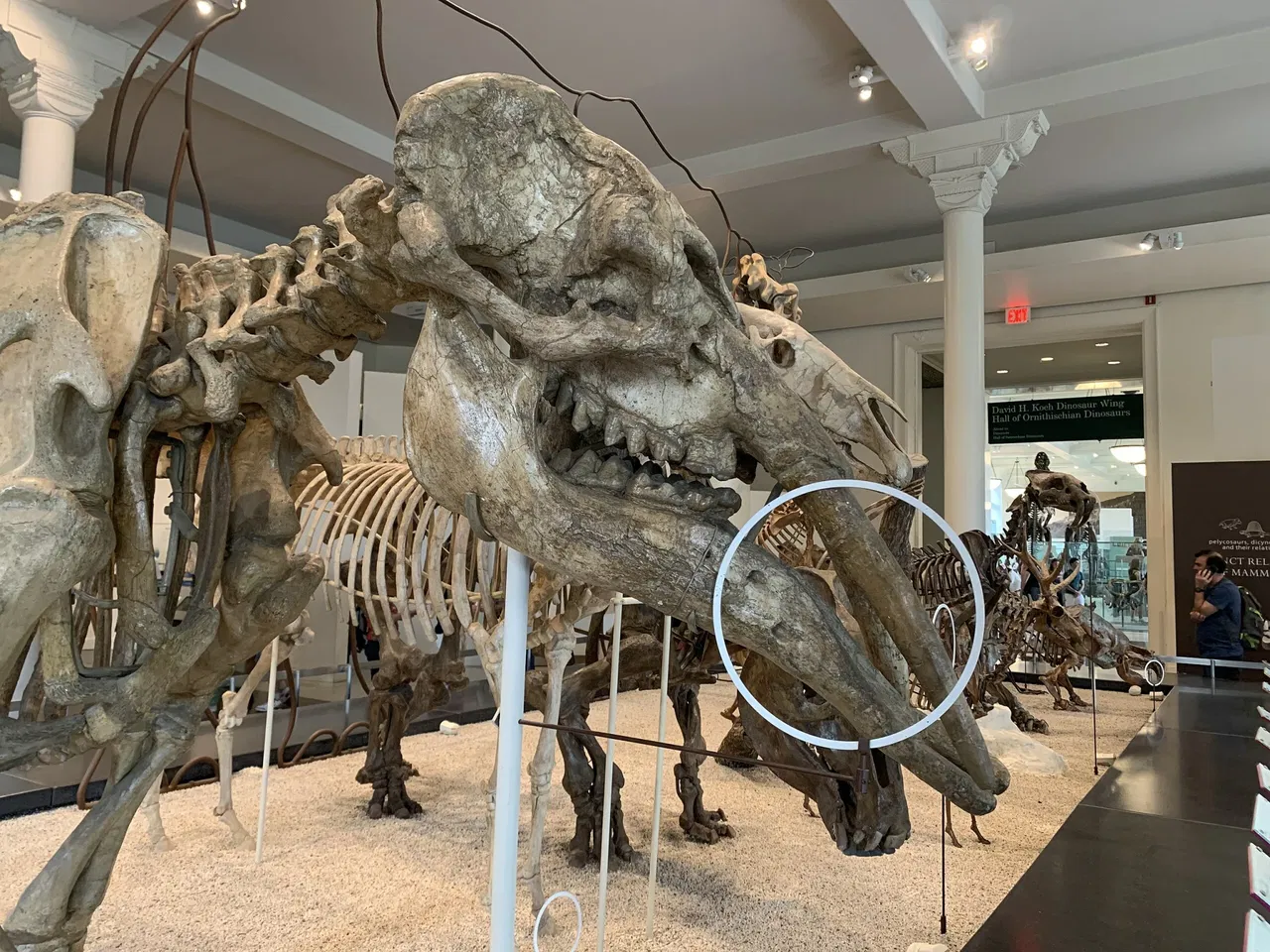
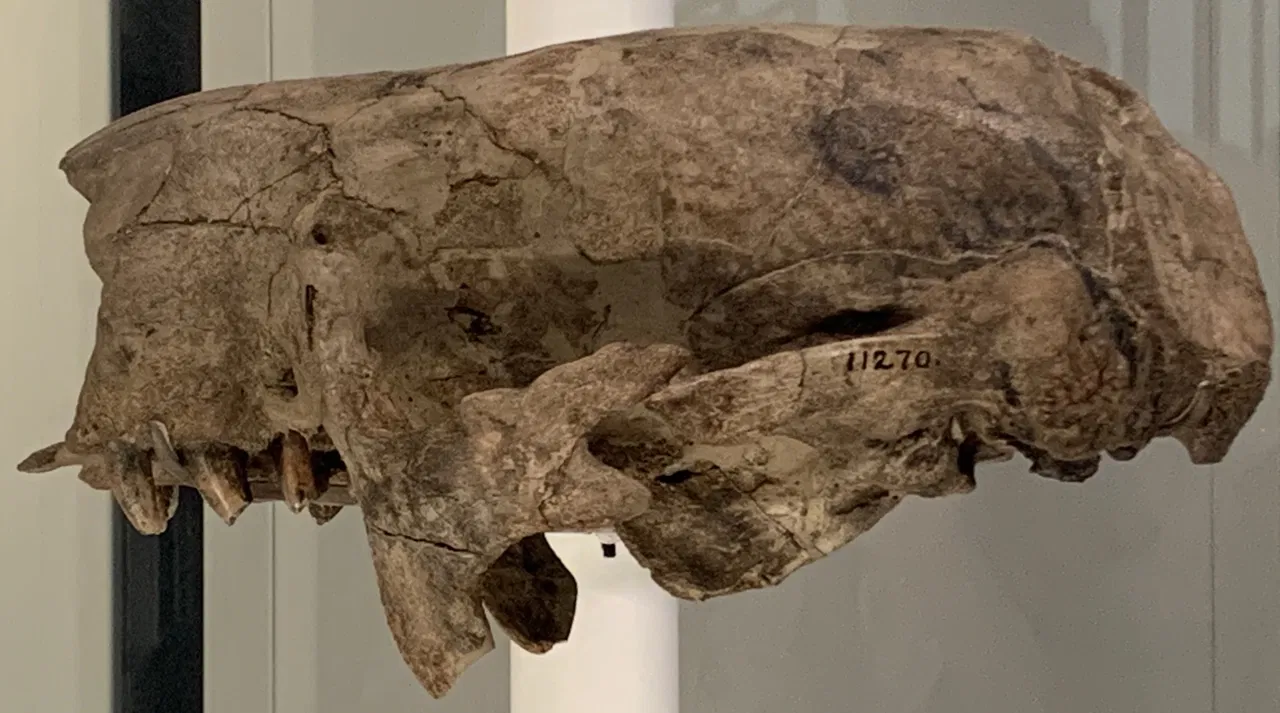
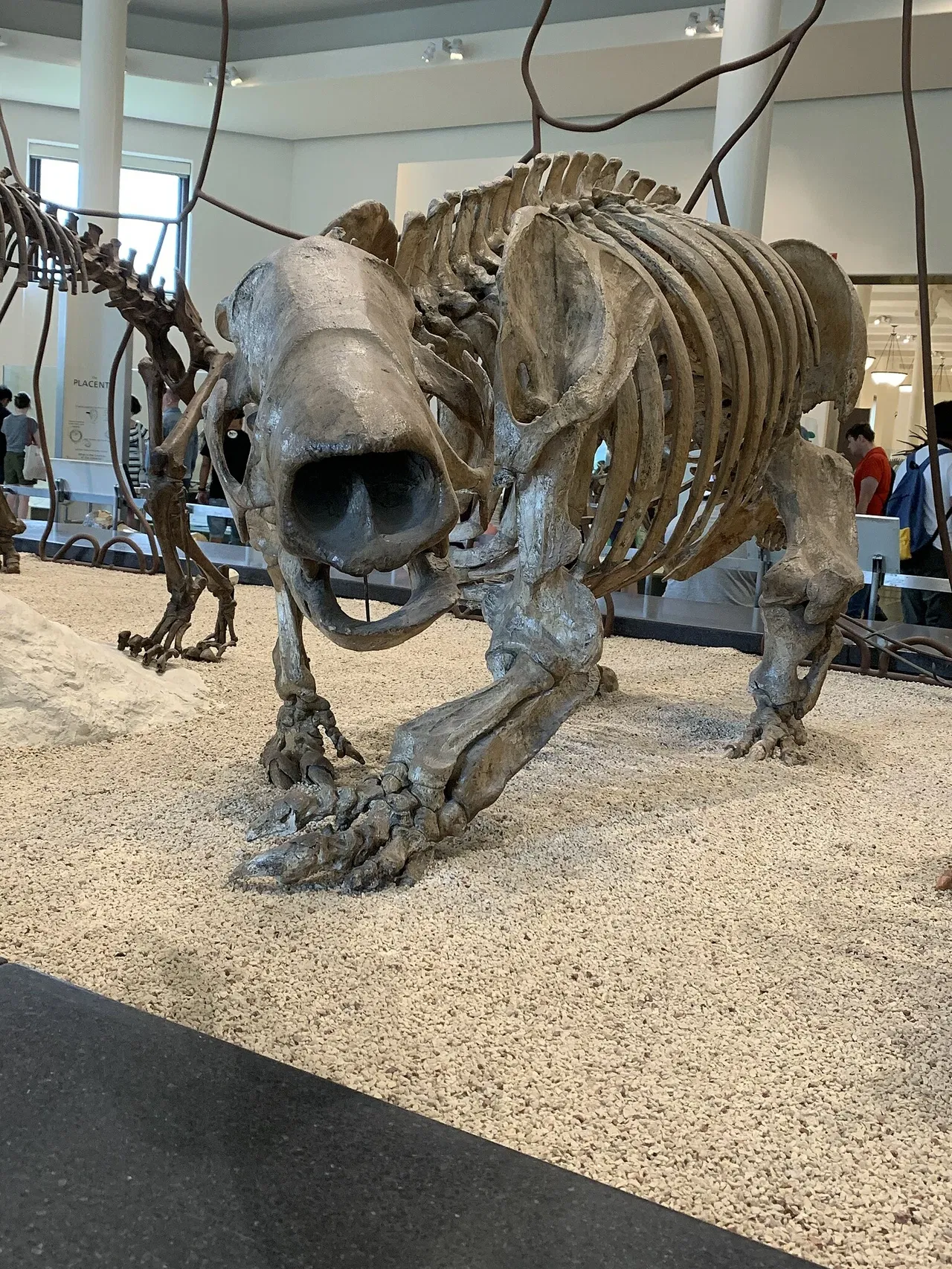
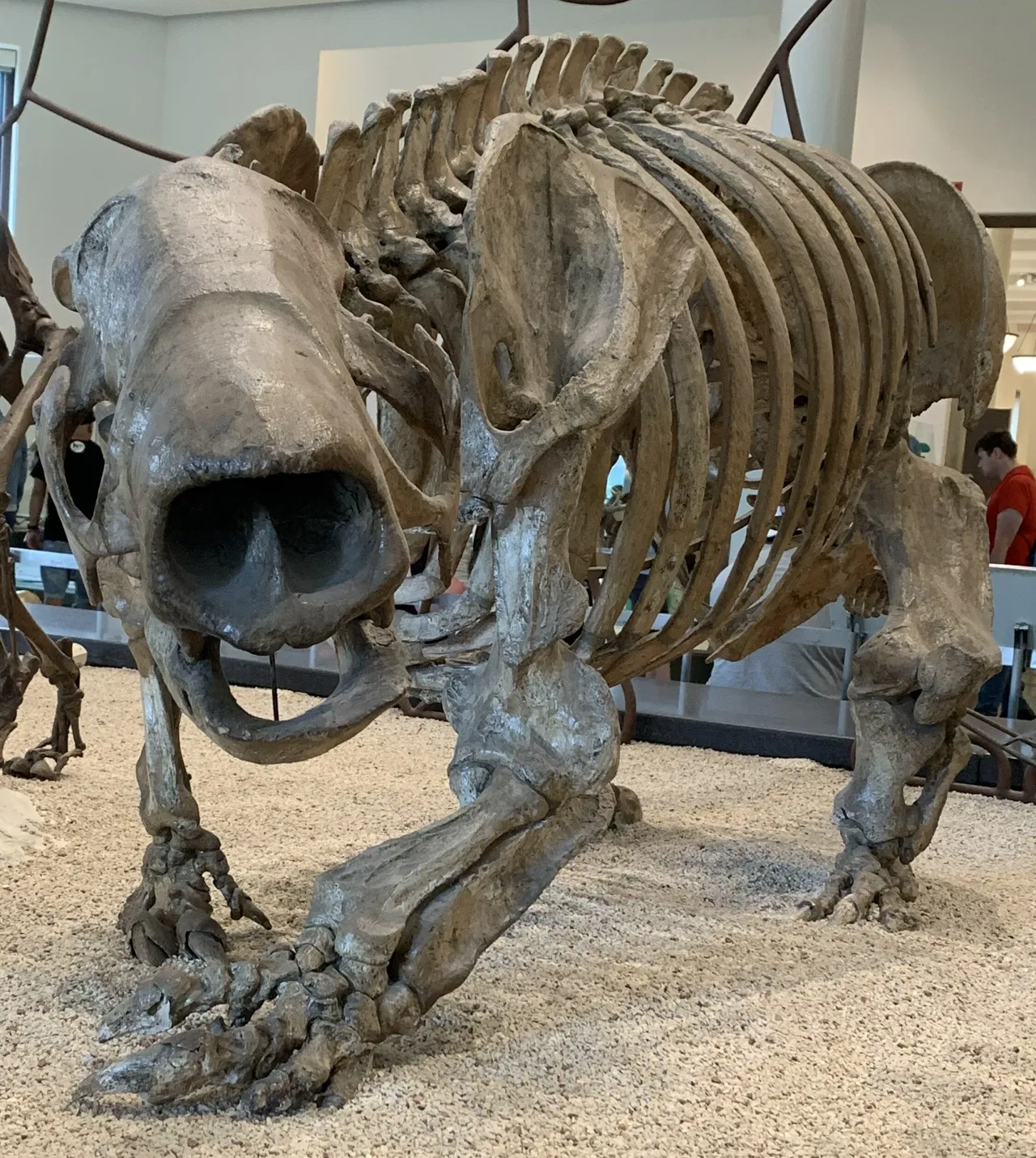
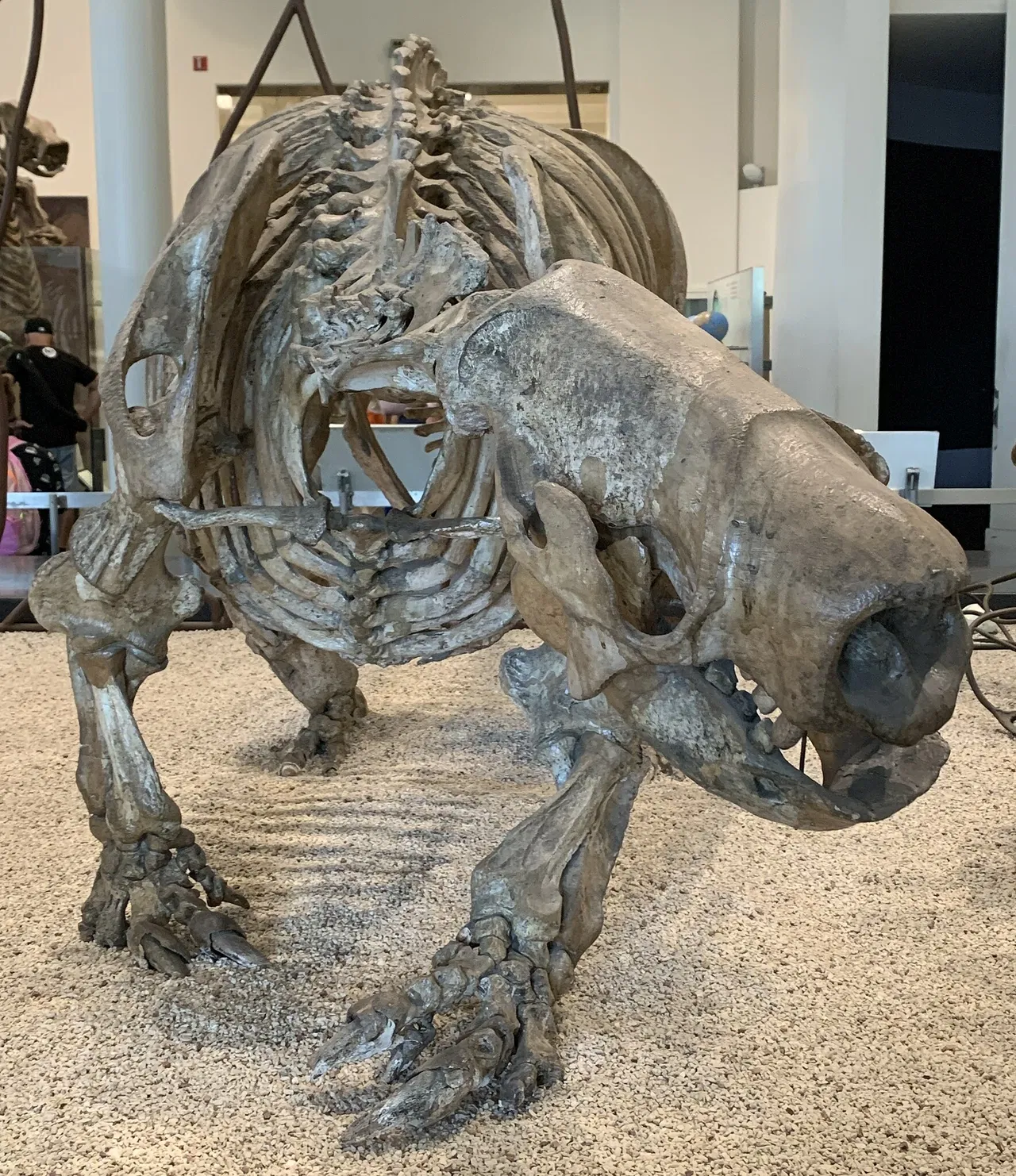
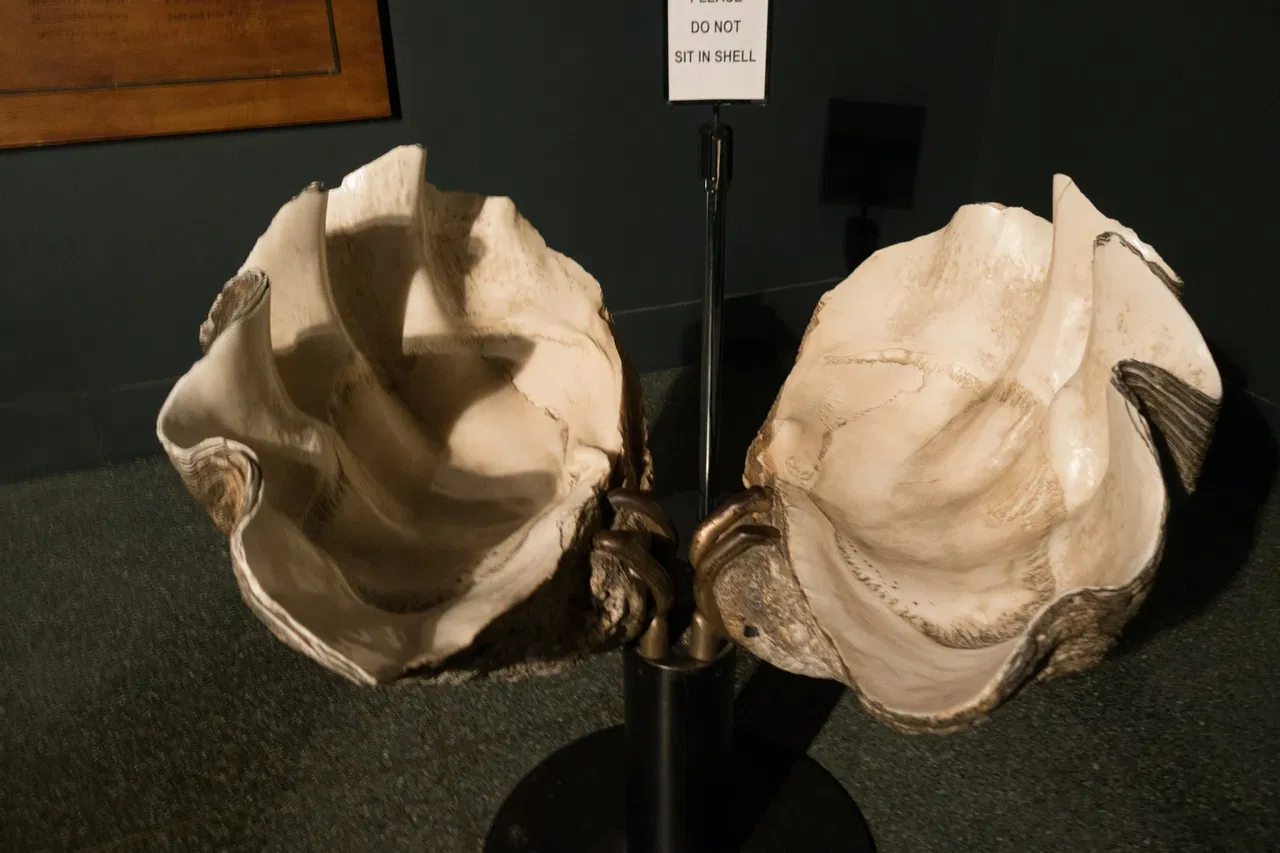
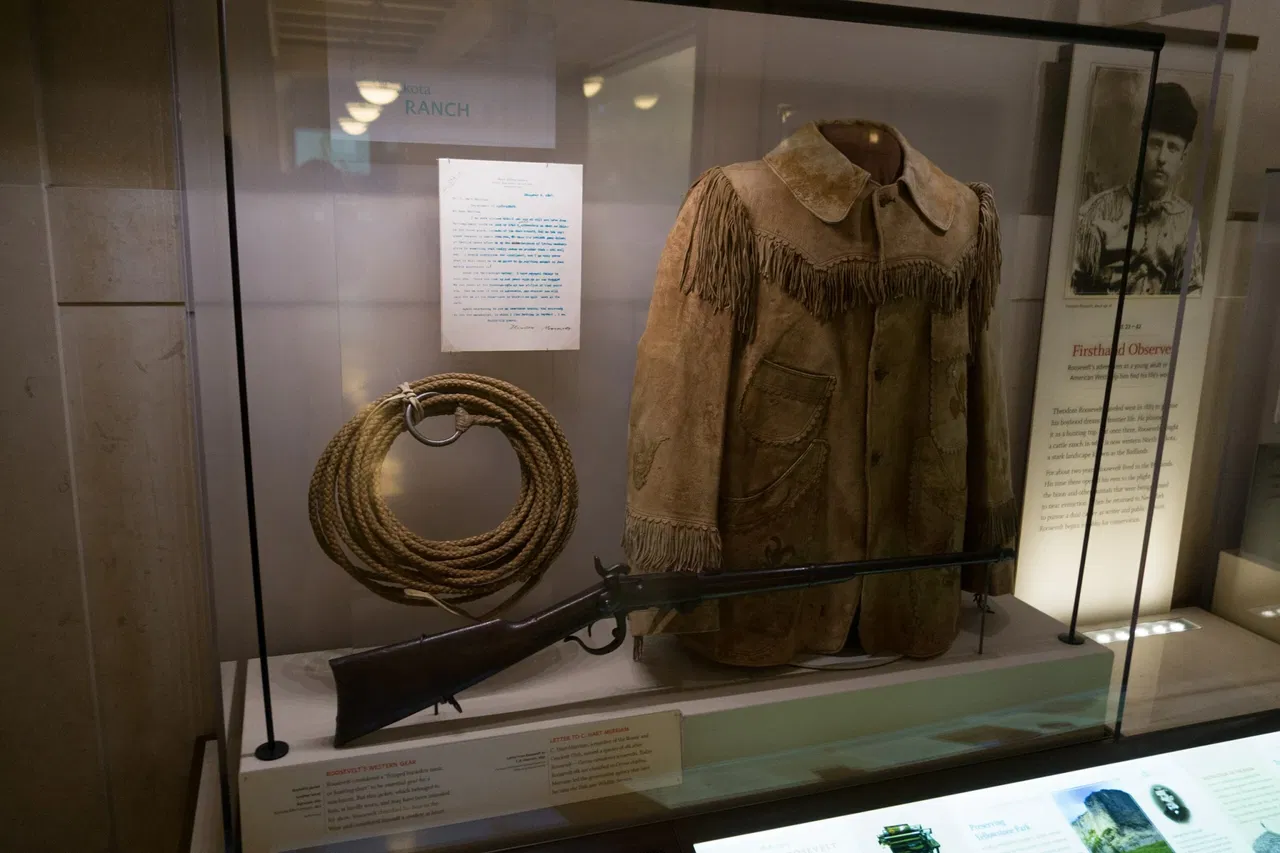
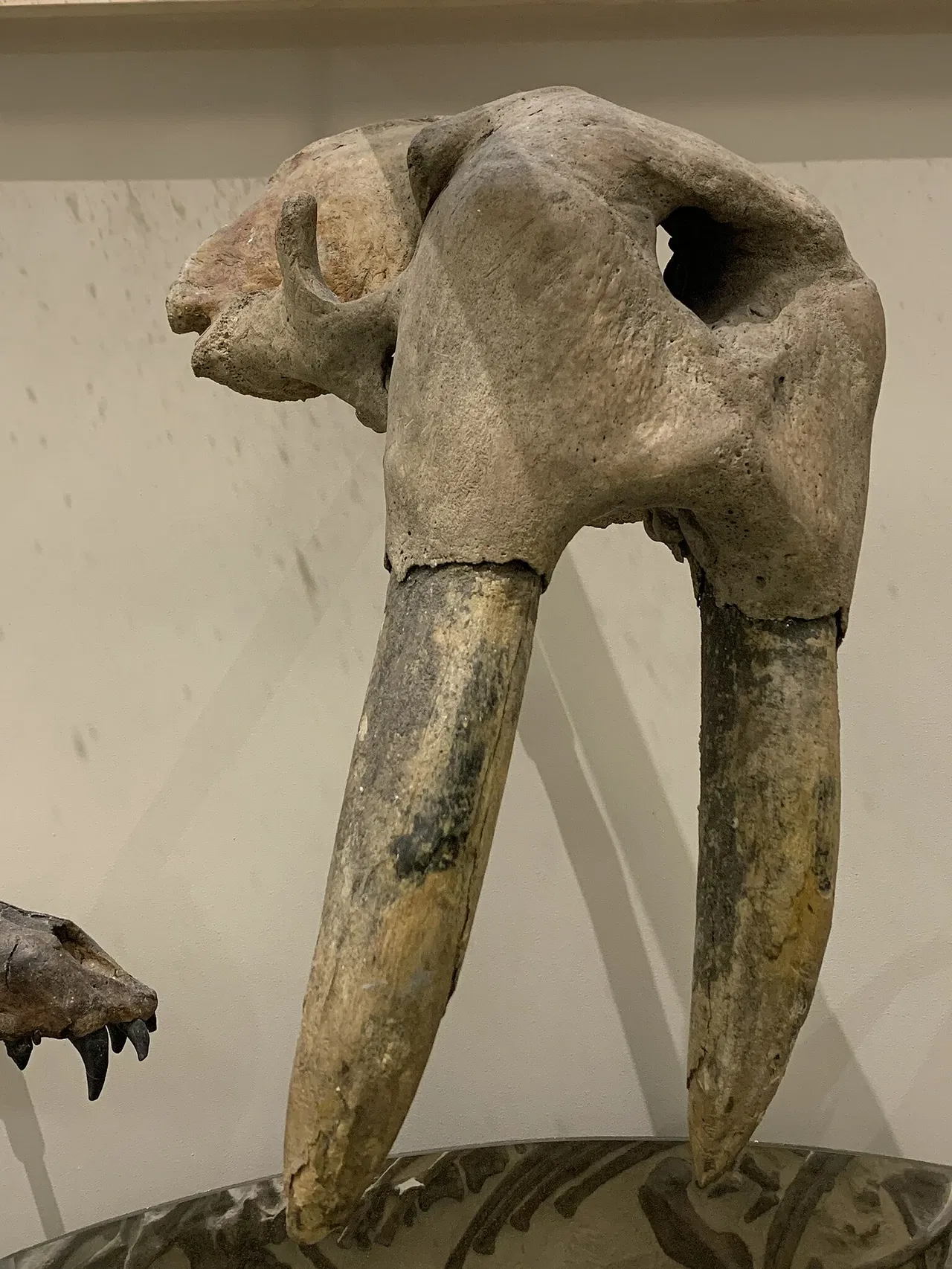
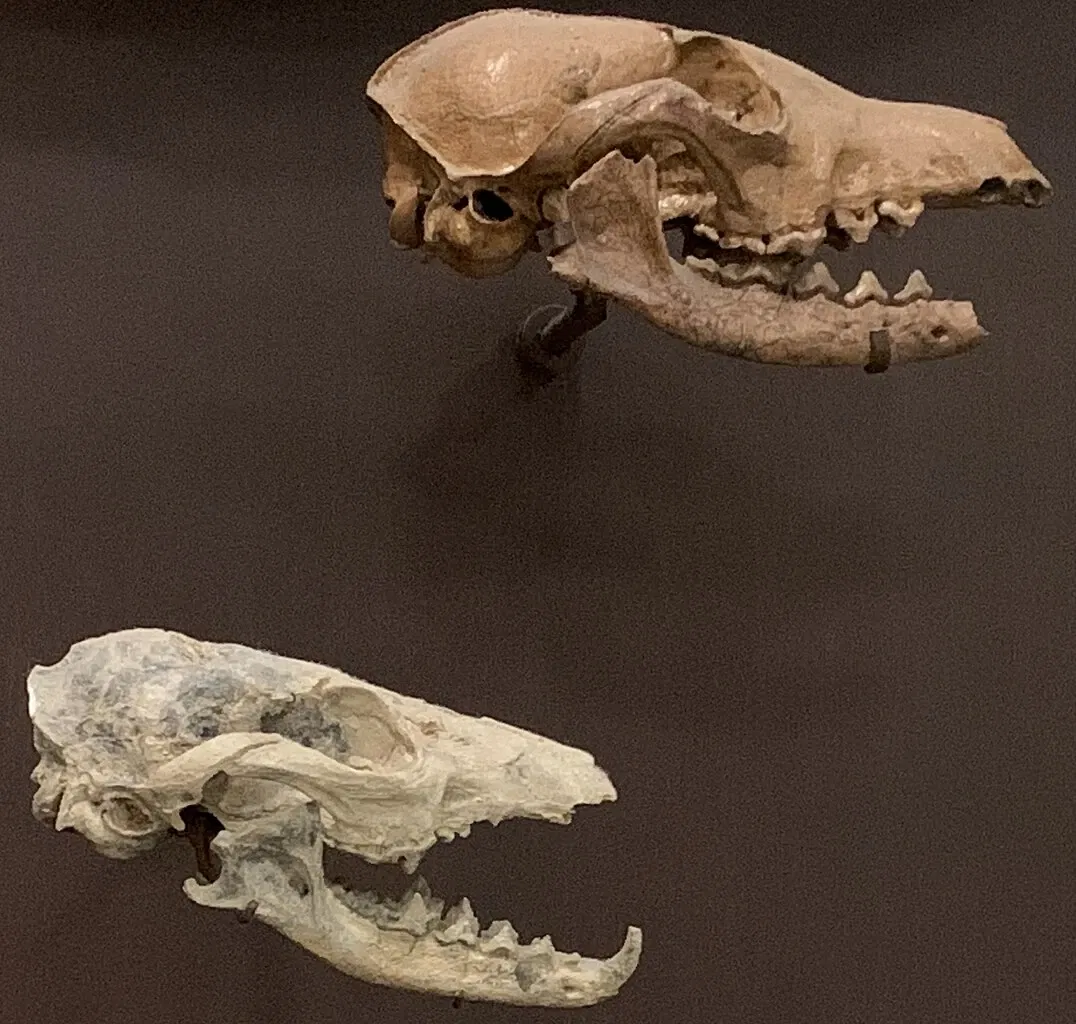
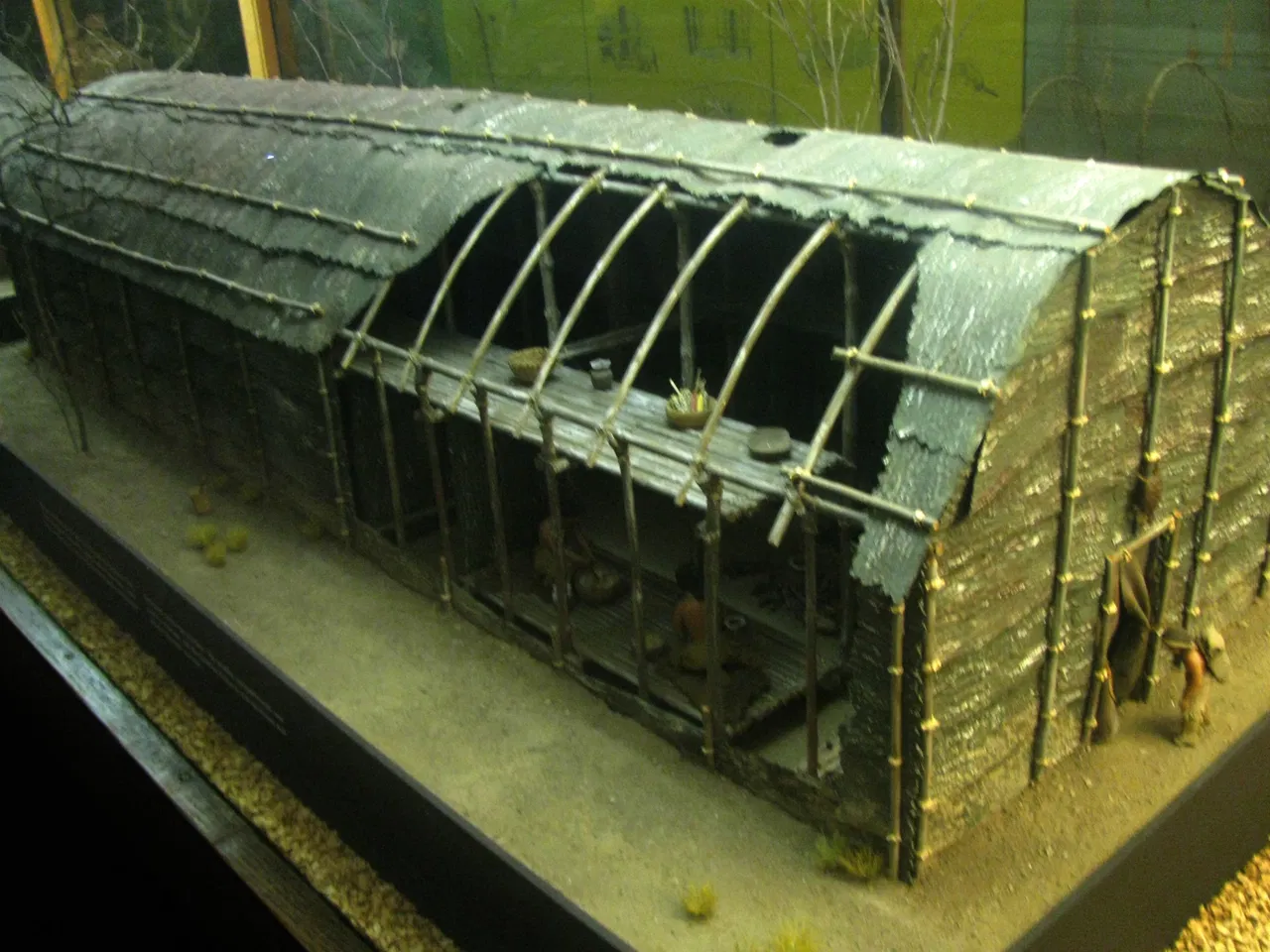
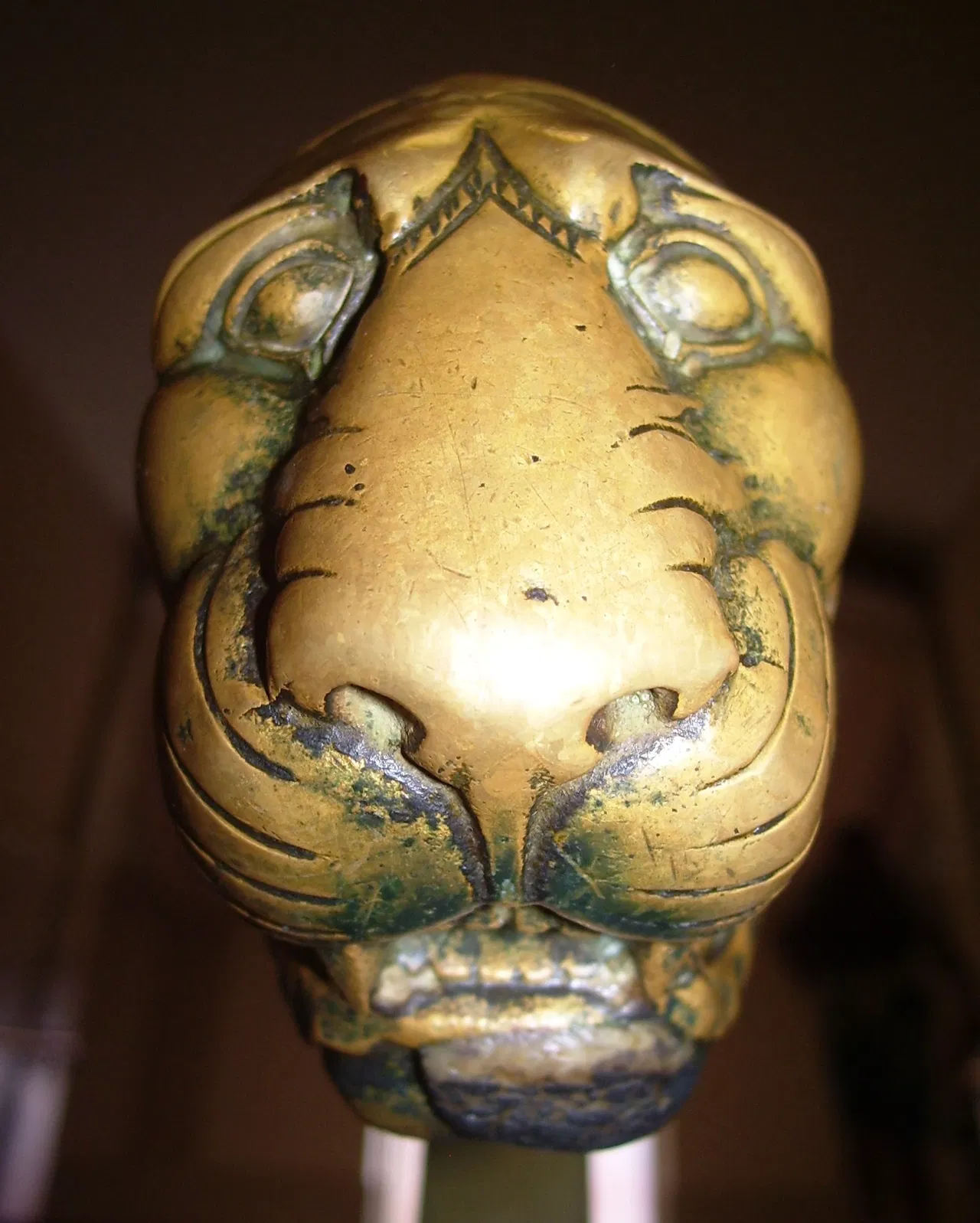
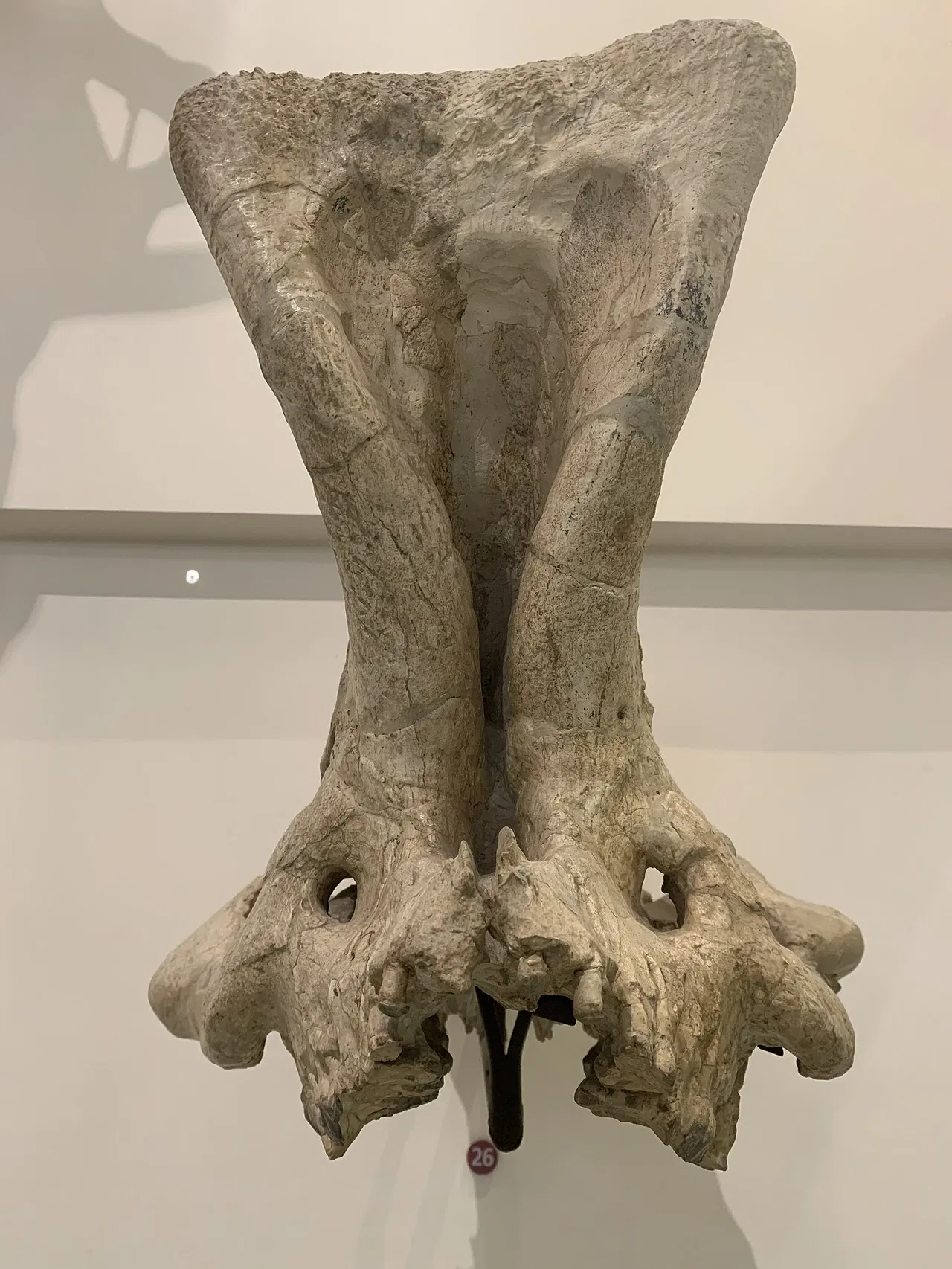
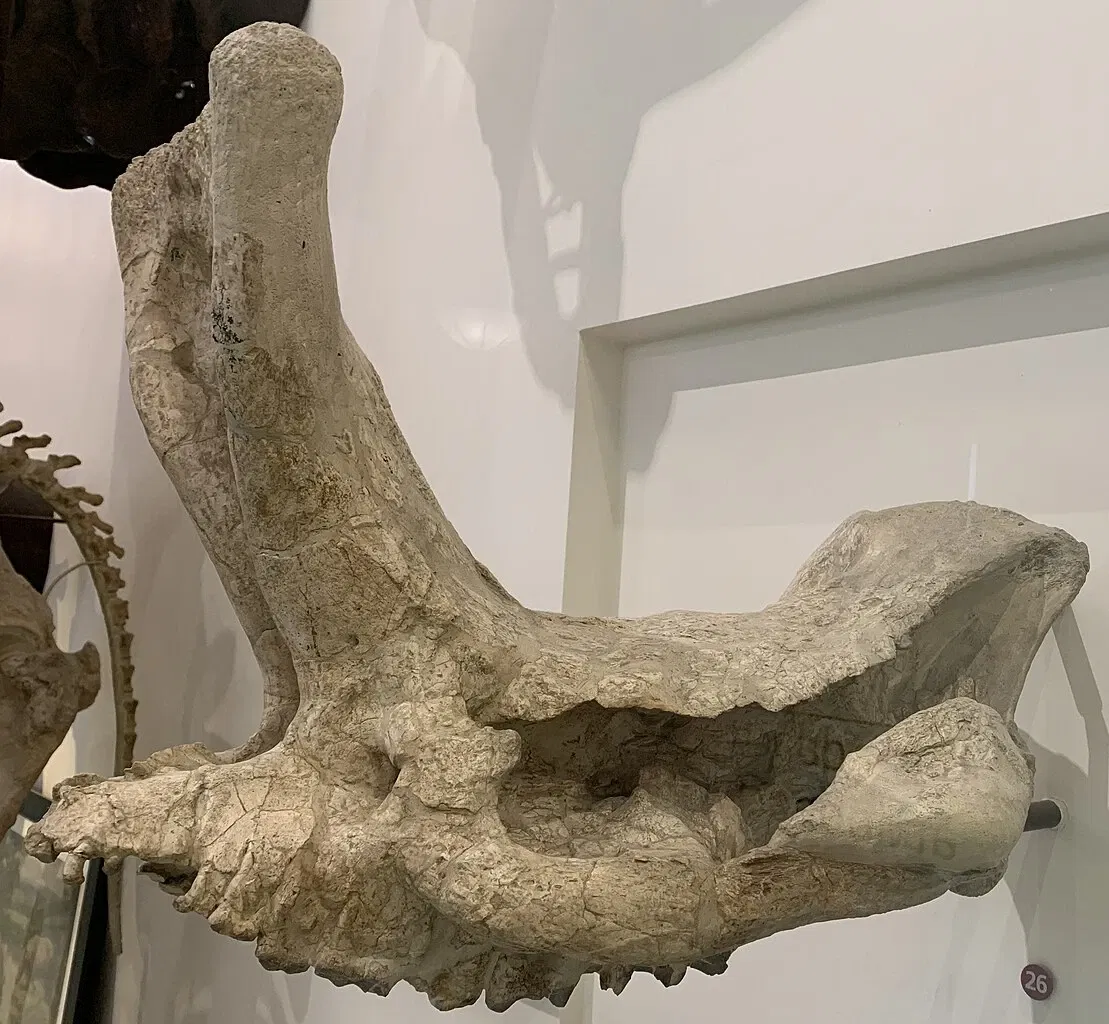
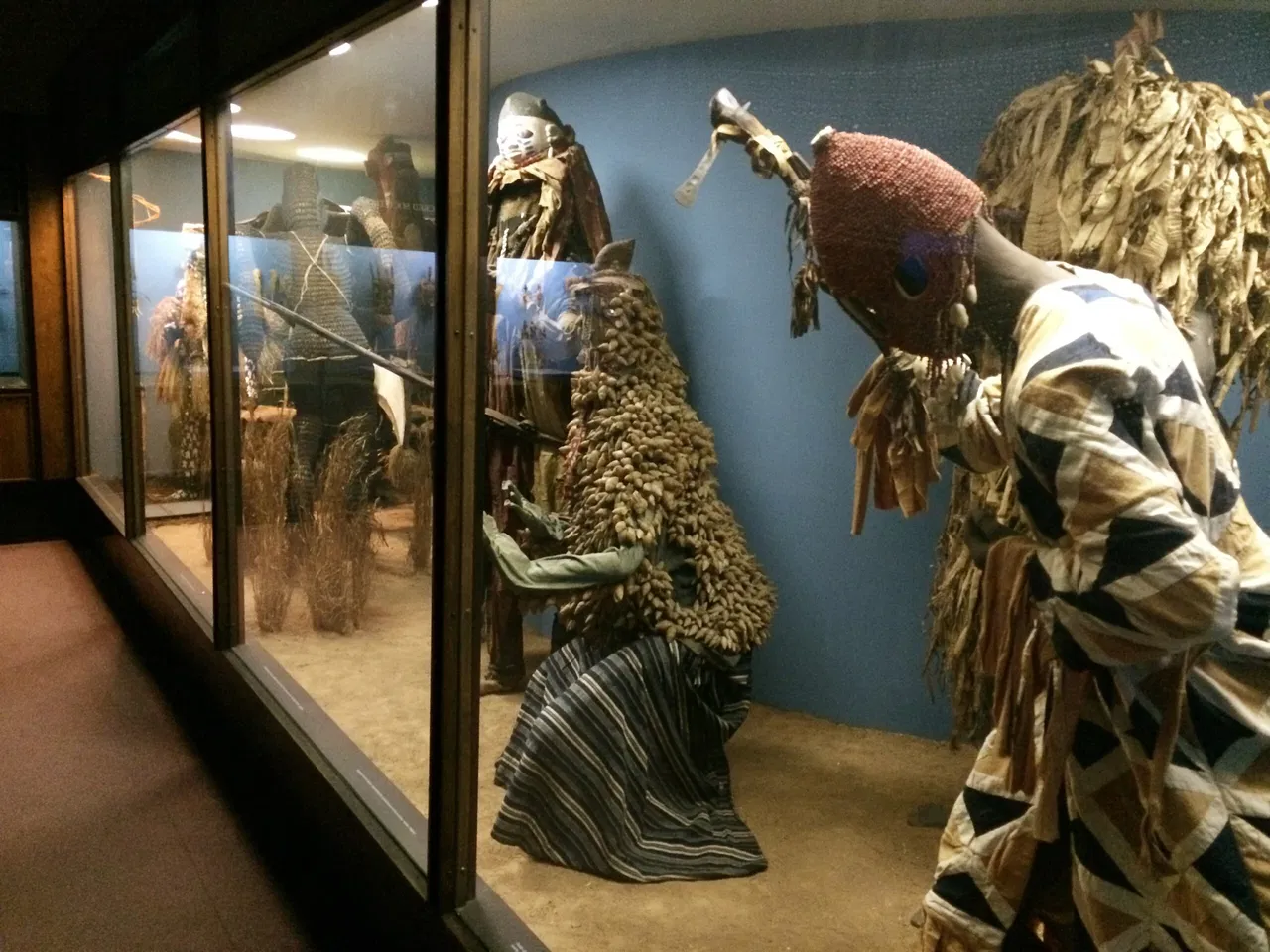
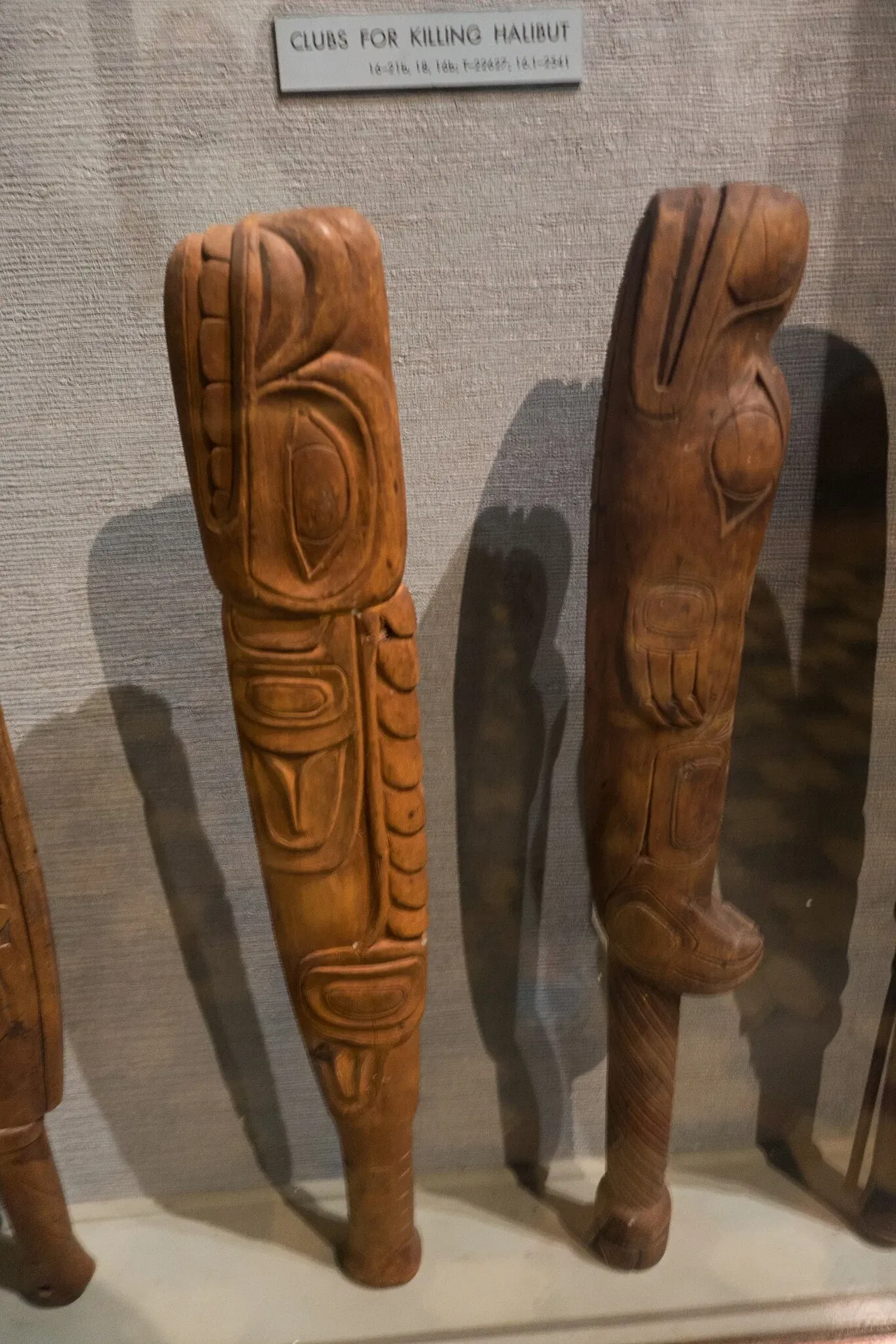
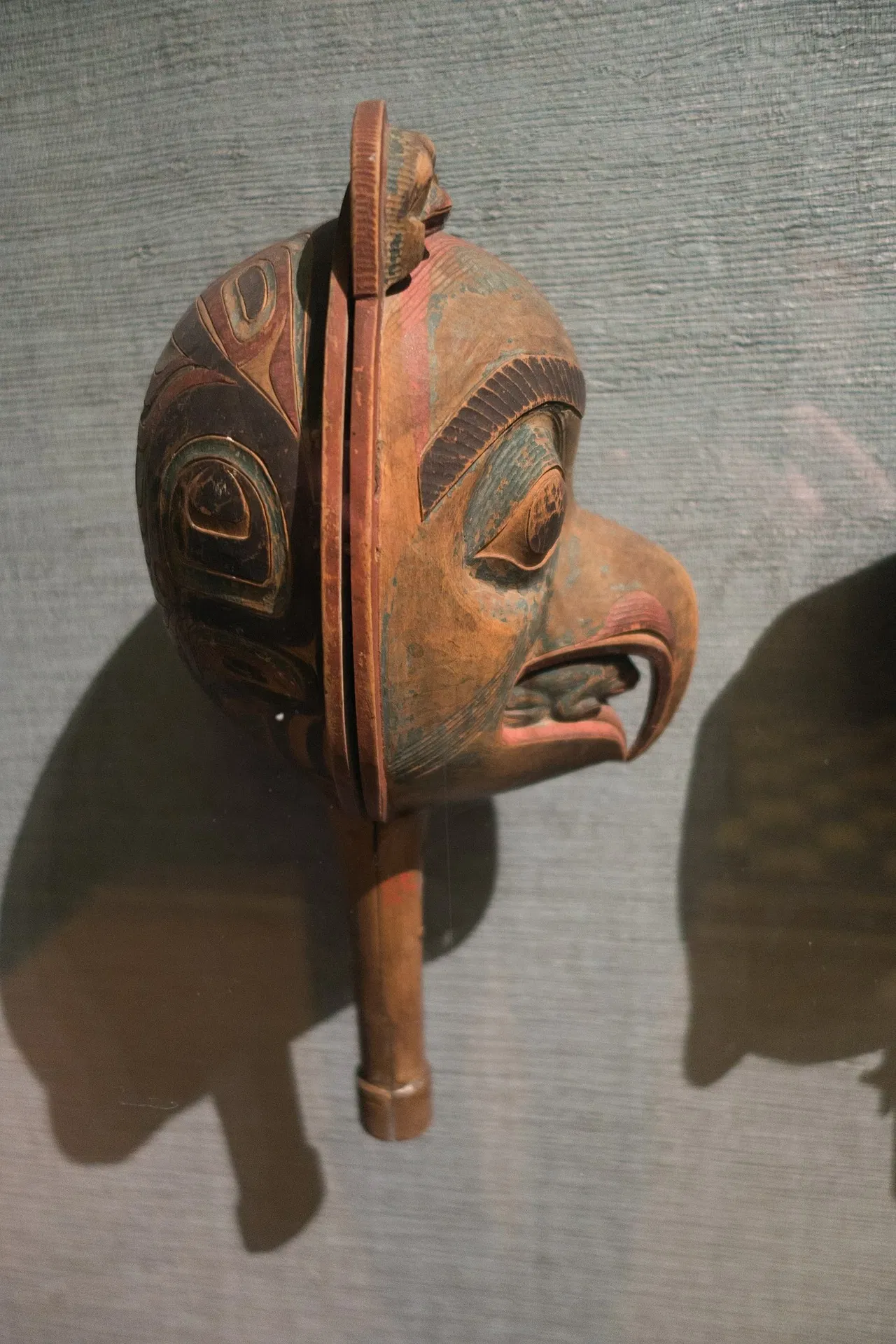
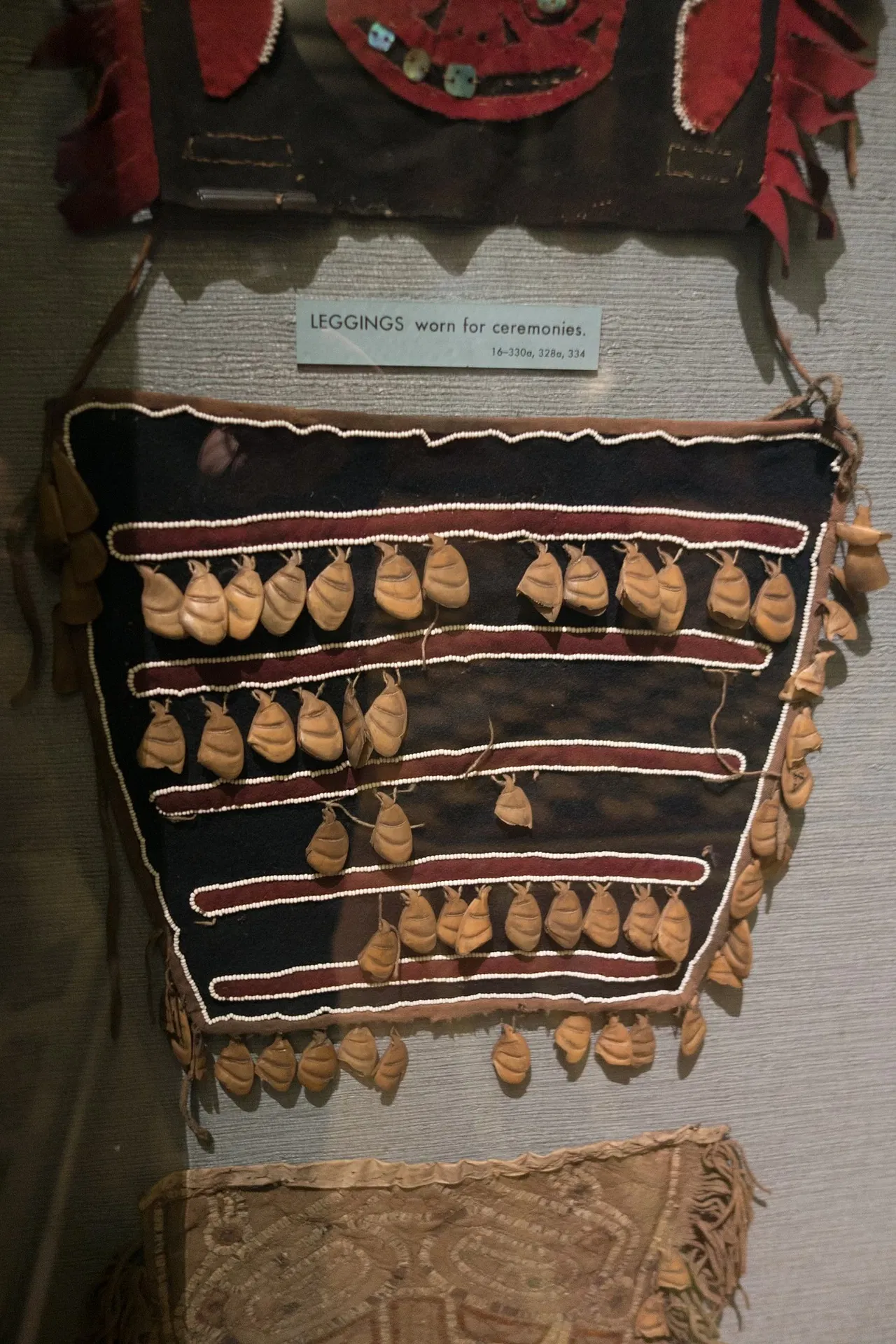
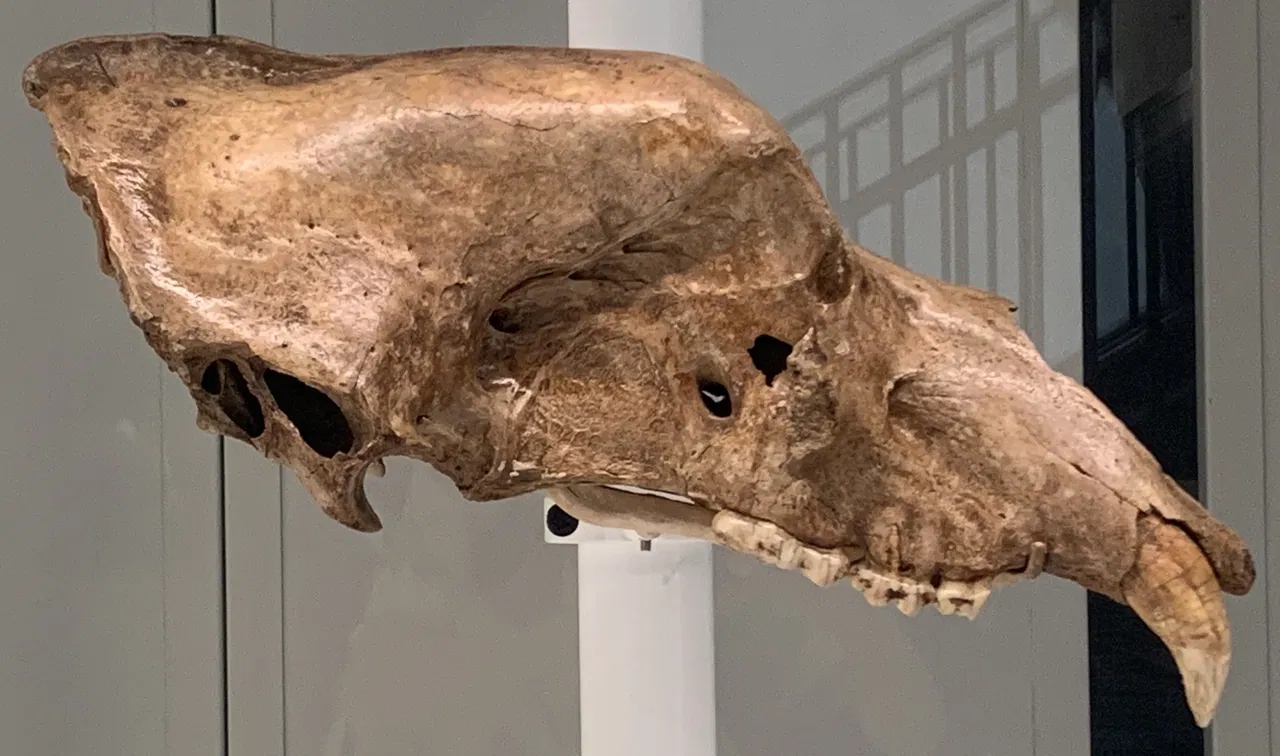
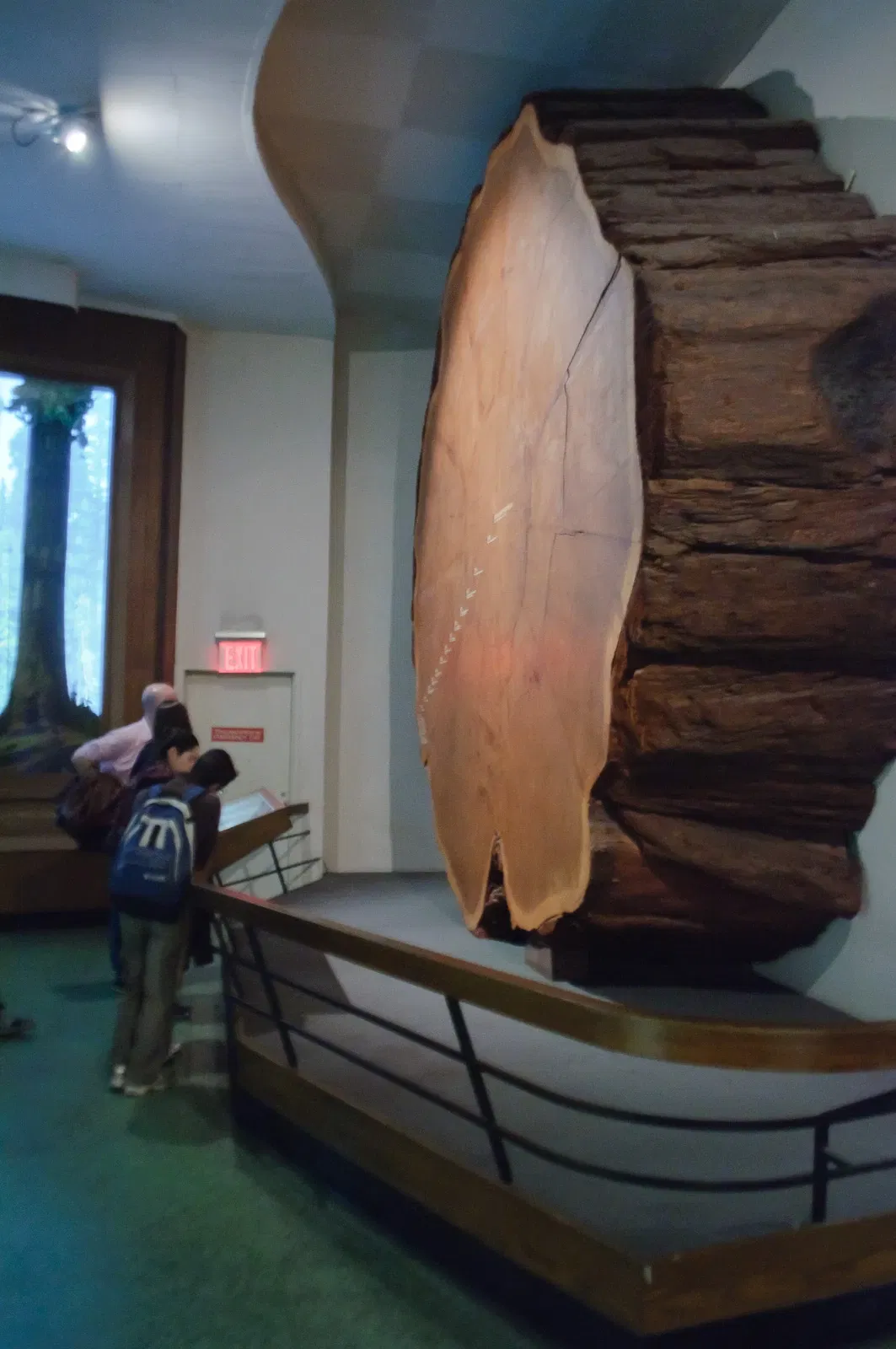
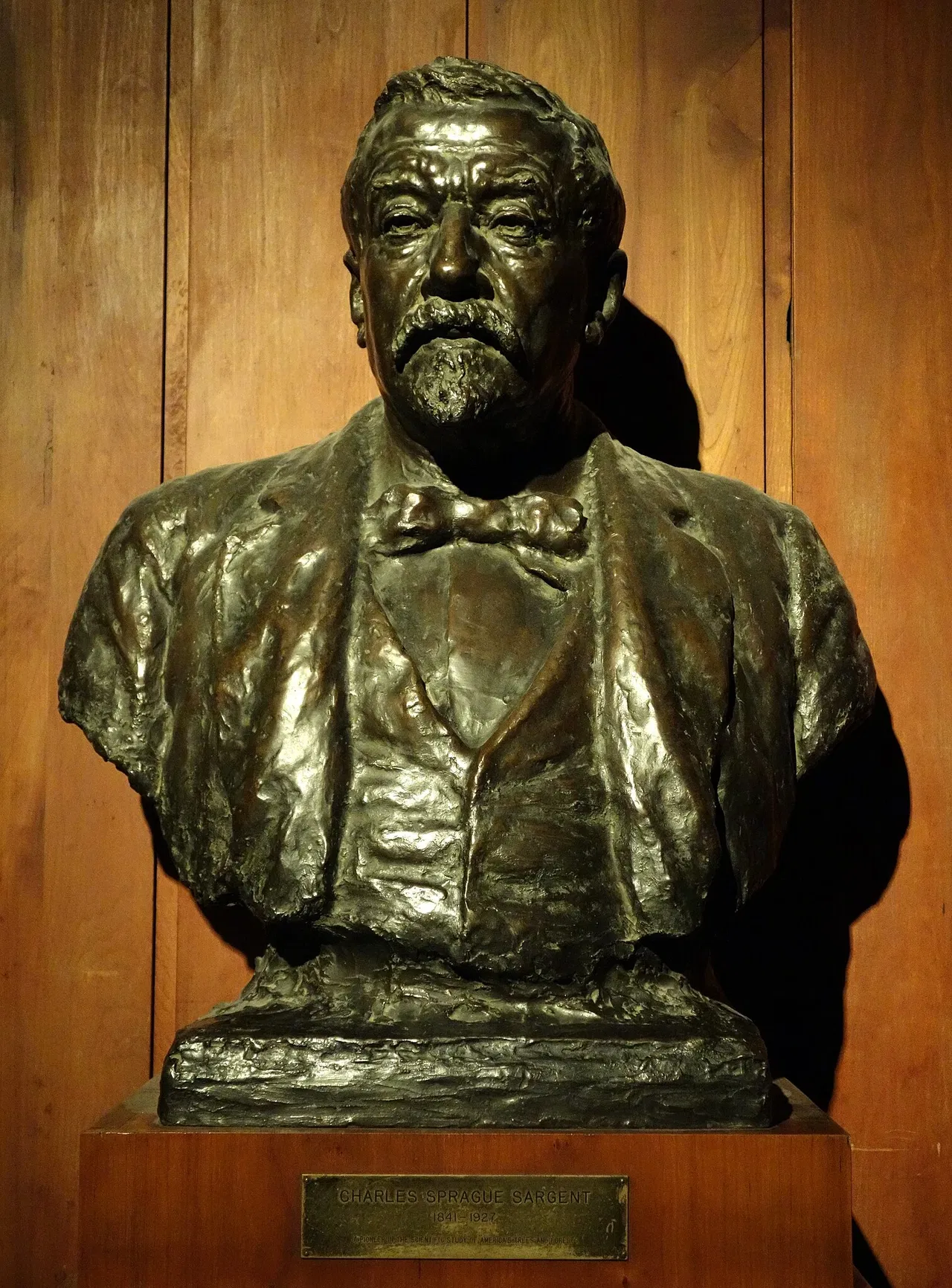
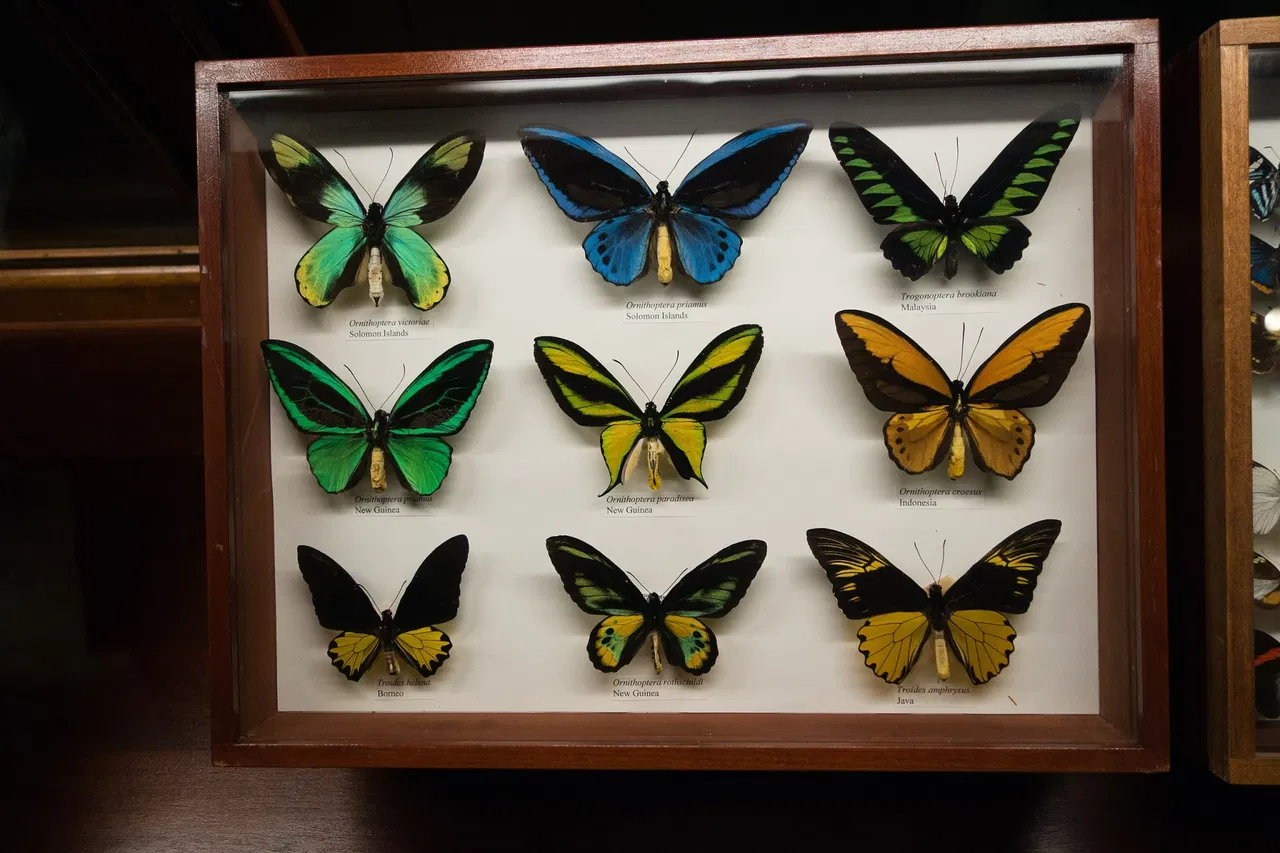
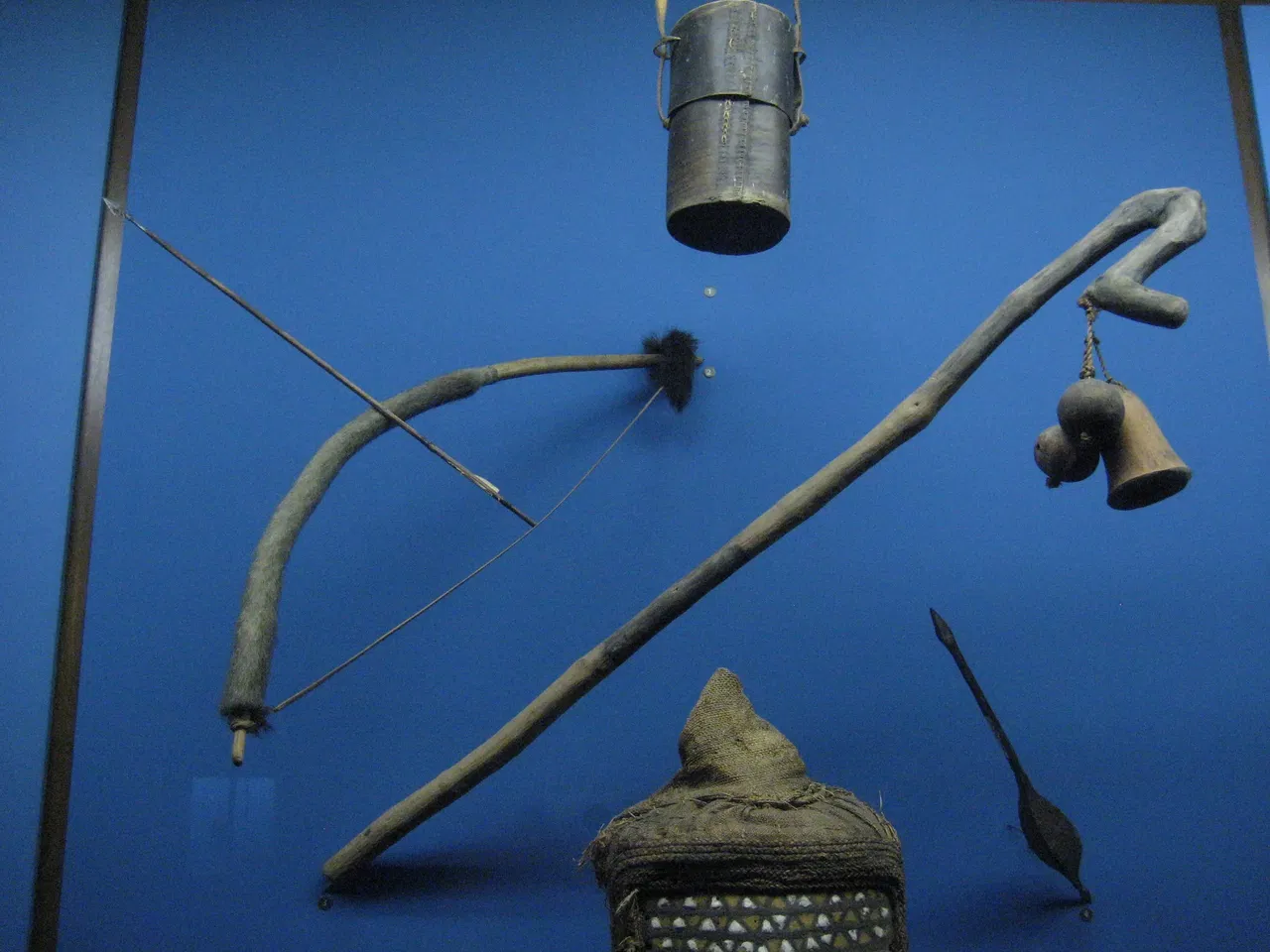
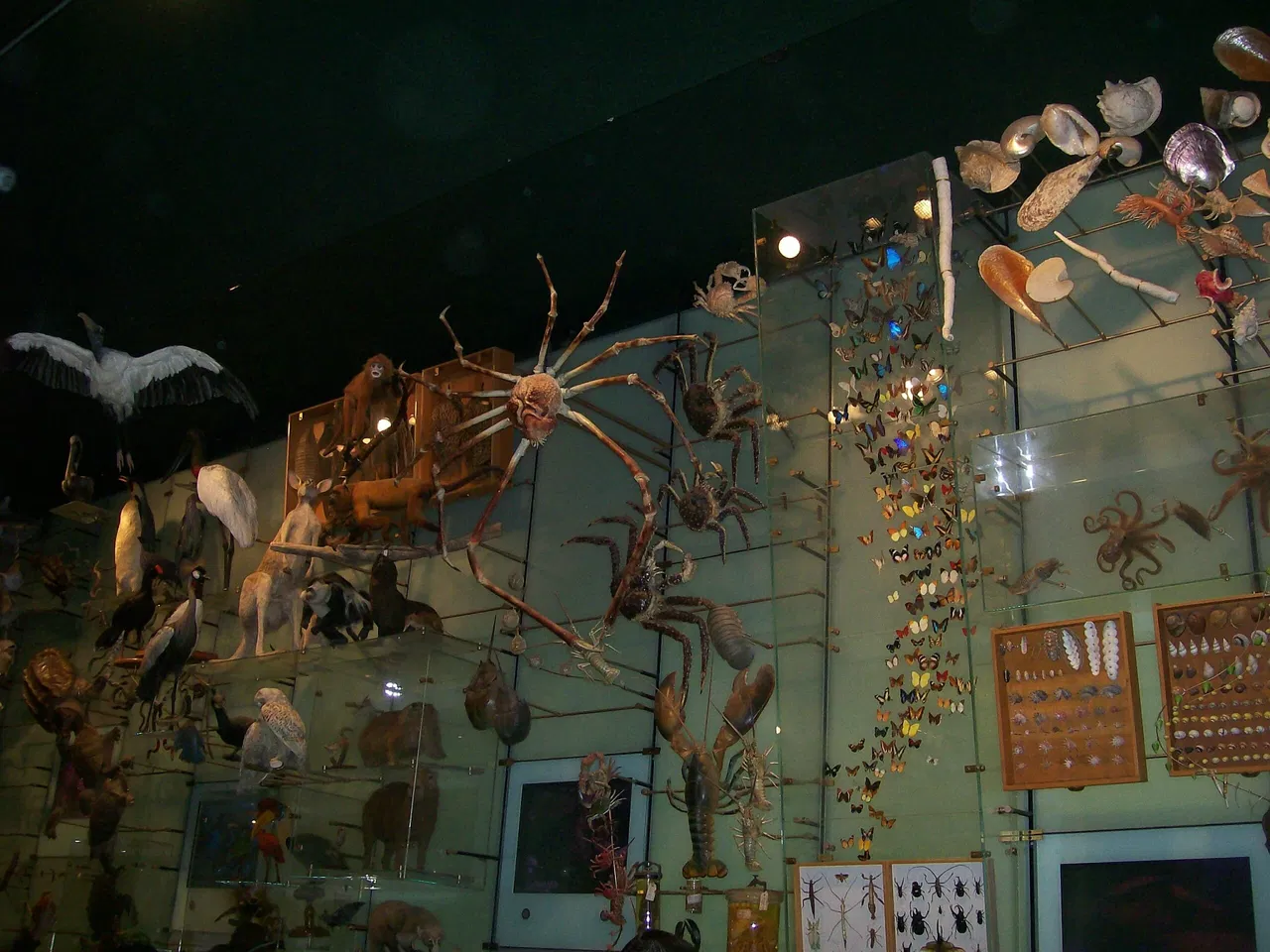
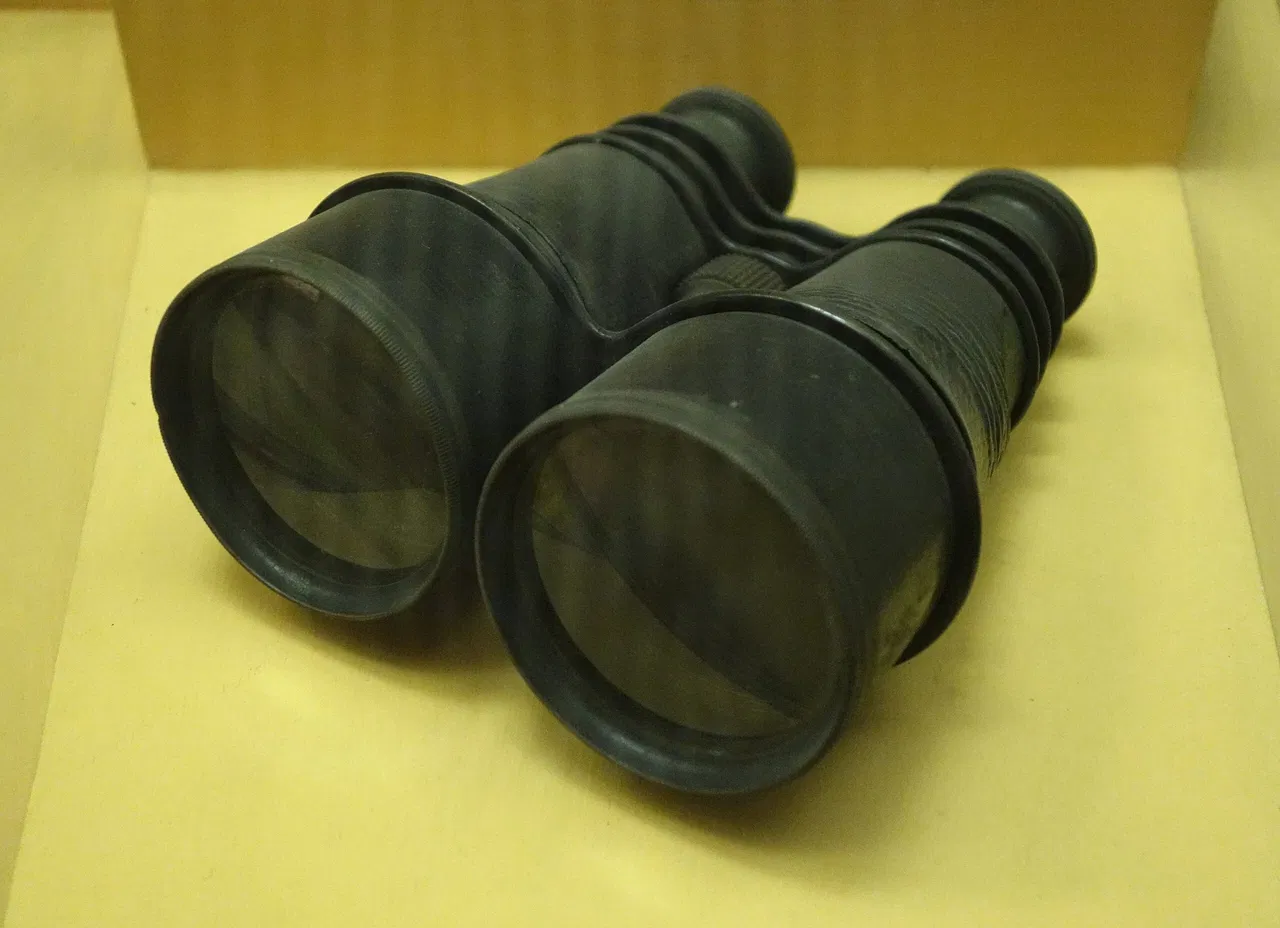
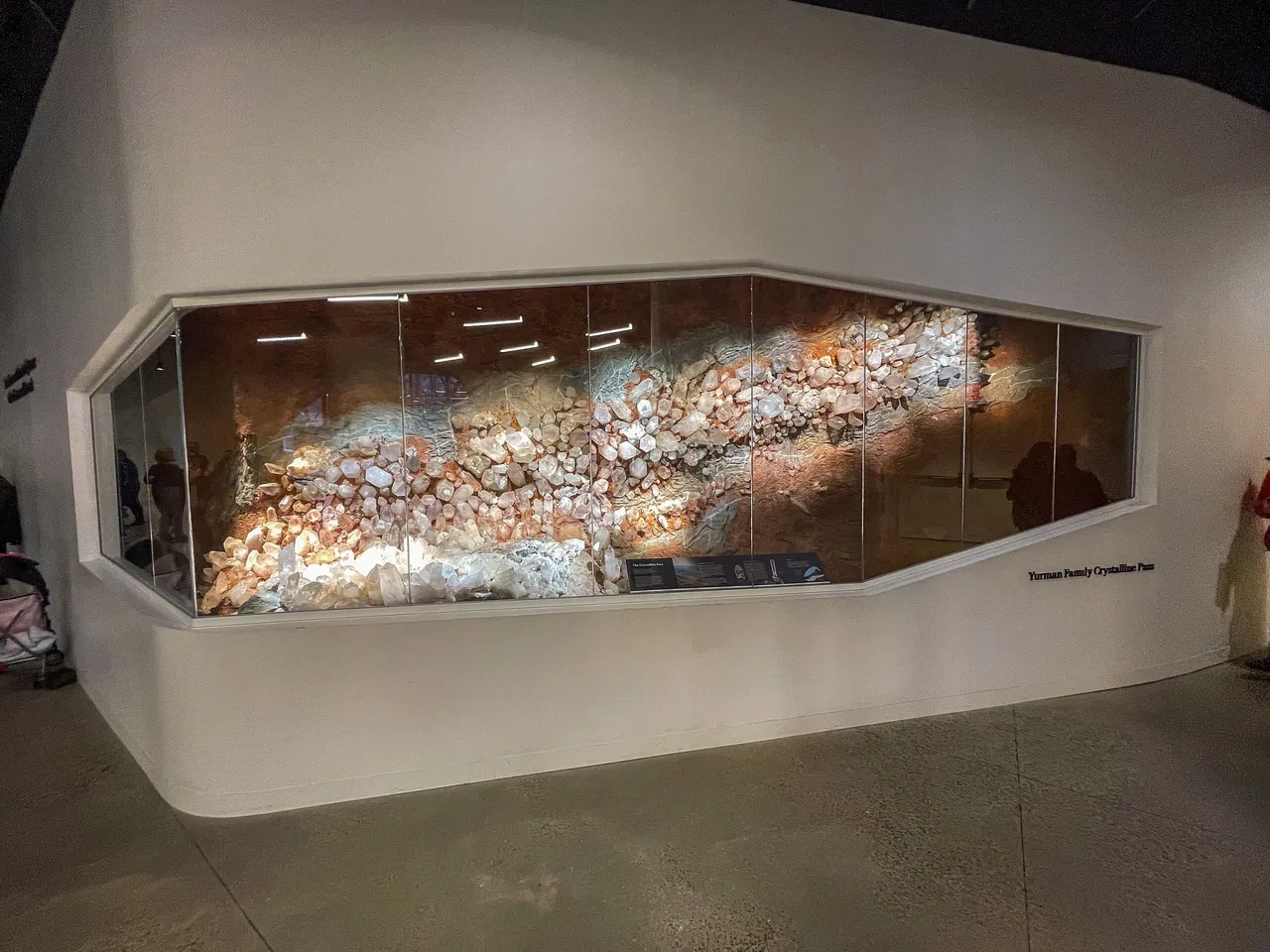
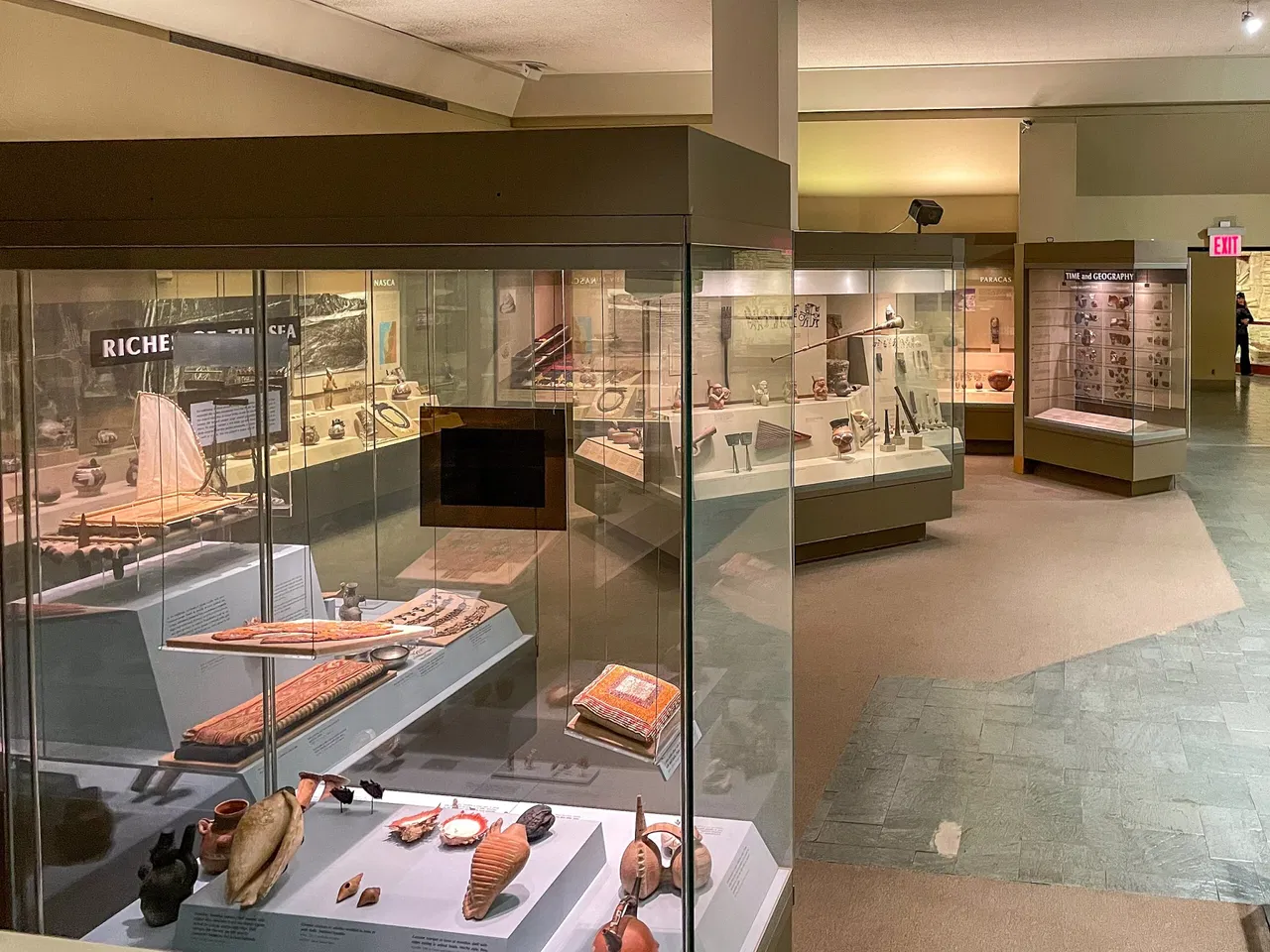
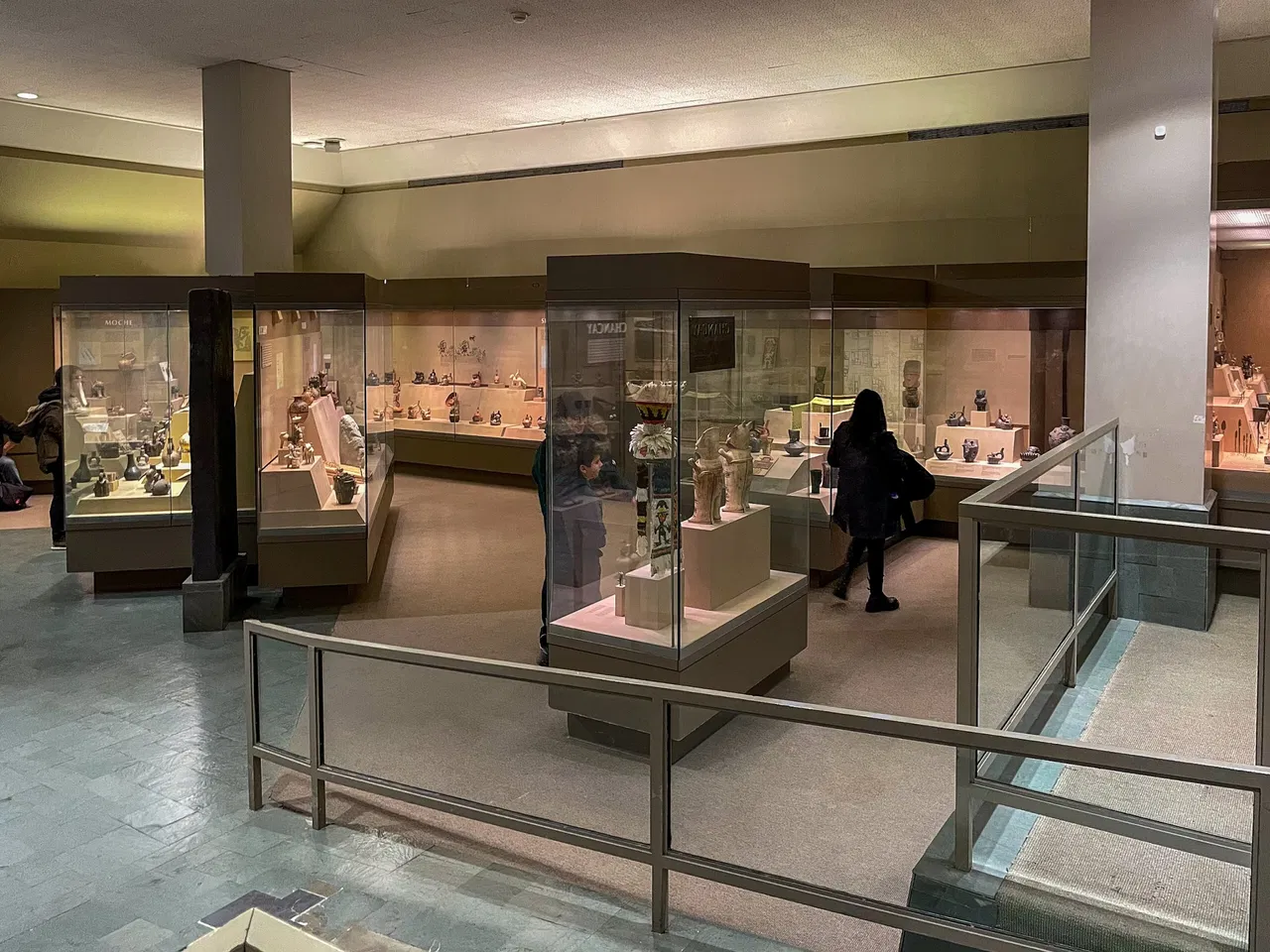
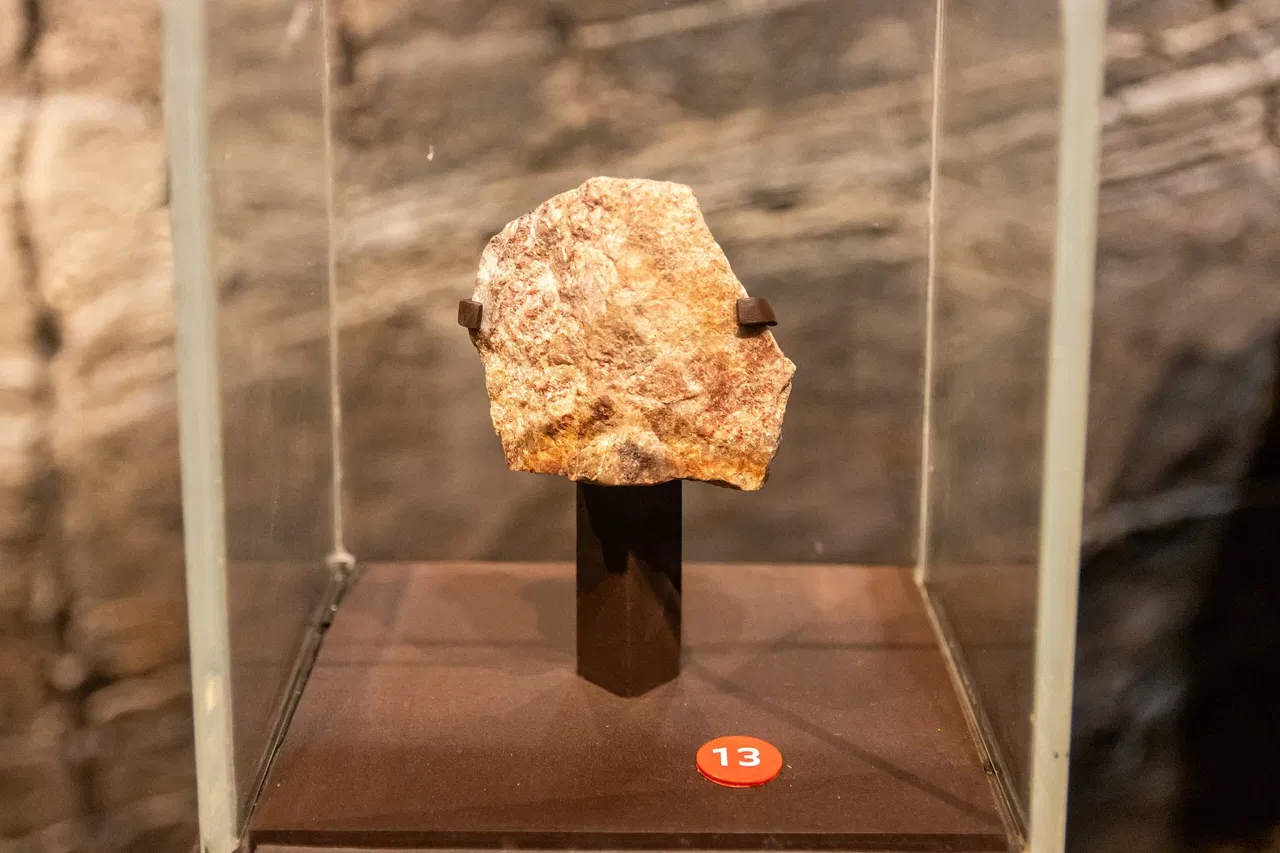
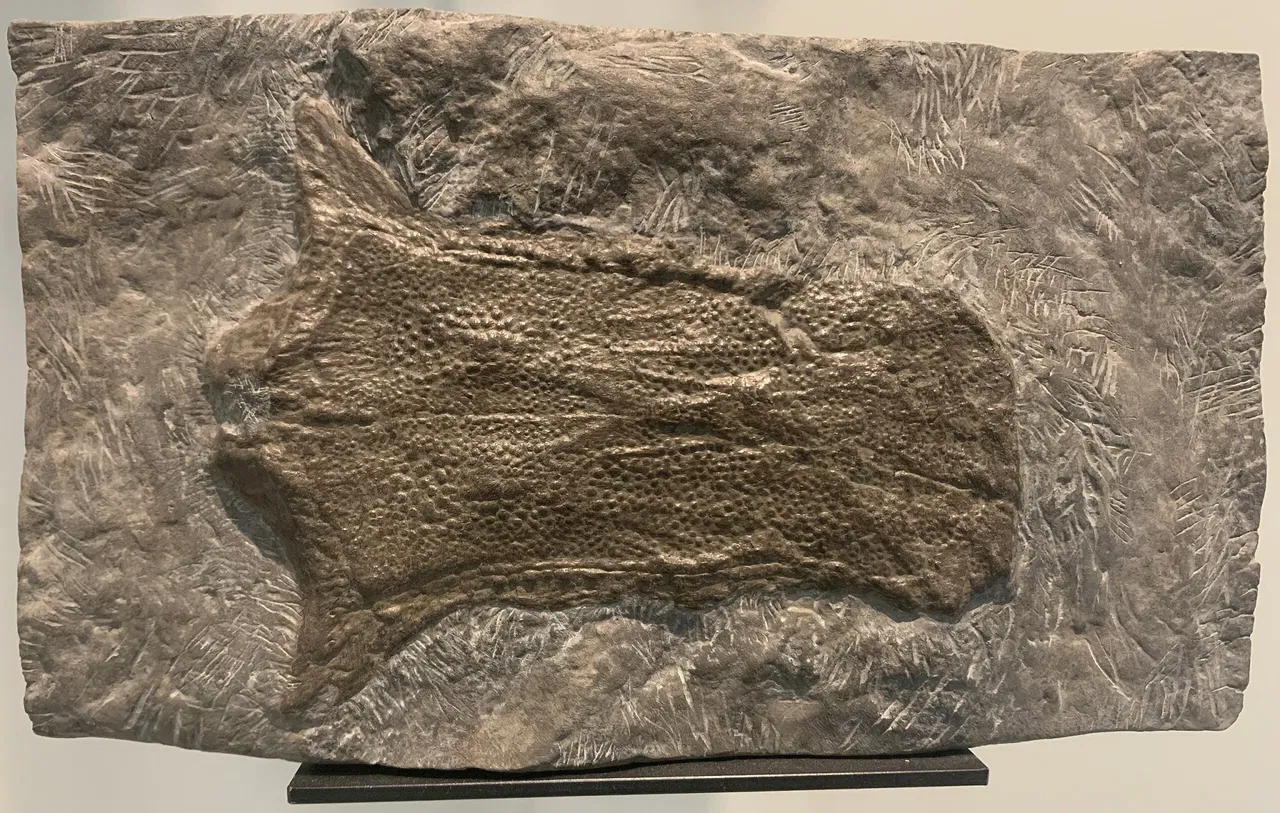
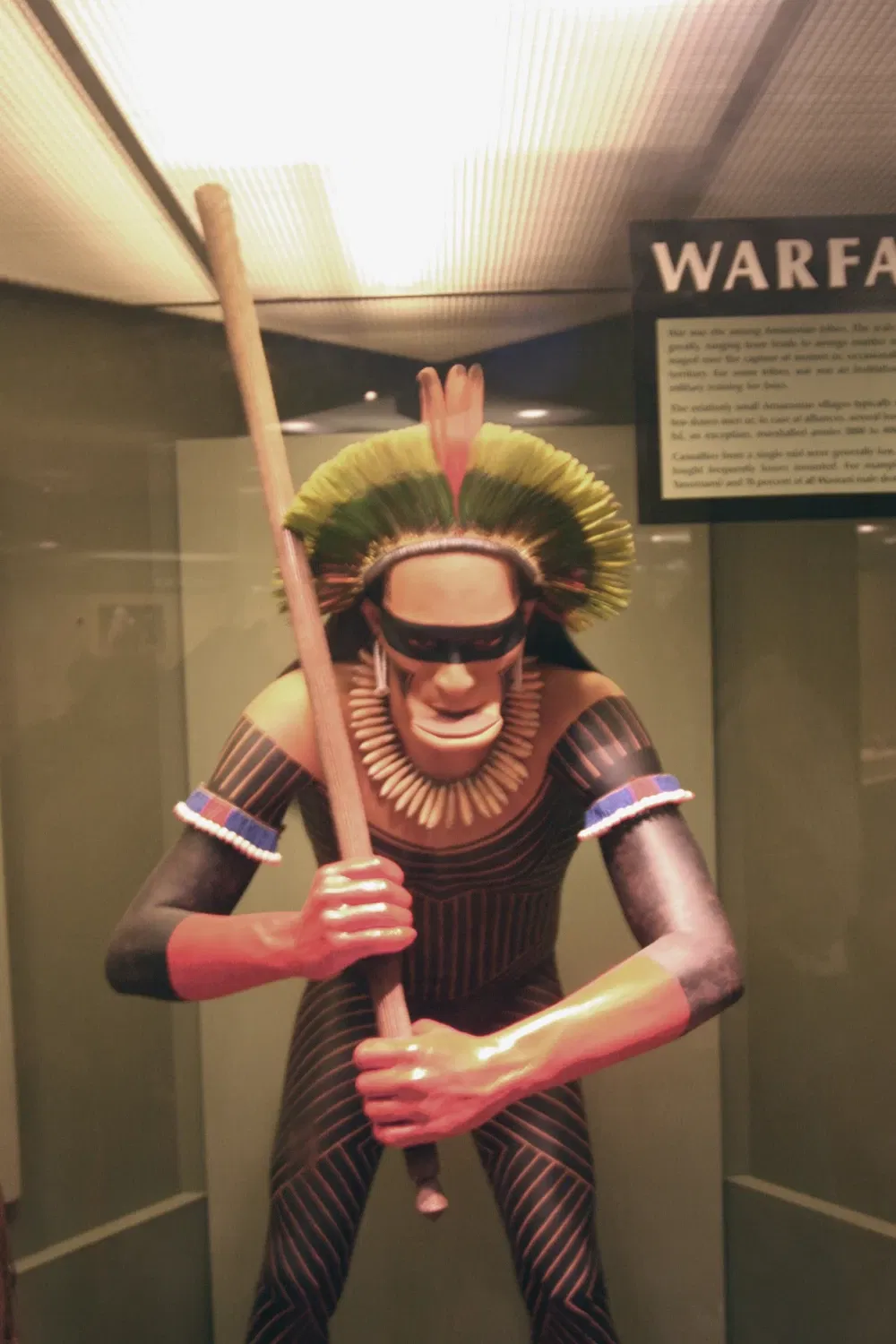
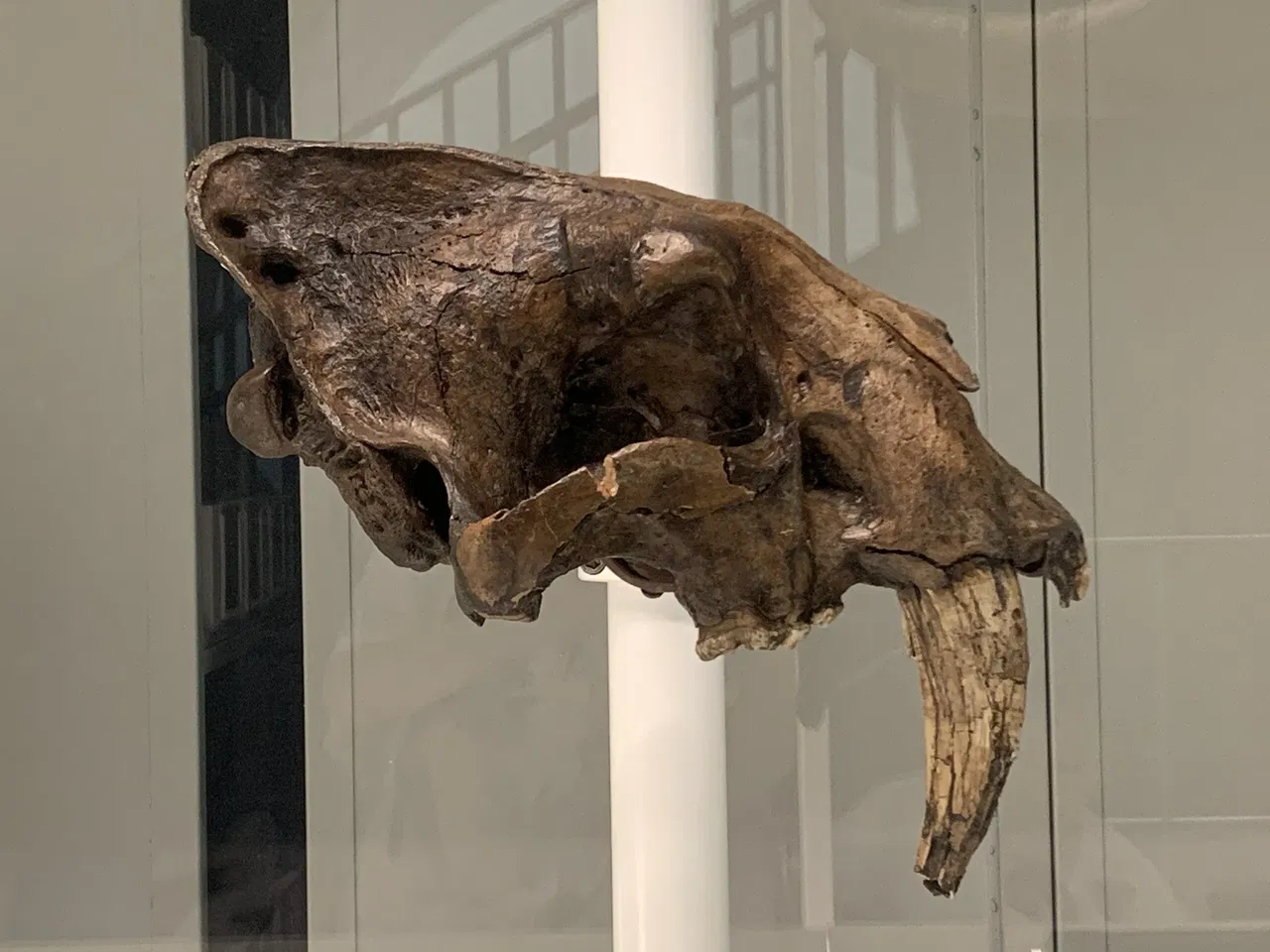
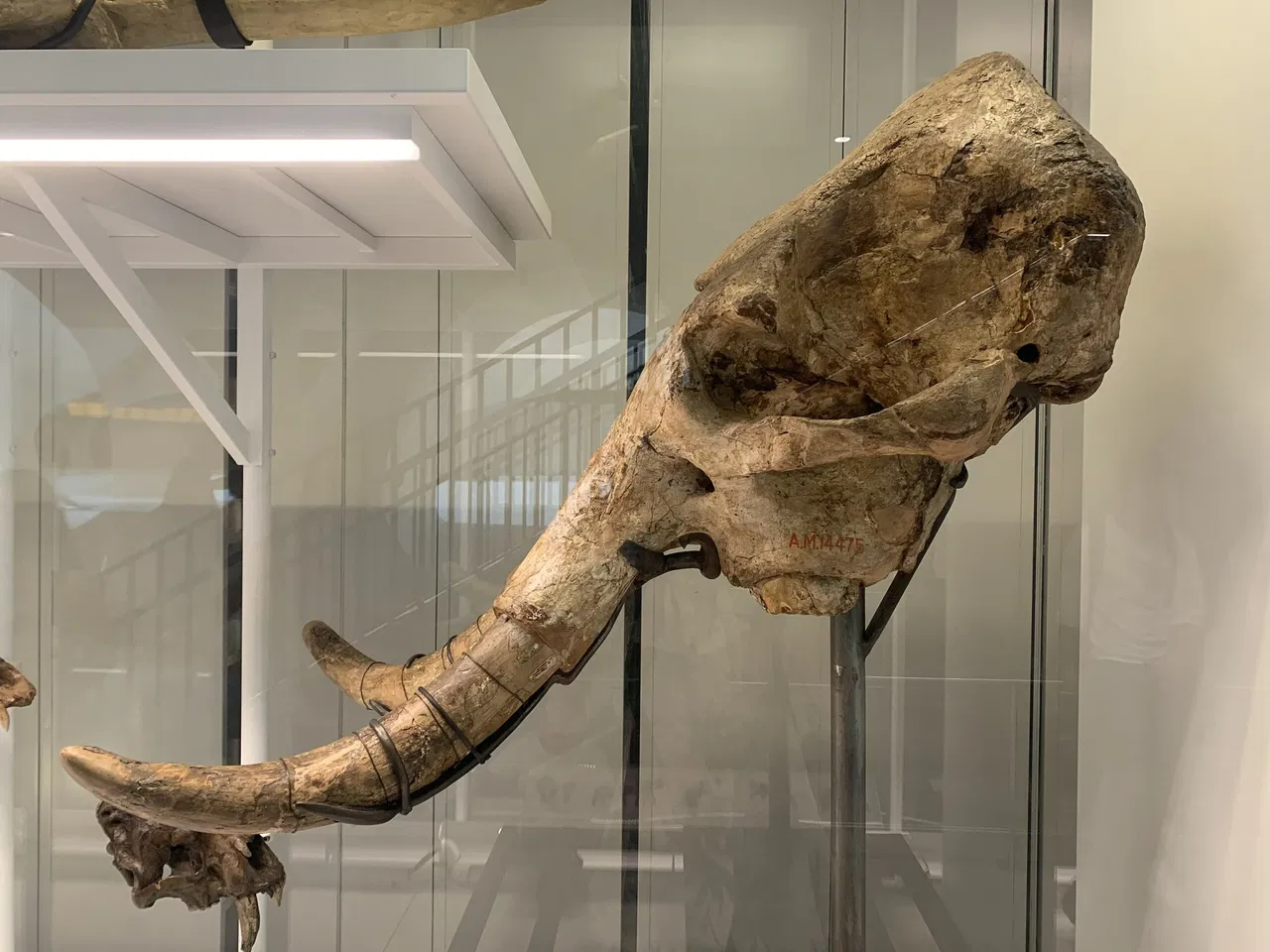
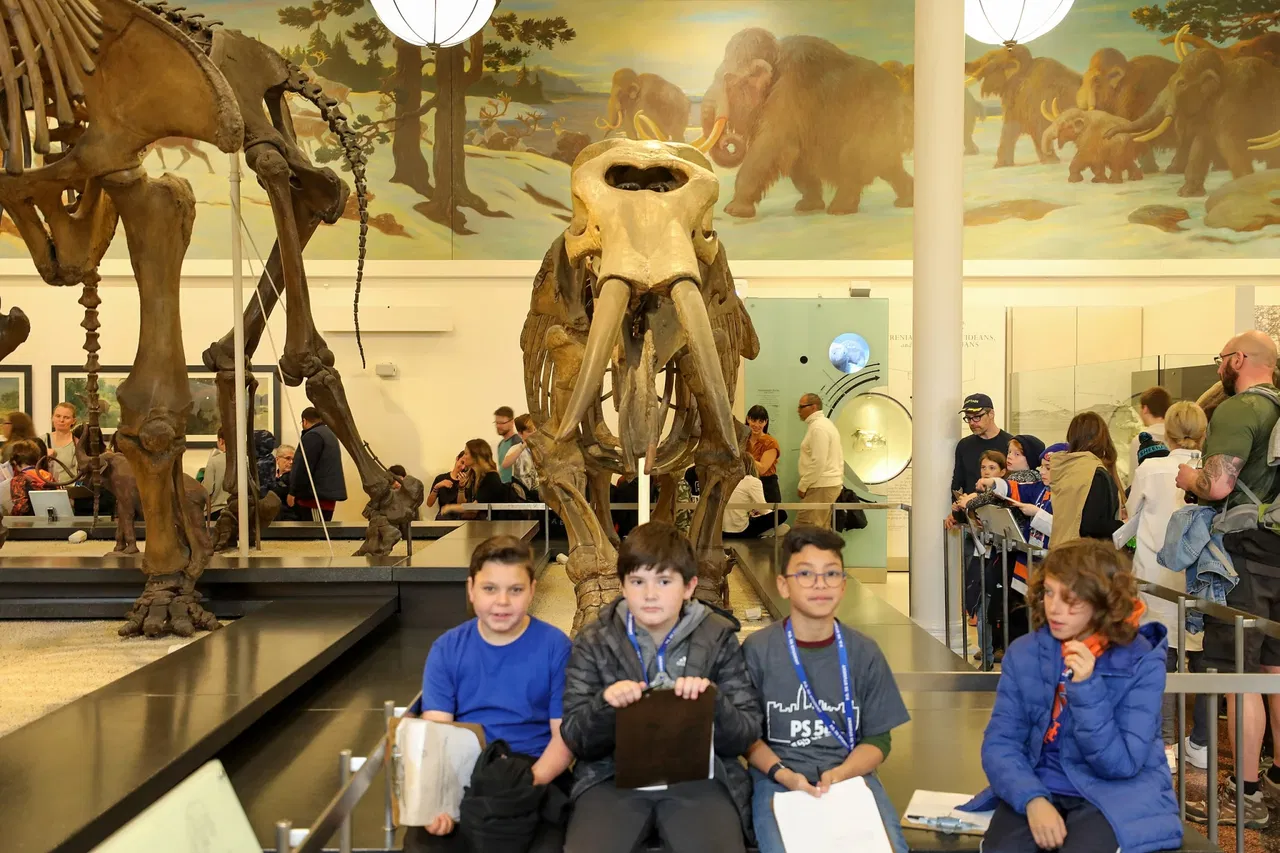
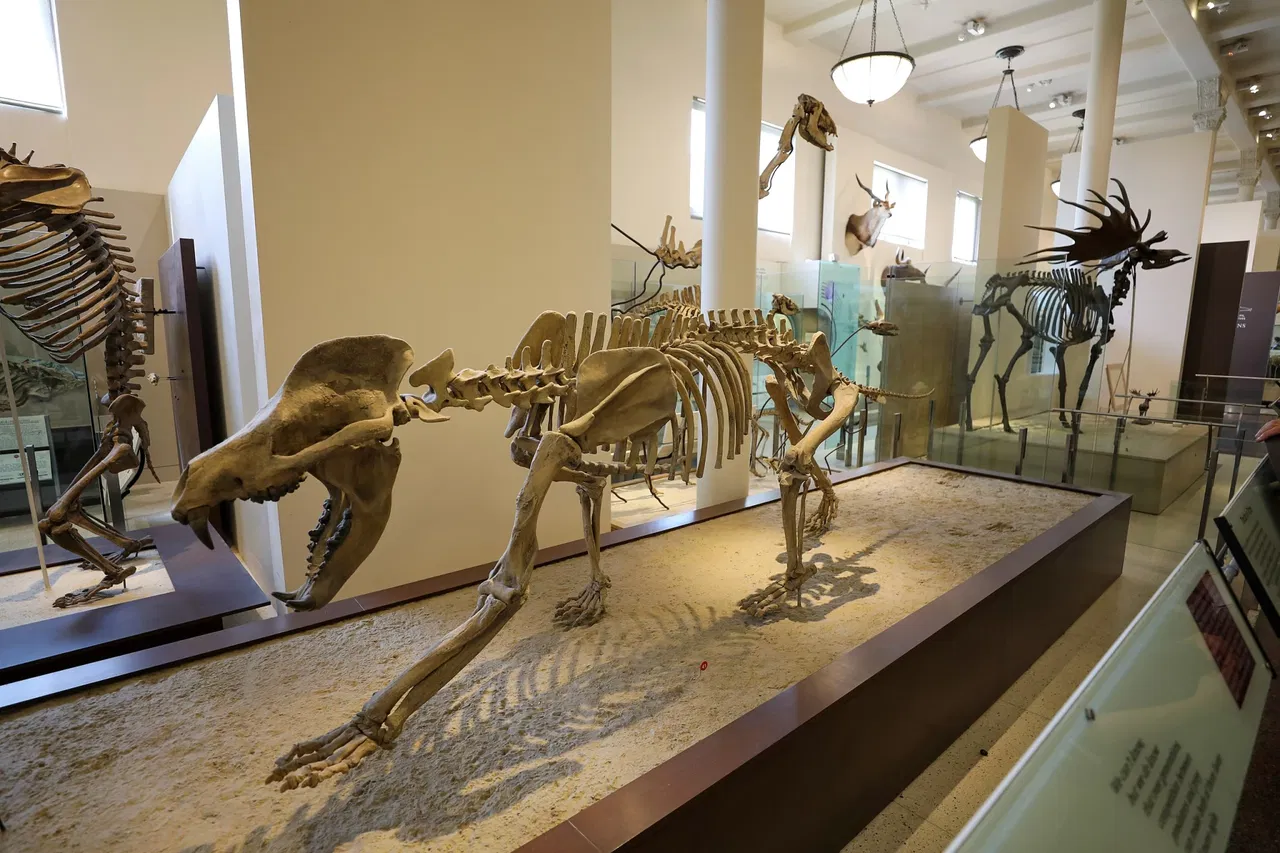
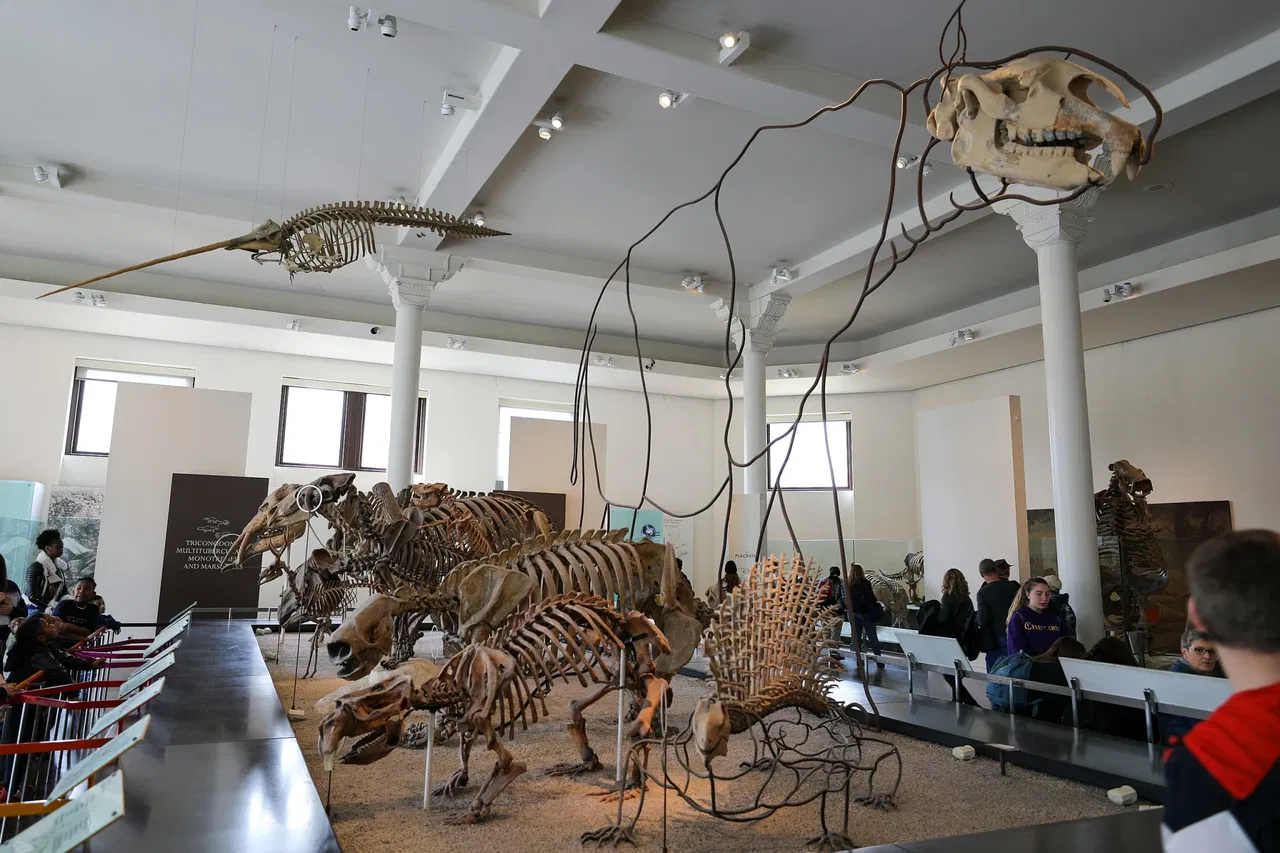
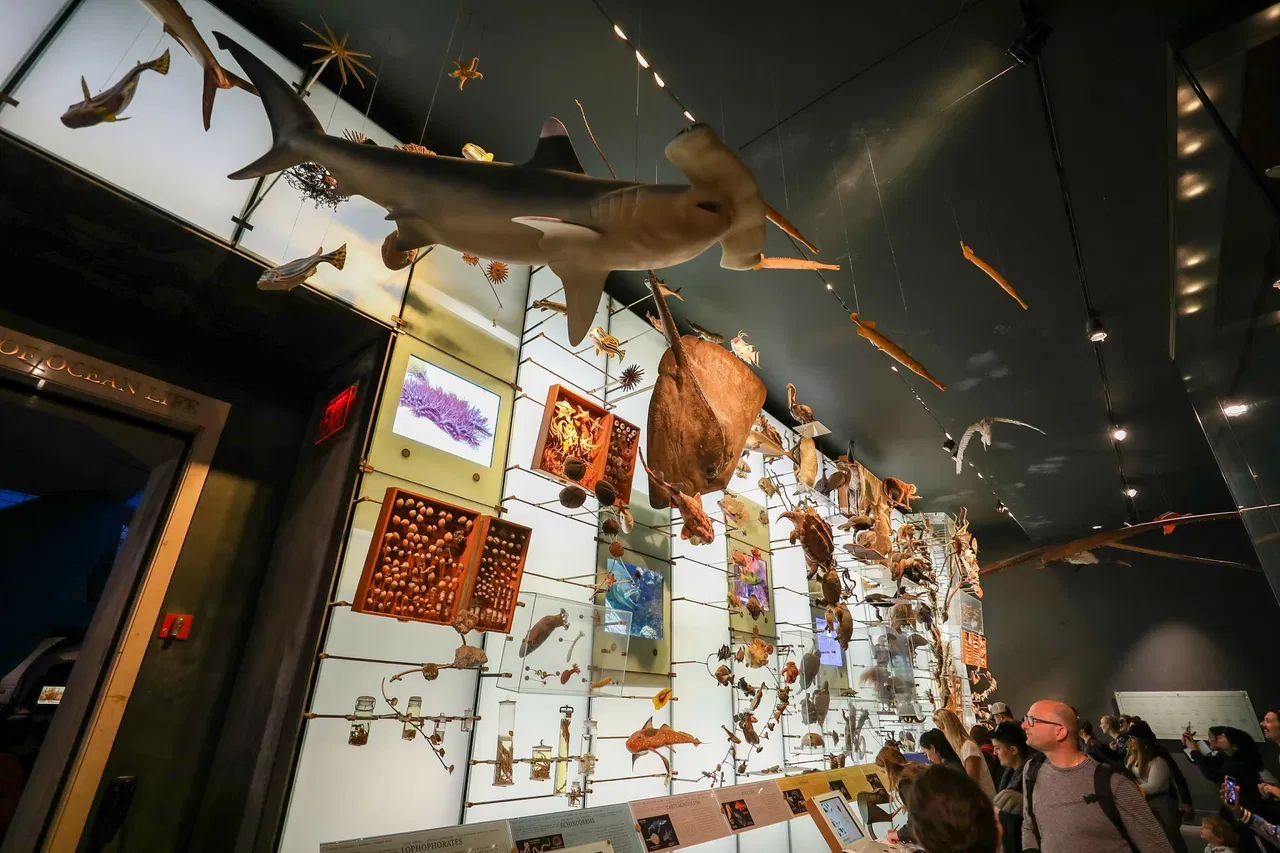
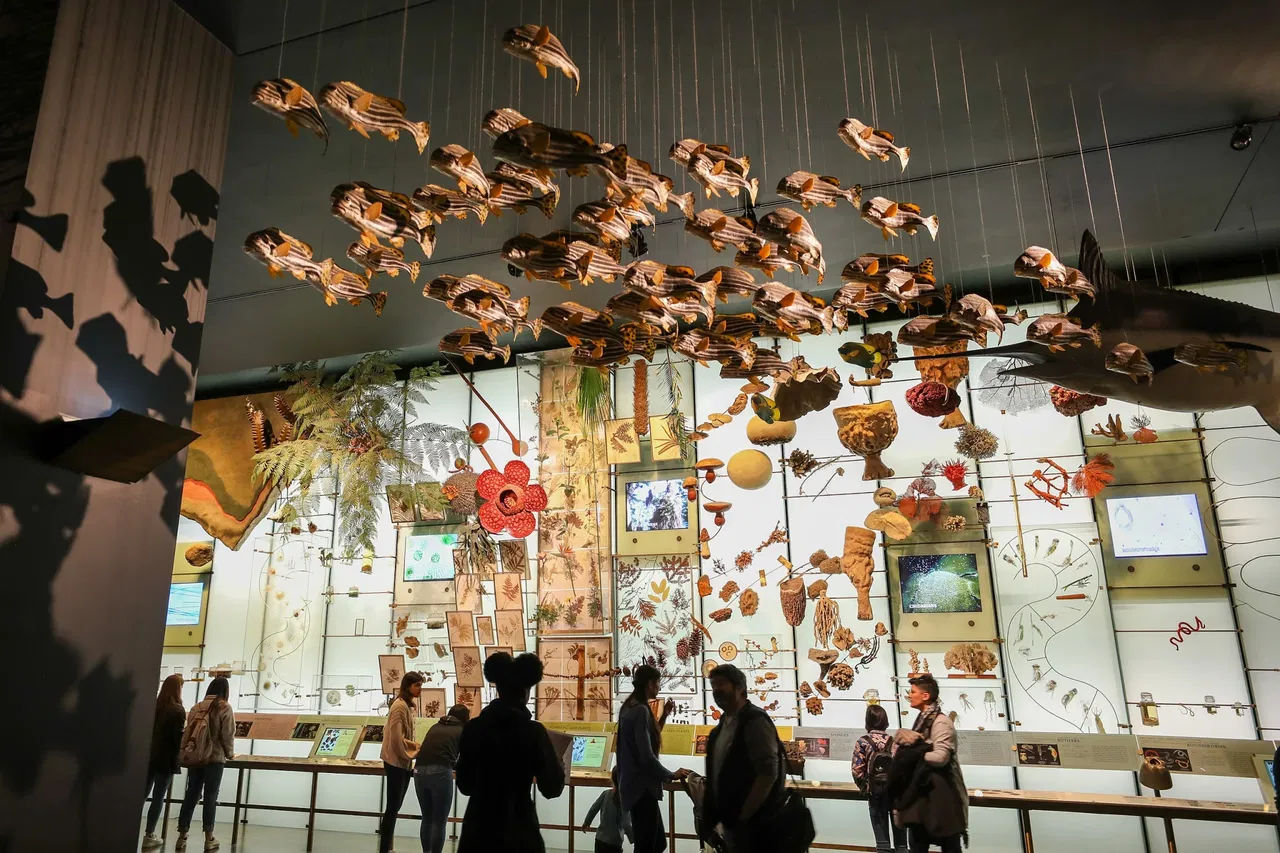
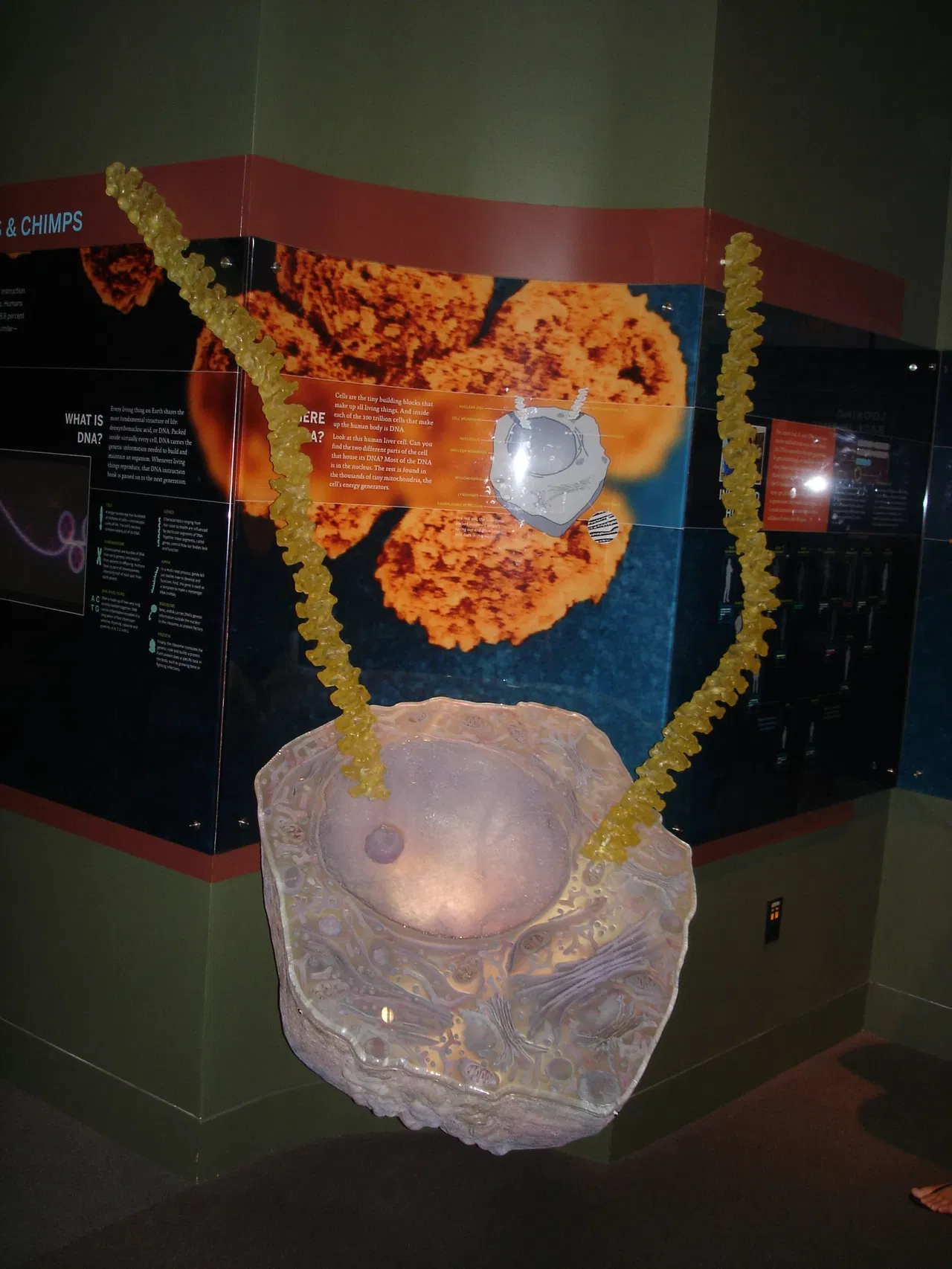
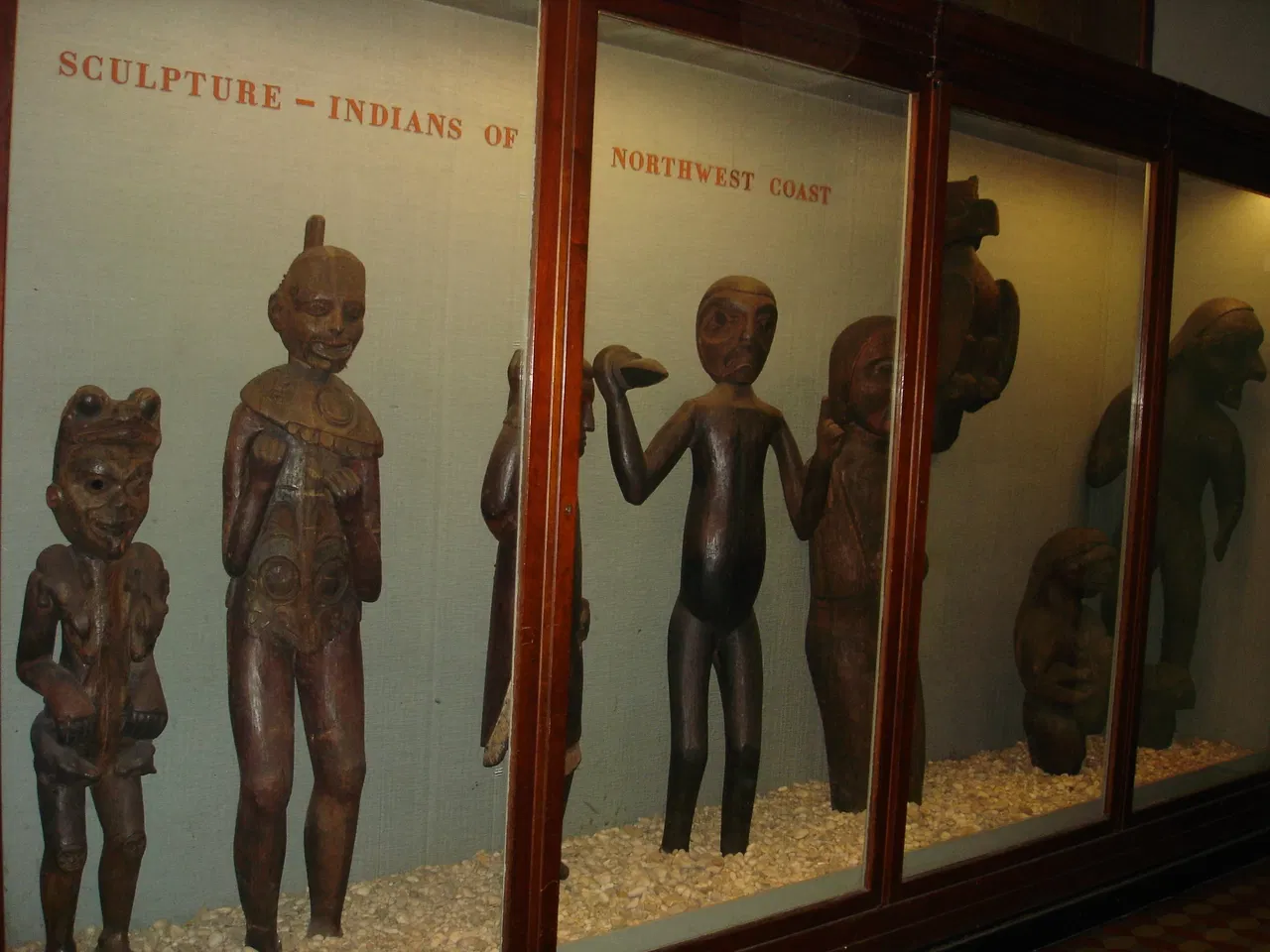
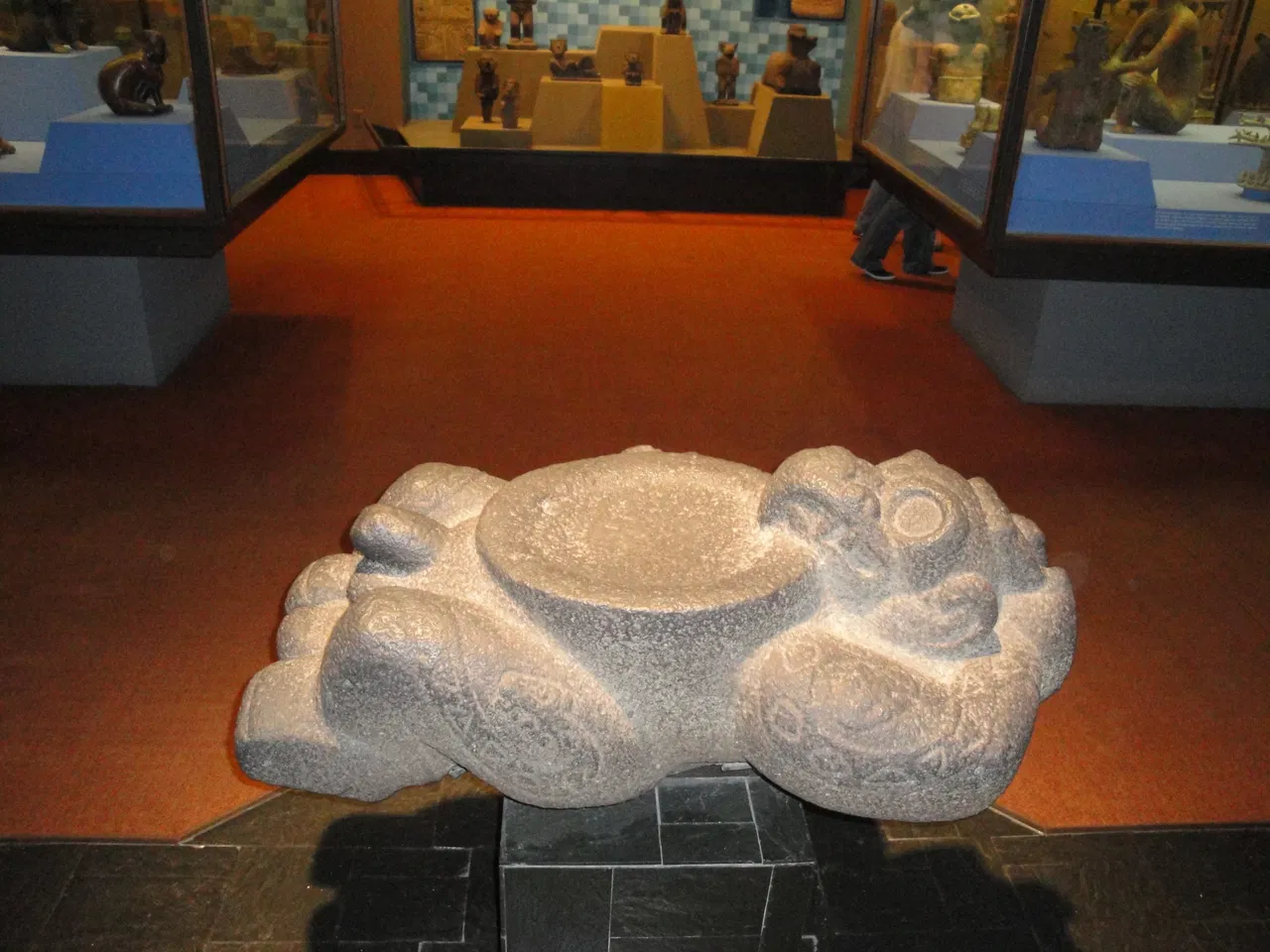
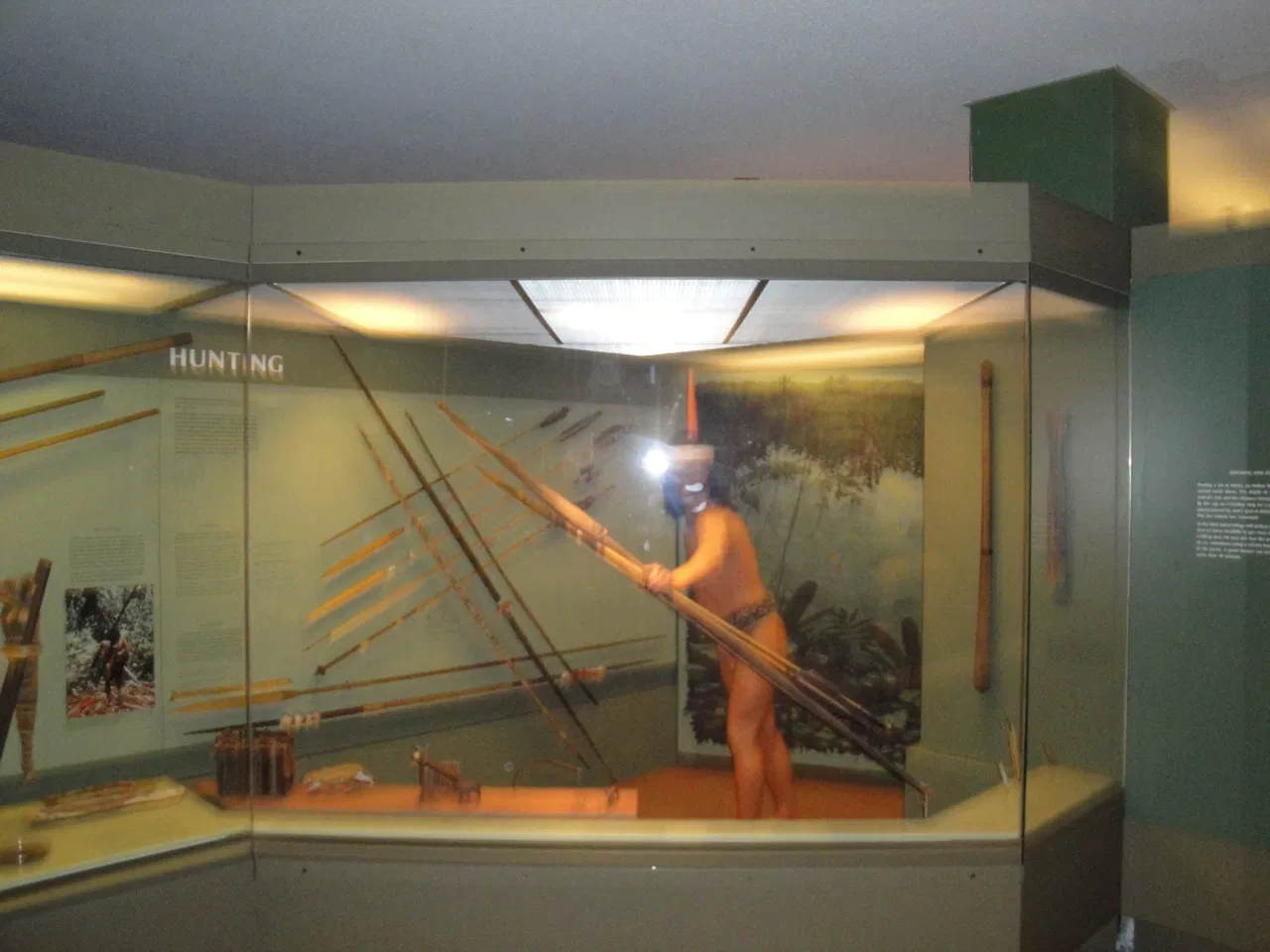
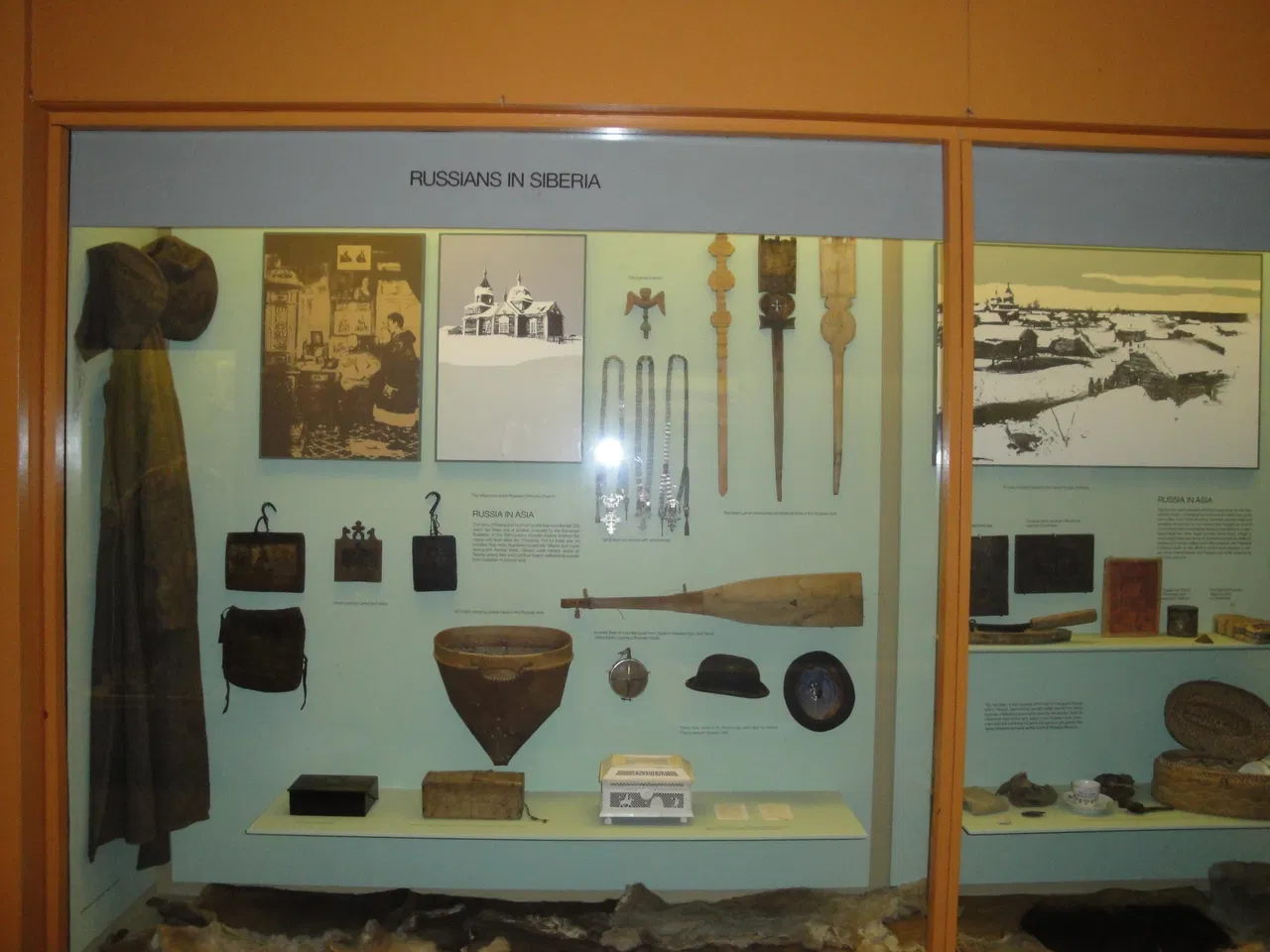
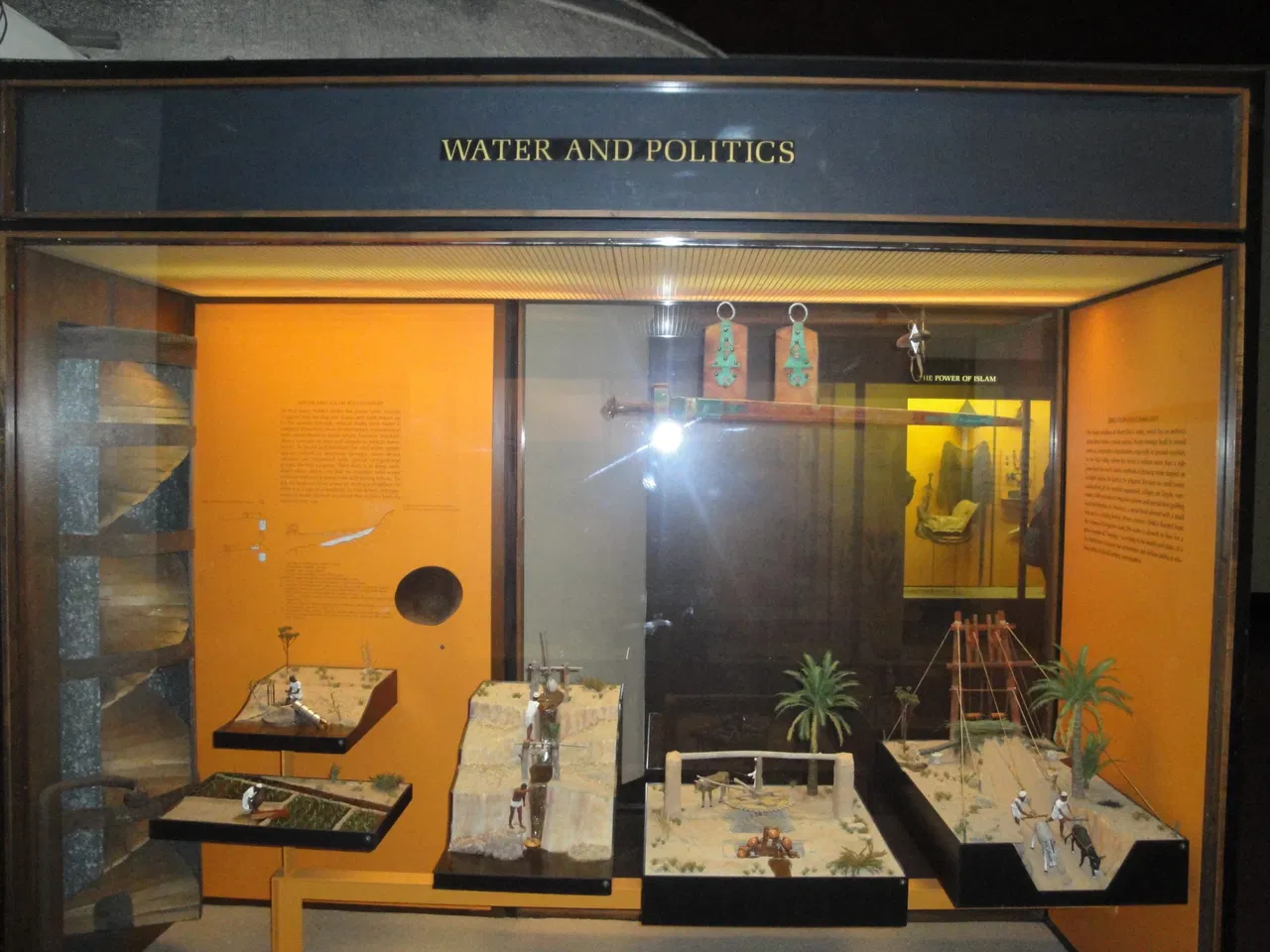
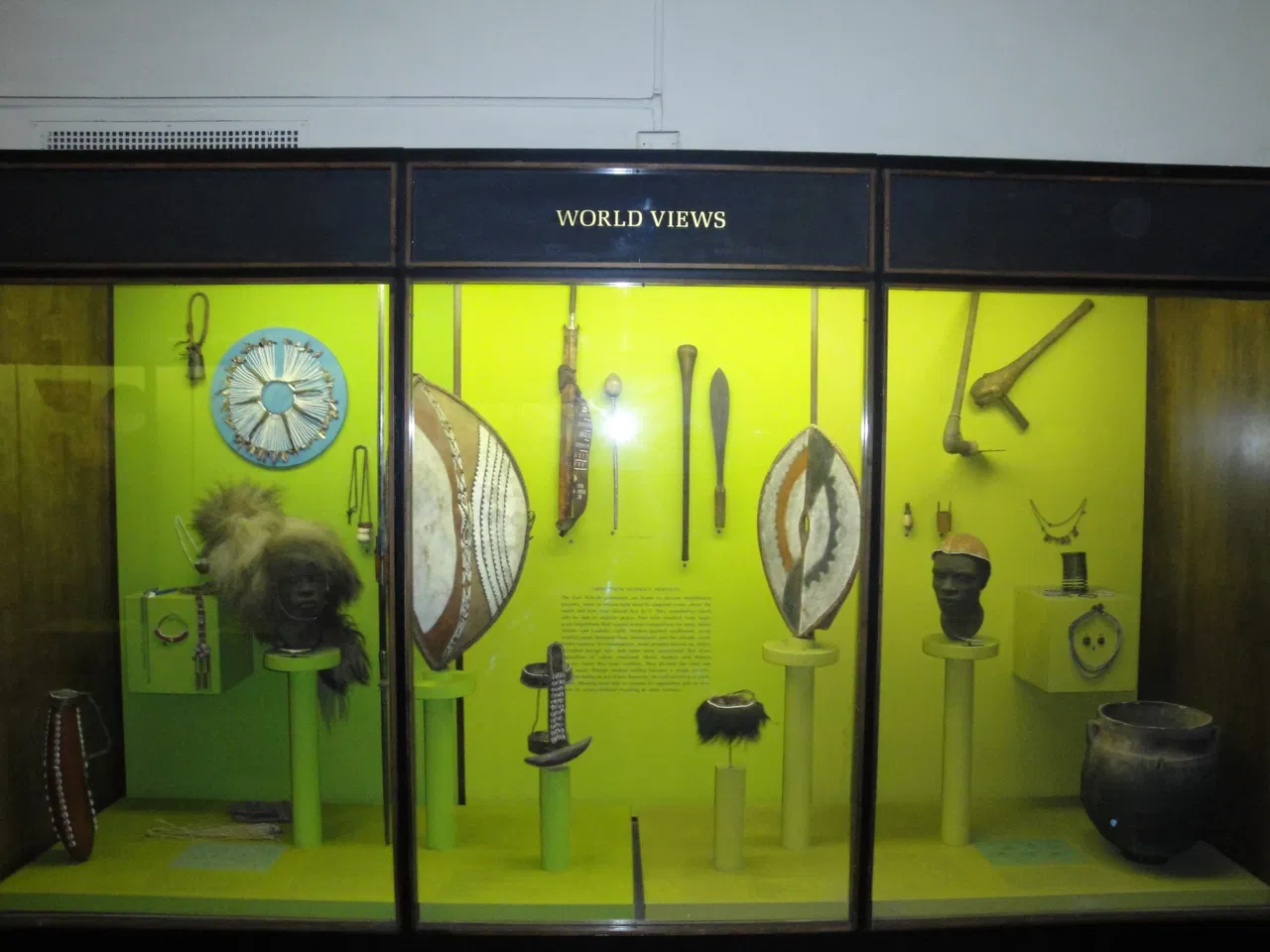
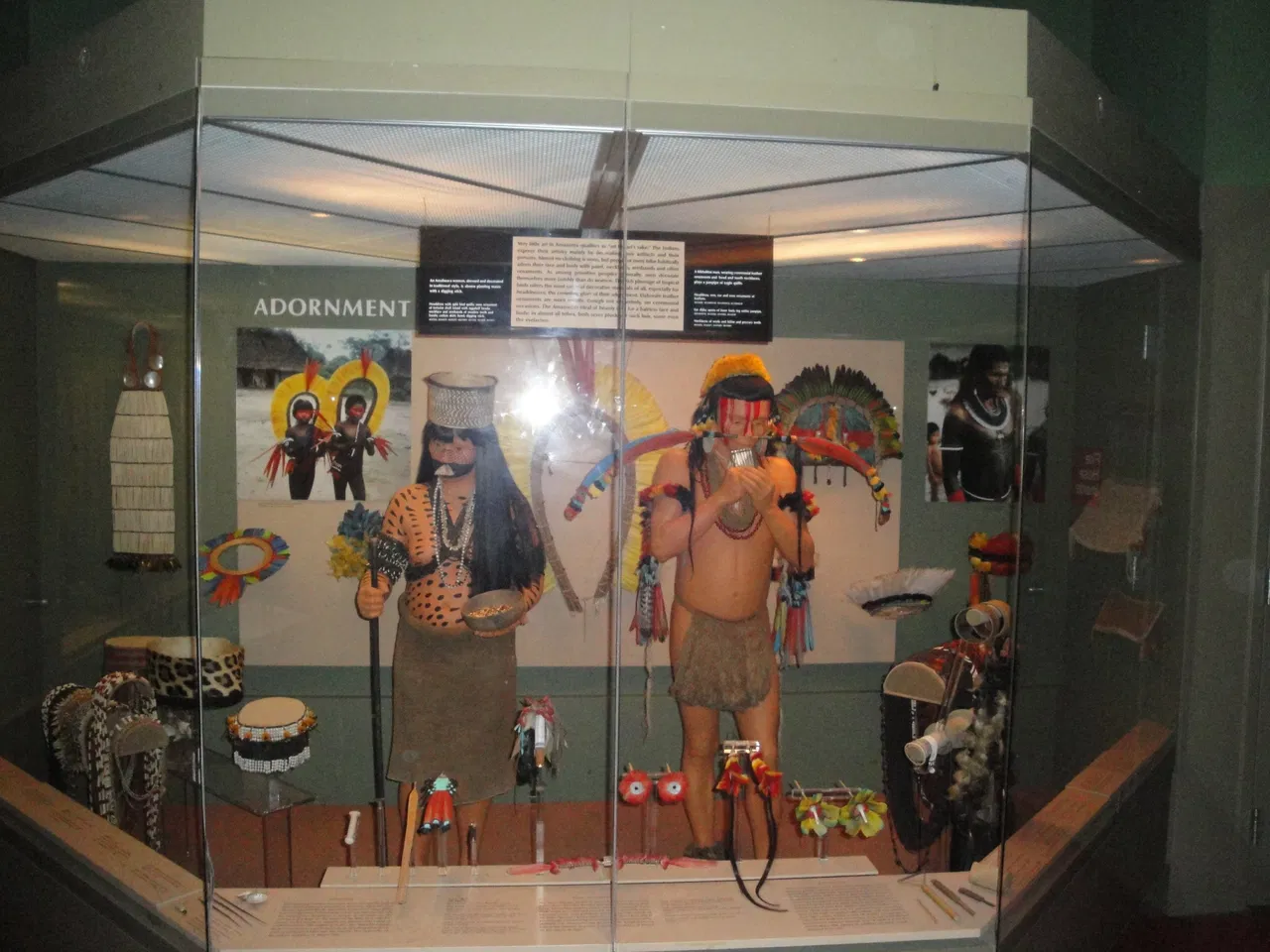
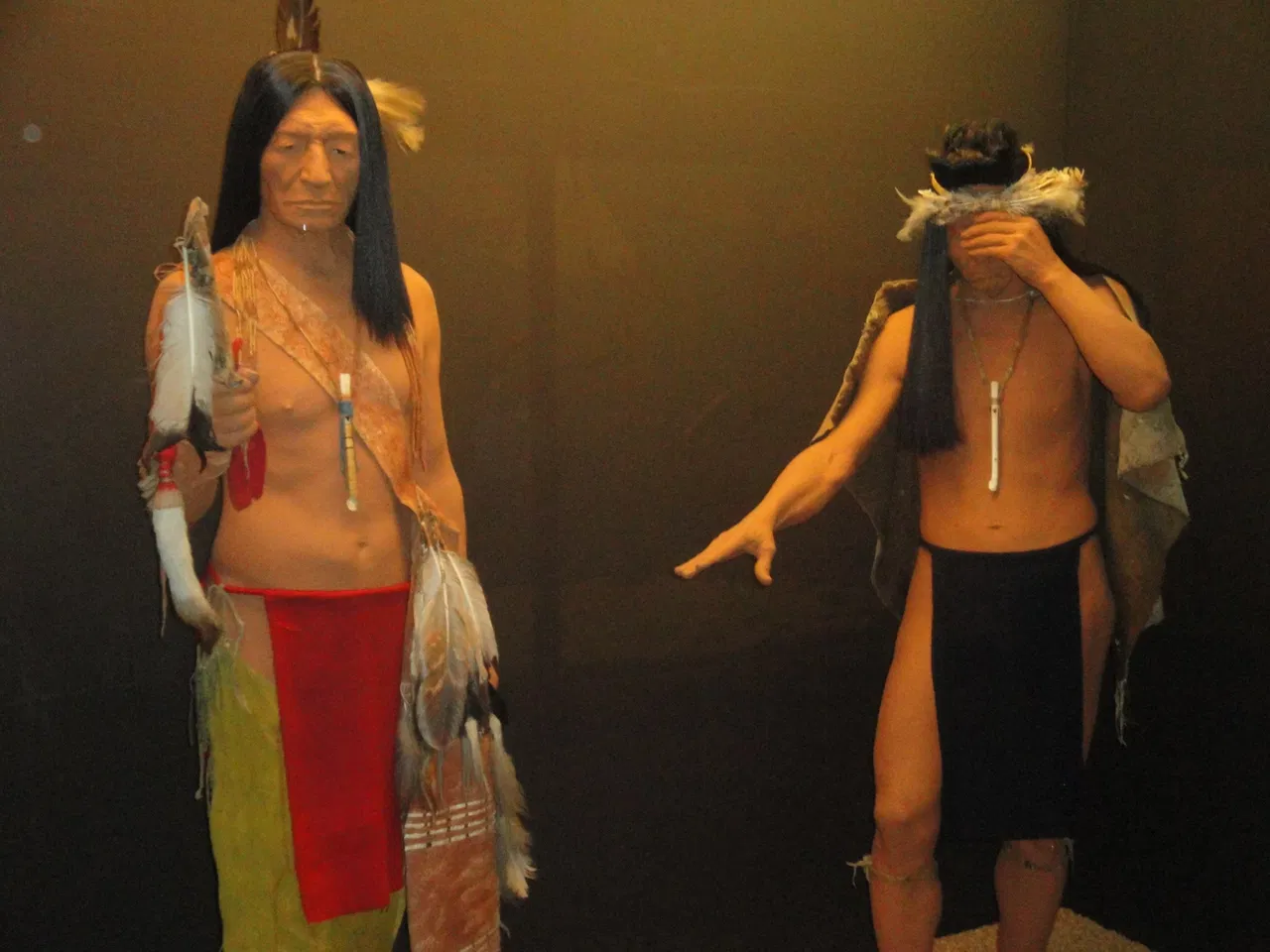
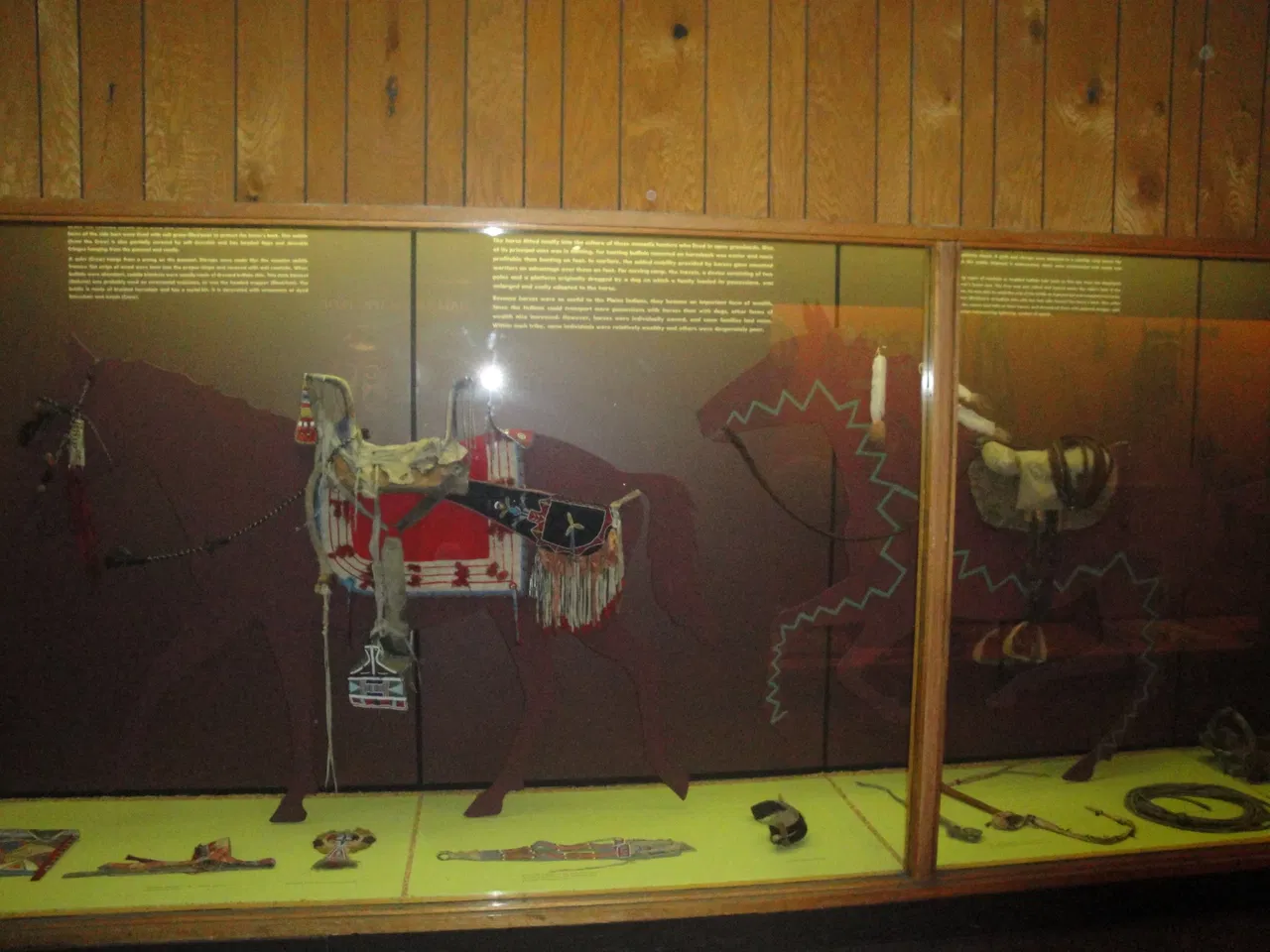
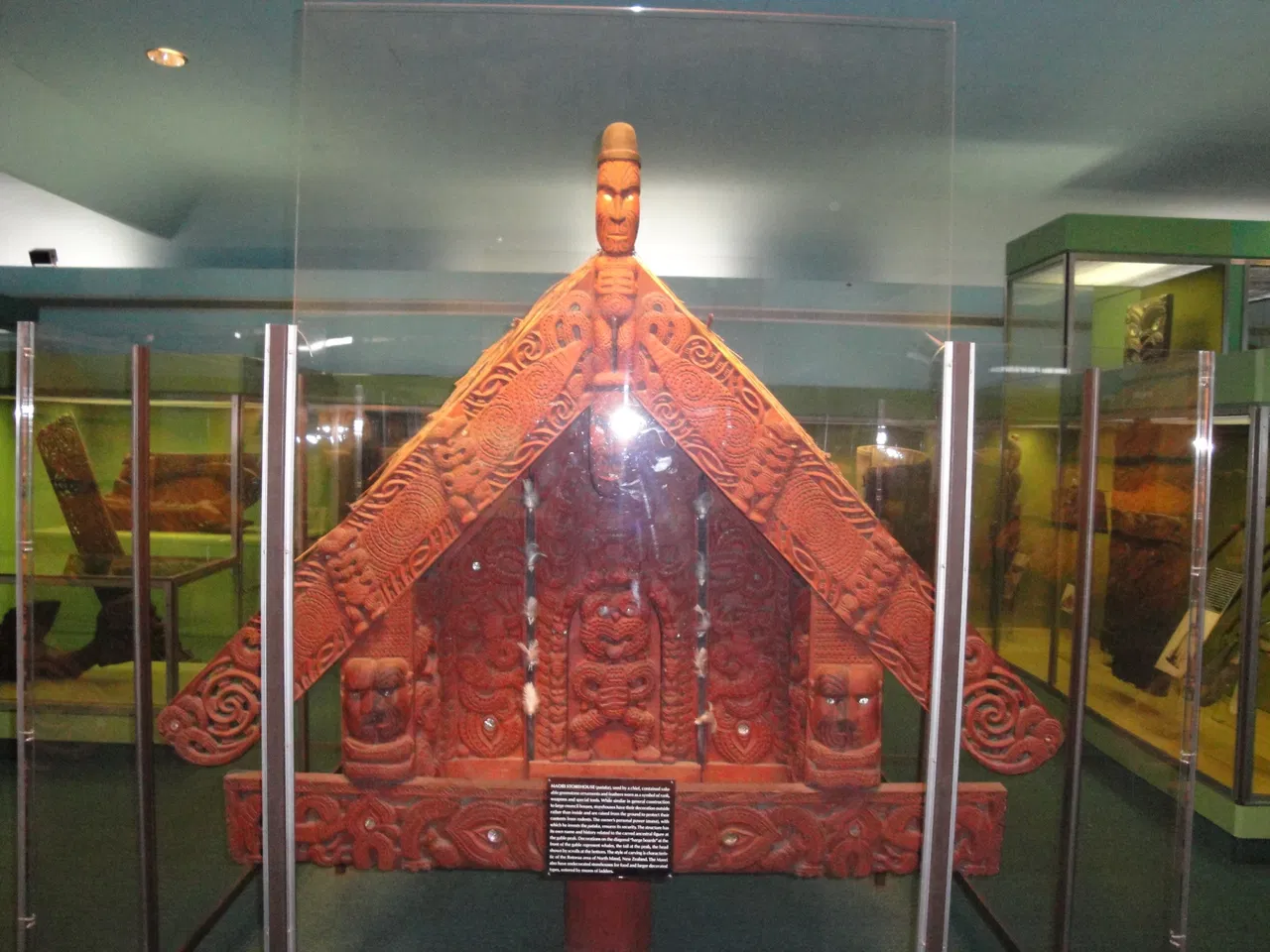
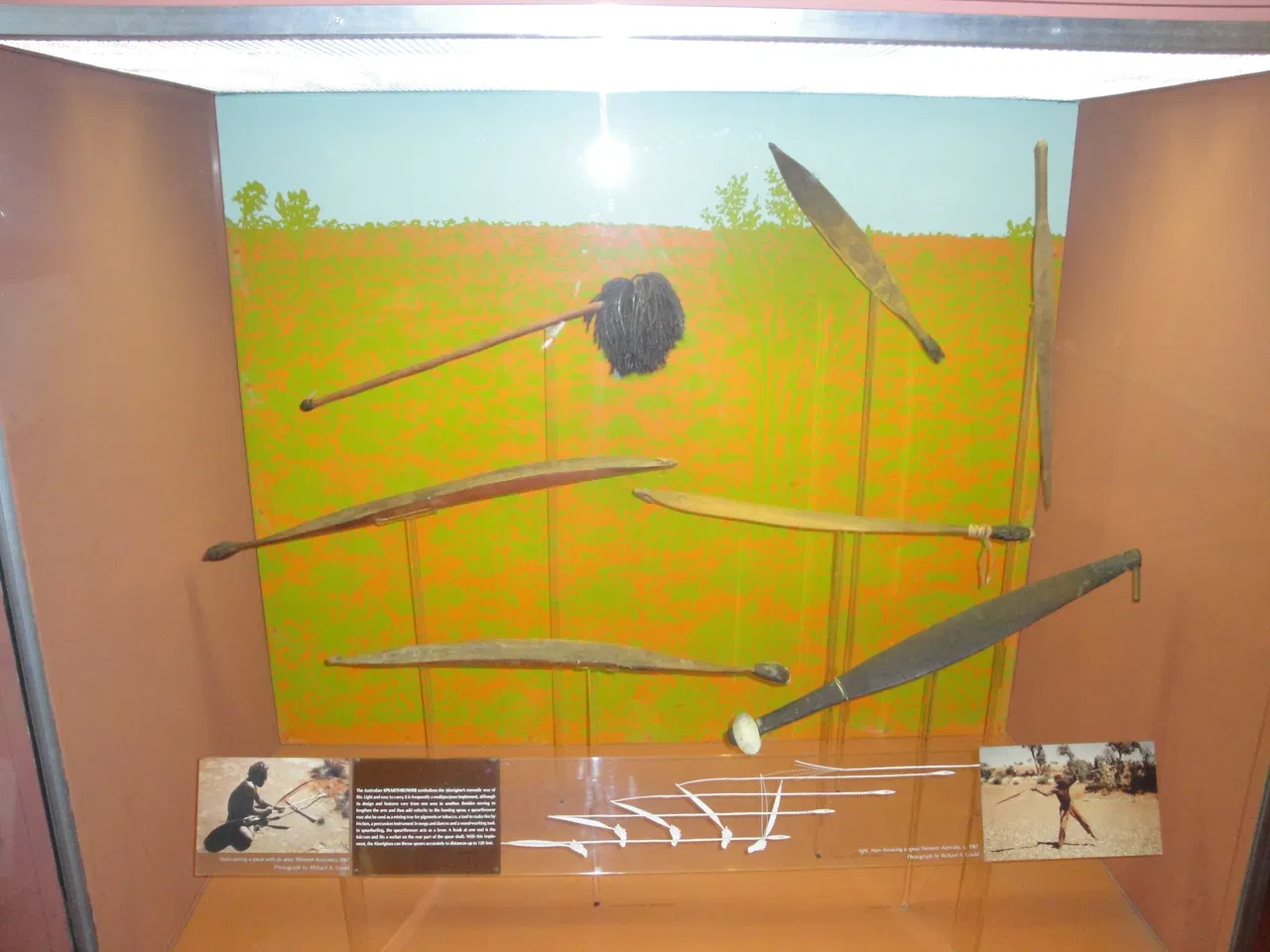
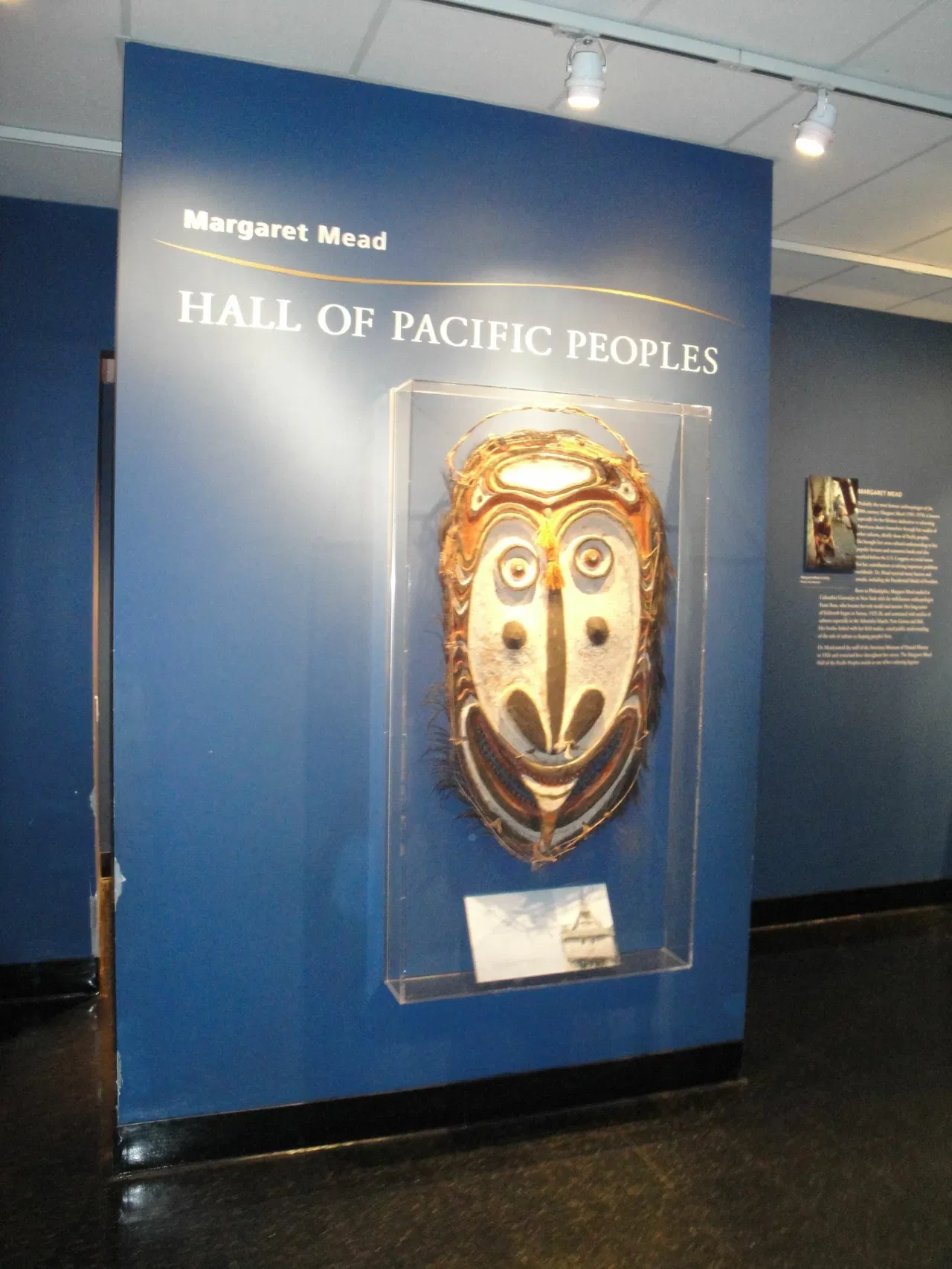
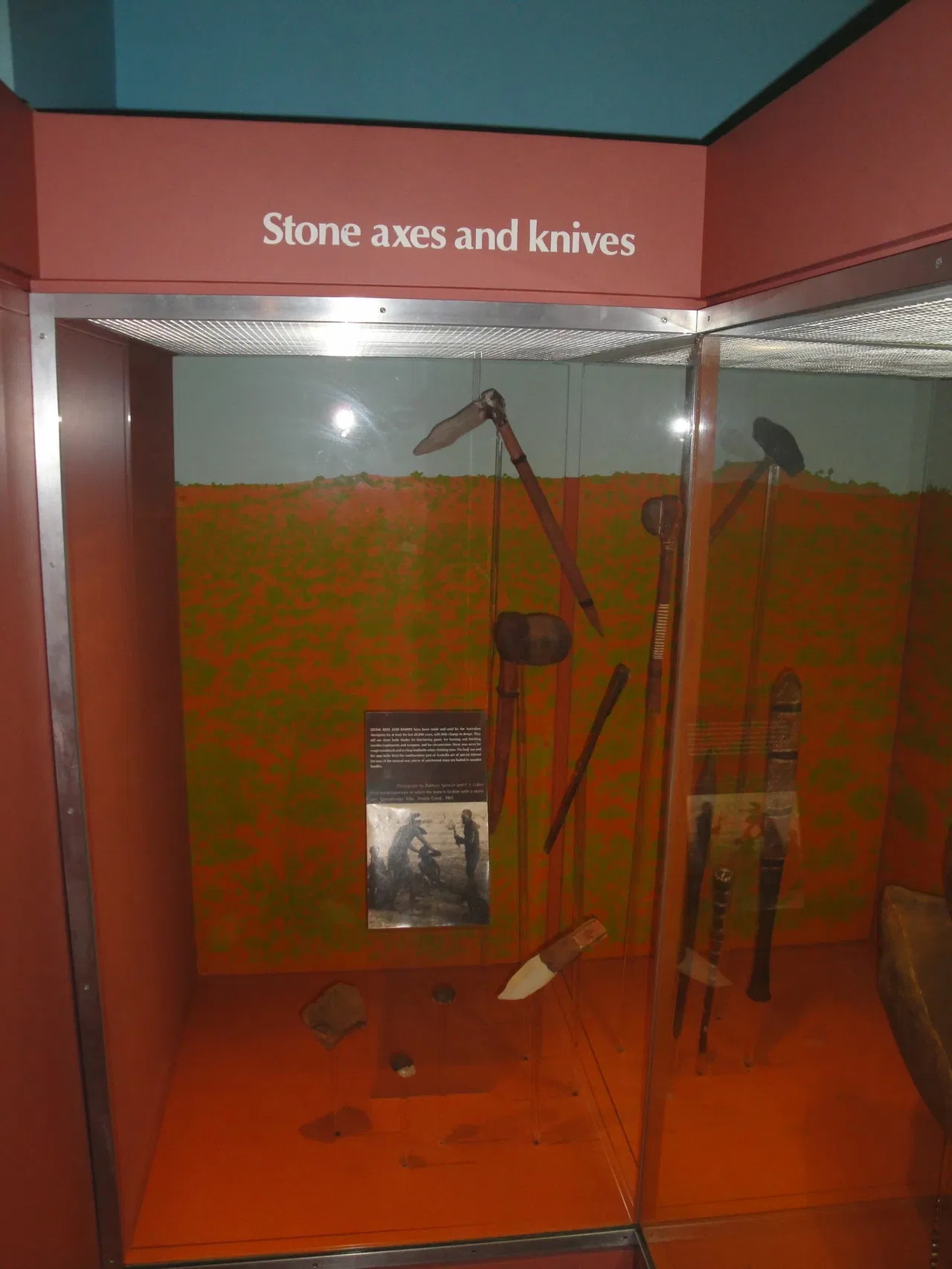
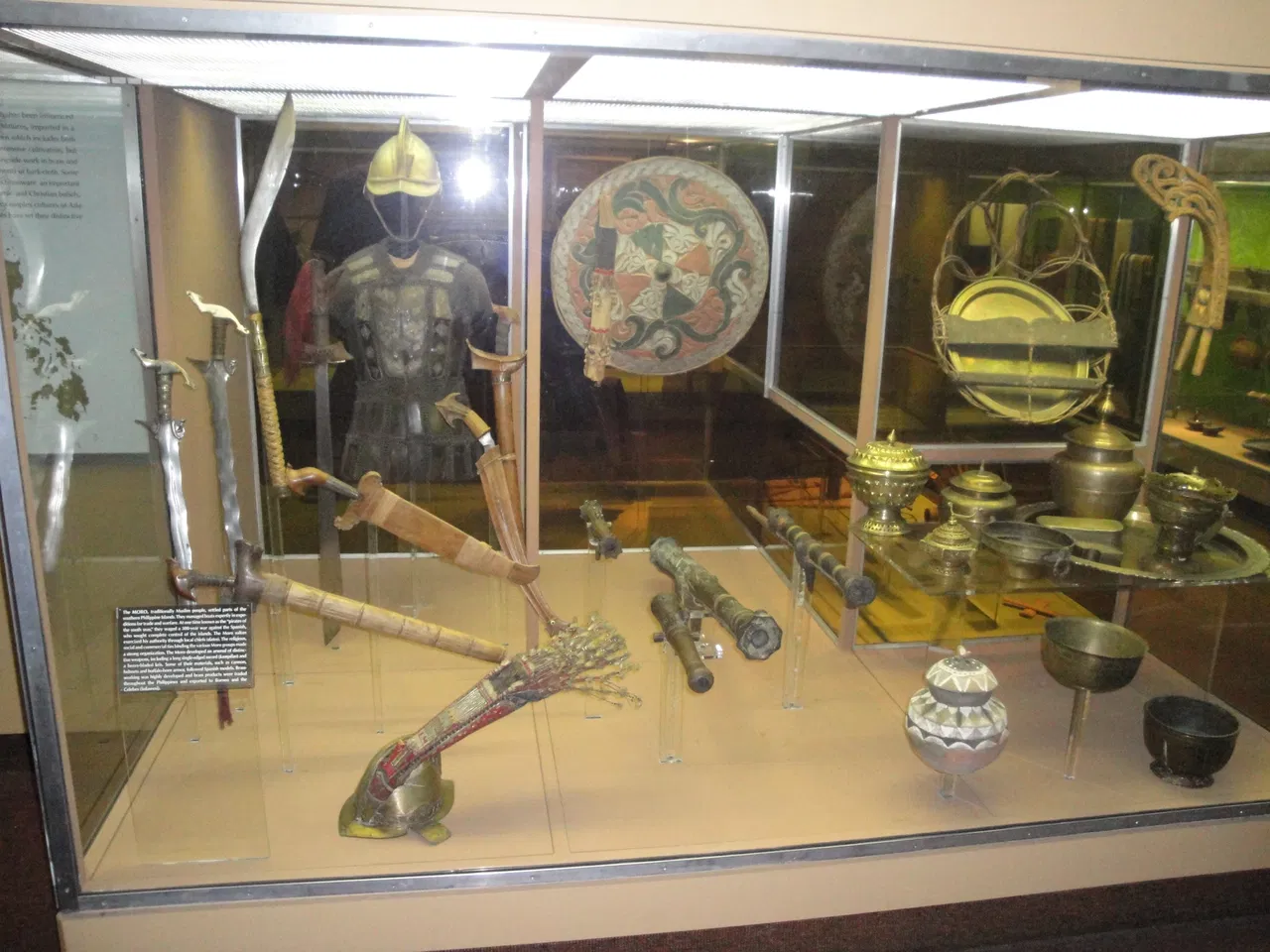
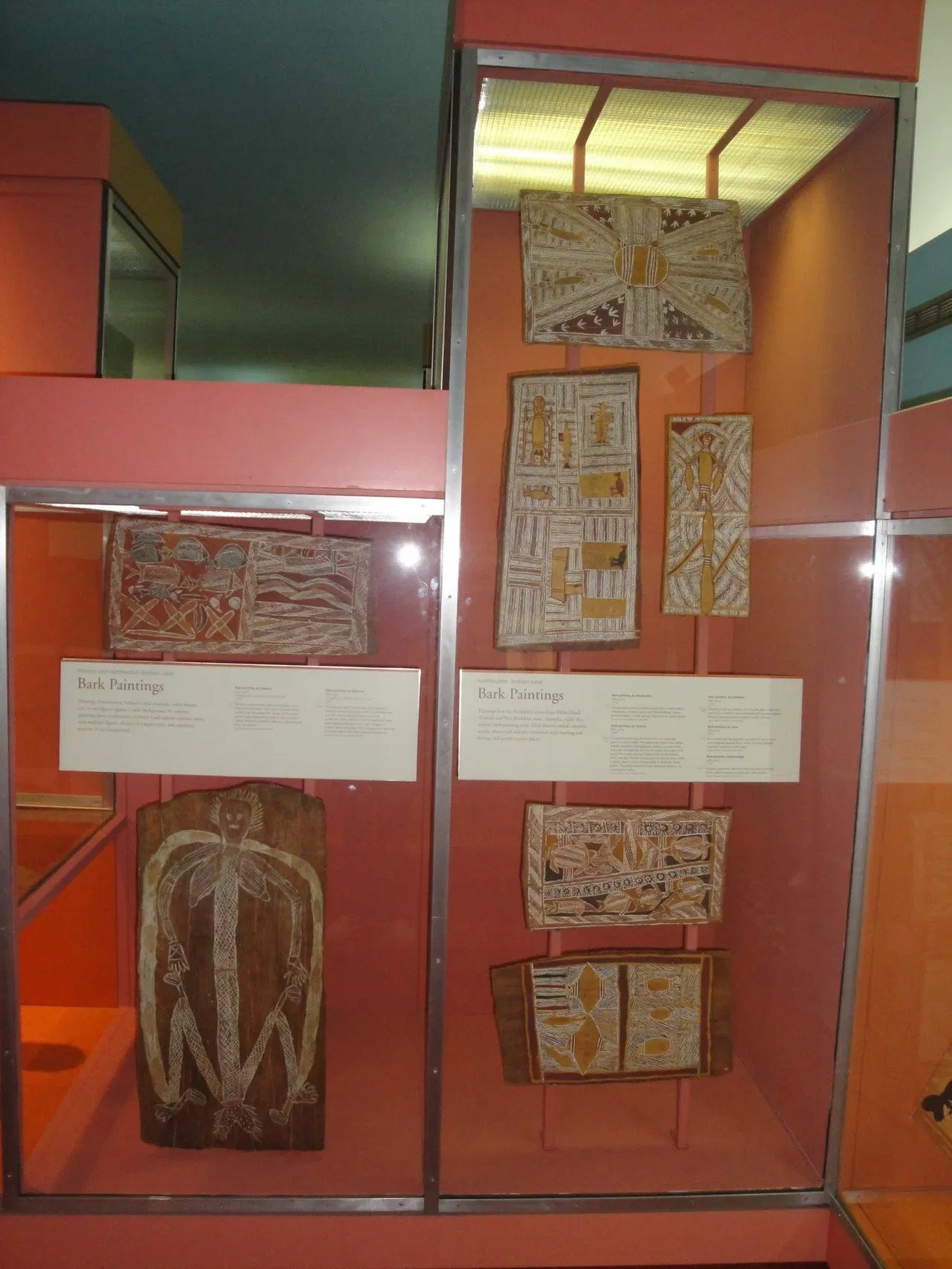
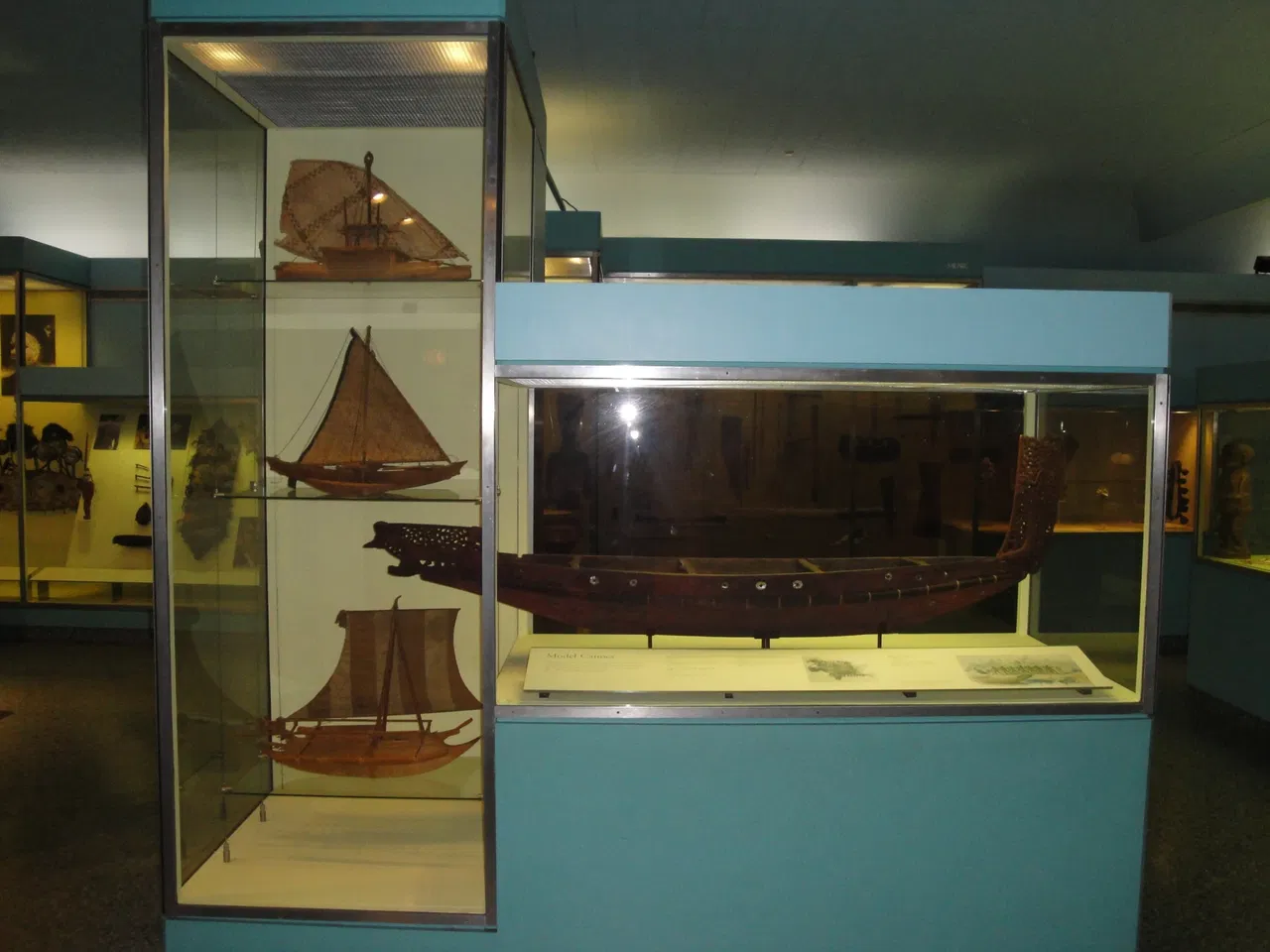
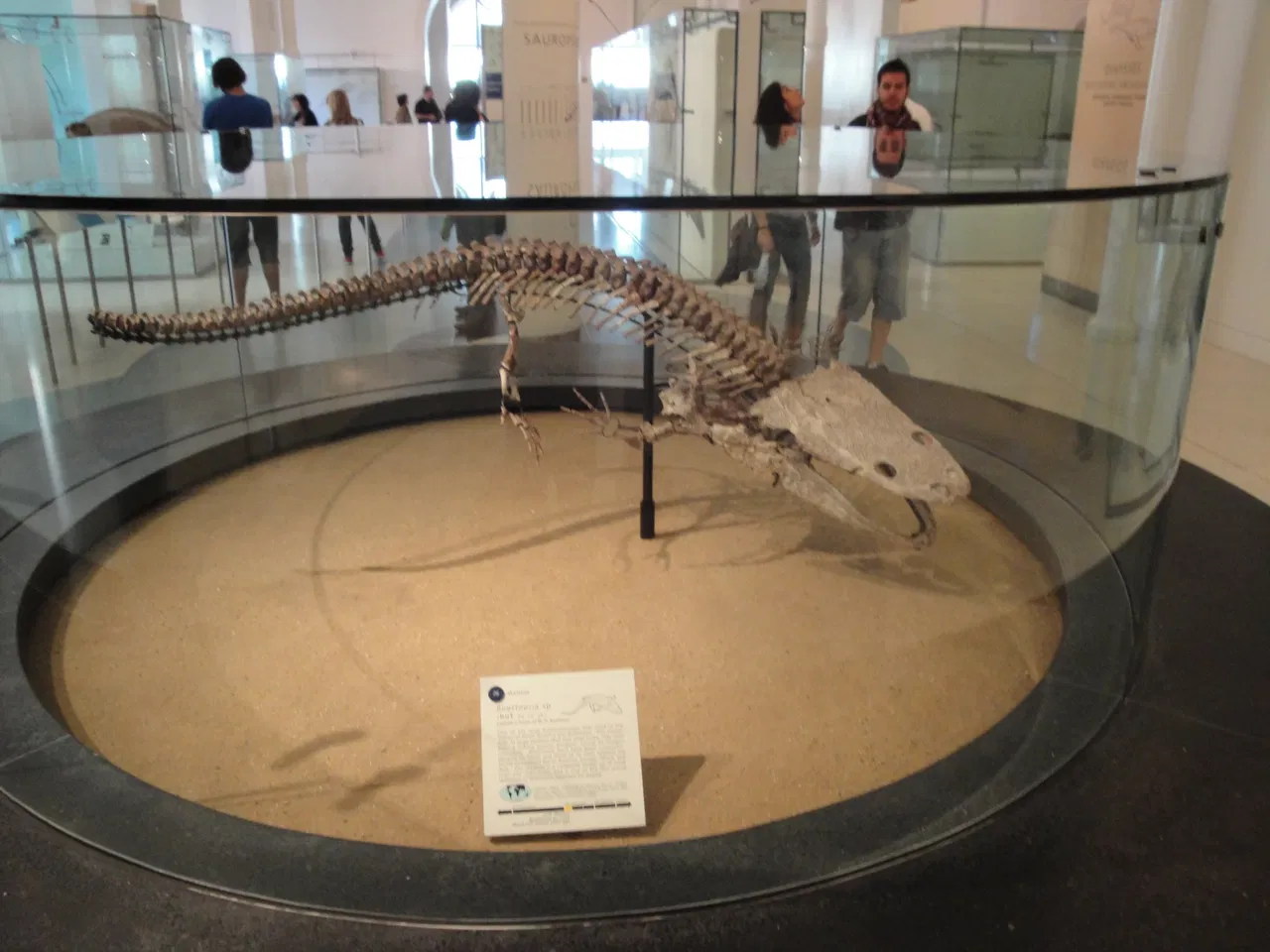
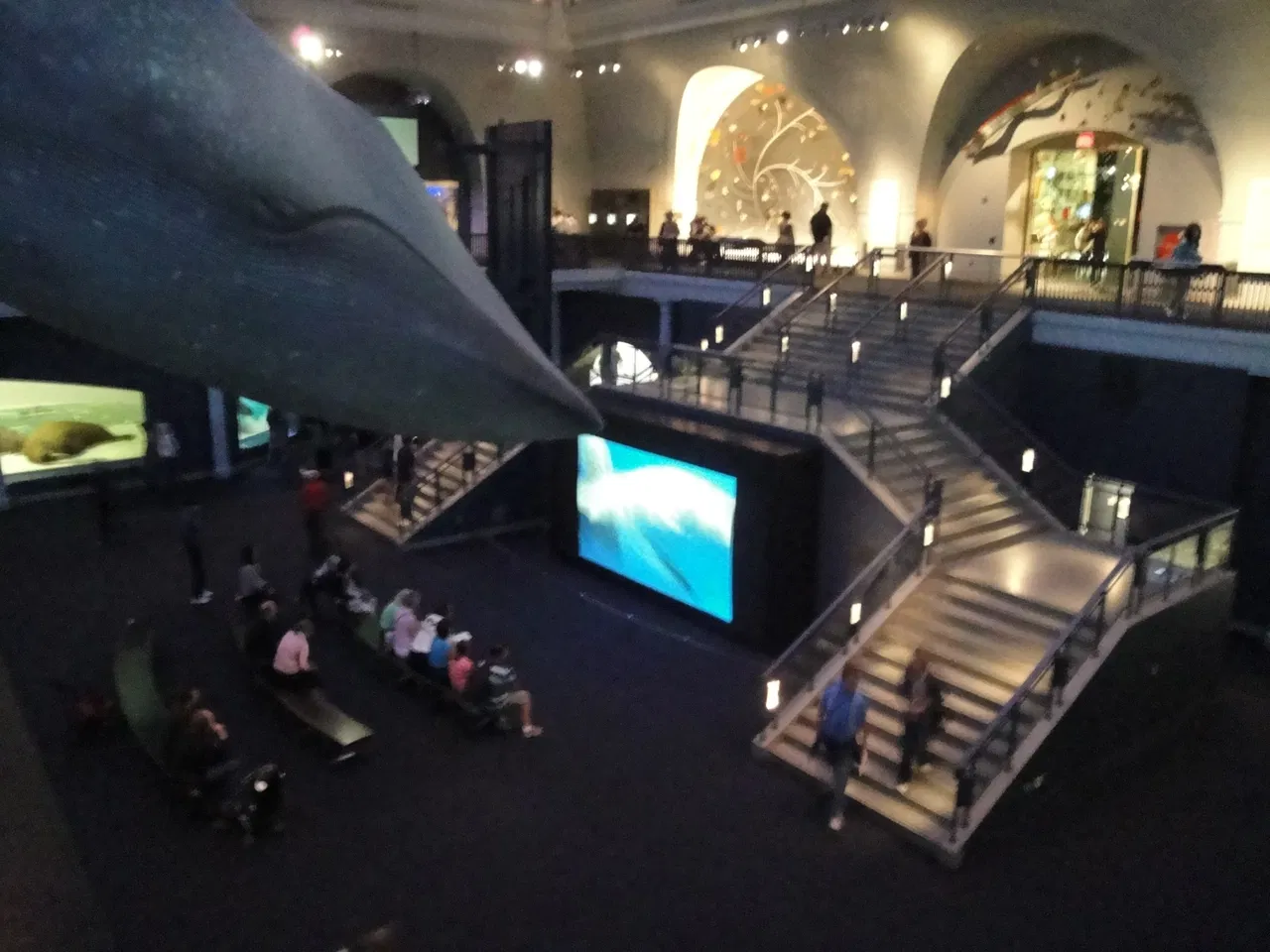
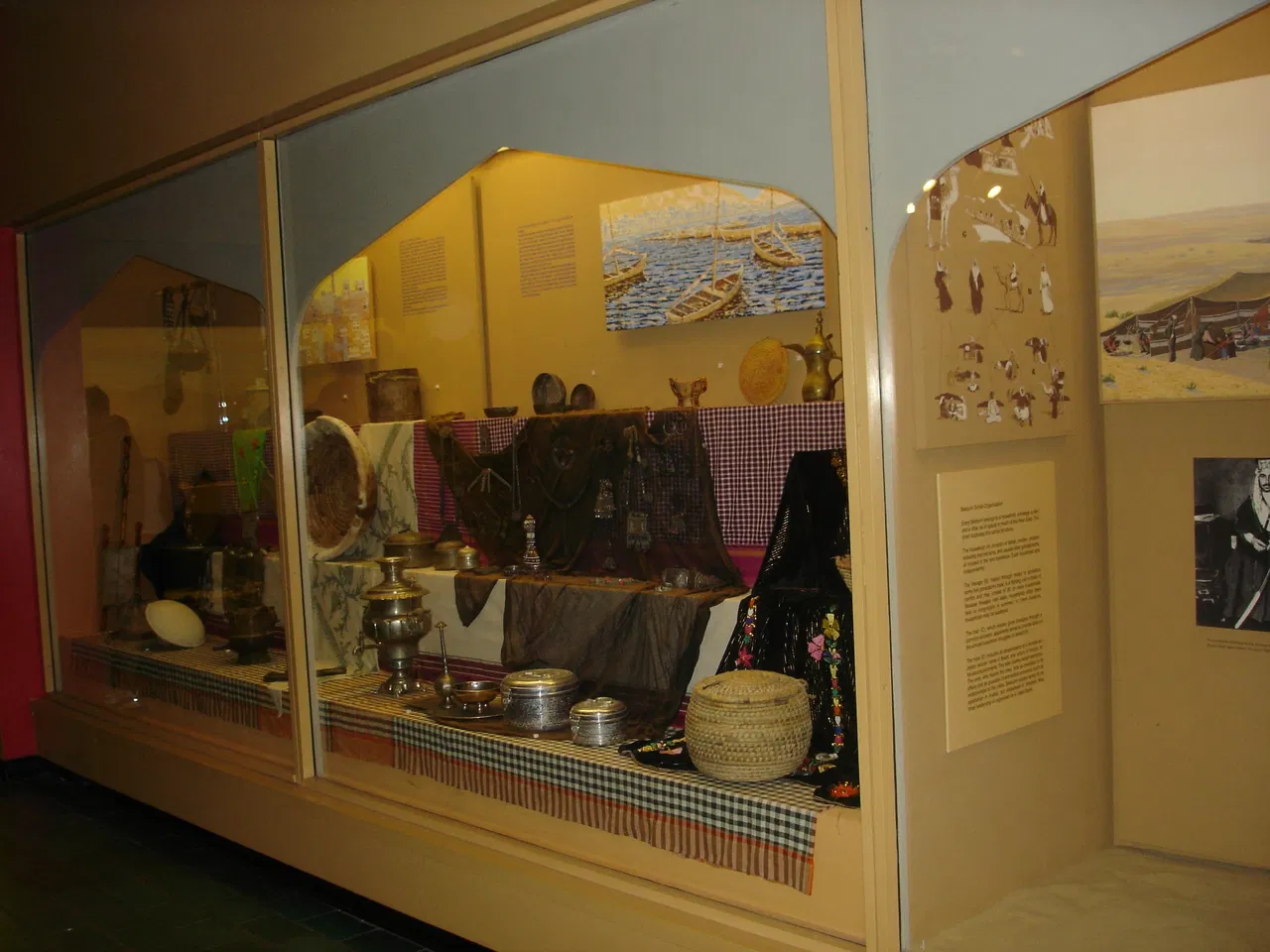
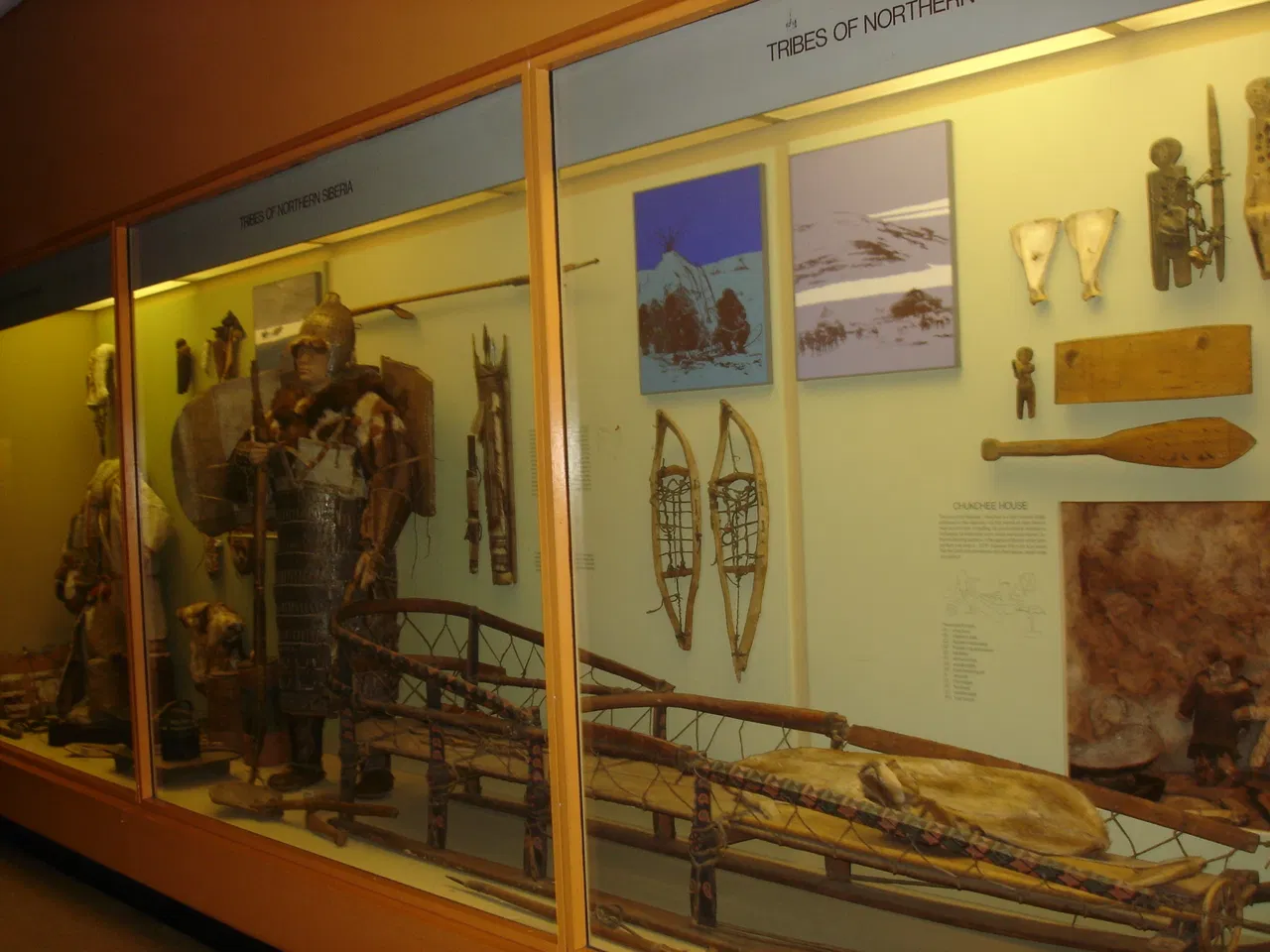
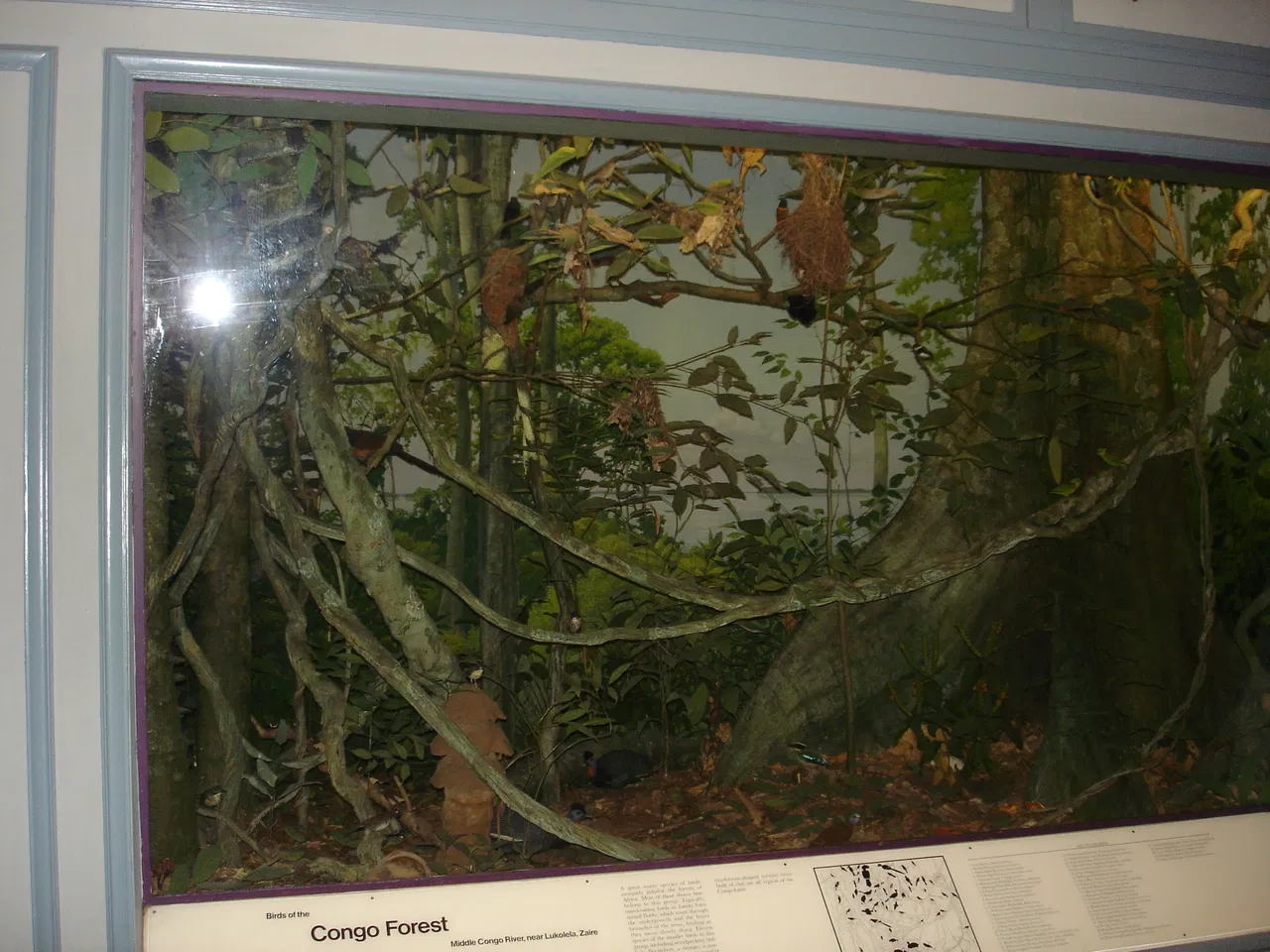
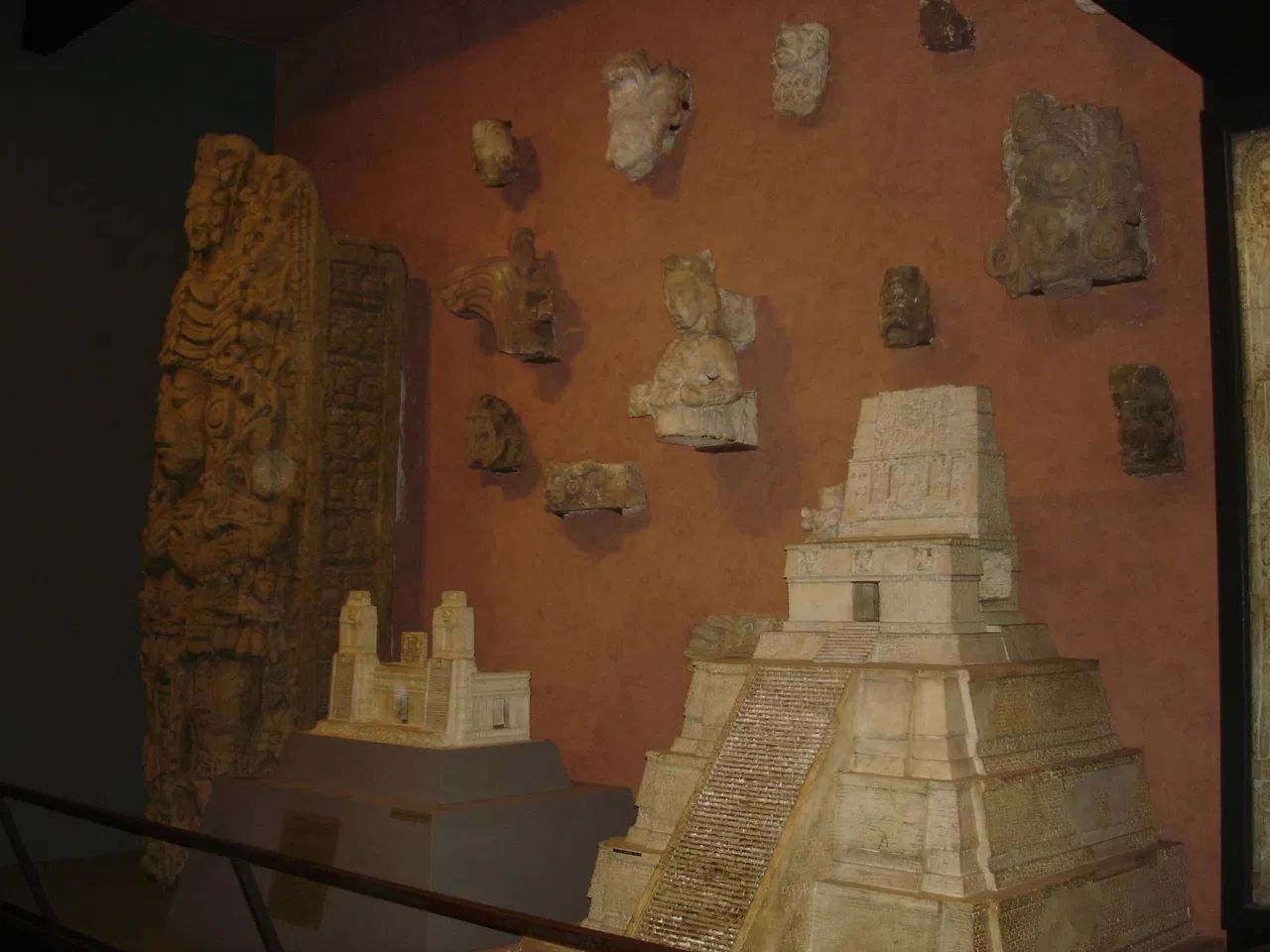
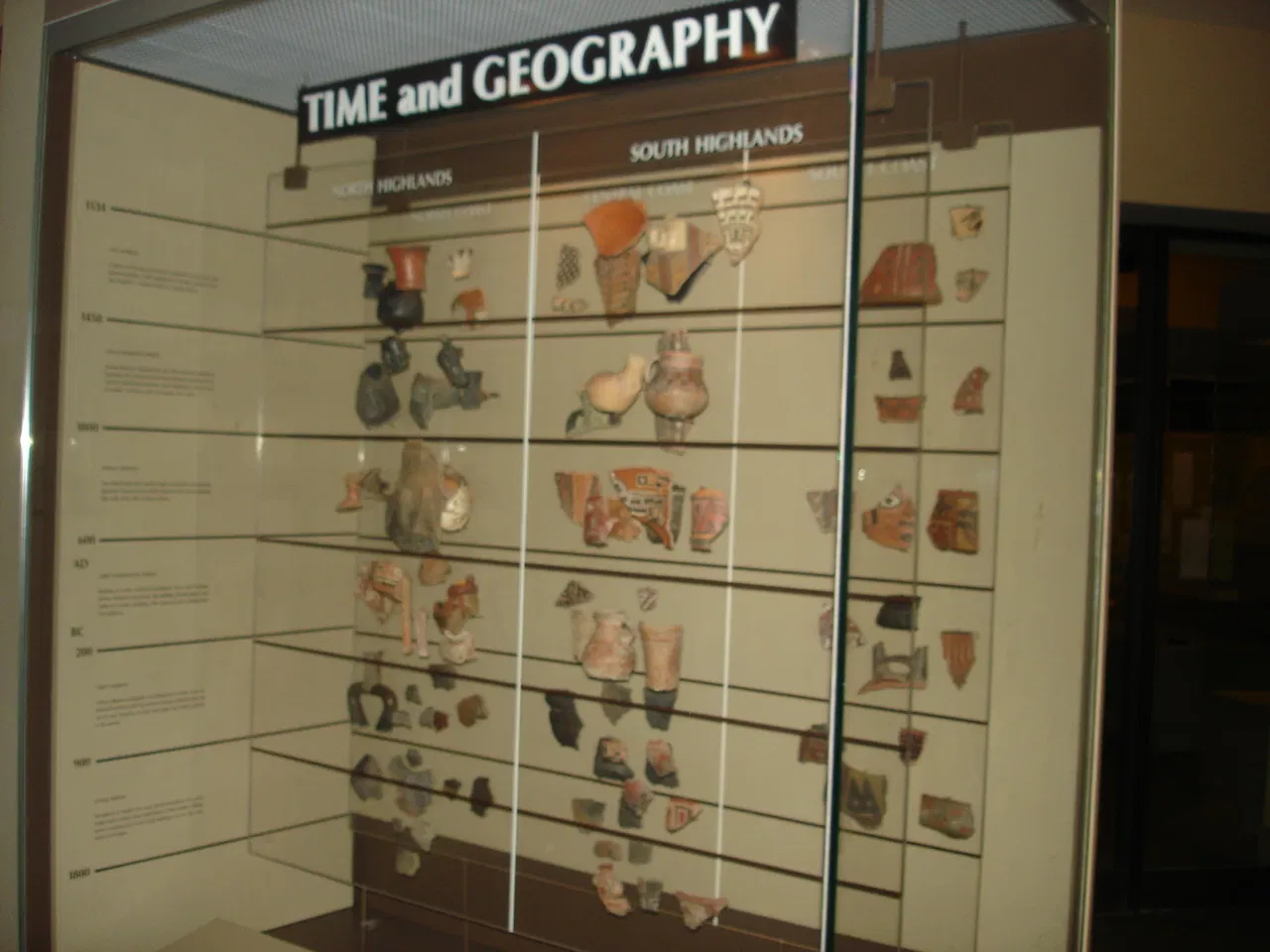
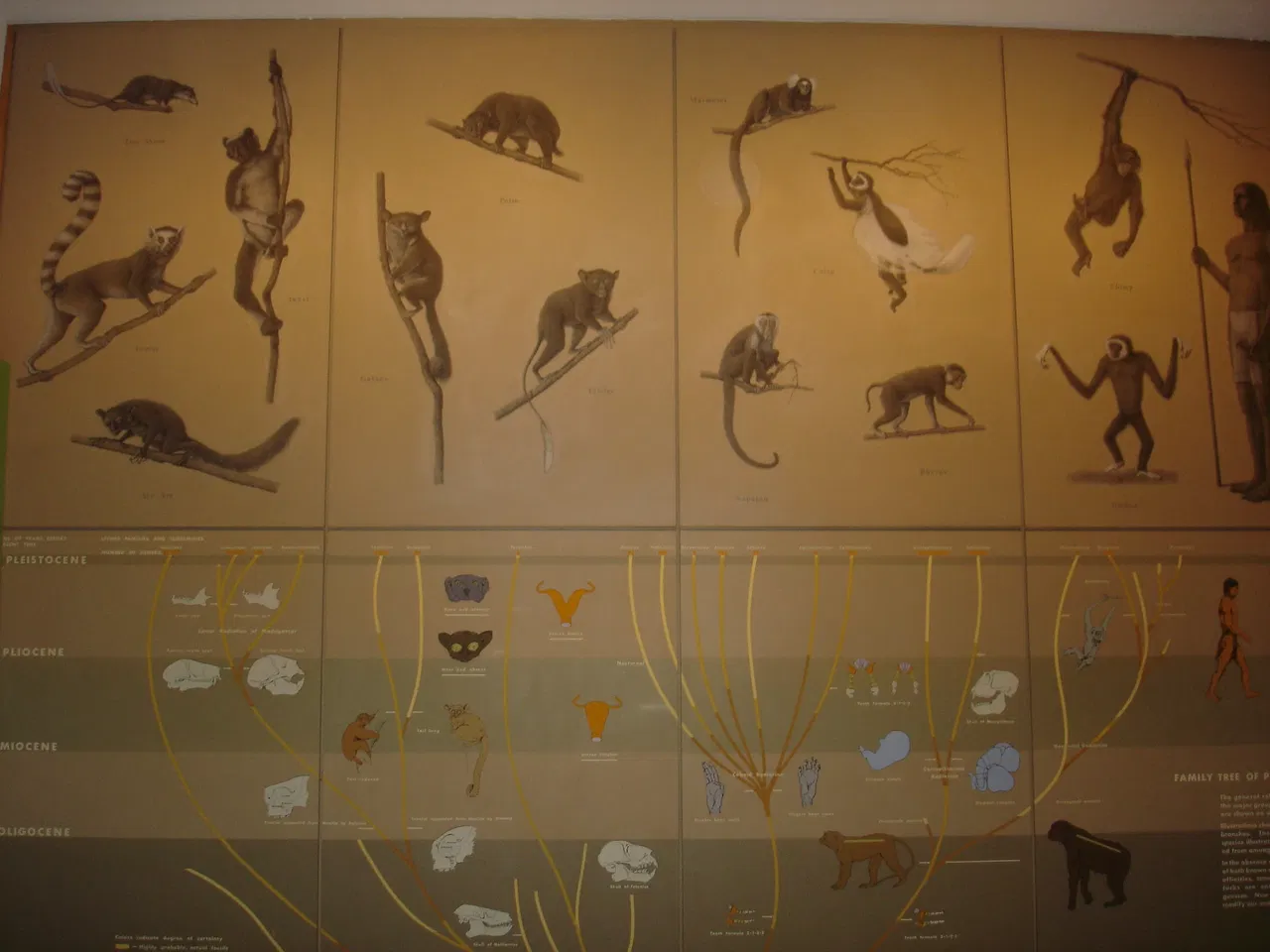
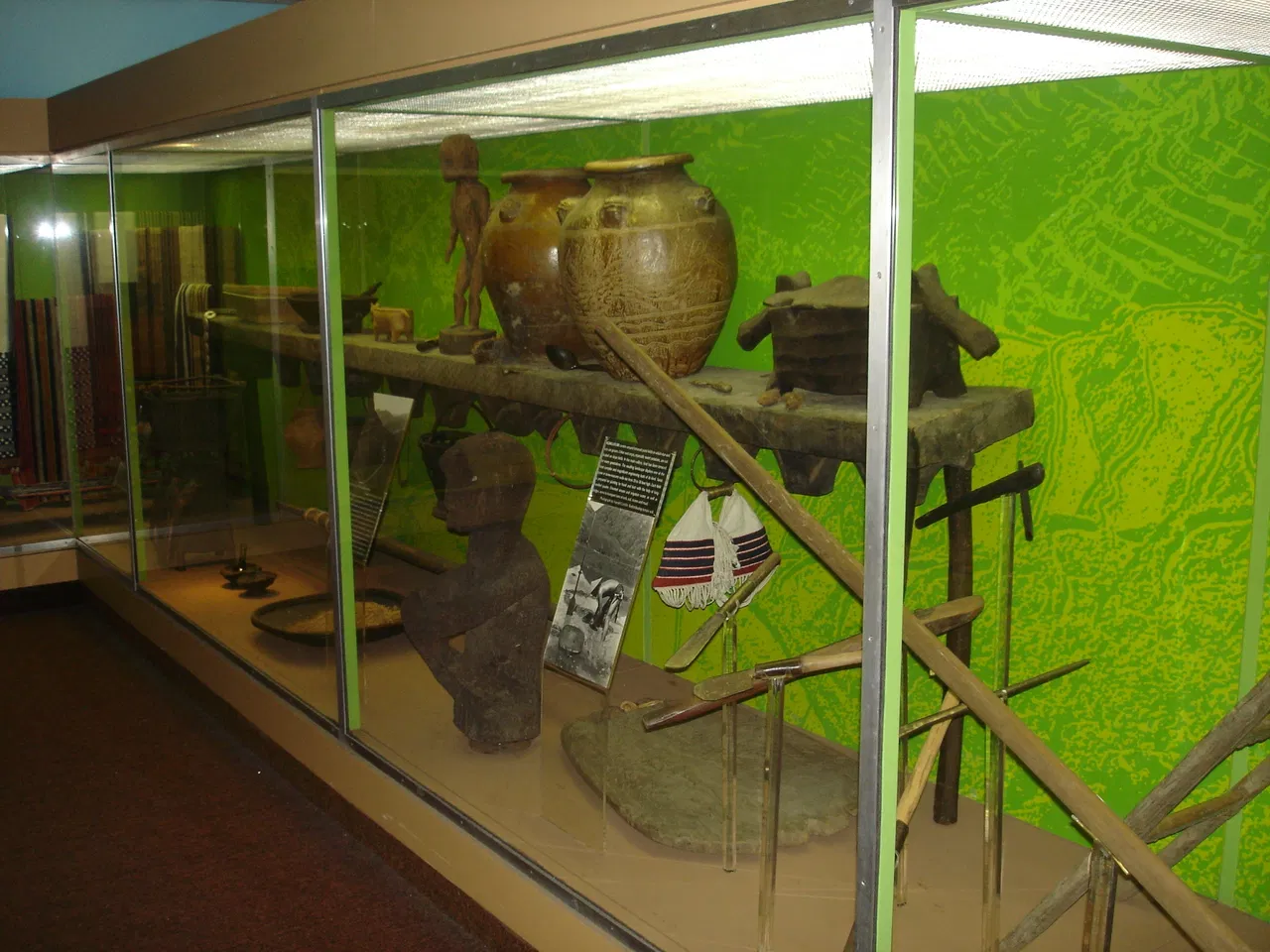
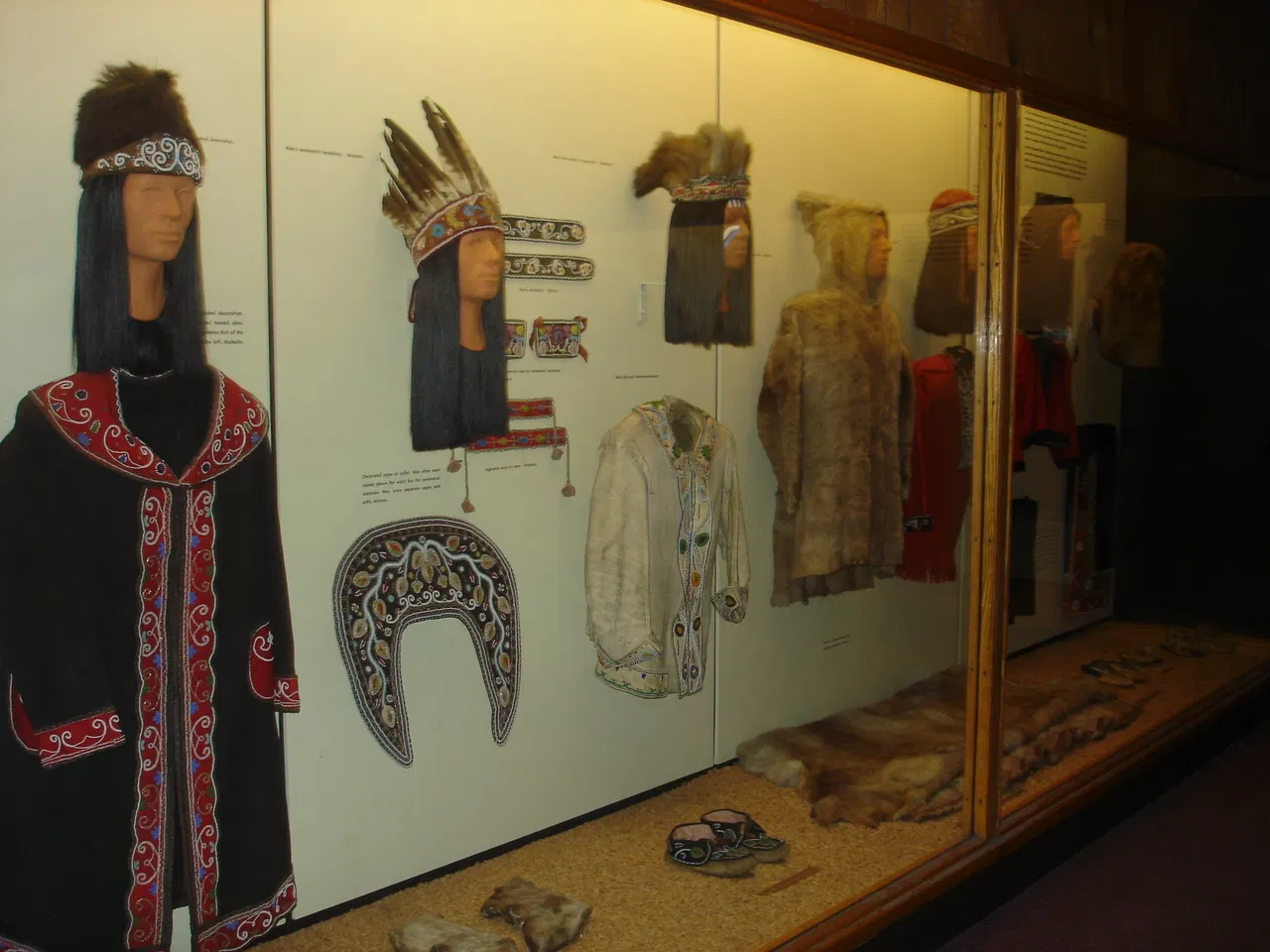
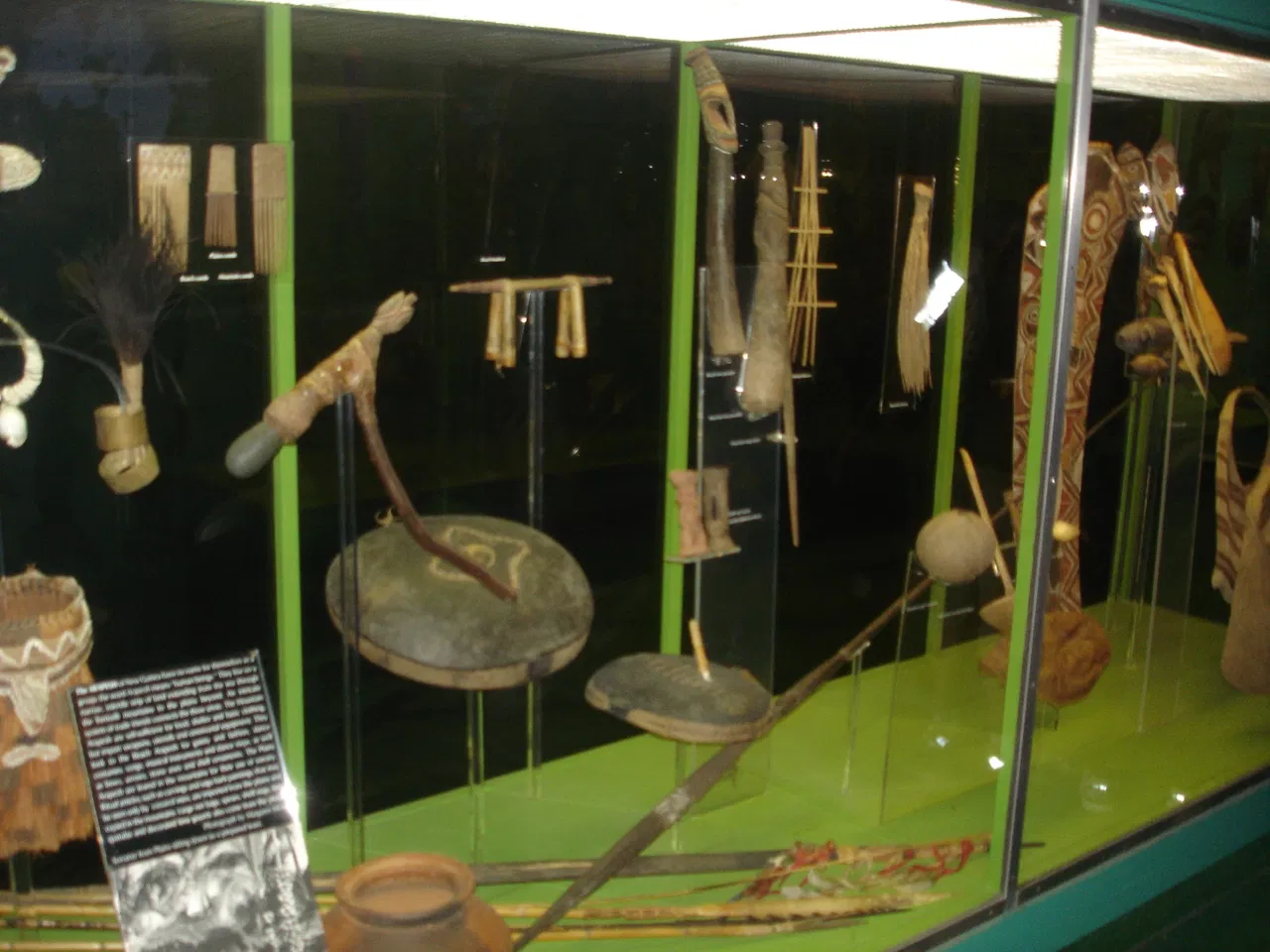
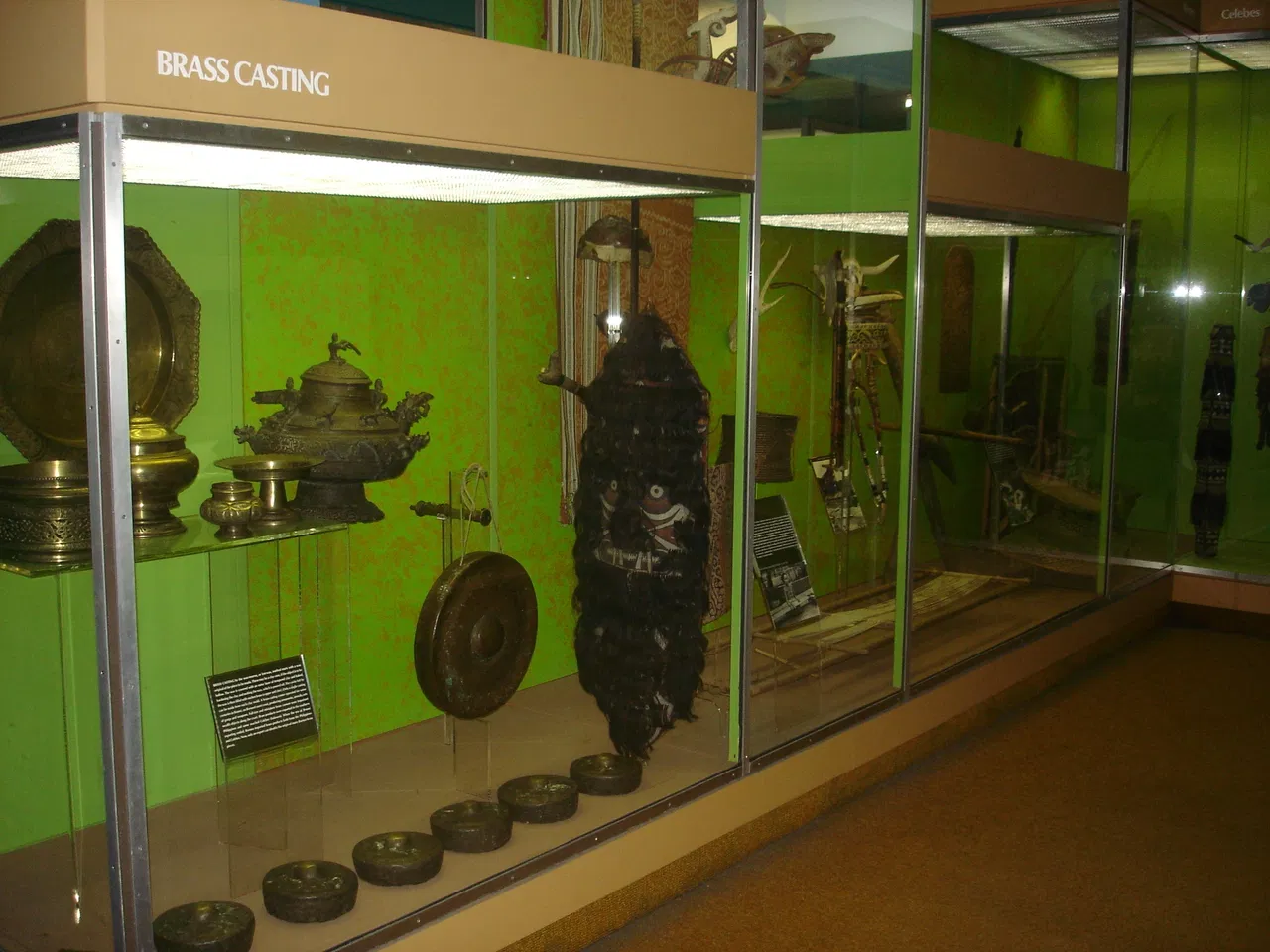
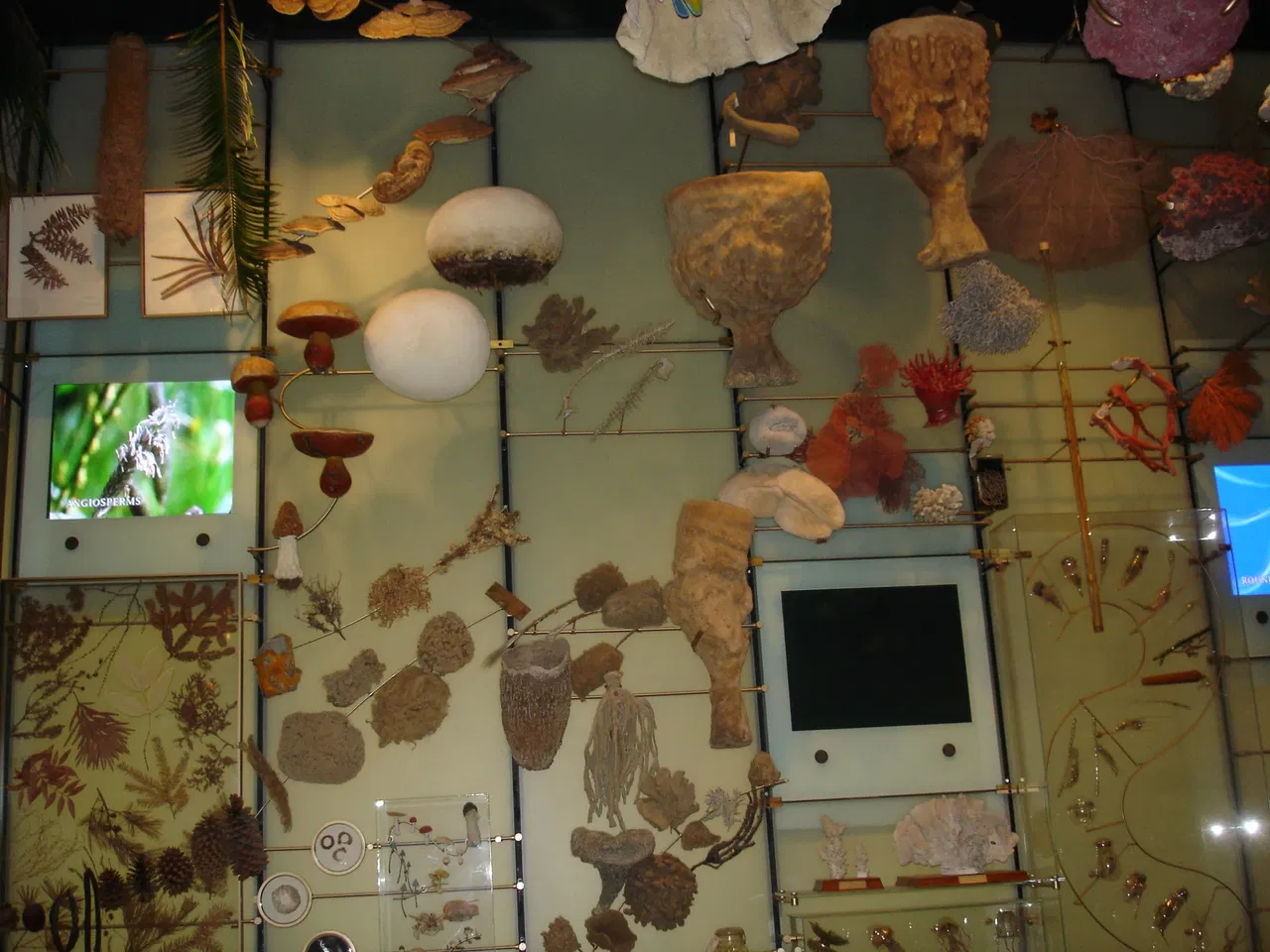
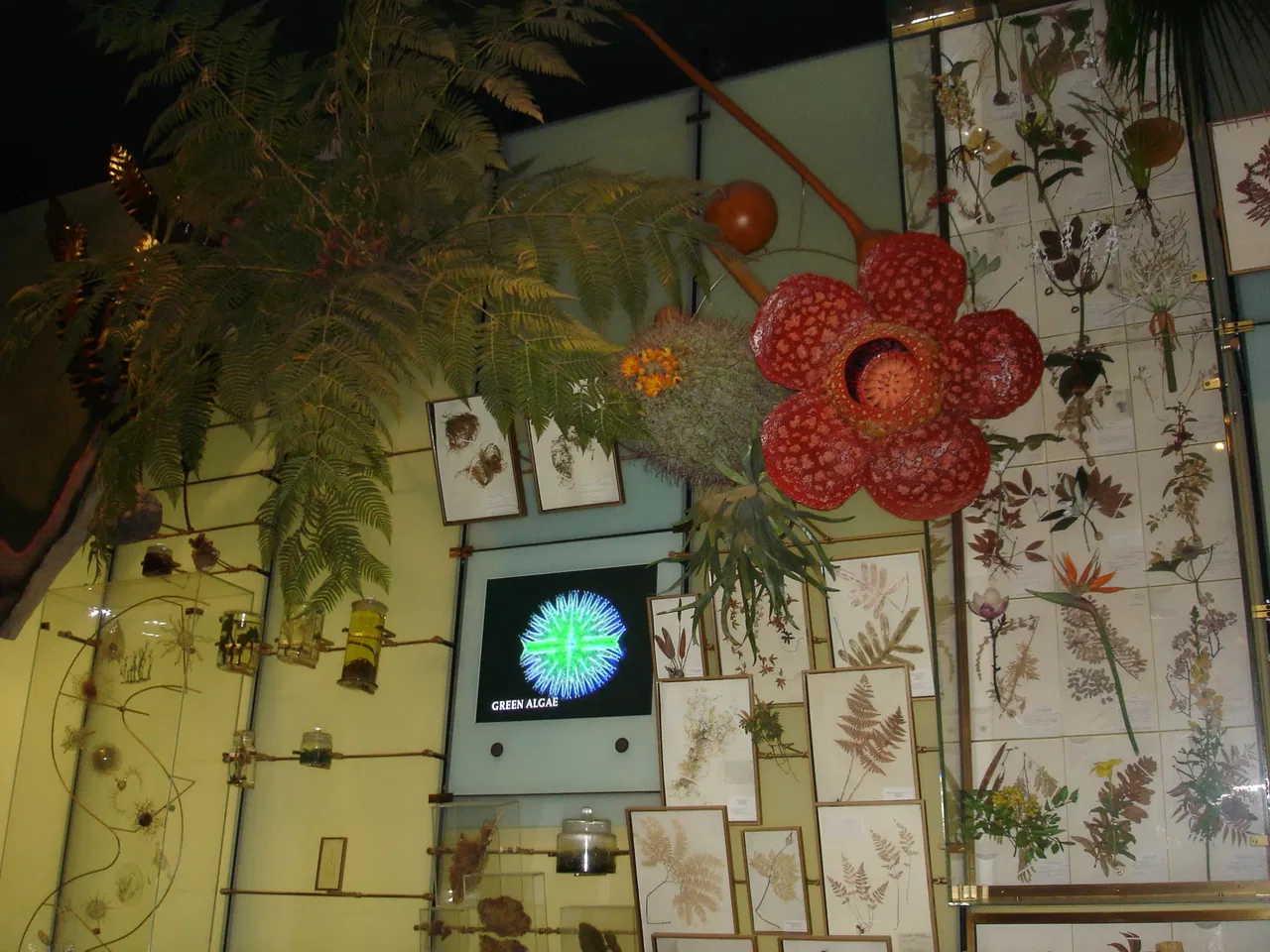
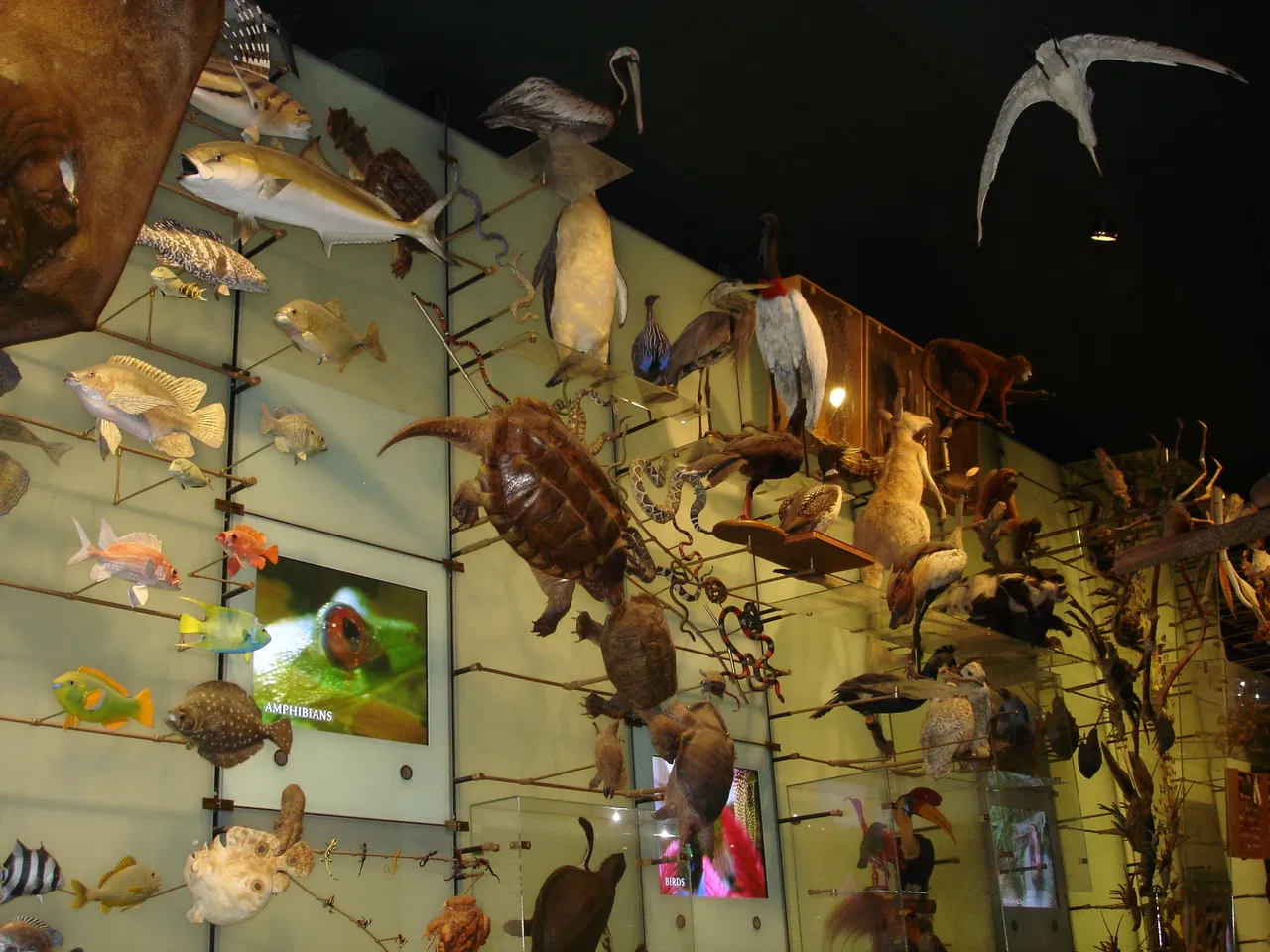
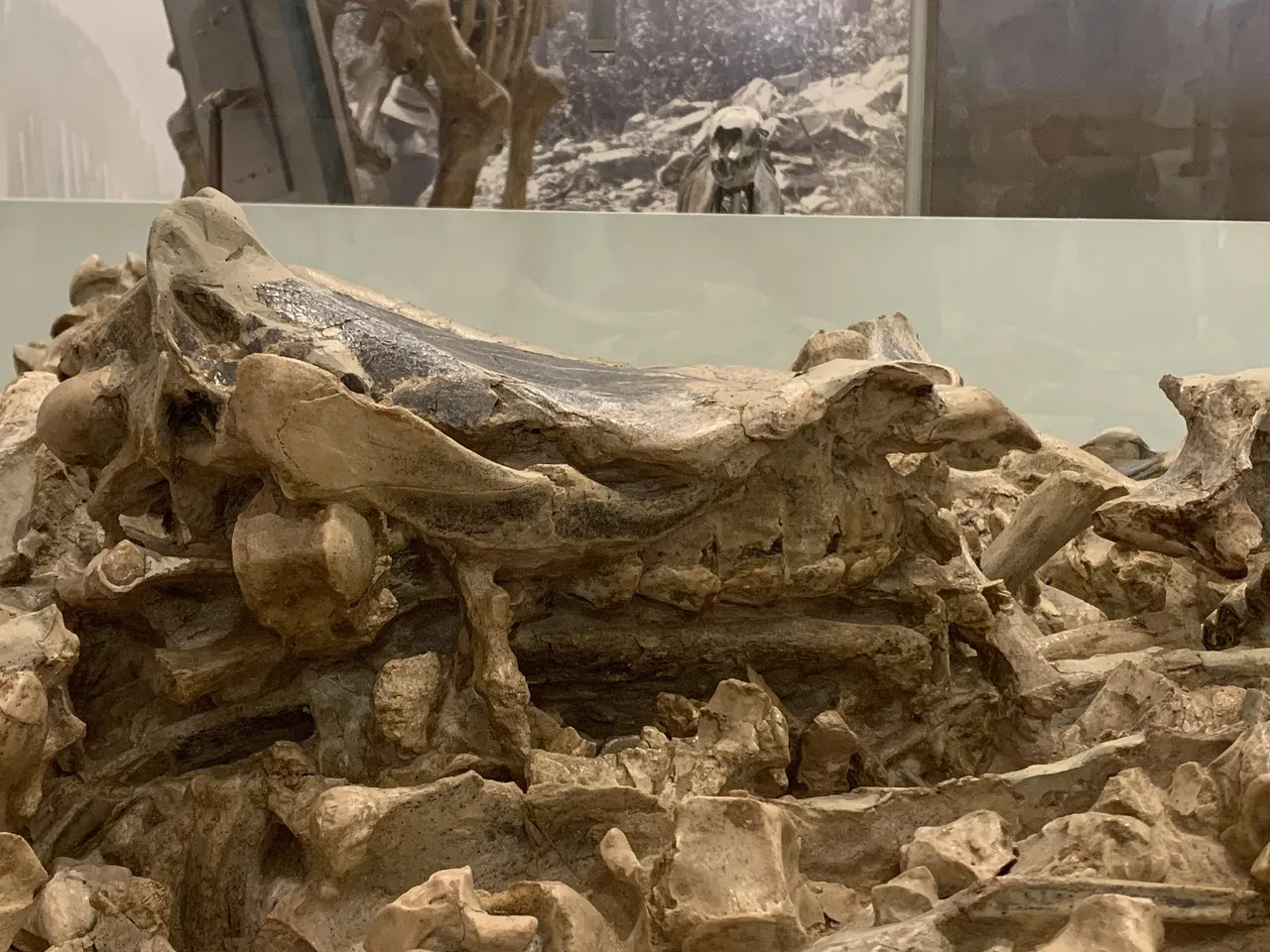
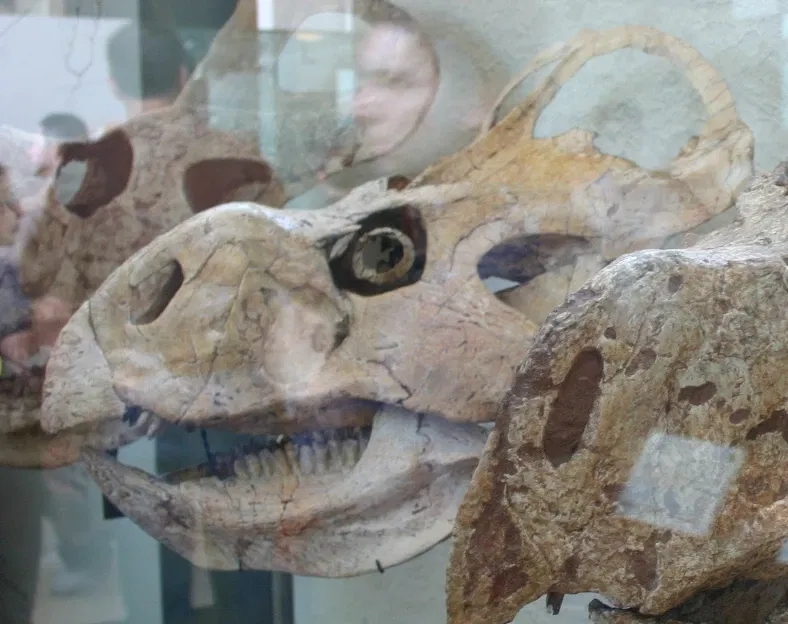
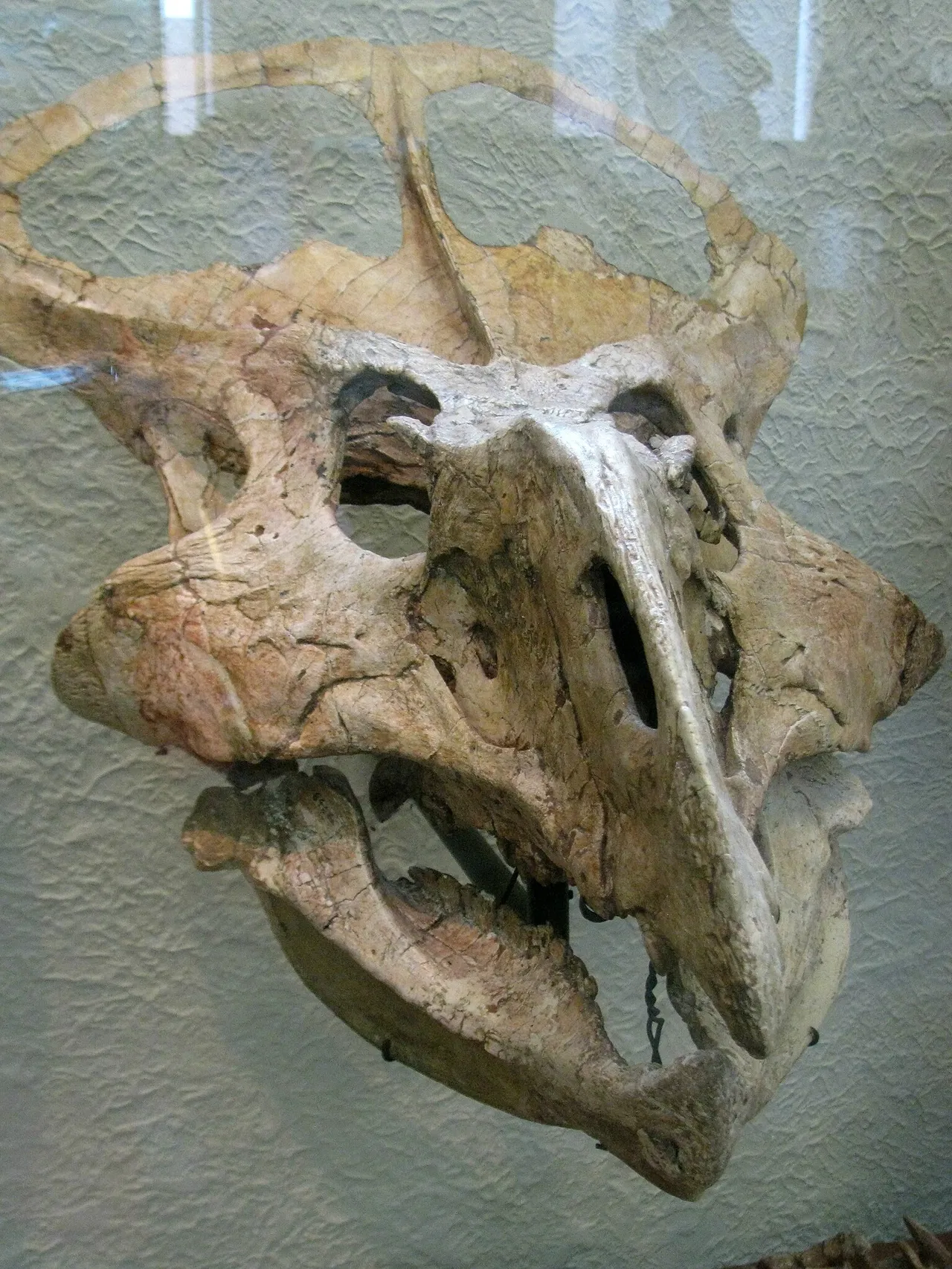
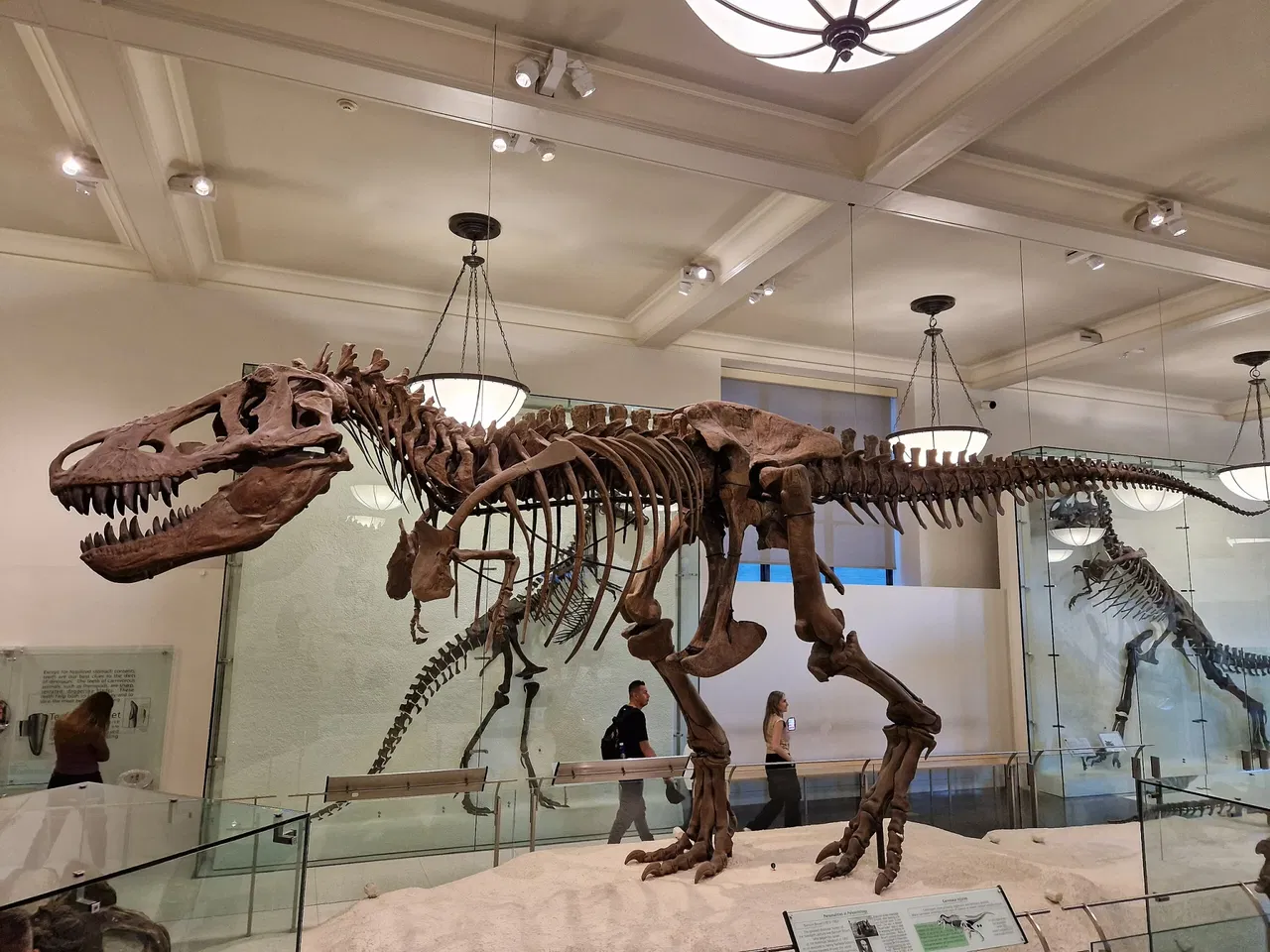
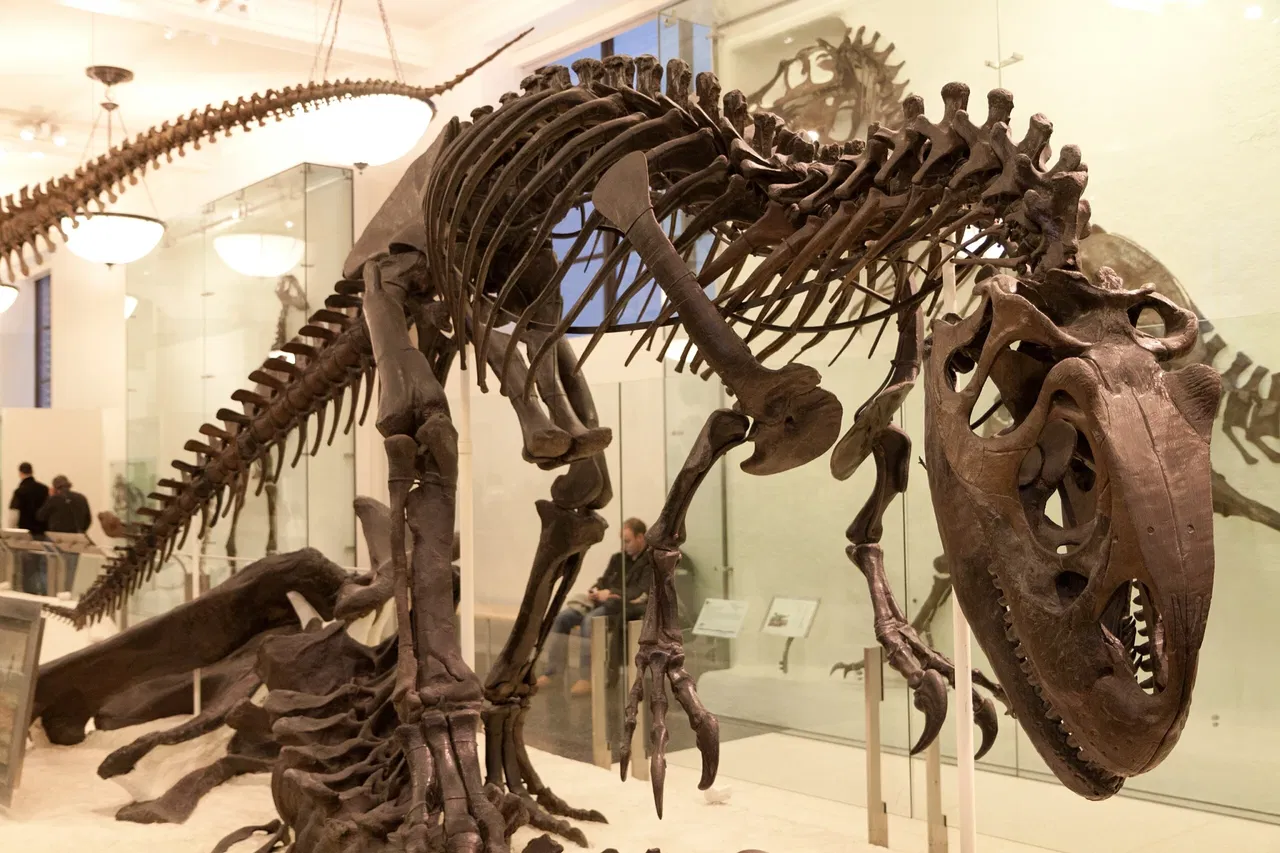
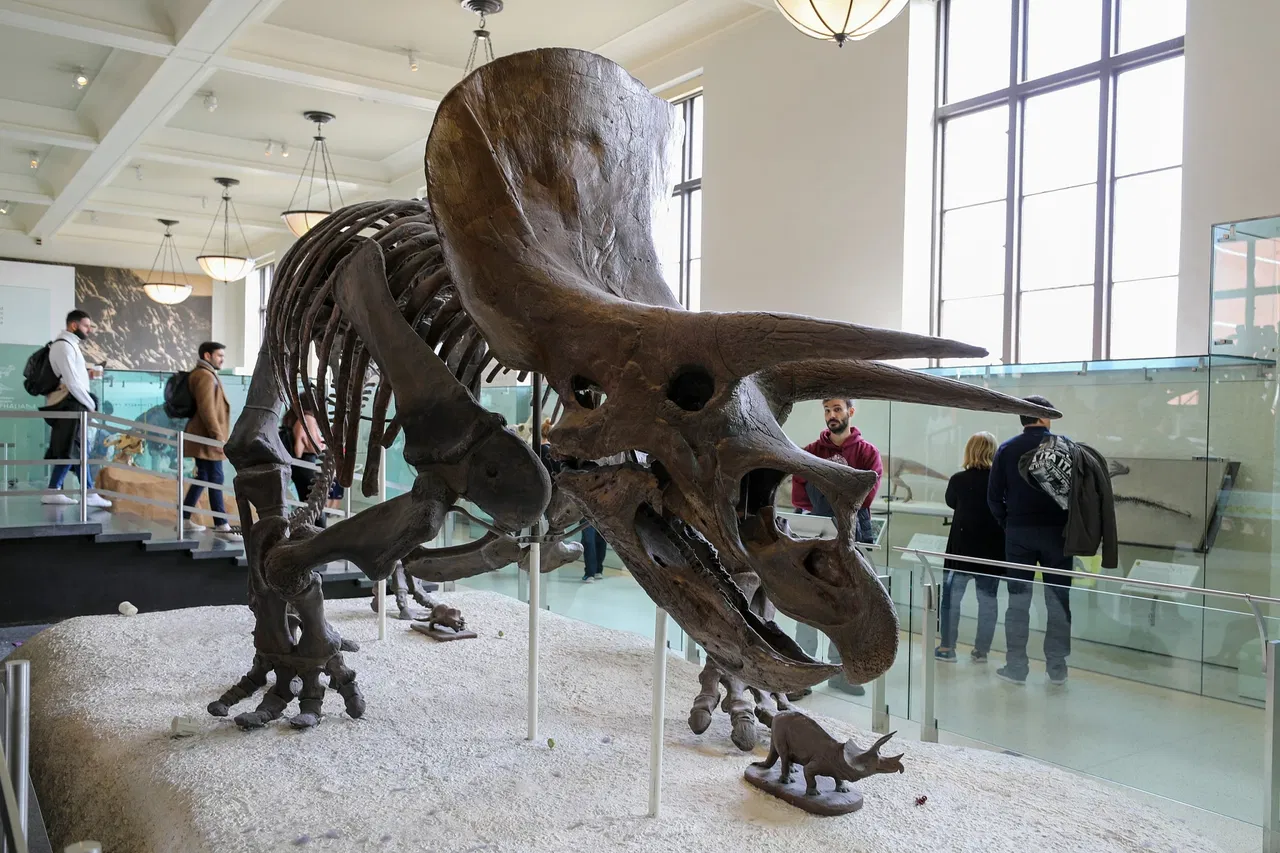
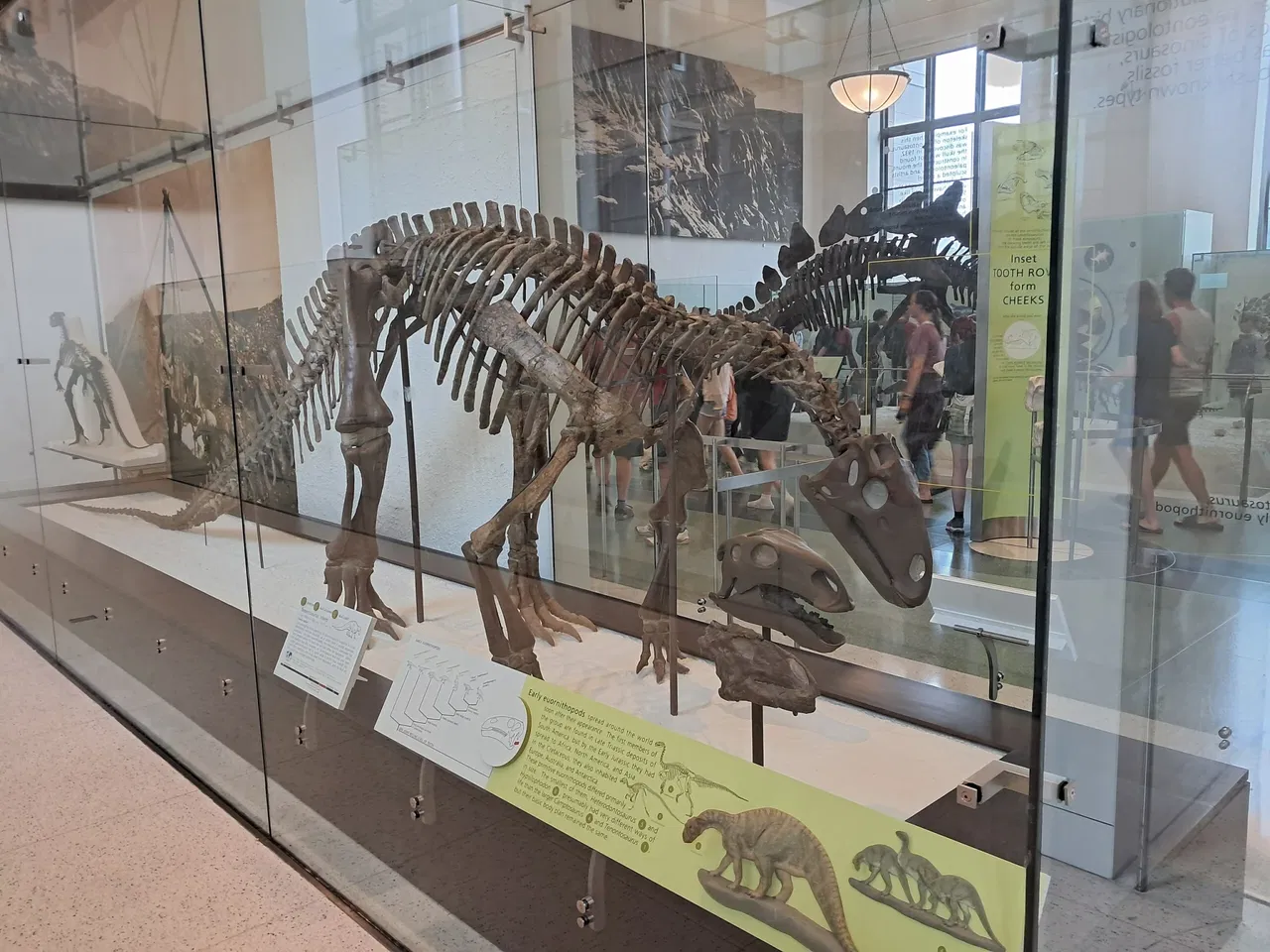
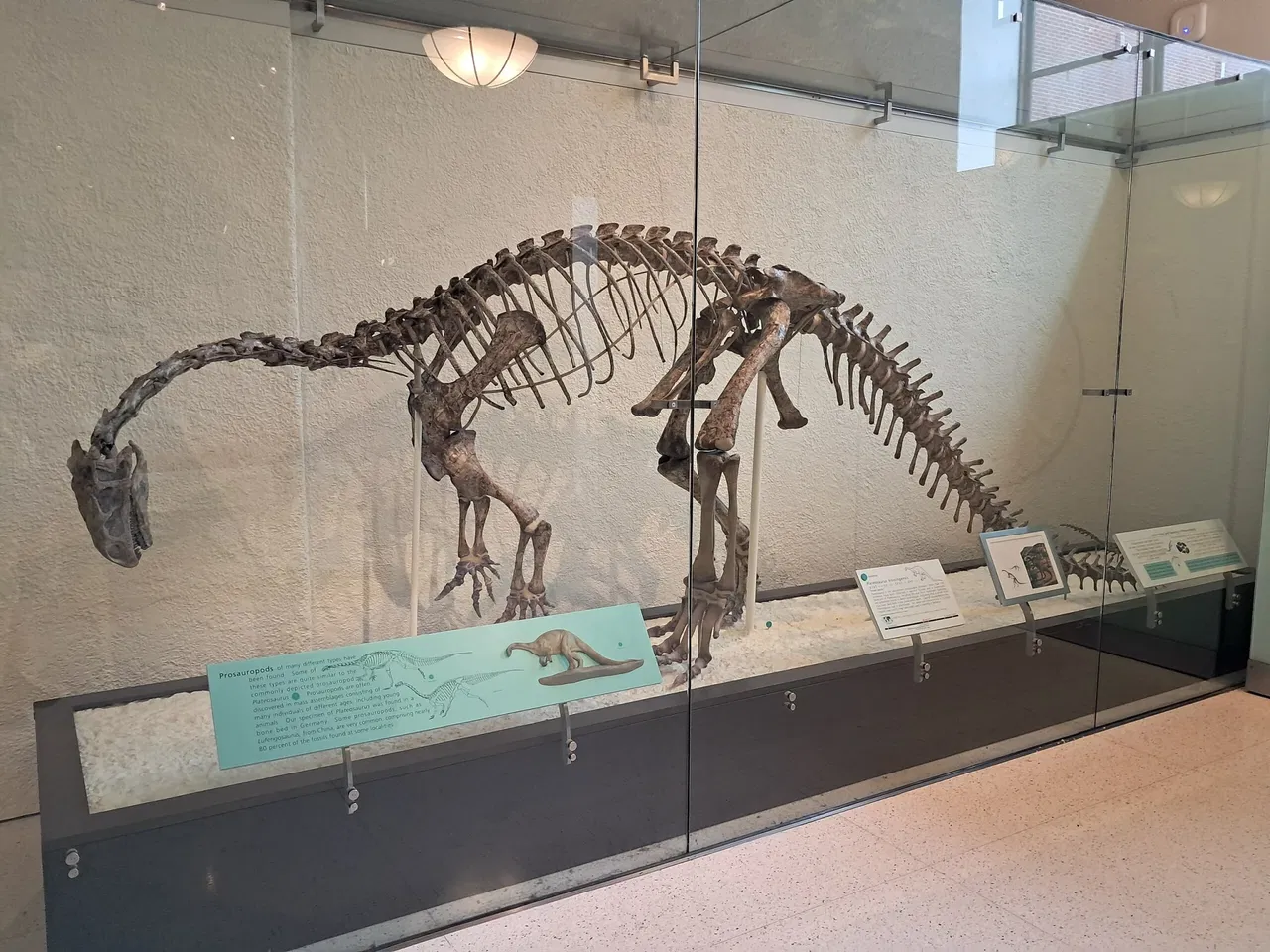

El Museo Americano de Historia Natural, también conocido como AMNH, está situado en el Upper West Side de Manhattan, en Nueva York (Estados Unidos). Esta ubicación es de fácil acceso y ofrece una variedad de otras atracciones en las inmediaciones, por lo que es un lugar conveniente para los turistas.
El Museo Americano de Historia Natural es un vasto complejo formado por 27 edificios interconectados. Estos edificios albergan 46 salas de exposiciones permanentes, laboratorios de investigación y una renombrada biblioteca. Este extenso montaje permite a los visitantes explorar una amplia gama de exposiciones y colecciones.
El Museo Americano de Historia Natural cuenta con una colección de más de 34 millones de especímenes. Sin embargo, debido a la inmensidad de la colección, sólo puede exponerse una pequeña parte en un momento dado. Esto significa que cada visita al museo puede ofrecer una experiencia única con diferentes exposiciones en exhibición.
Naturaleza & Historia Natural Animales Plantas Arqueología Geología
#3 Naturaleza & Historia Natural Estados Unidos #9 Museos abiertos los lunes Estados Unidos #3 Museos de animales Estados Unidos #2 Museos arqueológicos Estados Unidos #1 Museos de geología Estados Unidos #2 Museos de plantas Estados Unidos #1 Naturaleza & Historia Natural Nueva York #3 Museos abiertos los lunes Nueva York #1 Museos de animales Nueva York #1 Museos arqueológicos Nueva York #1 Naturaleza & Historia Natural Nueva York #3 Museos abiertos los lunes Nueva York #1 Museos de animales Nueva York #1 Museos arqueológicos Nueva York #1 Museos de geología Nueva York #1 Museos de plantas Nueva York
Central Park West 180, Nueva York
15 may 2026 – 4 ene 2027
25 nov 2025 – 31 dic 2026
11 jun 2026 – 1 oct 2026

18 may 2026 – 14 sept 2026
4 nov 2024 – 1 ene 2026
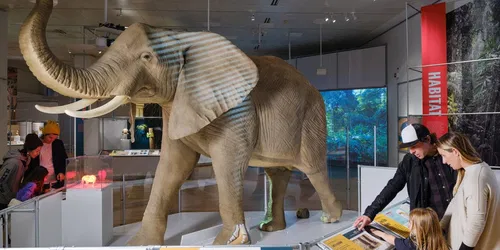
14 nov 2023 – 4 ago 2025
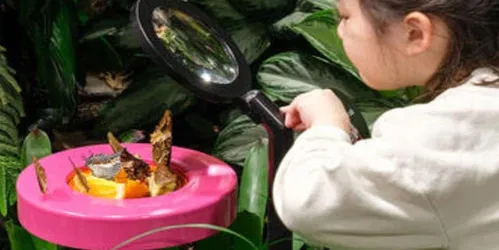
28 sept 2023 – 1 ene 2026
17 jul 2023 – 1 sept 2025
Museo Americano de Historia Natural tiene 2 calificaciones.
El Museo Americano de Historia Natural en la Ciudad de Nueva York es una institución renombrada que ofrece una extensa colección de exhibiciones que abarcan varias disciplinas científicas. Los visitantes a menudo elogian la diversa gama de exhibiciones del museo, desde fósiles de dinosaurios hasta la exploración espacial. El planetario recibe altas calificaciones por sus espectáculos inmersivos, mientras que el conservatorio de mariposas se menciona con frecuencia como un punto culminante. Muchos críticos aprecian el valor educativo del museo tanto para niños como para adultos. Sin embargo, algunos visitantes señalan que el museo puede estar abarrotado, especialmente durante las horas pico, lo que puede afectar la experiencia general. Algunos críticos mencionan que algunas exhibiciones podrían beneficiarse de actualizaciones o renovaciones. A pesar de estos inconvenientes menores, la mayoría de los visitantes considera que el museo es una experiencia informativa y atractiva, que ofrece una visión integral de la historia natural y la ciencia. El gran tamaño del museo implica que la mayoría de los visitantes recomiendan dedicar un día completo a explorar a fondo sus extensas colecciones.
We visited American Museum of Natural History on Jun 25, 2025. Tickets were purchased online by scanning the QR code posted by the entrance. My primary concern was my backpack being too large to be allowed in per their policy. In addition, it contained my laptop. Then I noticed that a departing visitor had a backpack about the size as mine. At the was security checkpoint, my backpack was searched, and then we were allowed in.
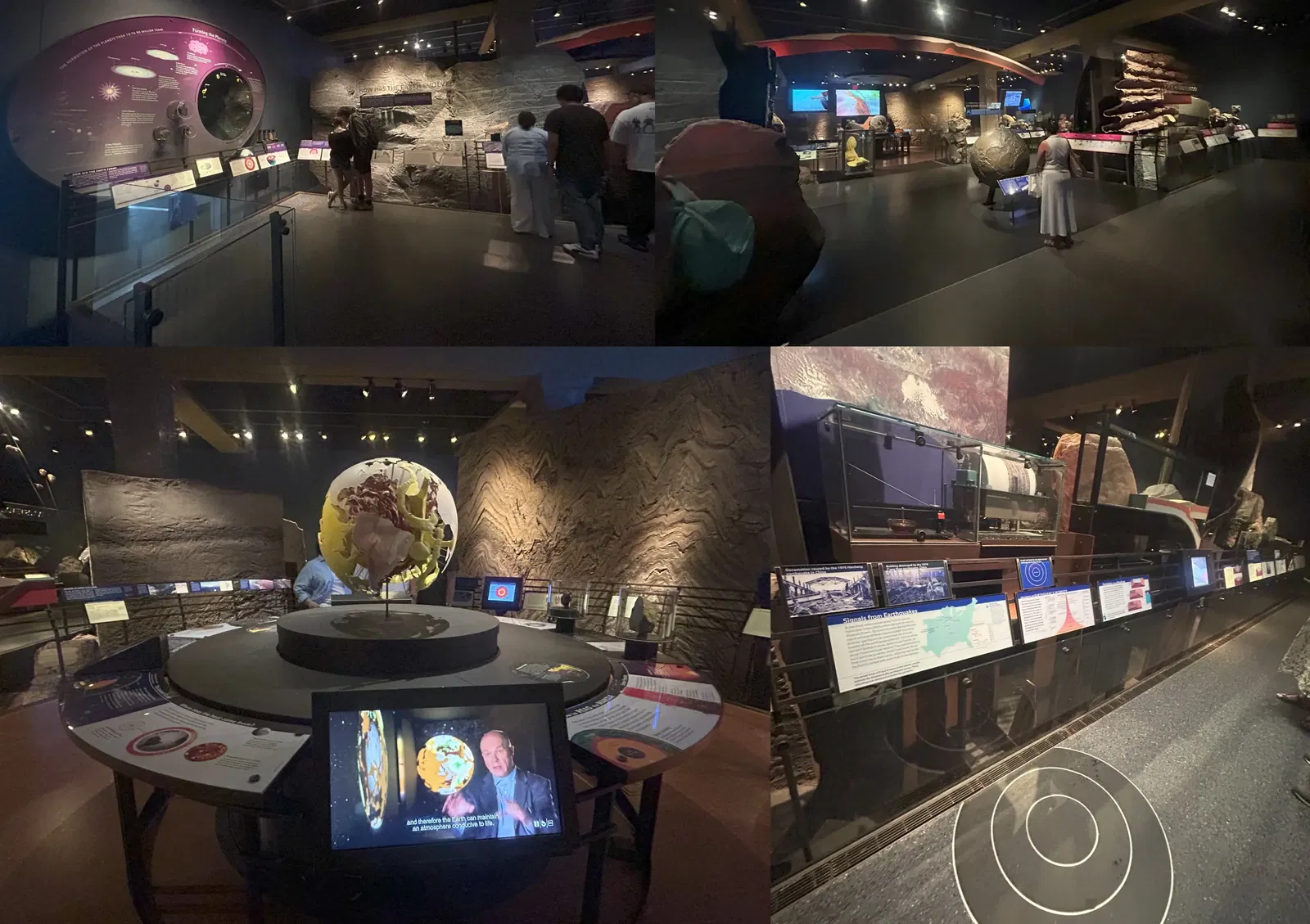
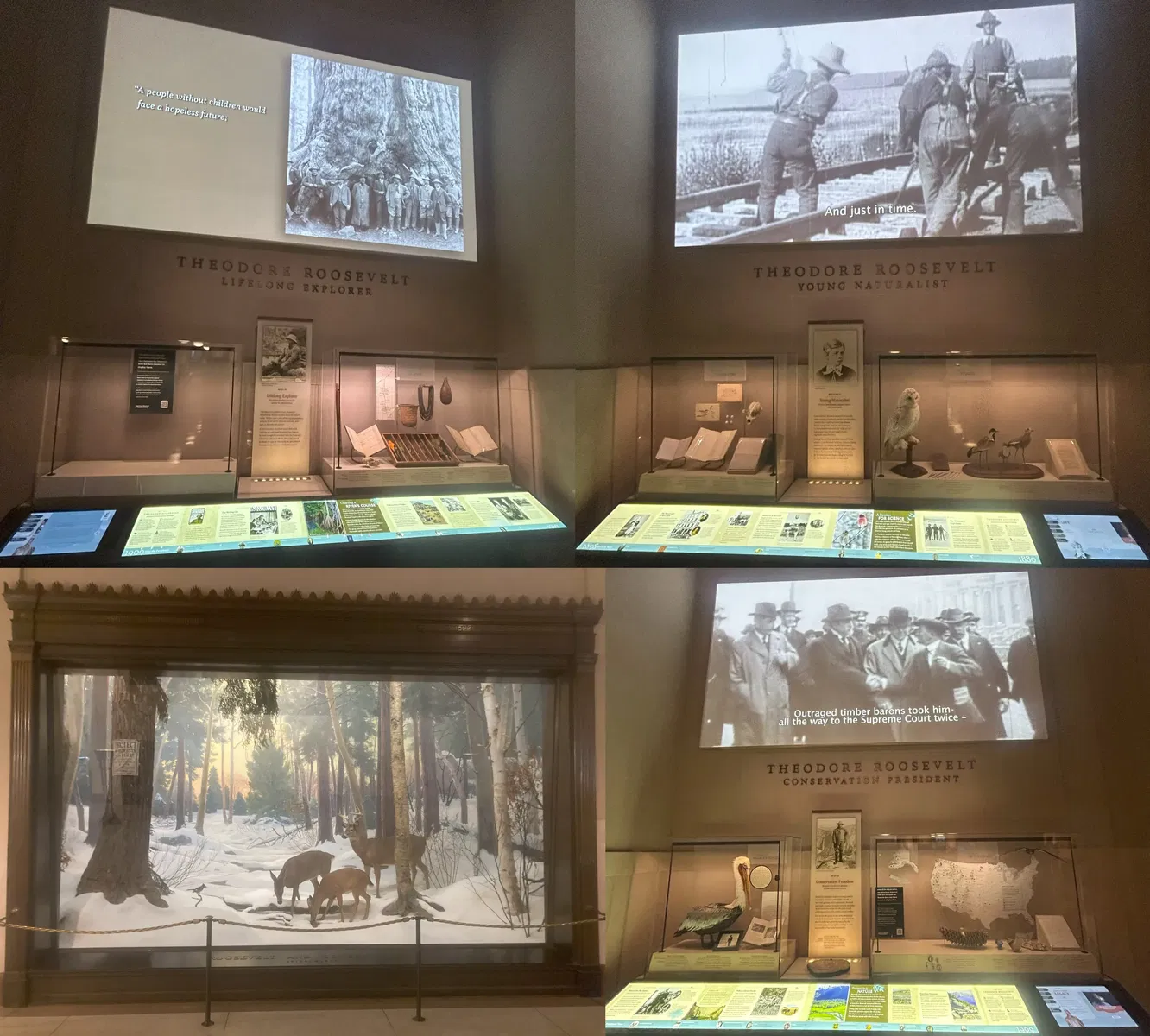
The first hall we went to was the David S. and Ruth L. Gottesman Hall of Planet Earth, or Planet Earth as shown on the map. Its exhibits offered a wealth of information on everything geological about the planet. It would take me at least an hour to peruse them all. Next was the Theodore Roosevelt Memorial Hall - devoted to the namesake half-term Governor of New York, Rough Rider boss and President of the United States. There was also another hall on Floor 2 bearing his name but we didn't get around to see it.
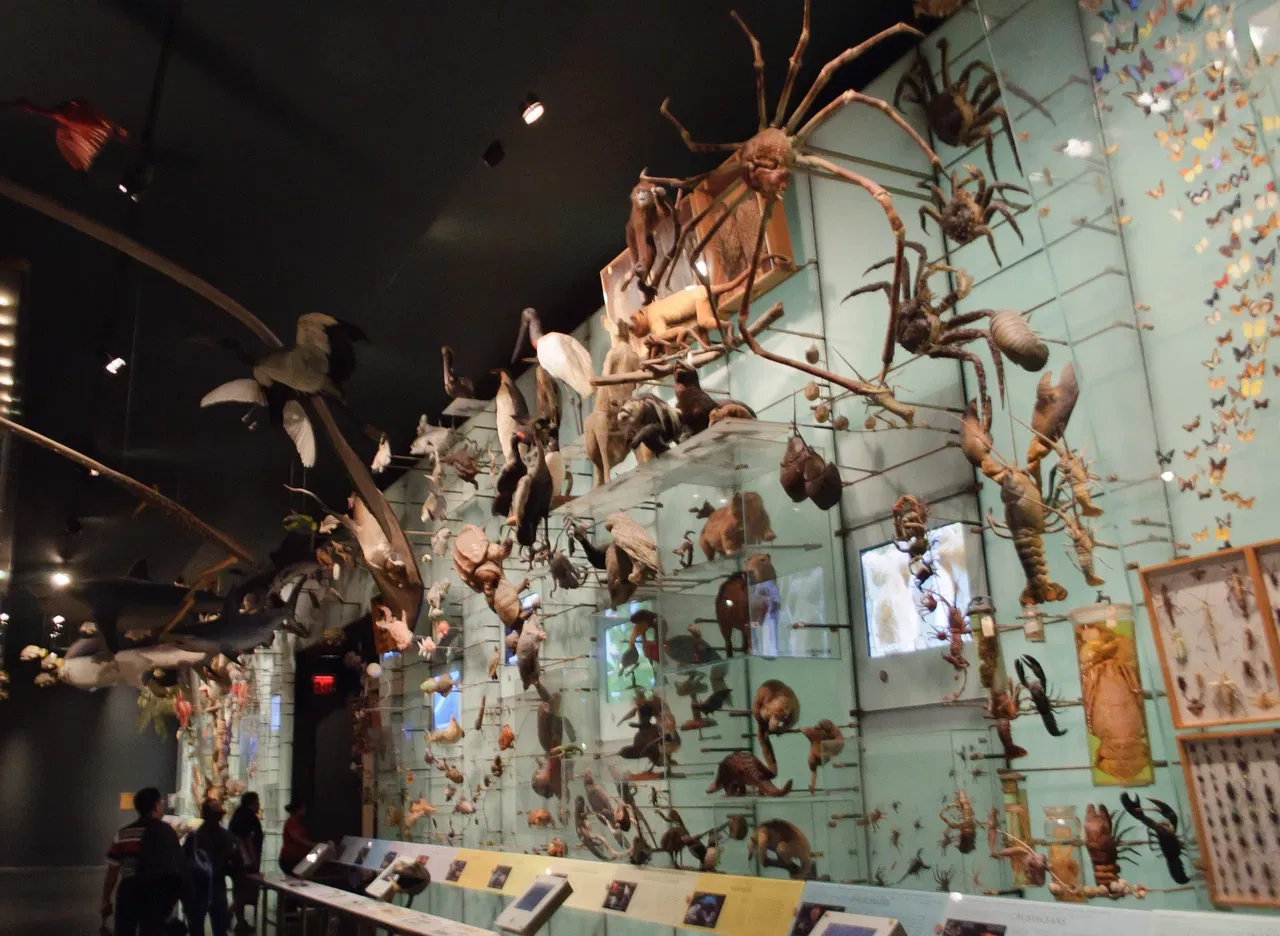
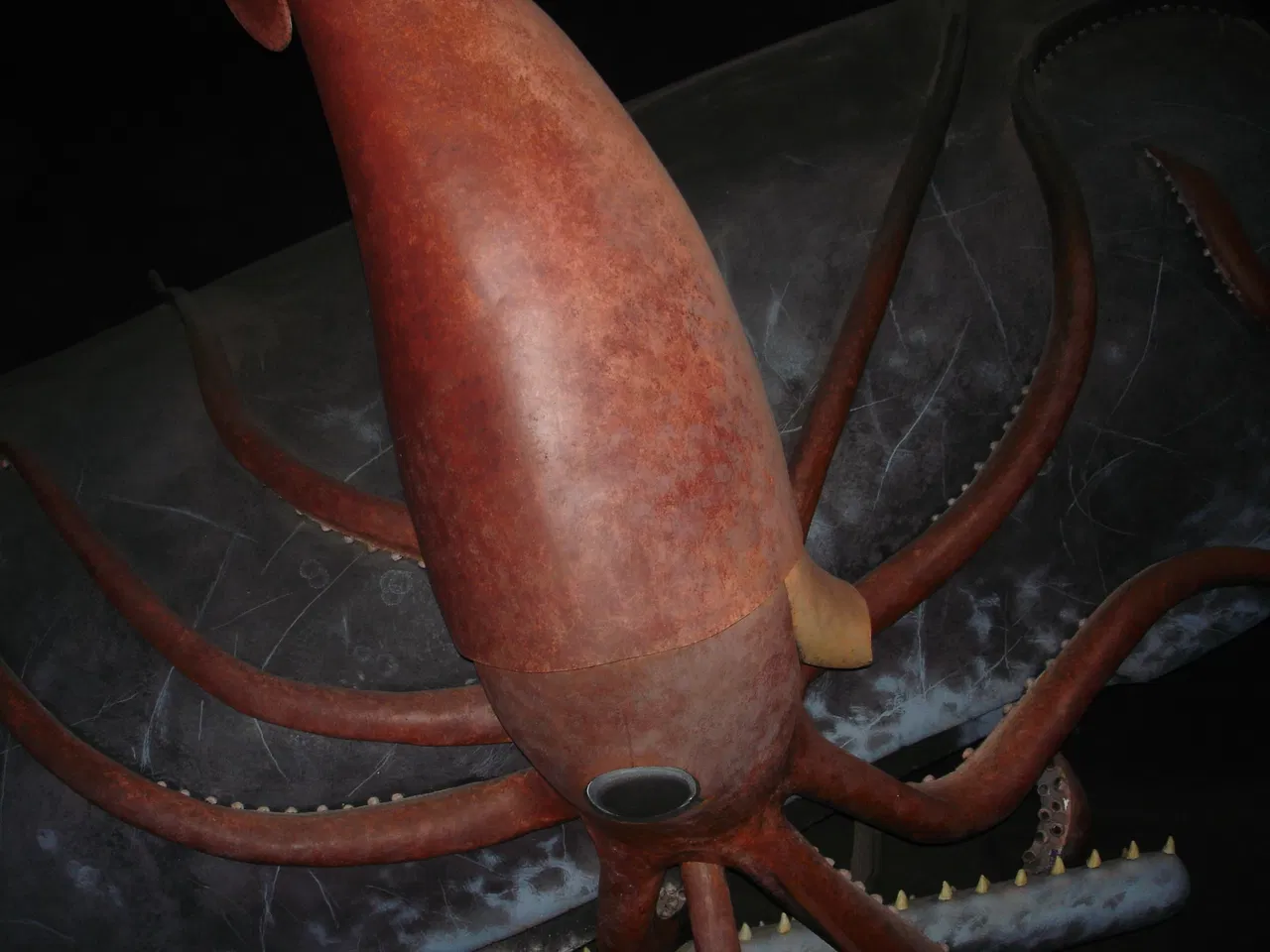
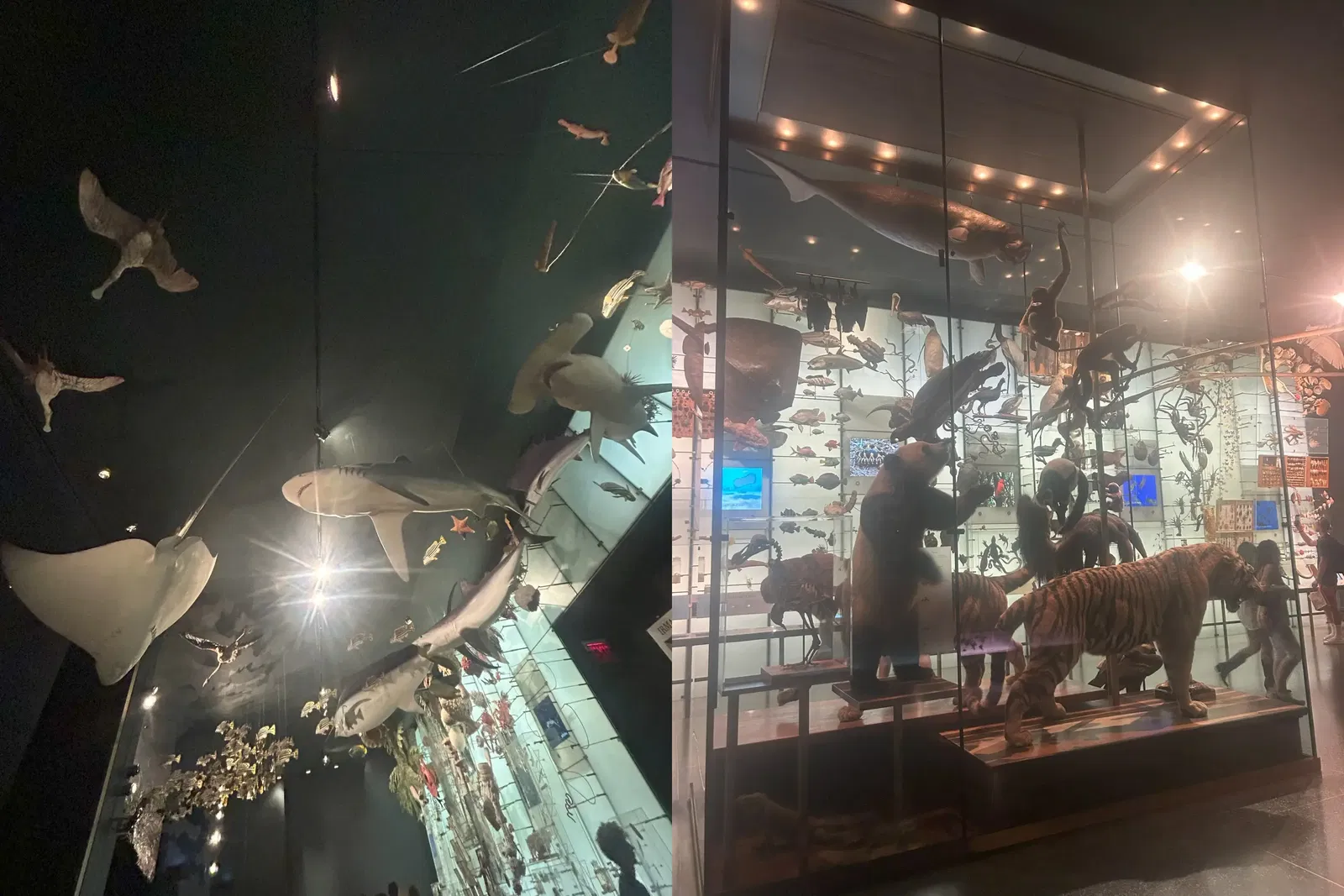
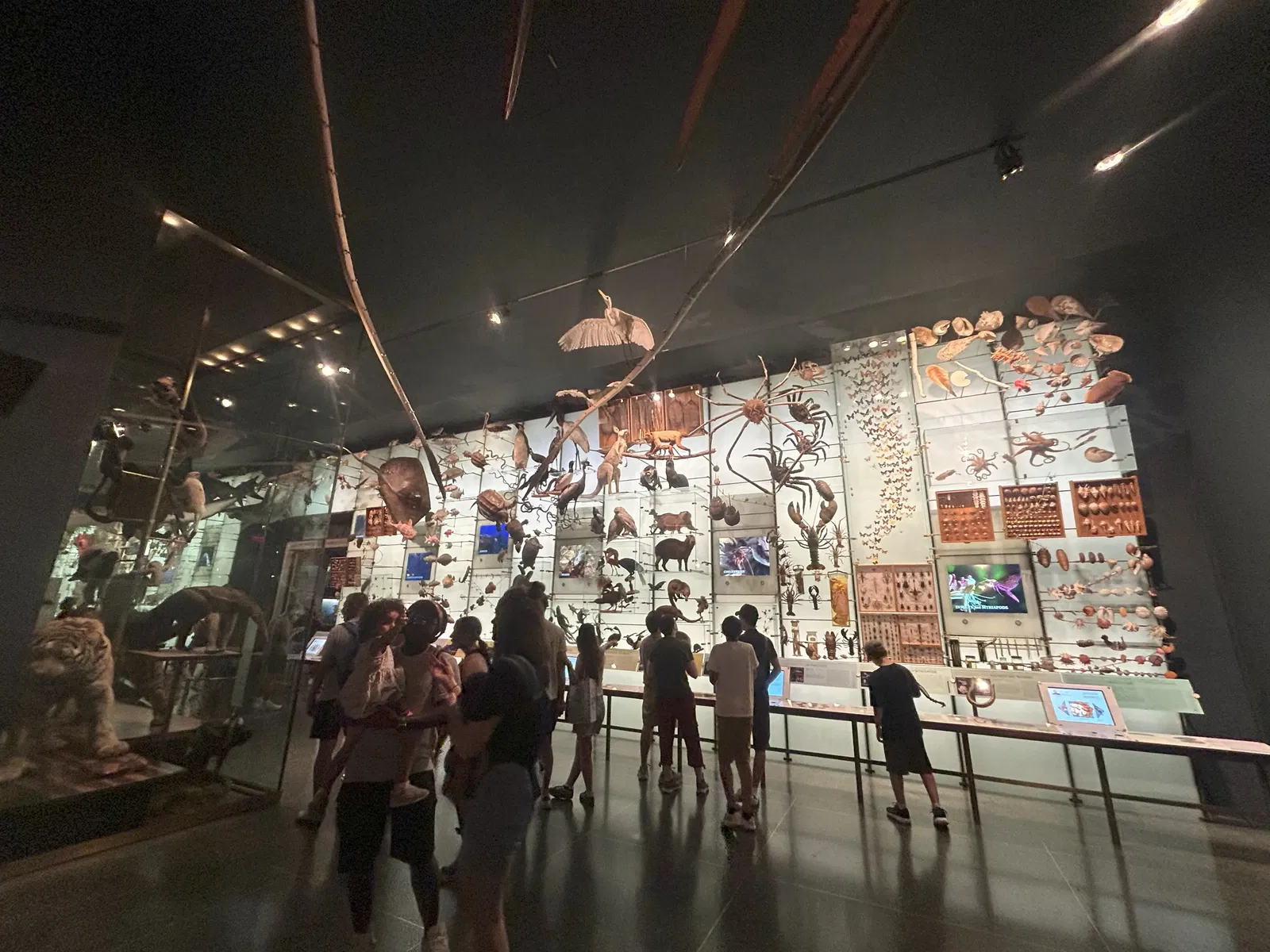
I was however amazed by the next hall. It bore Roosevelt's name but is simply known as Biodiversity on the Floor 1 map. Hundreds... no, thousands of life-sized replicas of creatures of various shapes and sizes on the walls and ceiling - the Spectrum of Life. I didn't think squids were that large, but there they were. The Rain Forest exhibit was there, and so was the Siberian Tigers exhibit. If the Biodiversity hall was amazing, the next one was epic. Named the Irma and Paul Milstein Family Hall of Ocean Life and spanning two stories, its biggest star is the life-sized model of the great Blue Whale hanging from the ceiling in the middle of the hall. No matter where I was, the whale was in my line of sight. There were more exhibits on the lower level, including the Walruses. I did not take more pictures because the lighting was poor. I could sit in this hall all day and do nothing but marvel. I would even pay to spend the night here in front of the great blue whale. (It's not the real thing but still magnificent.)
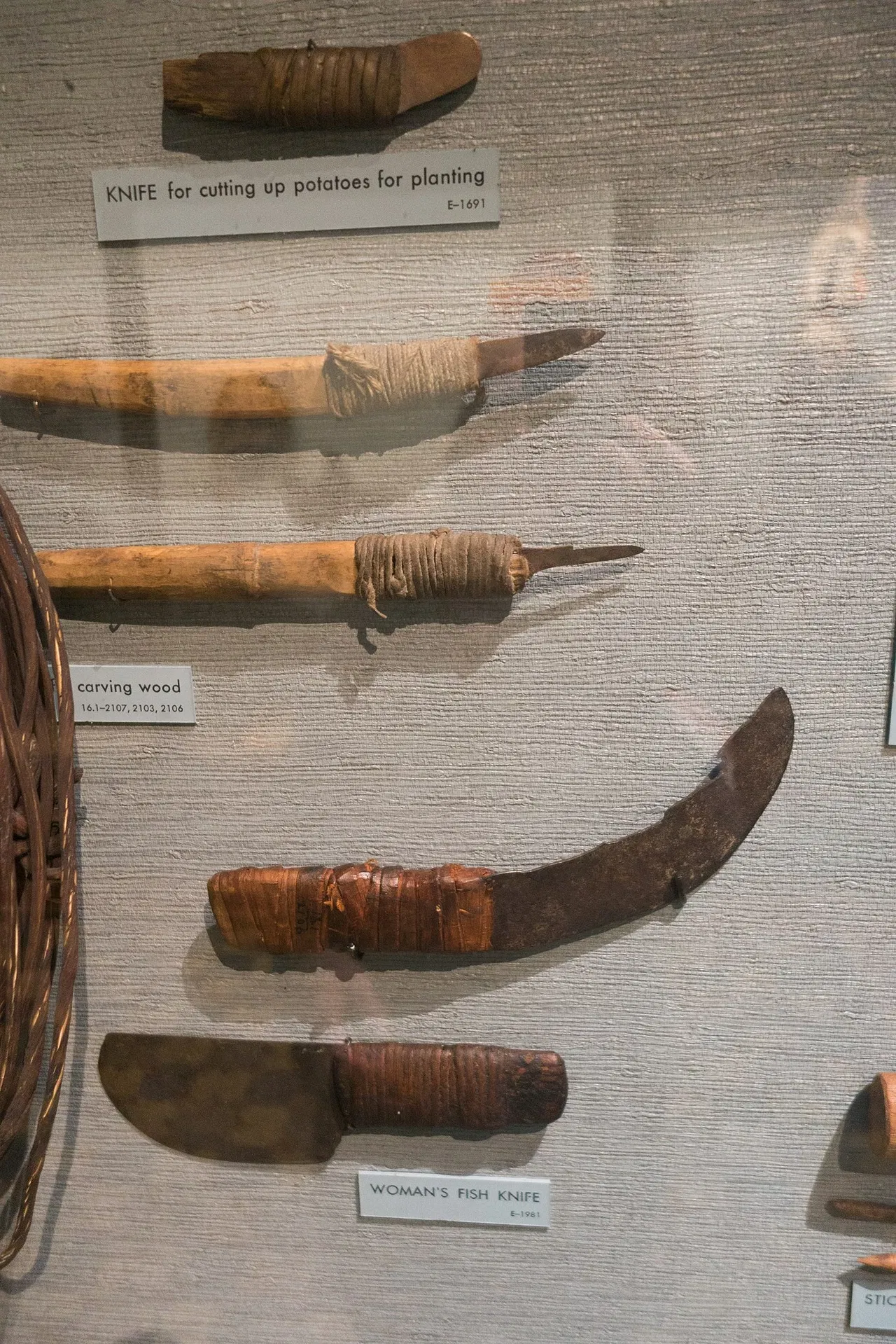
Time was limited so we moved on... to the Futter Gallery. To all the party-lovers out there, this is the place to host a party. You can claim you partied with celebrities... well, portraits of them. Next was the Northwest Coast Hall for exhibits of Native American culture. Wife liked this one the most. The collection was impressive. One exhibit was a set of Tlingit artefacts enclosed in glass located near an alcove. These artefacts supposedly had a history of occultic usage with a sign on the glass warning against any form of photography. Though not superstitious, I chose not to take any pictures.
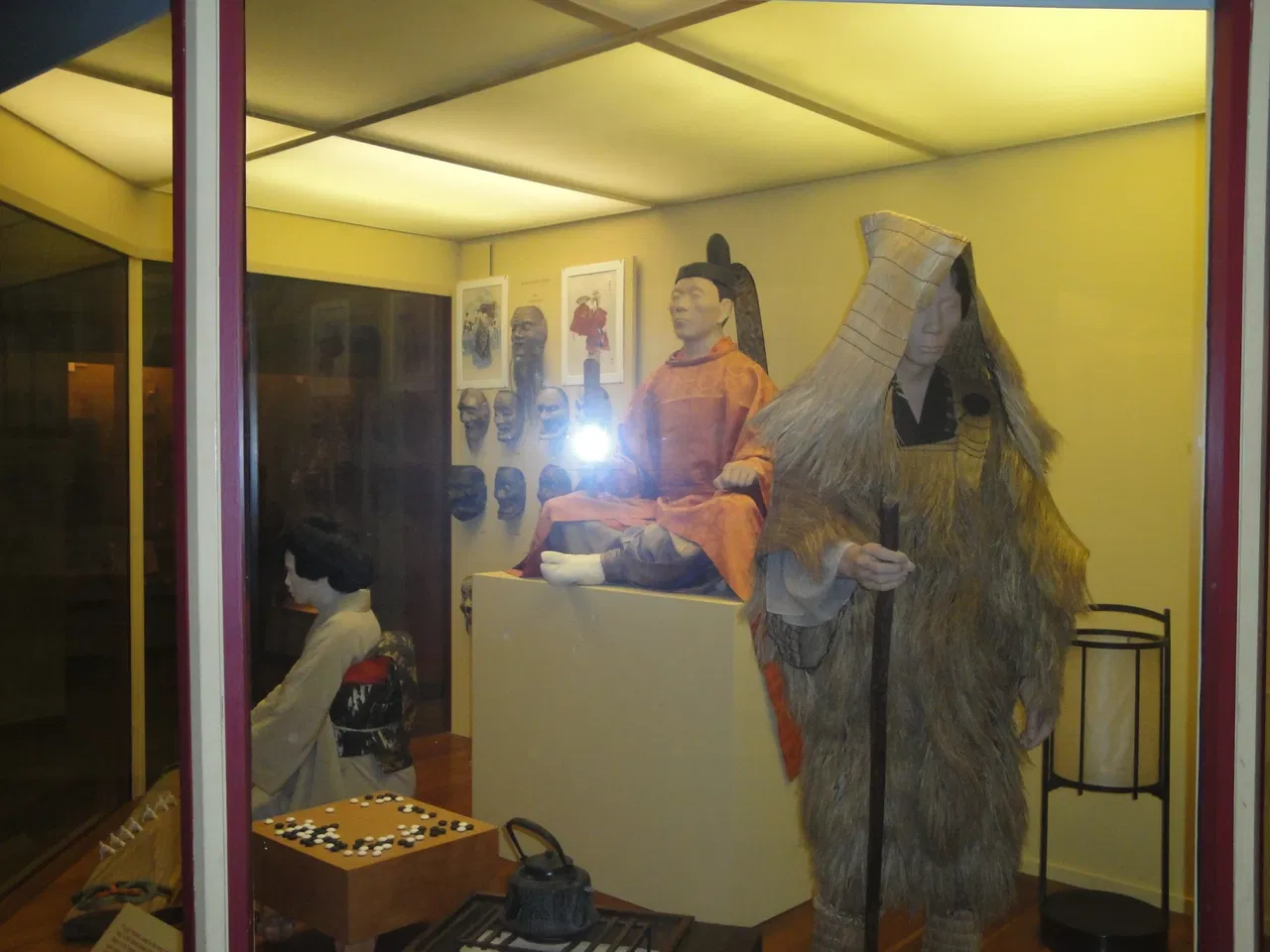
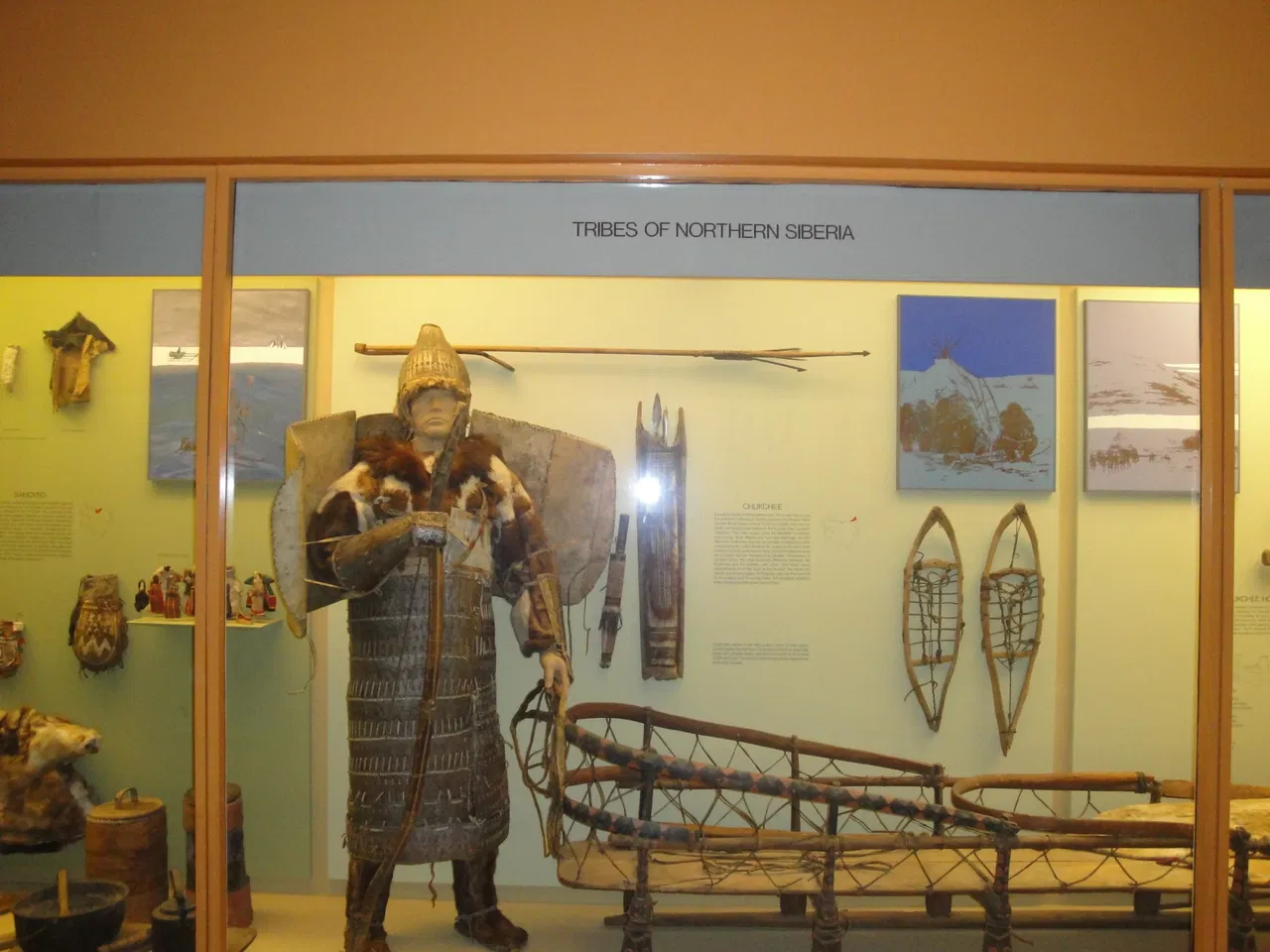
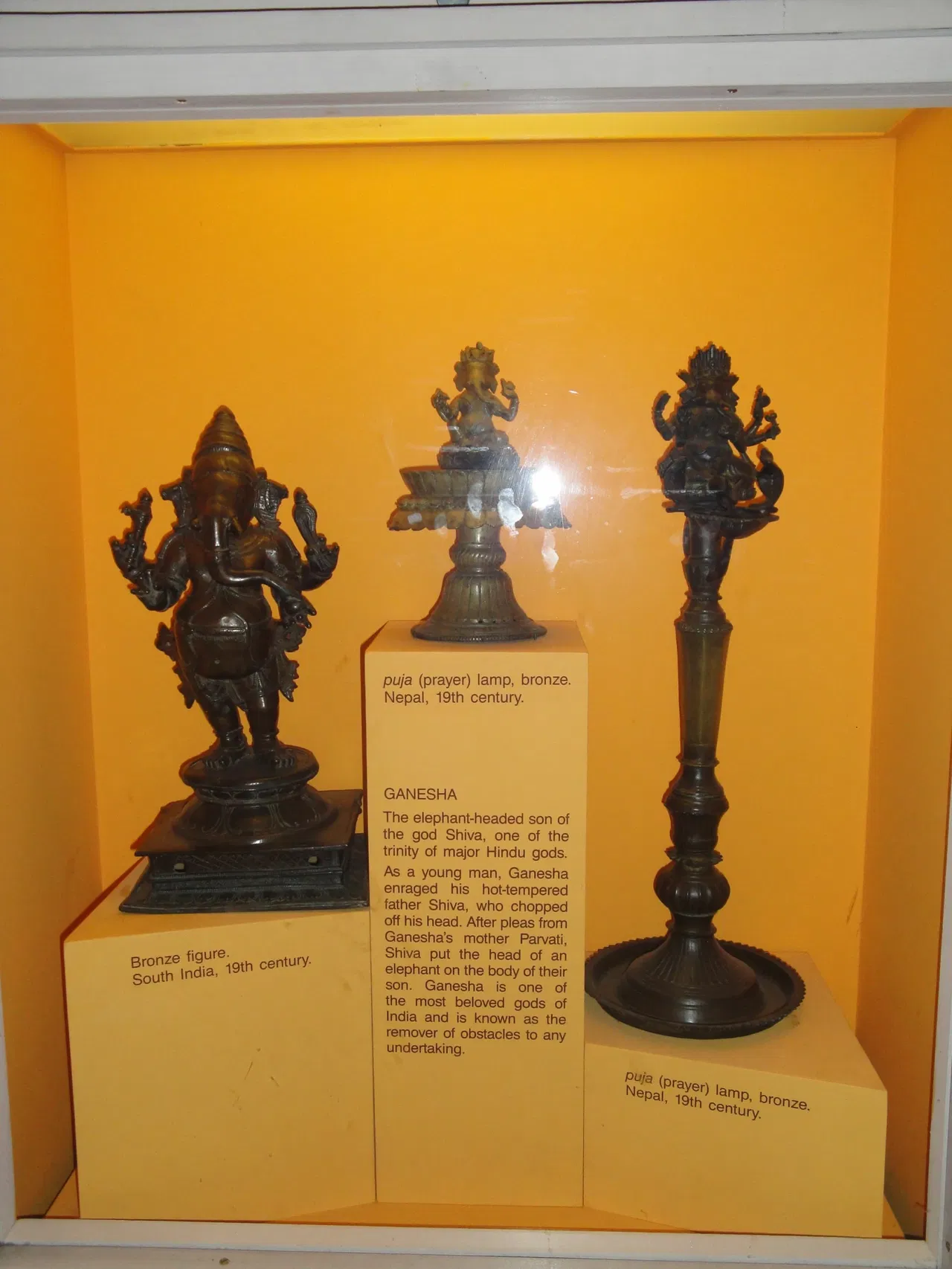
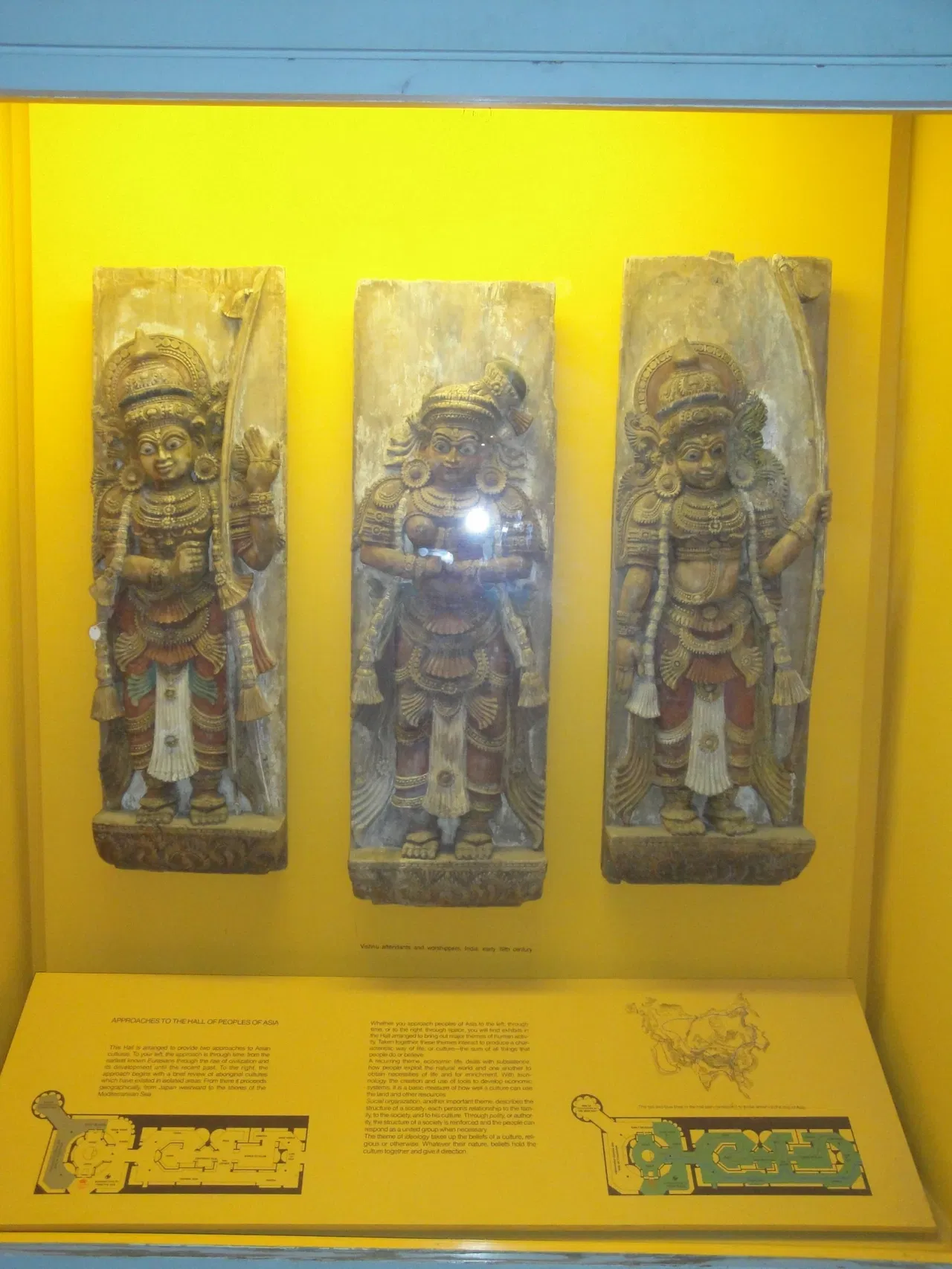
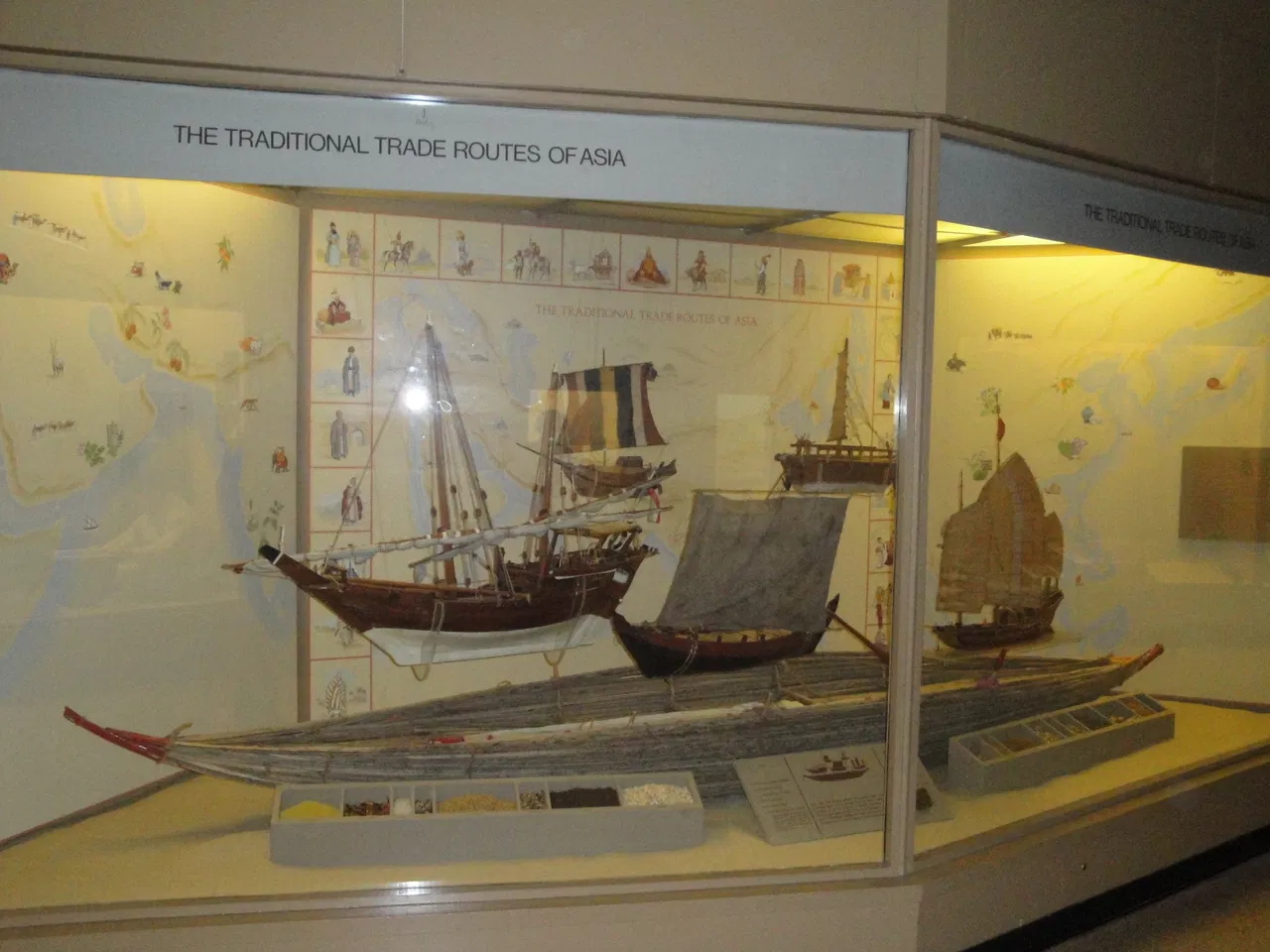
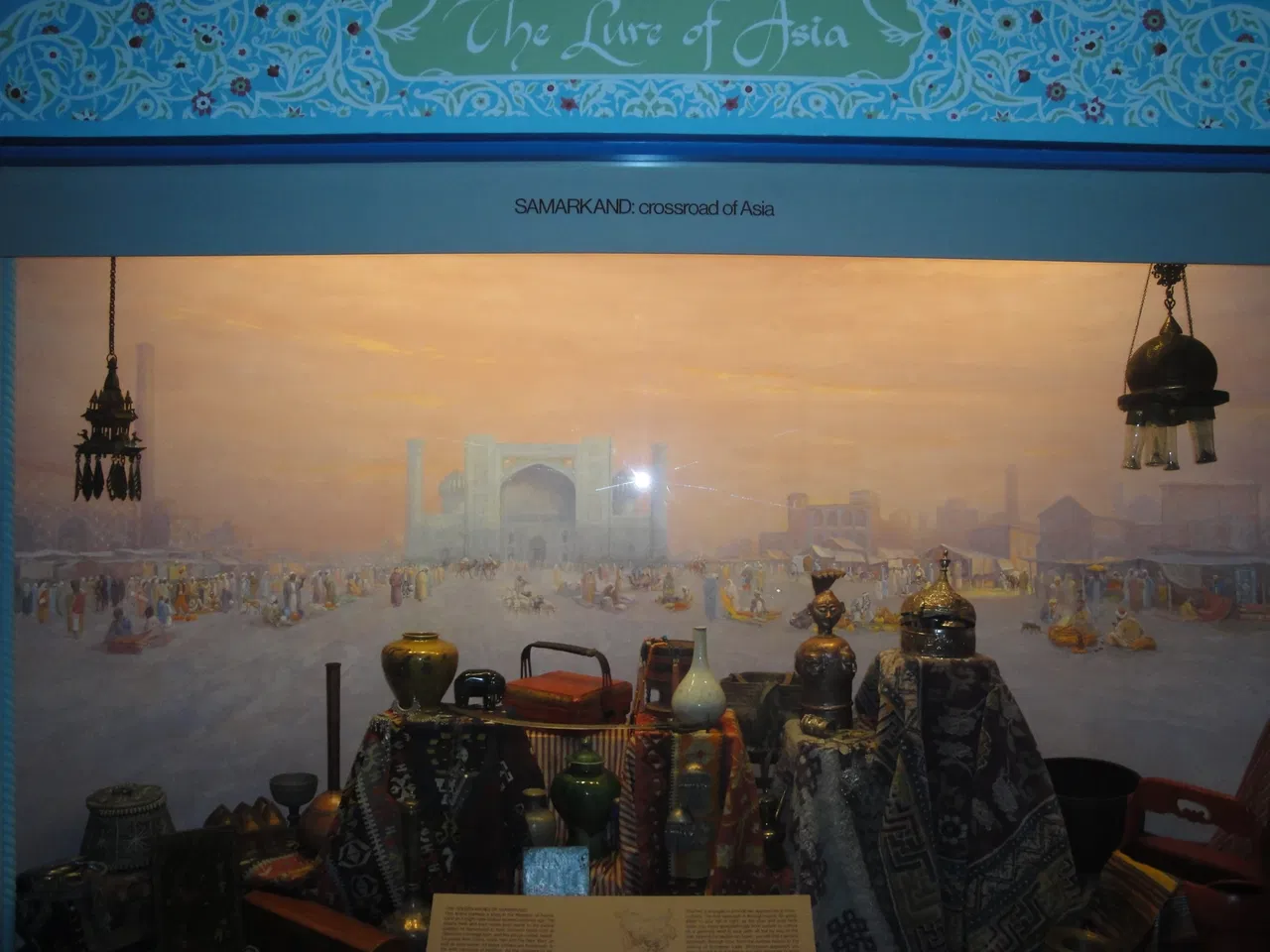
At this point, Wife was ready to call it quits. I wanted to see the dinosaur exhibits, which was on Floor 4. She was interested in Gardner D. Stout Hall of Asian Peoples that was on Floor 2. According to the map, Asian Peoples had the largest floor area and certainly felt like it. Unlike the layout of Northwest Coast where one could access to and from any point in the hall, Asian Peoples had wall partitions and aisles flanked on both sides by enclosed exhibits. Lots of life-sized dioramas of human figurines in period costumes, minimalist homesteads, domestic tools and wares, weapons, statues and miniature ships that represented the diverse cultures across Asia. Most notable were the Chinese and Japanese ones with artifacts from religion (especially Buddhism), mythology (including the Eight Immortals) and theater (Noh and Chinese opera masks).
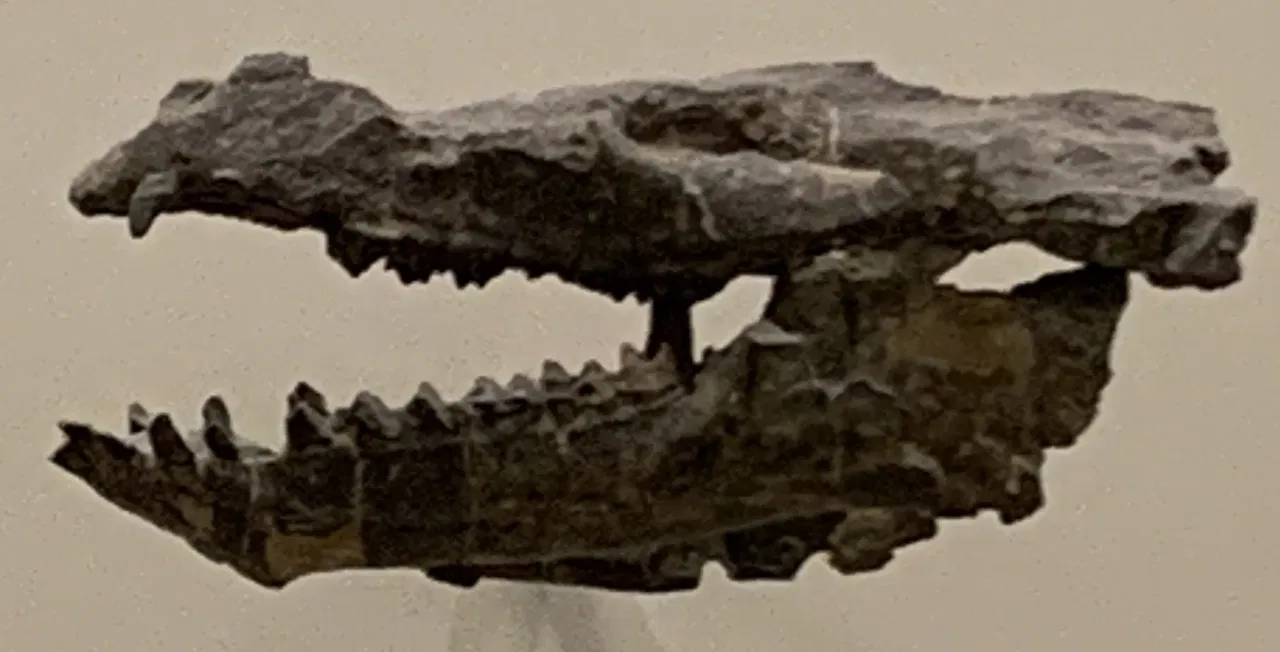
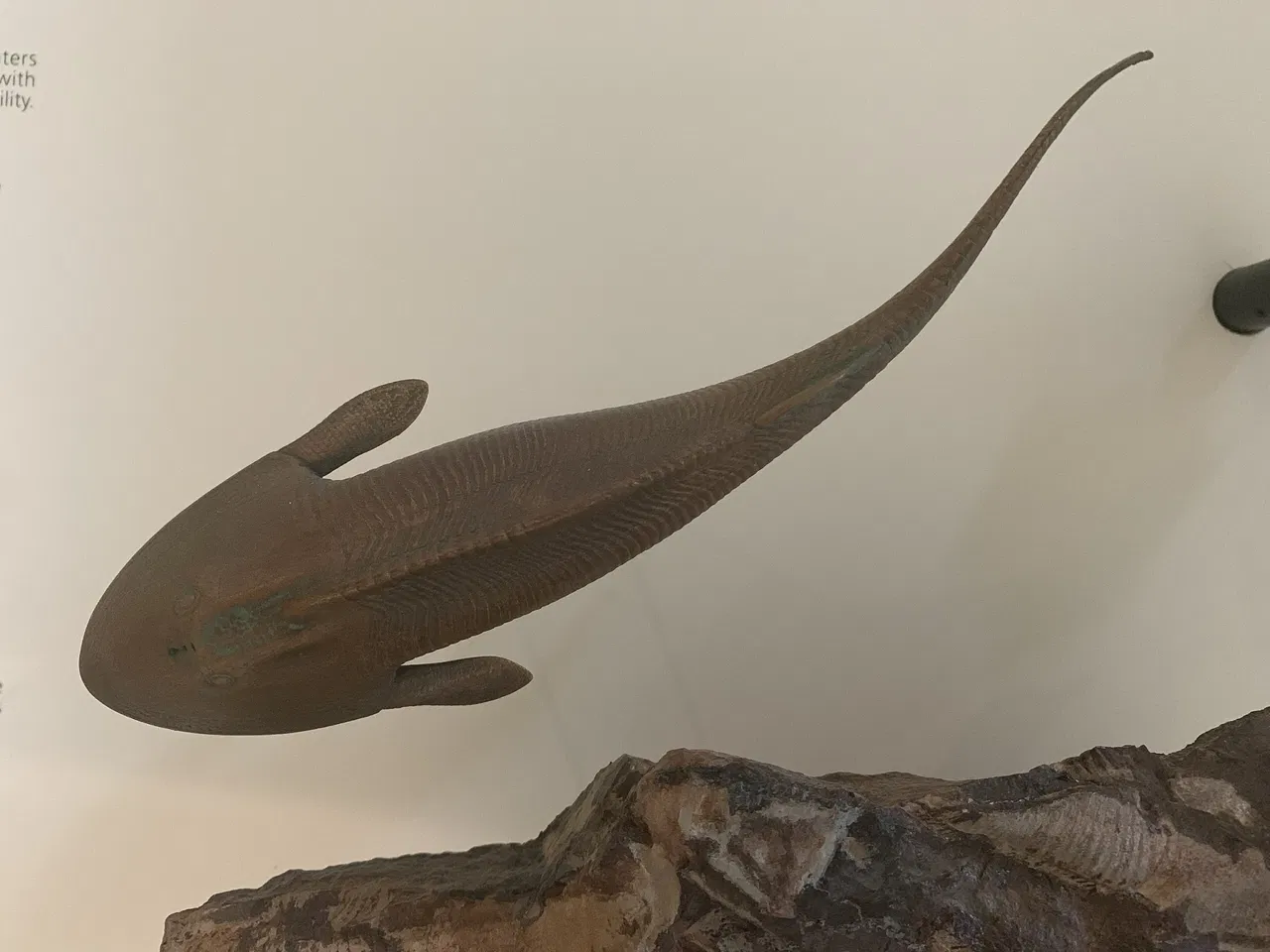
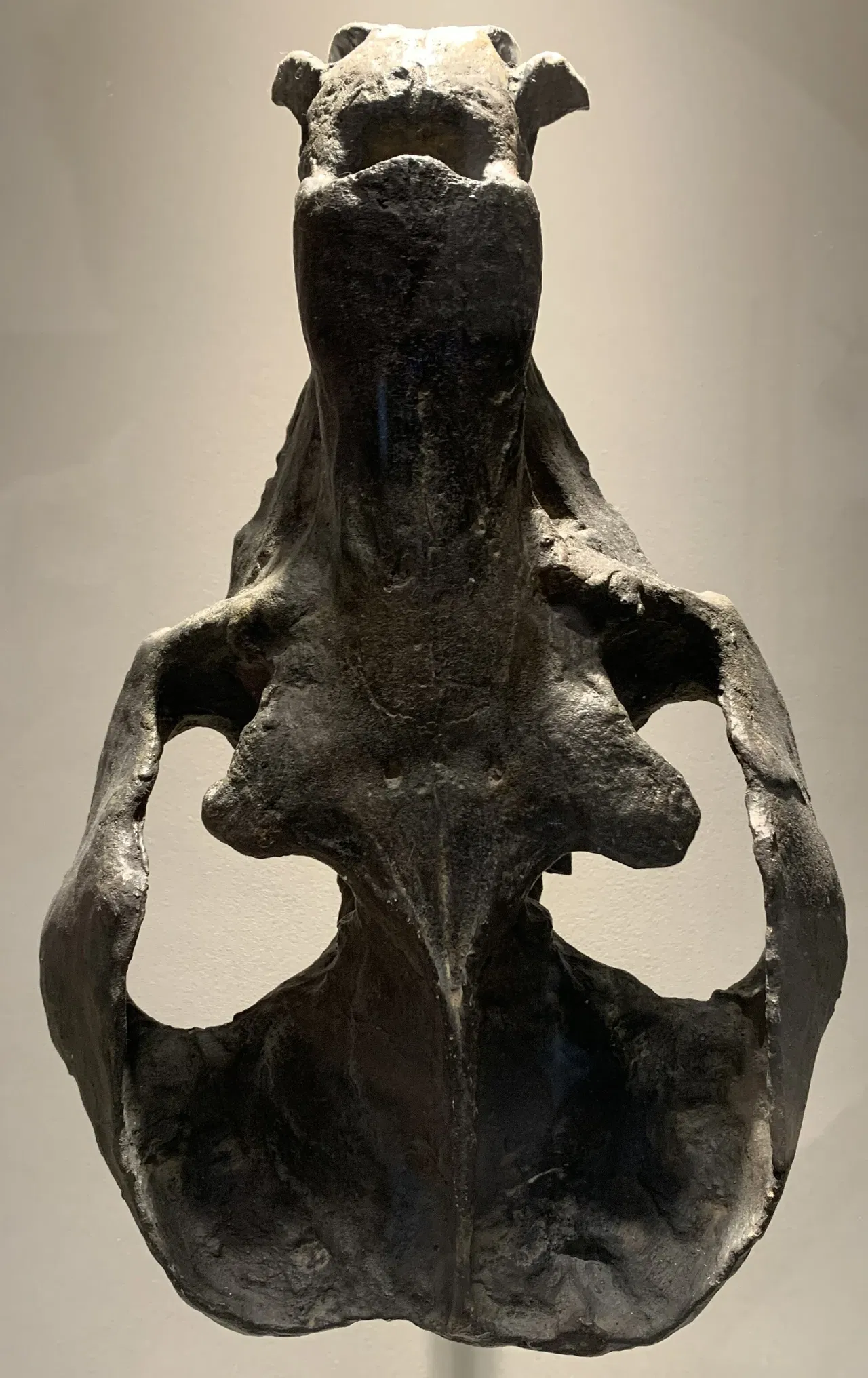
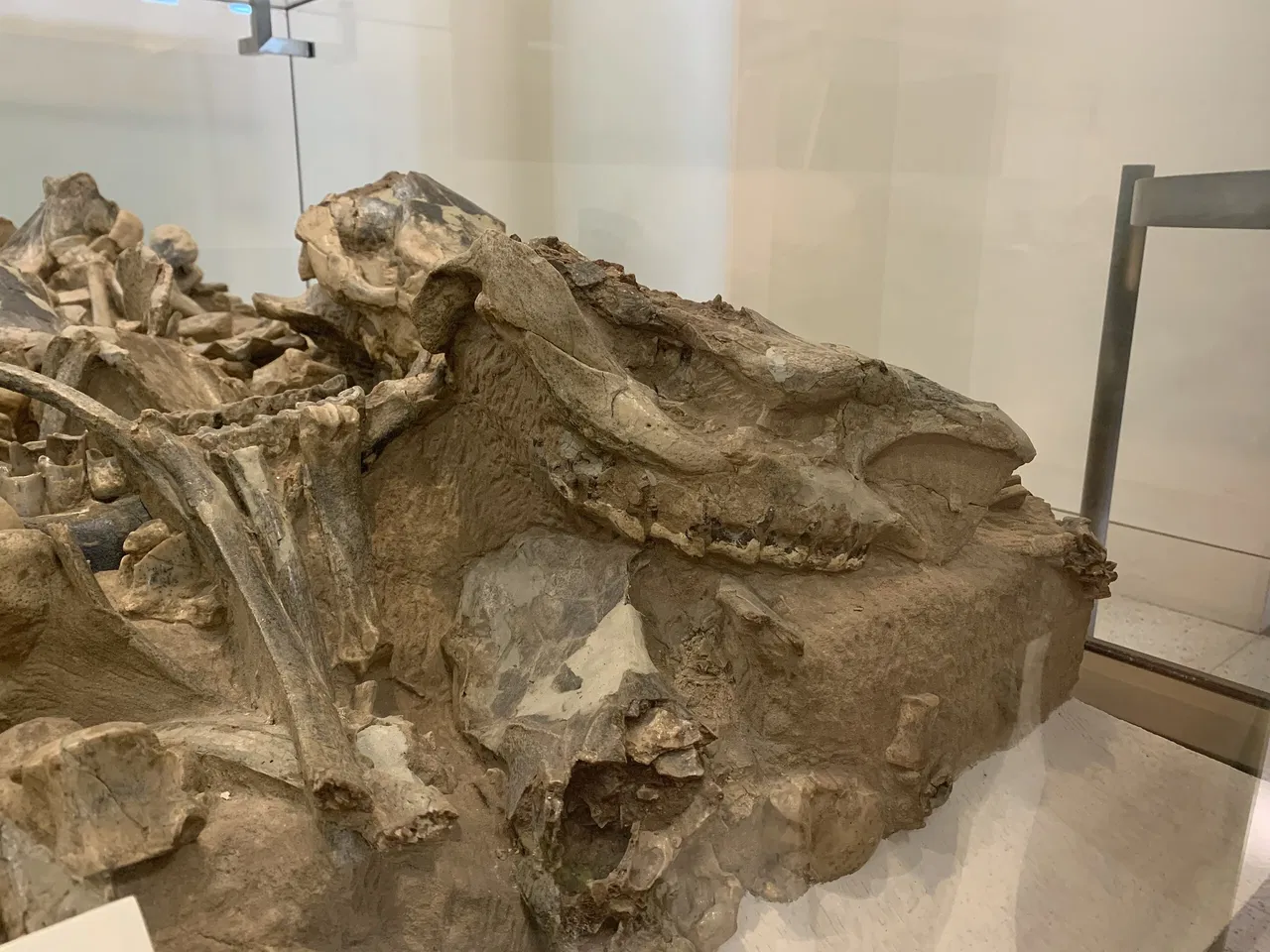
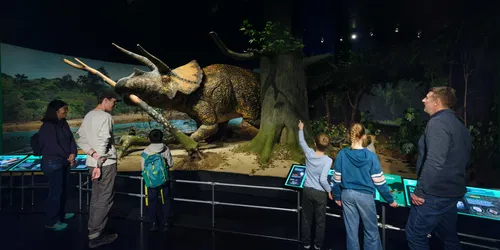
Finally, the dinosaurs on Floor 4. In the Hall of Saurischian Dinosaurs, I saw the t-rex and the apatosaurus. A guide told us that we happened to be in the final hall and suggested that we backtracked using the arrows on the floor to see the others. From there, we went into the long, large Hall of Vertebrate Origins. Unlike the former, the latter had life-sized models and fossils hanging from the ceiling. I didn't realize a pterodactyl was in my photo until much later. The Orientation Center did indeed have the titanosaur with its neck stretching to the next hall. Sadly, the pictures I took of it didn't turn out good. On to Paul and Irma Milstein Hall of Advanced Mammals, then the Hall of Primitive Mammals, and finally the Hall of Ornithischian Dinosaurs for the triceratops and the stegosaurus. I'm pleased that the five original Dinobots (from "The Transformers" series) were represented.
After almost two hours in the museum, Wife wanted to leave. Otherwise, I'd have spent the rest of the day exploring the rest of the museum. It would take more than a day to appreciate every exhibit in every hall on every floor. The ticket price felt like a bargain, but we got $30 worth of it. My top three favorite exhibits are Ocean Life, the entire Floor 4 of dinosaurs, and Biodiversity. I'd love to come back here again.
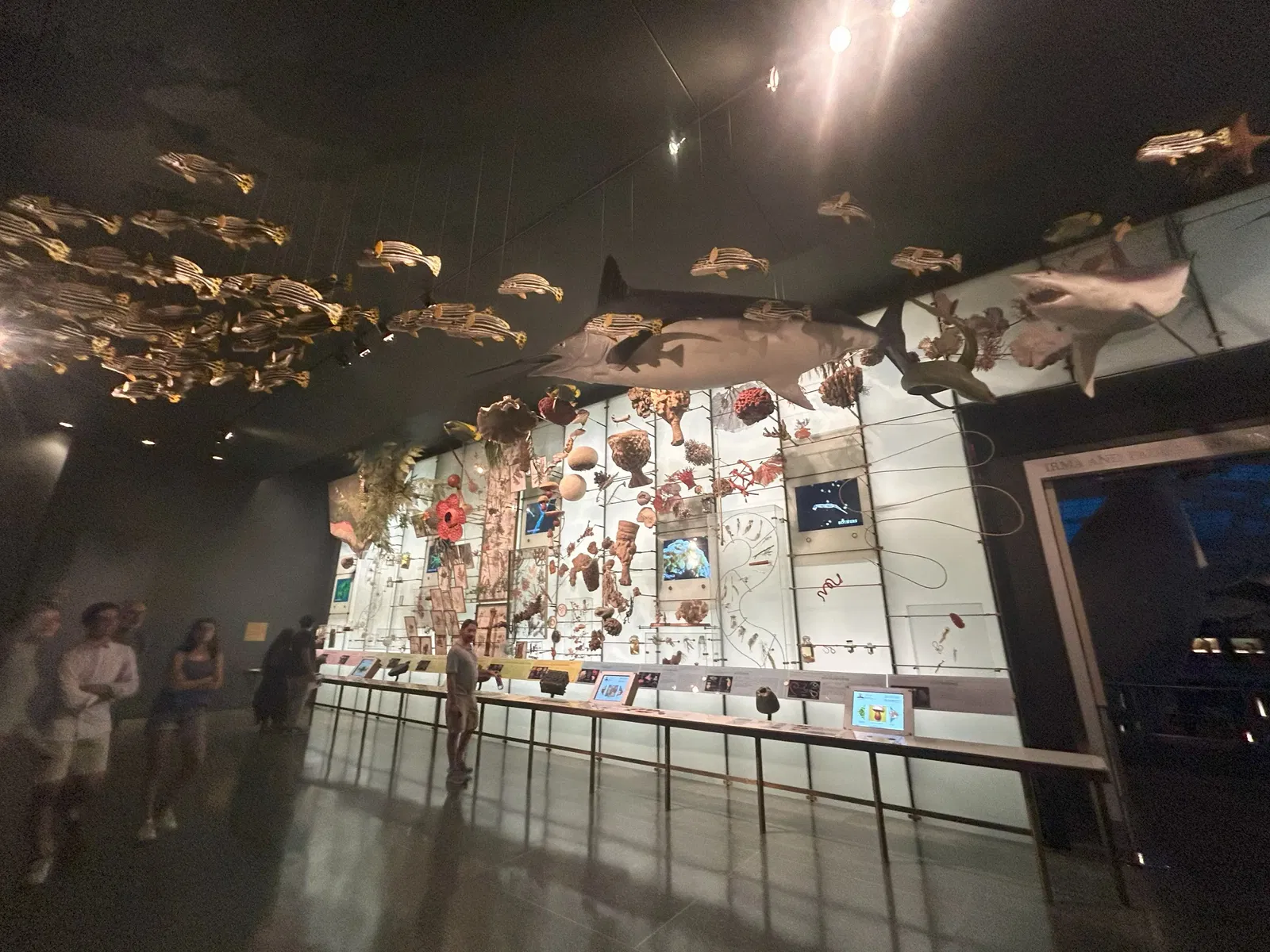
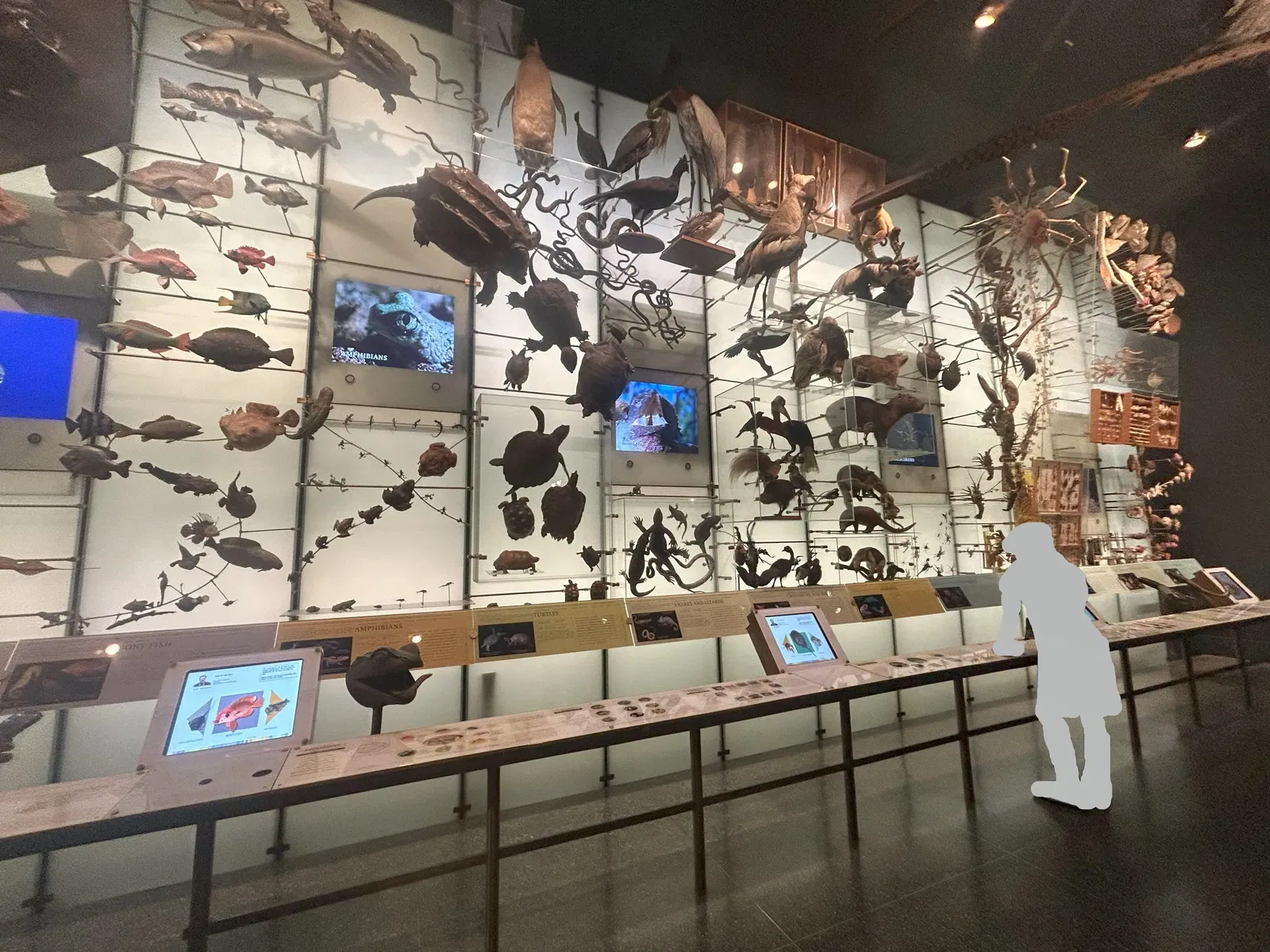
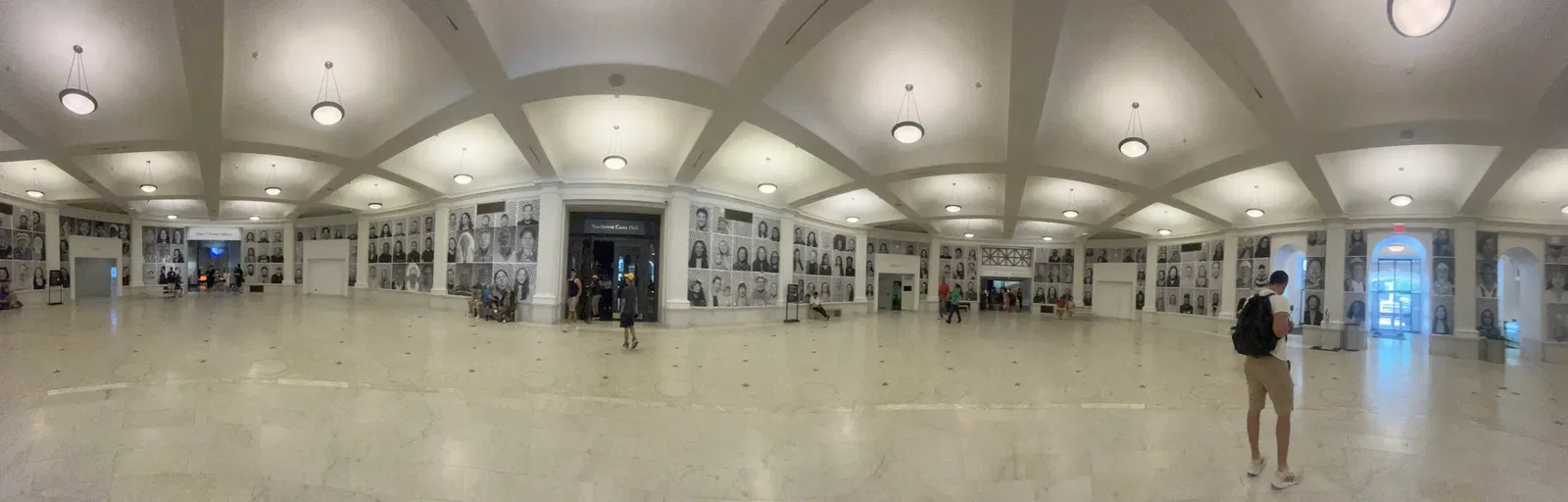
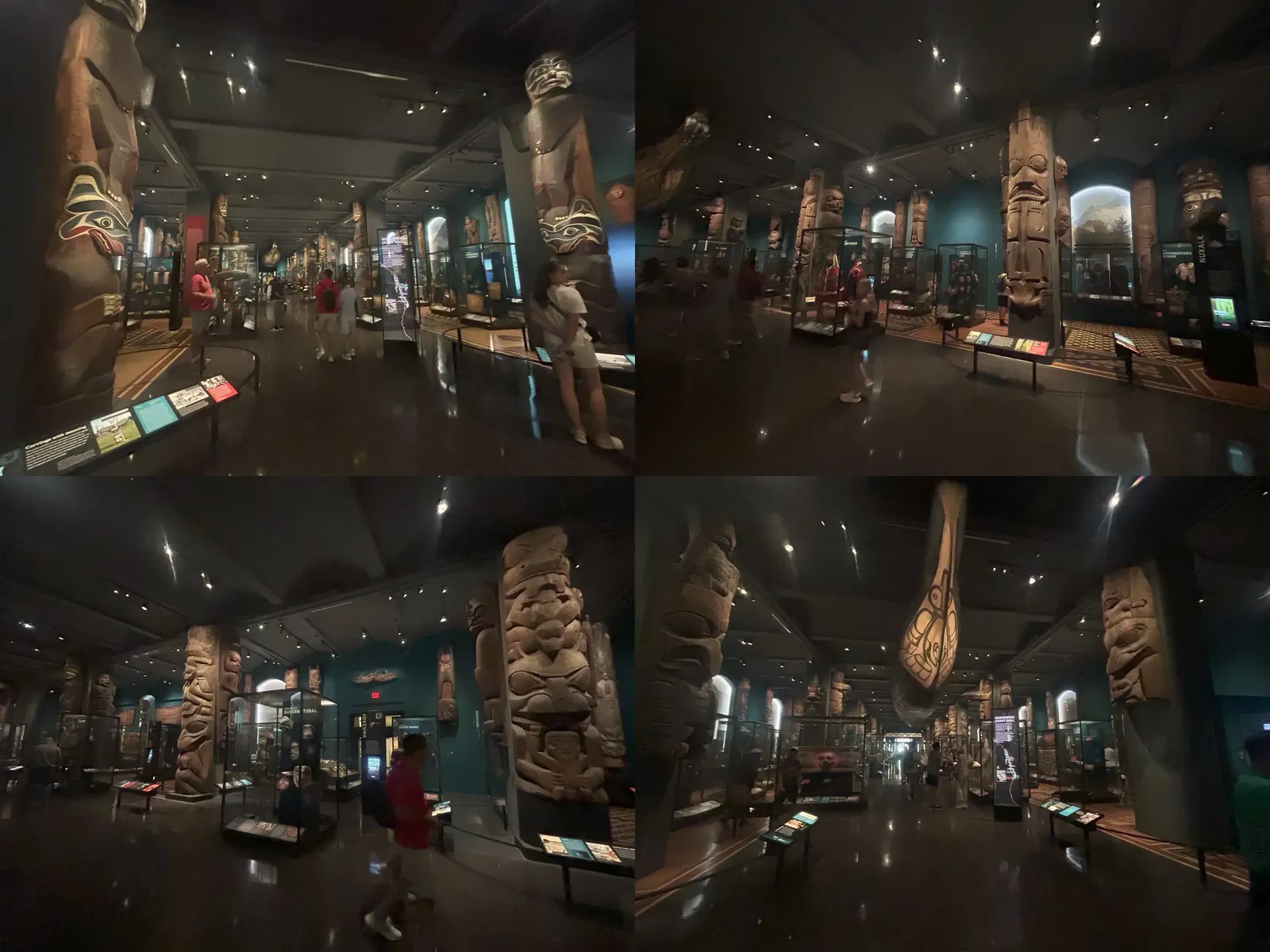
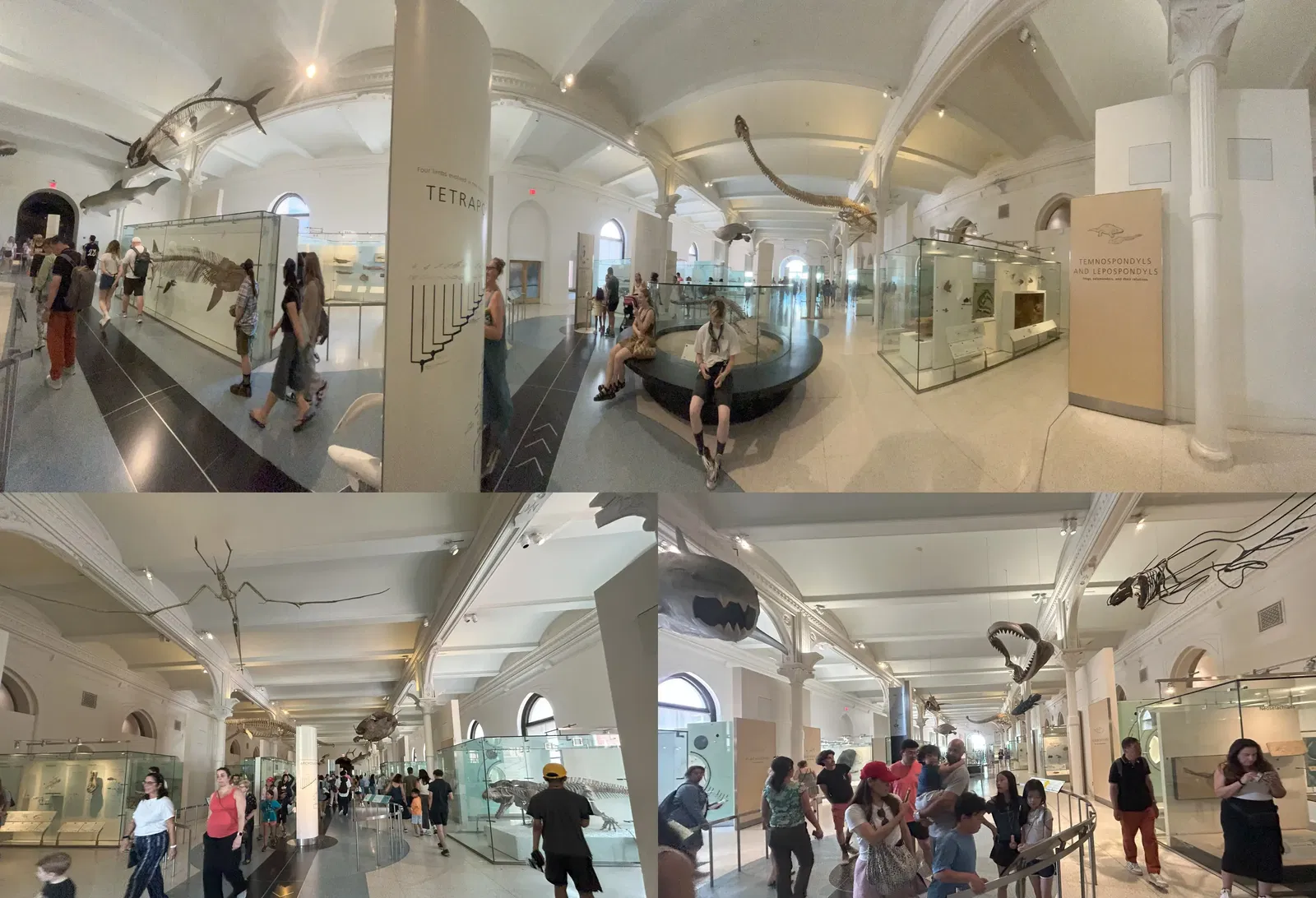
Visitado el 25 jun 2025
Esta calificación se basa en la calificación de este museo en varias otras plataformas.
Descubre museos cerca de Museo Americano de Historia Natural en o alrededor de Nueva York.