Imágenes de Center For Civil and Human Rights
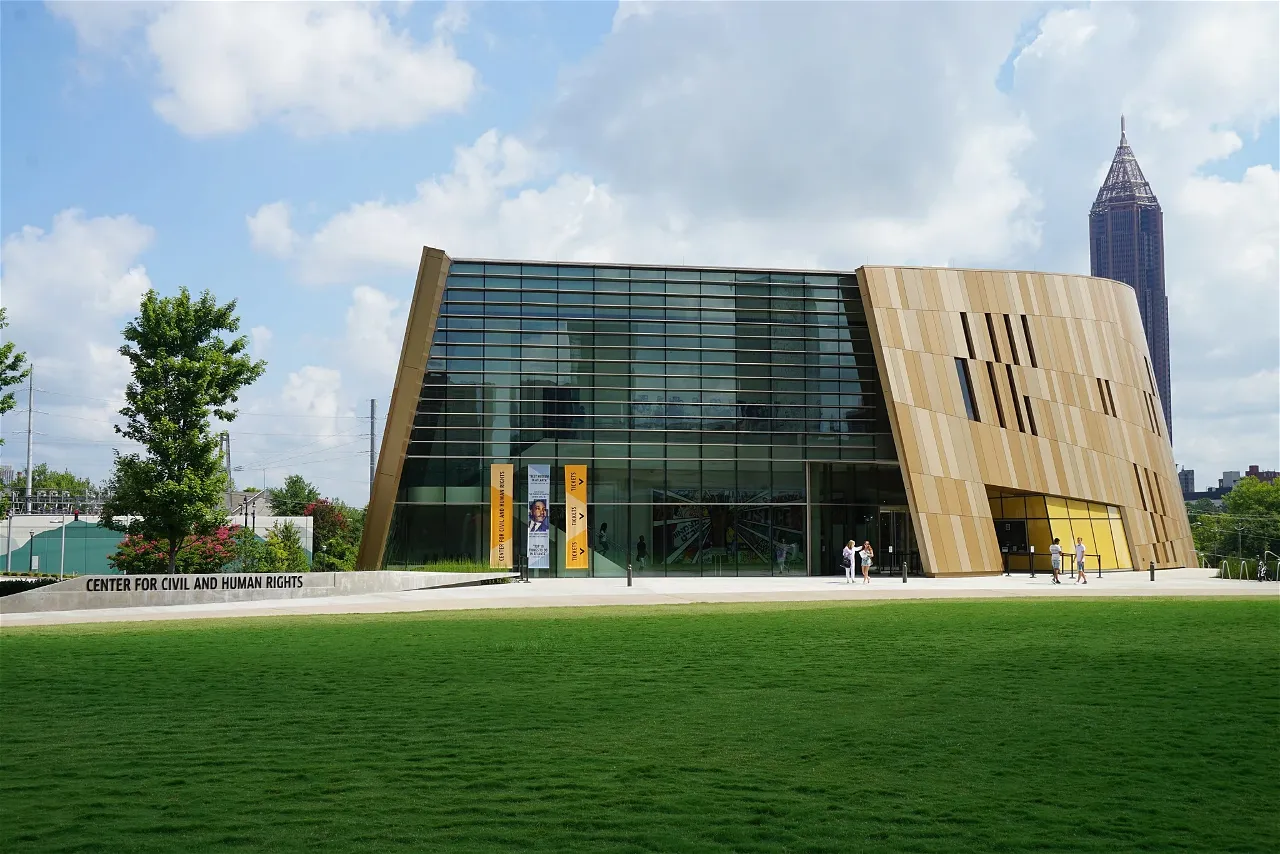
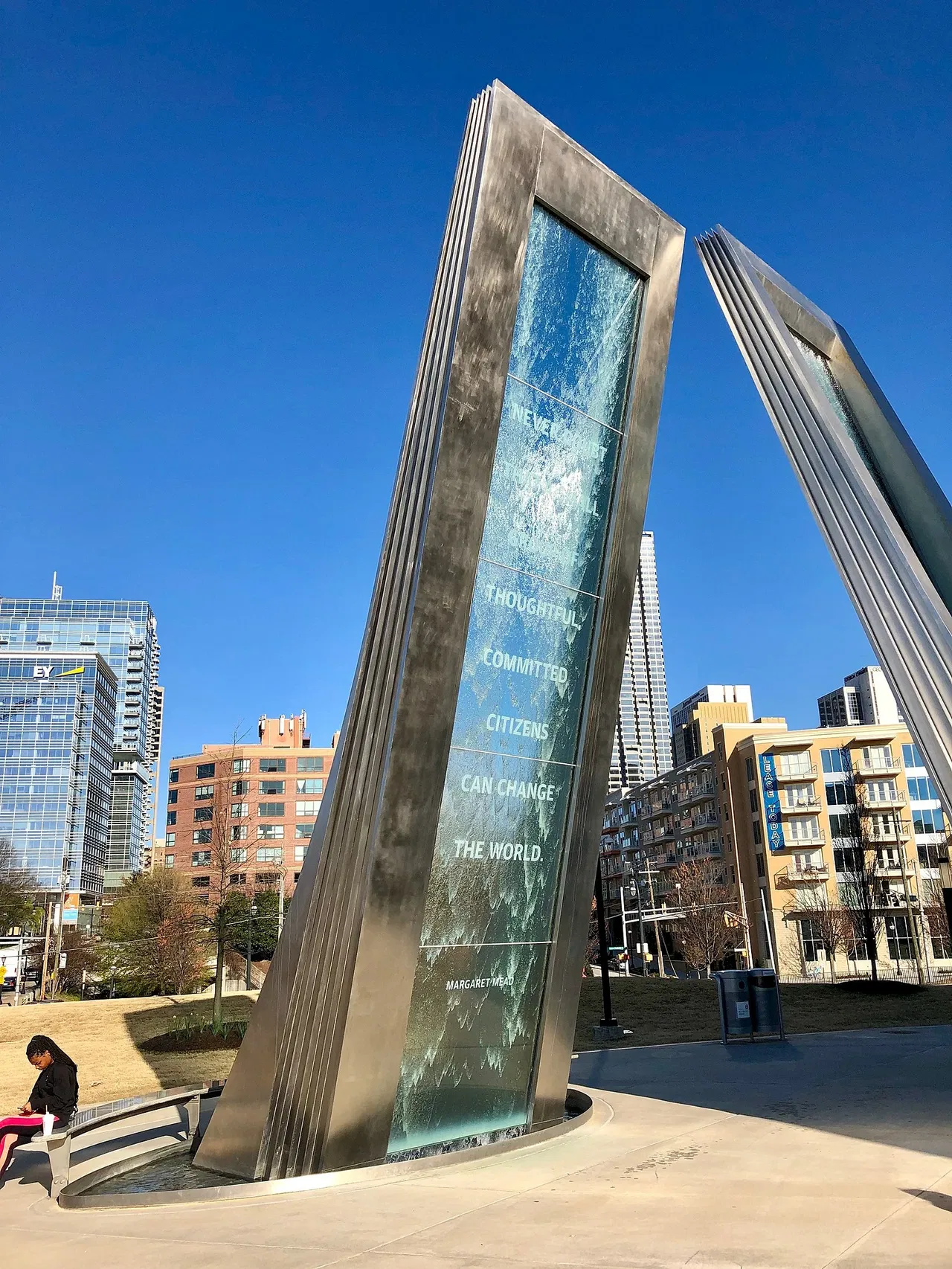
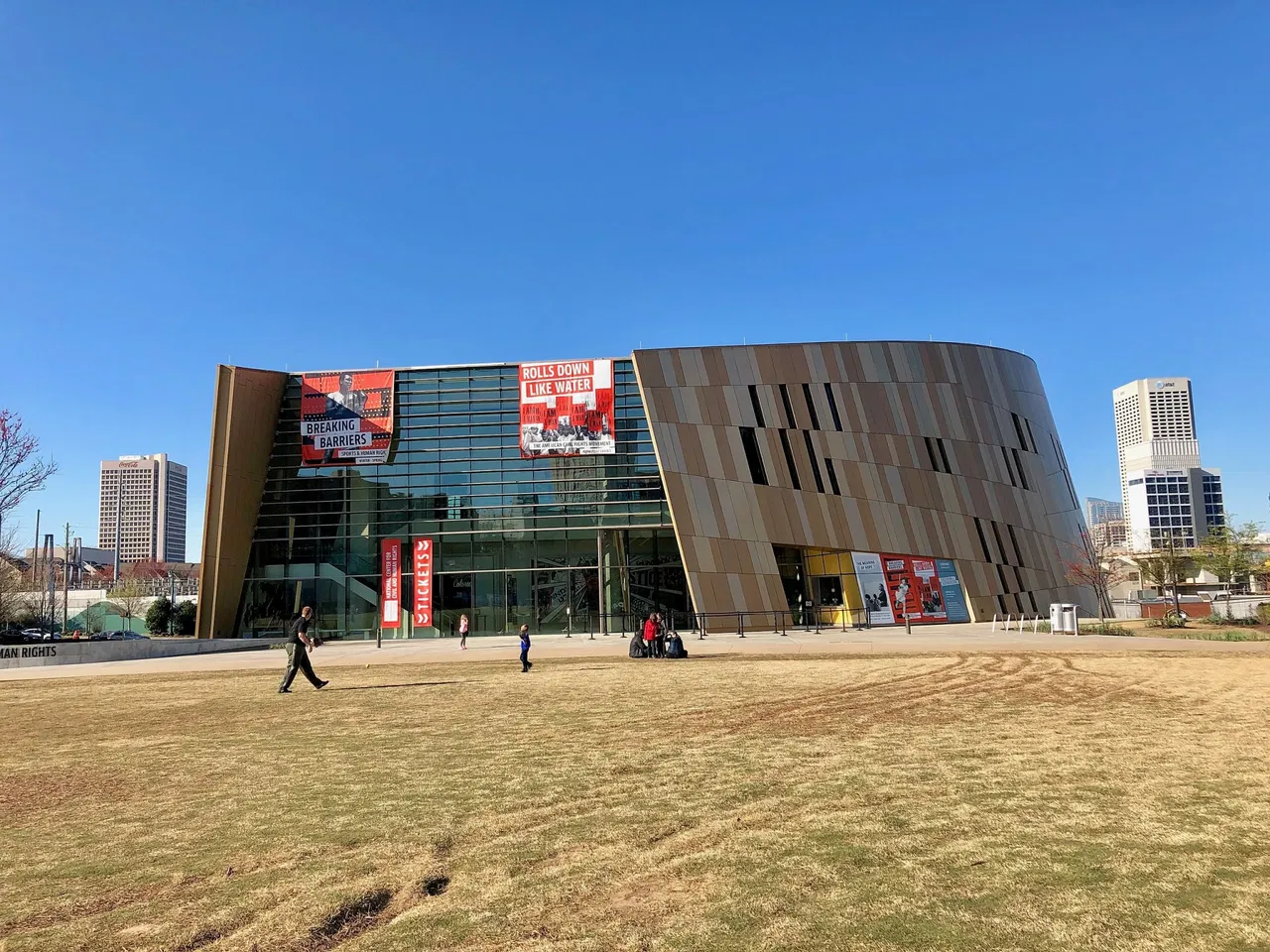
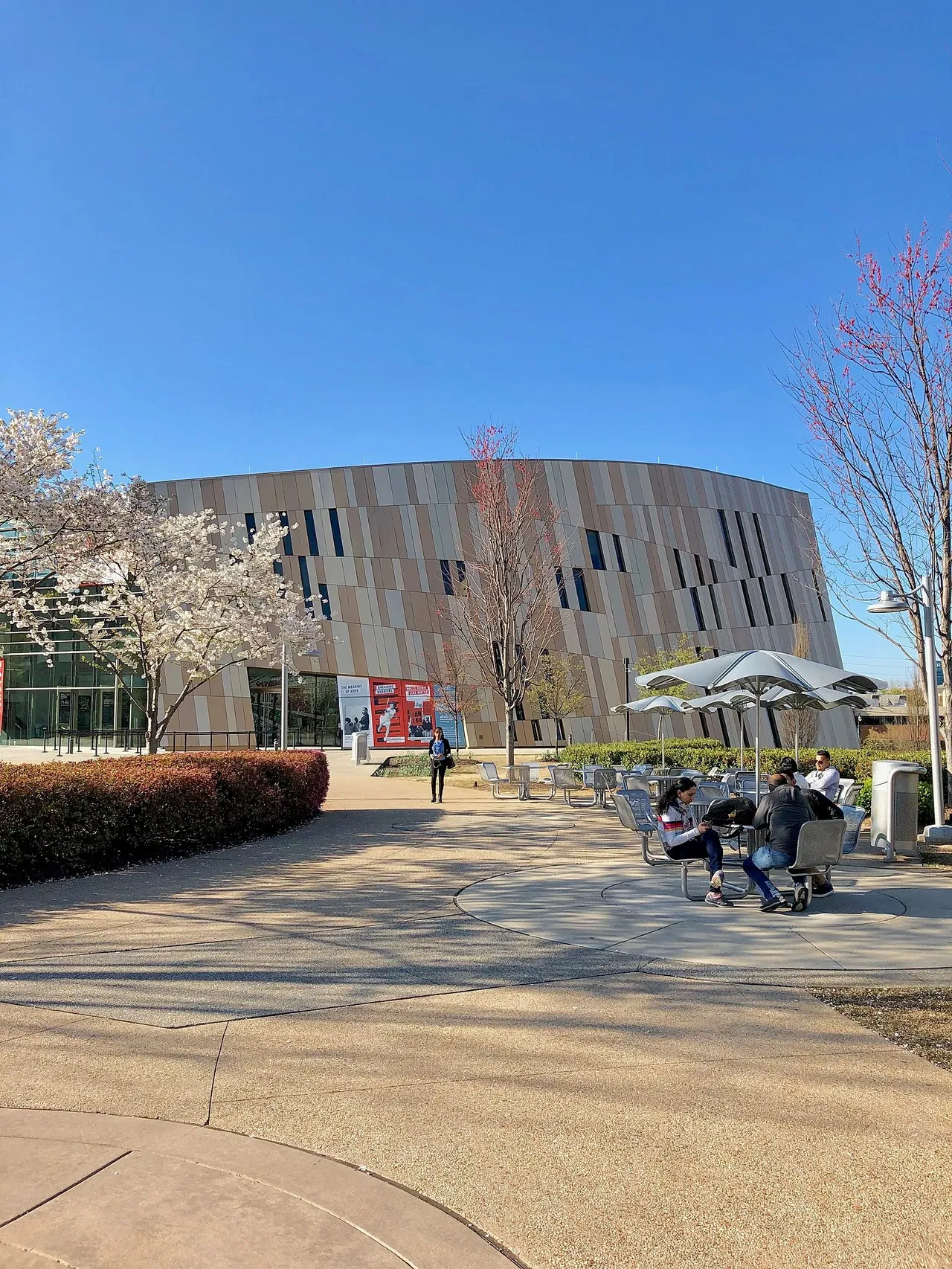
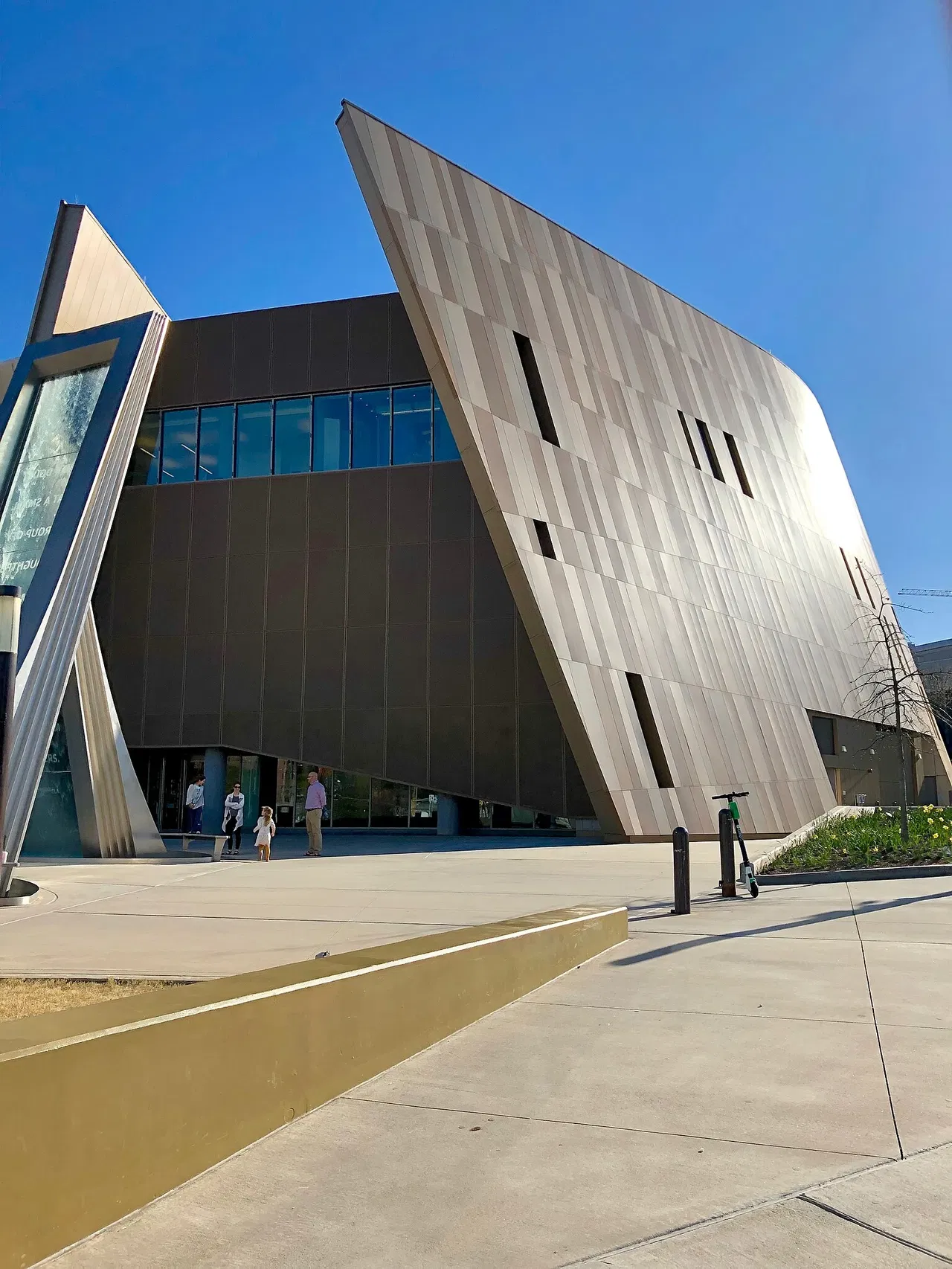
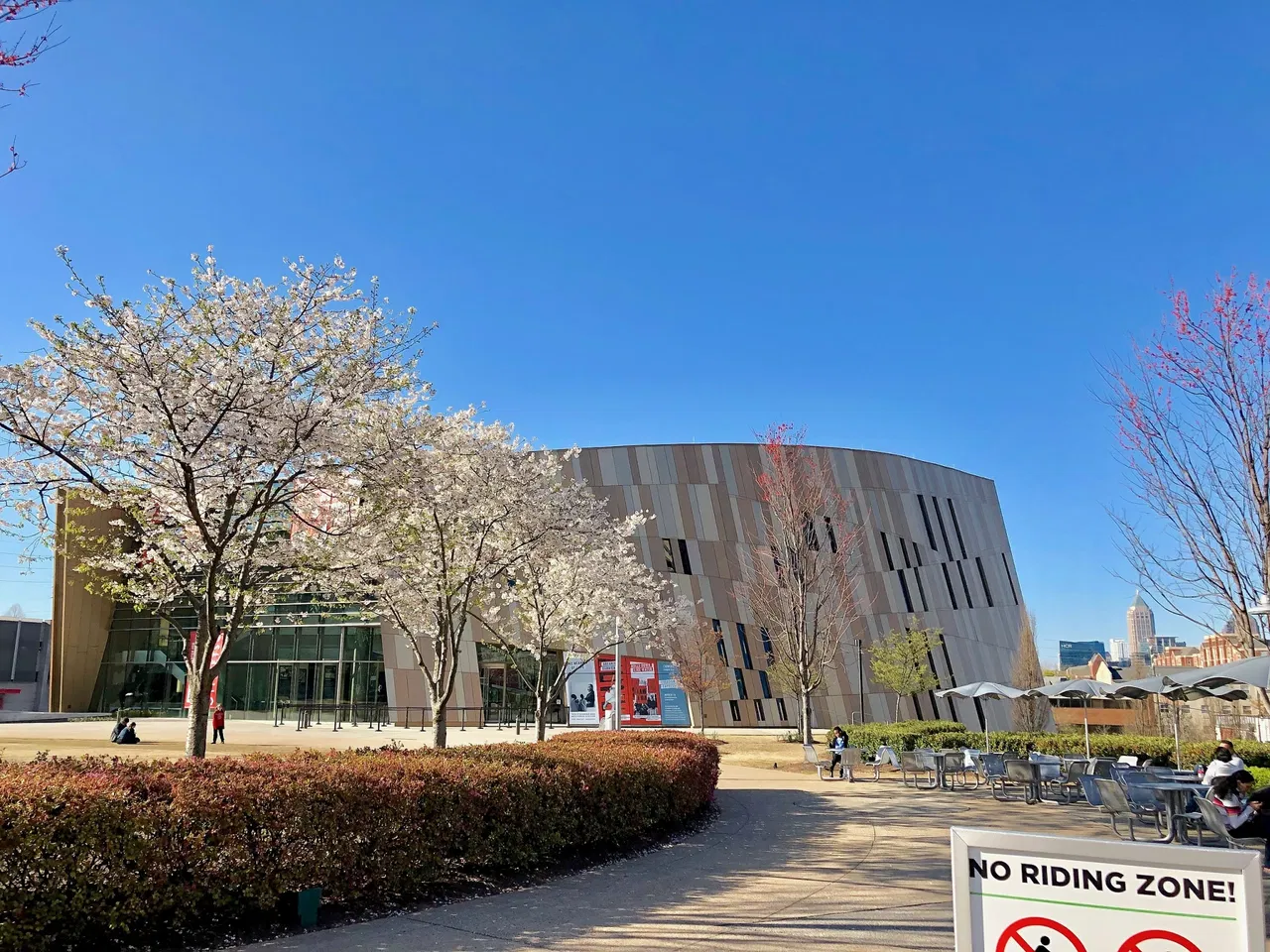
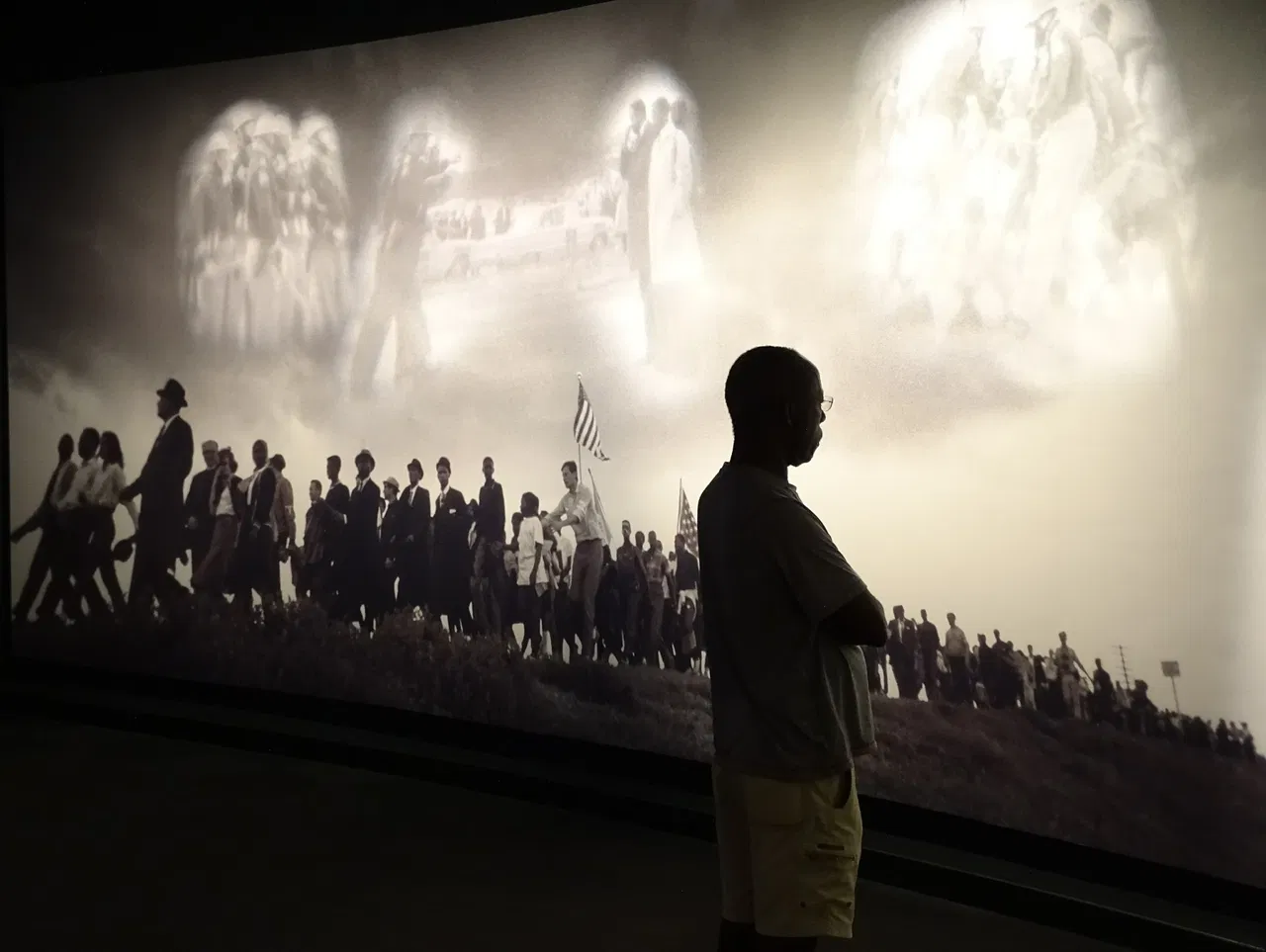
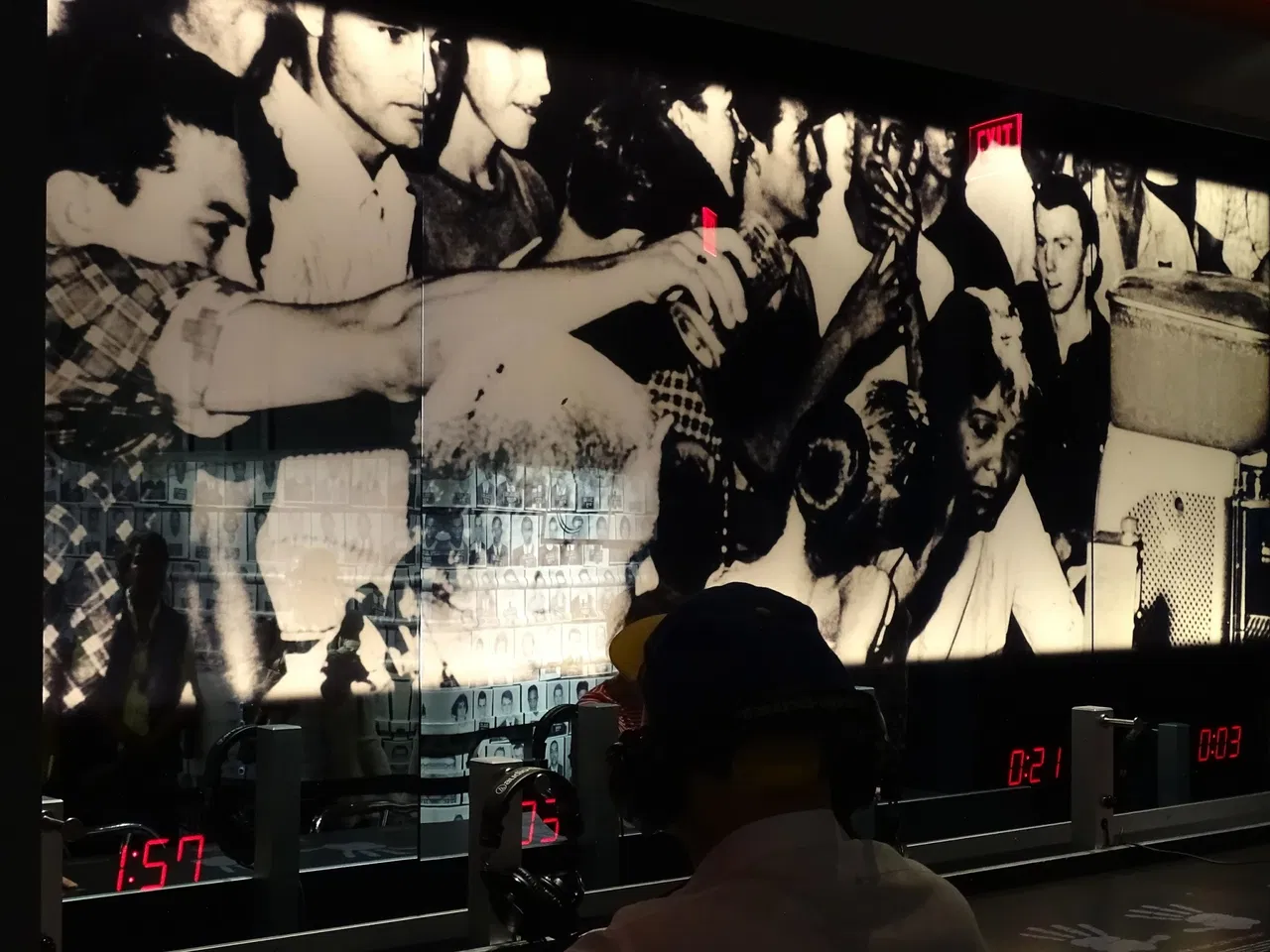
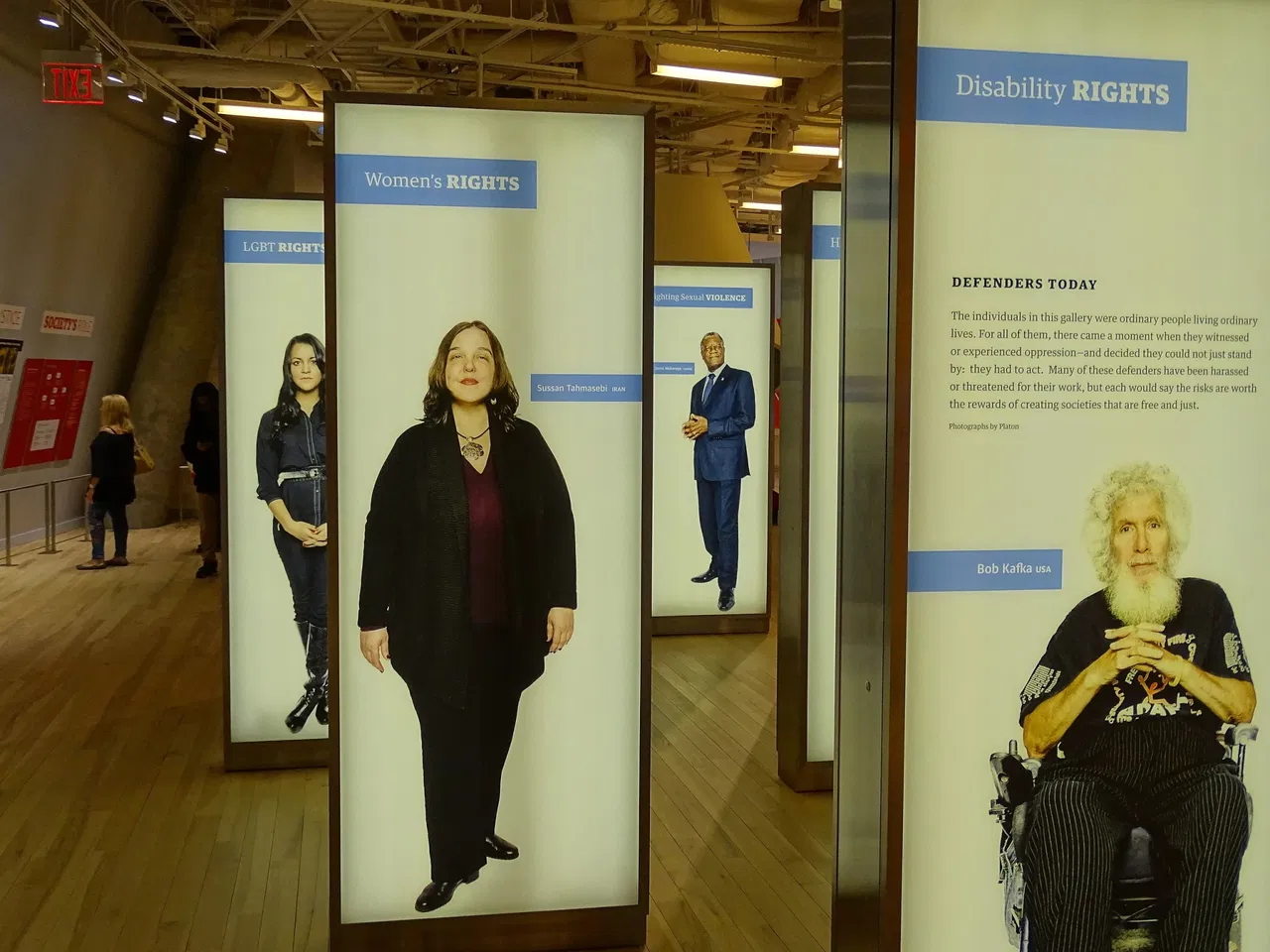
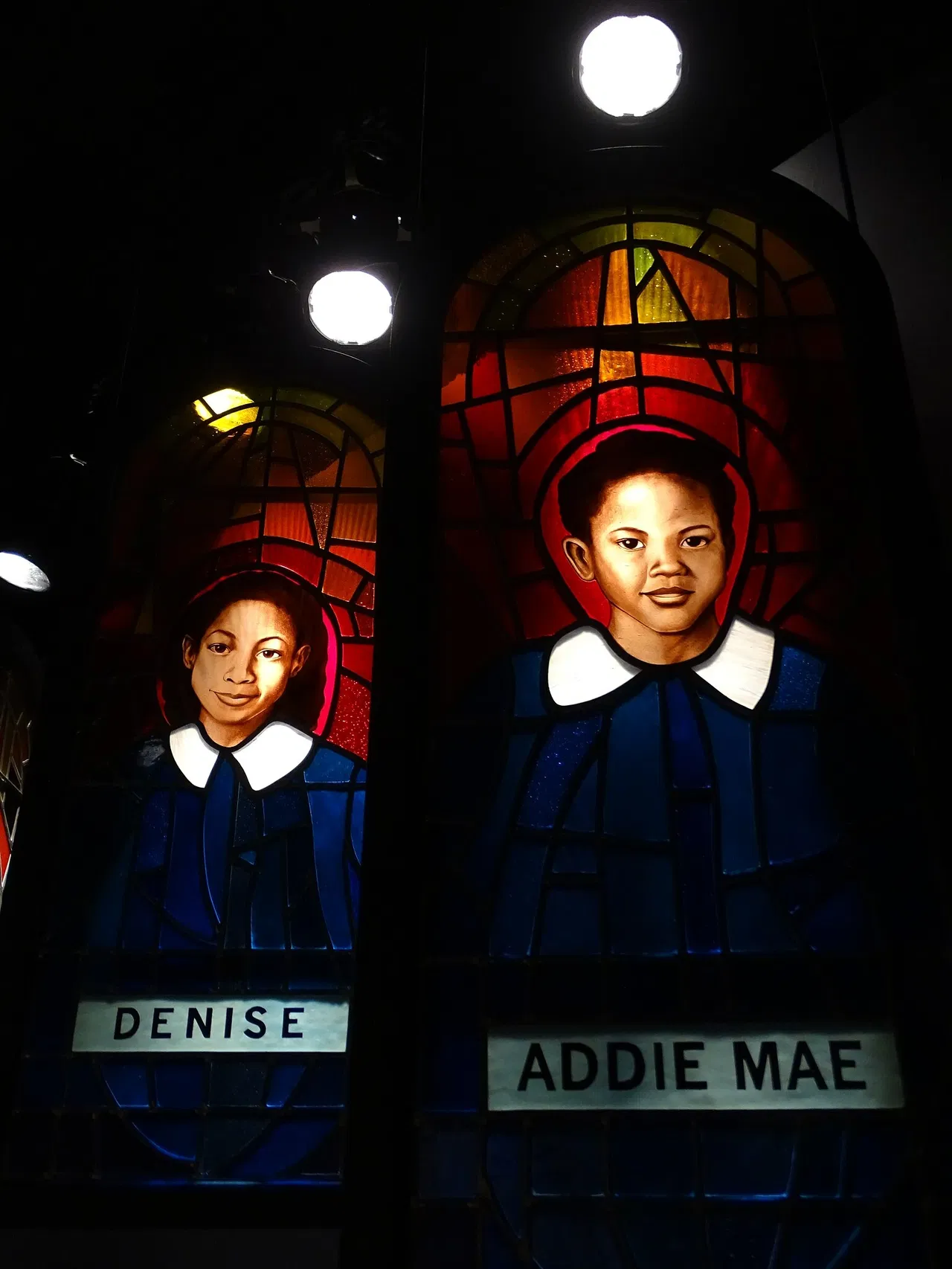
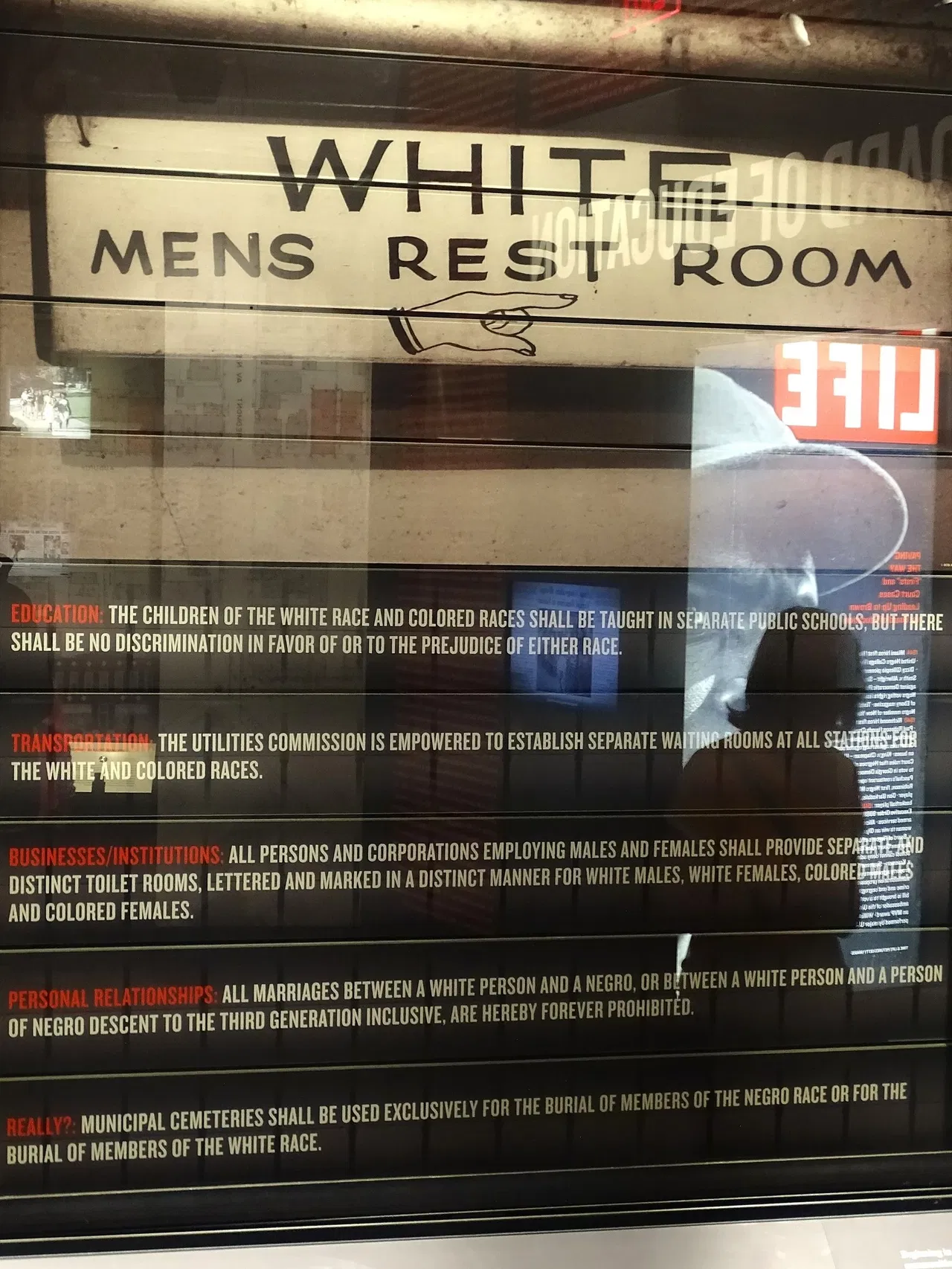
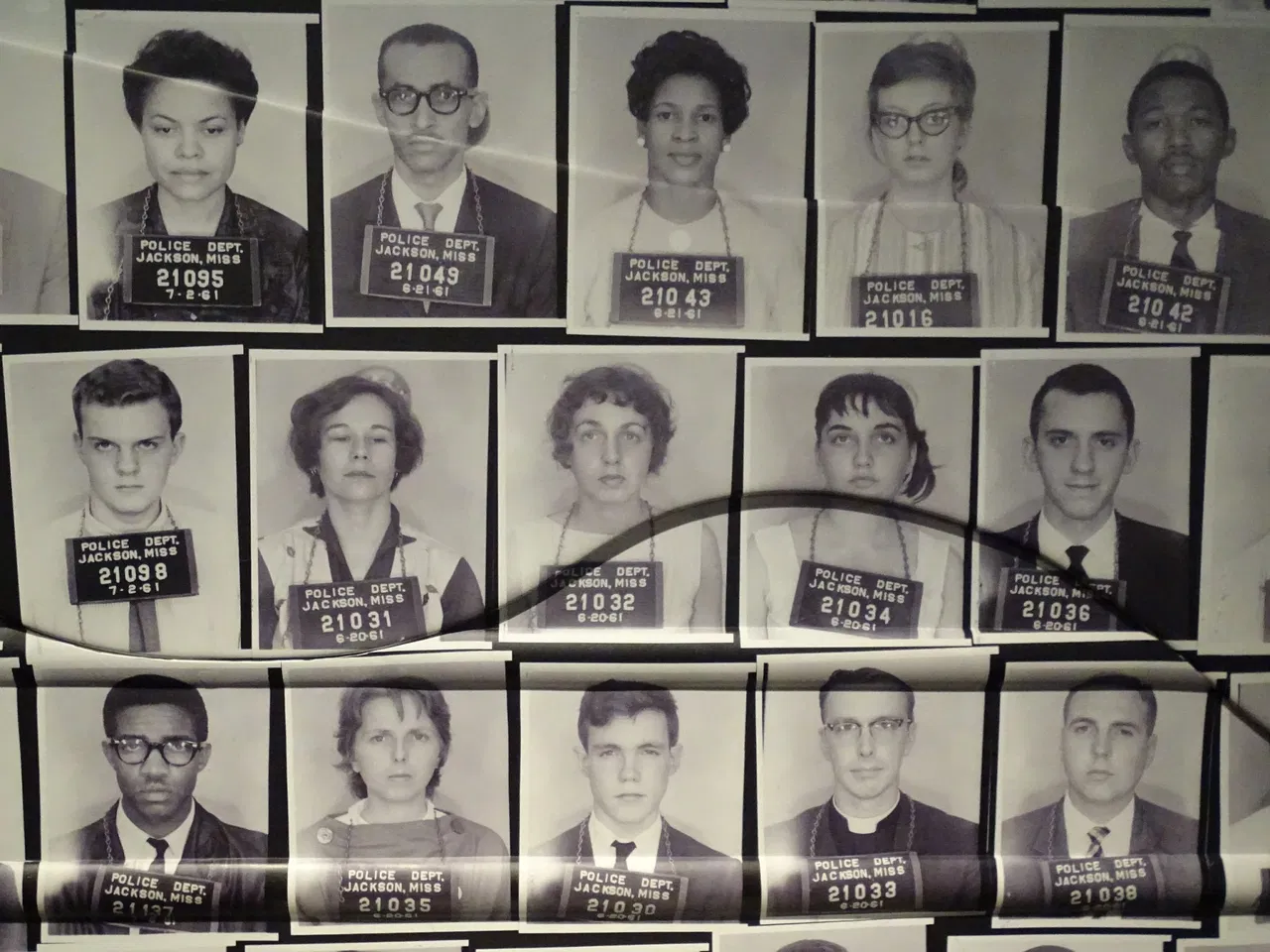
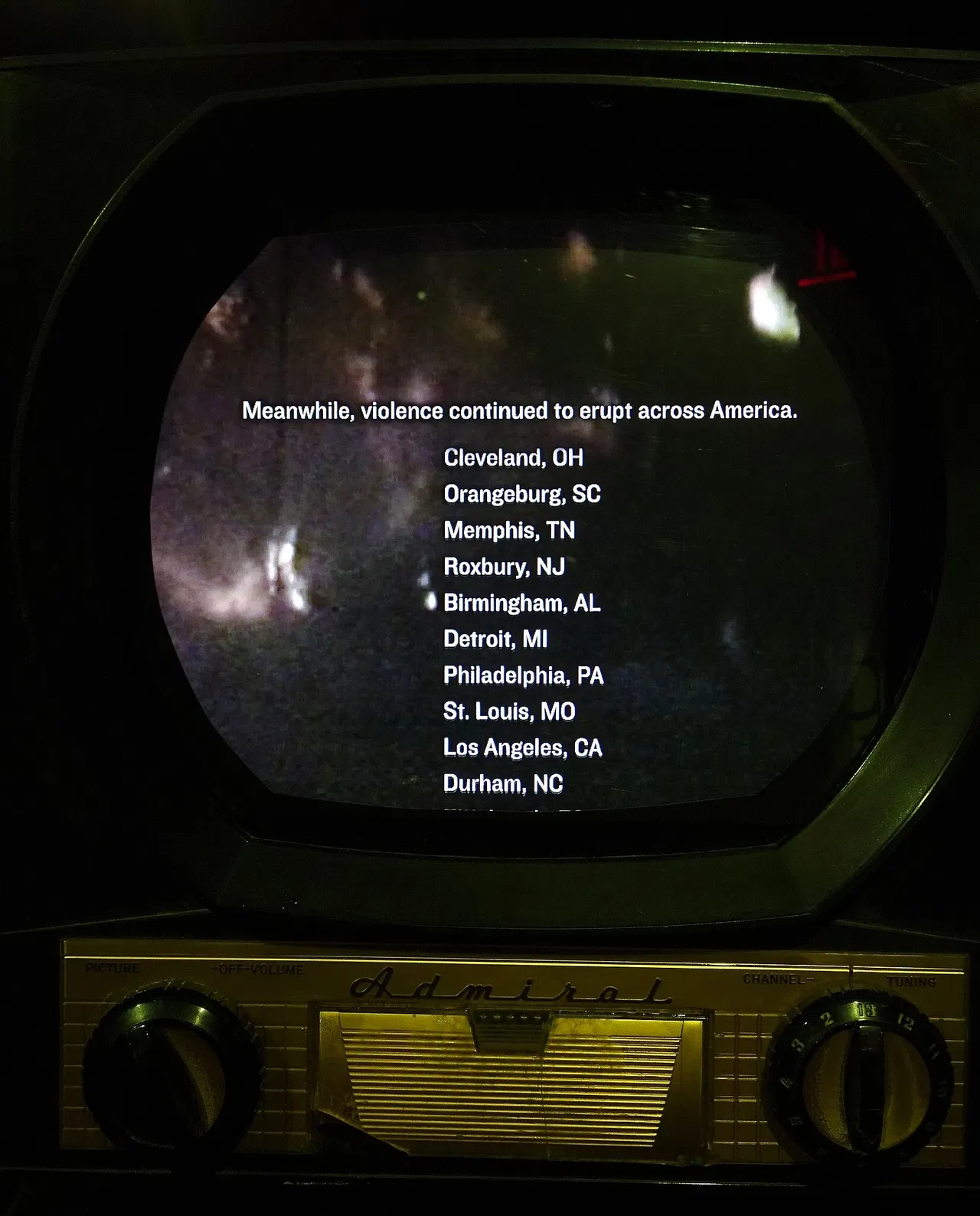
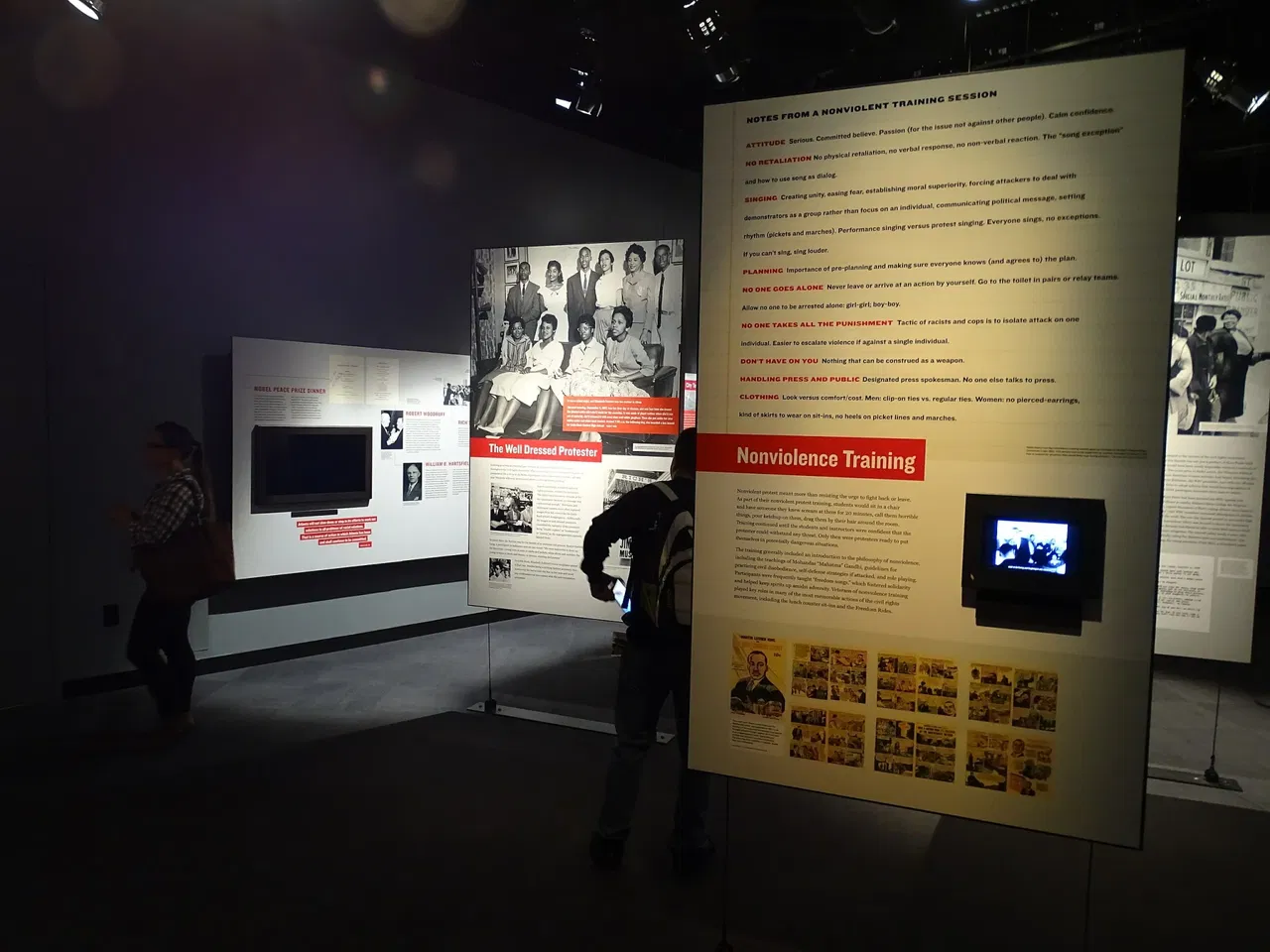
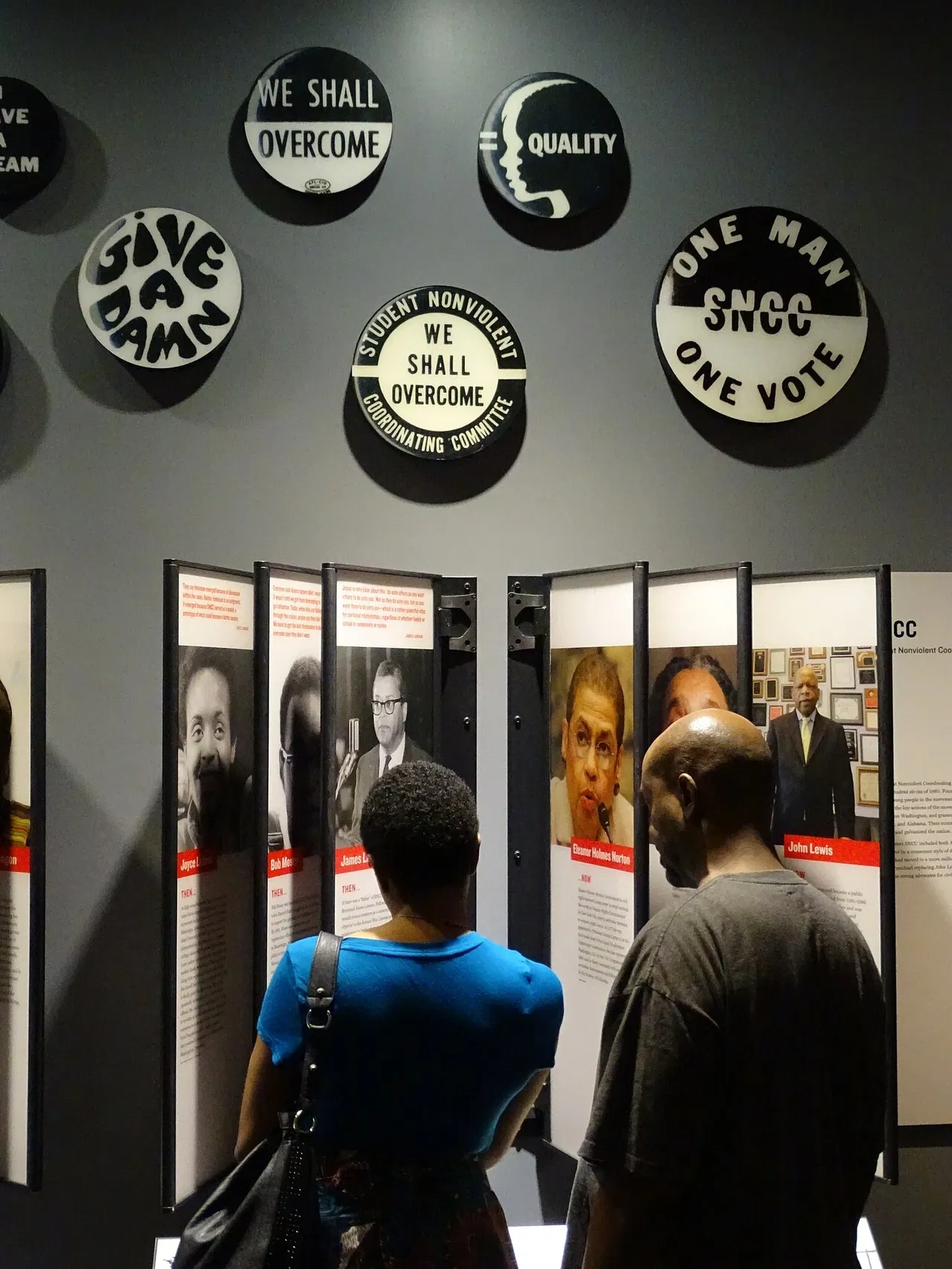
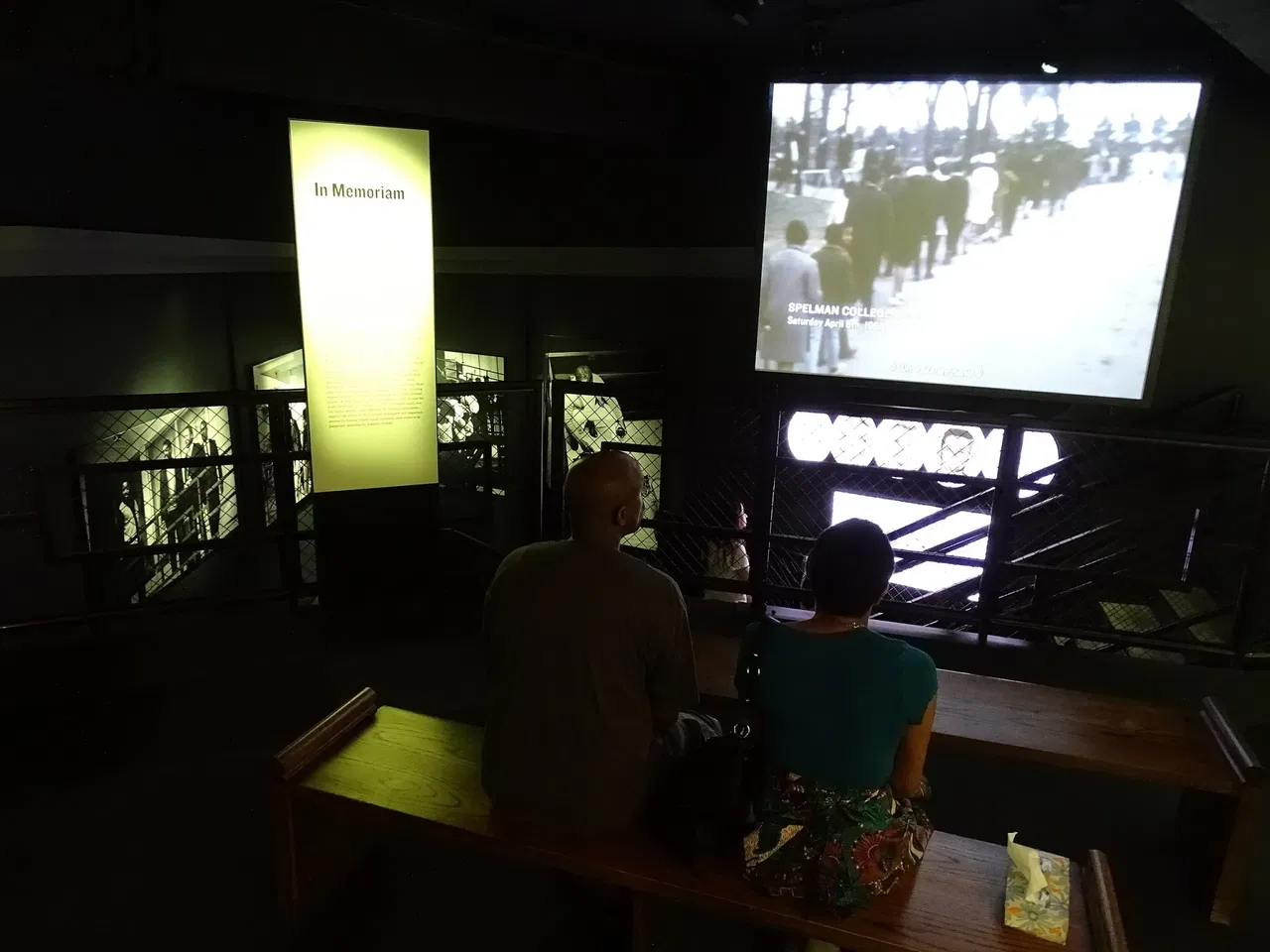

El Centro Nacional de Derechos Civiles y Humanos, situado en el centro de Atlanta (Georgia), es un museo que rinde homenaje a los logros del movimiento por los derechos civiles en Estados Unidos y al movimiento mundial por los derechos humanos en general. El museo se abrió al público el 23 de junio de 2014 y fue concebido por figuras clave del movimiento de derechos civiles, como Evelyn Lowery, Juanita Abernathy, el exalcalde de Atlanta Andrew Young y el representante de la Cámara de Representantes John Lewis.
El Centro Nacional de Derechos Civiles y Humanos está convenientemente situado en el centro de Atlanta, Georgia, junto a tres populares atracciones turísticas. Entre ellas figuran el Acuario de Georgia, el World of Coca-Cola y el Centennial Olympic Park. Esta ubicación lo convierte en un lugar fácil de añadir al itinerario de cualquier turista, ya que permite a los visitantes explorar múltiples atracciones en una misma zona.
El museo alberga tres exposiciones permanentes que pueden verse en aproximadamente 75 minutos. Estas exposiciones no sólo cuentan la historia del movimiento por los derechos civiles en Estados Unidos, sino también cómo se relaciona ese periodo con las luchas por los derechos humanos más contemporáneas en todo el mundo. Las exposiciones incluyen "Voice to the Voiceless: La colección Martin Luther King, Jr. Collection", "Rolls Down Like Water: El movimiento por los derechos civiles en Estados Unidos" y "La chispa de la convicción: El movimiento mundial por los derechos humanos".
Historia & Antropología Casa histórica Persona & Artista Religión
#3 Historia & Antropología Atlanta #2 Casas históricas Atlanta #3 Museos de personas y artistas Atlanta #2 Museos de religión Atlanta #5 Historia & Antropología Georgia #3 Casas históricas Georgia #3 Museos de personas y artistas Georgia #2 Museos de religión Georgia #60 Historia & Antropología Estados Unidos #43 Casas históricas Estados Unidos #28 Museos de personas y artistas Estados Unidos #20 Museos de religión Estados Unidos
Ivan Allen Jr Boulevard 100, Atlanta
No se han encontrado exposiciones en Center For Civil and Human Rights.
Center For Civil and Human Rights tiene 2 calificaciones.
El Center For Civil and Human Rights en Atlanta, United States, ofrece una experiencia impactante y que invita a la reflexión para los visitantes. Ubicado en el centro de Atlanta, este museo ofrece una mirada profunda al American Civil Rights Movement y a los problemas mundiales de derechos humanos.
Las exhibiciones están bien diseñadas e son interactivas, transmitiendo eficazmente las luchas y los triunfos de la era de los derechos civiles. Muchos visitantes aprecian las experiencias inmersivas, como la simulación de la barra de almuerzo, que brinda una sensación tangible de los desafíos que enfrentaron los activistas. El museo hace un excelente trabajo al conectar eventos históricos con problemas contemporáneos de derechos humanos en todo el mundo.
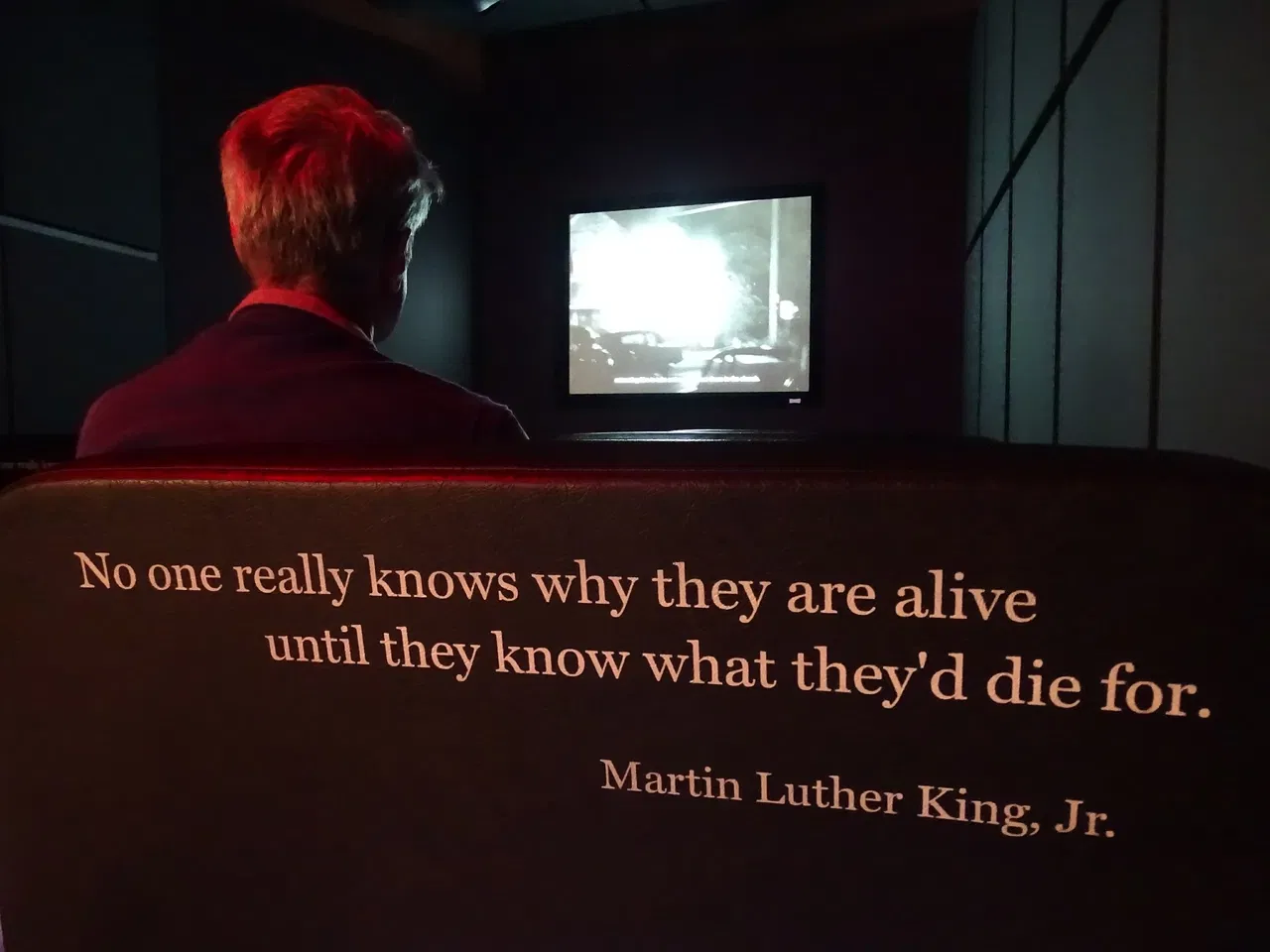
El contenido del museo es informativo y emocionalmente impactante, cubriendo tanto a figuras conocidas como a héroes menos conocidos del movimiento por los derechos civiles. La colección de Martin Luther King Jr. es particularmente notable, con artículos personales y escritos del líder de los derechos civiles.
Si bien la mayoría de los visitantes encuentran la experiencia profundamente conmovedora y educativa, algunos notan que ciertas áreas del museo pueden sentirse abarrotadas durante las horas pico. Algunos visitantes mencionan que algunas exhibiciones podrían ser demasiado intensas para los niños más pequeños, por lo que se recomienda la orientación de los padres.
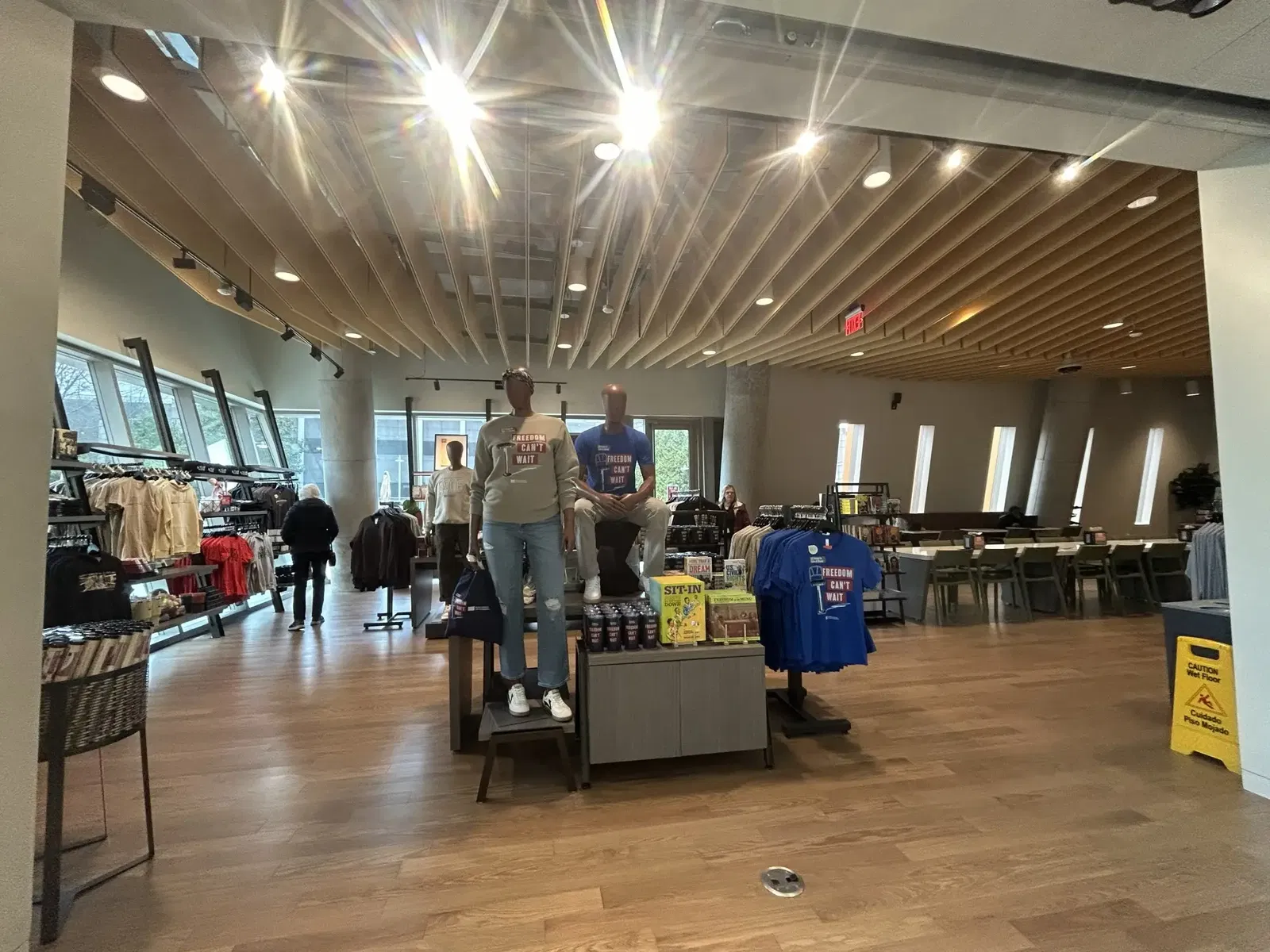
El personal generalmente se describe como amable y conocedor, lo que mejora la experiencia general. La arquitectura y el diseño del museo son modernos y accesibles, con un buen uso de presentaciones multimedia para atraer a los visitantes.
En general, el Center For Civil and Human Rights es una institución cultural importante que proporciona una exploración integral e impactante de la historia de los derechos civiles y humanos y los problemas actuales. Es una parada importante para aquellos interesados en la justicia social y la historia estadounidense.

We visited the National Center for Civil and Human Rights on Jan 6, 2026 as part of Road Scholar's "The Civil Rights Movement - Atlanta, Montgomery, Selma, Birmingham" program. Tickets were covered by the program.
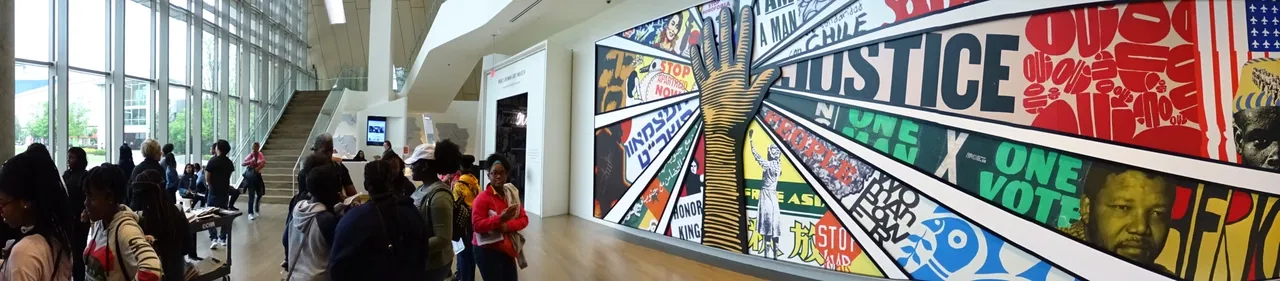
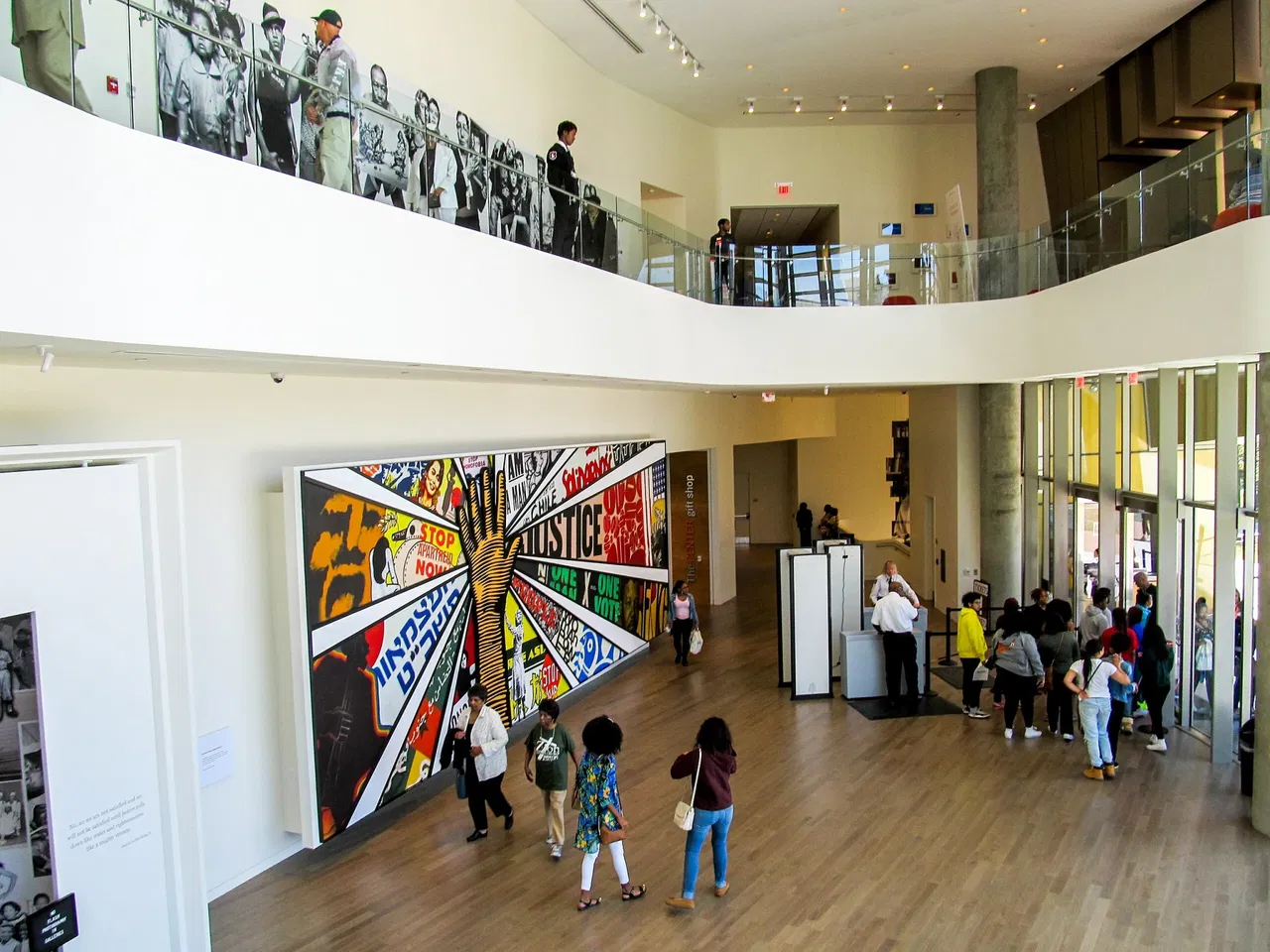
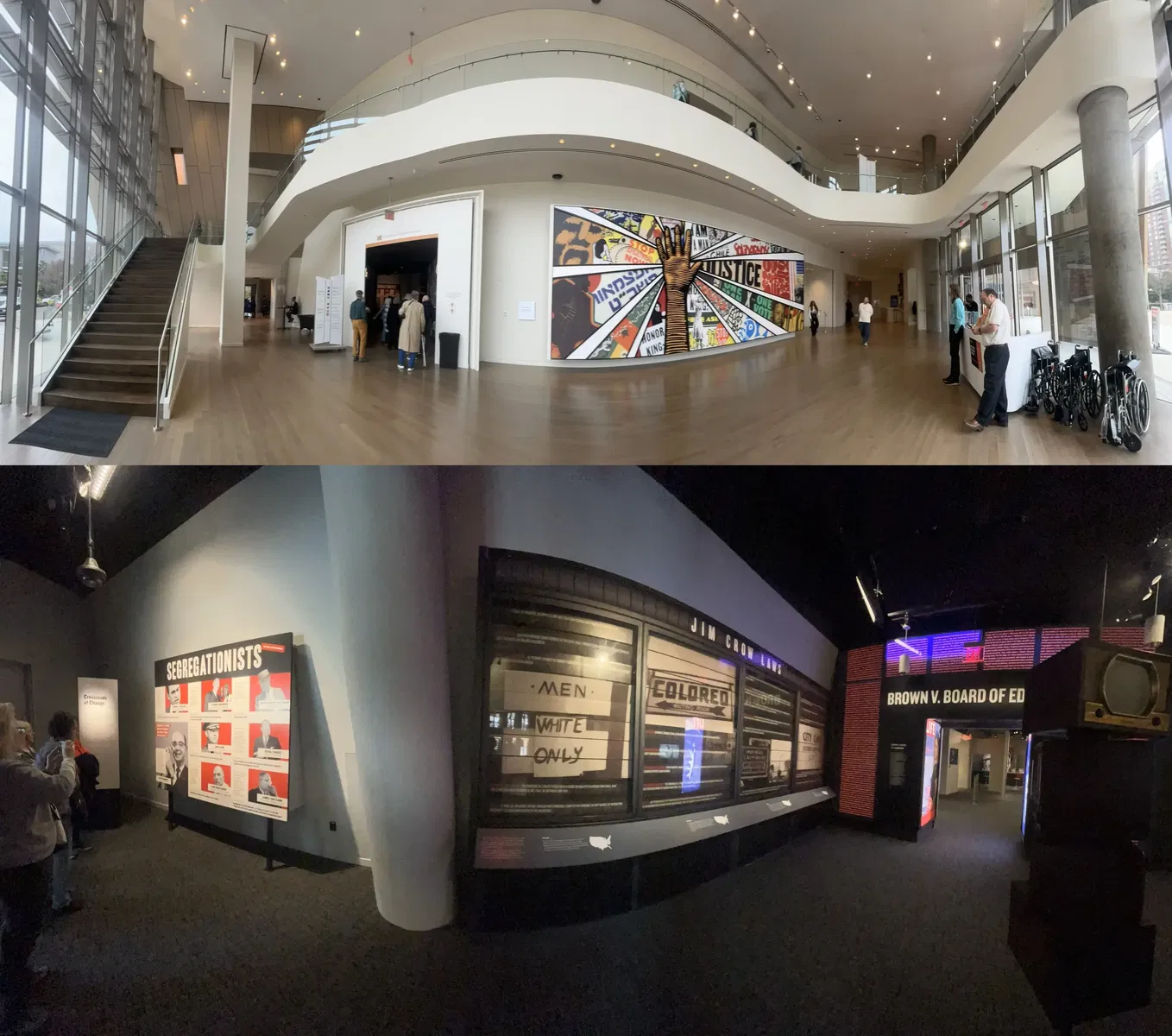
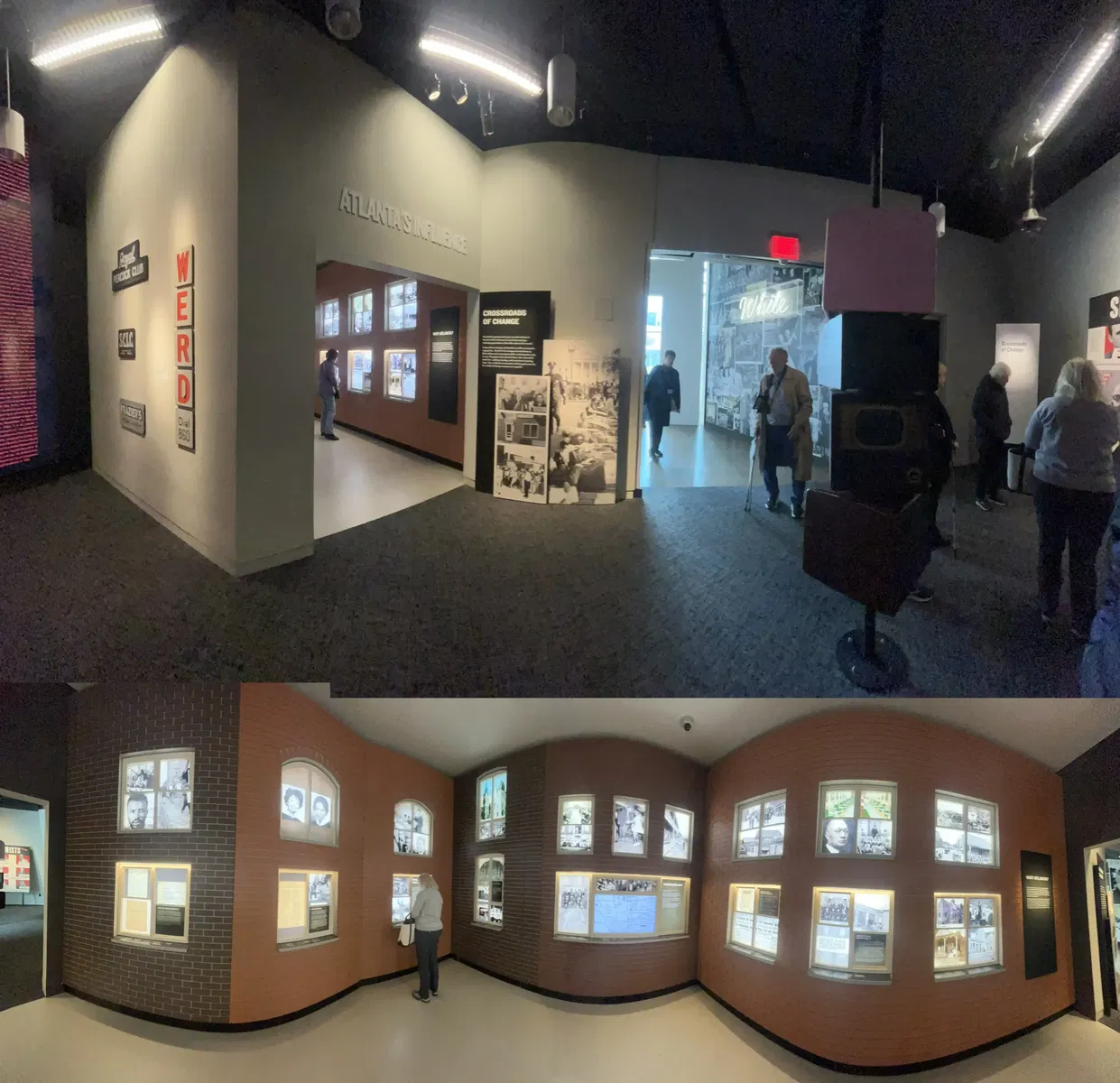
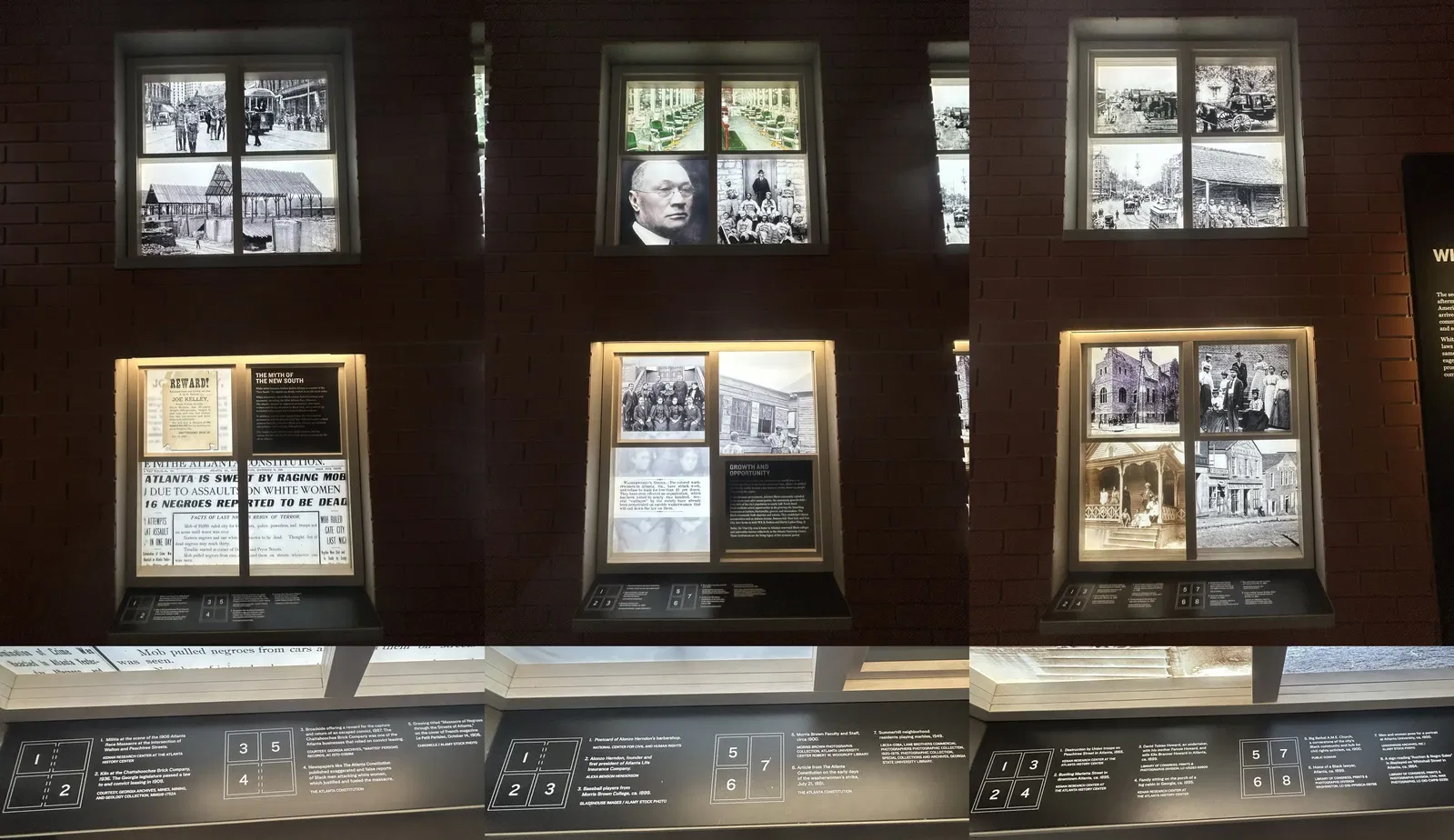
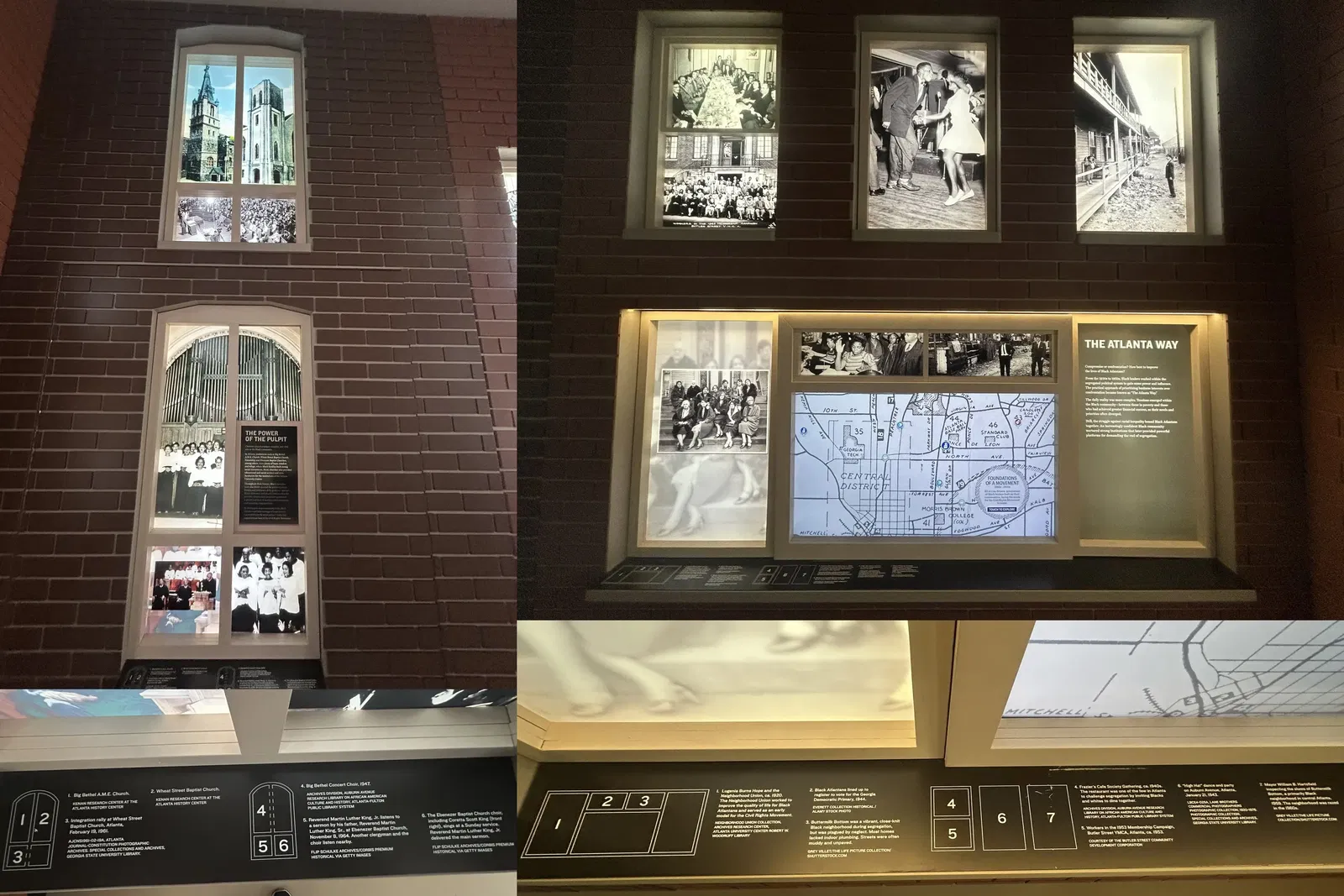
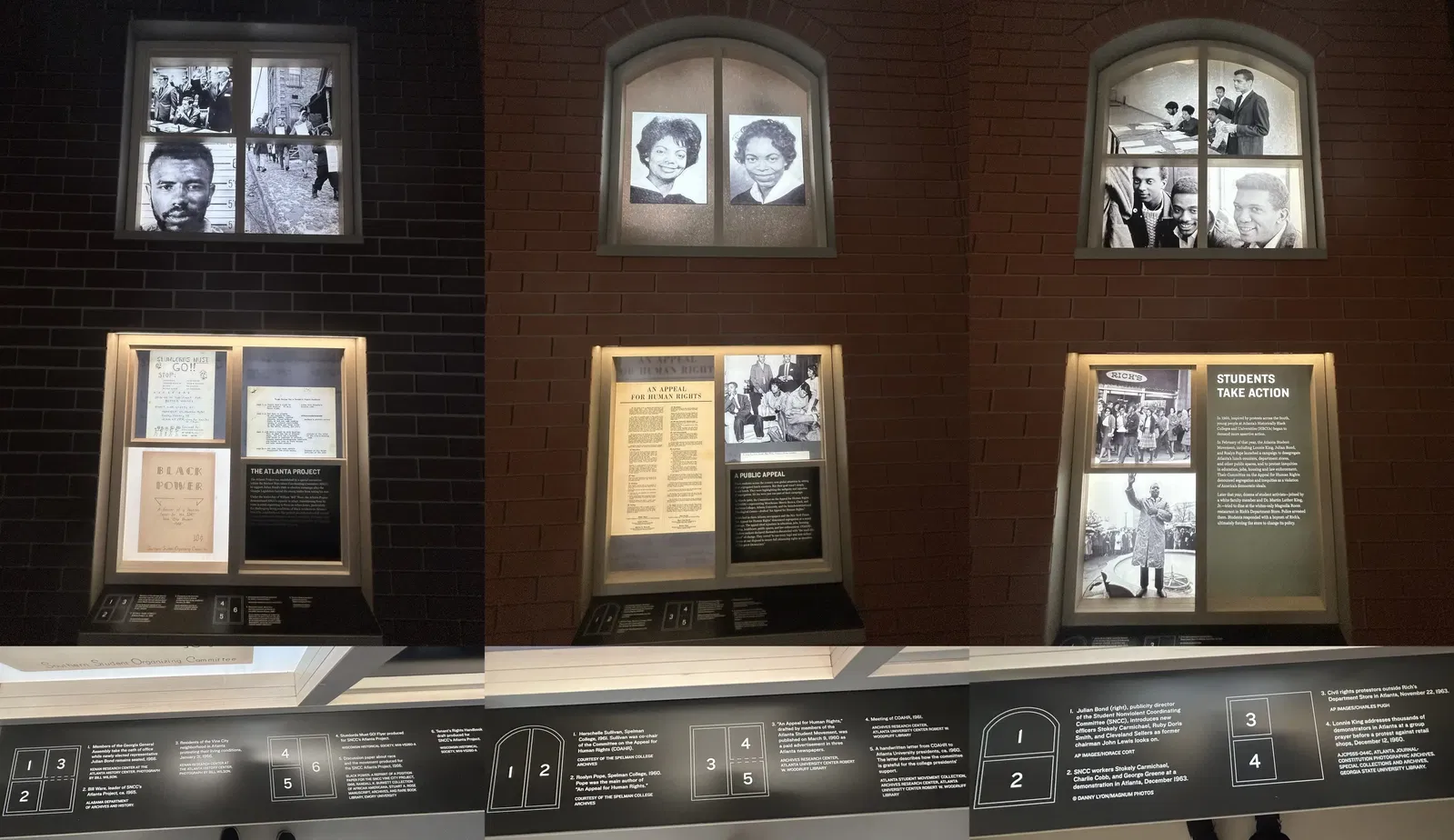
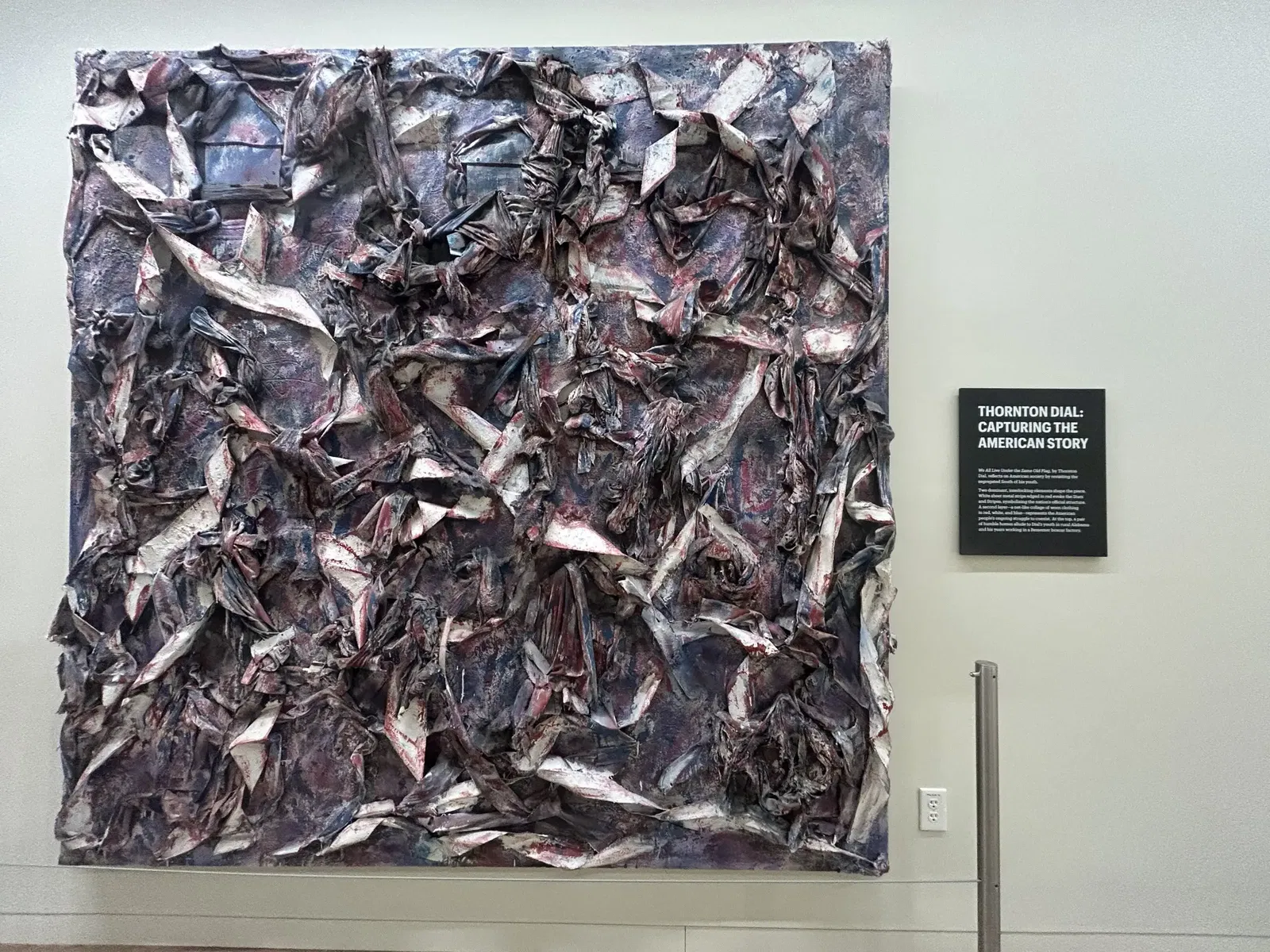
Once inside, we were greeted by - besides the friendly staff - the great lobby (untitled) mural. To its left is the entrance to the Level 1 main exhibits called "Rolls Down Like Water", which are organized in mostly chronological order. Beginning with the section on racial segregation (before 1950s), we were introduced to overt content of Whites, Colored, Segregationists, Jim Crow Laws, and a peculiar area called Atlanta's Influence. Atlanta's Influence is a collection of photos on window frames and set on brick walls, showing Atlanta's role before the Civil Rights Movement.
We then passed through the Brown V. Board Of Education doorway to the 1950s section. Emmett (and Mamie) Till is there, so is the Life magazine cover showing Dorothy Dandridge, and numerous display boards of key events. They include (among many):
The Freedom Riders content is displayed on a wall. Towards the end of the gallery section is the lunch counter. Our tour guide invited us to sit in at the counter, with with both hands on table, and endure the vicious tirade of insults and slurs, complete with sounds of glass smashing. Shocking at first - I was genuinely scared - it ended almost as soon as it began. "Was that it?" I asked the staff member behind the counter. She nodded. I expected it to be longer.
(Footage of the "Rolls Down Like Water" exhibits is in the video "Day 3: National Center for Civil and Human Rights, Part 1" on my YouTube channel, located in playlist "2026-1: The Civil Rights Movement - Atlanta, Montgomery, Selma, Birmingham". The videos referenced below are also in this playlist.)
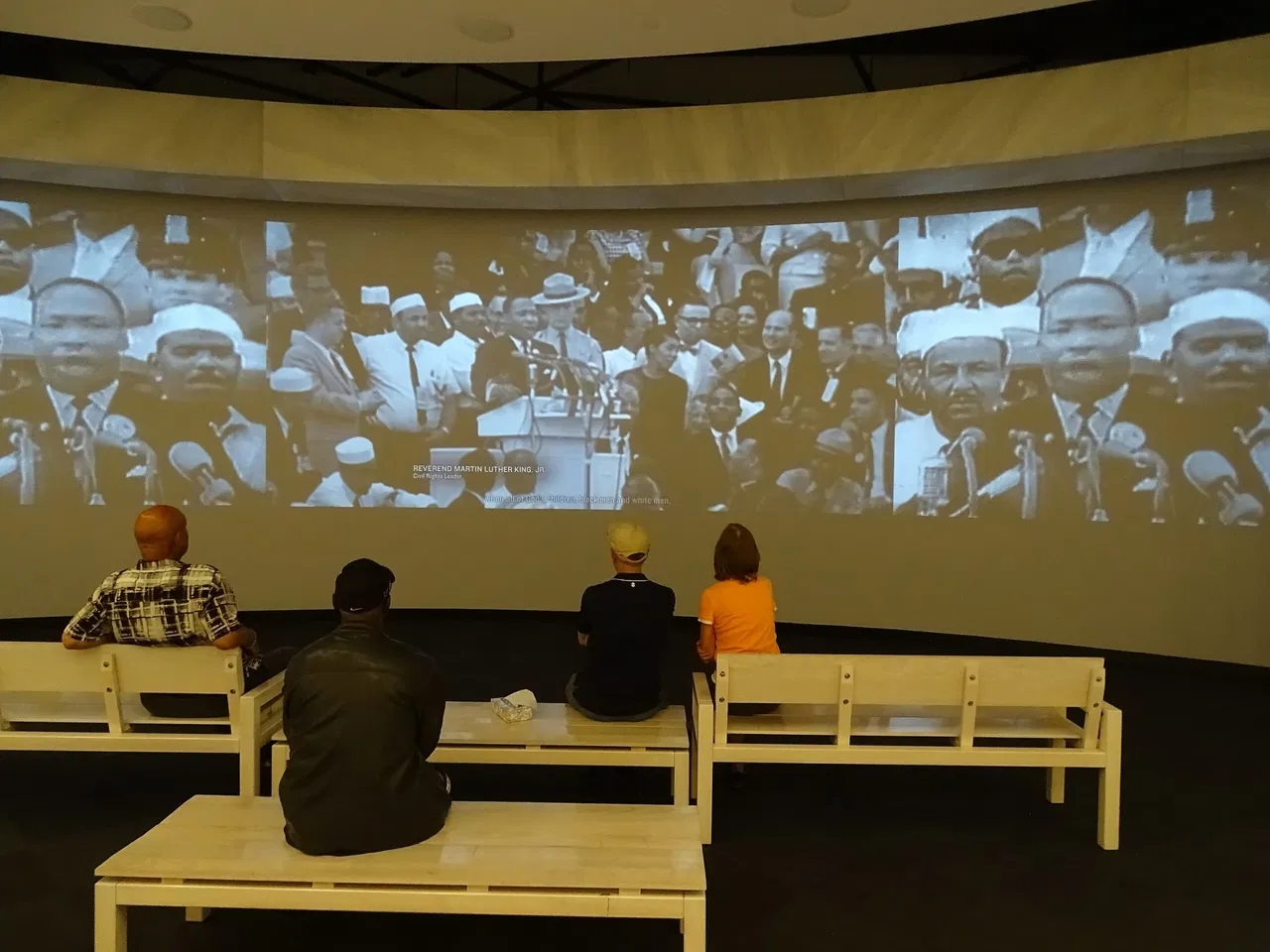
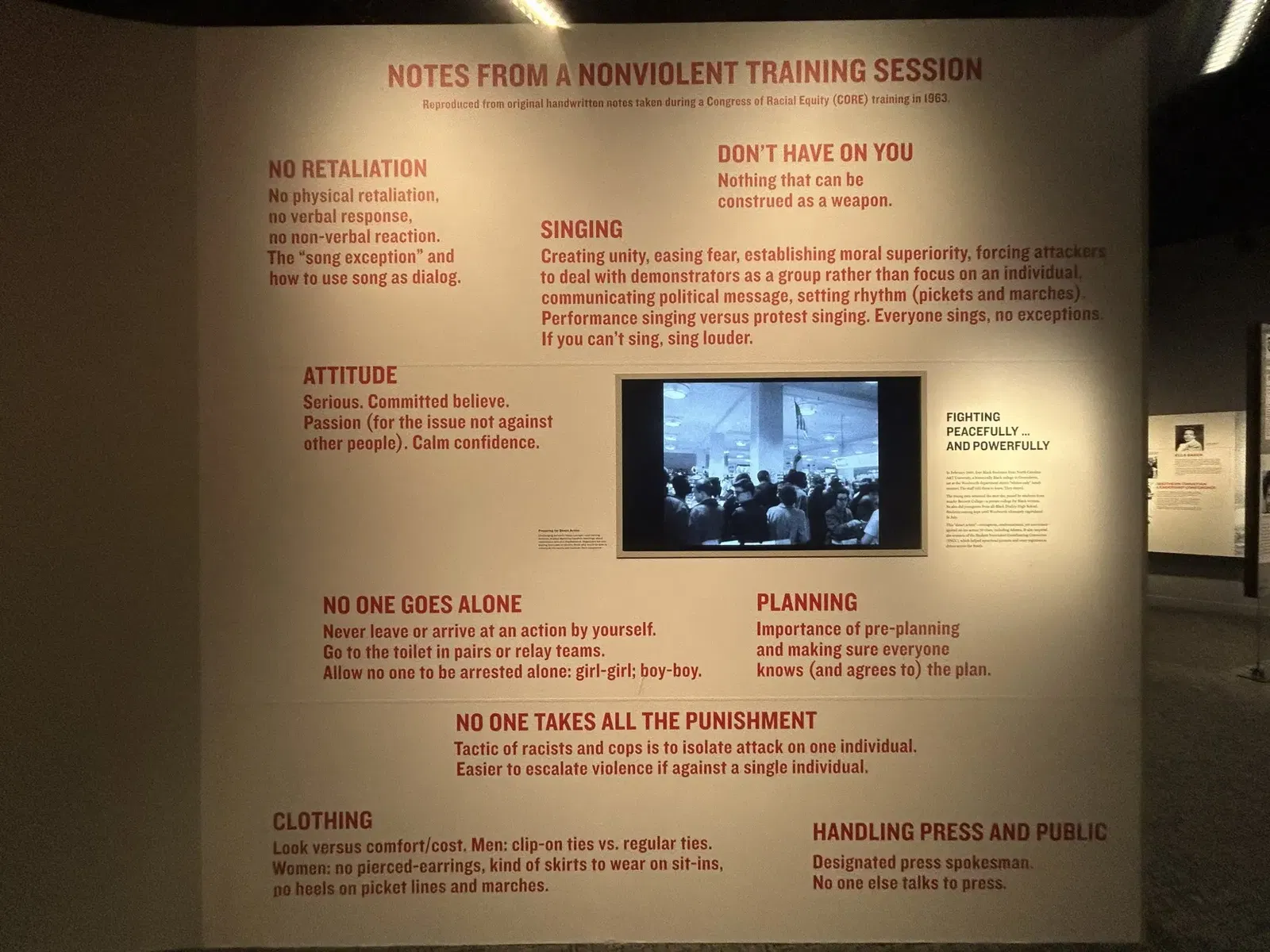
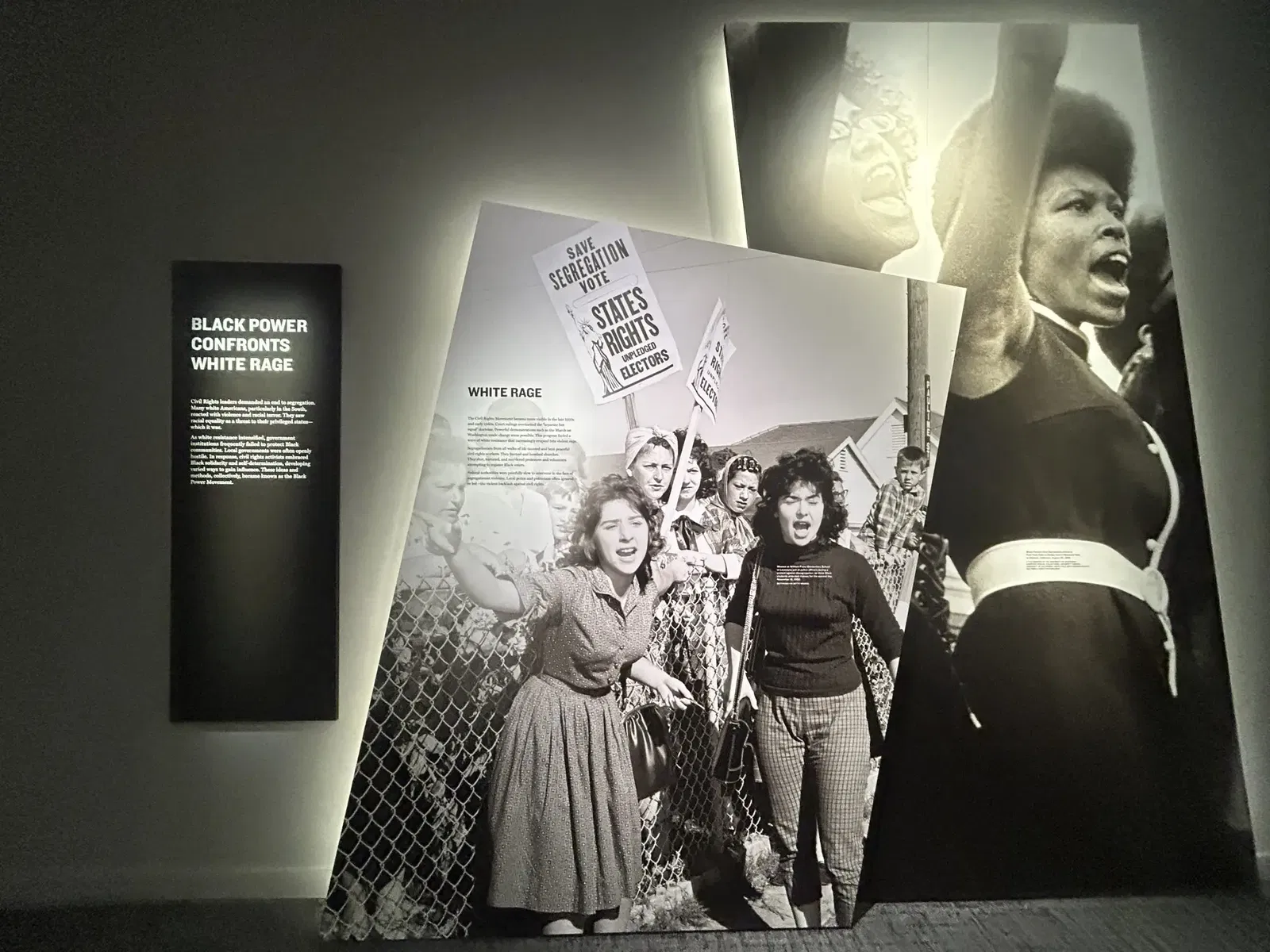
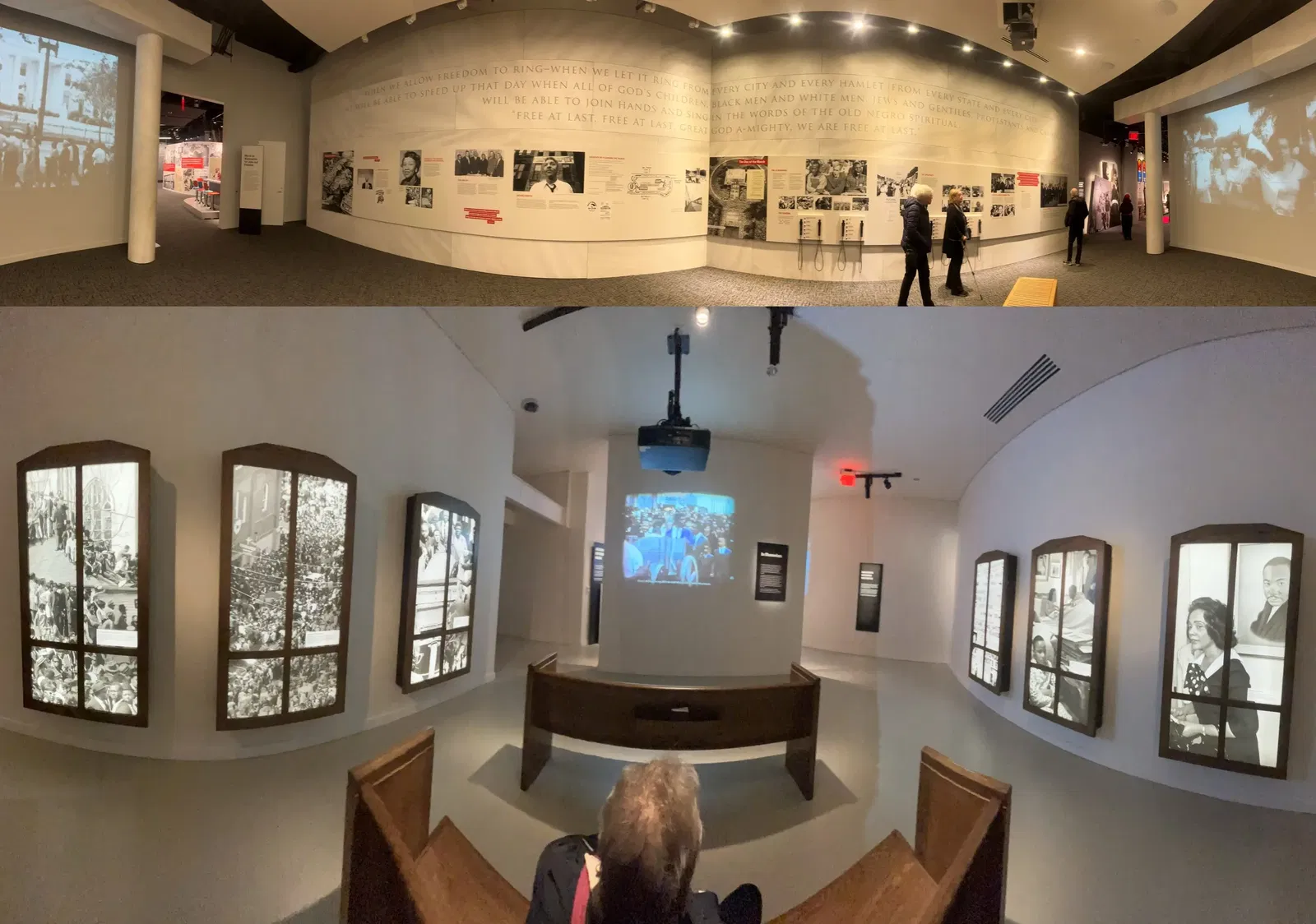
The next section is dedicated to the March in Washington on Mar 28, 1963. On one wall is a set of written and imaged content; on the other wall is a large screen showing clips of the event (video footage in "Day 3: National Center for Civil and Human Rights - March on Washington for Jobs and Freedom"). A doorway on the opposite side leads to a section on events that happened after the March. "Black Power Confronts White Rage", violent events of "Four Little Girls", "Three Mississippi Murders", "Bloody Sunday", Student Nonviolent Coordinating Committee (SNCC), "Juke Box", and "Black Power: Demanding Action". (Video footage in "Day 3: National Center for Civil and Human Rights, Part 2".)
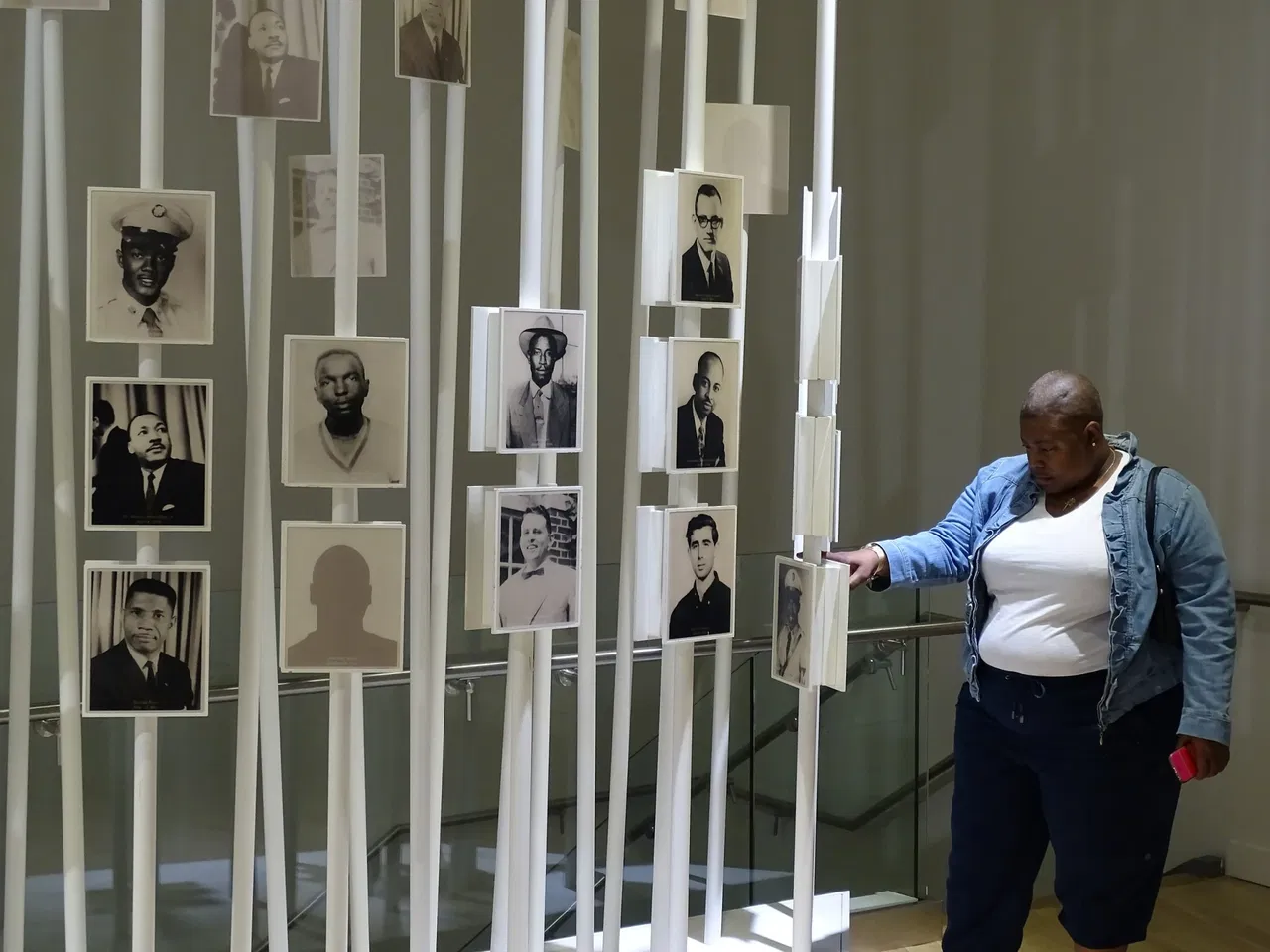
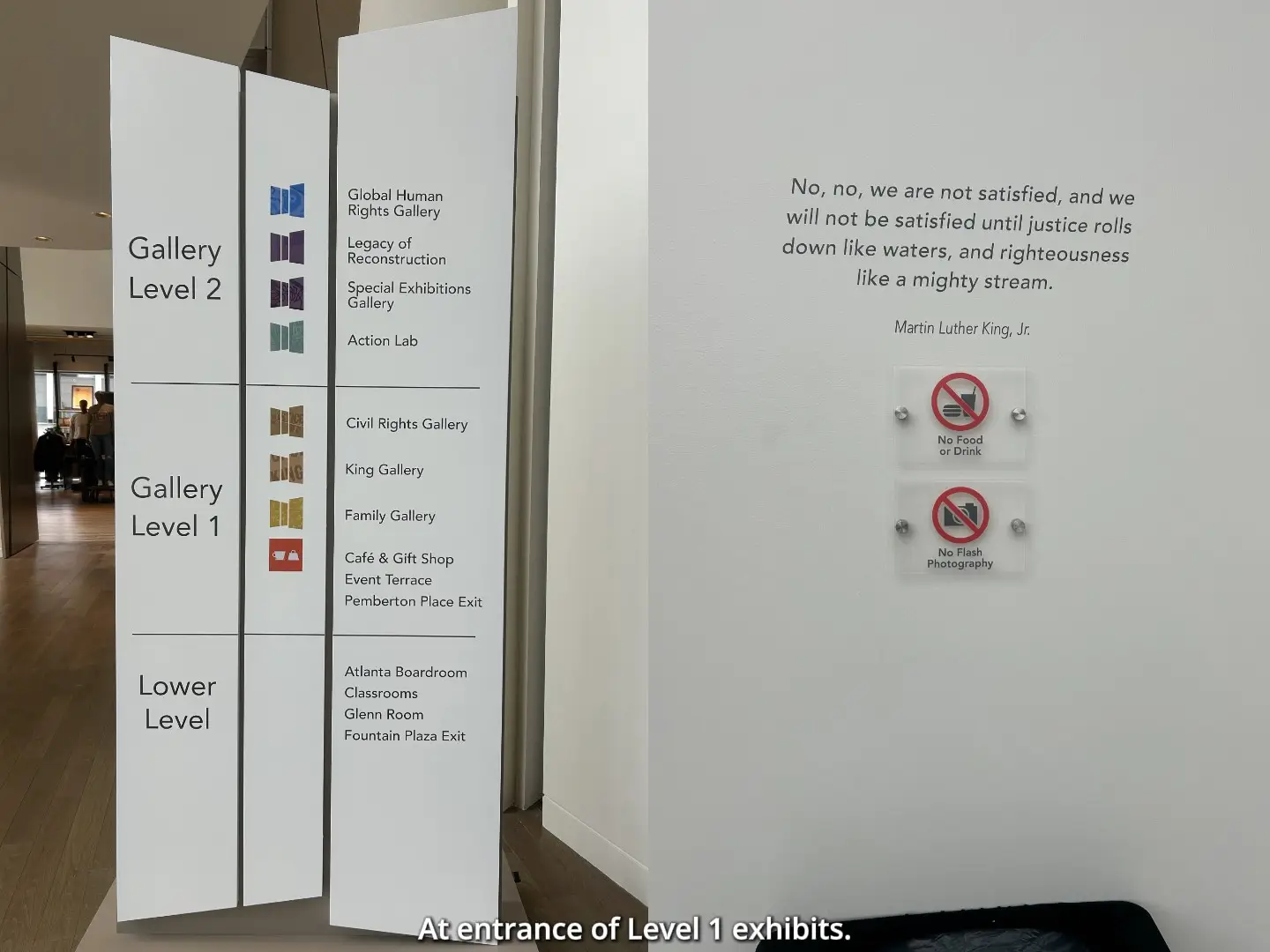
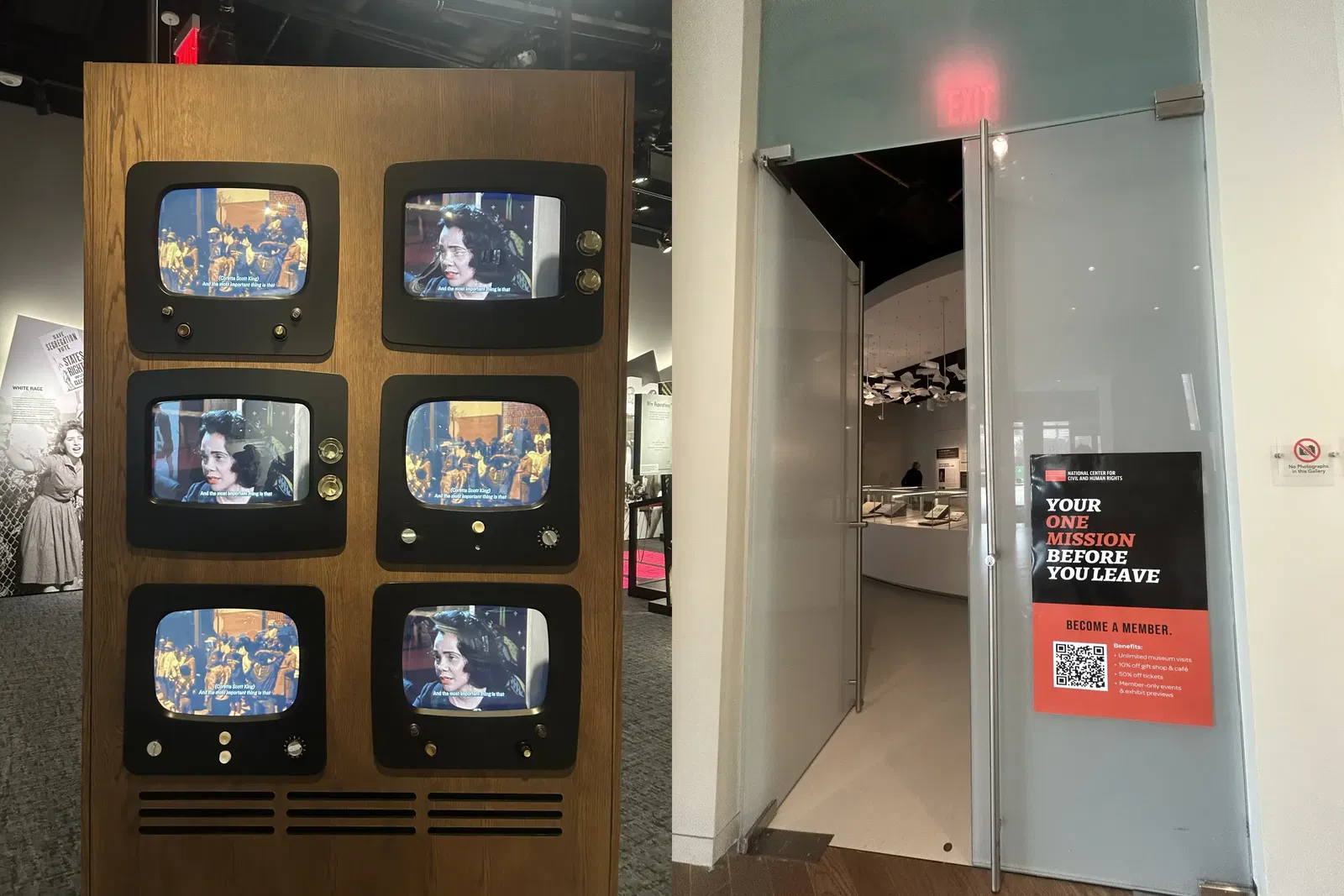
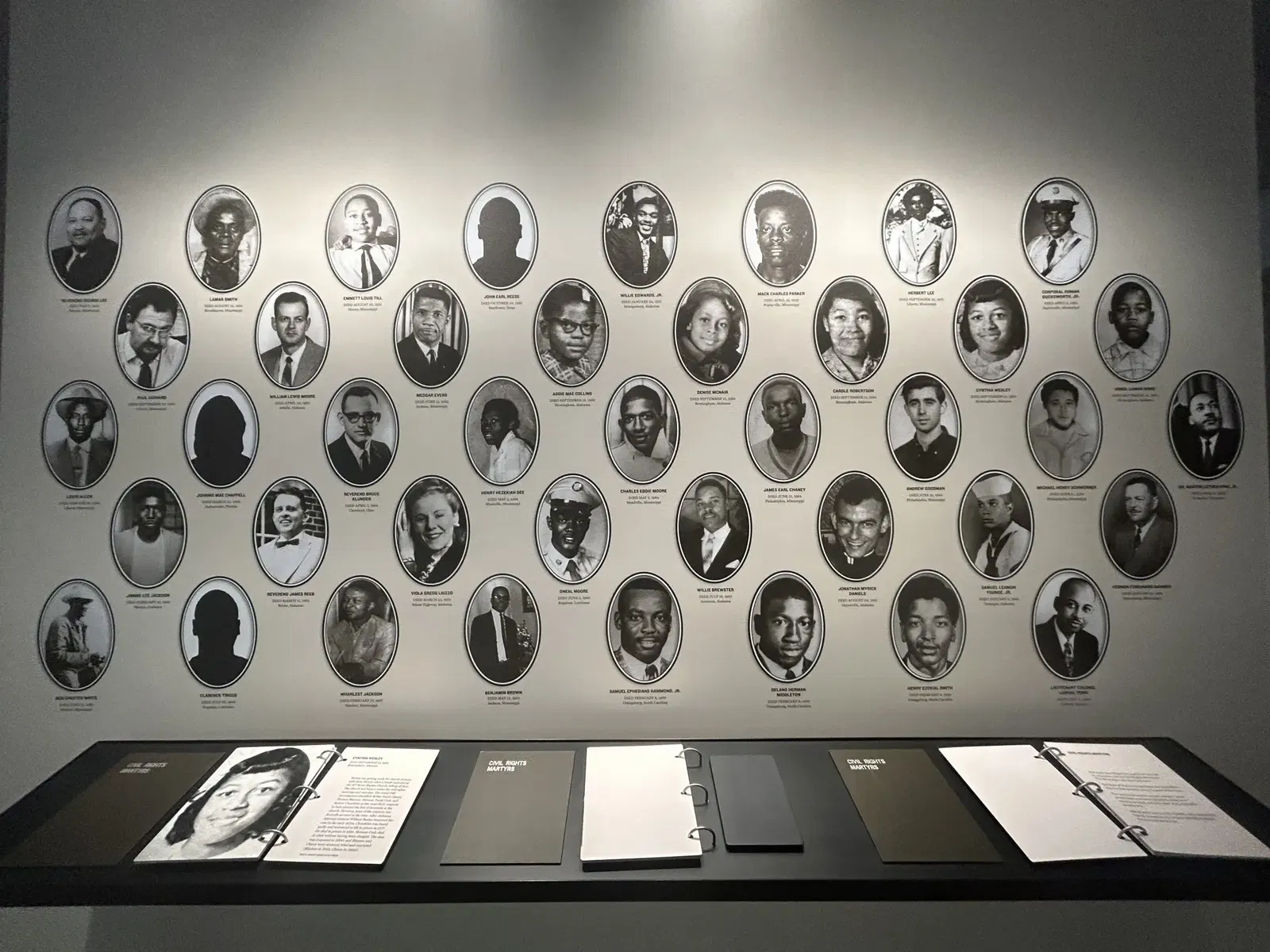
The final section is dedicated to Atlanta's native son Dr. Martin Luther King, Jr., particularly on his assassination and funeral. This section includes the wall of 40 other martyrs of the civil rights movement, and Dr. King's continuing influence on others in pursuit of social justice. The other exhibit on Level 1 is a smaller room called "A Committed Life", which houses Dr. King's papers and other print material. Since (flash and non-flash) photography is not allowed, I did not spend much time here.
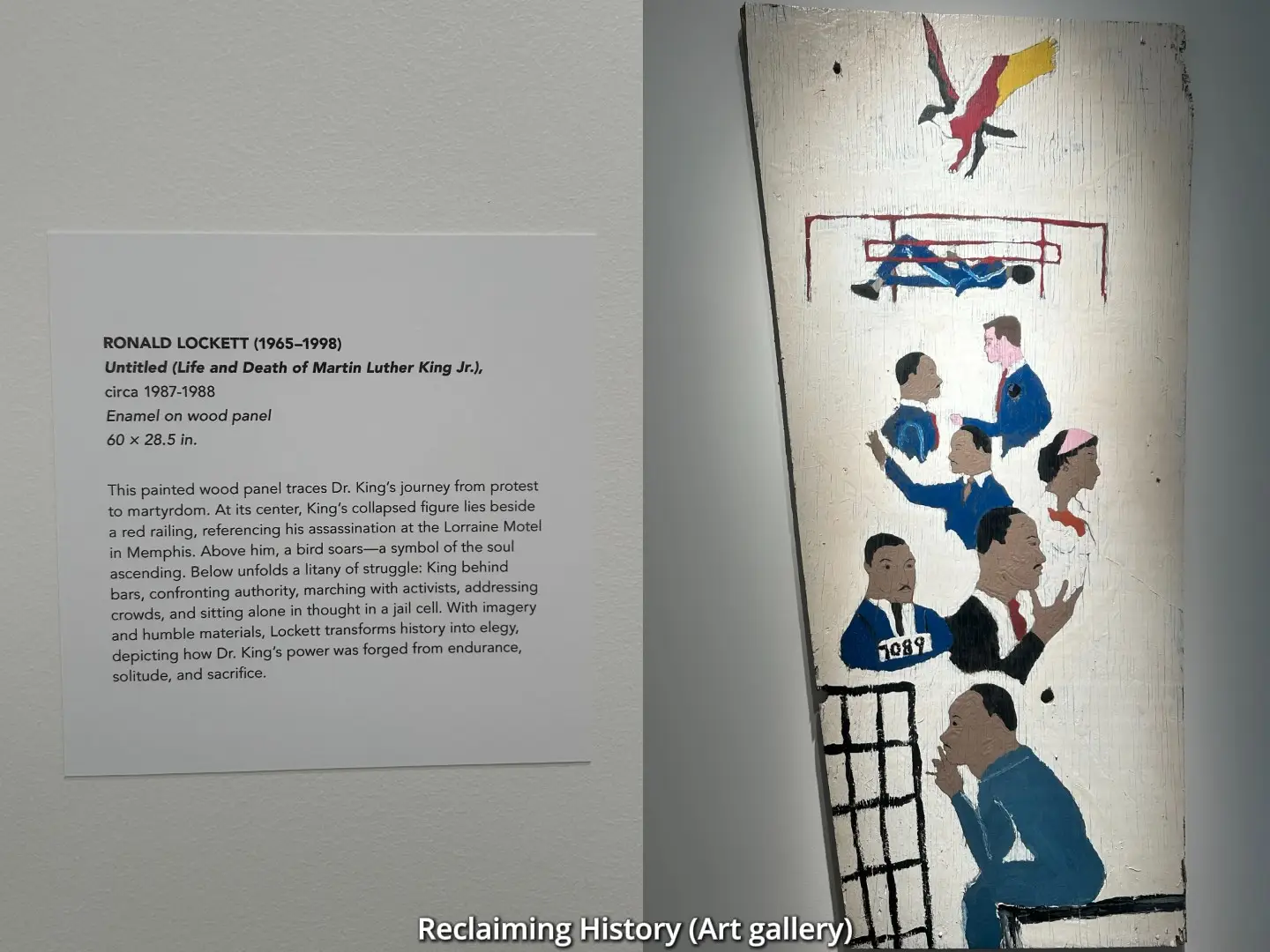
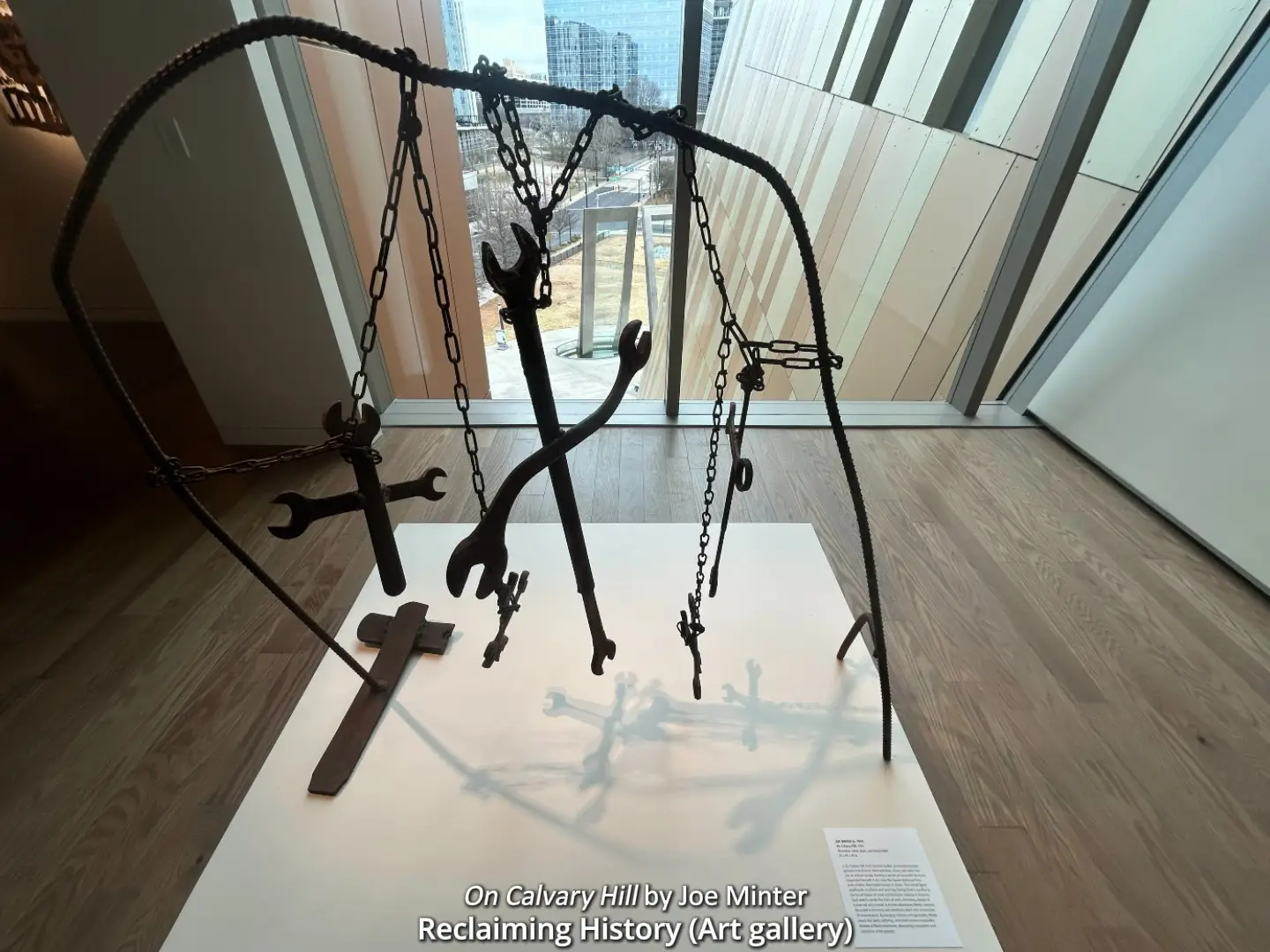
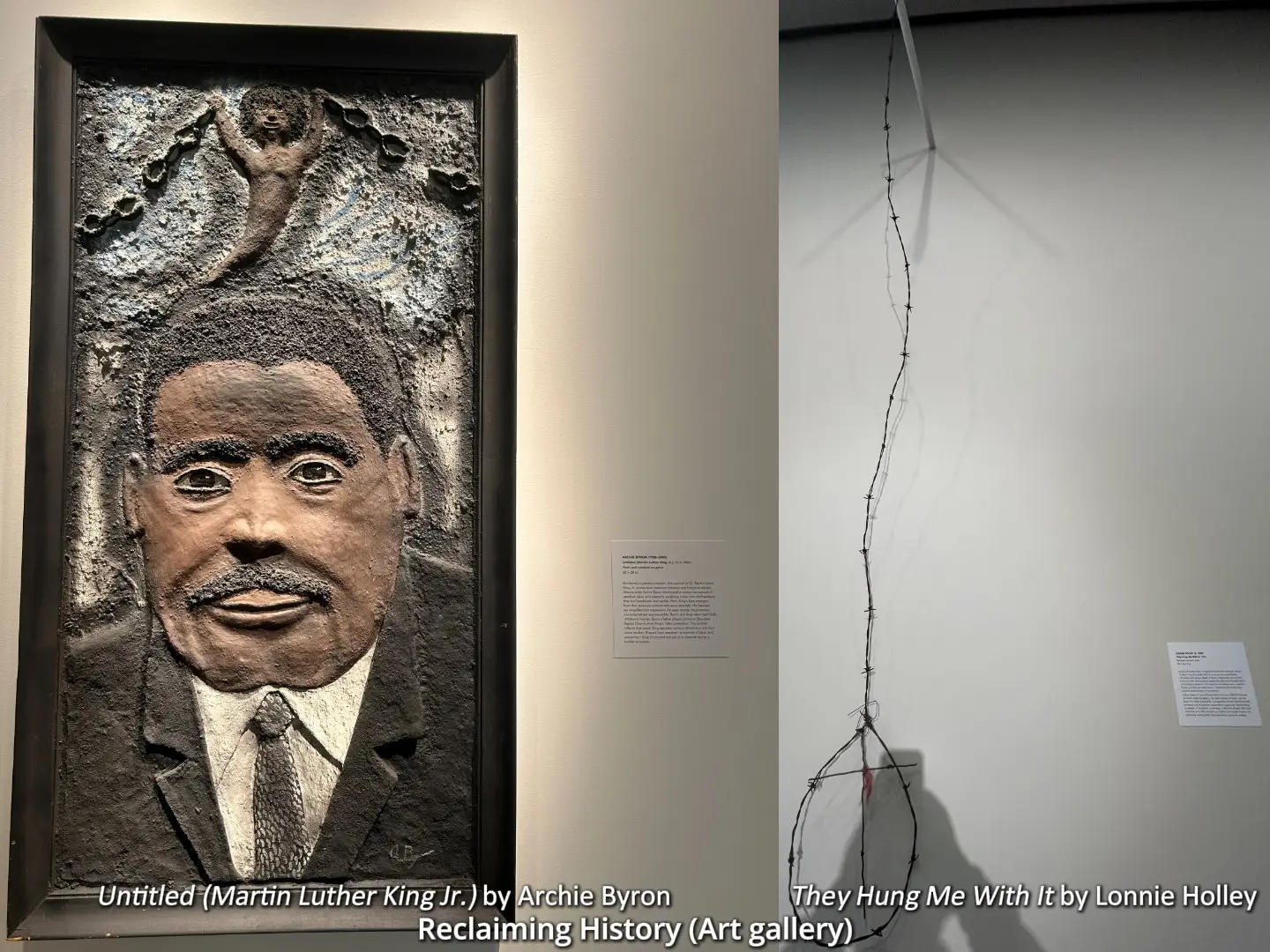
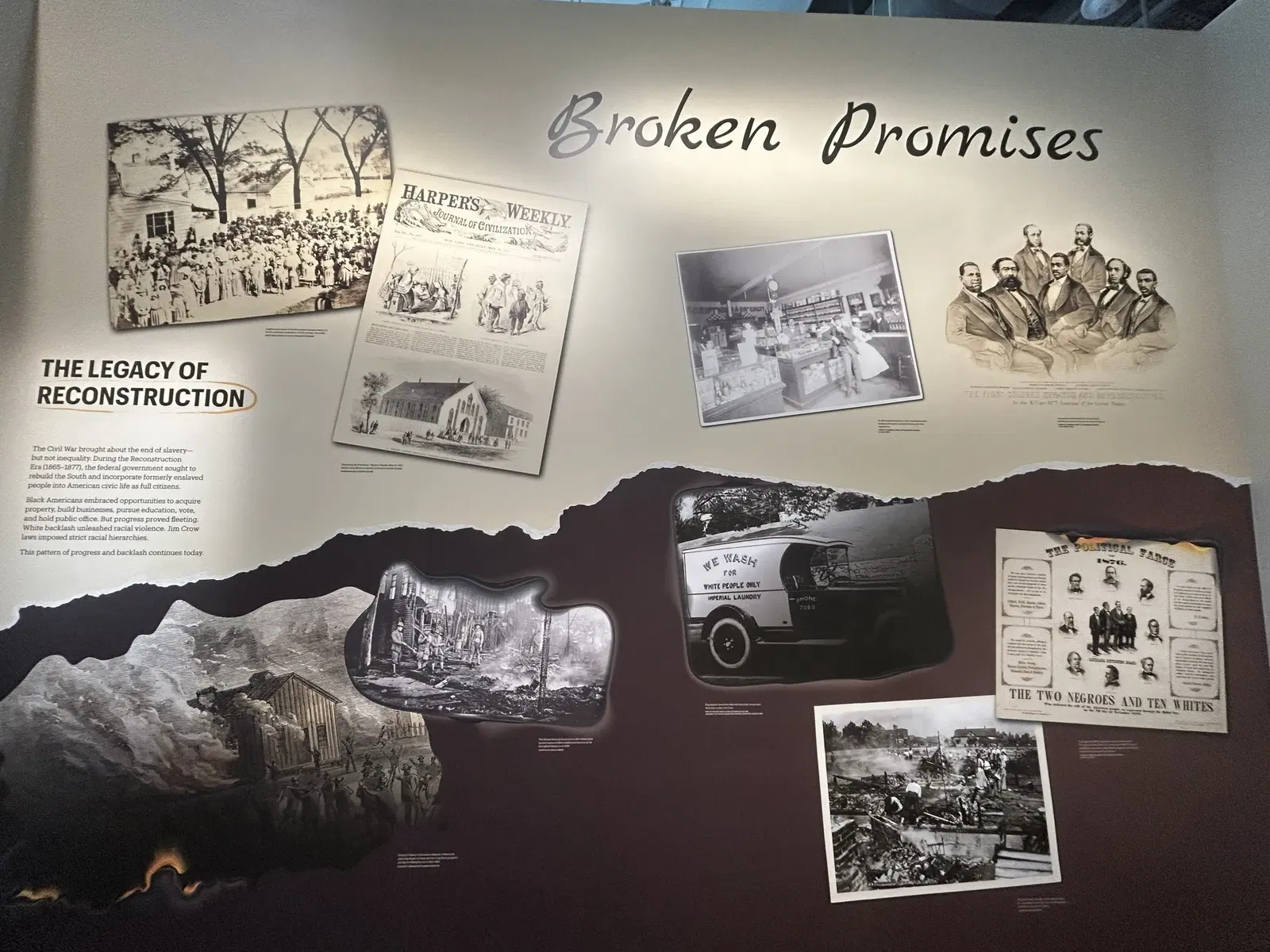
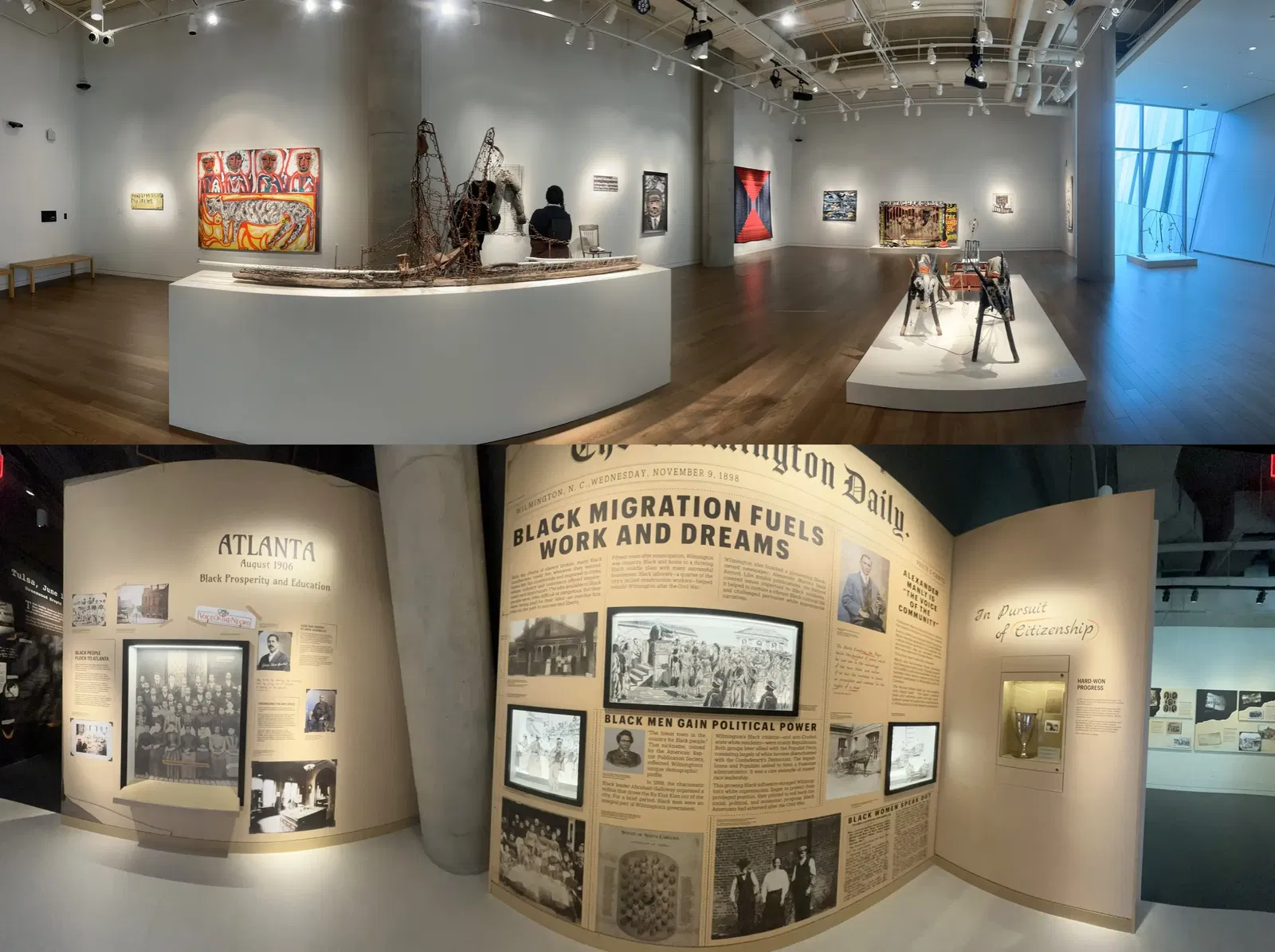
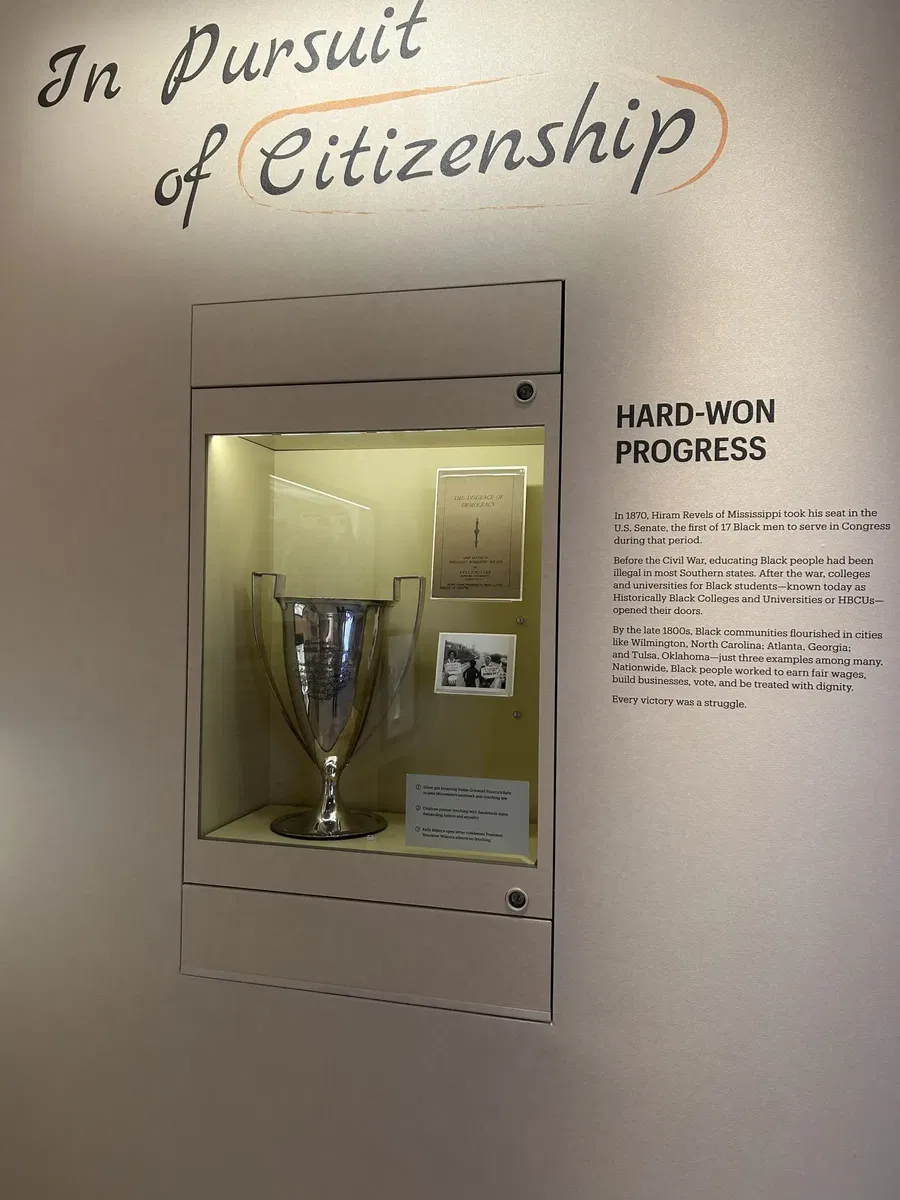
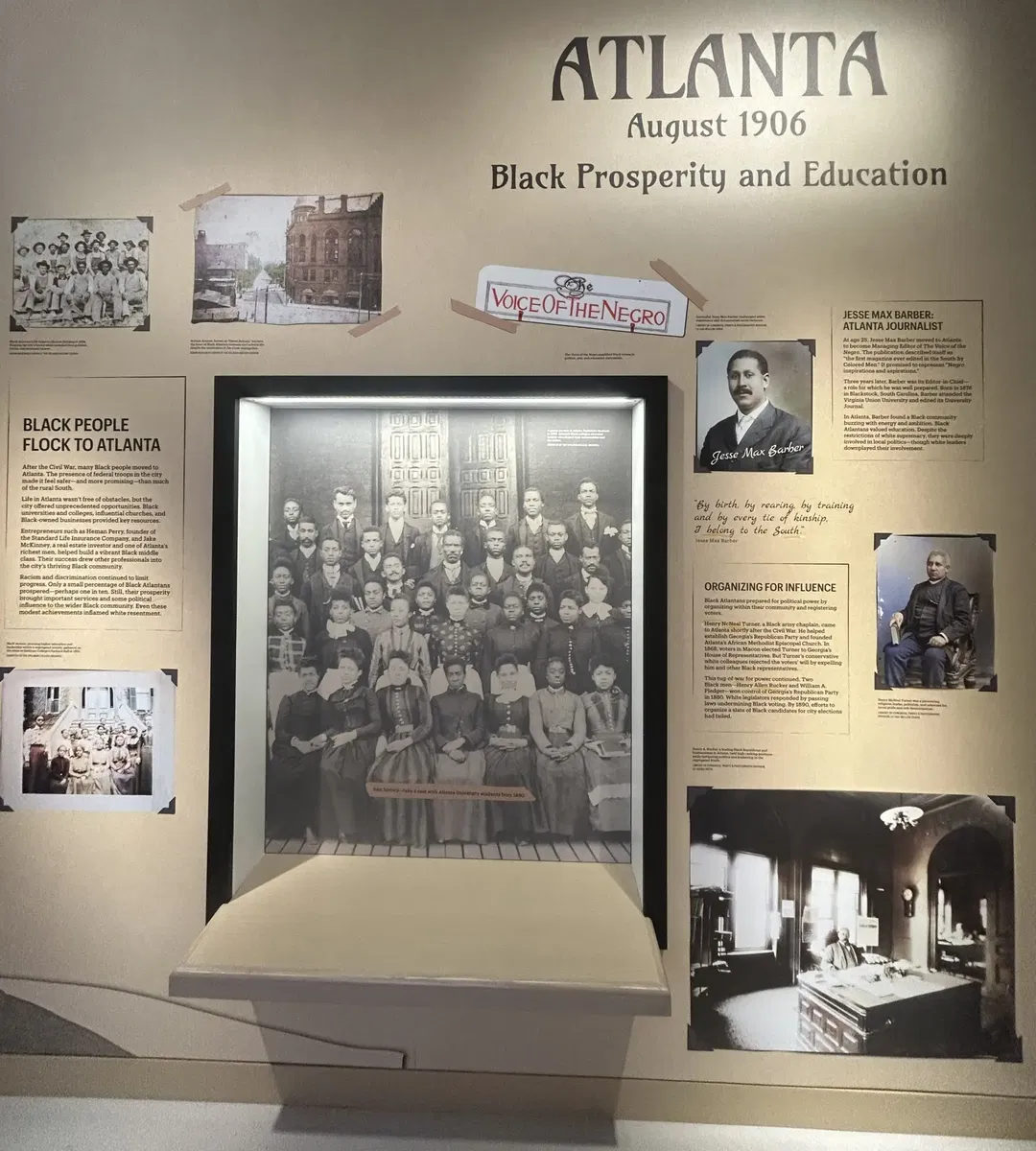
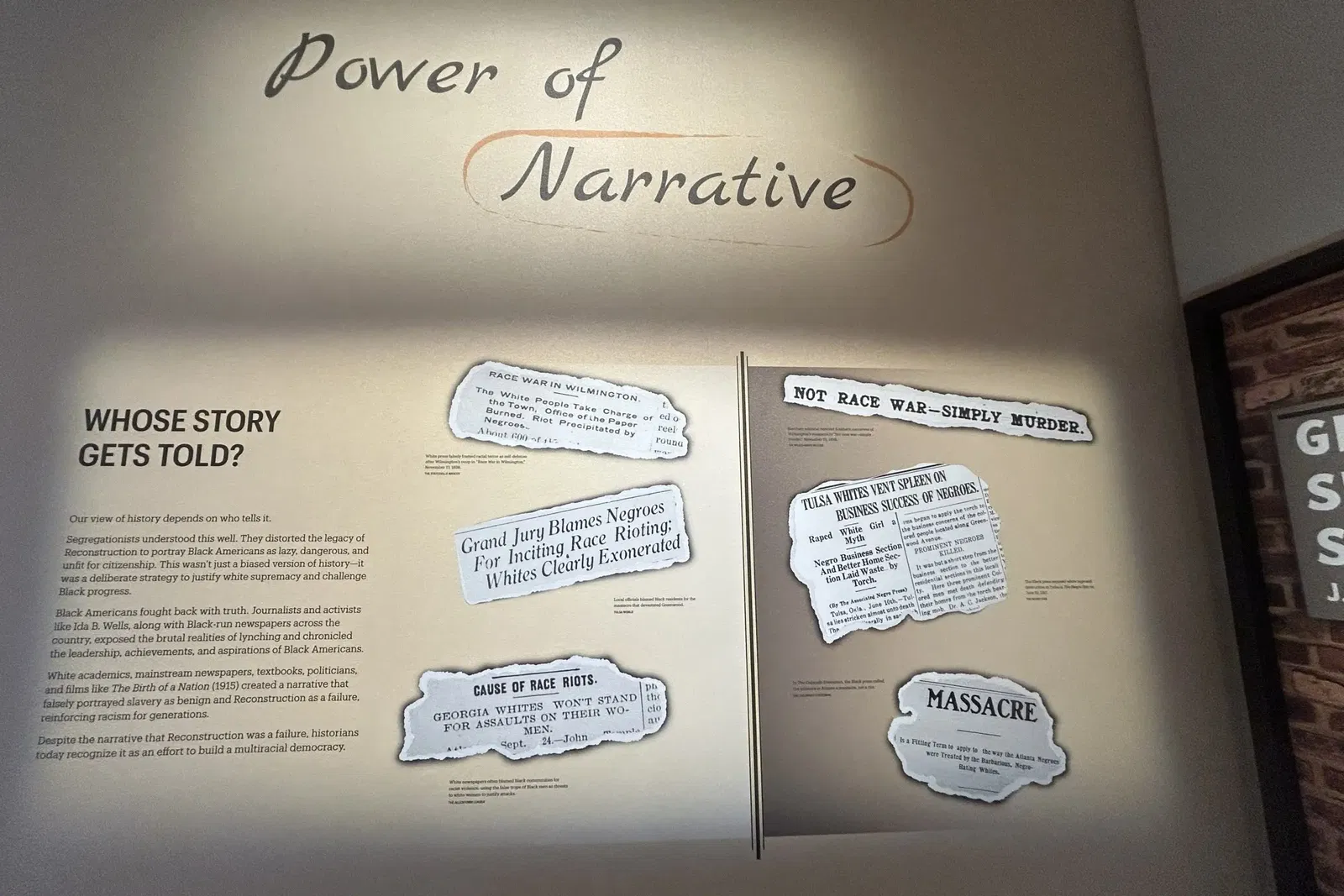
On to Level 2. With barely 30 minutes left, I started with the art gallery of paintings and sculptures relating to the Civil Rights Movement. A number of them are about MLK, including a model of his funeral wagon. The next gallery, called "Broken Promises", travels back in time to the Reconstruction (after the American Civil War). The contents show "Black Prosperity And Education" in spite of "Broken Promises", and two visual timeline of progression (and regression) of the black experience. (Video footage in "Day 3: National Center for Civil and Human Rights, Part 3".)
With my time almost up, I headed down to meet with our group. If I had more time, I would see as "Everyone. Everywhere." exhibit on Level 2. I'd also spend more time in "Rolls Down Like Water", explore the numerous interactive features, and then climb the stairs outside the building and see the sculpture on the north side. But that will be for another time. I enjoyed what I did see at the National Center for Civil and Human Rights. Not only will I return here, I'll also visit the World of Coca-Cola, the Georgia Aquarium and the Olympic Centennial Park. All three venues are within a stone's throw from the National Center.
Visitado el 6 ene 2026
Esta calificación se basa en la calificación de este museo en varias otras plataformas.
Descubre museos cerca de Center For Civil and Human Rights en o alrededor de Atlanta.