Imágenes de Centro Martin Luther King Jr. para el Cambio Social No Violento
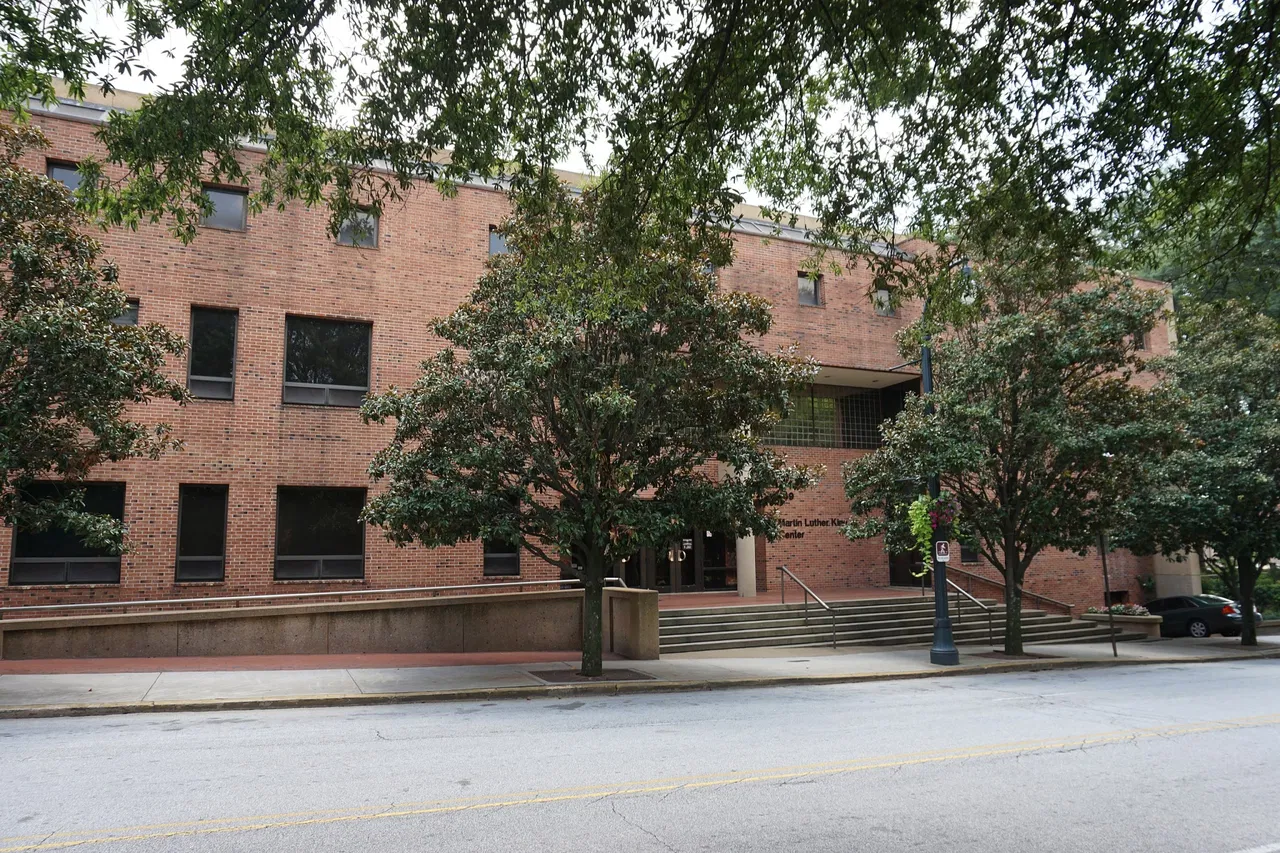

En 1981, la sede del King Center se trasladó a las instalaciones del Parque Histórico Nacional Martin Luther King Jr. en Auburn Avenue. Este lugar es de especial interés para los visitantes, ya que incluye la casa natal de King y la Iglesia Bautista Ebenezer, donde predicó desde 1960 hasta su muerte. Estos lugares ofrecen una visión única de la vida y obra de King, por lo que son una parte importante de cualquier visita al King Center.
En 1977 se dedicó una tumba conmemorativa y los restos de Martin Luther King Jr. se trasladaron del cementerio de South View a una plaza situada entre The King Center y la Iglesia Bautista Ebenezer. Los visitantes de The King Center también pueden ver la tumba de Martin Luther King Jr. y un estanque reflectante situado junto al Freedom Hall. Estos lugares ofrecen un espacio solemne y reflexivo para que los visitantes presenten sus respetos al líder de los derechos civiles.
Historia & Antropología Casa histórica Persona & Artista Religión Edificio religioso
#1 Museos gratuitos Atlanta #1 Historia & Antropología Atlanta #3 Museos abiertos los lunes Atlanta #1 Casas históricas Atlanta #2 Museos de personas y artistas Atlanta #1 Museos de religión Atlanta #1 Museos gratuitos Georgia #2 Historia & Antropología Georgia #4 Museos abiertos los lunes Georgia #1 Casas históricas Georgia #2 Museos de personas y artistas Georgia #1 Museos de religión Georgia #1 Edificios religiosos Georgia #28 Museos gratuitos Estados Unidos #53 Historia & Antropología Estados Unidos #84 Museos abiertos los lunes Estados Unidos #39 Casas históricas Estados Unidos #25 Museos de personas y artistas Estados Unidos #18 Museos de religión Estados Unidos #6 Edificios religiosos Estados Unidos
449 Auburn Avenue, Atlanta
No se han encontrado exposiciones en Centro Martin Luther King Jr. para el Cambio Social No Violento.
Centro Martin Luther King Jr. para el Cambio Social No Violento tiene 2 calificaciones.
El King Center For Non-violent Social Change en Atlanta es una institución importante dedicada a preservar el legado del Dr. Martin Luther King Jr. y promover su filosofía de no violencia. Los visitantes a menudo aprecian las exhibiciones informativas del centro que narran el Civil Rights Movement y la vida del Dr. King. El centro alberga importantes artefactos, incluidos los documentos y objetos personales del Dr. King, que muchos encuentran profundamente conmovedores.
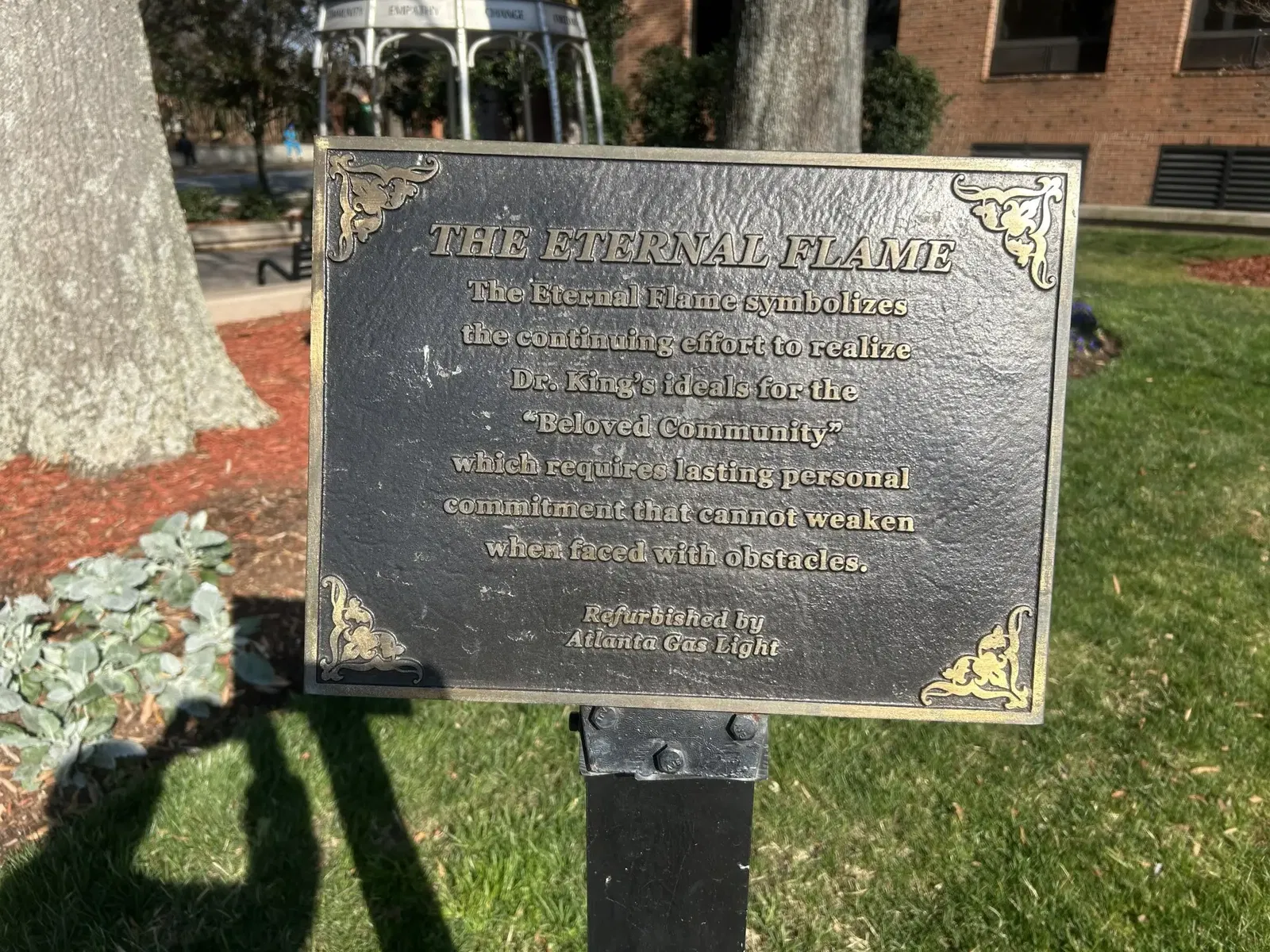
Los terrenos pacíficos del centro, que incluyen el estanque reflectante y la llama eterna, ofrecen un espacio para la contemplación que resuena en muchos visitantes. La tumba adyacente del Dr. King y Coretta Scott King se menciona con frecuencia como una experiencia poderosa y sombría.
Si bien la mayoría de los visitantes encuentran el centro educativo e inspirador, algunos señalan que ciertas áreas de las exhibiciones podrían beneficiarse de actualizaciones o renovaciones para mejorar la experiencia general. Algunos críticos mencionan que la naturaleza autoguiada de la visita podría dejar a algunos con ganas de obtener información o contexto más profundos.
La ubicación del centro dentro del Martin Luther King Jr. National Historical Park se considera un aspecto positivo, lo que permite a los visitantes explorar sitios relacionados cercanos. Sin embargo, algunos visitantes sugieren dedicar suficiente tiempo para apreciar plenamente todo lo que el parque tiene para ofrecer.
En general, el King Center es ampliamente considerado como un sitio cultural e histórico importante que brinda información valiosa sobre el Civil Rights Movement y el impacto duradero del Dr. King en la sociedad American.

We visited the Freedom Hall museum gallery, located on the campus of the Martin Luther King, Jr. Center for Nonviolent Social Change, aka King Center, on Jan 5, 2026 as part of Road Scholar's "The Civil Rights Movement - Atlanta, Montgomery, Selma, Birmingham" program. 45 minutes was scheduled for this admission-free visit. That was barely enough time to see the gallery and the grand water fountain (listed as "Dr. Martin Luther King Jr Fountain" on Google). The tombs of Dr. King and Mrs. King lay towards the west side of the fountain.
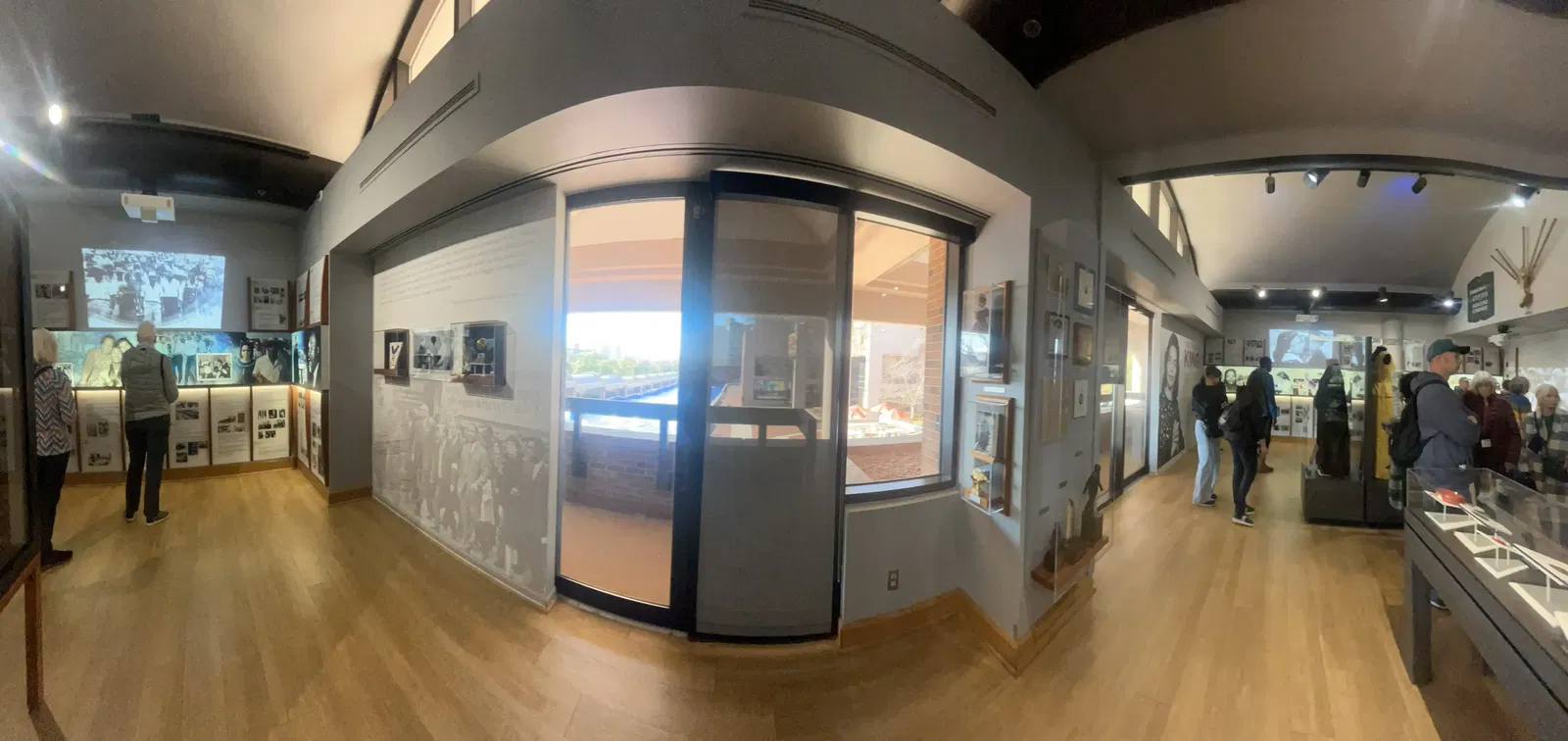
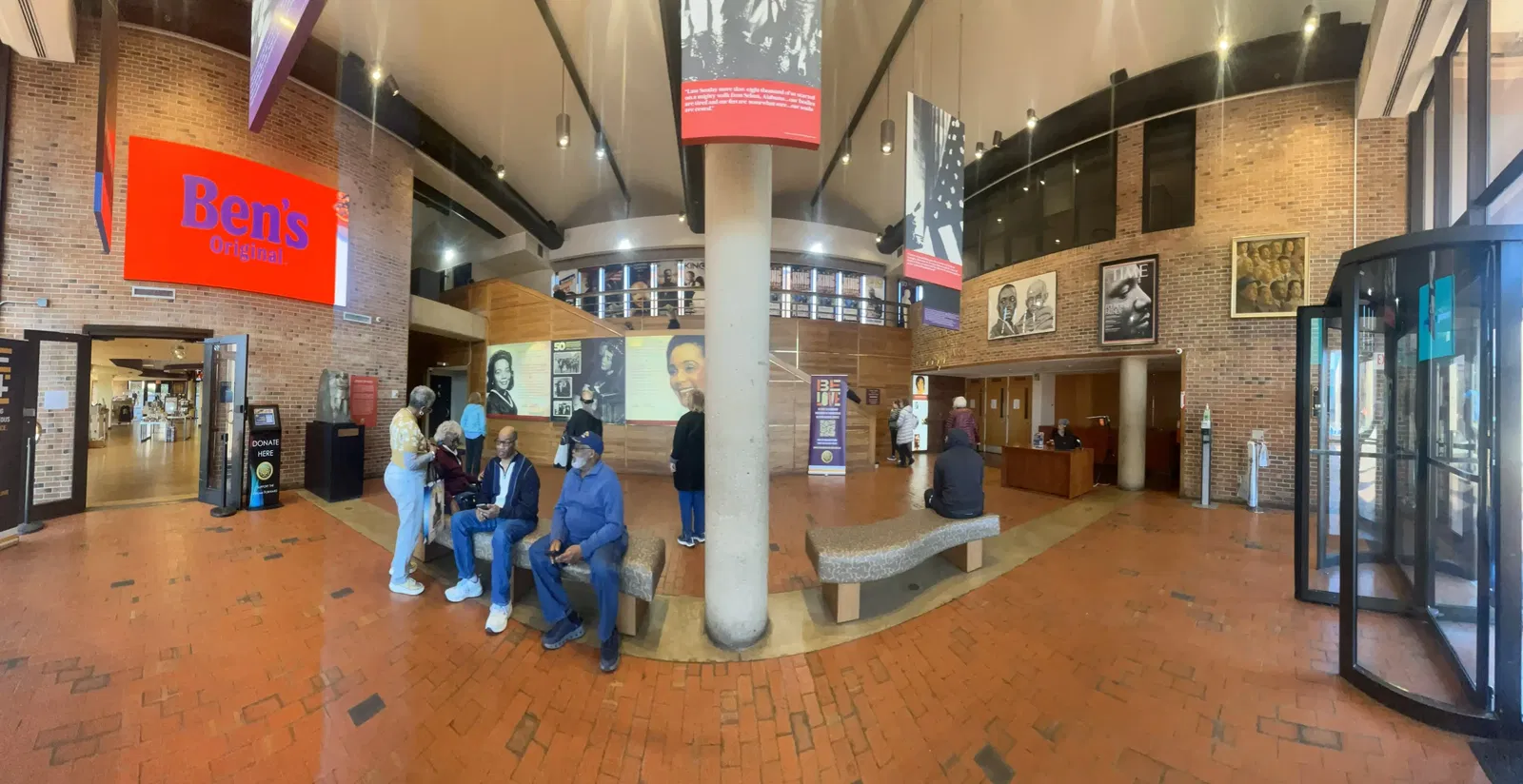
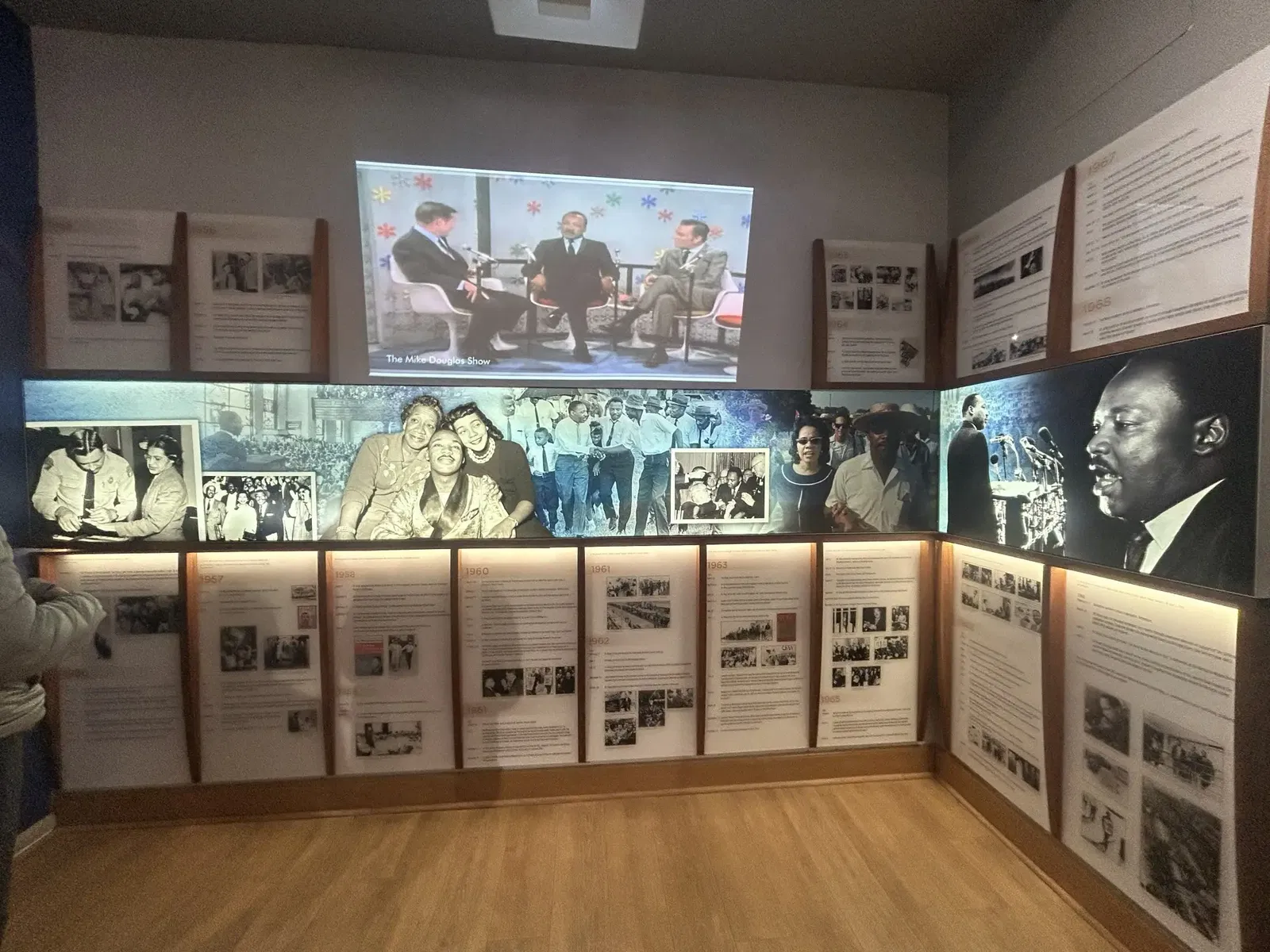
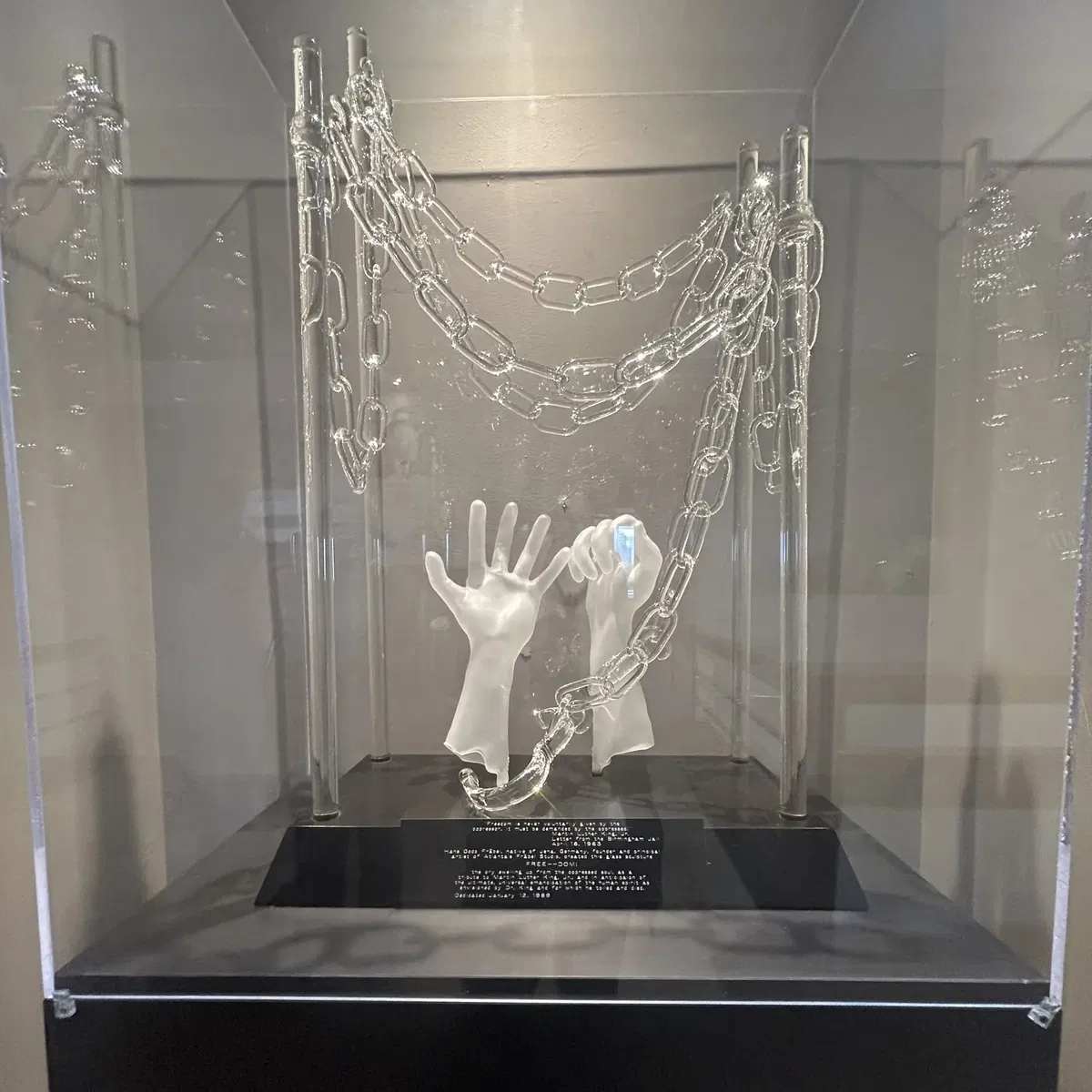
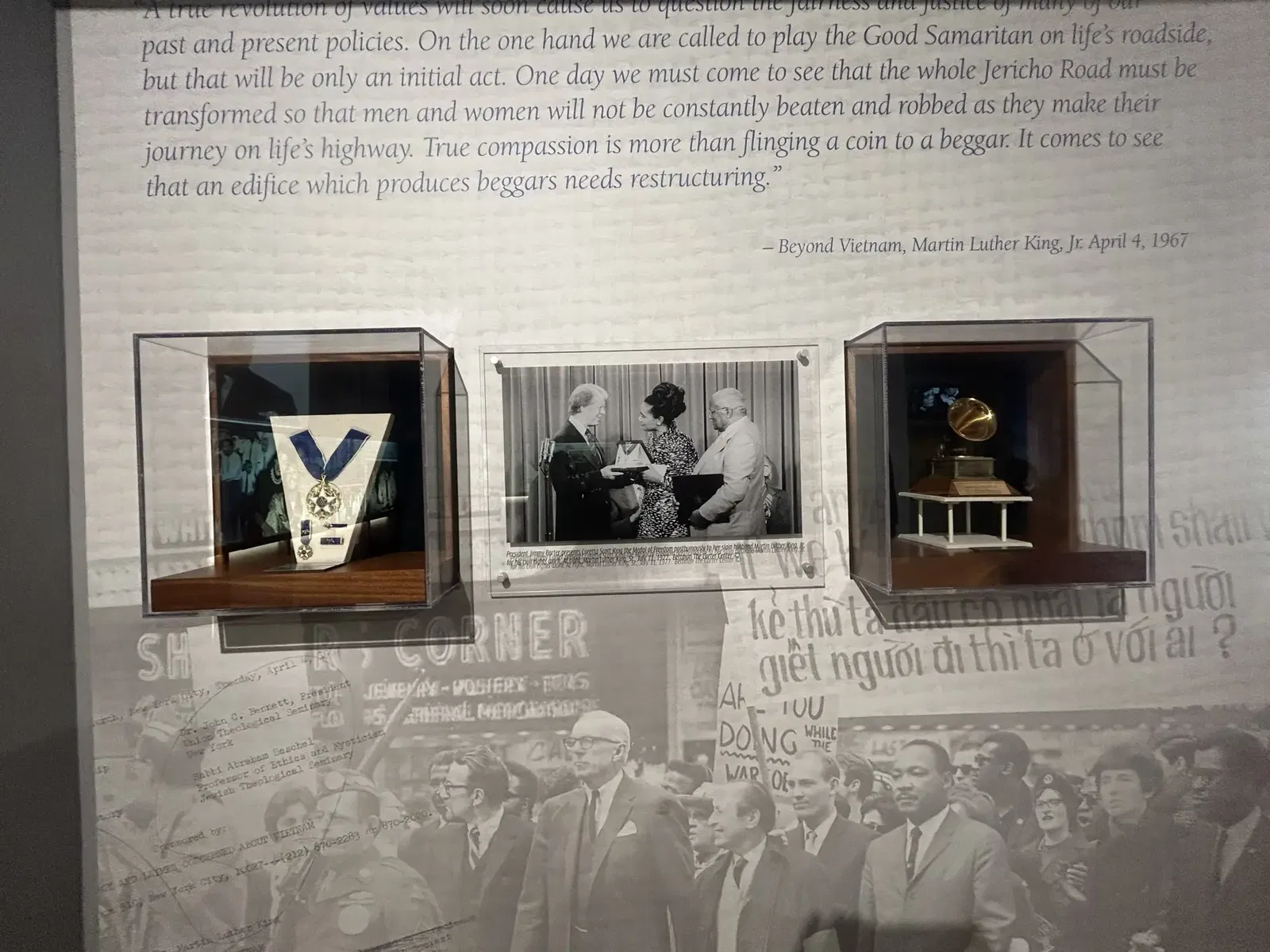
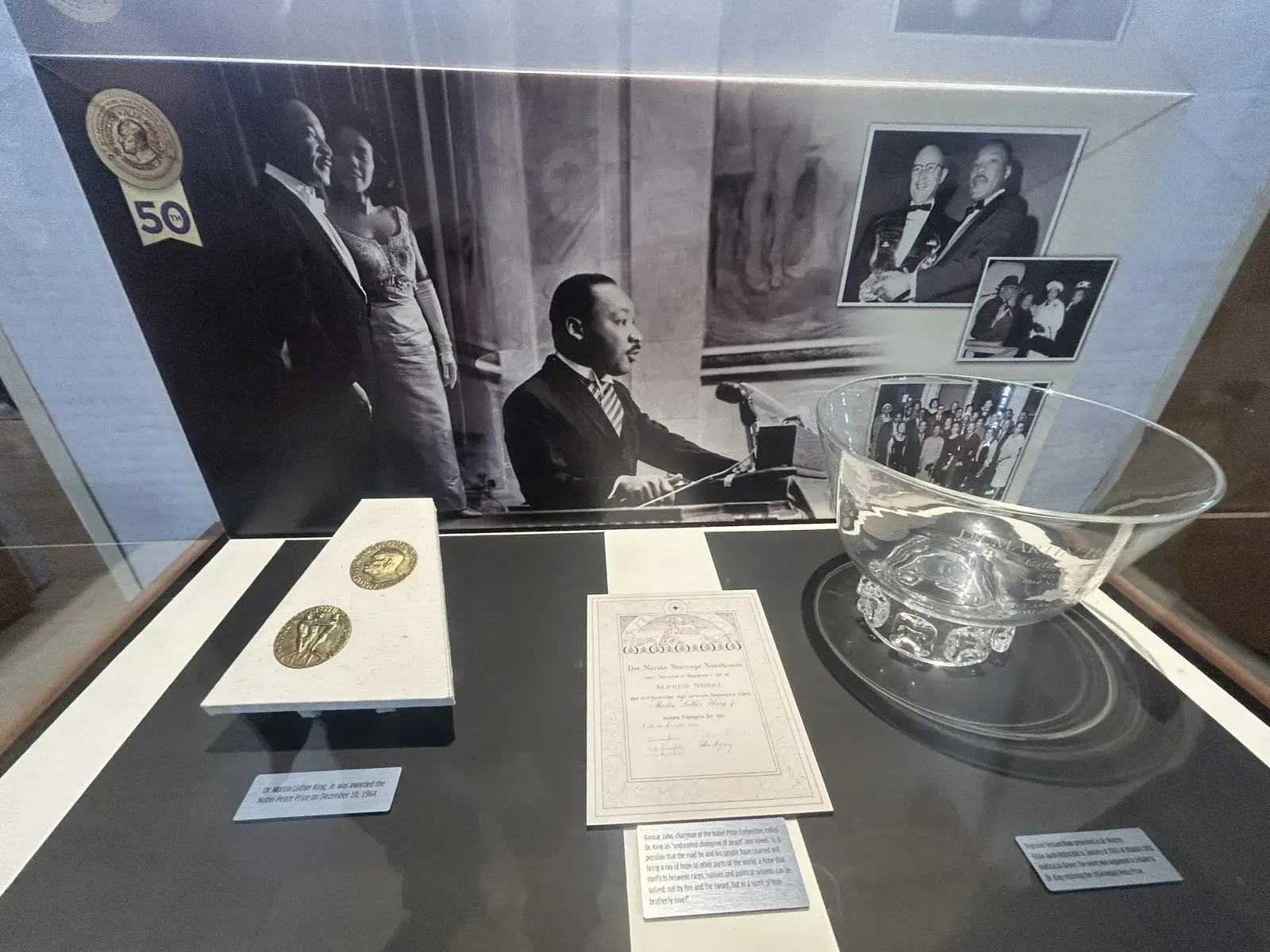
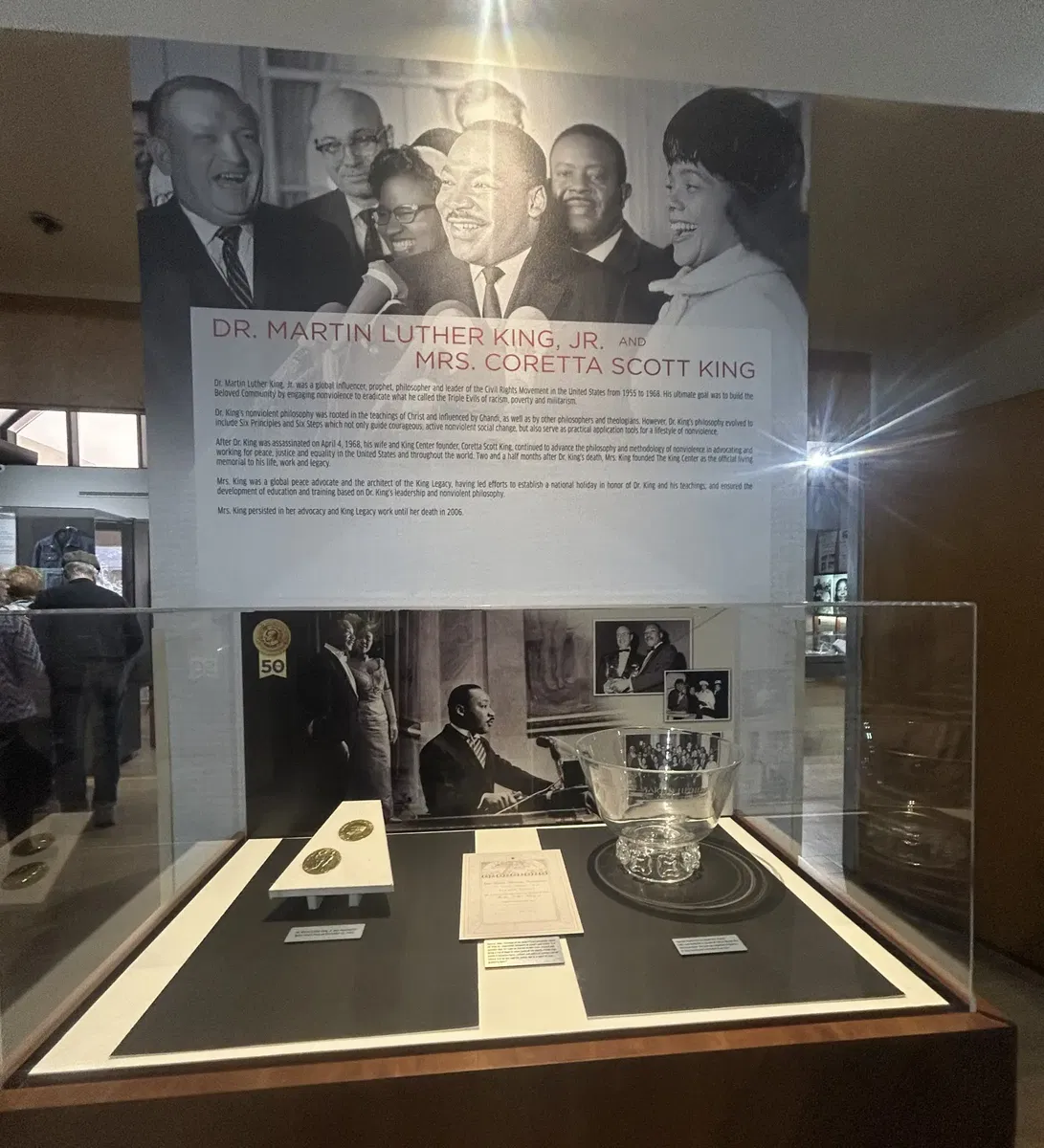
Inside Freedom Hall, the gallery is on the second floor, and the gift shop on the first floor. While there was no security checkpoint in this building, security guards were present. Their duties included of the no-photography policy in the museum - which they were quick to do - and keeping hobos out - which they were slow to do. One such hobo was pestering members of our group (one at a time) for money, claiming he needed it for his wife's alleged hospital expenses. He smelled like he hadn't showered for weeks. Despite the no-photography policy, I took some pictures in the gallery: Nobel Peace Prize award set (2 shots), Grammy award, and FREE-DOM glass sculpture. I liked that Gandhi is included in the exhibit, with an artwork of the Mahatma and Dr. King hanging on a wall in the foyer. (After all, Gandhi's non-violent movements predated Dr. King's ones by one generation.)
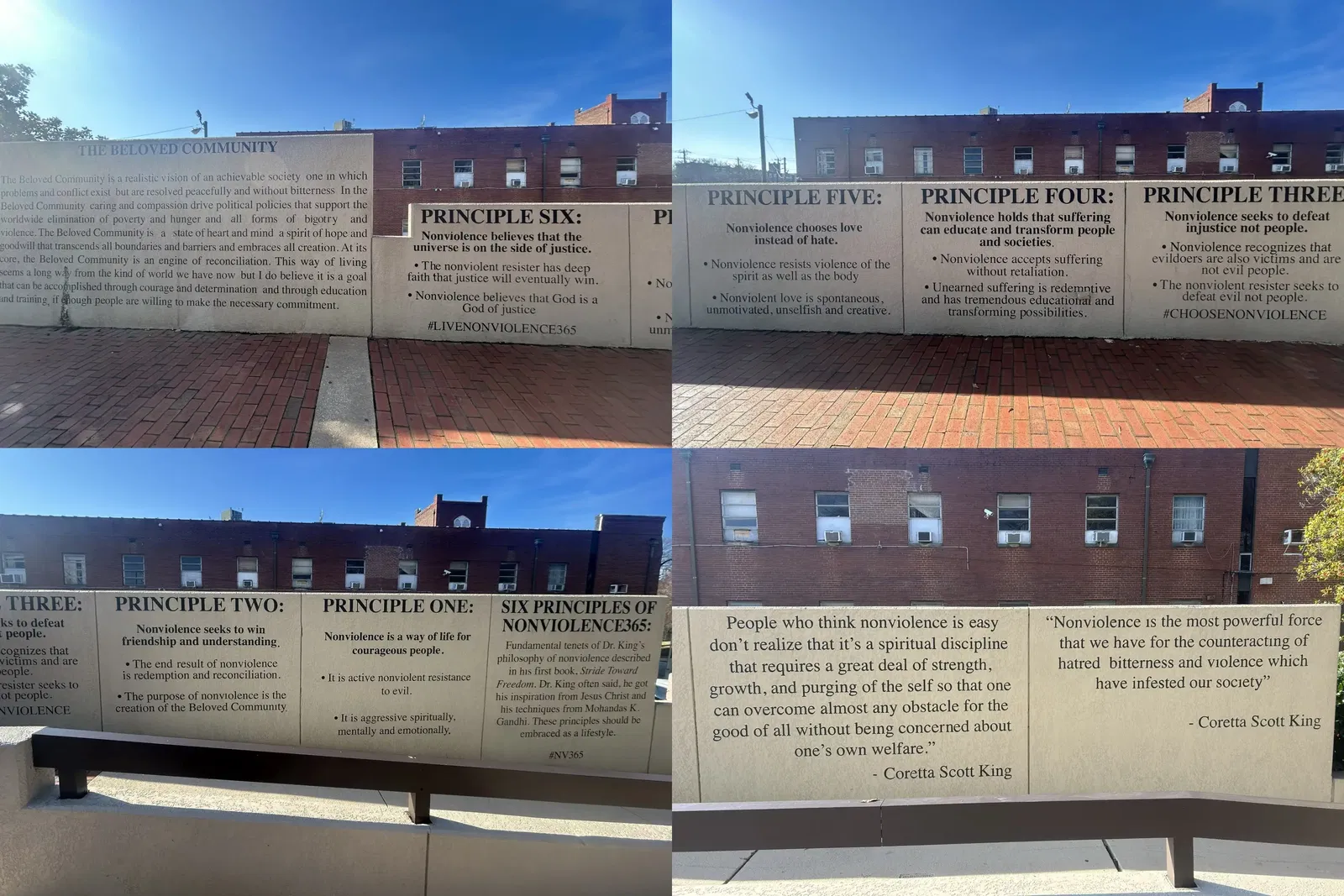
We didn't have time to appreciate the Peace and Meditation Garden, the King Center building itself, or take the shaded walkway behind the fountain. The latter had mural pictures of Dr. King. We then went to a visitor center located across the street in Fire Station No. 6 for more exhibits. In addition, we saw Dr. King's birth home on 501 Auburn Avenue, NE. It was also under renovation, so only the exterior was viewed from the public walkway. Our final stop was at Ebenezer Baptist Church. Thankfully, that wasn't under renovation.
The visitor center in Fire Station No. 6 was a temporary venue for the Martin Luther King, Jr. National Historical Park, which was closed for renovation. The only area of the Historical Park that was available to visitors was the Rose Garden. (Footage of this garden is in the video "Day 2, Day 3 & Day 4: Martin Luther King, Jr." on my YouTube channel, located in playlist "2026-1: The Civil Rights Movement - Atlanta, Montgomery, Selma, Birmingham".)
If you have up to a day to spare, the King Center is worth the visit when done together with the Martin Luther King, Jr. National Historical Park (when opened to visitors), his birth home (when opened to visitors), and Ebenezer Baptist Church. At least a 4-star experience.
Visitado el 5 ene 2026
Esta calificación se basa en la calificación de este museo en varias otras plataformas.
Descubre museos cerca de Centro Martin Luther King Jr. para el Cambio Social No Violento en o alrededor de Atlanta.