Images of Archaeological Museum of Pithecusae
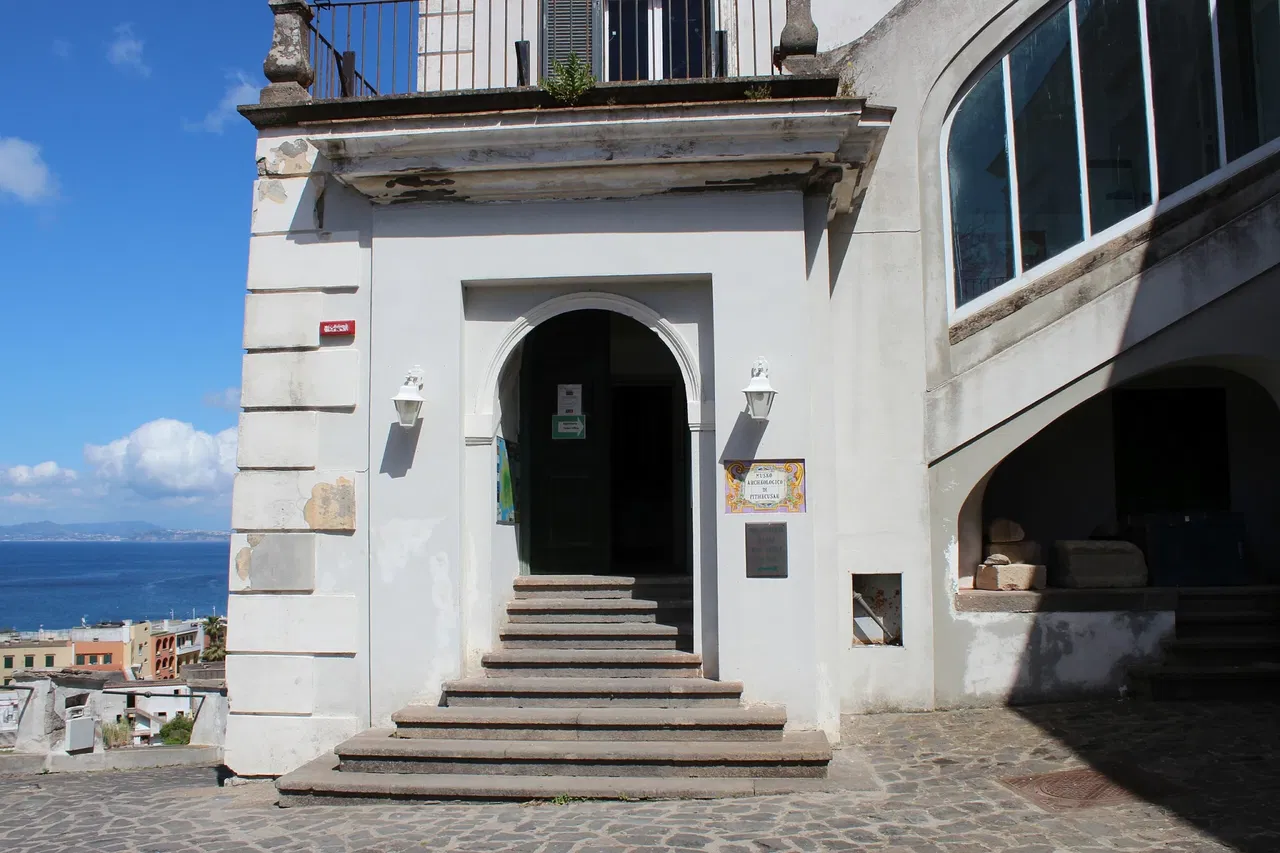
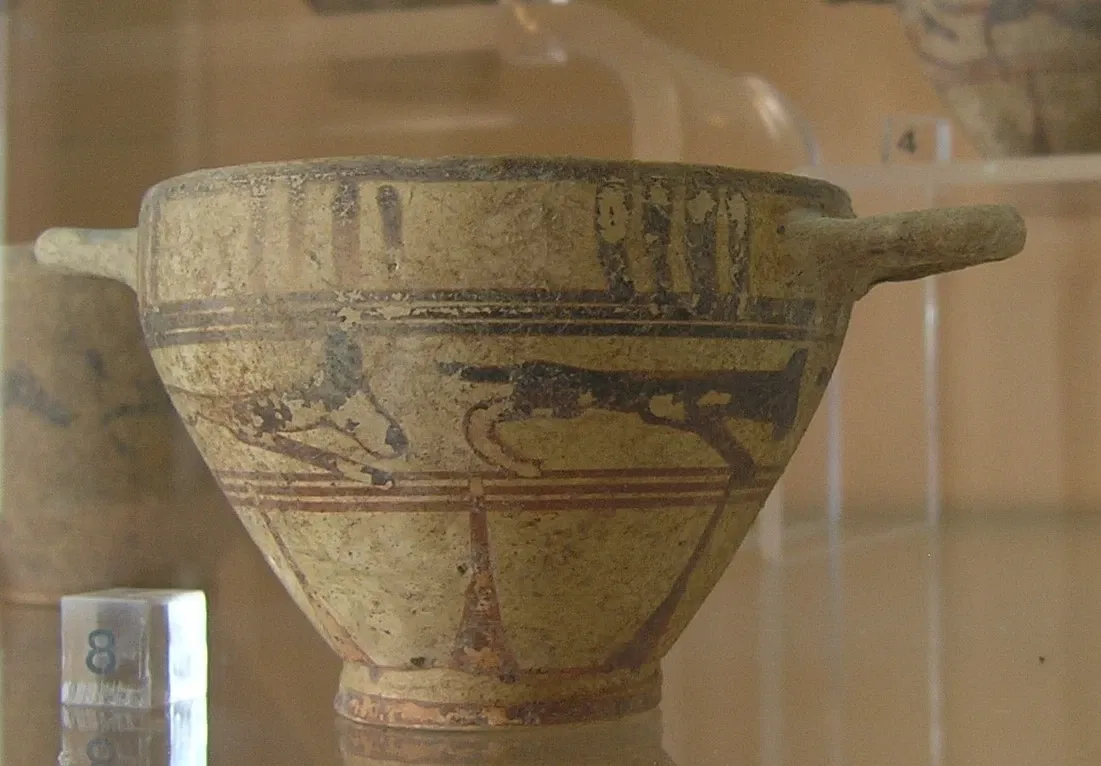
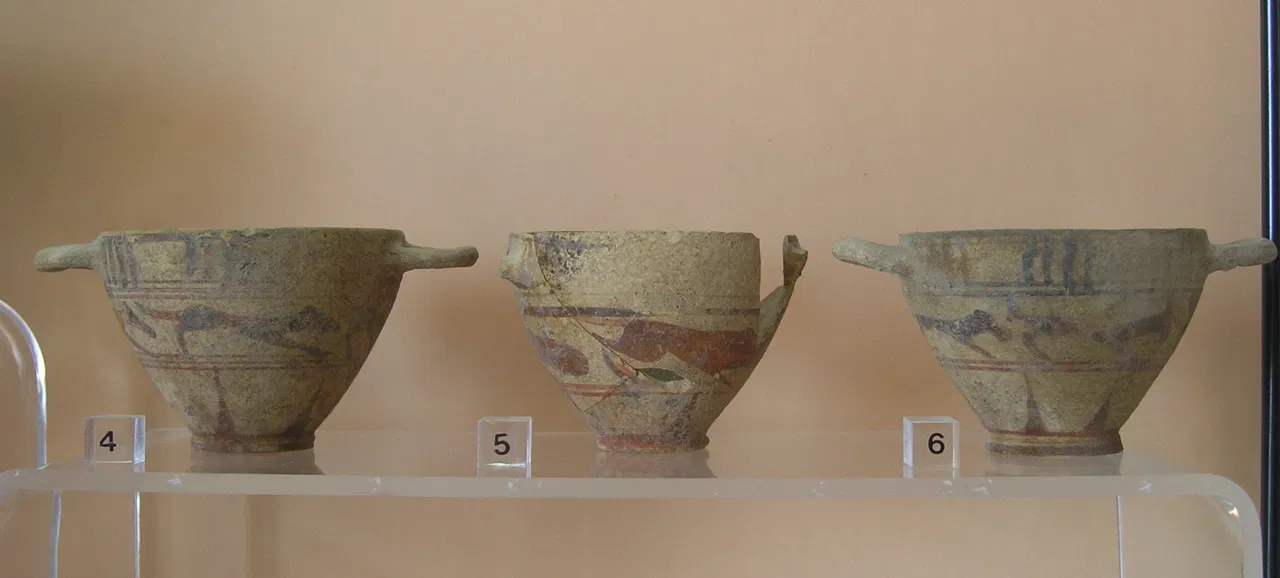
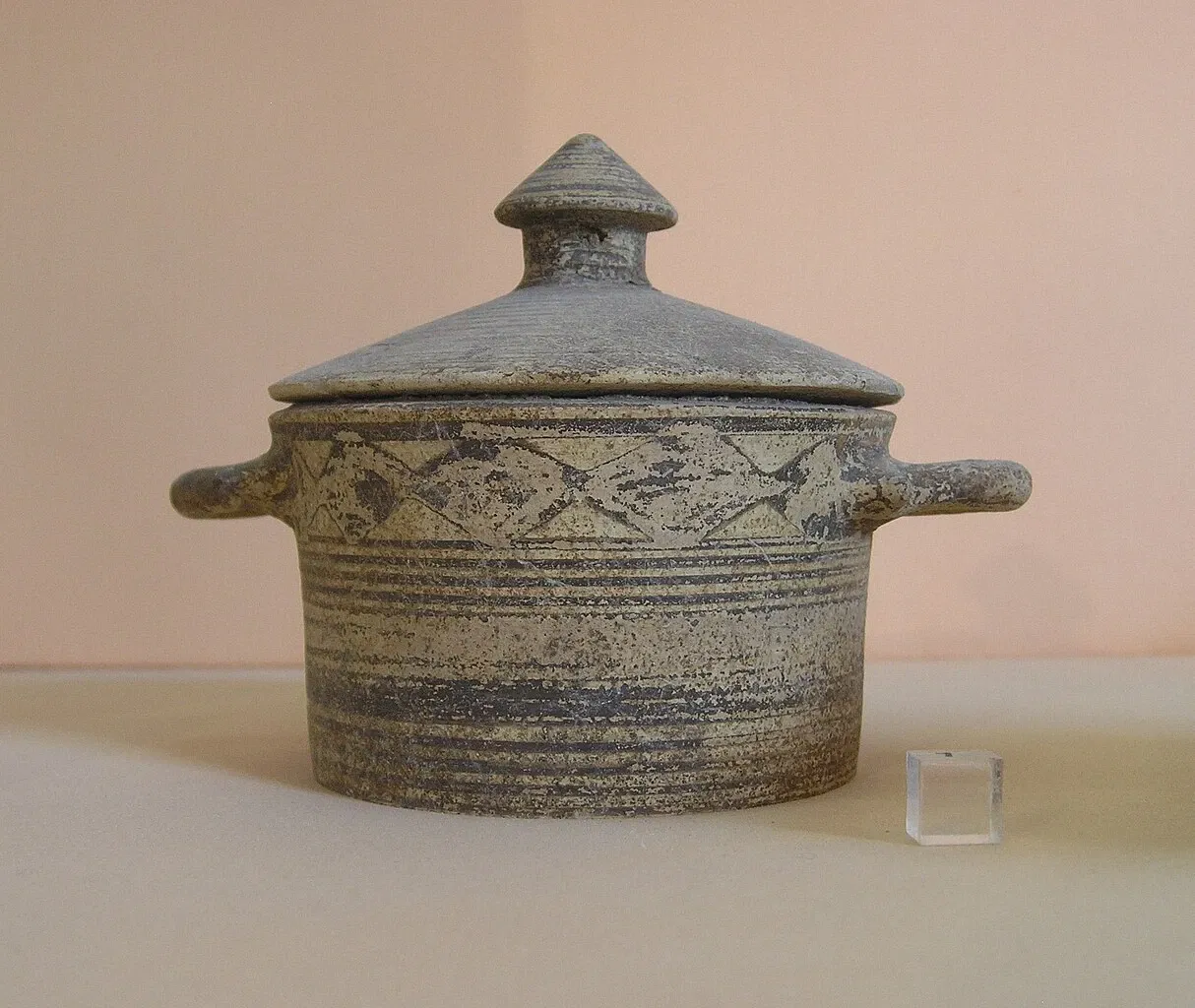
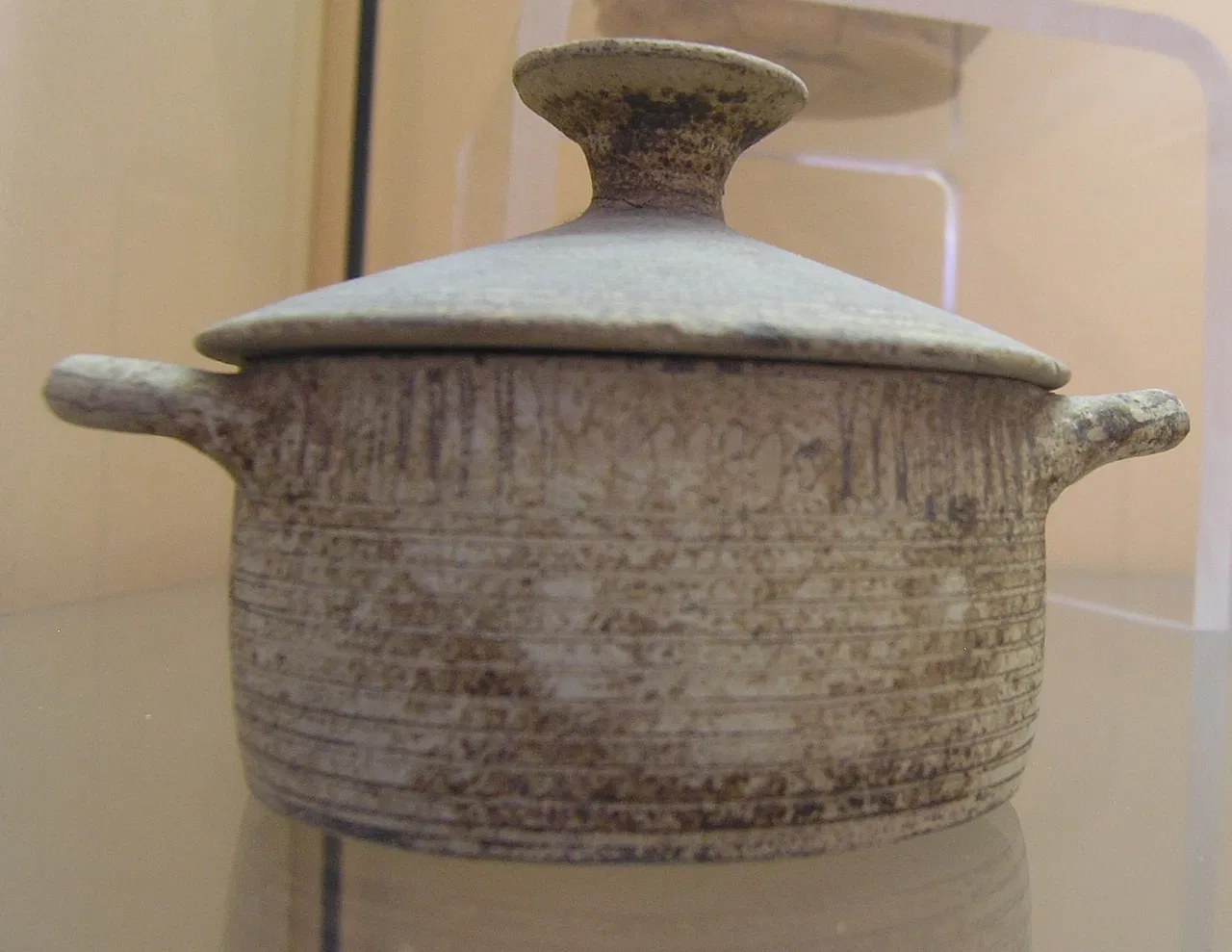
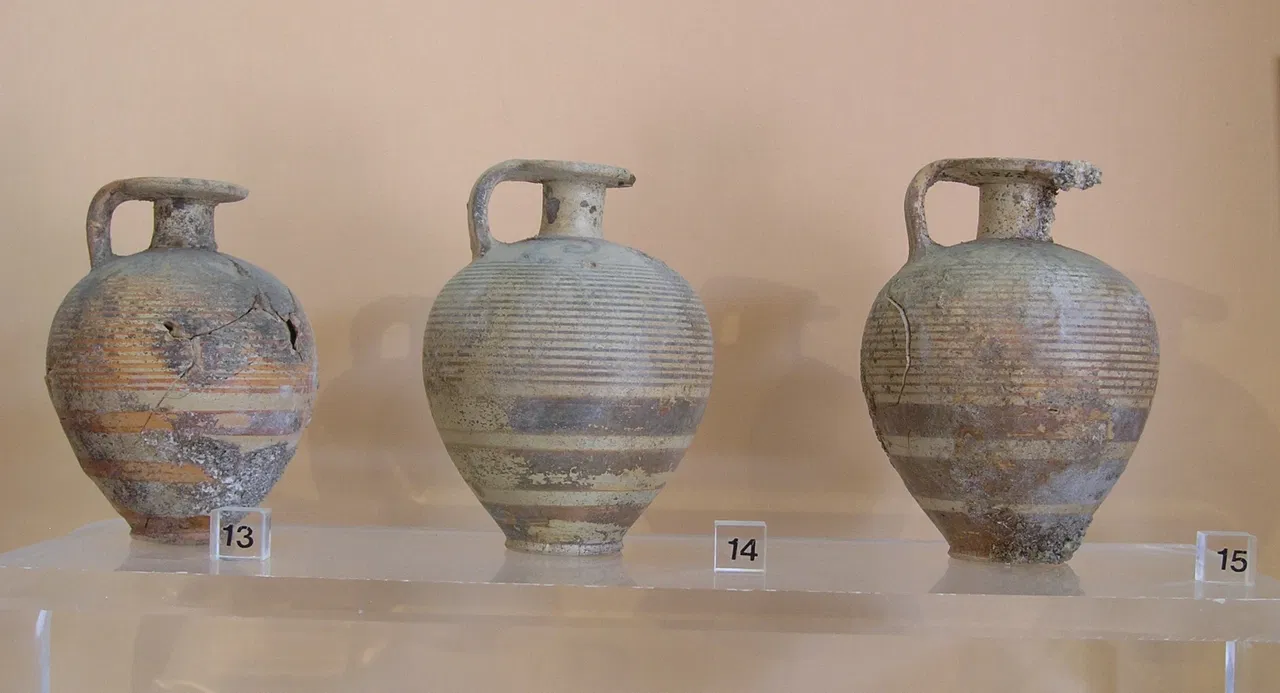
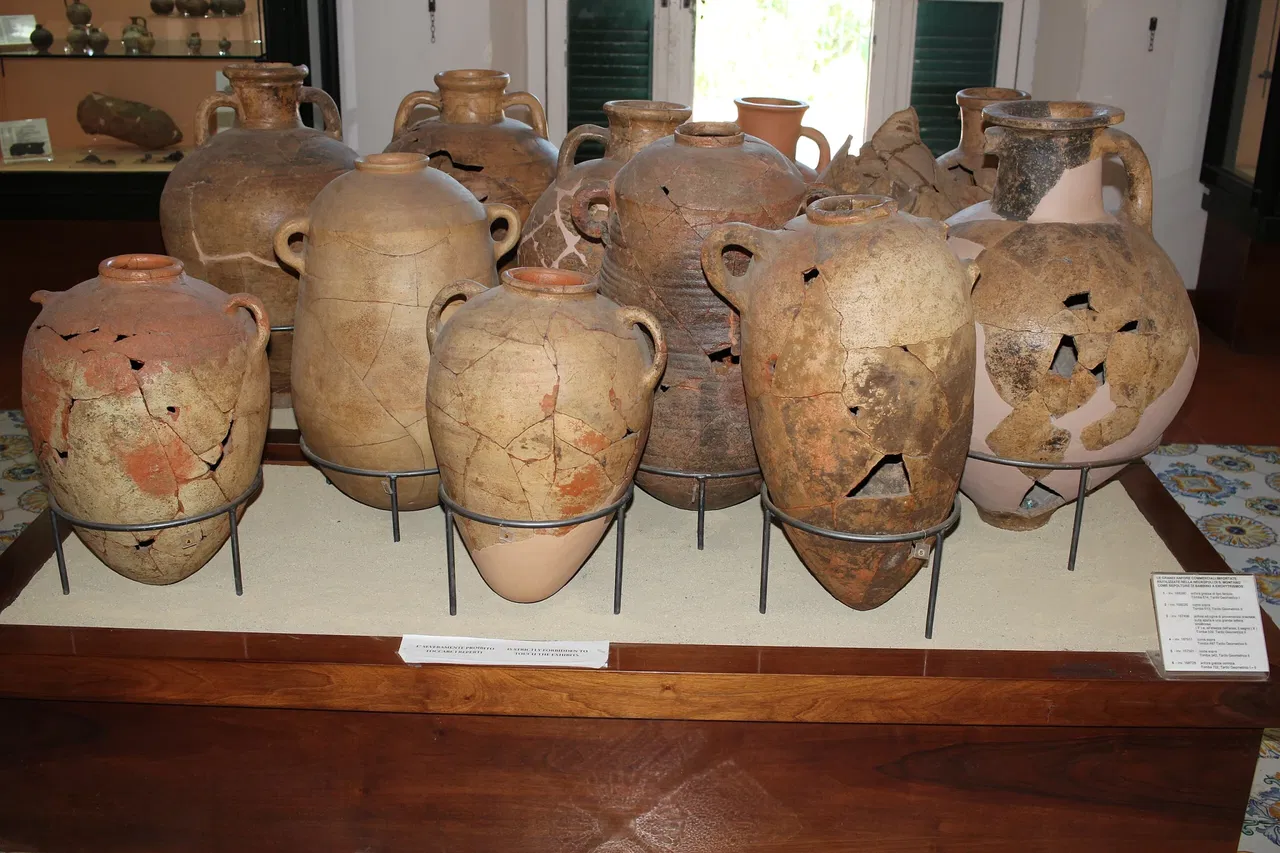

The Archaeological Museum of Pithecusae is situated in Lacco Ameno, on the island of Ischia, within the metropolitan city of Naples. The museum is housed in the main building of the Villa Arbusto complex, offering visitors a unique blend of history and architecture.
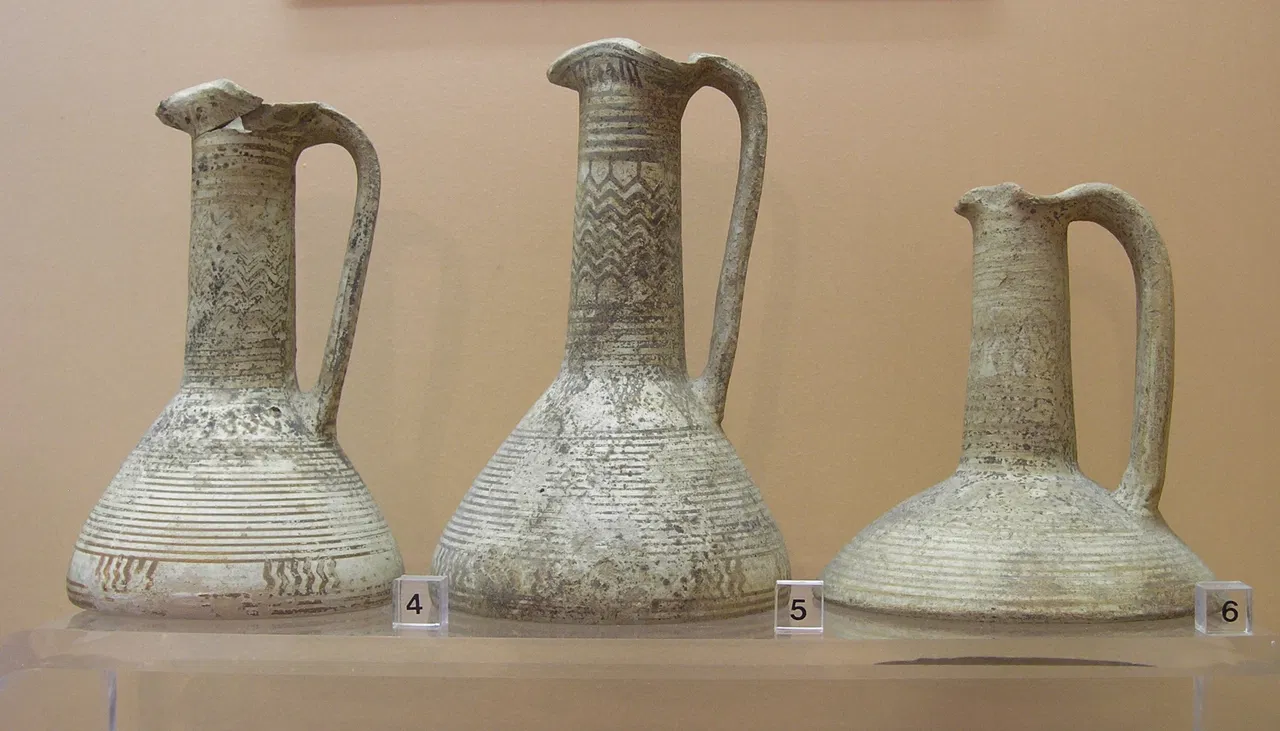
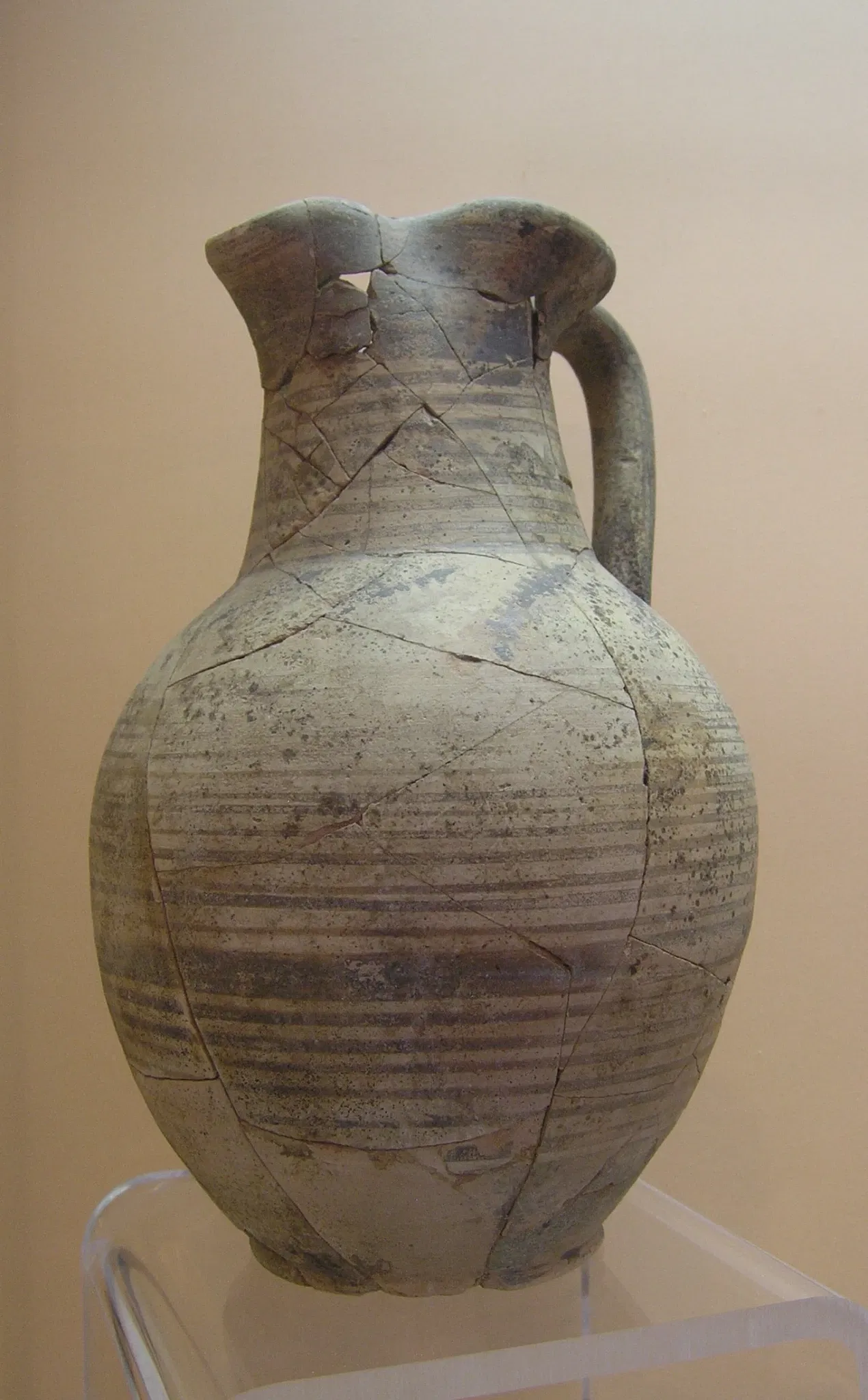
The museum showcases the history of the island, spanning from prehistoric times to the Roman era, and is located on the first floor of the building. The primary exhibits of the museum are the archaeological finds from Pithecusa, a Greek settlement established in the second quarter of the 8th century BC, excavated by Giorgio Buchner starting in 1952.
Close to the Archaeological Museum of Pithecusae, there is a small building that houses the Angelo Rizzoli Museum. This museum is dedicated to the life and work of the entrepreneur Angelo Rizzoli, who lived here periodically and made significant contributions to the area.
History & Anthropology
| Monday | 9:00 – 13:00 |
| Tuesday | 9:00 – 13:00 |
| Wednesday | 9:00 – 13:00 |
| Thursday | 9:00 – 13:00 17:00 – 19:45 |
| Friday | 9:00 – 13:00 17:00 – 19:45 |
| Saturday | 9:00 – 13:00 17:00 – 19:45 |
| Sunday | 9:00 – 13:00 17:00 – 19:45 |
Closed on December 25
Corso Angelo Rizzoli Via Circonvallazione, 210, Lacco Ameno
No exhibitions in Archaeological Museum of Pithecusae have been found.
Archaeological Museum of Pithecusae has 1 rating.
The Archaeological Museum of Pithecusae in Lacco Ameno, Italy, offers visitors a comprehensive look into the ancient history of Ischia island. Located in the Villa Arbusto, the museum houses an impressive collection of artifacts from the 8th century BC to the Roman period.
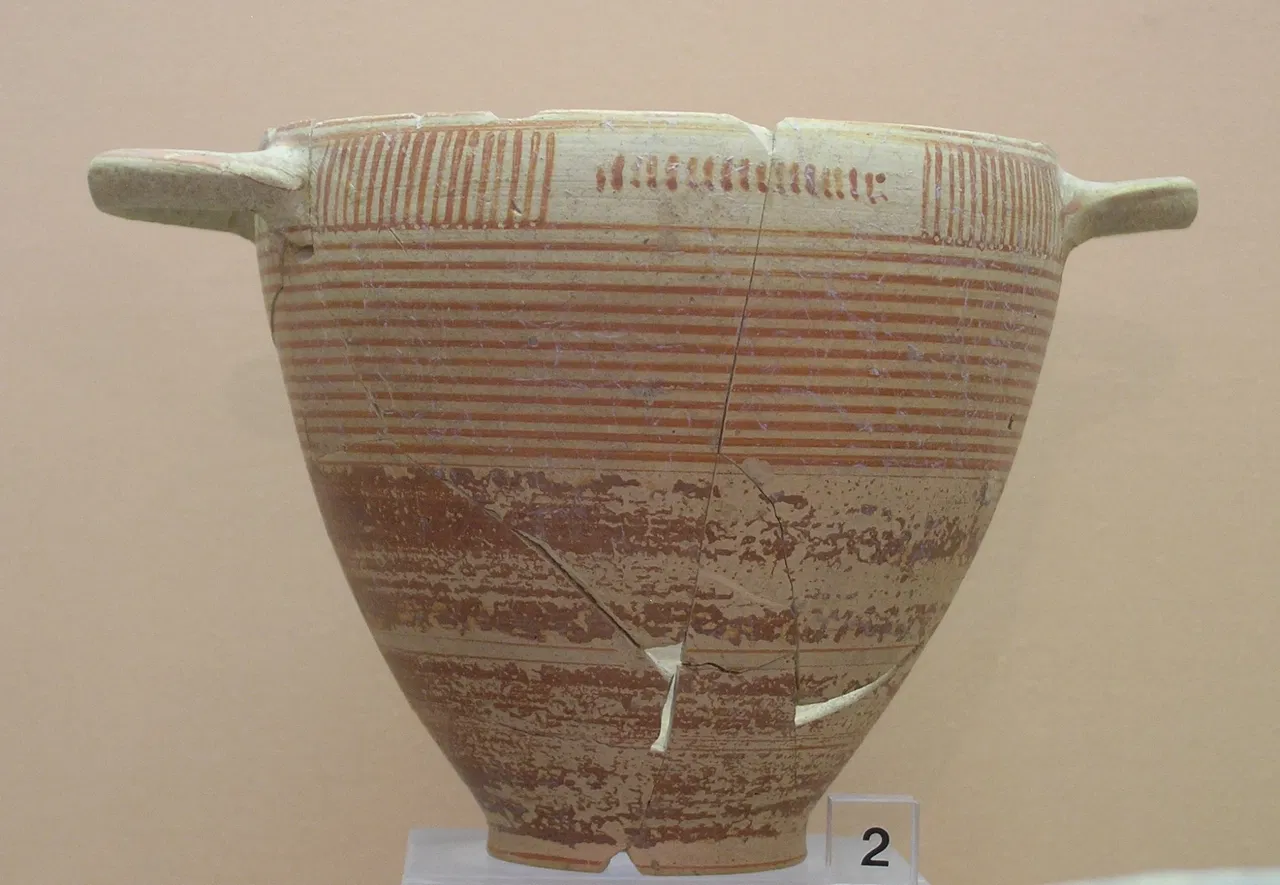
The museum's main attraction is the famous Nestor's Cup, a ceramic vessel with one of the oldest known examples of Greek writing. This artifact alone draws many history enthusiasts and scholars. The exhibition also includes well-preserved grave goods, pottery, and other items that provide insight into the daily life and trade relations of the ancient settlers.
Visitors appreciate the museum's logical layout and informative displays, which help in understanding the context of the artifacts. The staff is generally noted as helpful, though some reviewers mention that more extensive English translations would be beneficial for international tourists.
While the museum is not particularly large, it compensates with the quality and significance of its exhibits. Some visitors find the entry fee reasonable given the historical importance of the collection, but others feel it's slightly overpriced for the size of the museum.
The surrounding gardens of Villa Arbusto add to the overall experience, offering a pleasant area to relax after viewing the exhibits. However, a few reviewers note that the facility could benefit from some modernization and improved accessibility features.
Overall, the Archaeological Museum of Pithecusae provides a valuable educational experience for those interested in ancient Mediterranean history, particularly the Greek colonization period. It's a significant site for understanding the early interactions between Greek settlers and indigenous populations in Italy.
This rating is based on the rating of this museum on several other platforms.
Discover museums near Archaeological Museum of Pithecusae in or around Lacco Ameno.