Images of Hasedera Museum
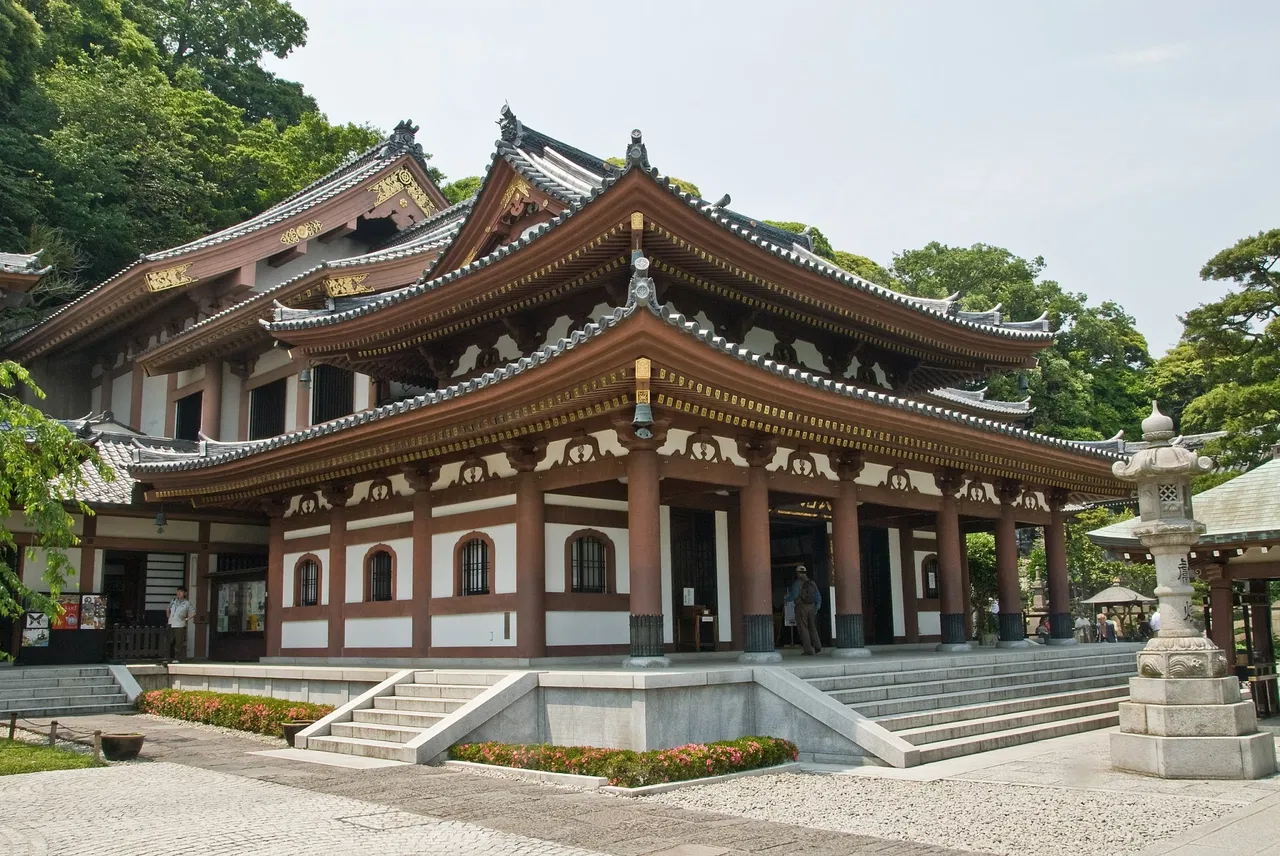

Hase-dera, often referred to as Hase-kannon, is a renowned Buddhist temple situated in the city of Kamakura, in the Kanagawa Prefecture of Japan. This temple is a significant religious site and is well-known for its rich history and cultural significance. It offers a unique opportunity for visitors to immerse themselves in Japanese history and Buddhist traditions.
One of the main attractions of Hase-dera is the massive wooden statue of Jūichimen Kannon, an eleven-headed manifestation of the Bodhisattva Kannon. This statue, one of the largest wooden statues in Japan, stands at a height of 9.18 metres and is made from camphor wood with gold gilding. Each of the eleven heads represents a different phase in the search for enlightenment, adding a layer of spiritual significance to this impressive work of art.
Hase-dera is conveniently located just a five-minute walk from Hase Station, which is the third station from Kamakura along the Enoden railway line. This makes the temple easily accessible for tourists and visitors, adding to its appeal as a popular destination in the region.
3 Chome-11-2 Hase, Kanagawa, Kamakura
No exhibitions in Hasedera Museum have been found.
Hasedera Museum has 1 rating.
The Hasedera Museum in Kamakura, Japan, offers visitors a rich experience of Buddhist art and history. Located within the grounds of the Hasedera Temple, this museum houses a collection of statues, paintings, and artifacts that showcase the temple's long history and cultural significance.
Many visitors appreciate the museum's well-curated exhibits, which provide insights into Japanese Buddhism and the temple's evolution over the centuries. The museum's highlight is often cited as the collection of eleven-headed Kannon statues, each with distinct features and historical importance.
The museum's layout is generally praised for being well-organized and informative, with explanations available in multiple languages. This helps international visitors better understand the cultural and religious context of the exhibits.
Some visitors note that the museum is relatively small, which can be seen as a positive for those who prefer a concise, focused experience, but may leave others wanting more. The admission fee is typically considered reasonable given the quality of the exhibits.
A few reviewers mention that photography is not allowed inside the museum, which can be disappointing for some visitors. However, this policy helps preserve the artifacts and maintain a respectful atmosphere.
Overall, the Hasedera Museum is well-regarded for its cultural significance, educational value, and the quality of its exhibits. It provides a deeper understanding of the Hasedera Temple complex and Japanese Buddhist art, making it a worthwhile stop for those interested in Japanese history and culture.
This rating is based on the rating of this museum on several other platforms.
Discover museums near Hasedera Museum in or around Kamakura.