Images of National Archaeological Museum Vito Capialbi
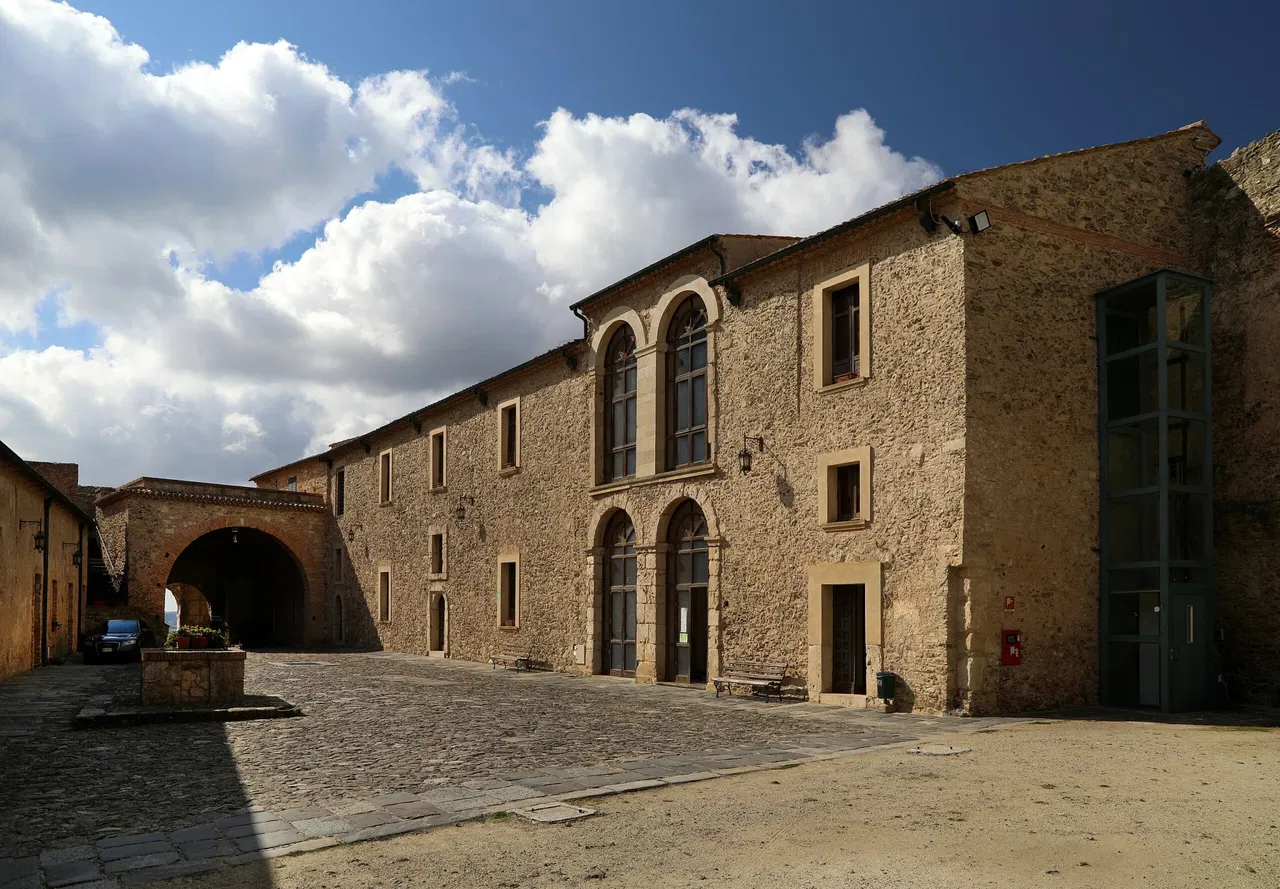
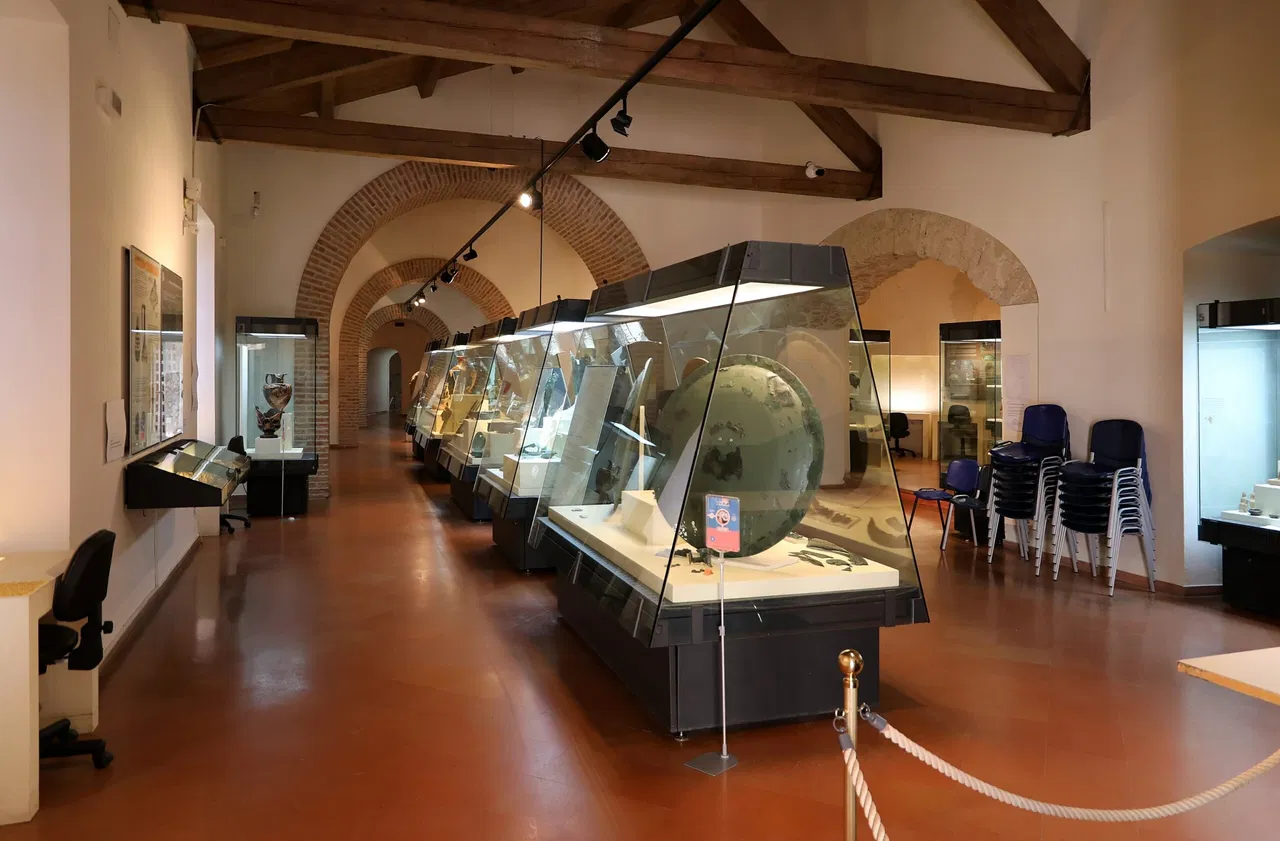
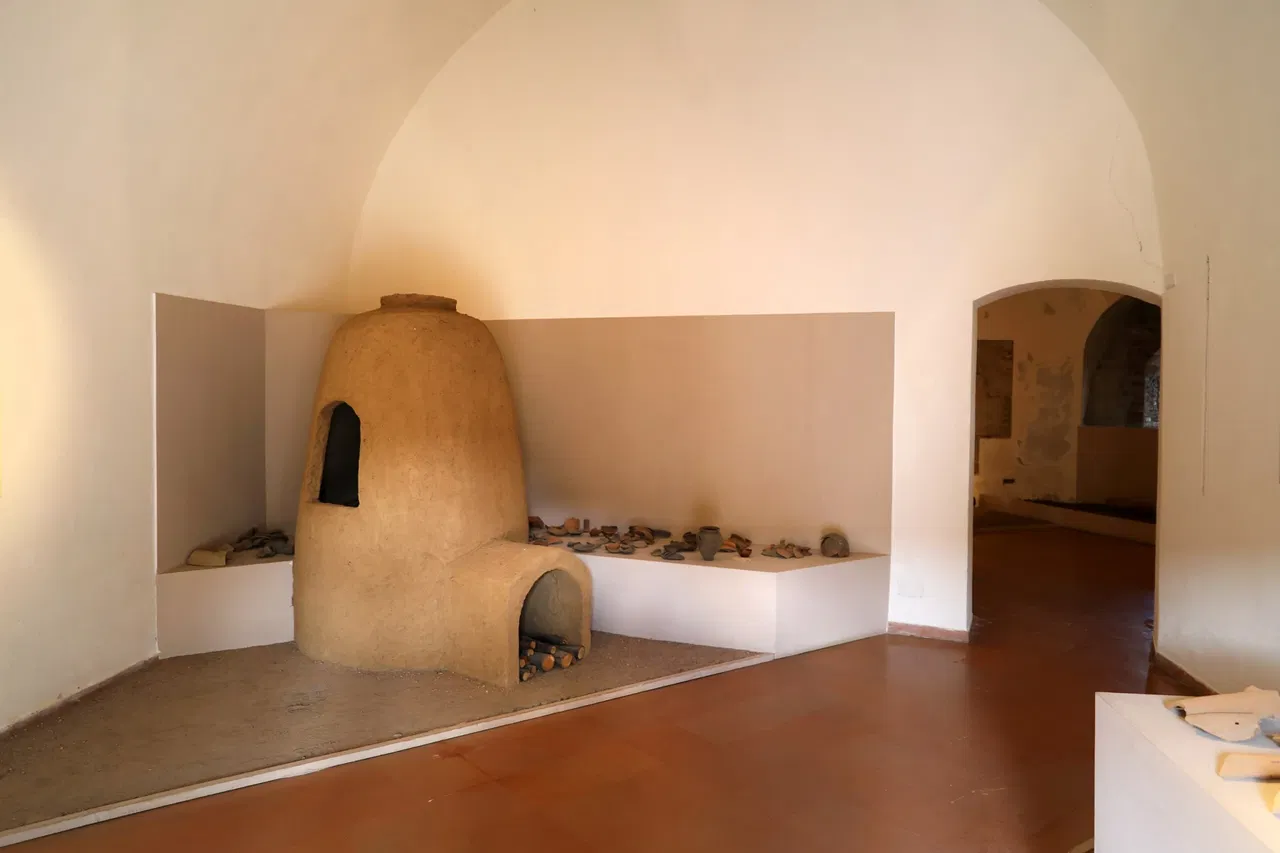
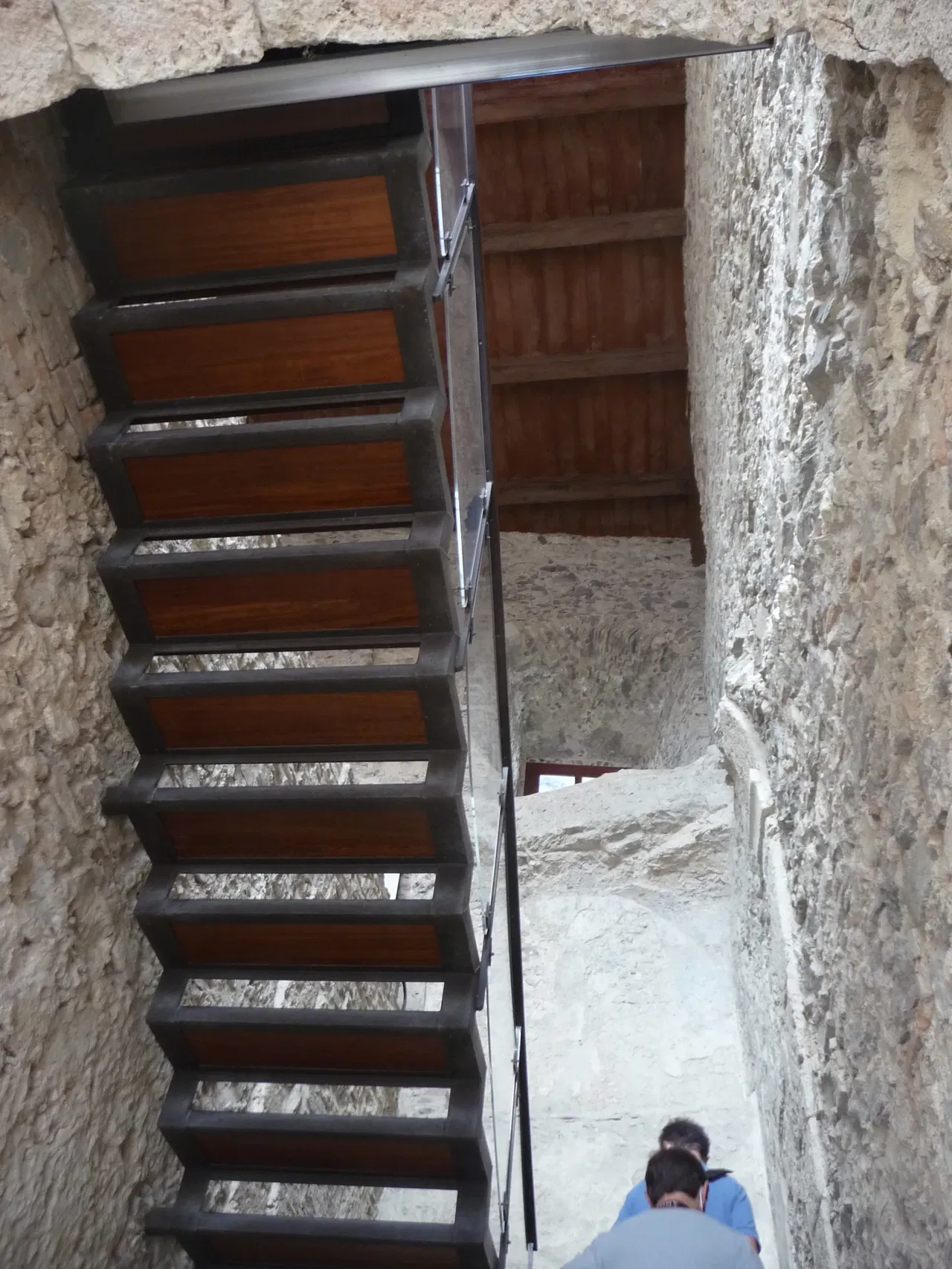
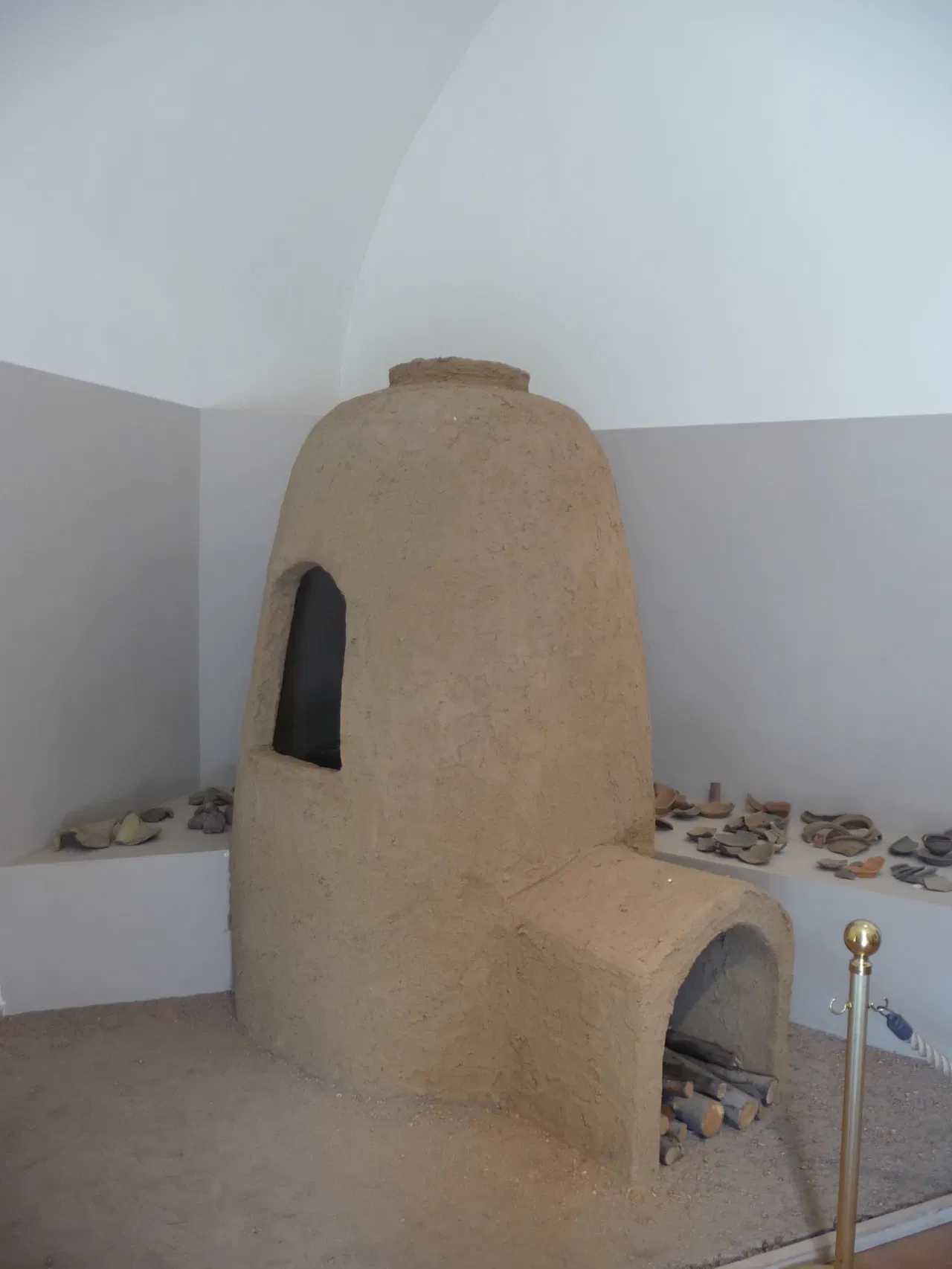
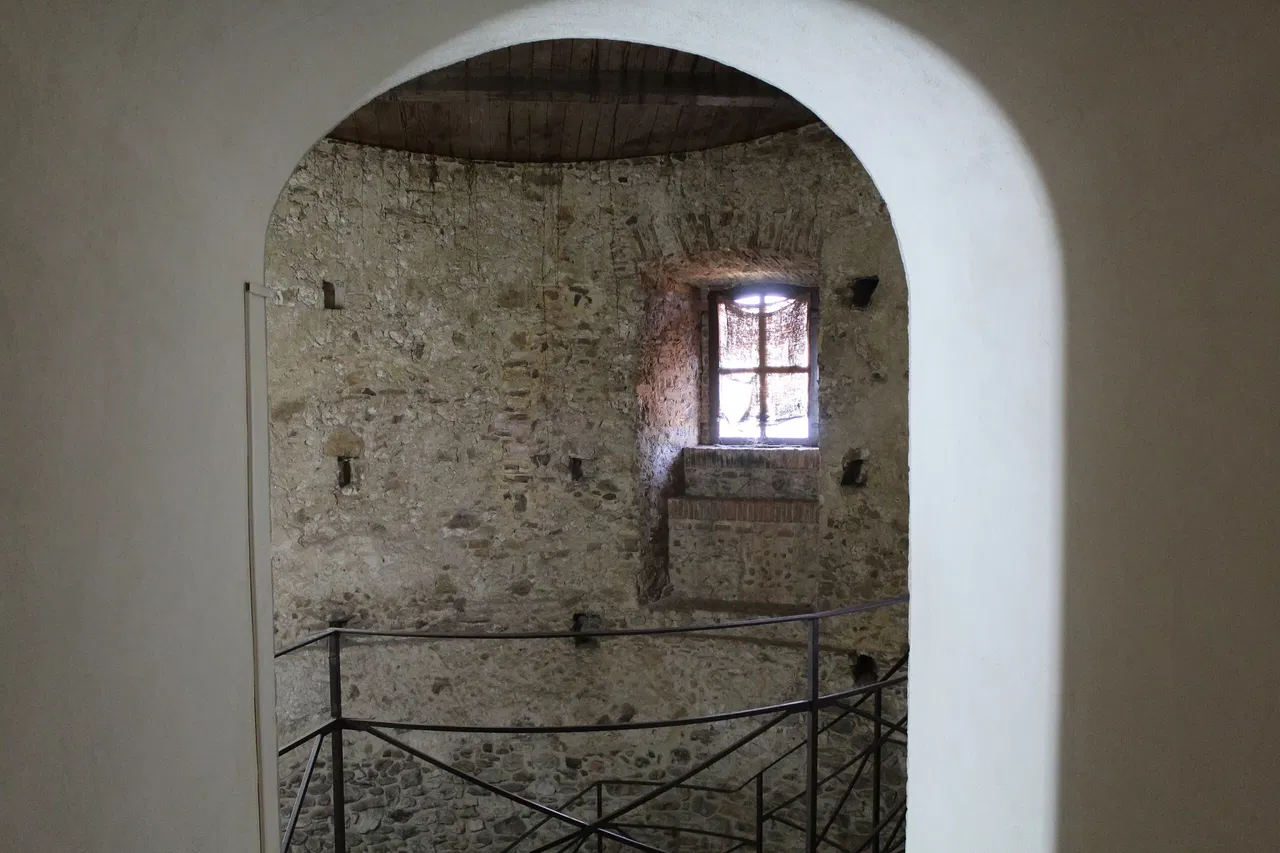
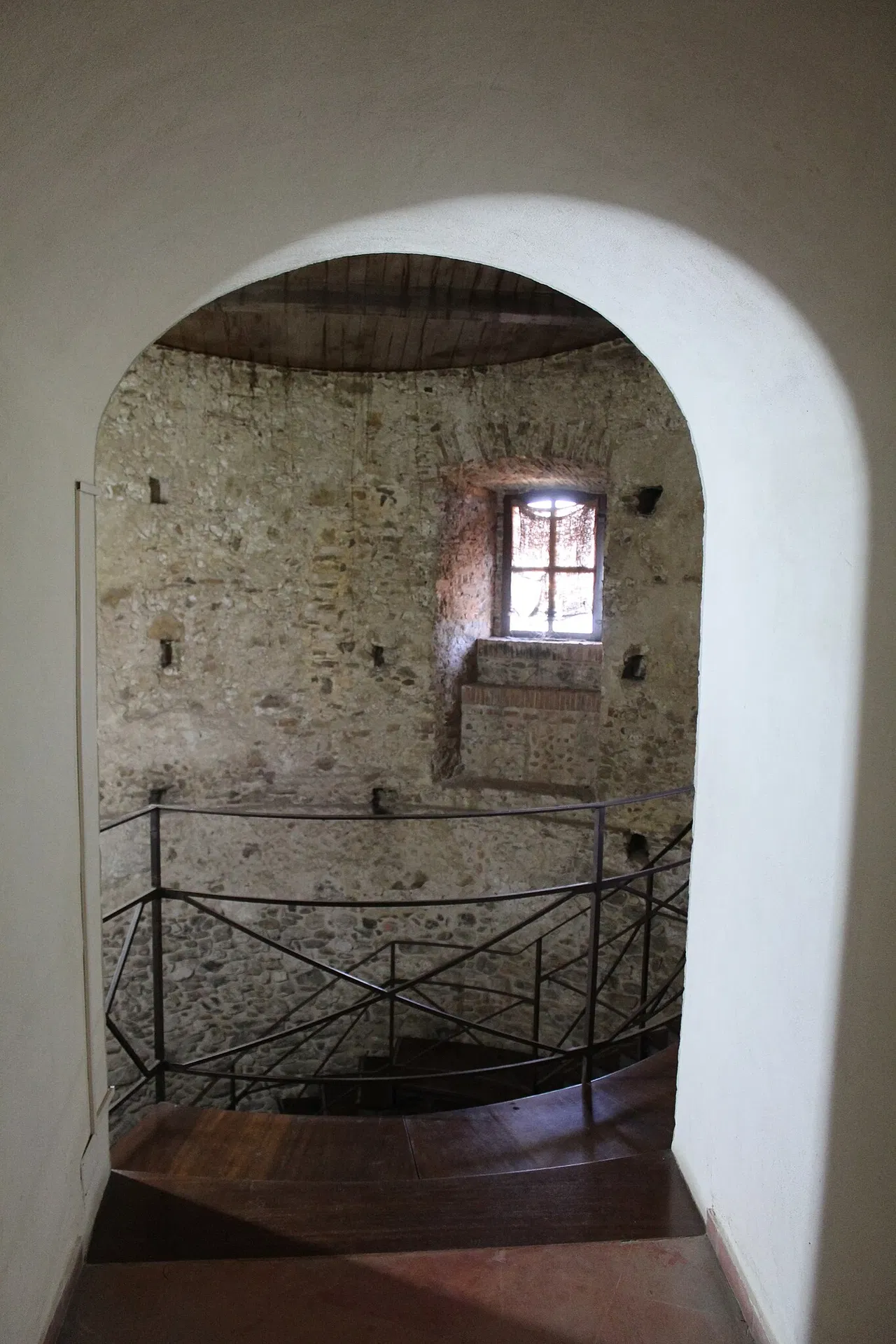
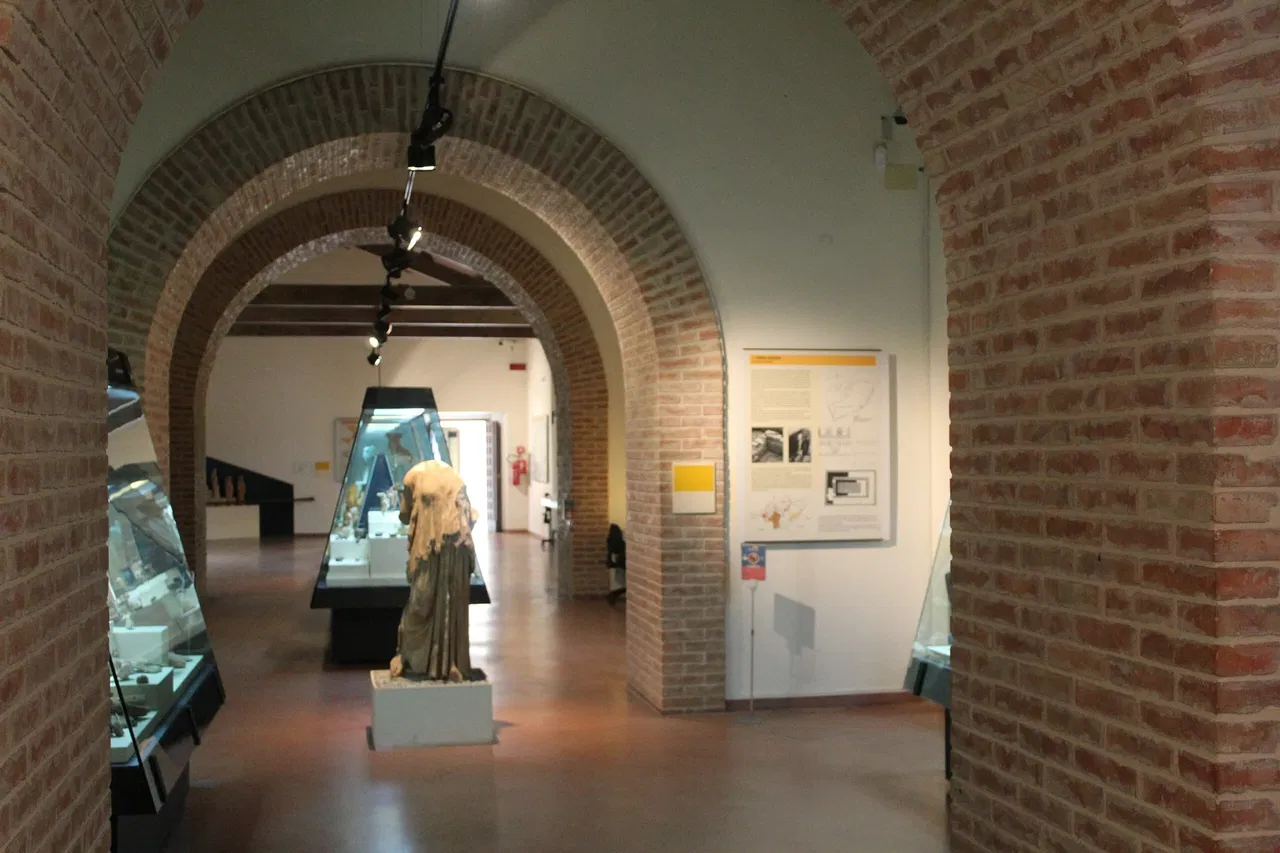
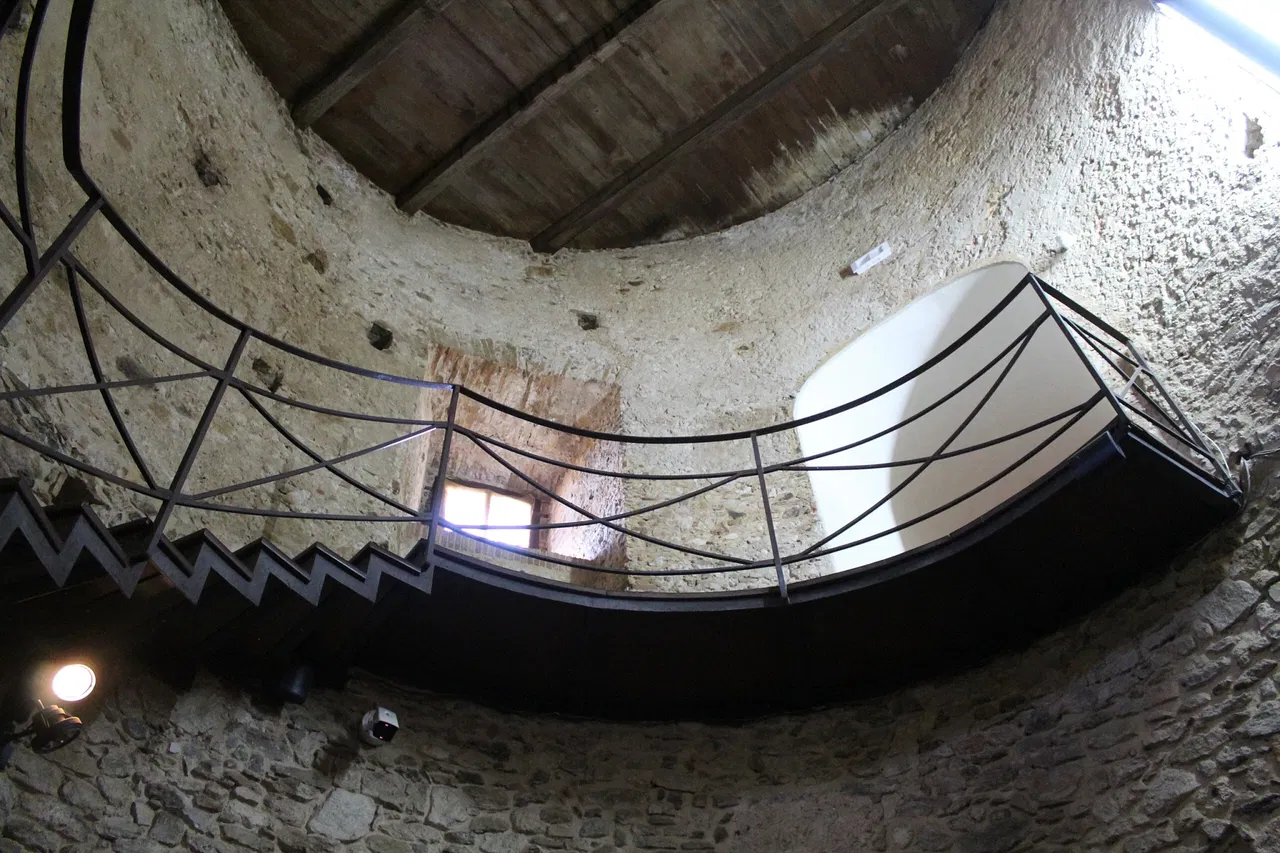
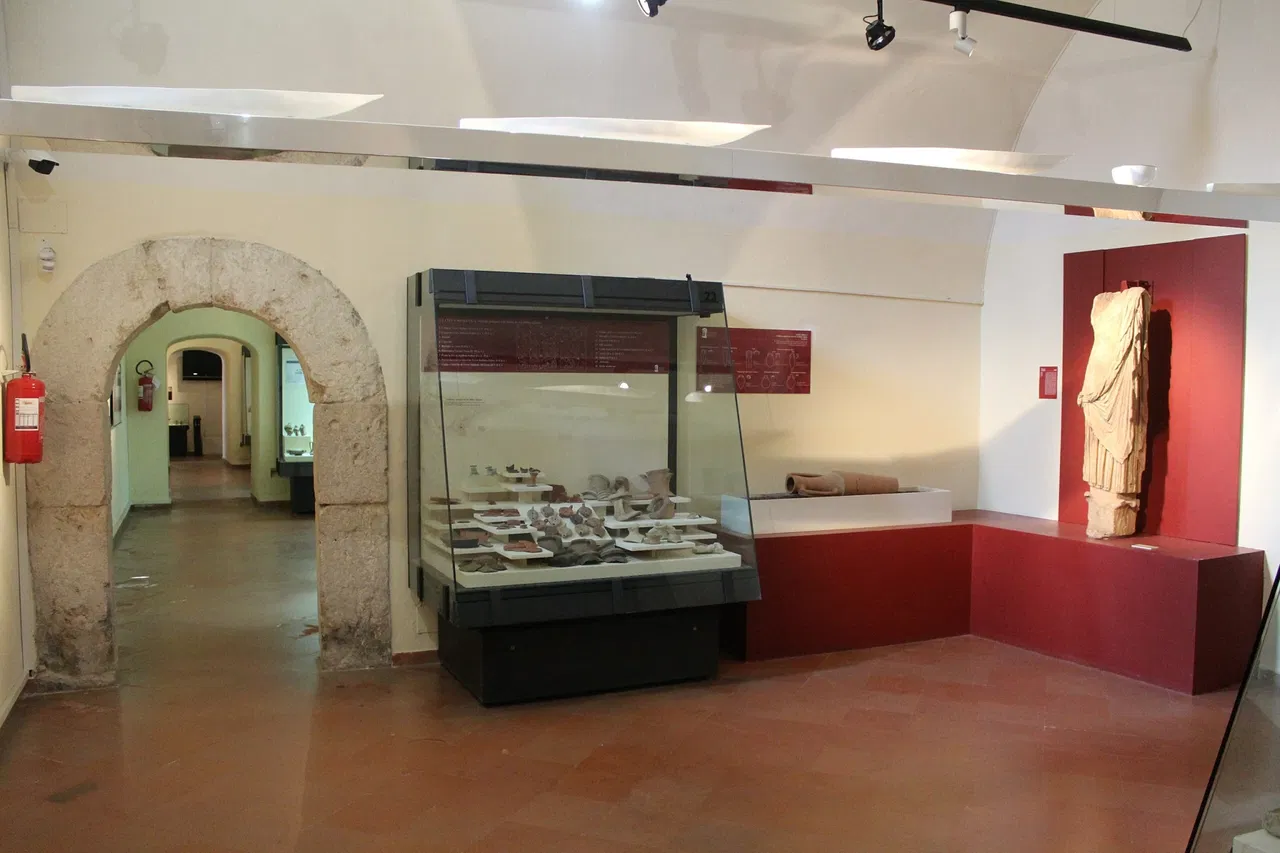
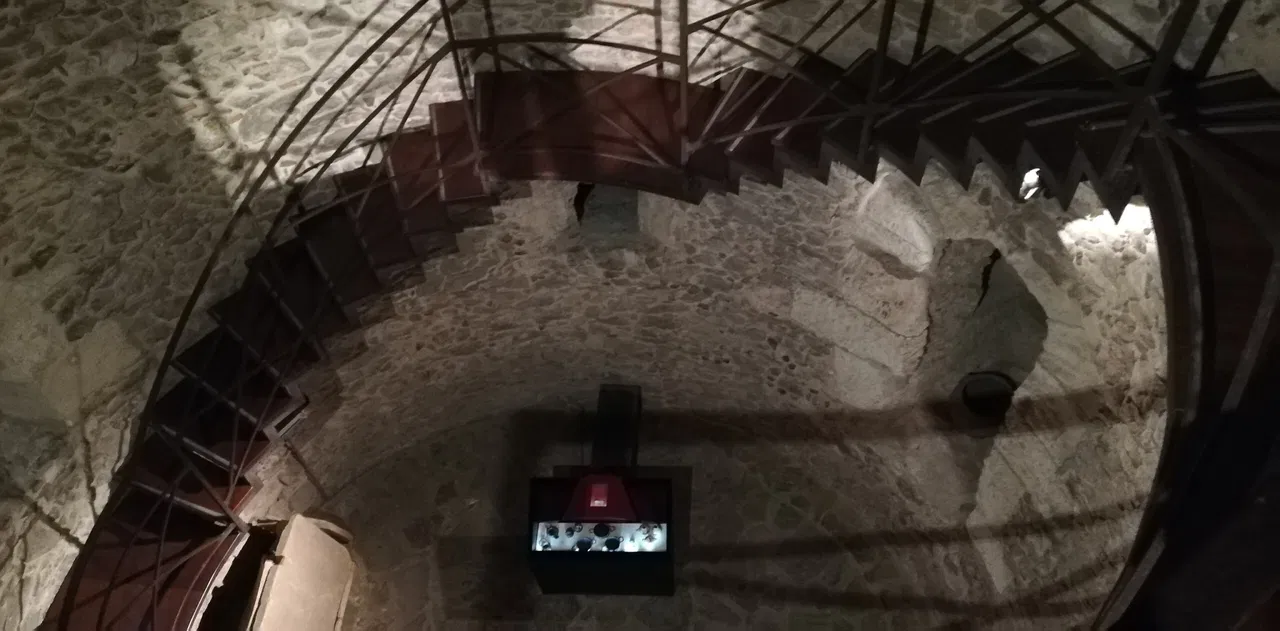
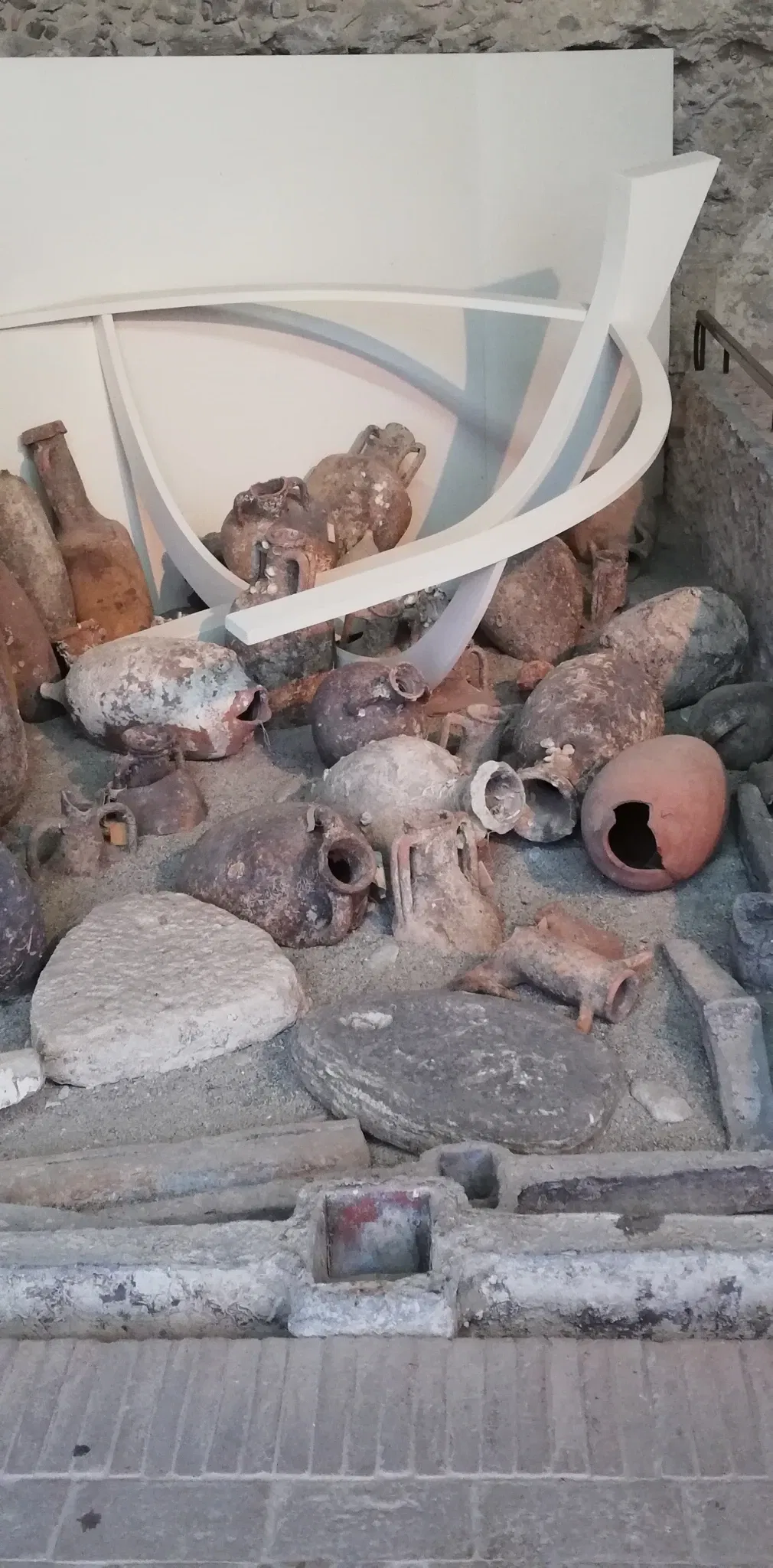
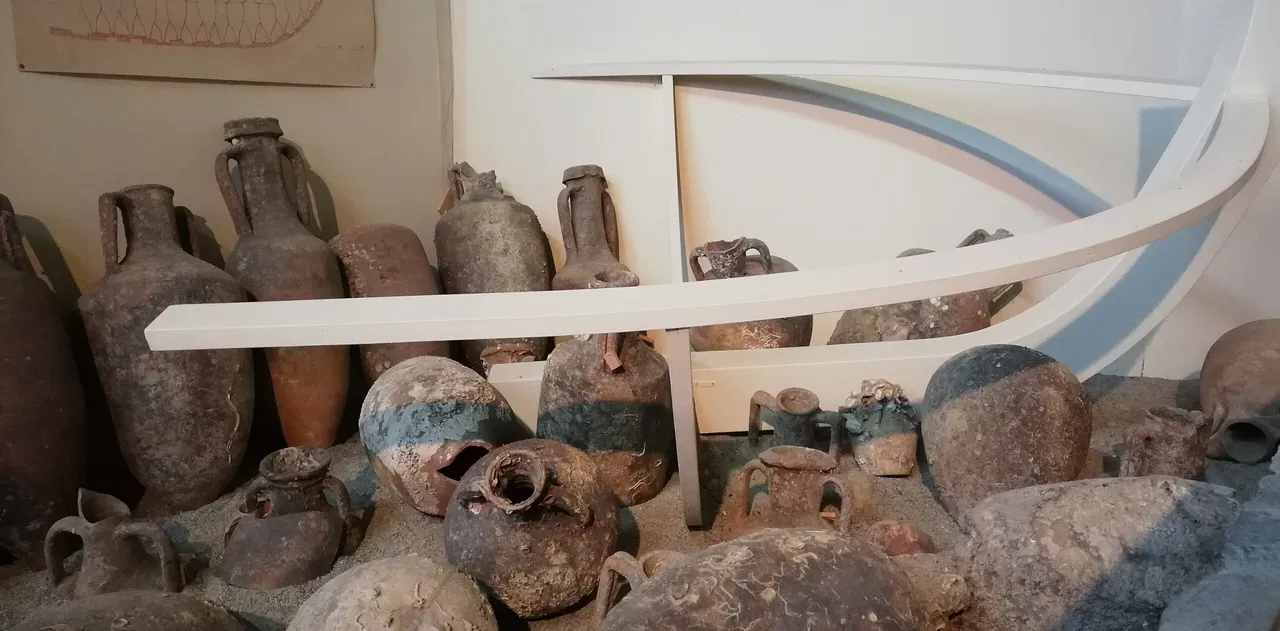
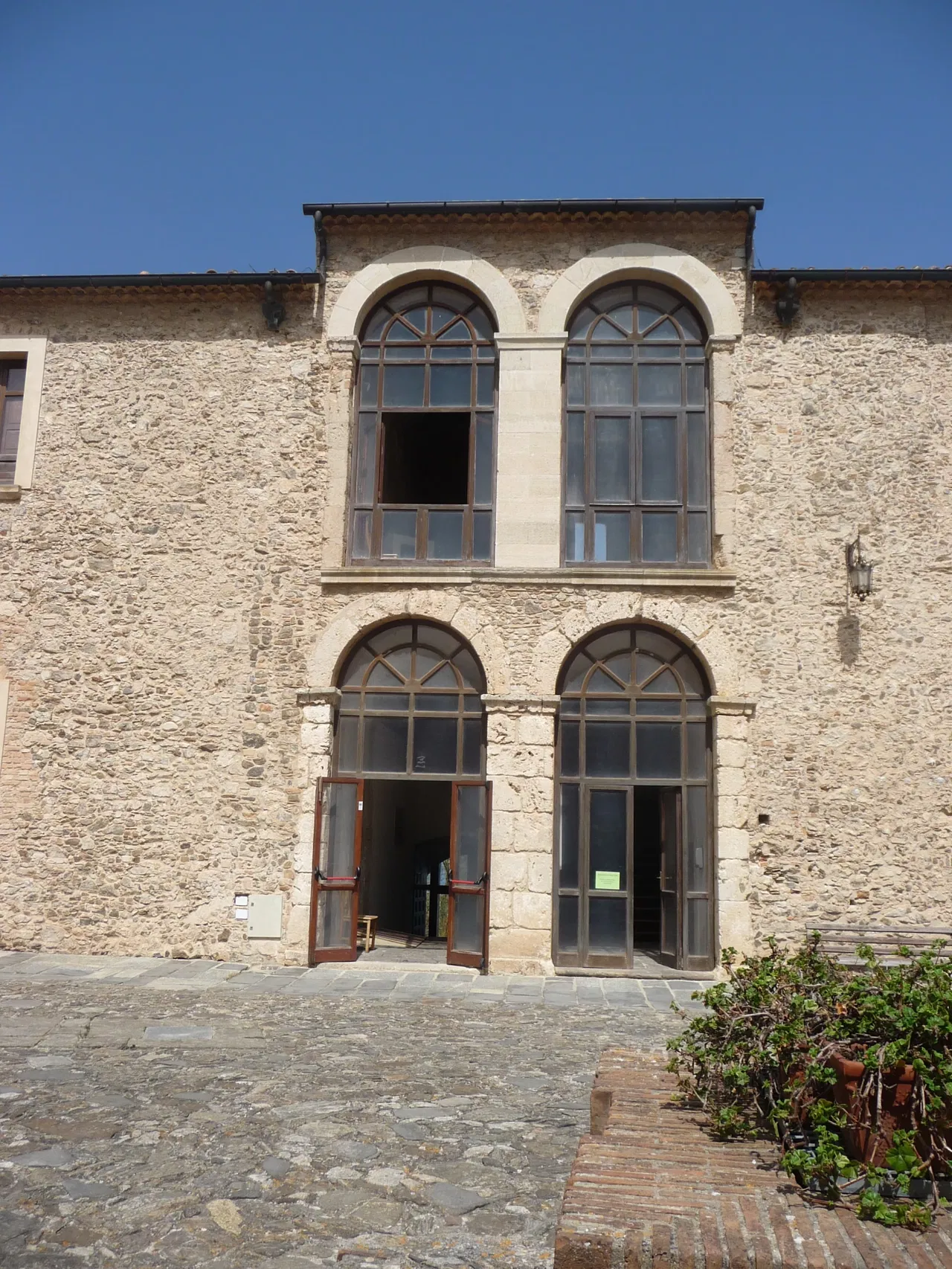
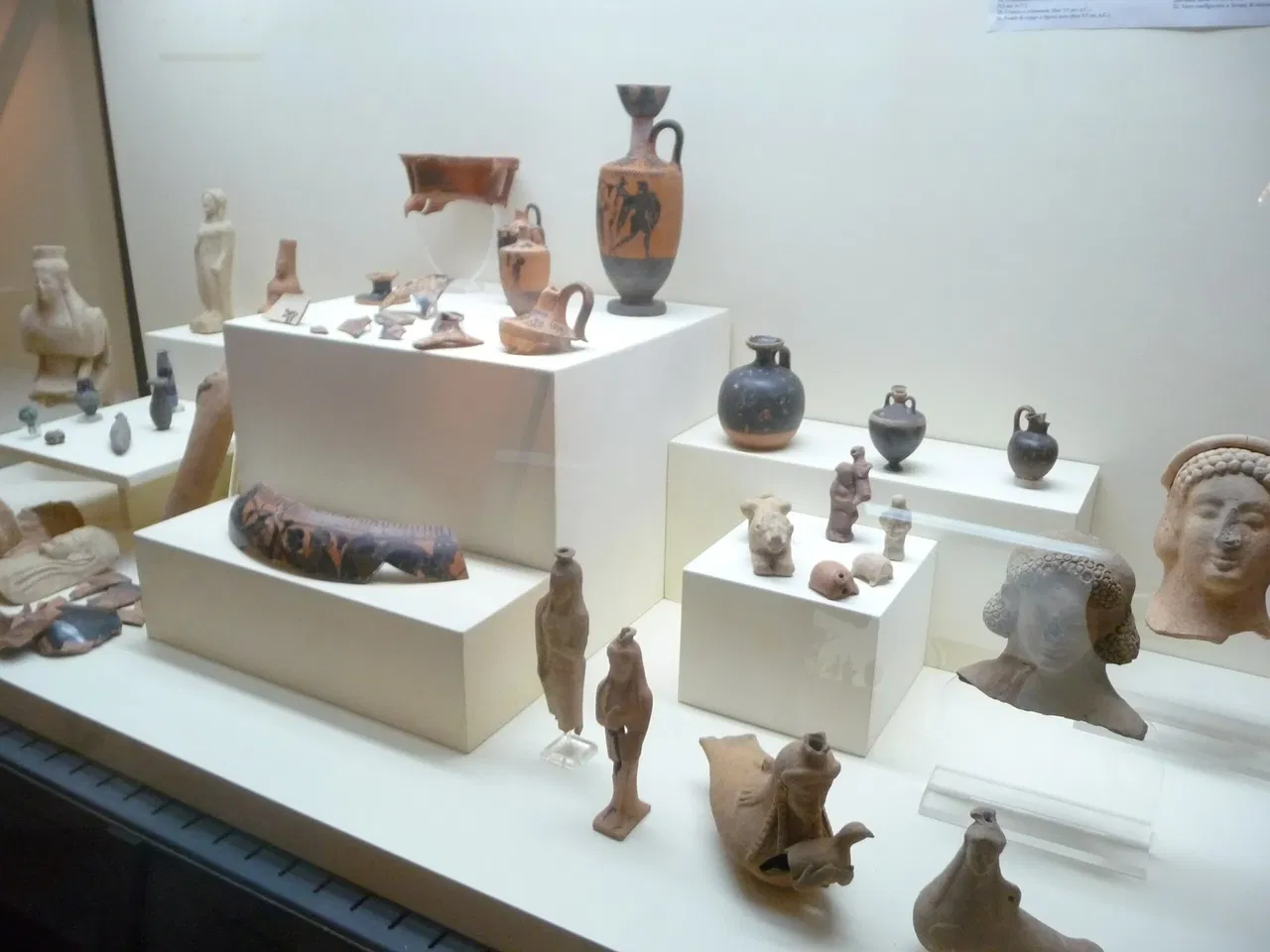
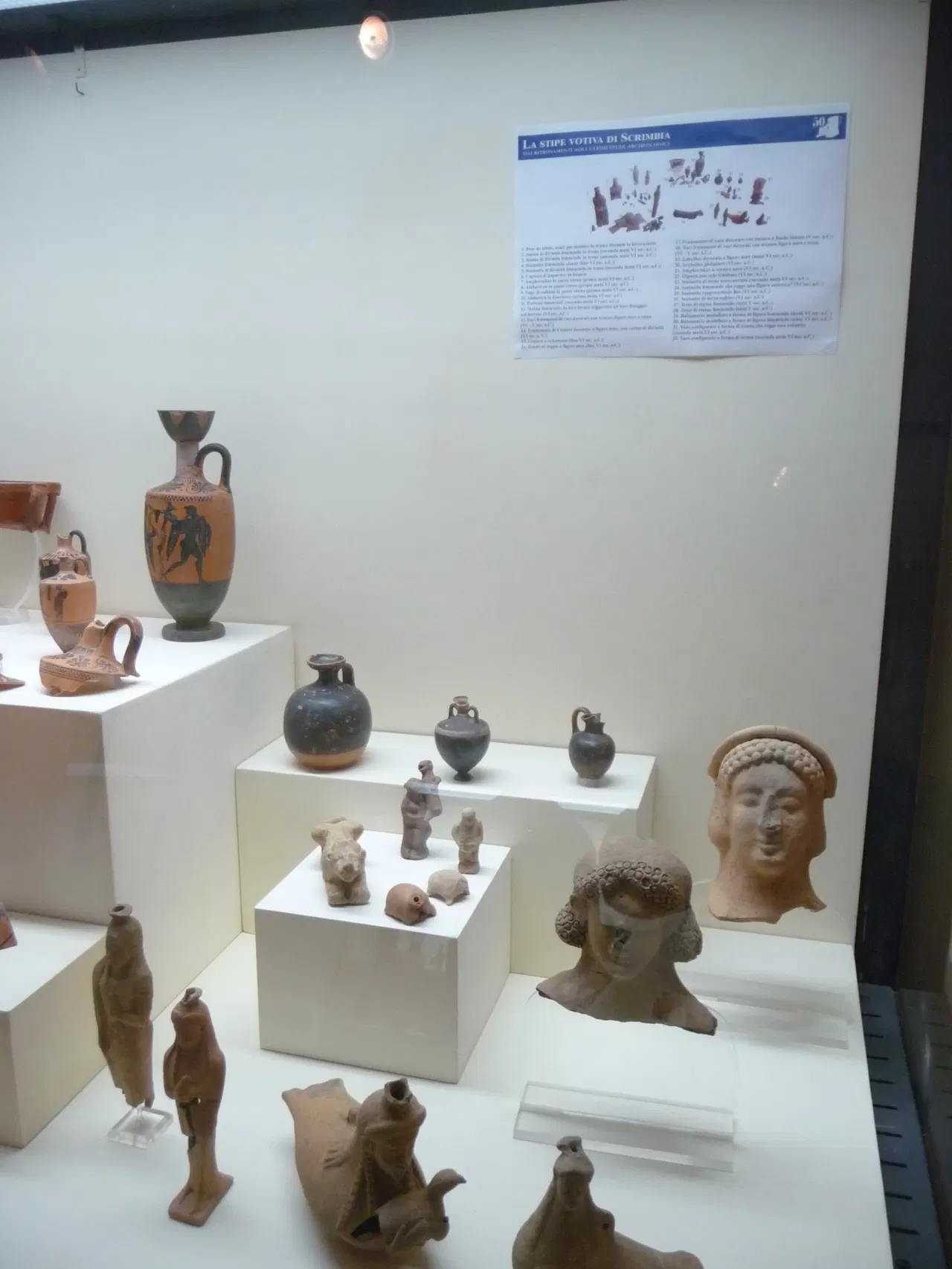
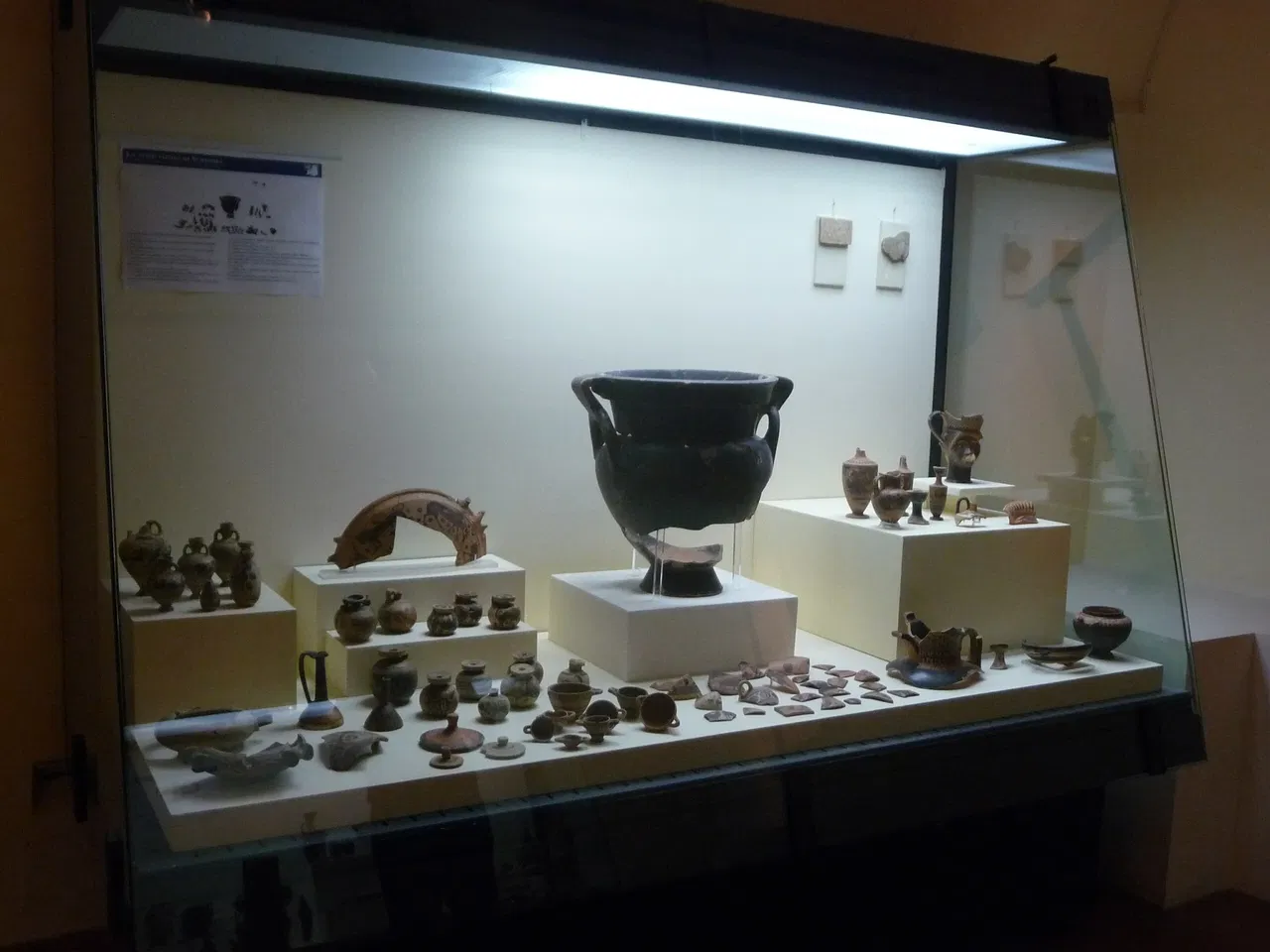
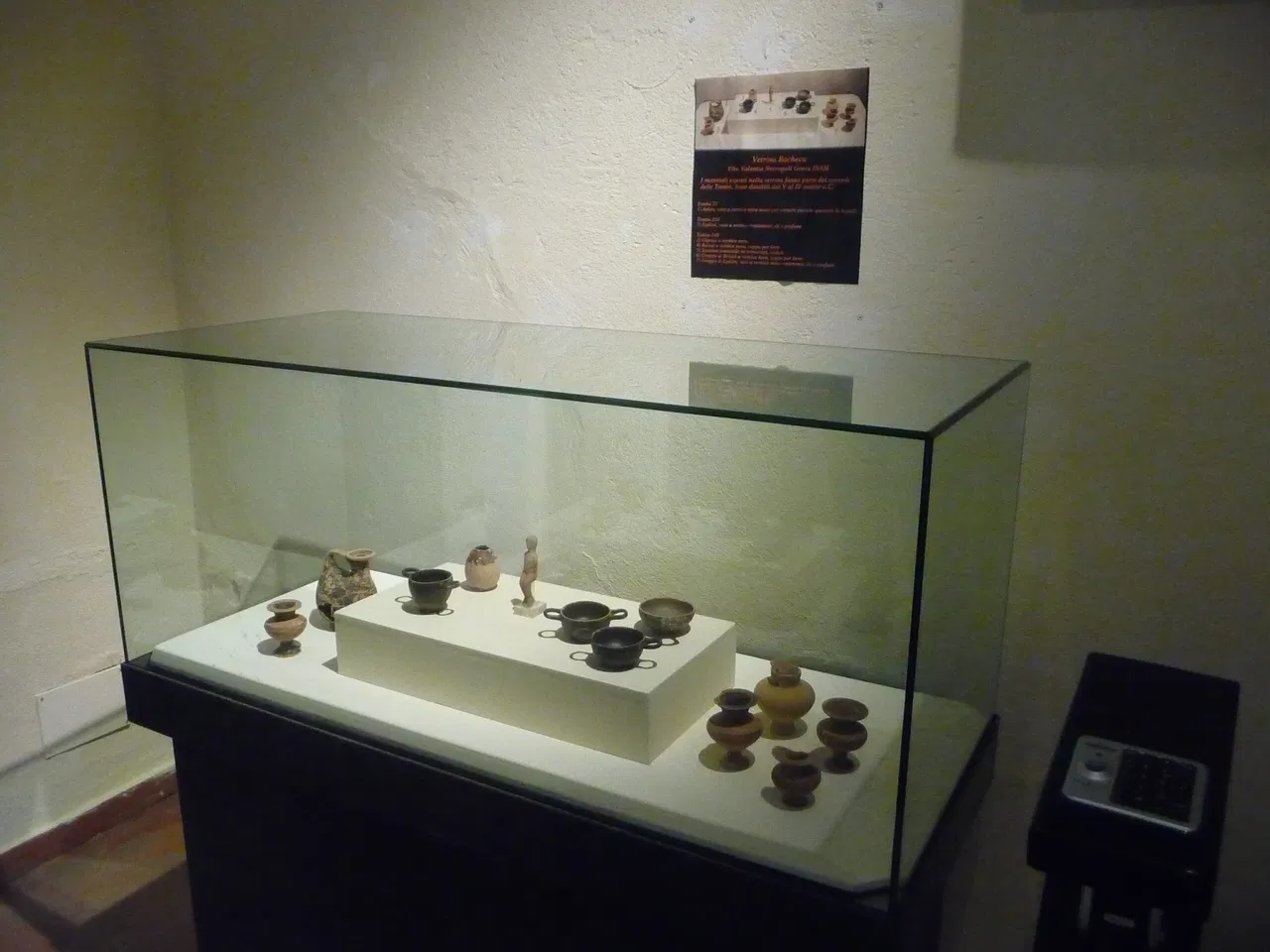
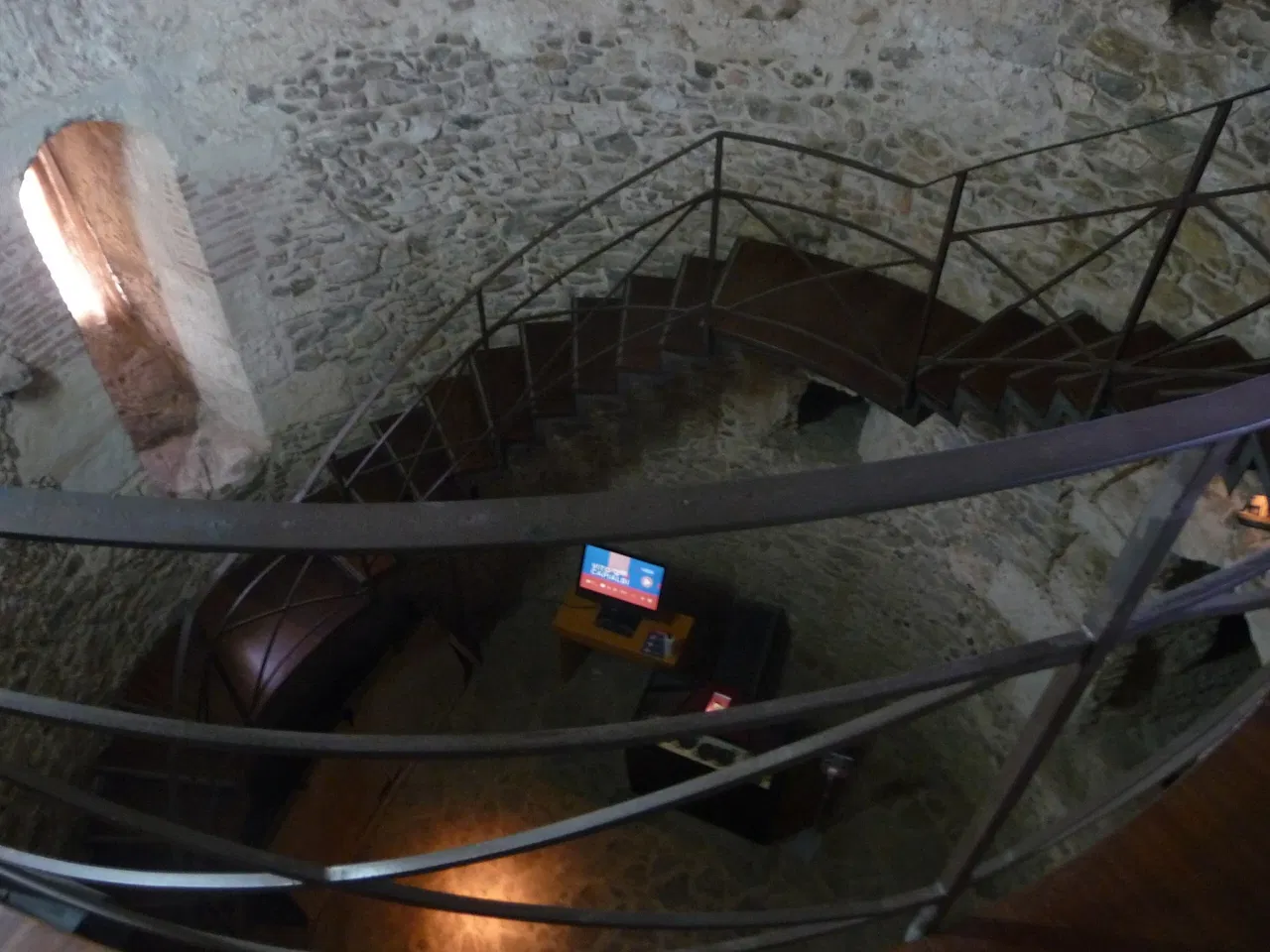
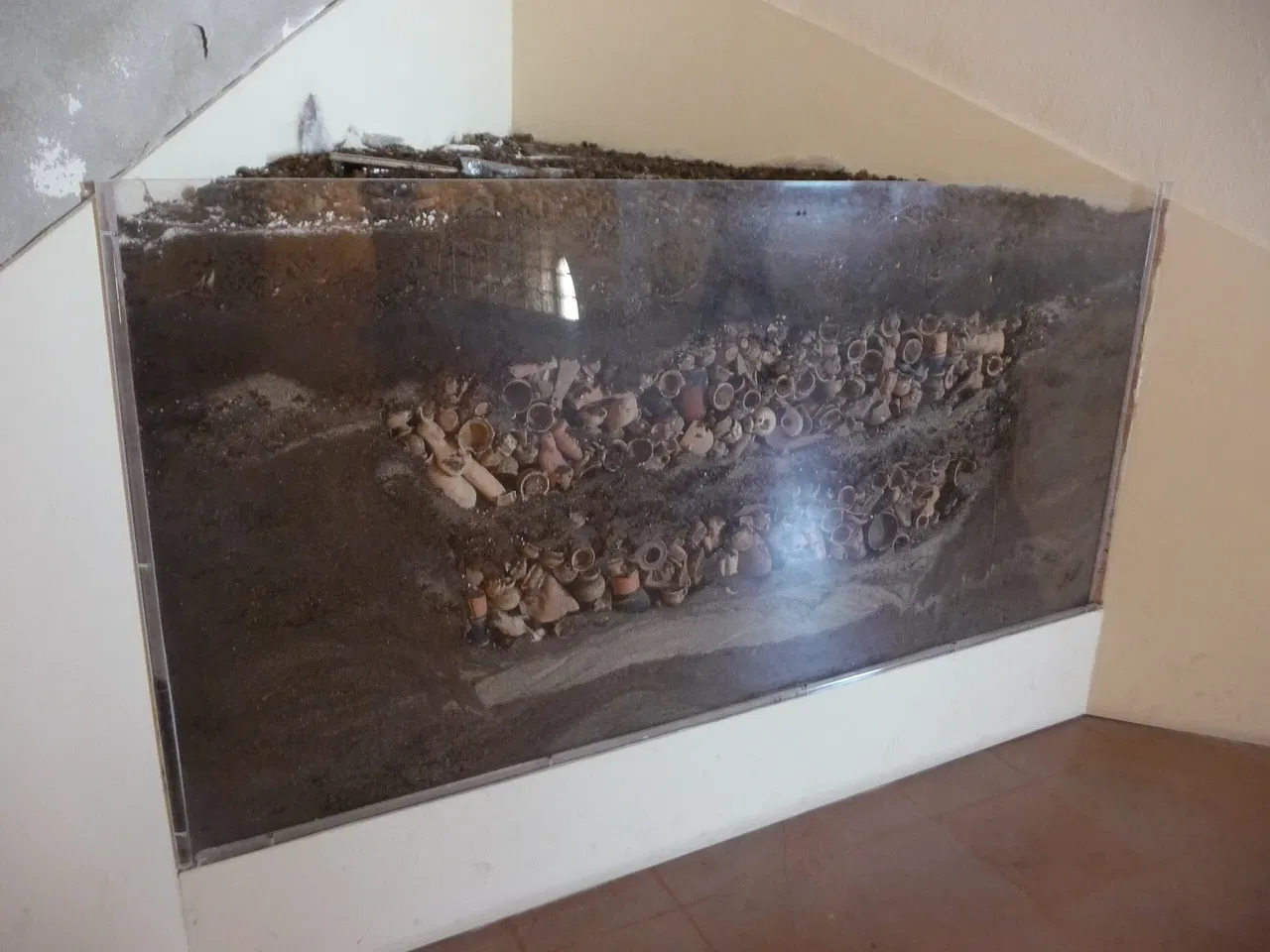
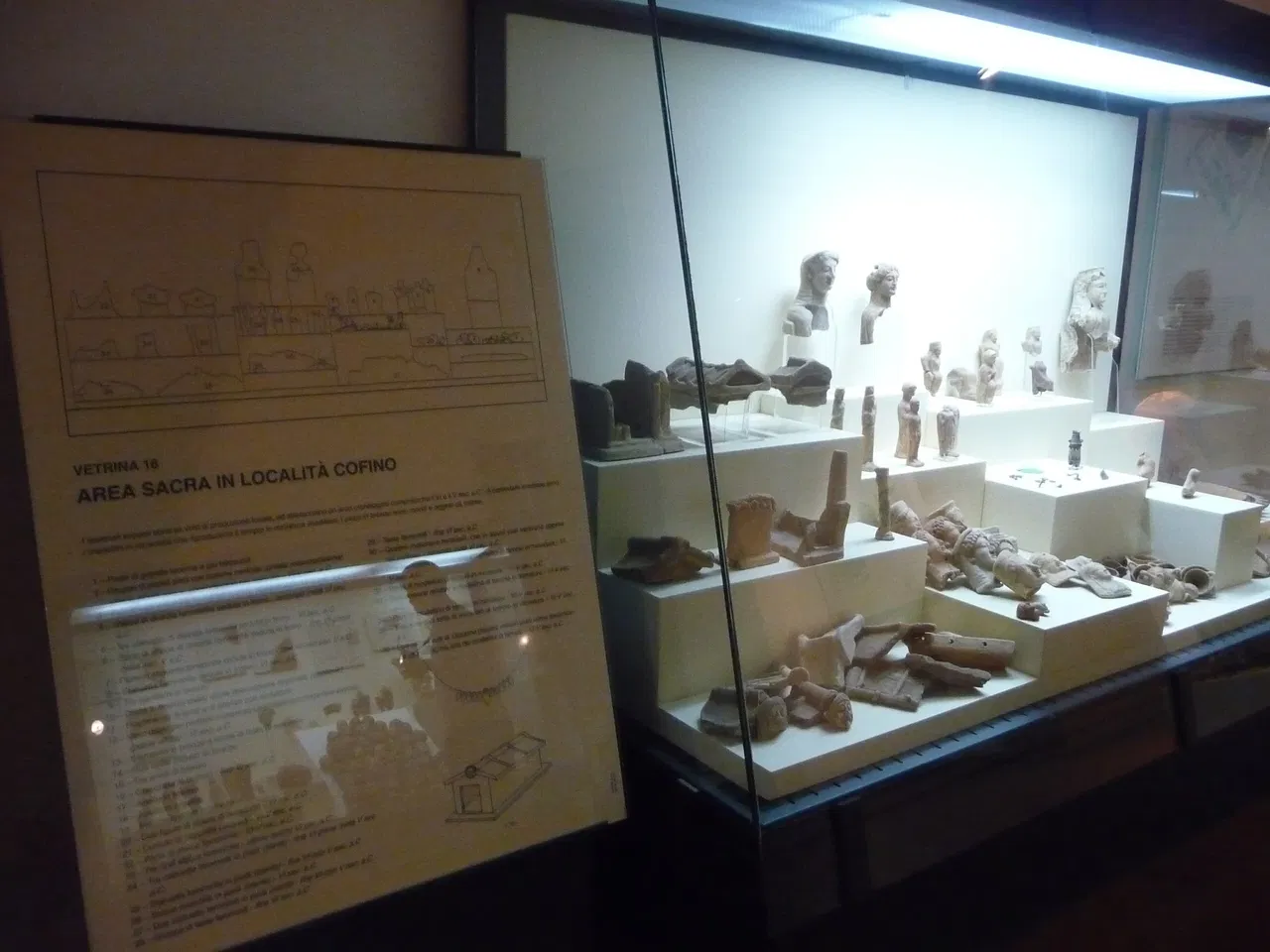
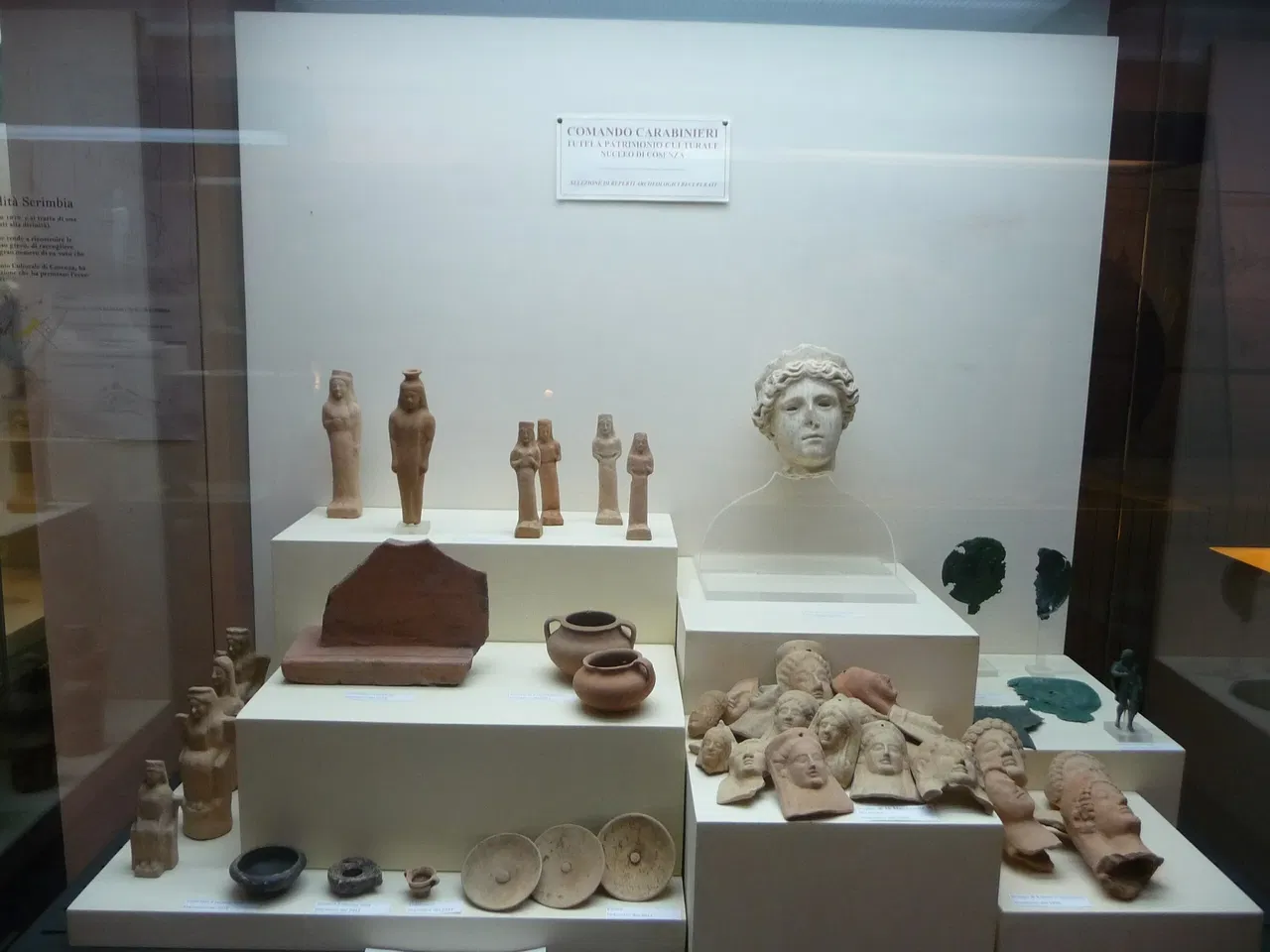
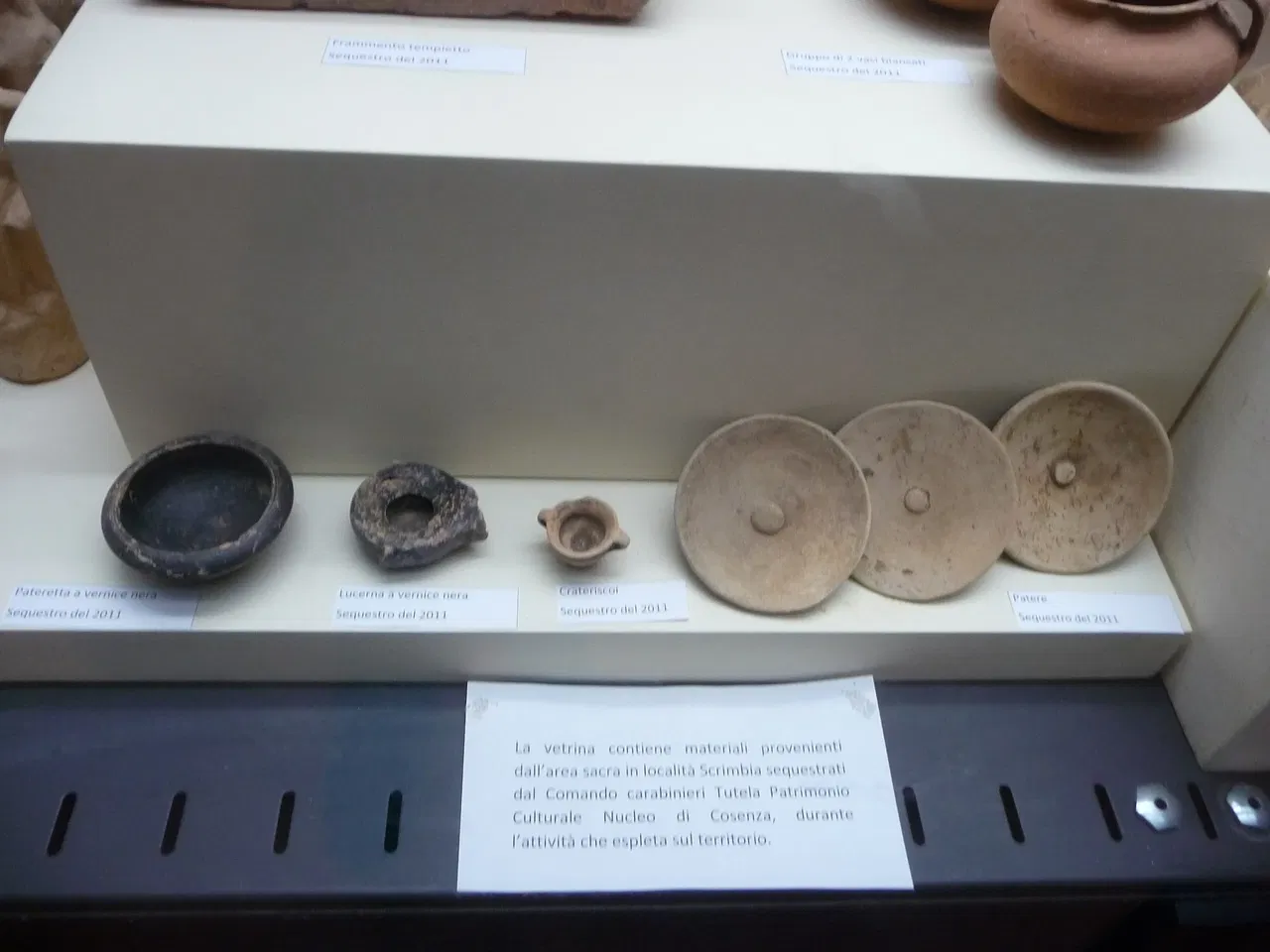
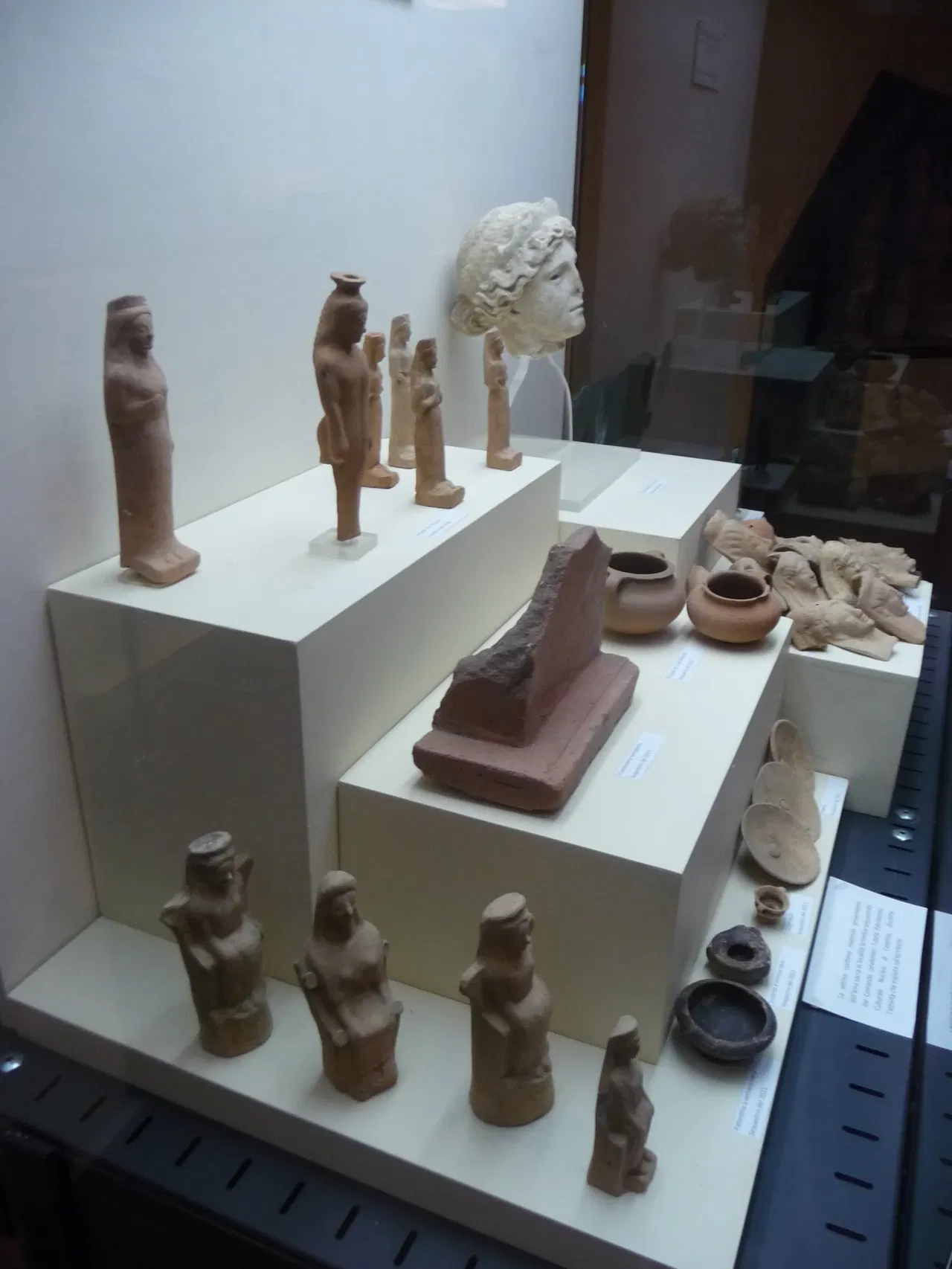
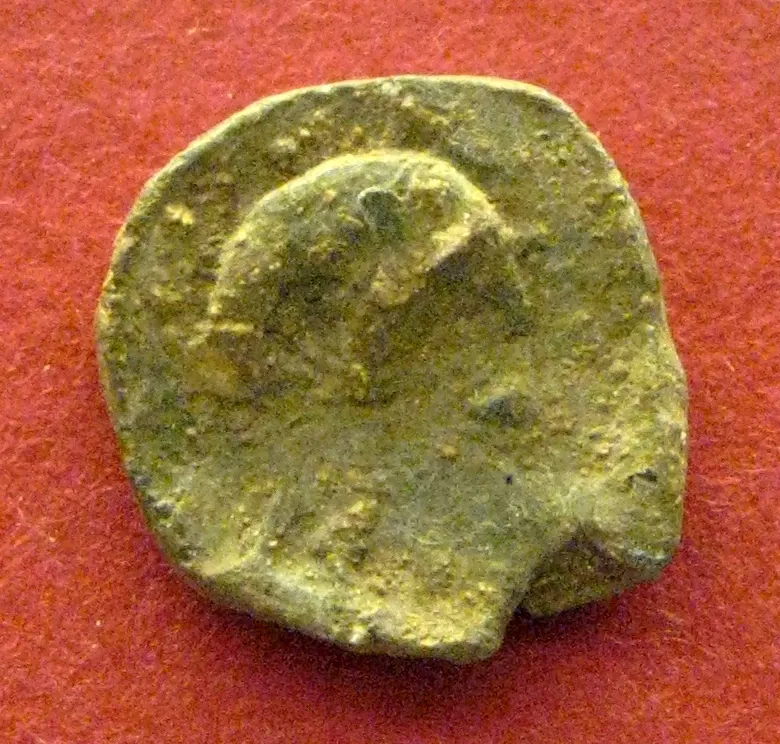
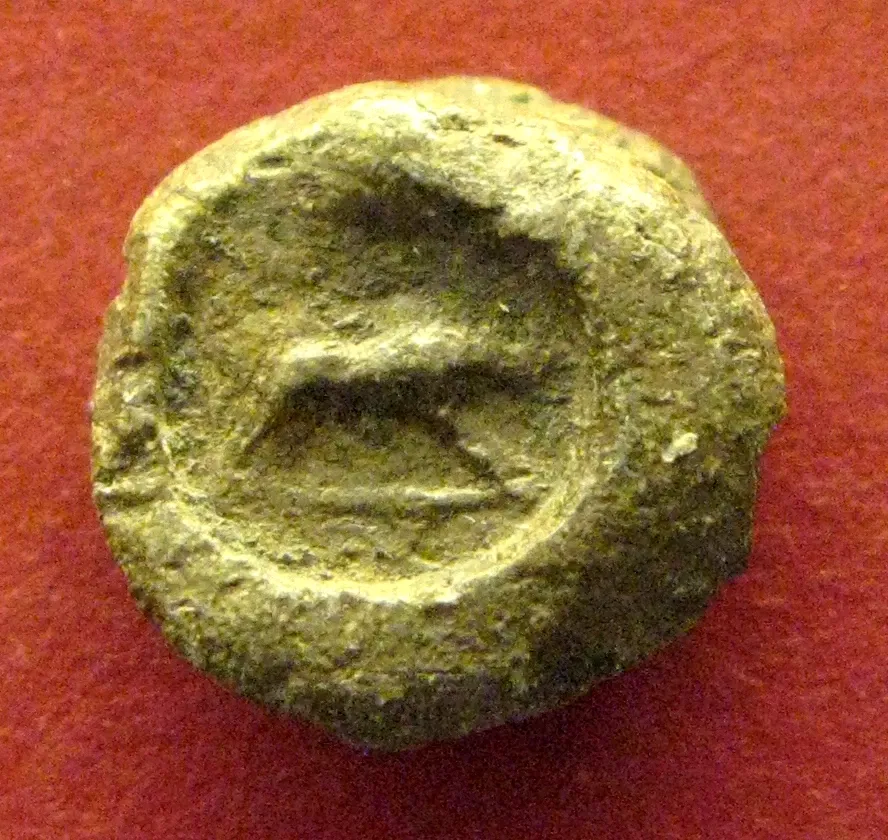
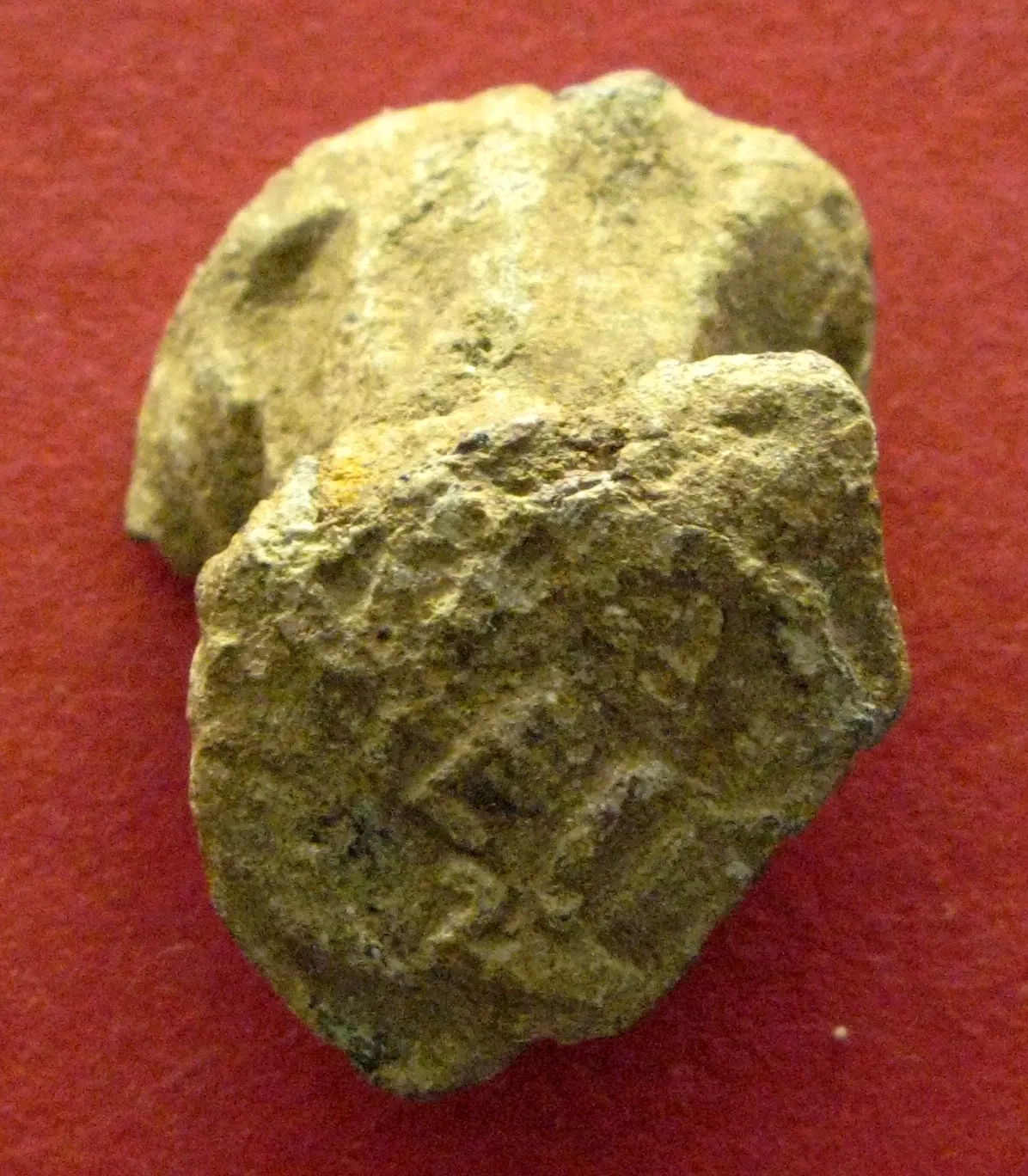
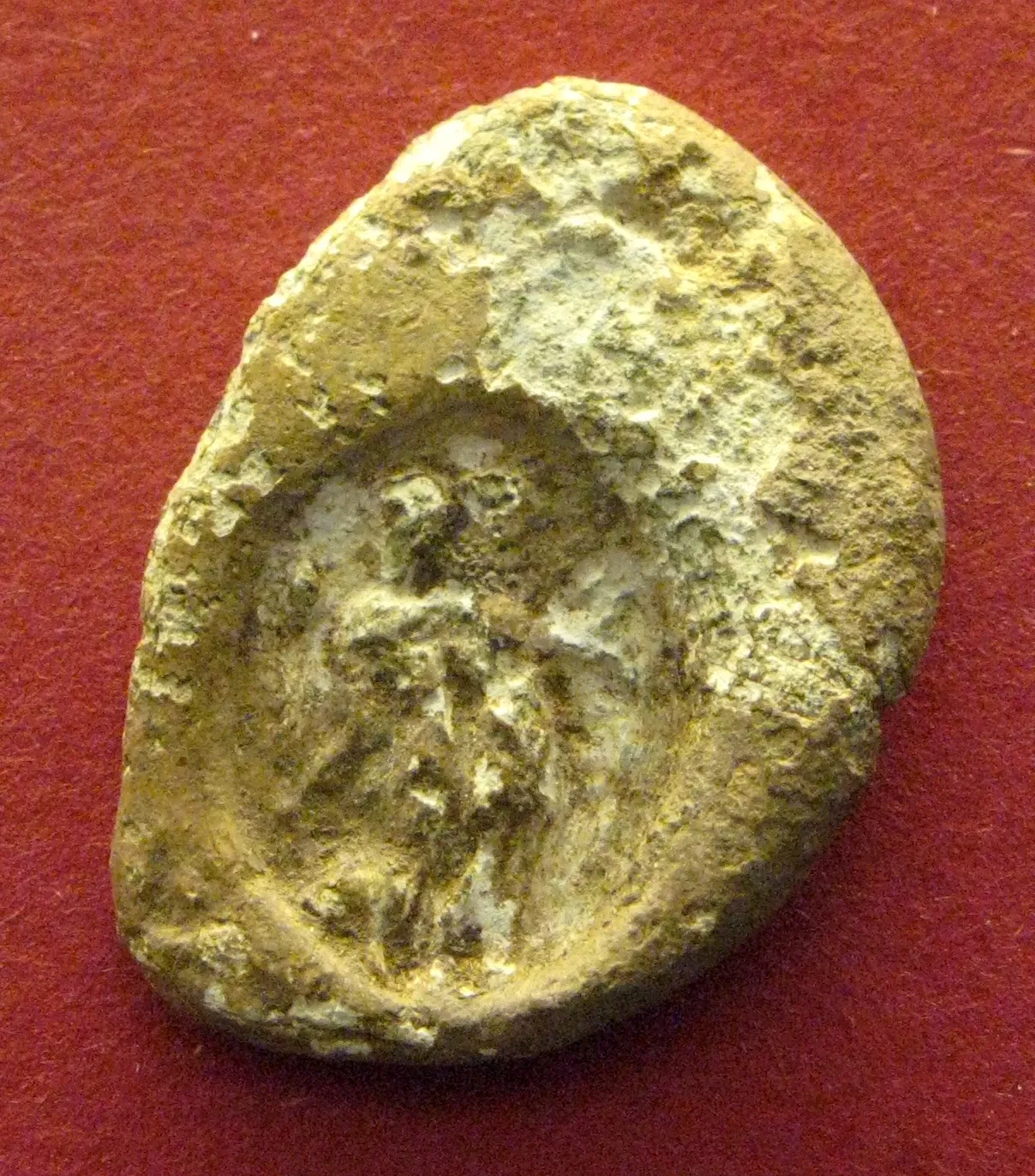
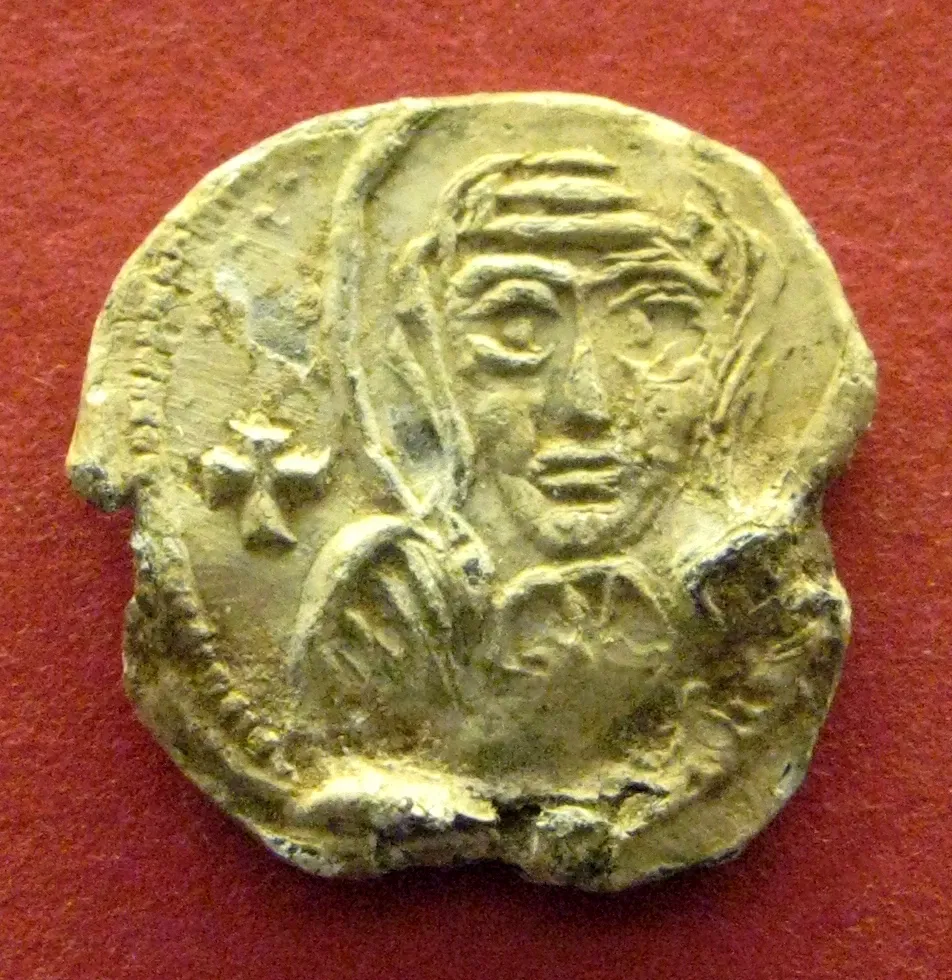
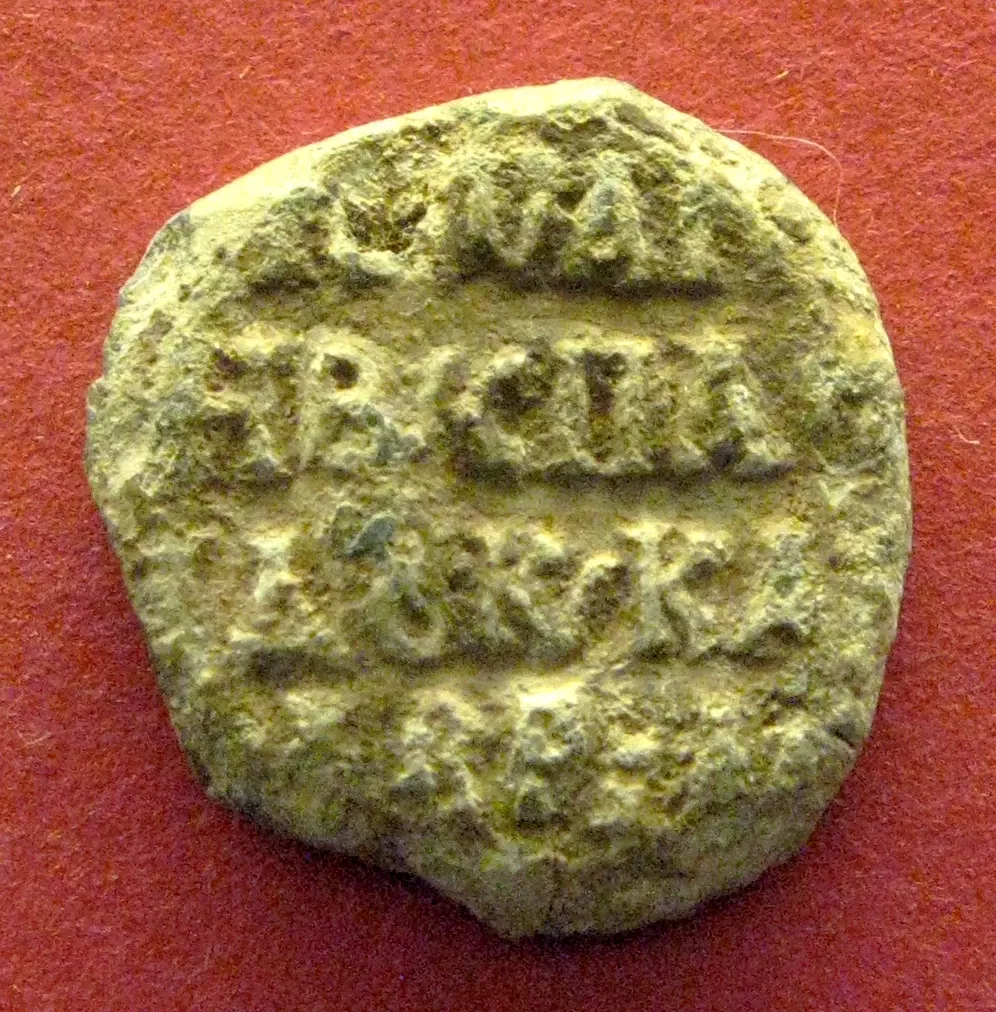
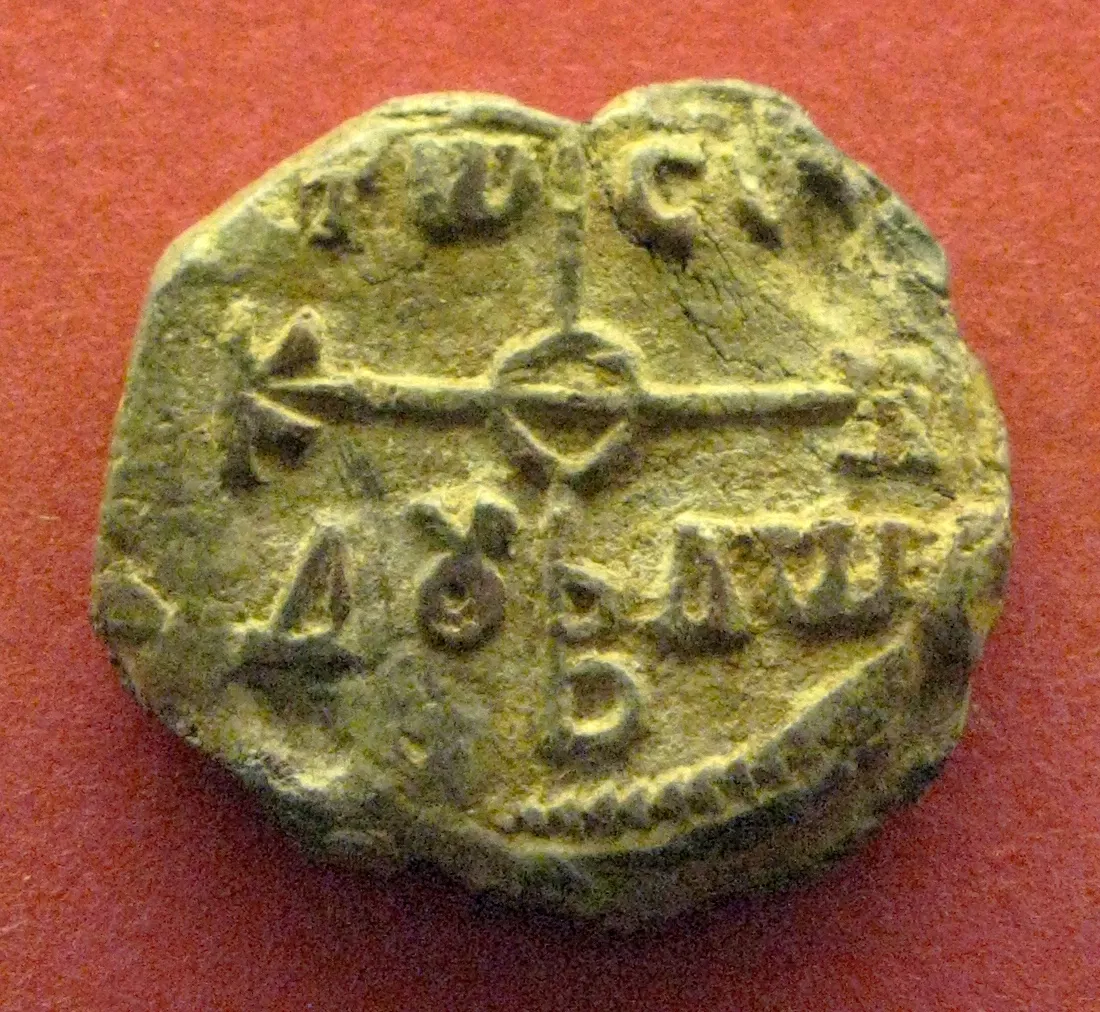
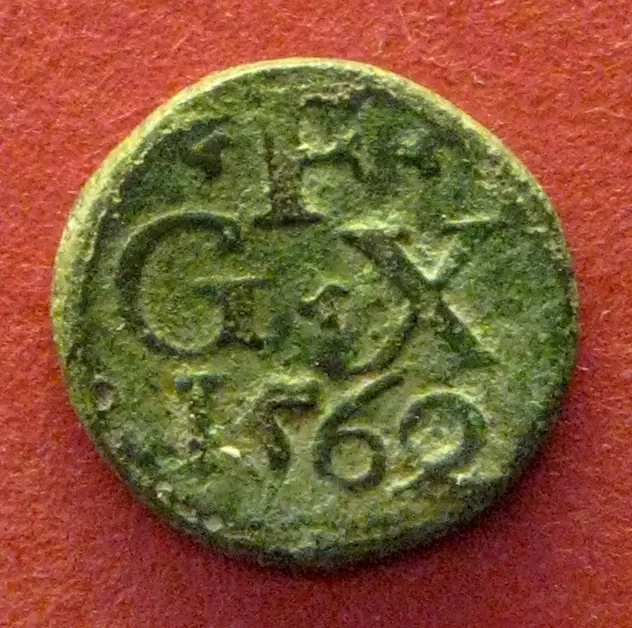
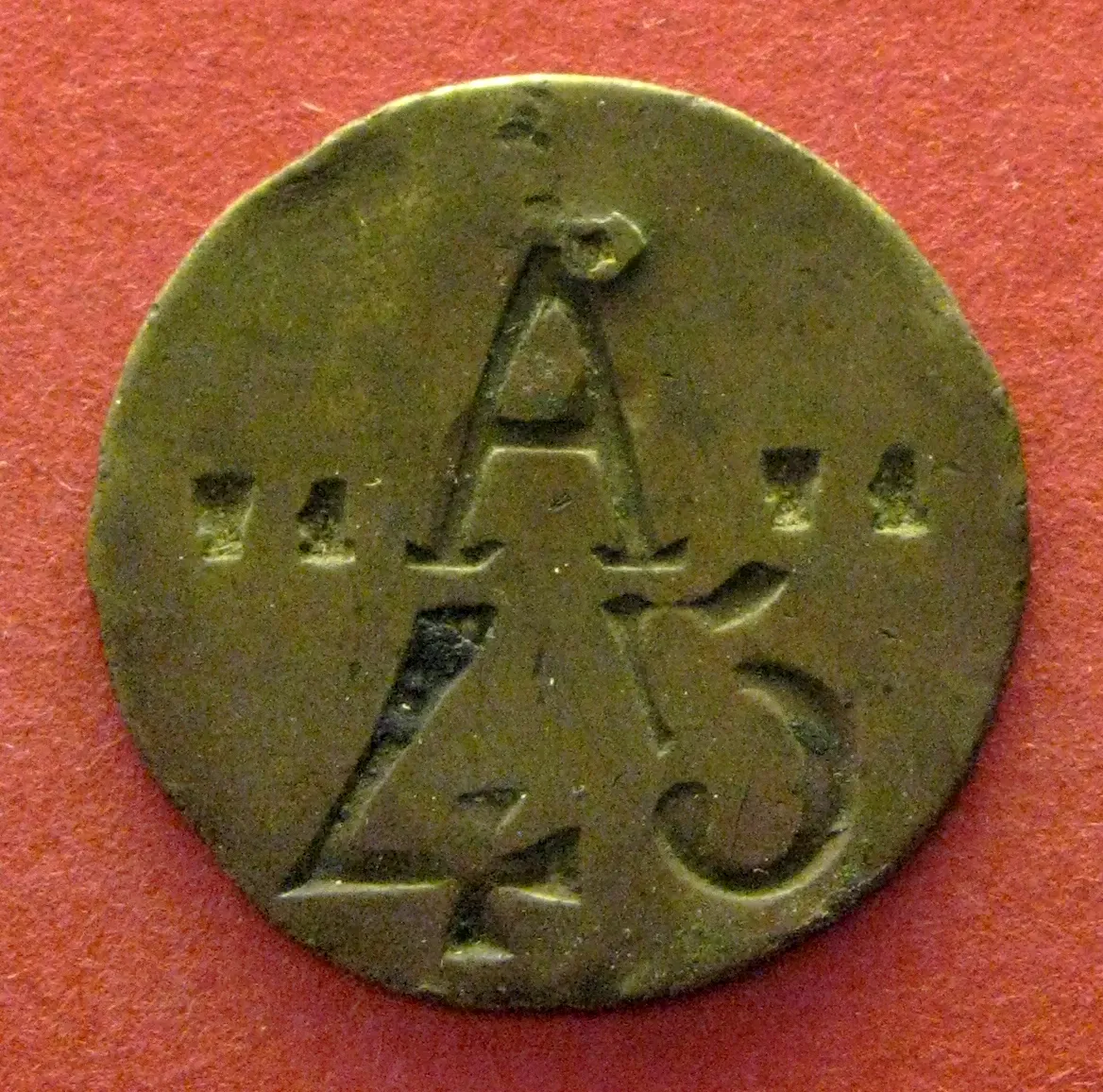
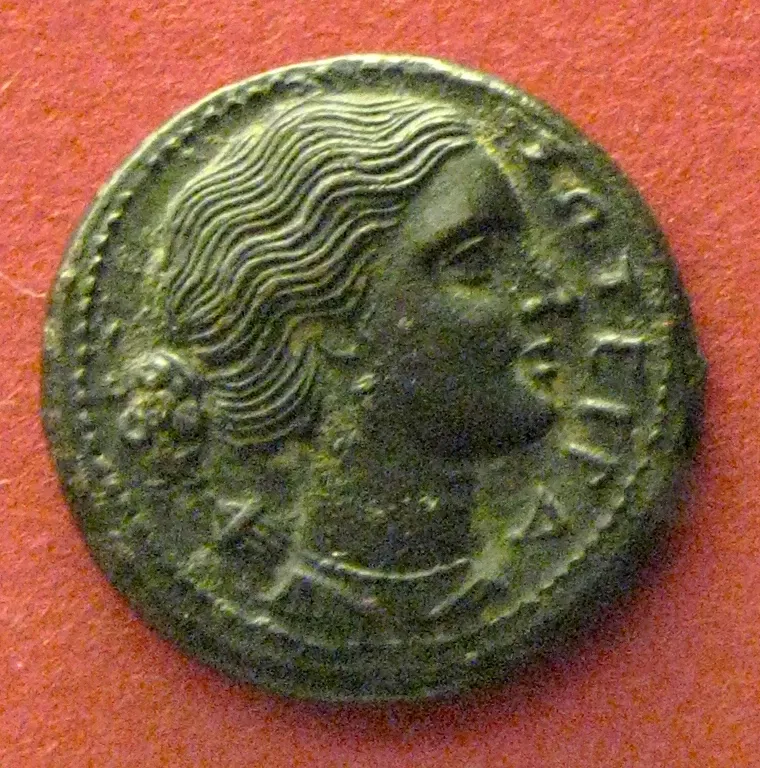
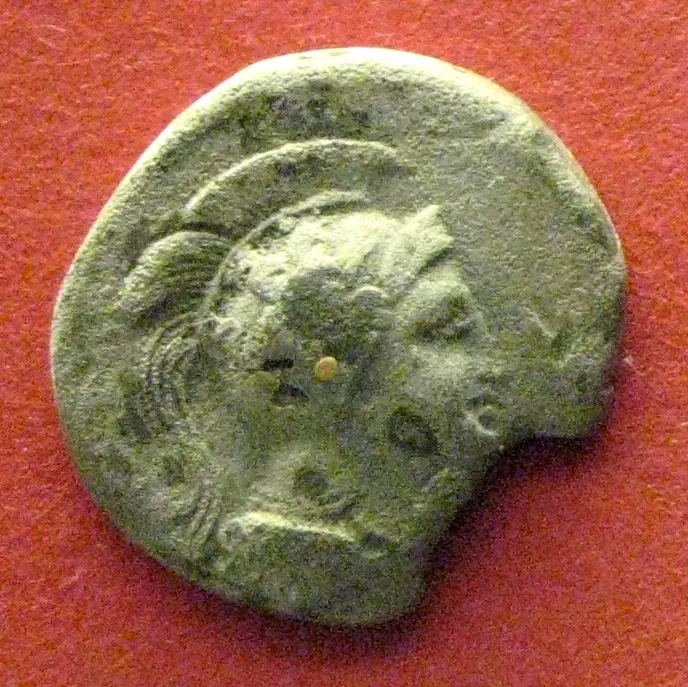
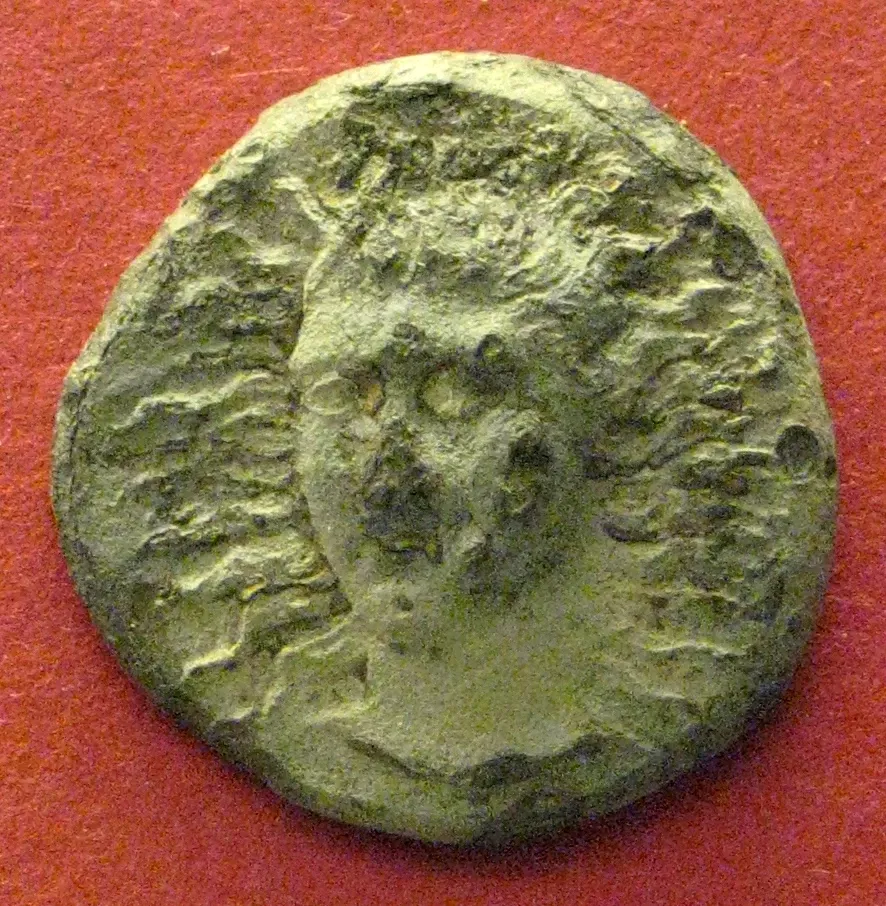
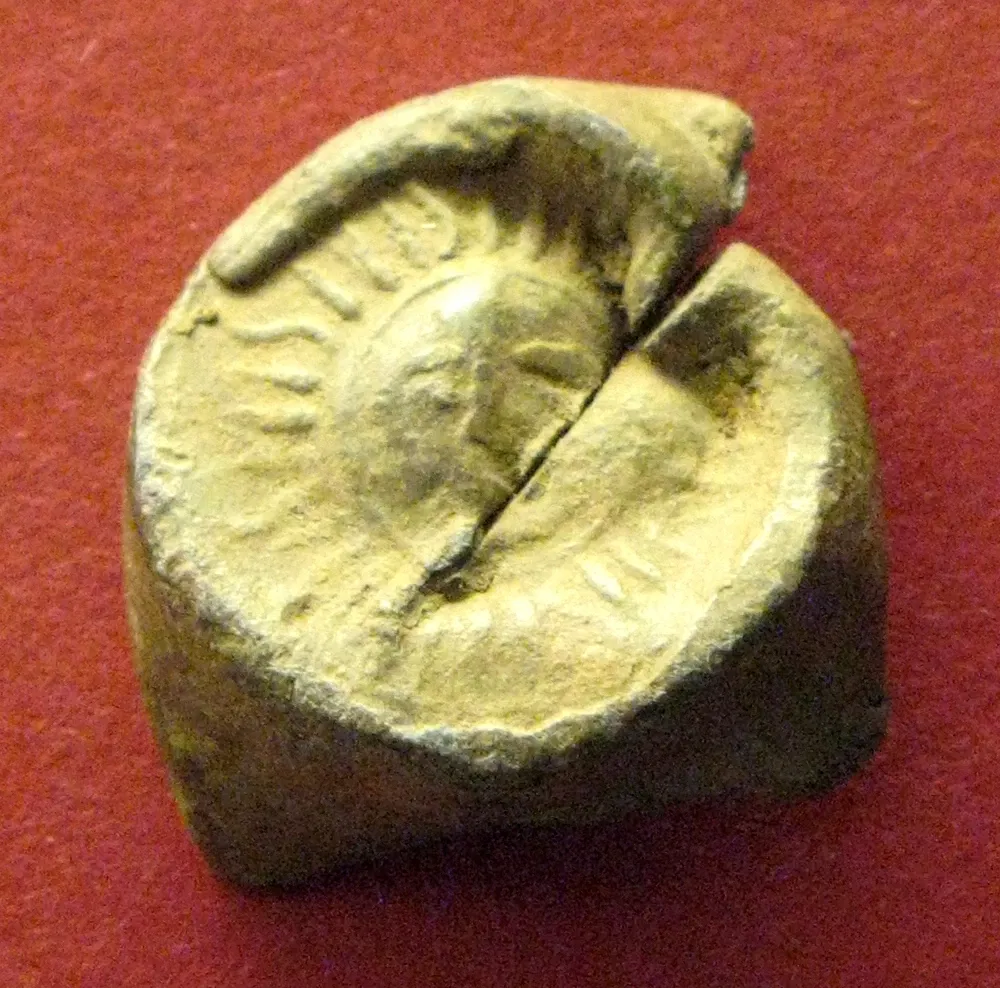
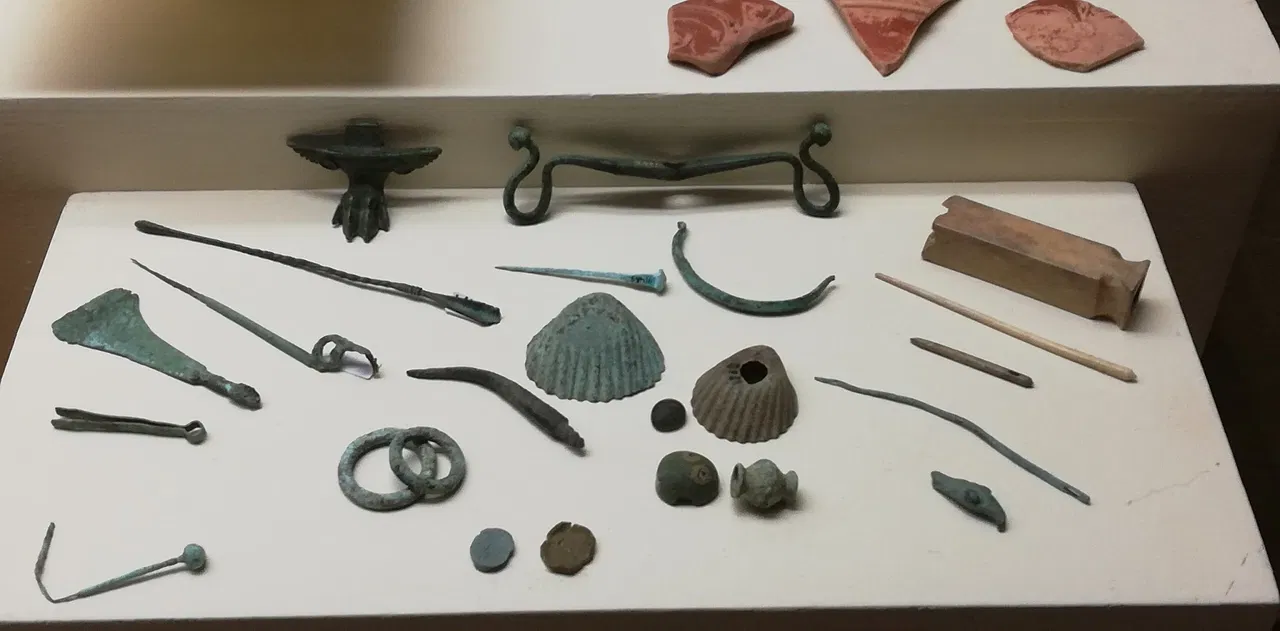
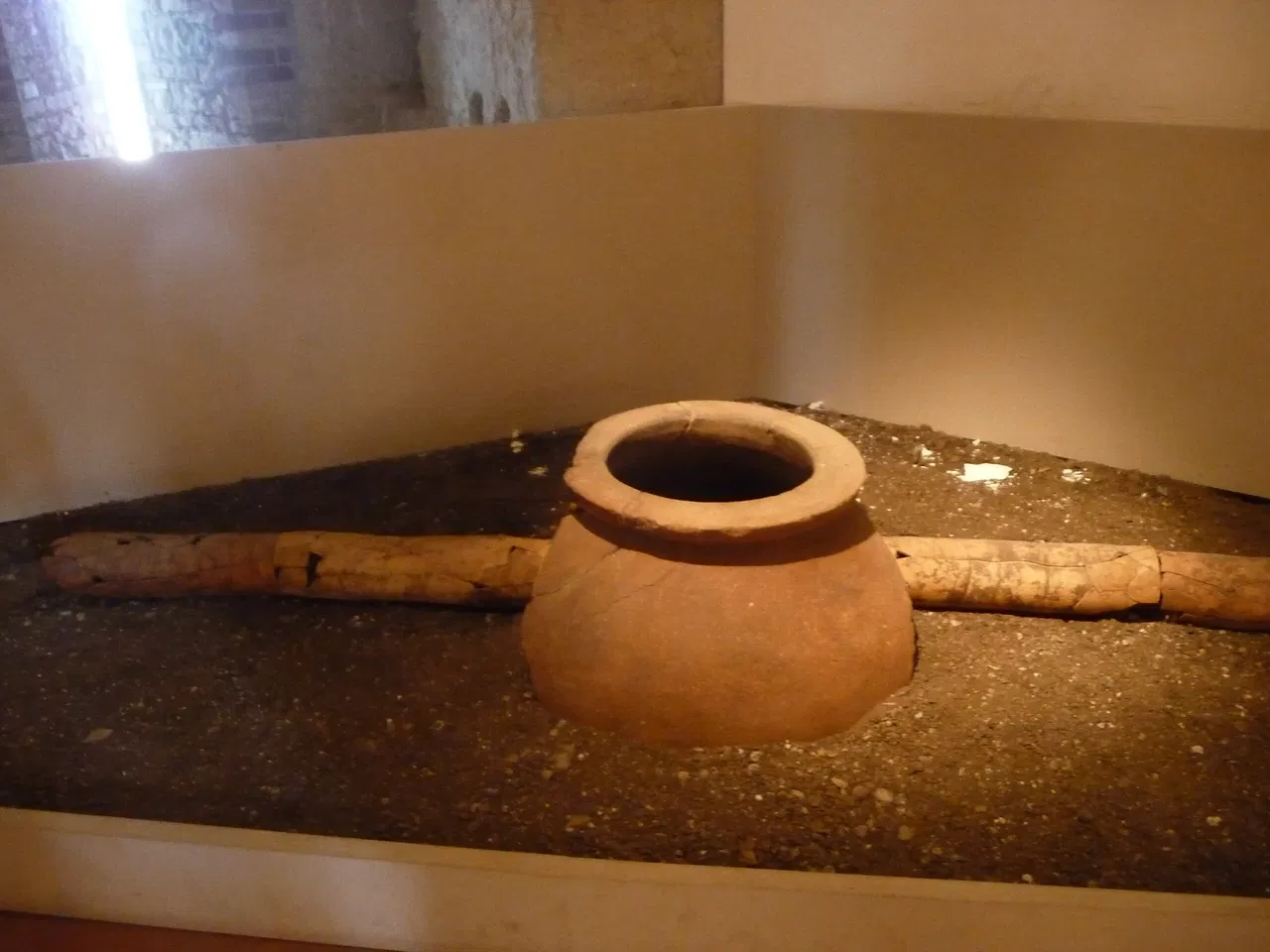
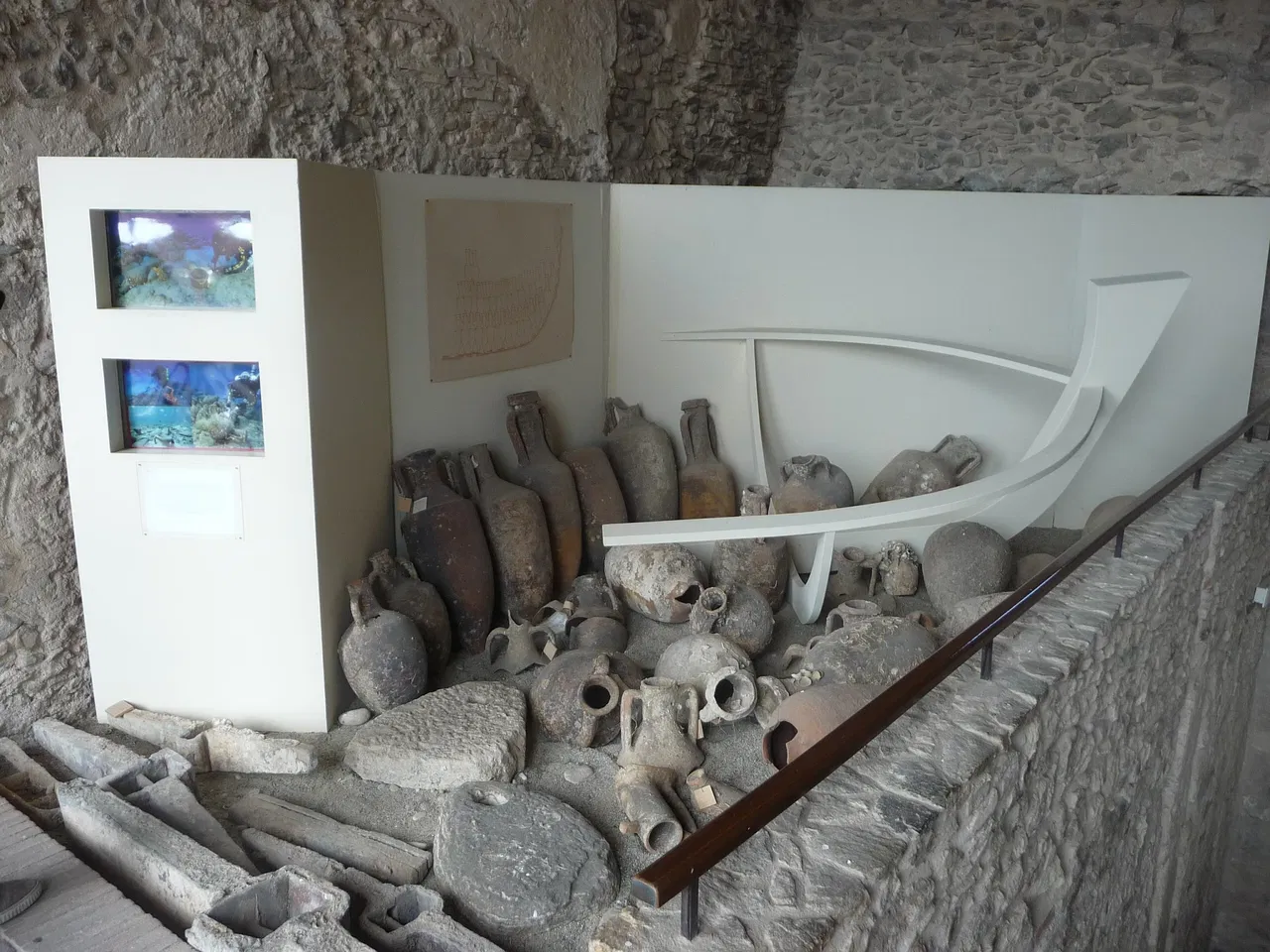
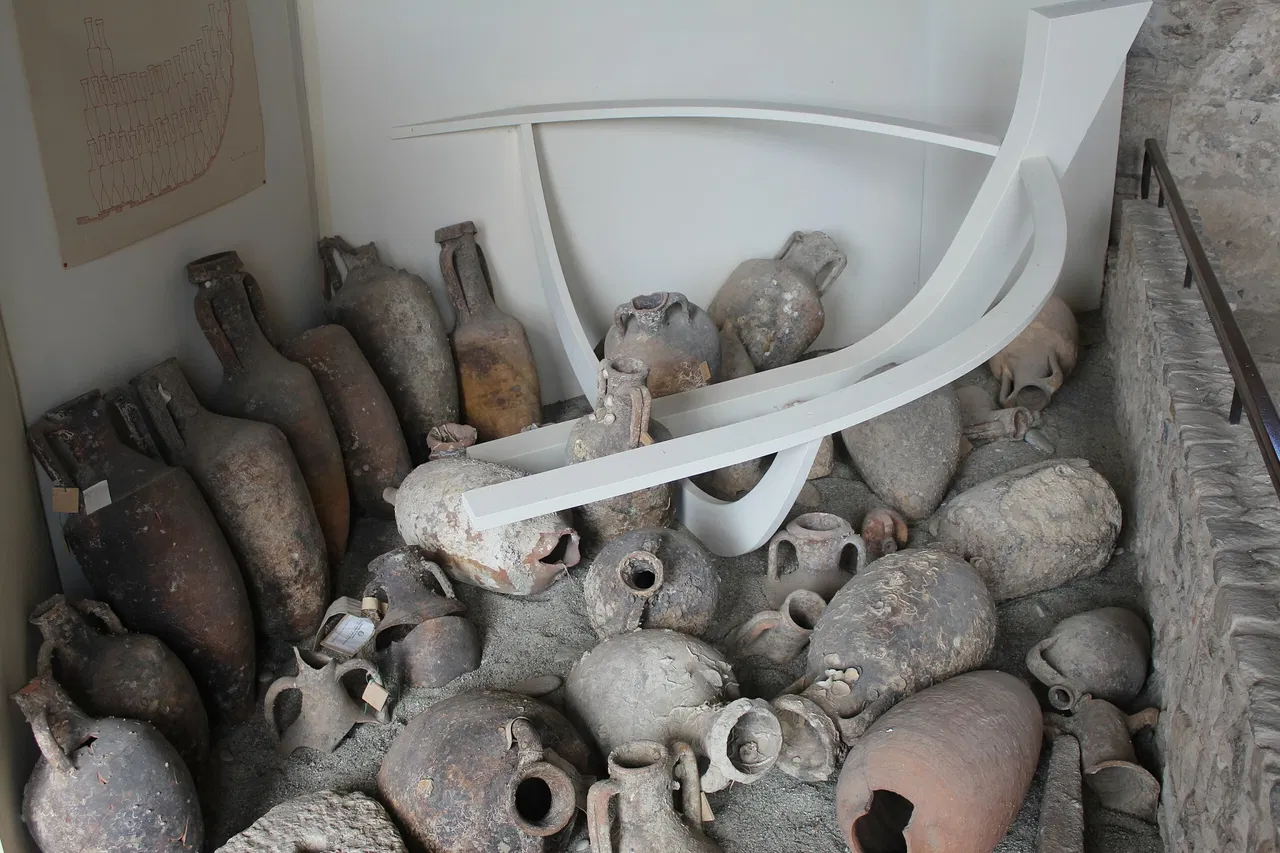
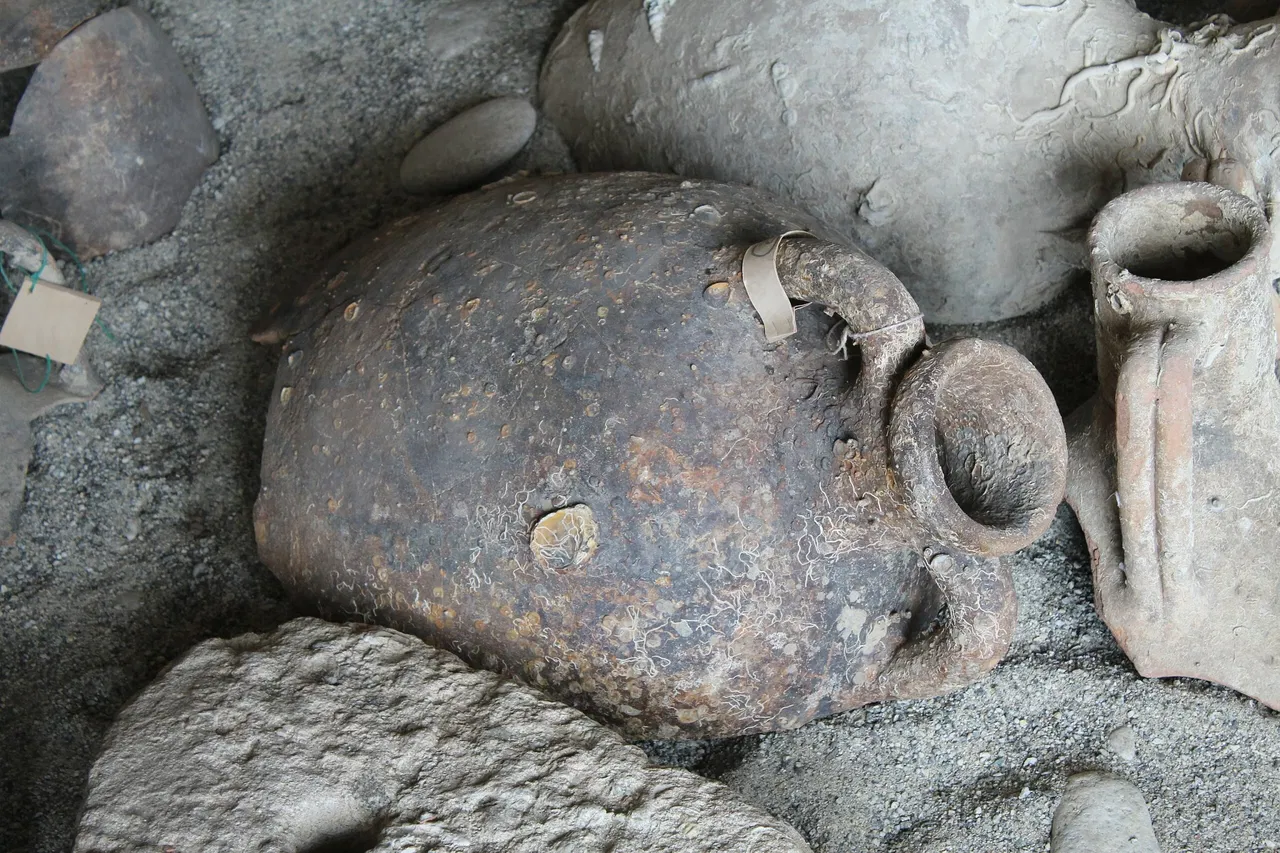
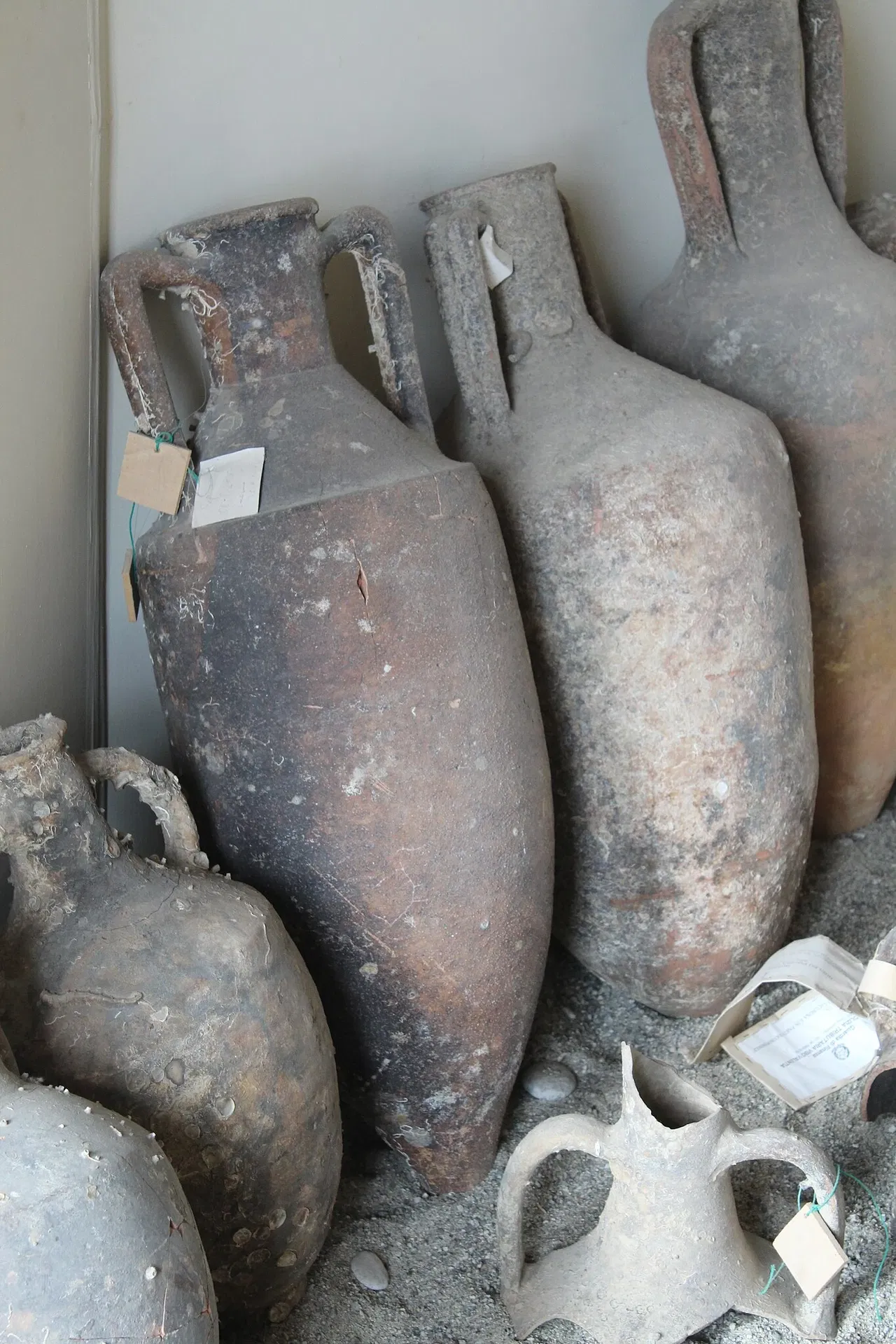
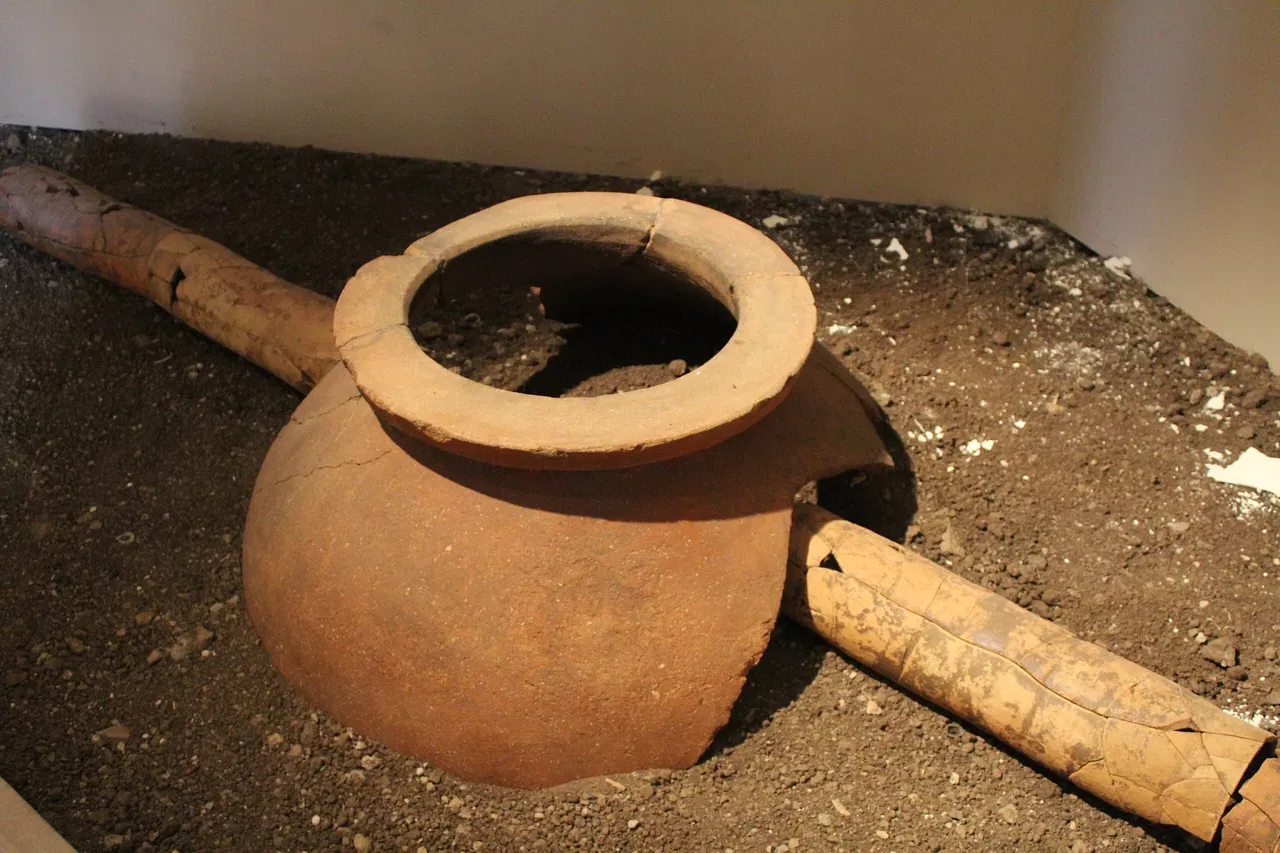
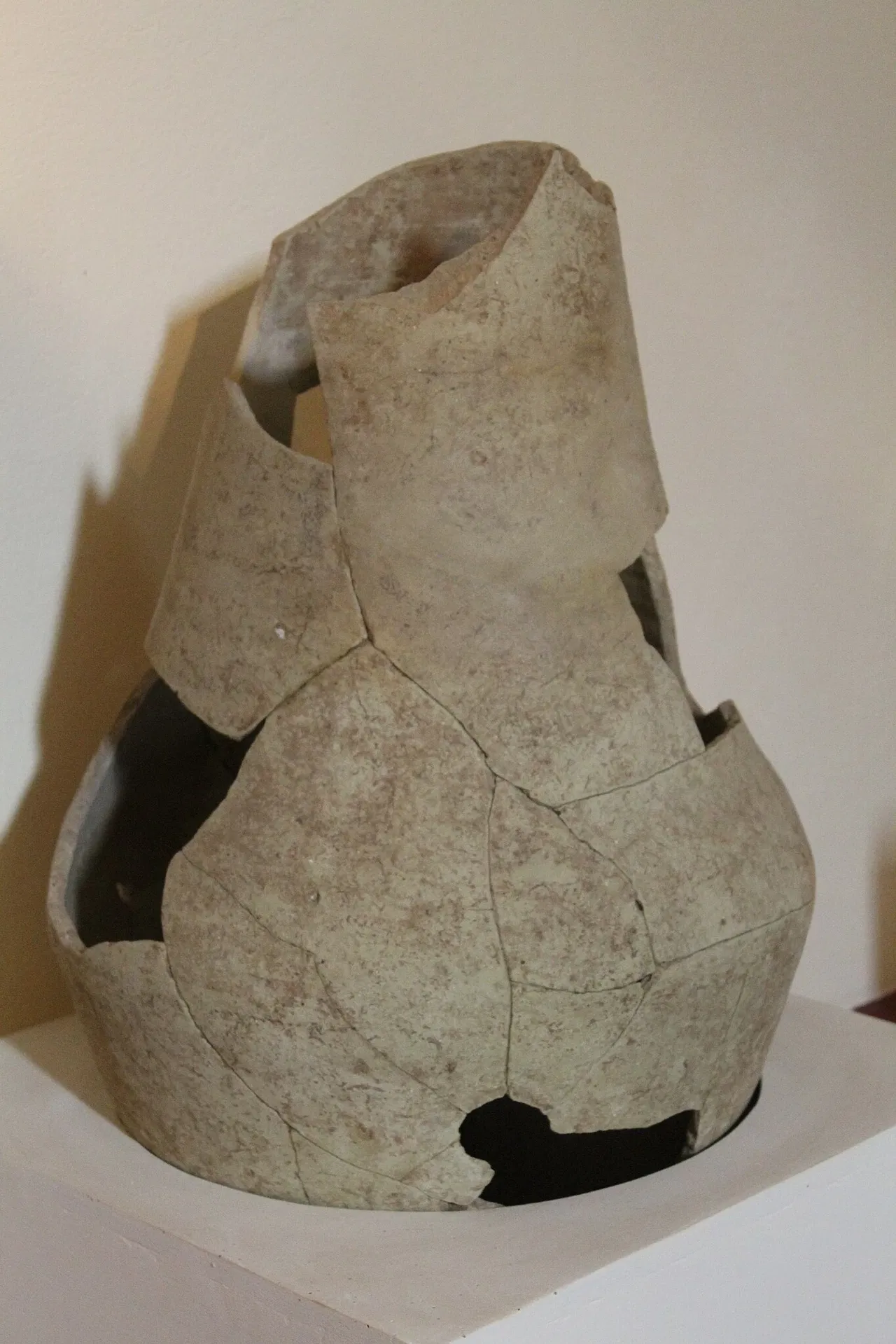
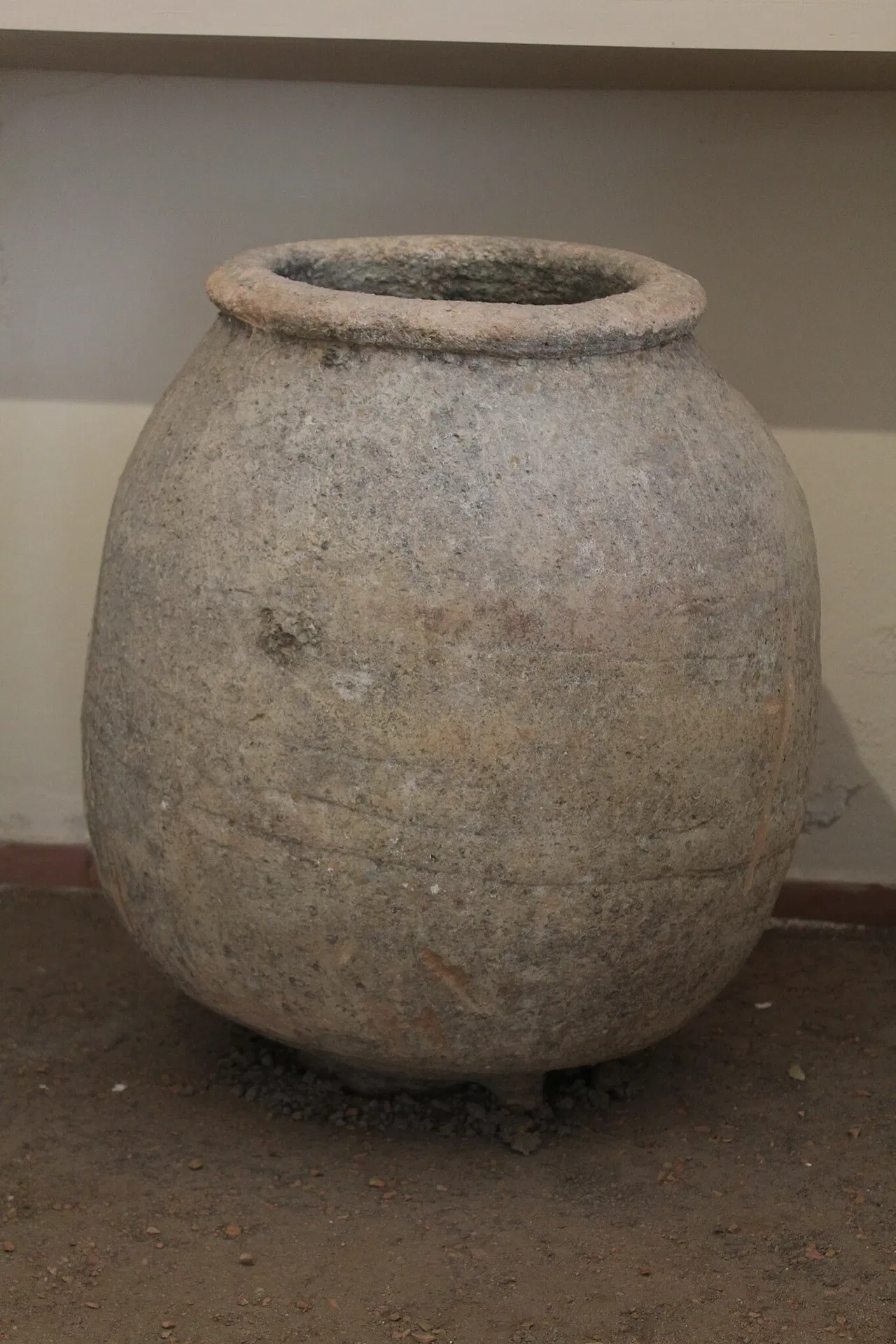
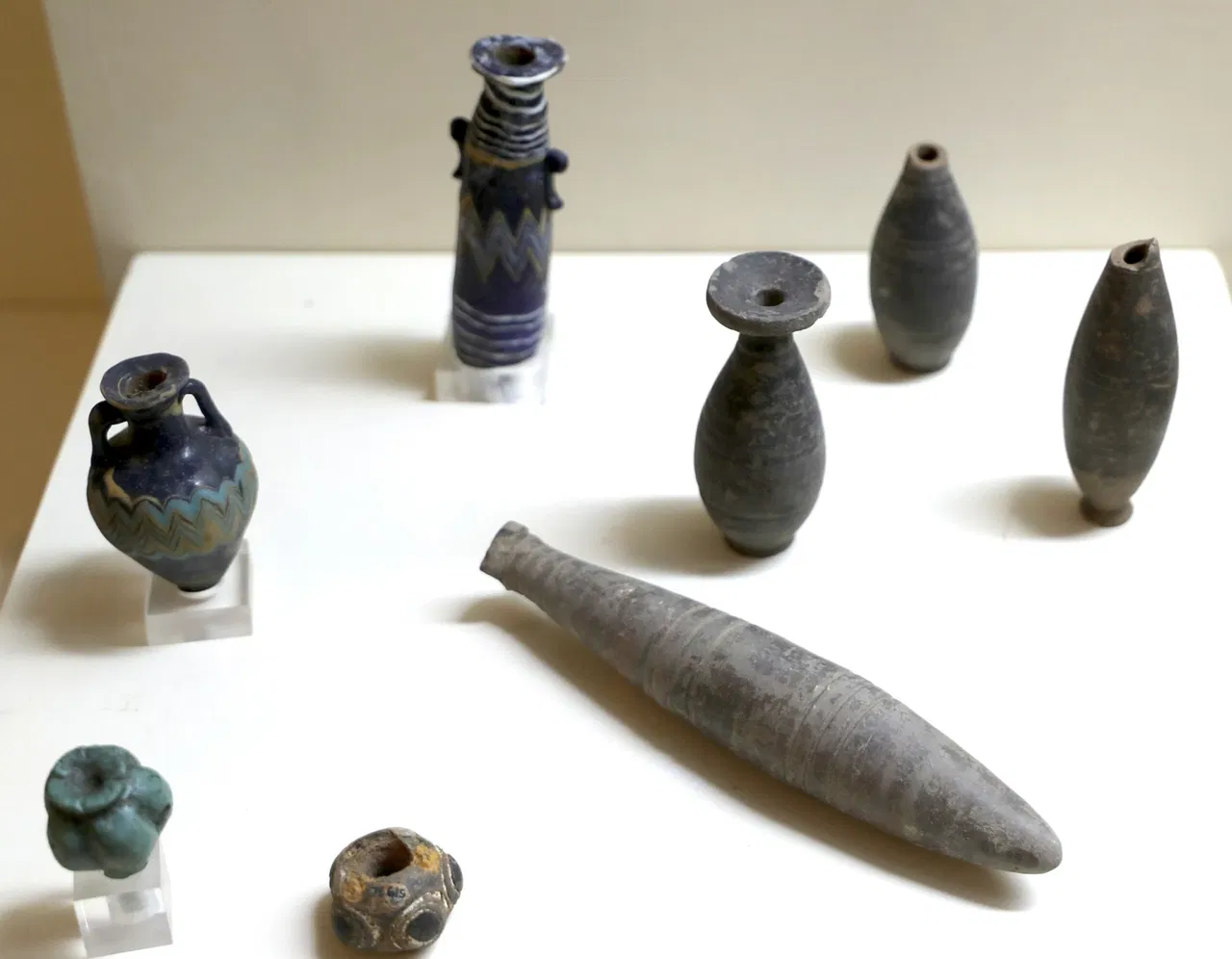
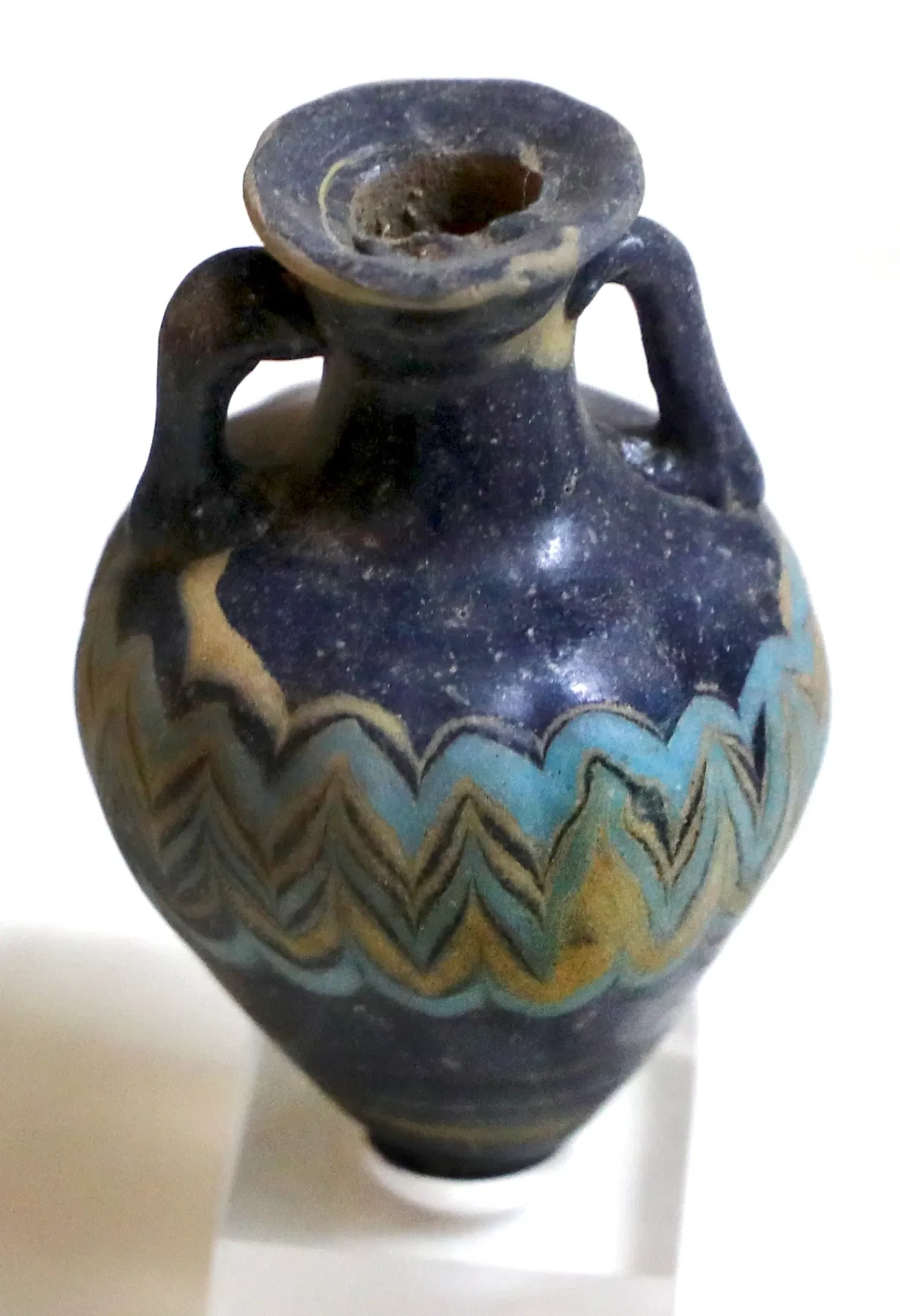
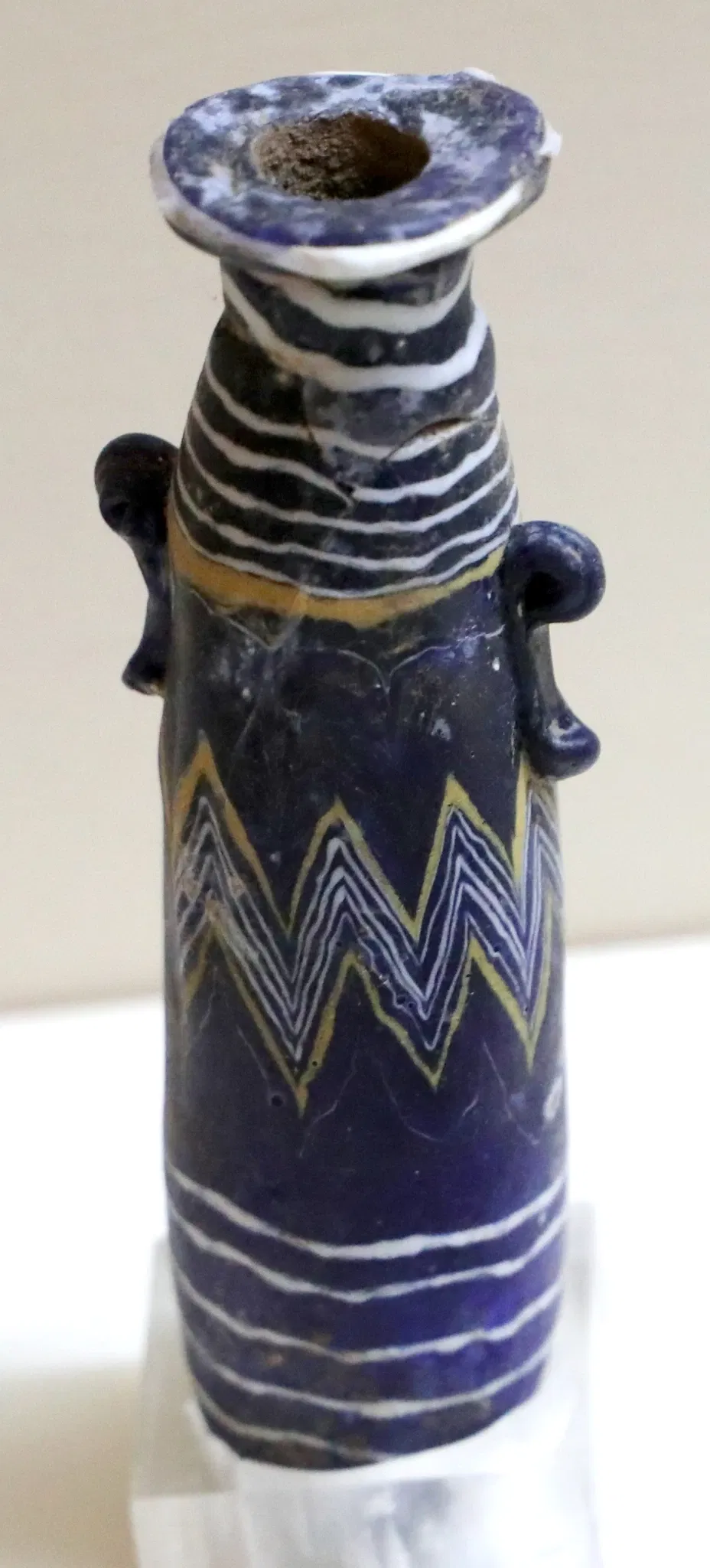
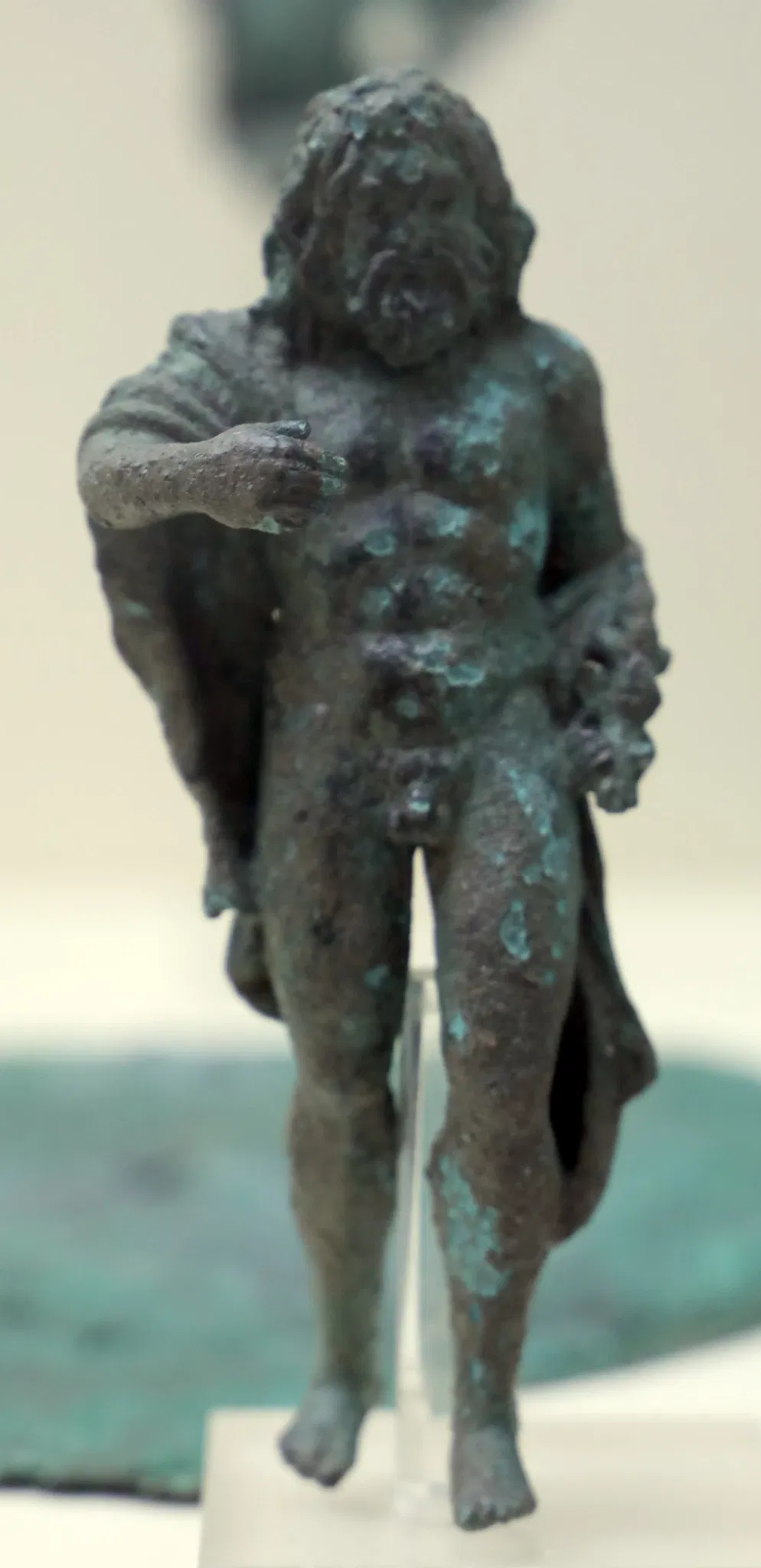
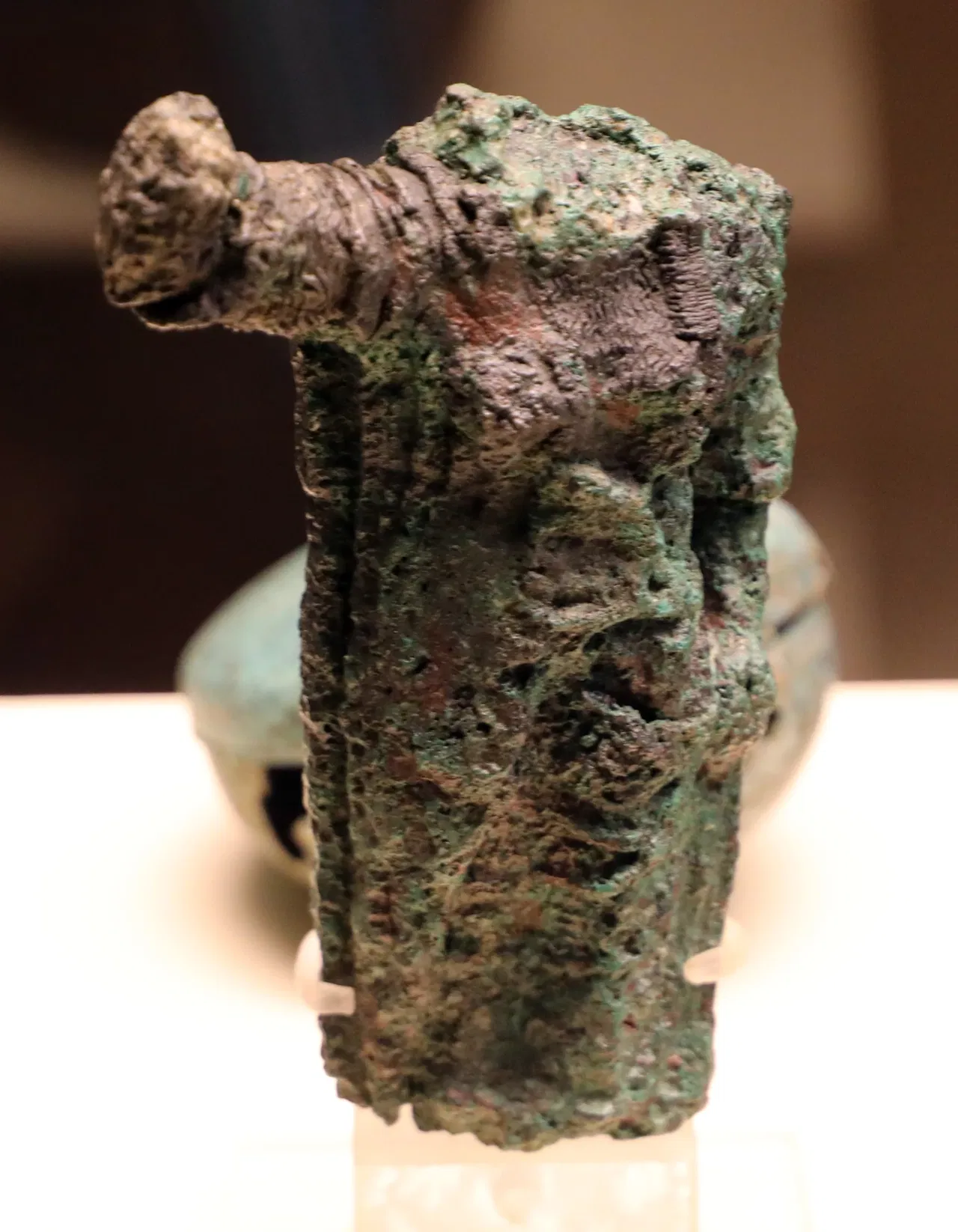
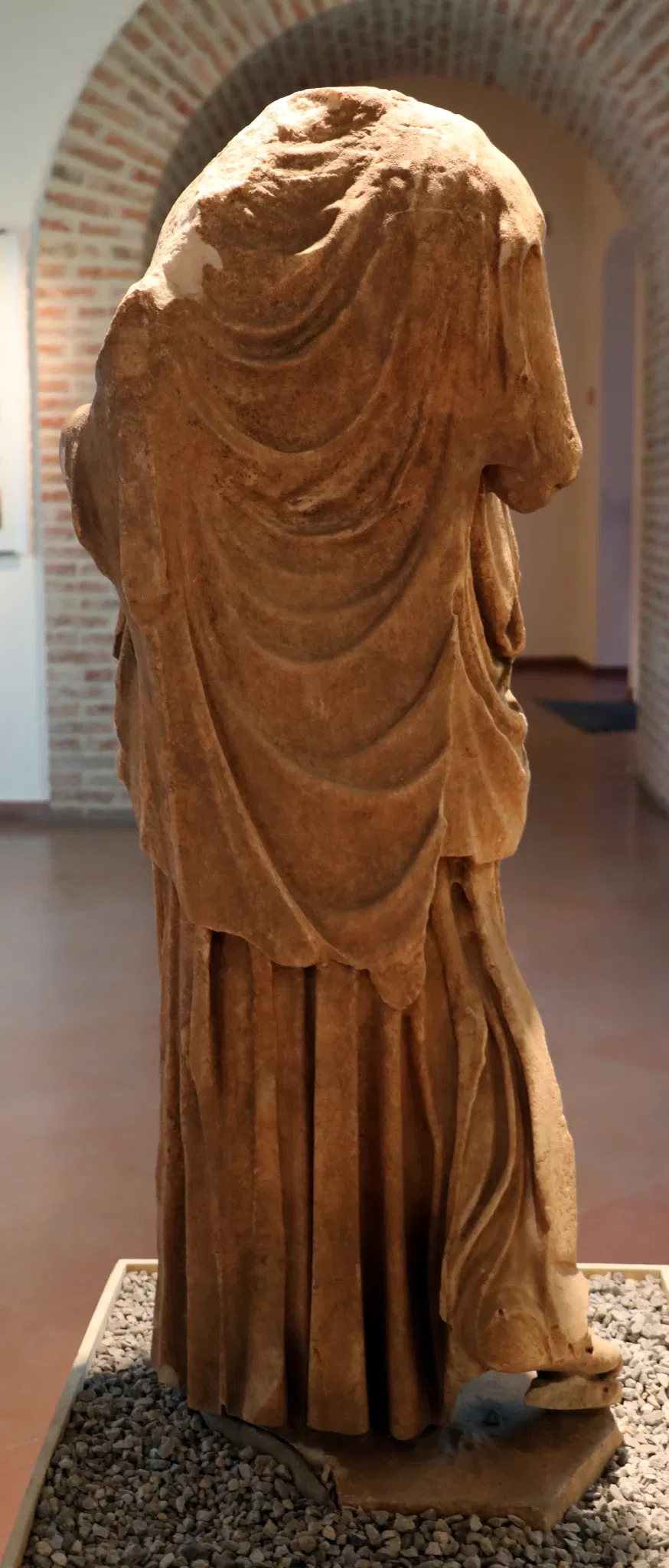
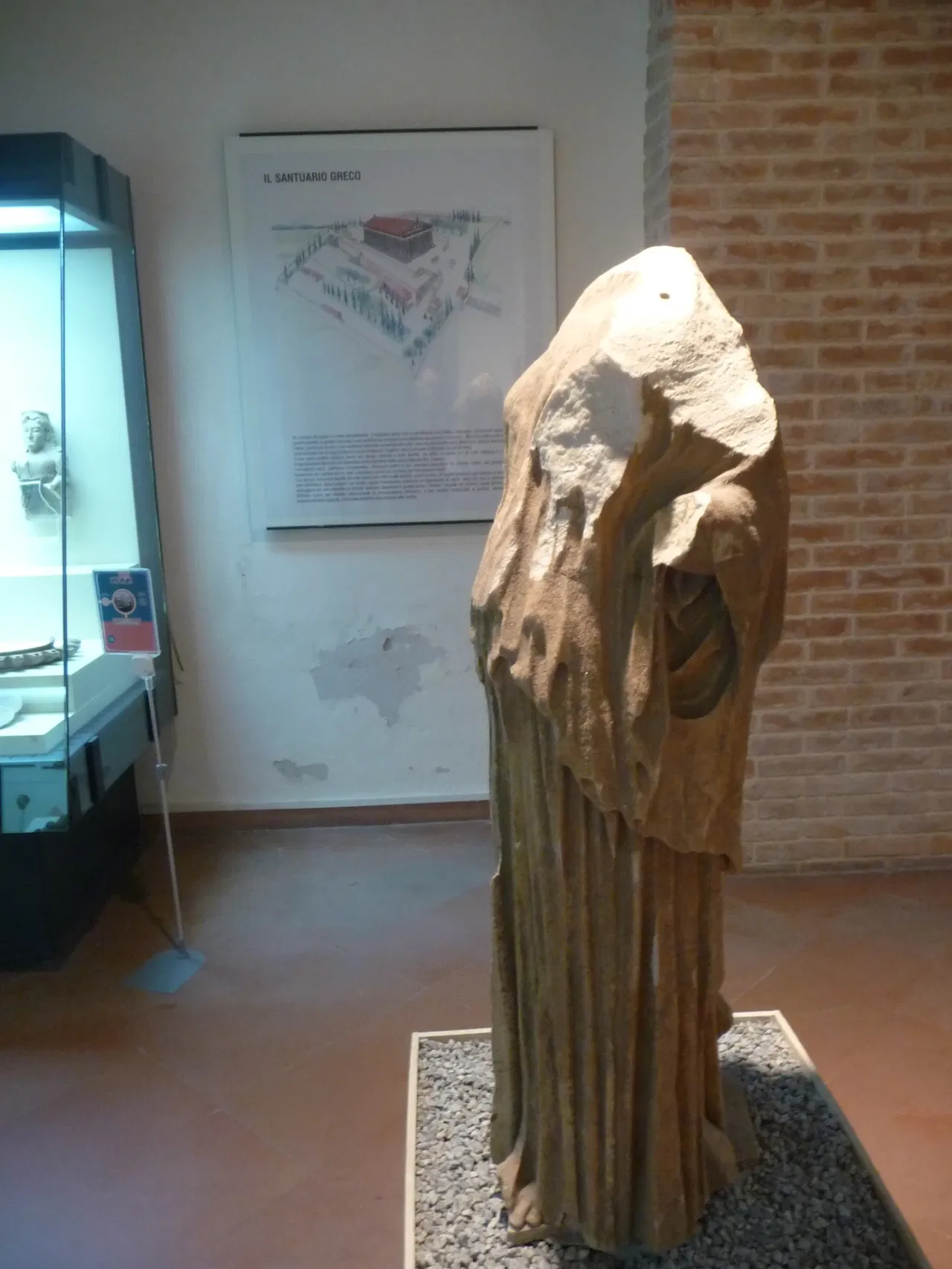
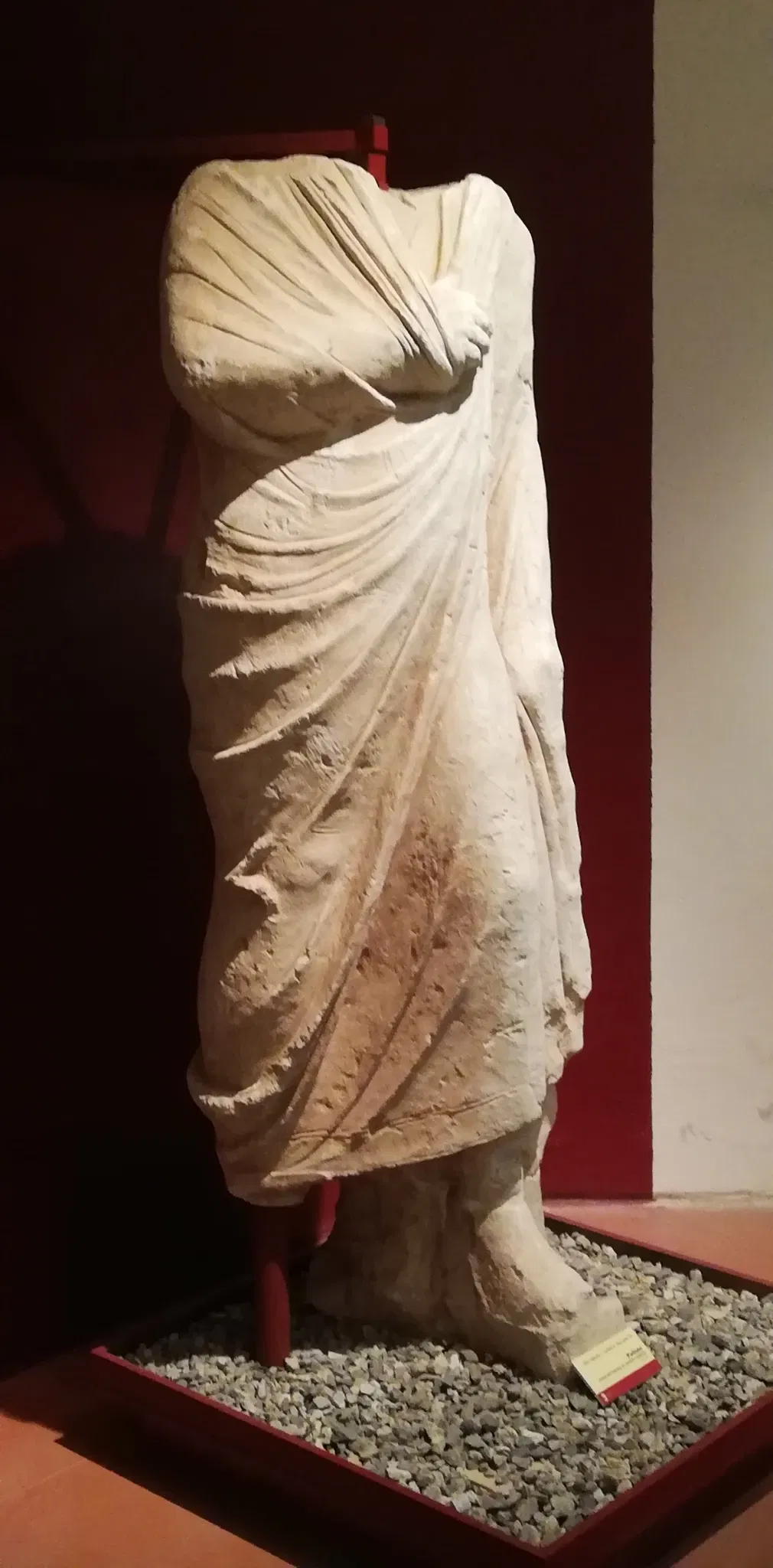
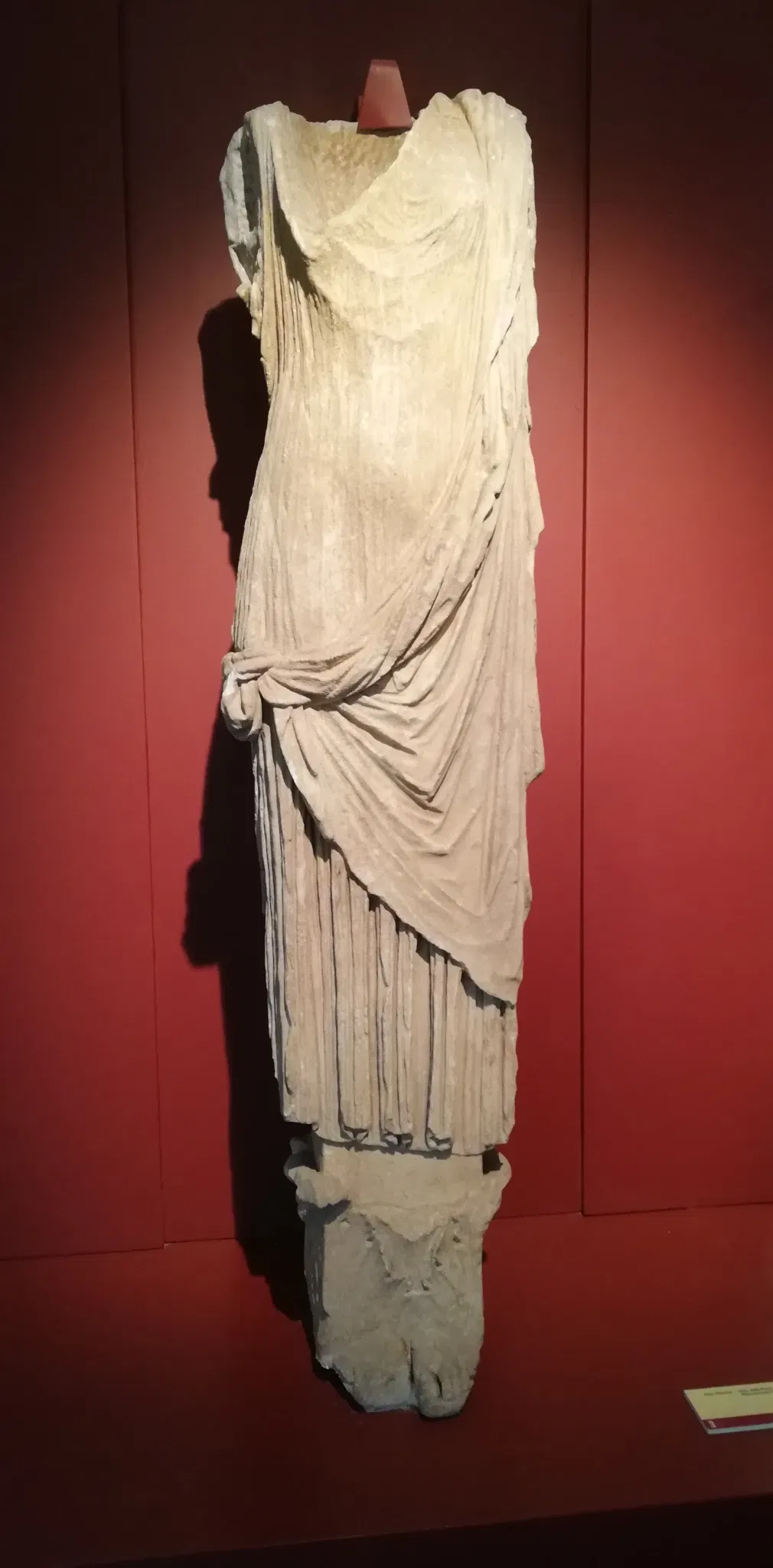

The National Archaeological Museum of Vibo Valentia, also known as the State Archaeological Museum "Vito Capialbi", is located in the Norman-Swabian Castle of Vibo Valentia. This historic castle, despite its name, was not built during the reign of the Norman king Roger I in the 11th century, as popular tradition suggests, but during the time of the Swabian king Frederick II in the 13th century. It was later expanded by the Angevins in the same century.
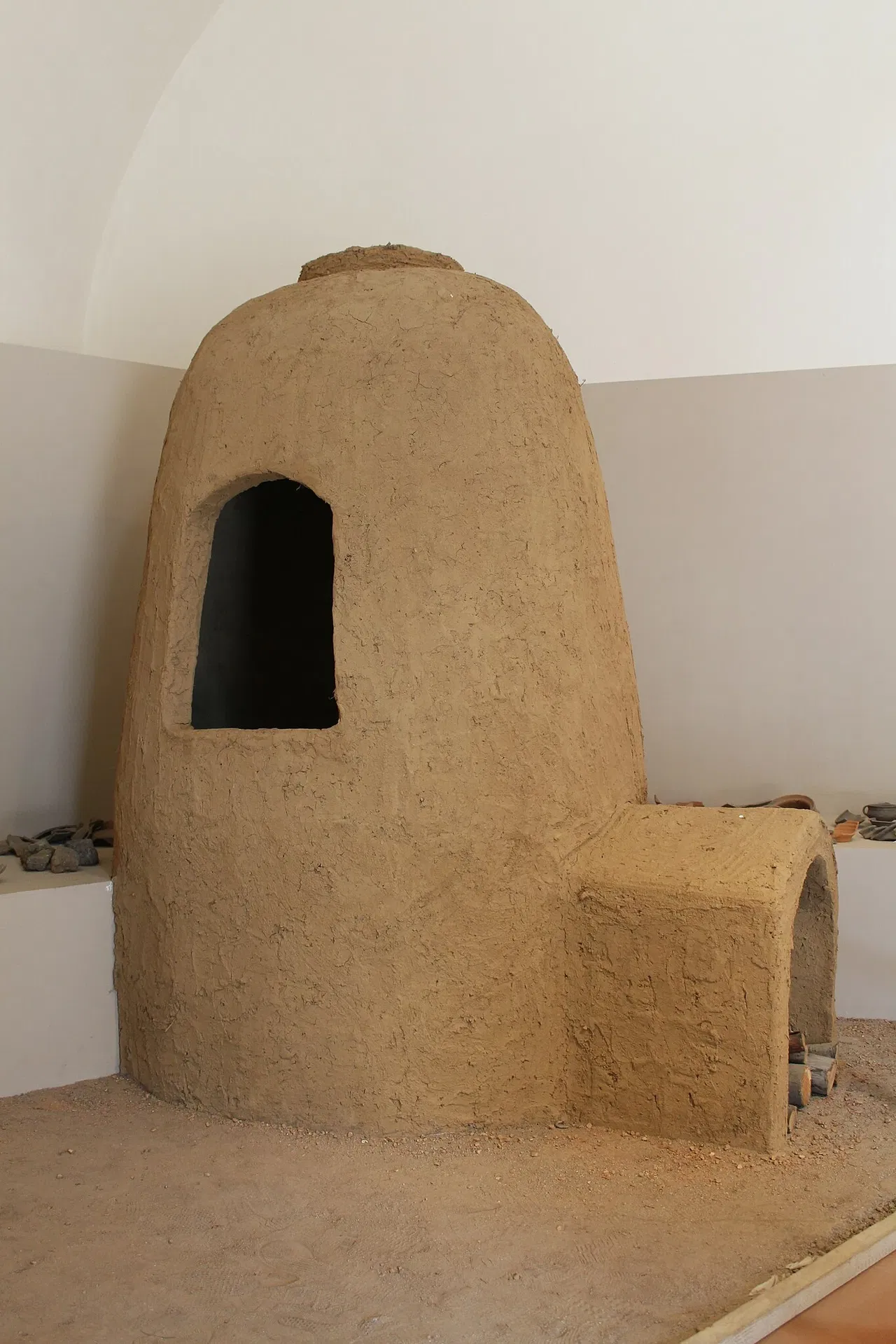
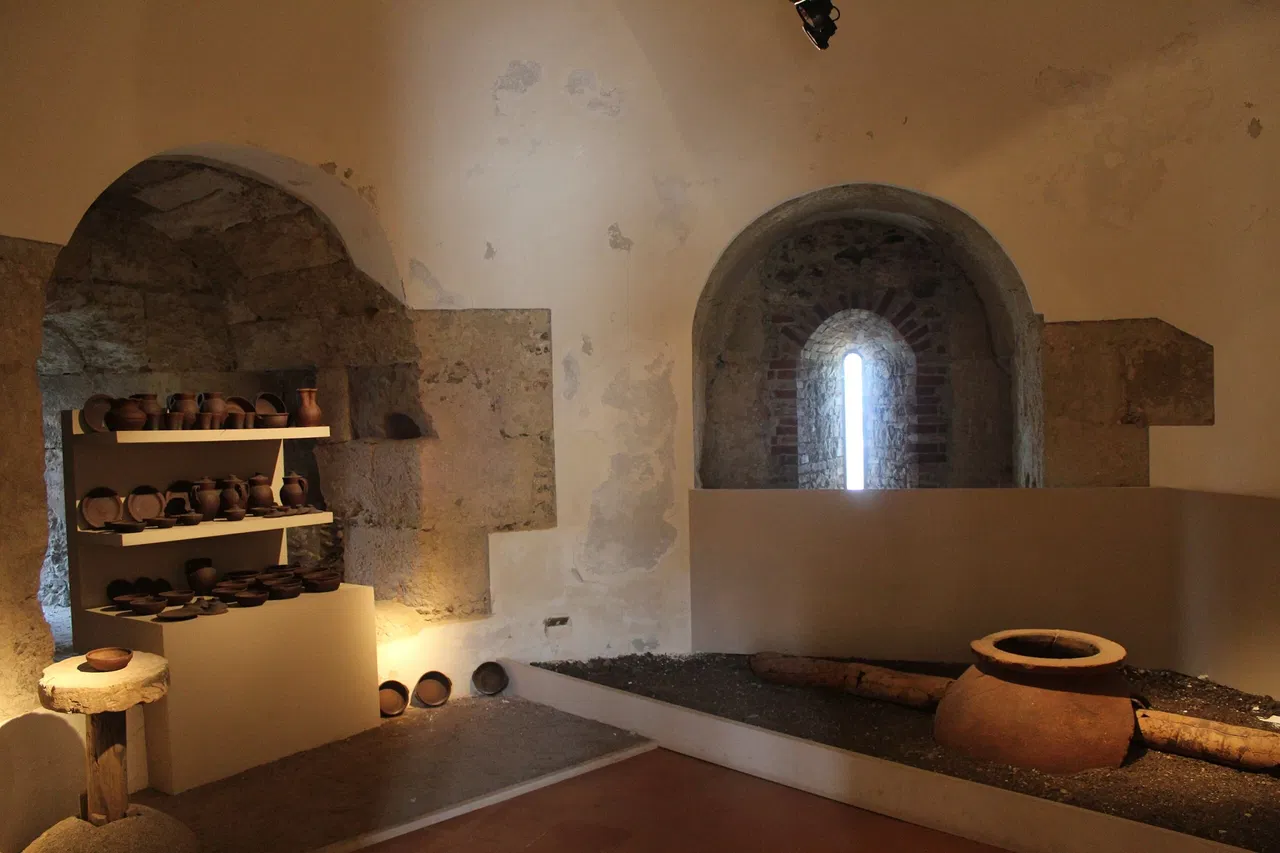
The museum is divided into four main sections: artifacts from sacred buildings, from necropolises, from private collections, and materials from the Roman era. The exhibition begins with objects from the prehistoric age, such as a hut from the Copper Age. There is also a 13th-century BC sword found near a 6th-century BC tomb.
The museum's current setup follows a chronological and topographical order and includes materials from the city and archaeological areas in the surroundings, enriched by some collections from the 19th and 20th centuries donated by local scholars. This includes artifacts from the four sacred areas of the Magna Graecia city of Hipponion, and items from necropolises dating between the end of the 7th and the 4th century BC.
History & Anthropology
Castello Normanno Svevo, Vibo Valentia
No exhibitions in National Archaeological Museum Vito Capialbi have been found.
National Archaeological Museum Vito Capialbi has 1 rating.
This rating is based on the rating of this museum on several other platforms.