Images of The Linnaeus Garden
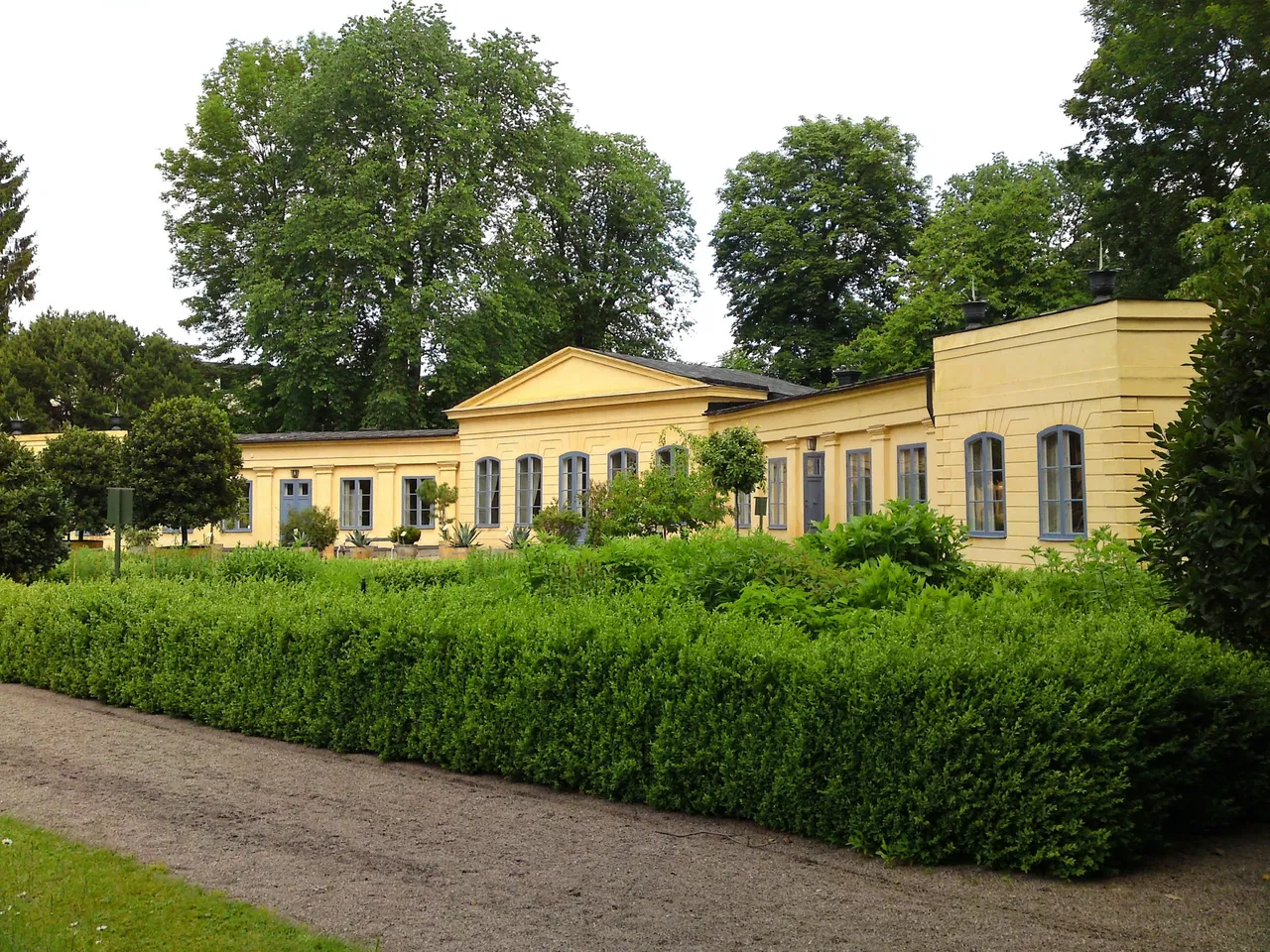
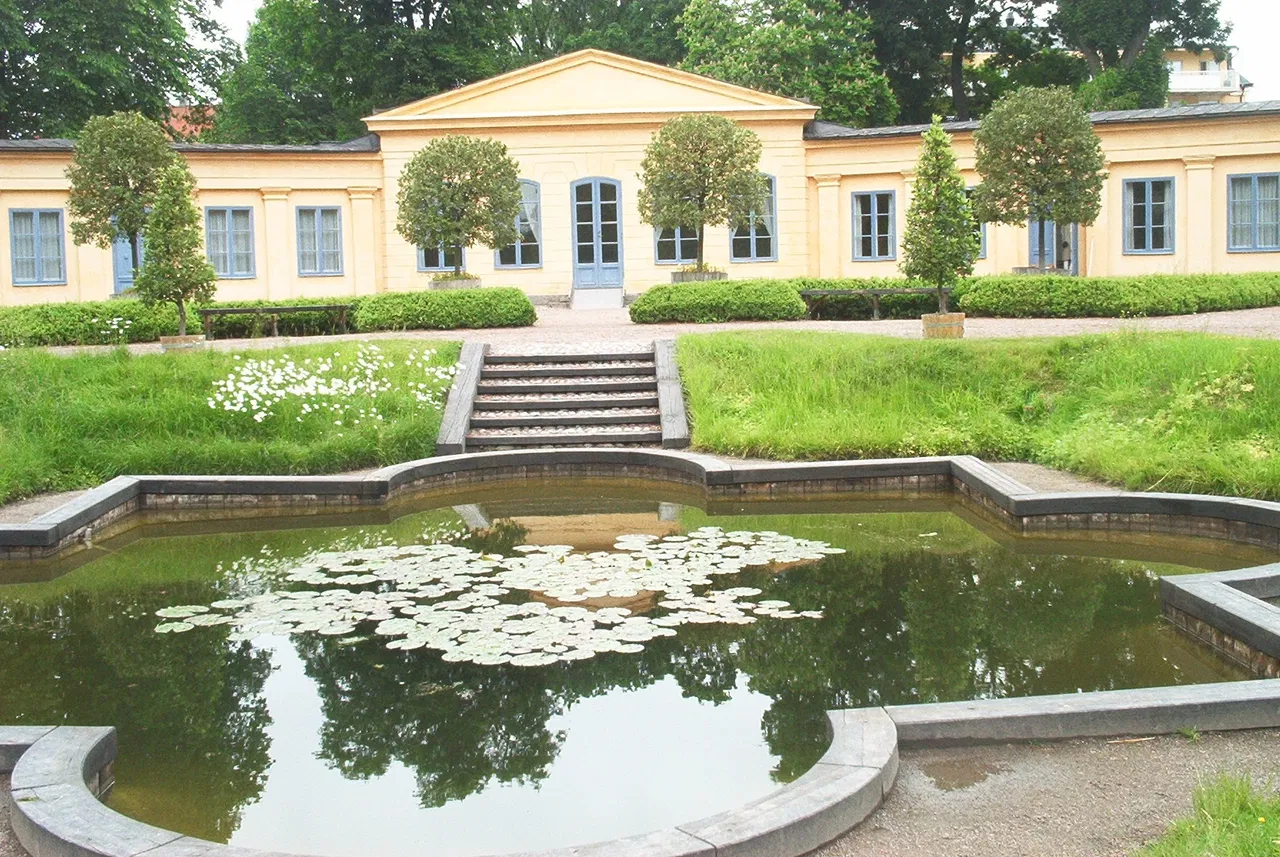
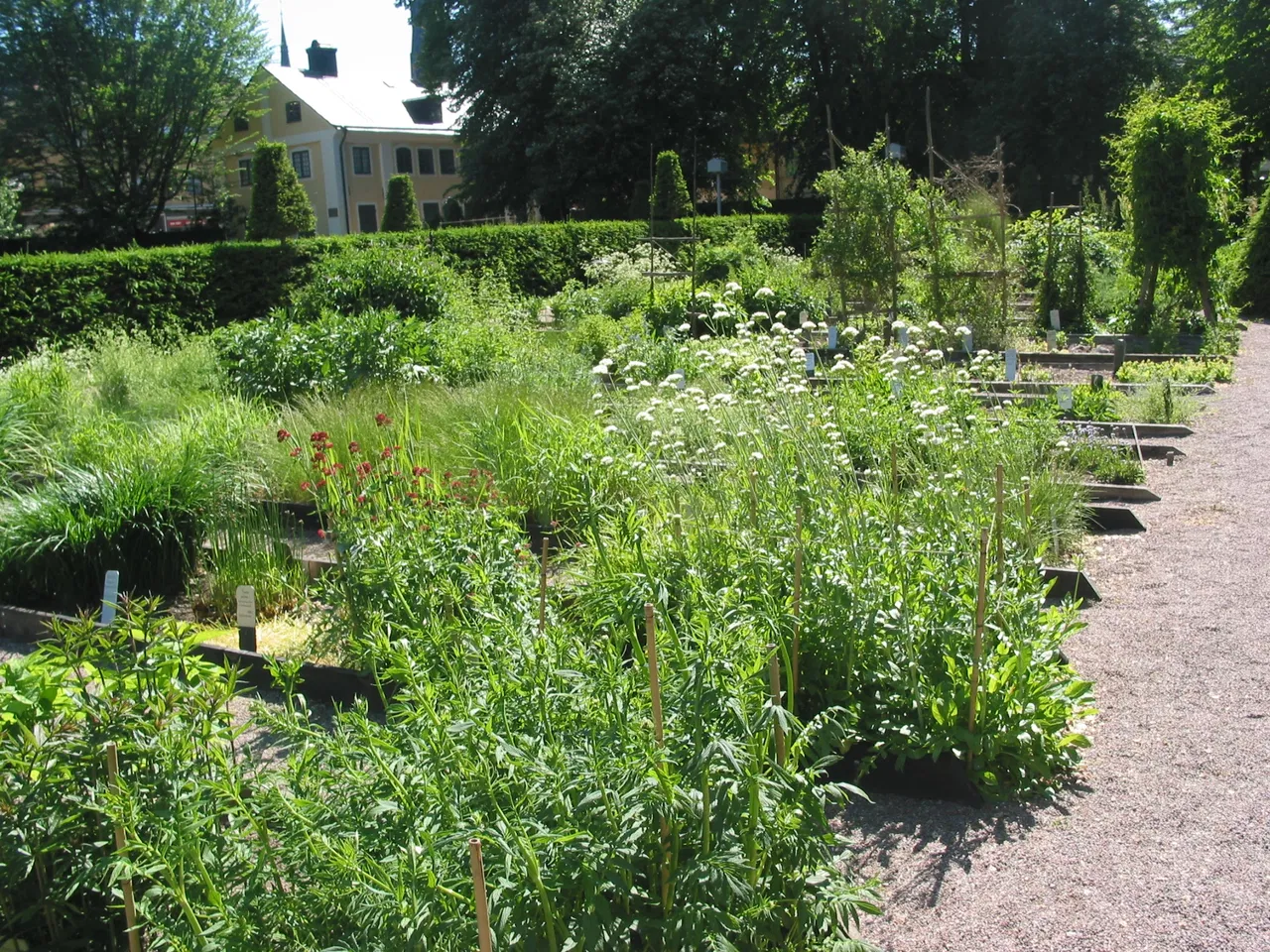
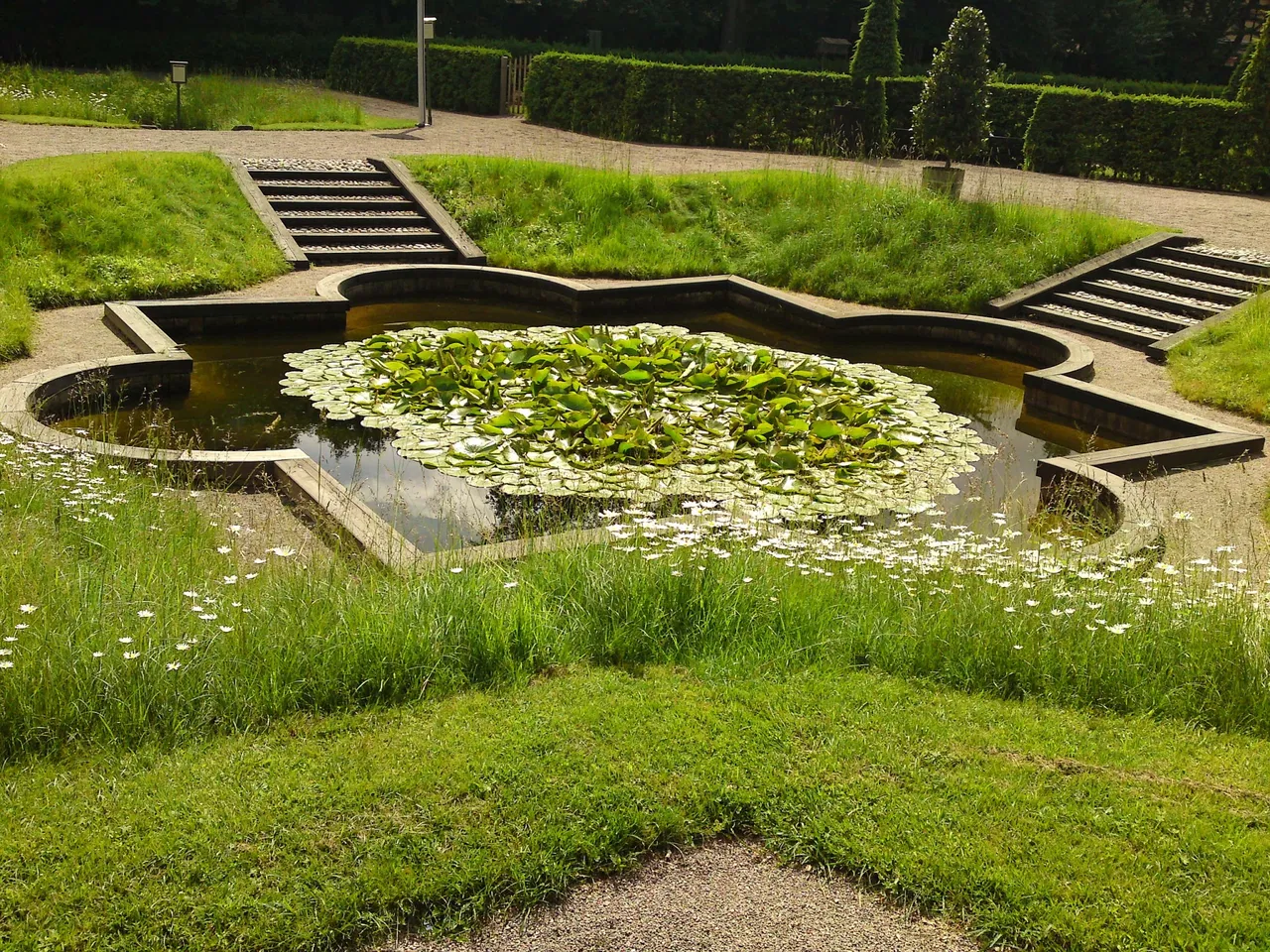
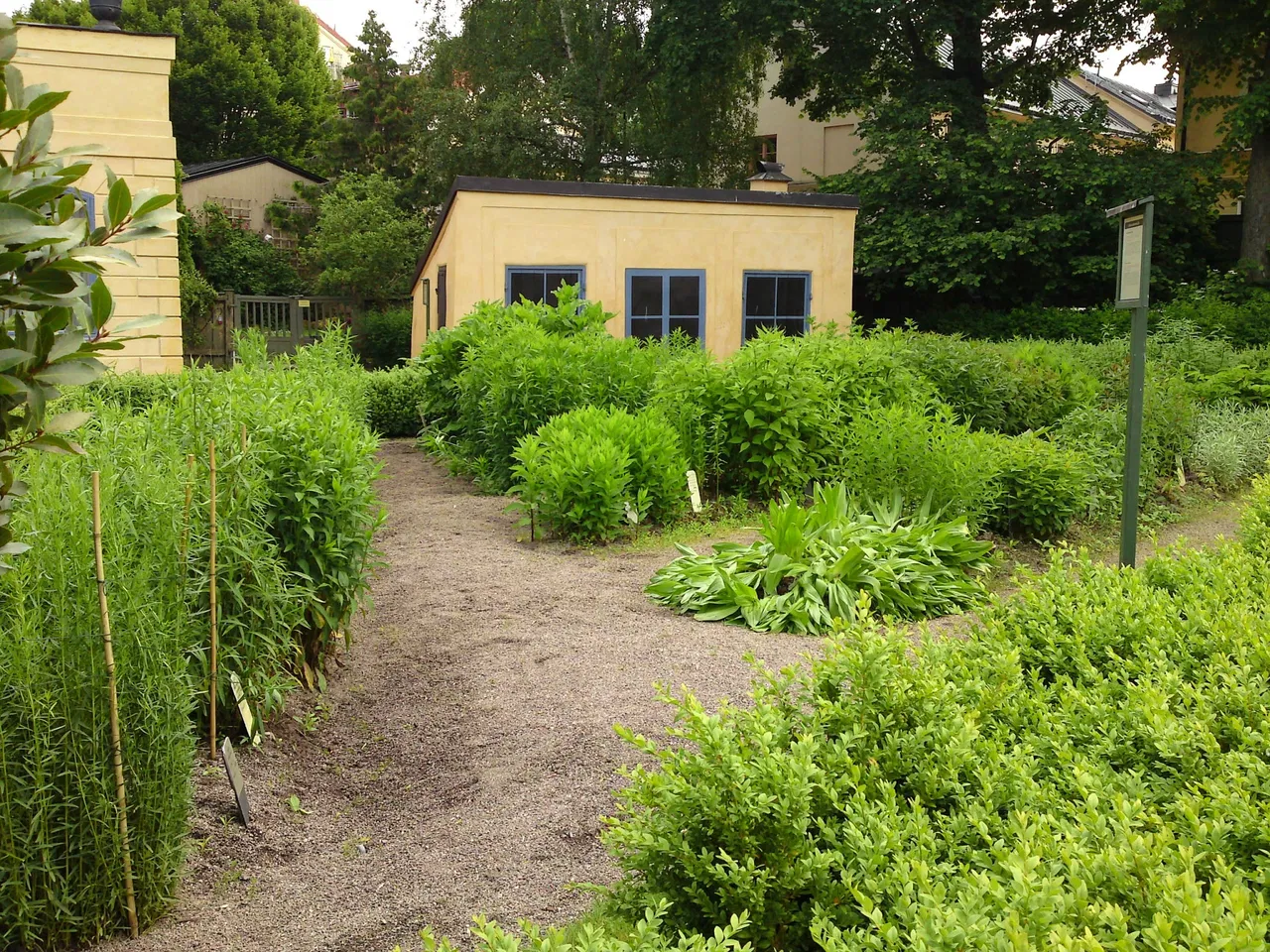
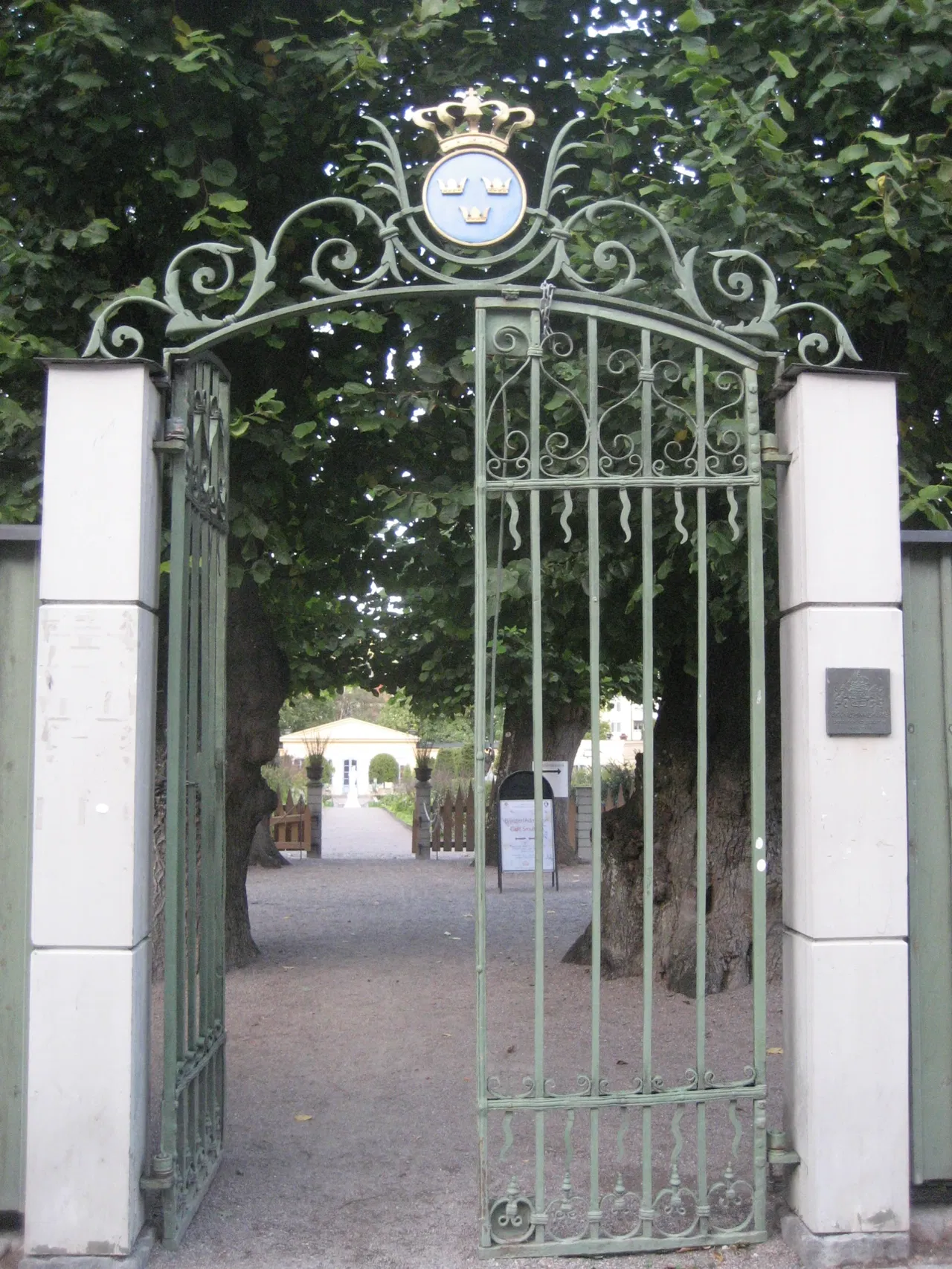
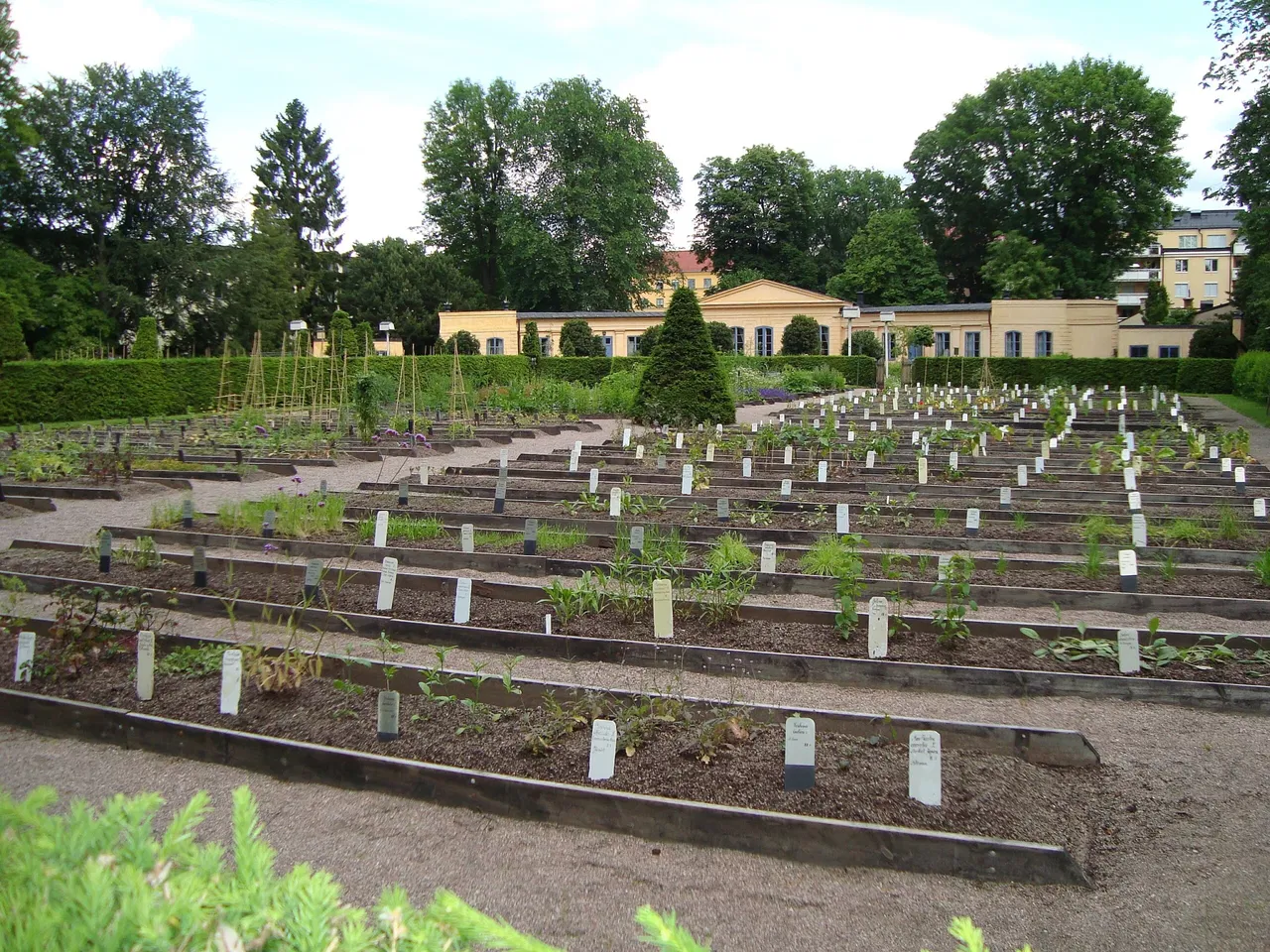
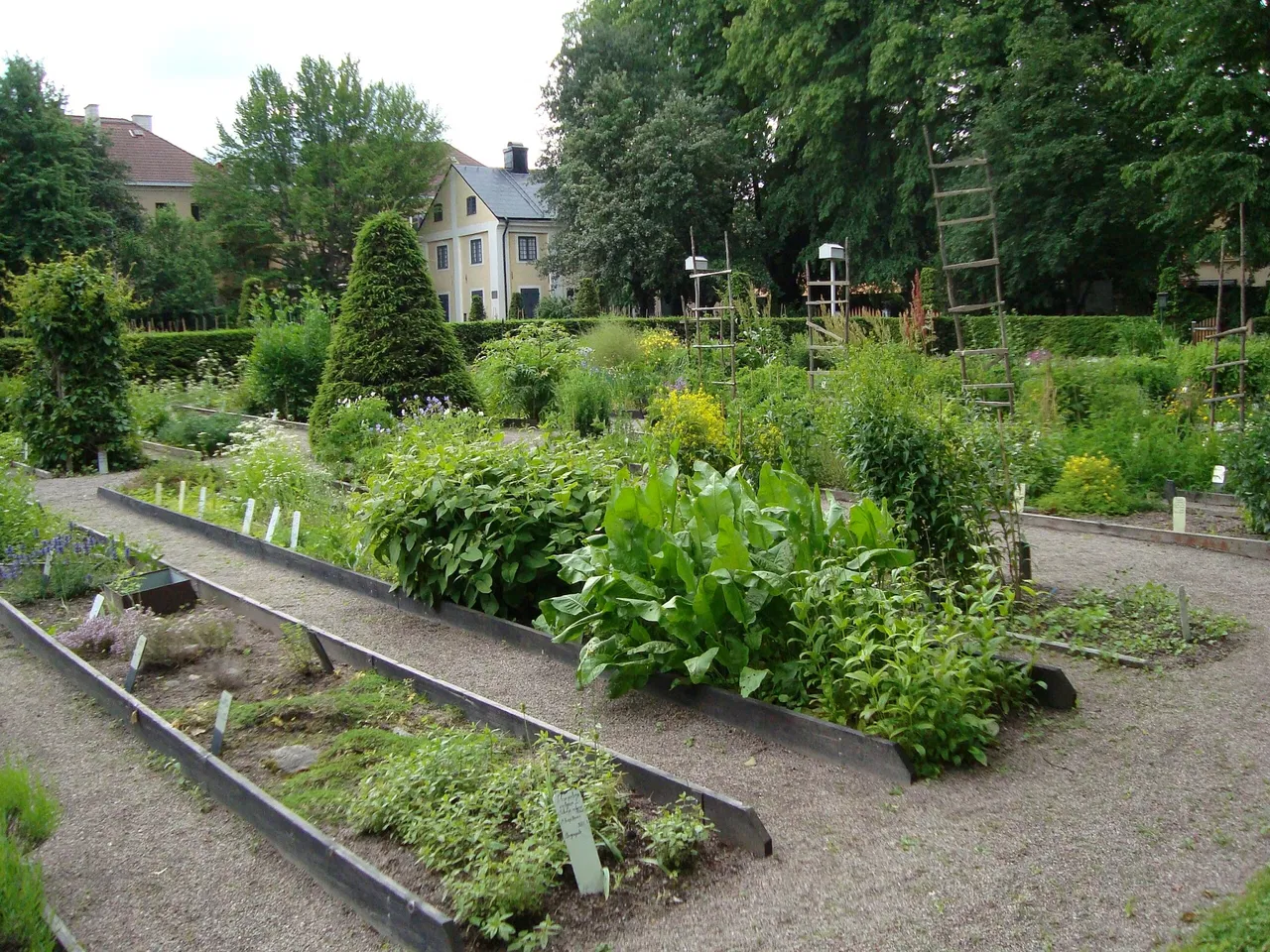
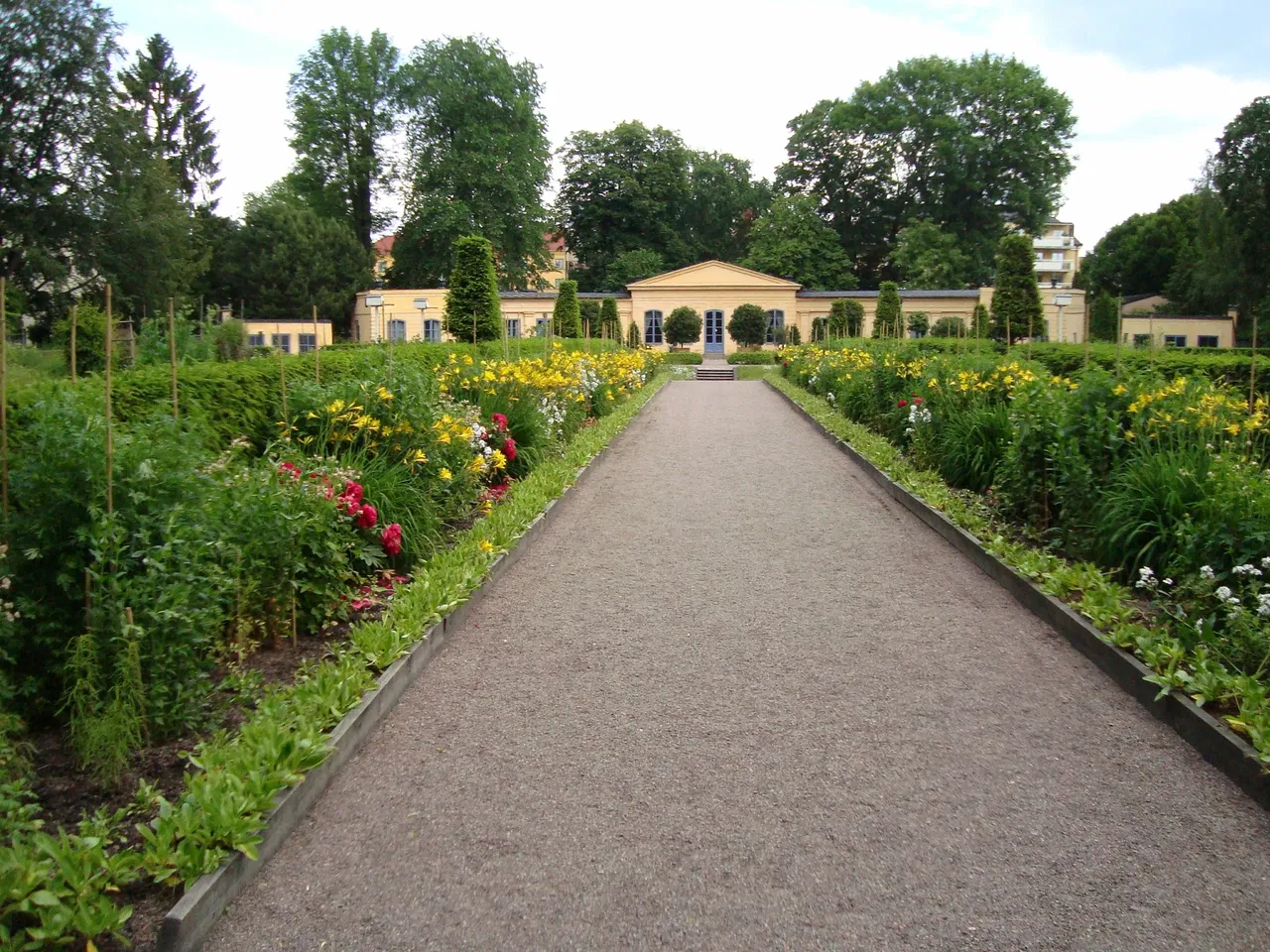
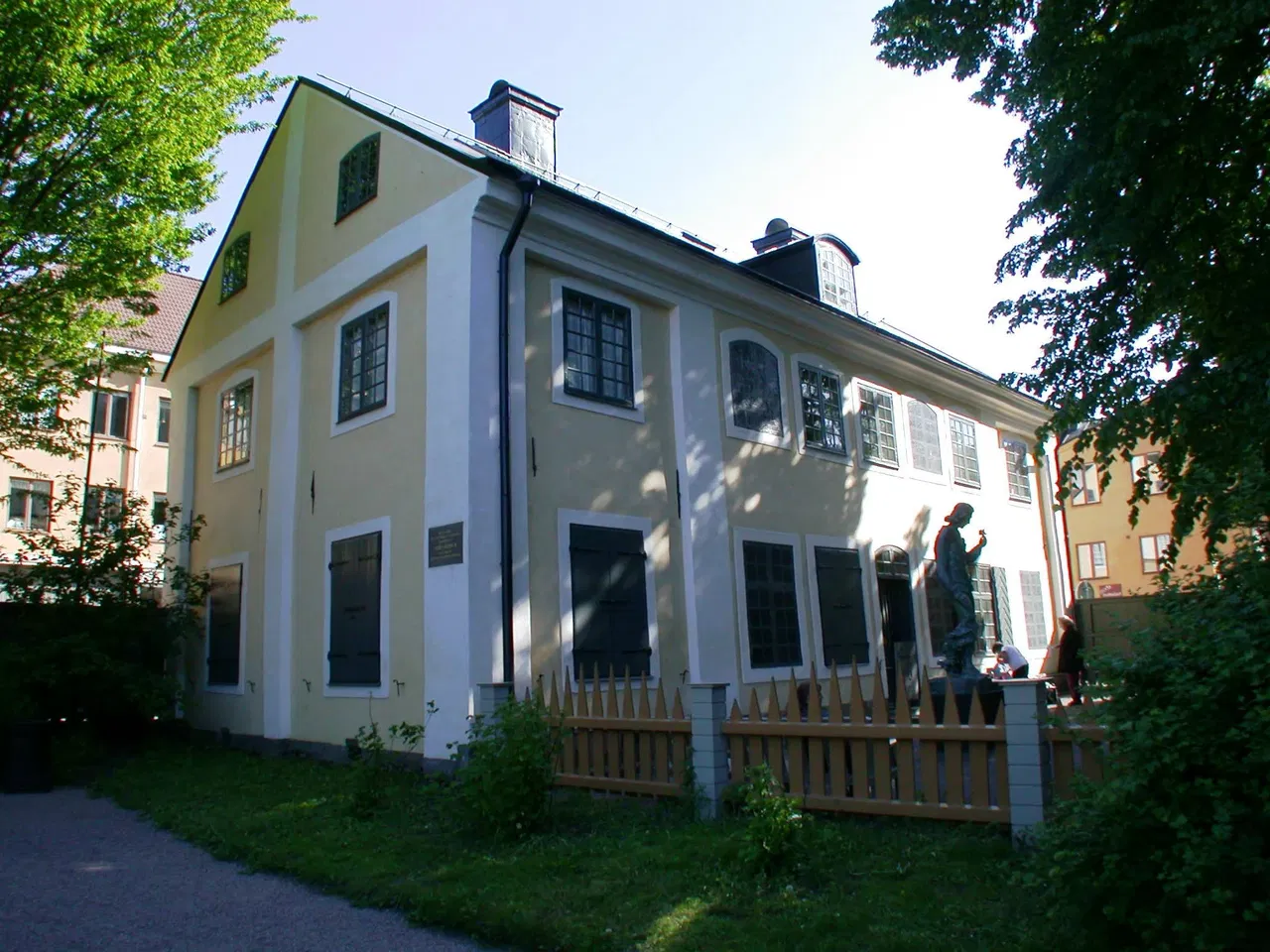
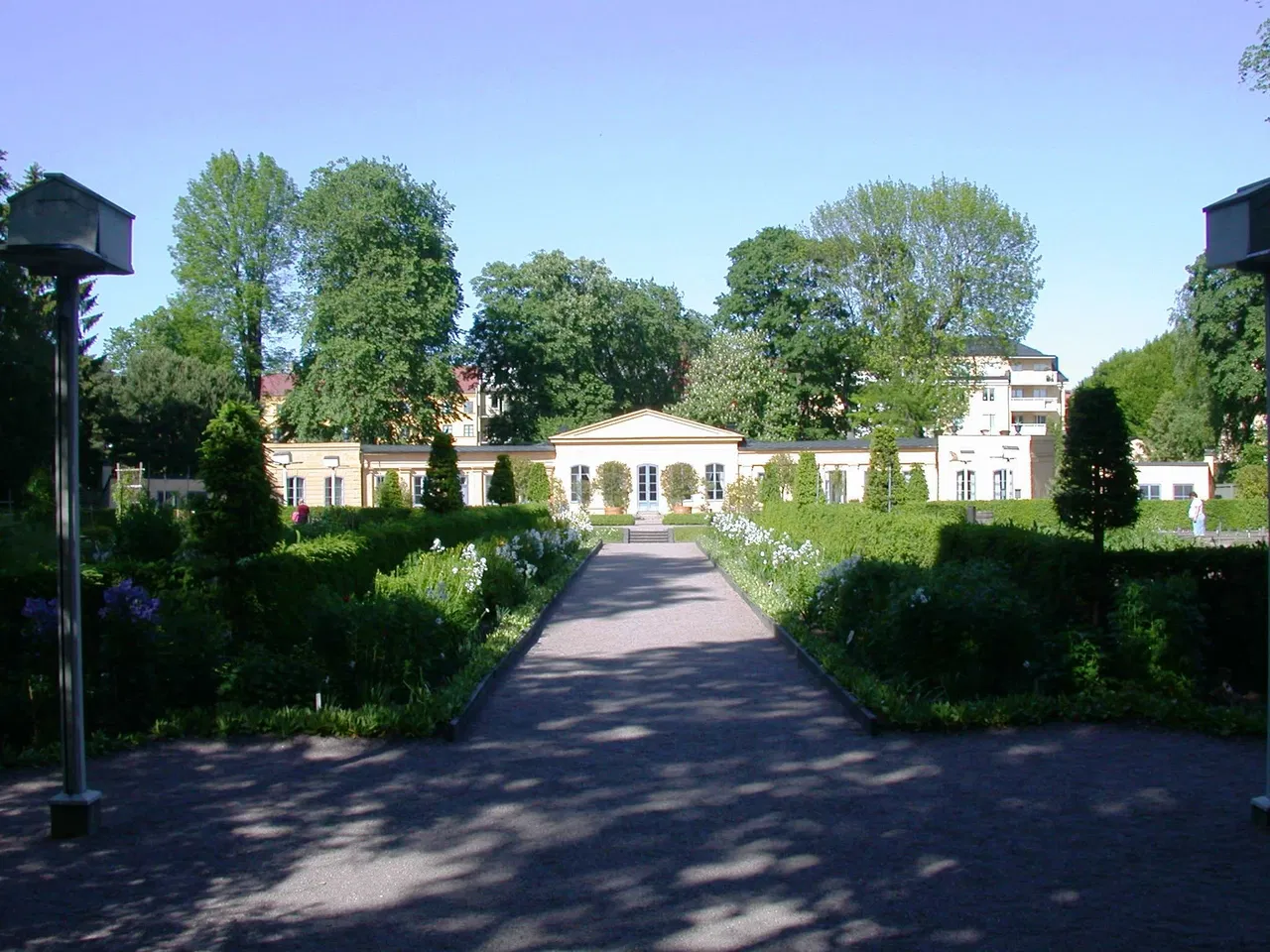
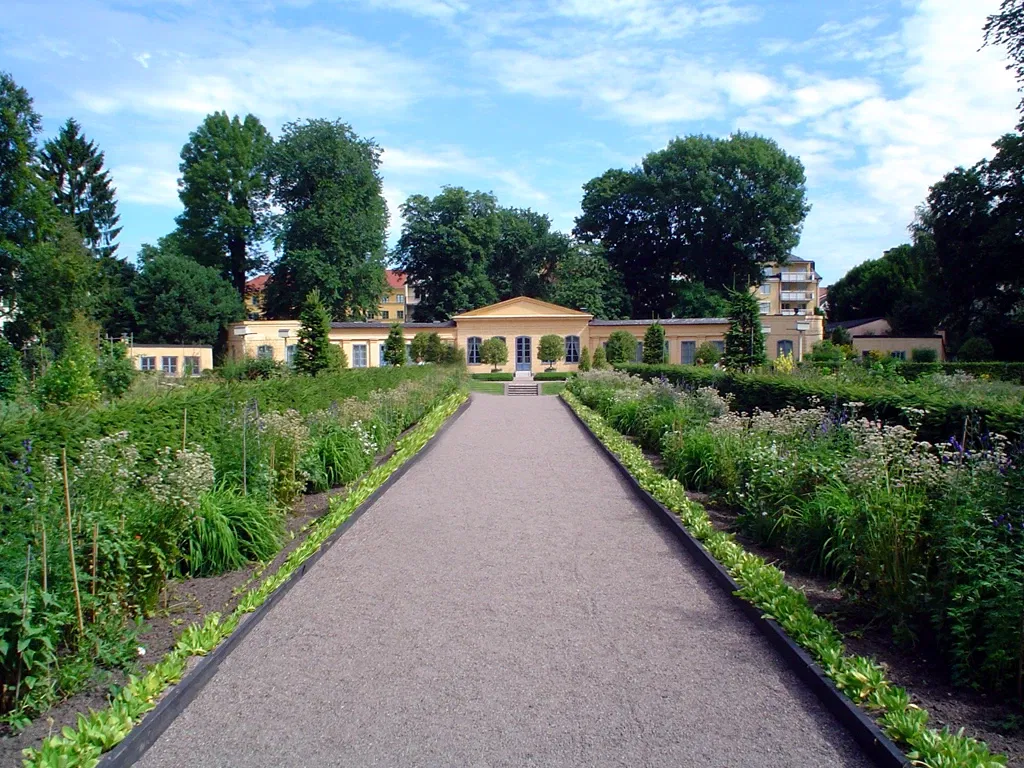
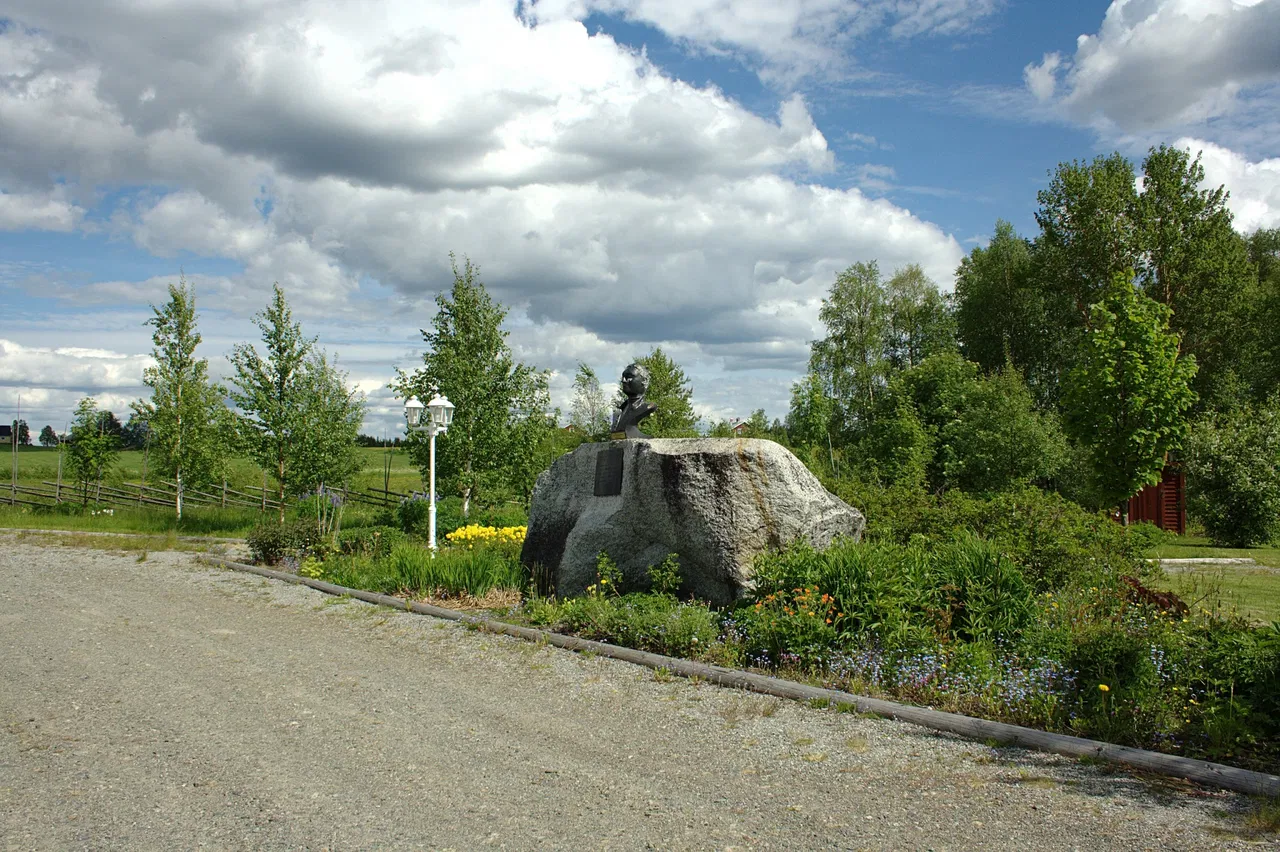
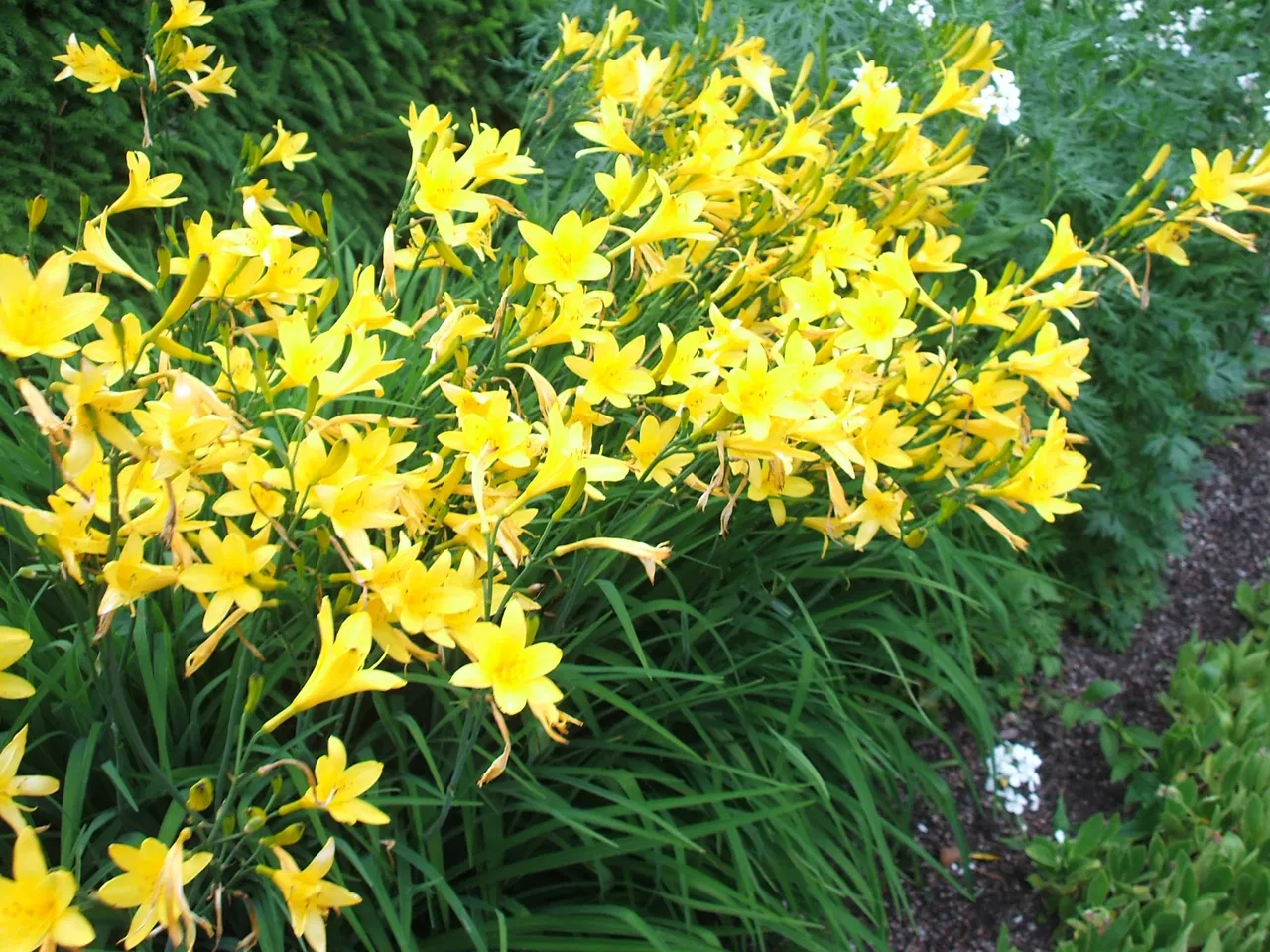
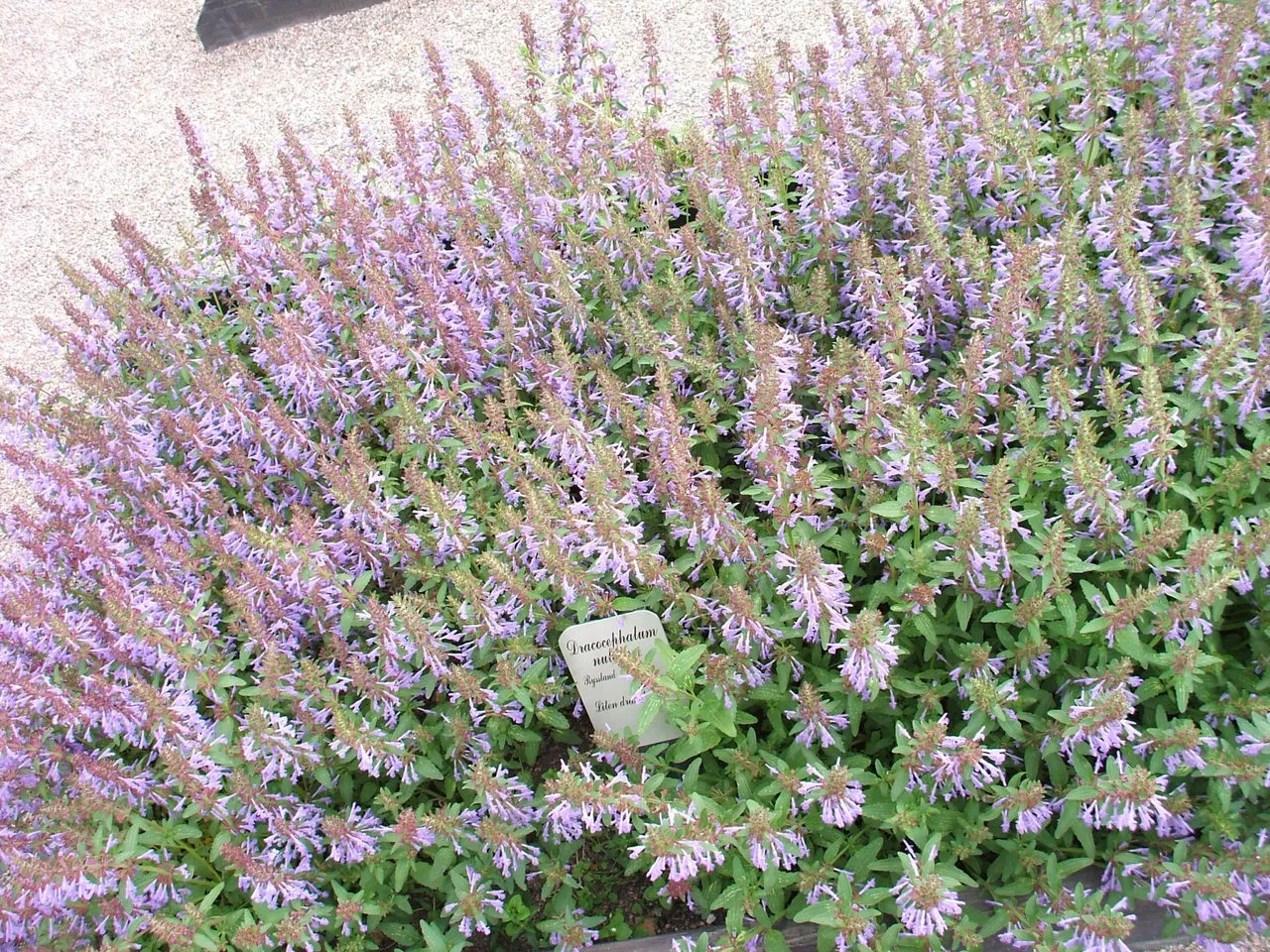

The Linnaeus Garden in Uppsala, also known as Linnéträdgården, holds the distinction of being the first botanical garden in Sweden. It was named in honor of the renowned scientist Carl Linnaeus, who is credited with establishing the foundations of modern taxonomy. This garden serves as a testament to Linnaeus's significant contributions to the field of botany and offers visitors a glimpse into the rich history of botanical research in Sweden.
The Linnaeus Garden operates under the administrative purview of the Botanical Garden of Uppsala University, functioning as a satellite garden. Located adjacent to the garden is the Linnaeus Museum, which is situated in the very house where Linnaeus resided from 1743 to 1778. This proximity allows visitors to explore both the garden and museum in a single visit, providing a comprehensive understanding of Linnaeus's life and work.
The Botanical Garden, including the Linnaeus Garden, serves a dual purpose. It not only provides support plants for research and education at Uppsala University but also promotes public awareness about biodiversity. Each year, the garden plays a crucial role in the education of more than a thousand students in fields such as botany, pharmacology, horticulture, and ecology. Visitors can explore the gardens free of charge, although there may be fees for attending events and special exhibitions.
Nature & Natural History
Svartbäcksgatan 27 B, Uppsala
No exhibitions in The Linnaeus Garden have been found.
The Linnaeus Garden has 1 rating.
The Linnaeus Garden in Uppsala, Sweden, is a charming botanical garden with significant historical importance. As the former home and workplace of Carl Linnaeus, the father of modern taxonomy, it offers visitors a glimpse into 18th-century botanical studies. The garden features a wide variety of plants, many of which are the same species that Linnaeus himself cultivated and studied.
Visitors appreciate the well-maintained grounds and the opportunity to learn about Linnaeus's life and work. The garden's layout remains true to its original design, providing an authentic experience. The adjacent Linnaeus Museum, housed in the scientist's former residence, adds depth to the visit with its period furnishings and exhibitions.
While many find the garden peaceful and educational, some visitors note that it's relatively small and can be explored quickly. The experience may be less engaging for those not particularly interested in botany or scientific history. Some reviewers mention that more detailed information in English would enhance the experience for international visitors.
The best time to visit is during late spring and summer when the garden is in full bloom. Guided tours are available and highly recommended for a more informative experience. However, a few visitors find the entrance fee slightly high for the size of the attraction.
Overall, The Linnaeus Garden offers a pleasant and educational experience, especially for those interested in botany, history, or the life of Carl Linnaeus. While it may not be a full-day attraction, it provides a serene environment and valuable insights into the foundations of modern botanical science.
This rating is based on the rating of this museum on several other platforms.
Discover museums near The Linnaeus Garden in or around Uppsala.