Cultural preservation and environmental protection are no longer separate missions. A new generation of museums is proving that world-class exhibitions can thrive within buildings that heal rather than harm our planet.
As climate change reshapes our world, cultural institutions face a crucial question: how can we preserve the past without compromising the future?
The museums on this list answer with bold action, not just words. Through innovative green architecture, renewable energy systems, and carbon-neutral operations, they're rewriting the rulebook for what sustainable cultural spaces can achieve.
These pioneers demonstrate that environmental responsibility enhances rather than limits the museum experience, creating inspiring spaces where visitors learn not just from exhibits, but from the buildings themselves.
1. California Academy of Sciences
This natural history museum set the gold standard for sustainable design when it became one of the world's largest LEED Platinum-certified public buildings. Its iconic living roof, planted with 1.7 million native California plants, provides natural insulation while creating habitat for local wildlife.
The building generates its own renewable energy through solar panels, recycles 100% of construction waste, and uses radiant heating and cooling systems that reduce energy consumption by 30%. Even the insulation is made from recycled blue jeans, proving sustainability can be both functional and innovative.

2. The Crystal
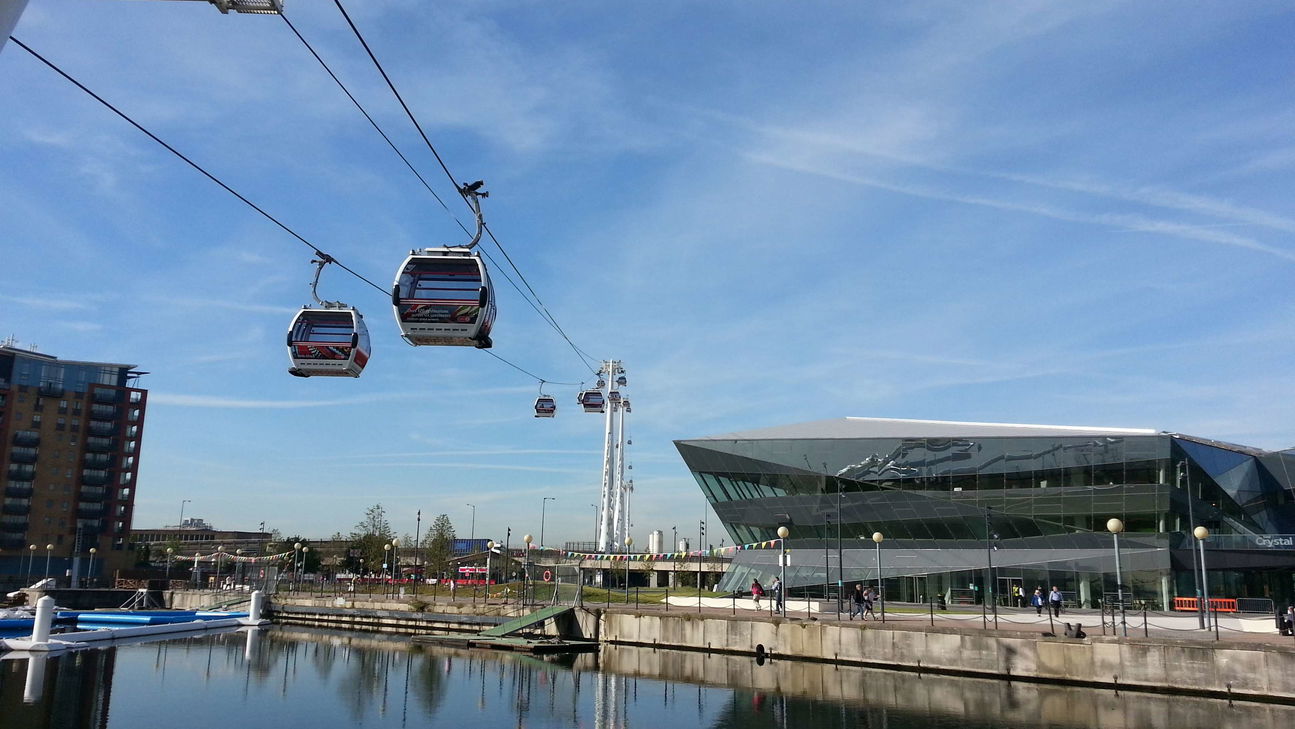
One of the world's most sustainable buildings and a museum dedicated to urban sustainability itself, The Crystal achieved LEED Platinum and BREEAM Outstanding certification. Its distinctive geometric design maximizes natural light while minimizing heat loss through advanced triple-glazed windows.
Solar panels and ground-source heat pumps provide all the building's energy needs, while rainwater harvesting and blackwater recycling reduce water consumption by 90%. As both a museum about sustainability and a living example of it, The Crystal offers visitors an immersive experience in the future of green urban development.

3. Powerhouse Museum
Australia's largest museum has pioneered sustainability initiatives including extensive solar panel installations generating significant renewable energy and comprehensive waste reduction programs achieving over 70% diversion from landfill.
The museum's sustainability extends beyond infrastructure to exhibitions themselves, using biodegradable and recycled materials in displays. Climate-controlled storage systems use cutting-edge technology to minimize energy while protecting collections. The institution has become a model for how historic museum buildings can be retrofitted with green technology without compromising their architectural integrity or cultural mission.

4. Vancouver Convention Centre West
While primarily a convention center, this facility houses important exhibition spaces and achieved the distinction of being Canada's first double LEED Platinum-certified convention center. Its six-acre living roof is the largest in Canada, hosting over 400,000 indigenous plants and four beehives.
Seawater heating and cooling systems, on-site water treatment, and a marine habitat restoration project beneath the building demonstrate comprehensive environmental thinking. The facility generates minimal waste, with 95% of operational waste diverted from landfills, setting a benchmark for large-scale public institutions worldwide.

5. Dock Museum
This maritime museum has become a leader in sustainable museum operations through its commitment to renewable energy and environmental management. The facility operates with 100% renewable electricity and has implemented comprehensive energy efficiency measures throughout its historic dock setting.
The museum's sustainability strategy includes careful climate control that protects collections while minimizing energy use, LED lighting throughout, and educational programs that teach visitors about environmental stewardship. Its location on Barrow's Victorian dock makes it particularly significant as a model for heritage sites balancing preservation with sustainability.

6. Museum of Tomorrow
Designed by Santiago Calatrava, this striking waterfront science museum embodies its forward-looking mission through exceptional sustainable design earning LEED Gold certification. The building uses water from Guanabara Bay to regulate internal temperatures, dramatically reducing air conditioning needs in Rio's tropical climate.
Solar panels on movable wings track the sun throughout the day, maximizing renewable energy generation. Rainwater collection, natural ventilation, and reflective pools that cool surrounding air demonstrate how museums in challenging climates can achieve sustainability. The building itself becomes a teaching tool about climate adaptation and environmental innovation.

7. Eden Project
Built in a reclaimed clay pit, the Eden Project's iconic biomes demonstrate sustainable design at scale. The lightweight ETFE cushions covering the structures require minimal supporting framework, reducing construction materials while maximizing natural light for the thousands of plants within.
The site generates renewable energy through solar, wind, and geothermal systems, with plans to become energy positive. Waste heat from the biomes is captured and reused, while composting and recycling programs ensure nearly zero waste. As both a botanical garden and educational center, Eden teaches millions about sustainability while practicing it.

8. Nobel Prize Museum
Sweden's Nobel Prize Museum has embraced sustainability as thoroughly as the laureates it celebrates embraced innovation. The museum operates with certified renewable energy, comprehensive recycling programs, and climate-neutral operations that align with Stockholm's ambitious environmental goals.
Exhibition design emphasizes reusable and recyclable materials, with displays built for adaptability rather than disposal. The museum's cafe sources organic, locally-produced food, and educational programs explicitly connect Nobel Prize discoveries to sustainability challenges. It demonstrates how even traditional museums in historic buildings can achieve modern environmental standards through systematic commitment.

These eight institutions prove that sustainability and cultural excellence are not competing priorities but complementary goals. From San Francisco to Stockholm, they demonstrate that green architecture, renewable energy, and responsible operations can enhance rather than constrain the museum experience.
Each building tells two stories: the collections within and the environmental innovation surrounding them. As climate challenges intensify, these museums light the path forward, showing cultural institutions worldwide that leadership means action.
Visit them not just to see what they house, but to experience what museums can become.


