Images of Flood Museum
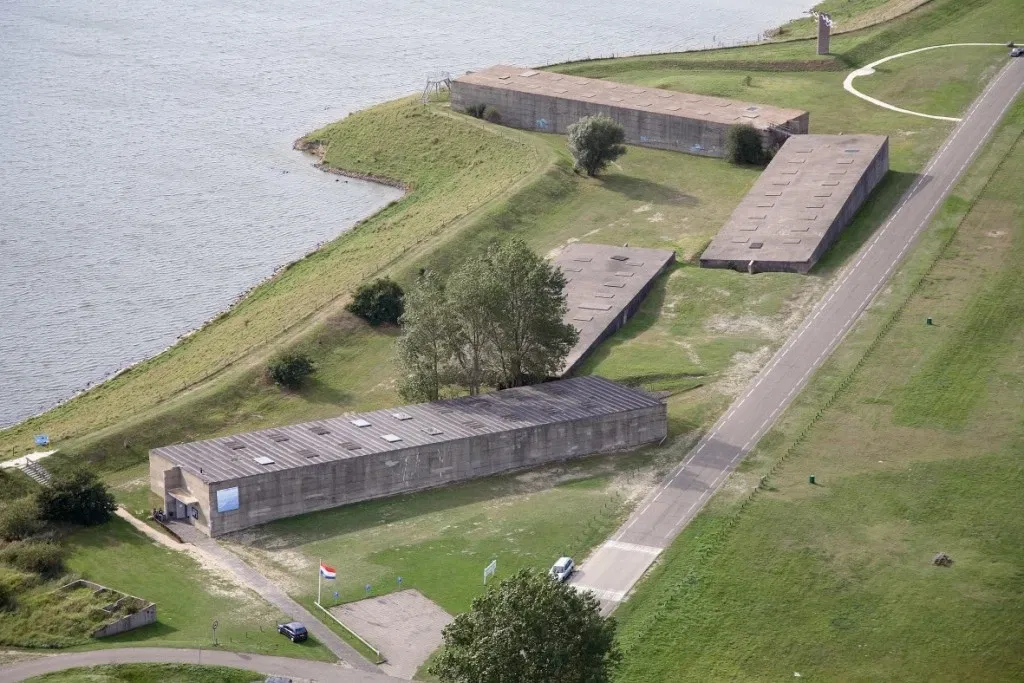
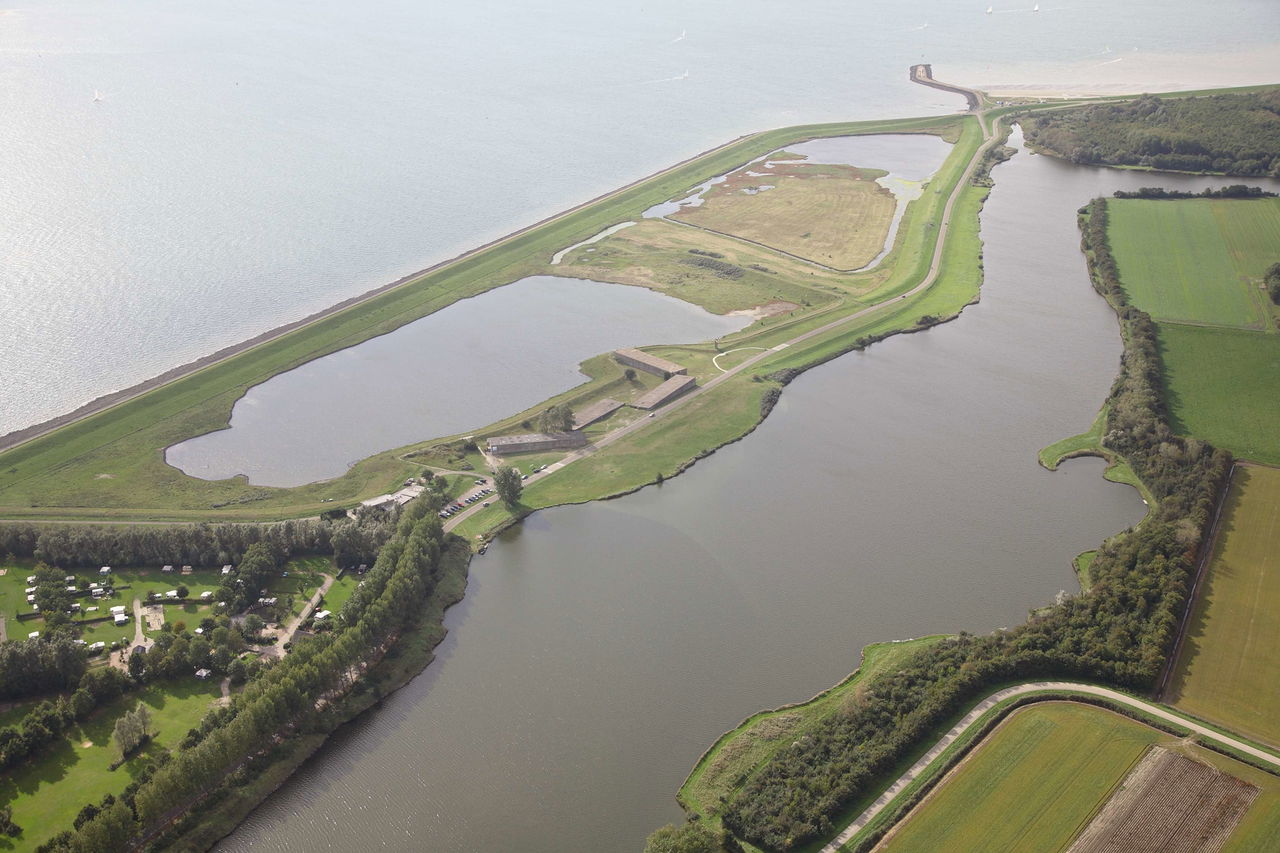
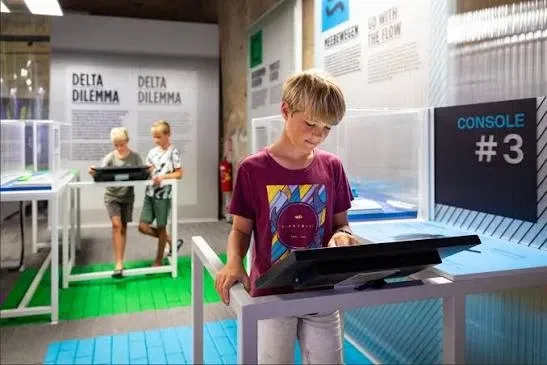
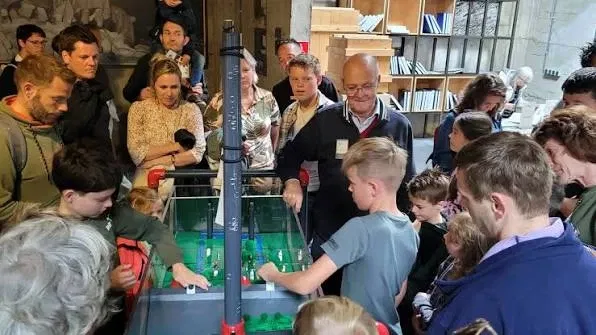
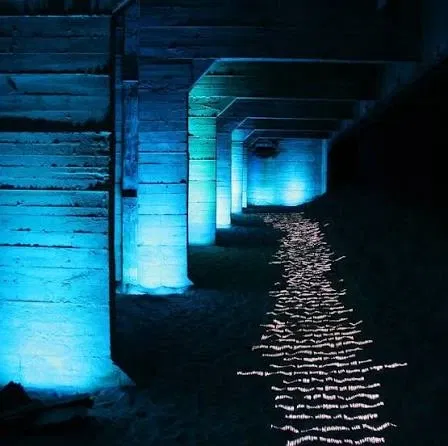
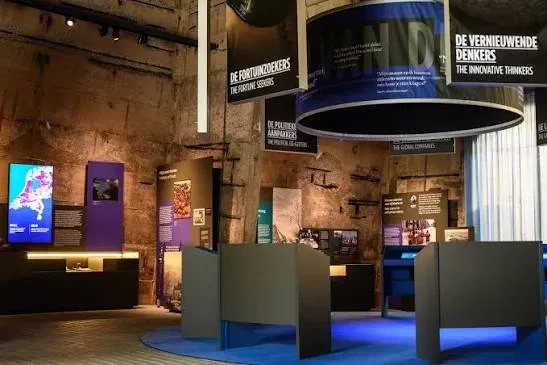

The Watersnoodmuseum, or Flood Museum, is the most popular museum in Zeeland. It is uniquely based in the 4 caissons (hollow concrete structures) used to close the last hole in the dike after the 1953 Flood. The museum is dedicated to remembering, learning and looking ahead. In the 1st caisson it tells the story of the Flood, during which more than 1800 people in the Netherlands died. The 2nd caisson is filled with personal stories, and unique artworks such as the light sculpture 1835 + 1. The 3rd tells the story of the rebuilding after the Flood, and the broader history of living with water in the Netherlands via the exhibition 'water builders'. The 4th is introduced by a panoramic movie, and contains a variety of interactive ways of thinking about the future of living with water - in the Netherlands and elsewhere. The museum frequently welcomes artists in residence and has a special art collection. There is a museum shop, a coffee corner and a brasserie. Visitors can walk to the Eastern Scheldt to learn more about dikes and life in the water there.
History & Anthropology Science & Technology Local Miscellaneous Applied art Modern art
#30 History & Anthropology in the Netherlands #26 Museums open on Monday in the Netherlands #17 Science & Technology in the Netherlands #10 Applied art museums in the Netherlands #11 Local museums in the Netherlands #20 Modern art museums in the Netherlands #1 History & Anthropology in Zeeland #1 Museums open on Monday in Zeeland #1 Science & Technology in Zeeland #1 Local museums in Zeeland #1 Modern art museums in Zeeland #62 Local museums in Europe
Weg van de Buitenlandse Pers 5, Ouwerkerk
Permanent exhibition
Permanent exhibition
Jul 4, 2019 – Dec 31, 2019
Feb 9, 2019 – Jun 1, 2019
Jun 25, 2018 – Nov 15, 2018
May 31, 2018 – Dec 31, 2018
May 26, 2018 – Nov 26, 2018
May 26, 2018 – Nov 26, 2018
Feb 1, 2018 – Aug 31, 2018
Flood Museum has 2 ratings.
The Watersnoodmuseum in Ouwerkerk, the Netherlands, offers visitors a sobering and educational experience about the devastating North Sea flood of 1953. Located in four repurposed caissons used to close the dike breaches, the museum provides a unique setting that enhances the overall impact of the exhibits.
Visitors often praise the museum for its informative displays and the effective use of multimedia presentations, which help to convey the magnitude of the disaster and its aftermath. The personal stories and artifacts from survivors add a touching human element to the historical narrative. Many guests appreciate the museum's focus on not only the past but also on current and future water management challenges in the Netherlands.
Some reviewers note that while most information is available in Dutch, English translations are provided for international visitors, though they may not be as comprehensive. The museum's location, while significant, can be a bit remote for some travelers.
A few visitors mention that the content can be emotionally heavy, particularly for those with personal connections to the flood. However, this is generally seen as a testament to the museum's ability to convey the gravity of the event.
The outdoor area, including the climbing of the dike, is often highlighted as a valuable addition to the indoor exhibits, offering panoramic views of the surrounding landscape.
While most find the entry fee reasonable, a small number of visitors feel the museum could benefit from more interactive elements or regular updates to keep returning visitors engaged.
Overall, the Watersnoodmuseum is widely regarded as a well-presented and important historical site that effectively balances education with commemoration, making it a worthwhile visit for those interested in Dutch history and water management.
Positief verrast :)
Goed verzorgd museum. Gevarieerd van oud (foto's en journaals) naar modern 2 virtual realitie brillen.
Is geschiedenis wat bij Nederland hoort. Want er zijn veel meer overstromingen door heel Nederland geweest.
Eigenlijk iedereen uit Zeeland en omgeving een keertje langs. Goed te combineren met een ander leuk uitje.
Schone wc en goed klein restaurant.
Visited on May 27, 2017
This rating is based on the rating of this museum on several other platforms.
Discover museums near Flood Museum in or around Ouwerkerk.