Images of Gurs Internment Camp
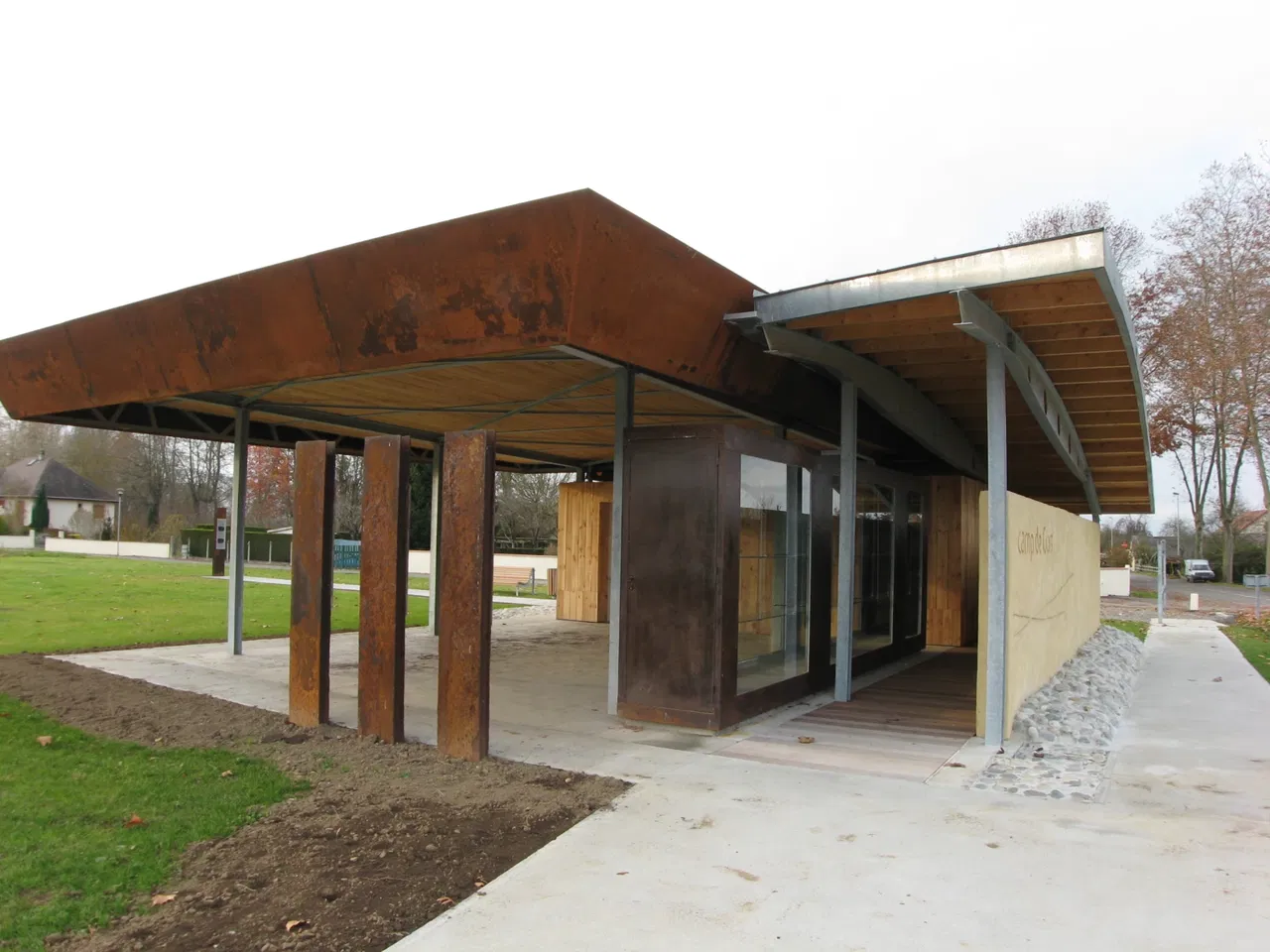

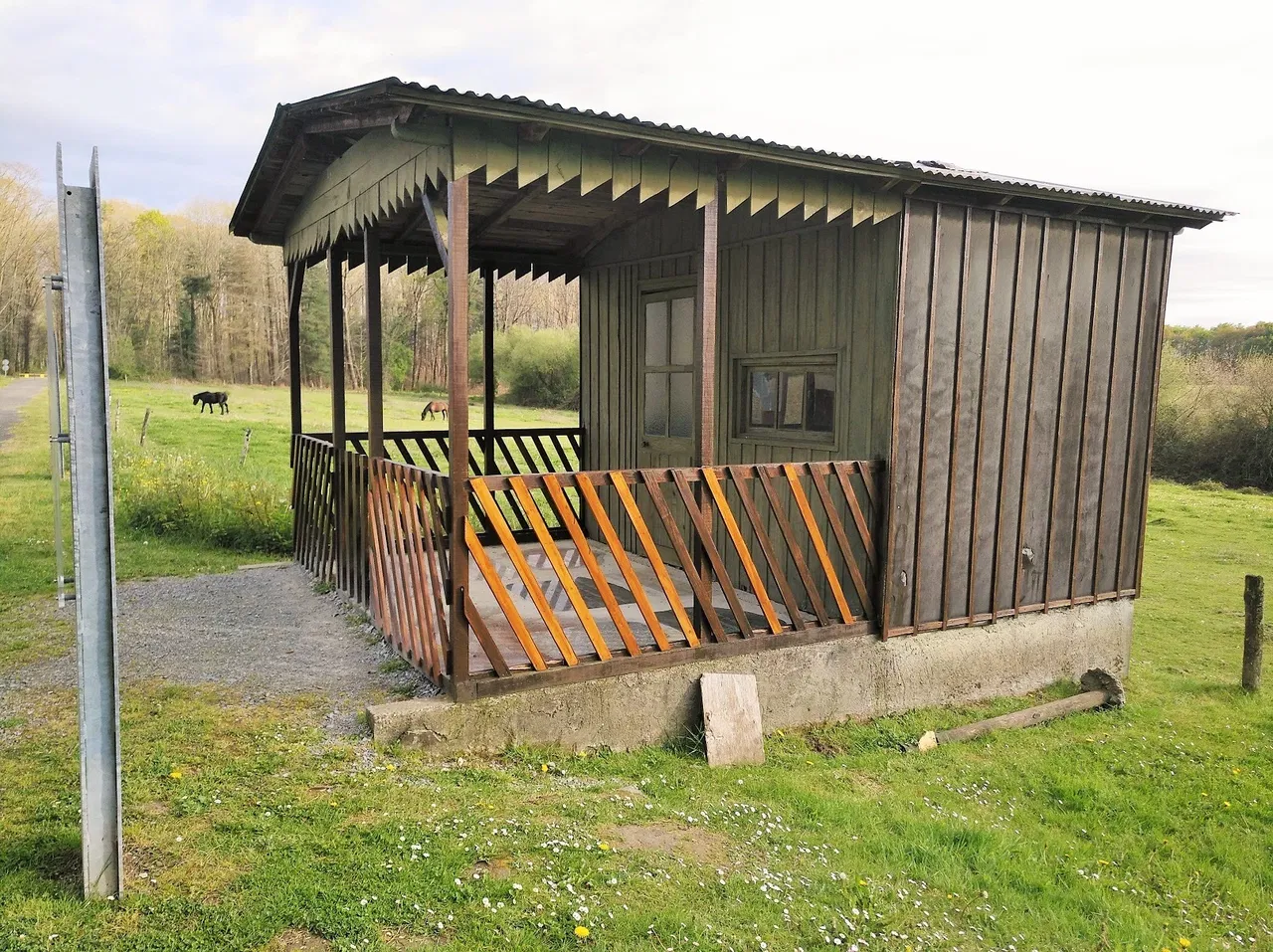
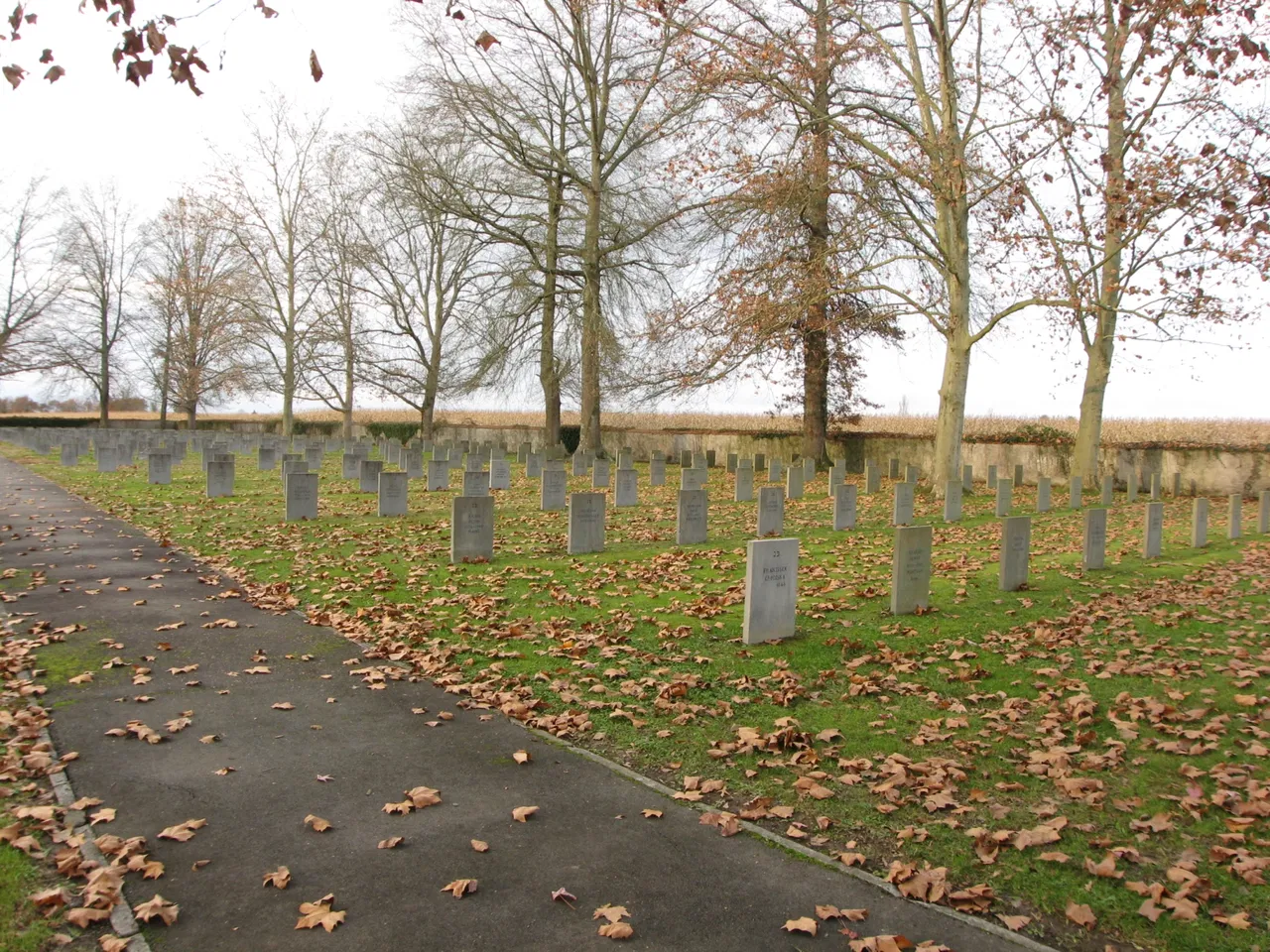
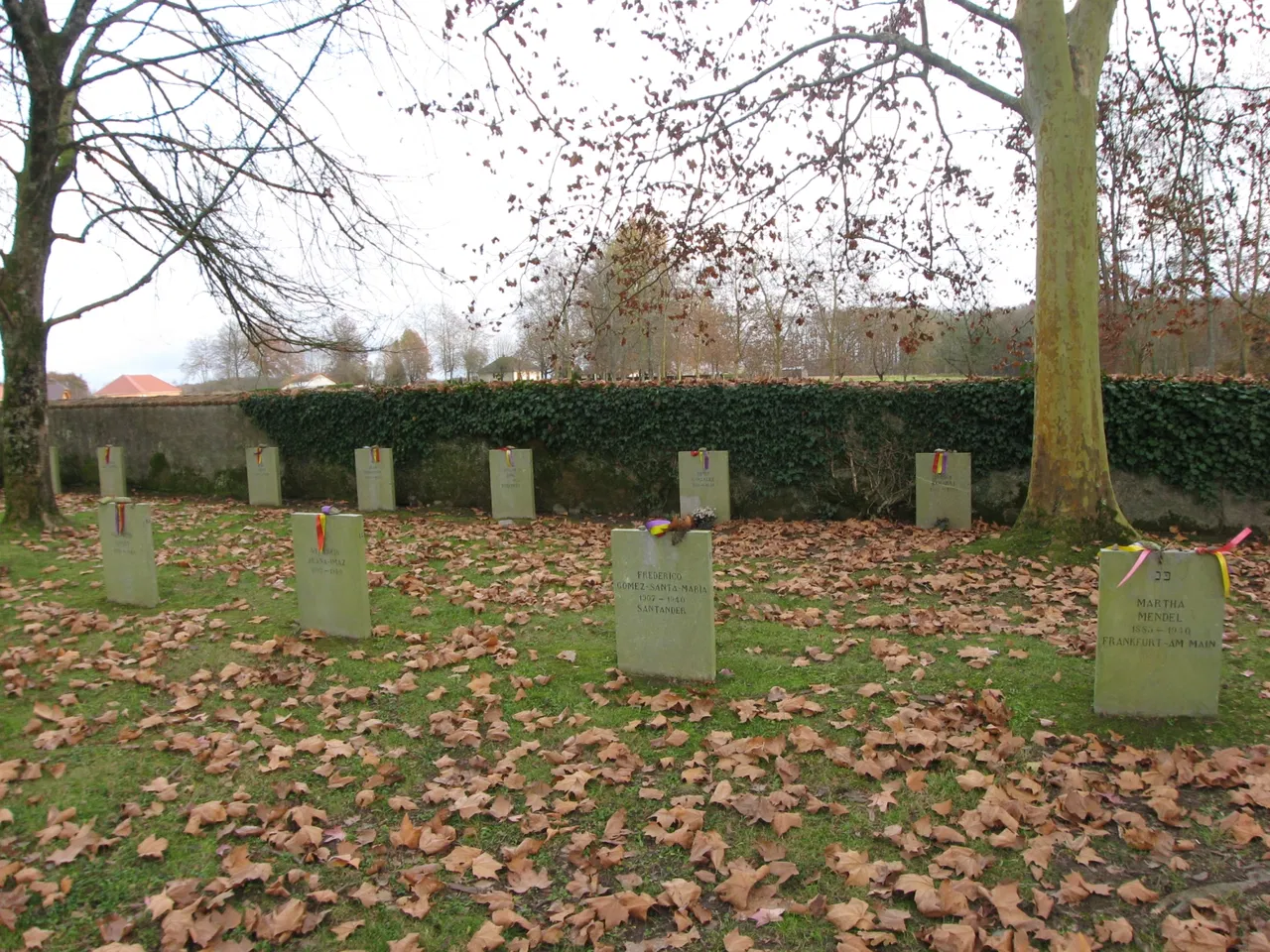
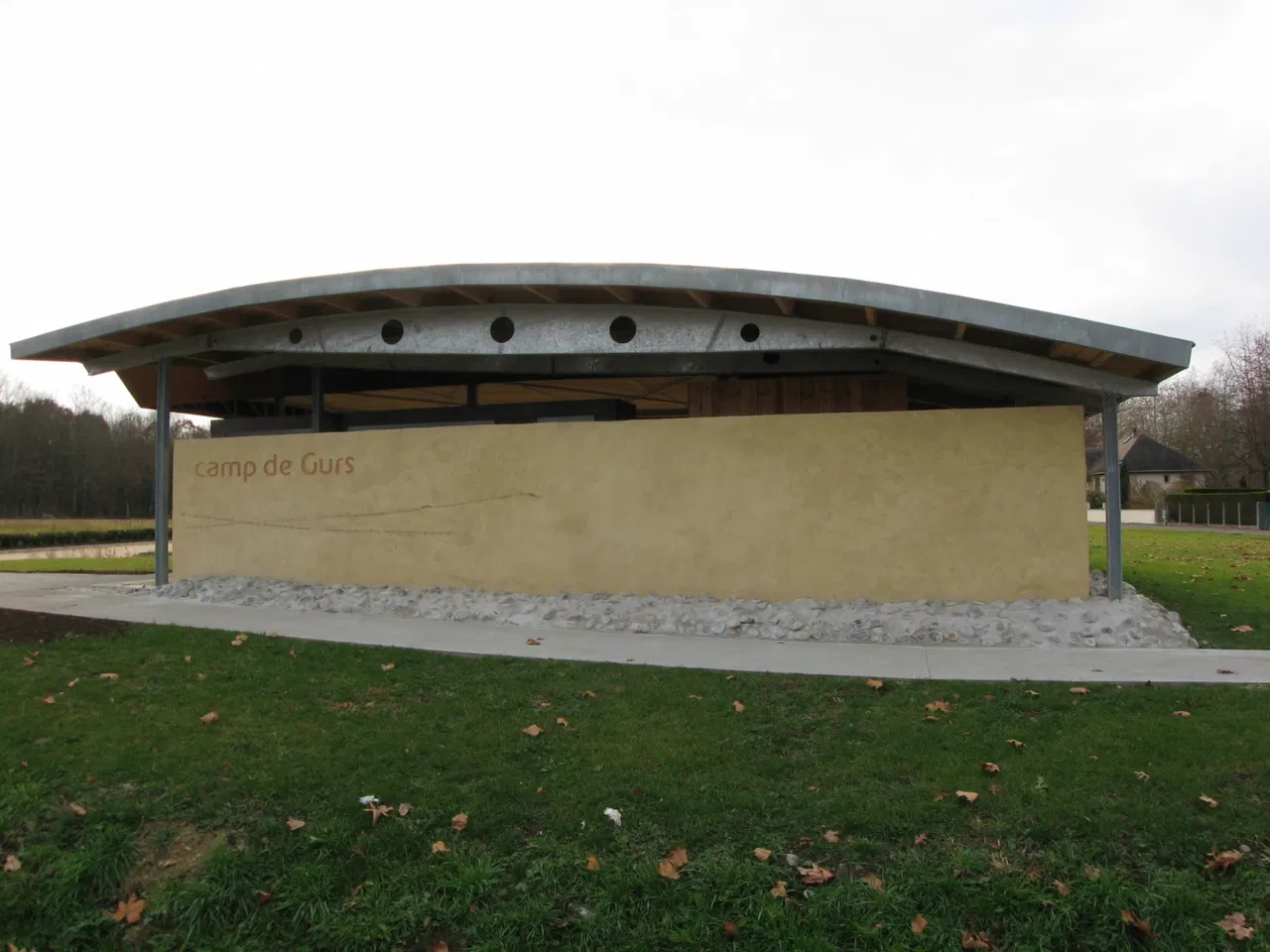
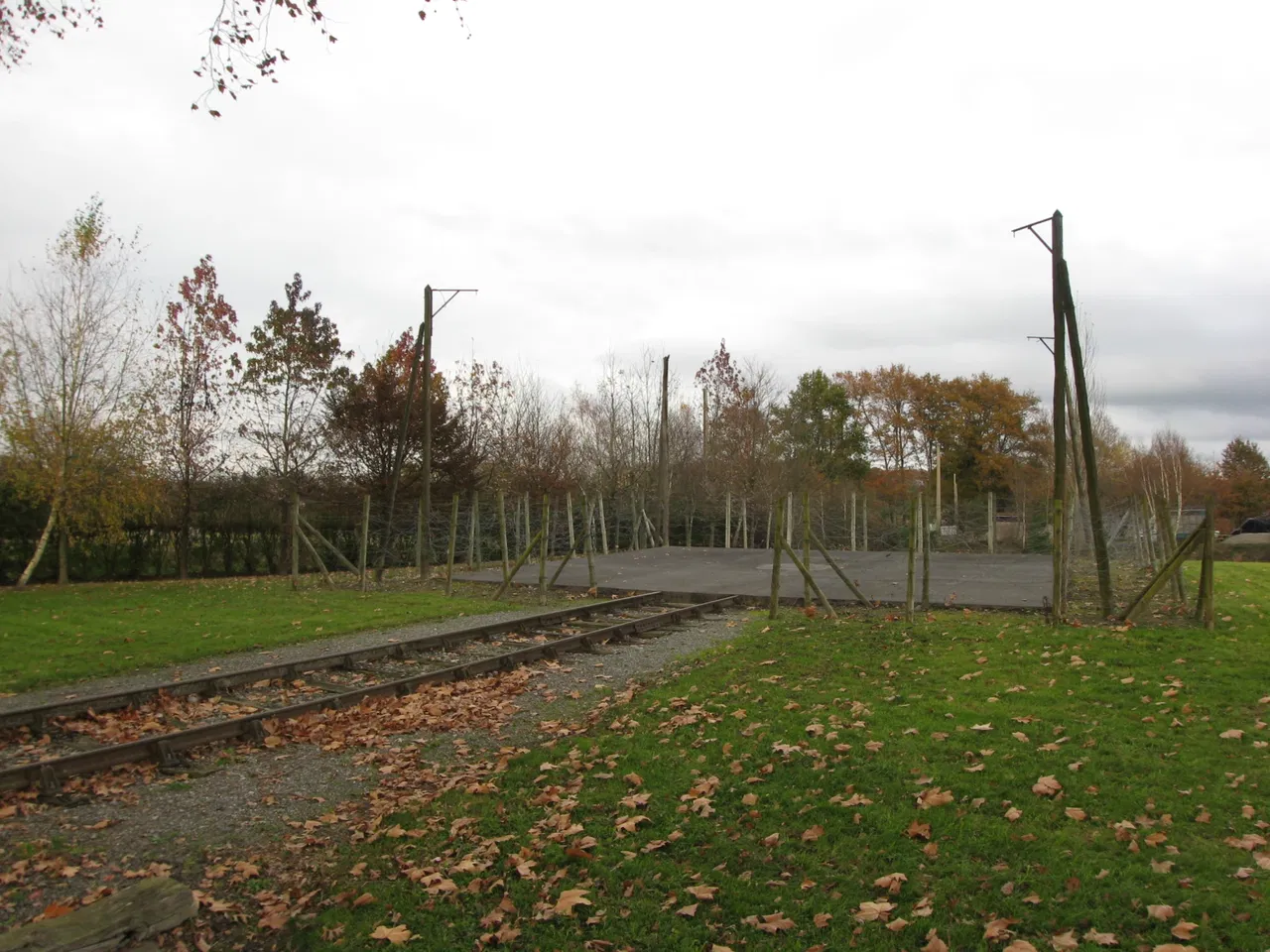
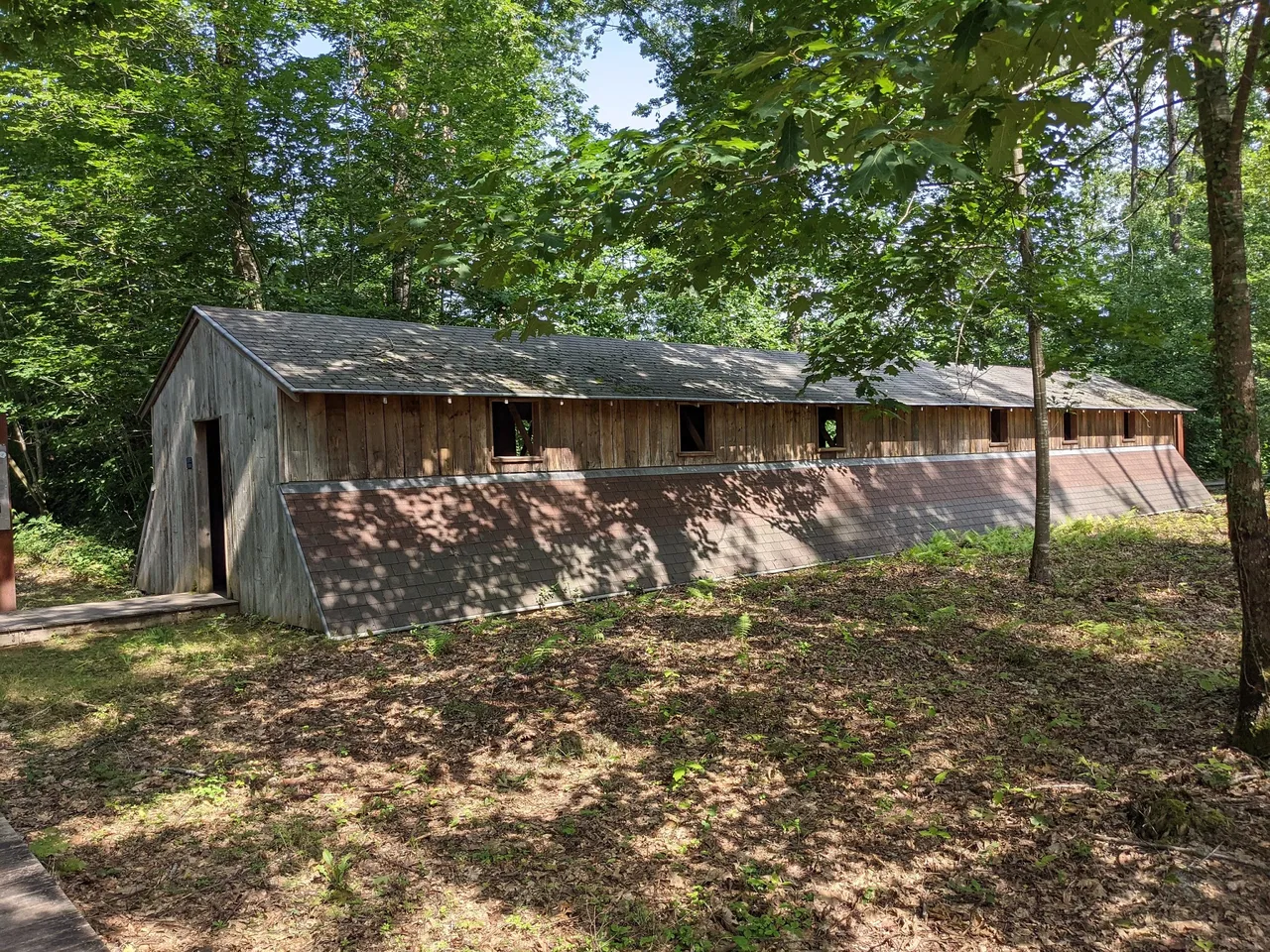

The Gurs Internment Camp, located a short distance from the border with Spain at the foot of the Pyrenees, was one of the main internment camps in France during World War II. The camp has a complex history as it served different purposes at different times between 1939 and 1945. During the German occupation of France, it operated as one of the main transit camps for thousands of Jews who were then transferred to the Drancy internment camp to be finally deported to the extermination camps in Poland.
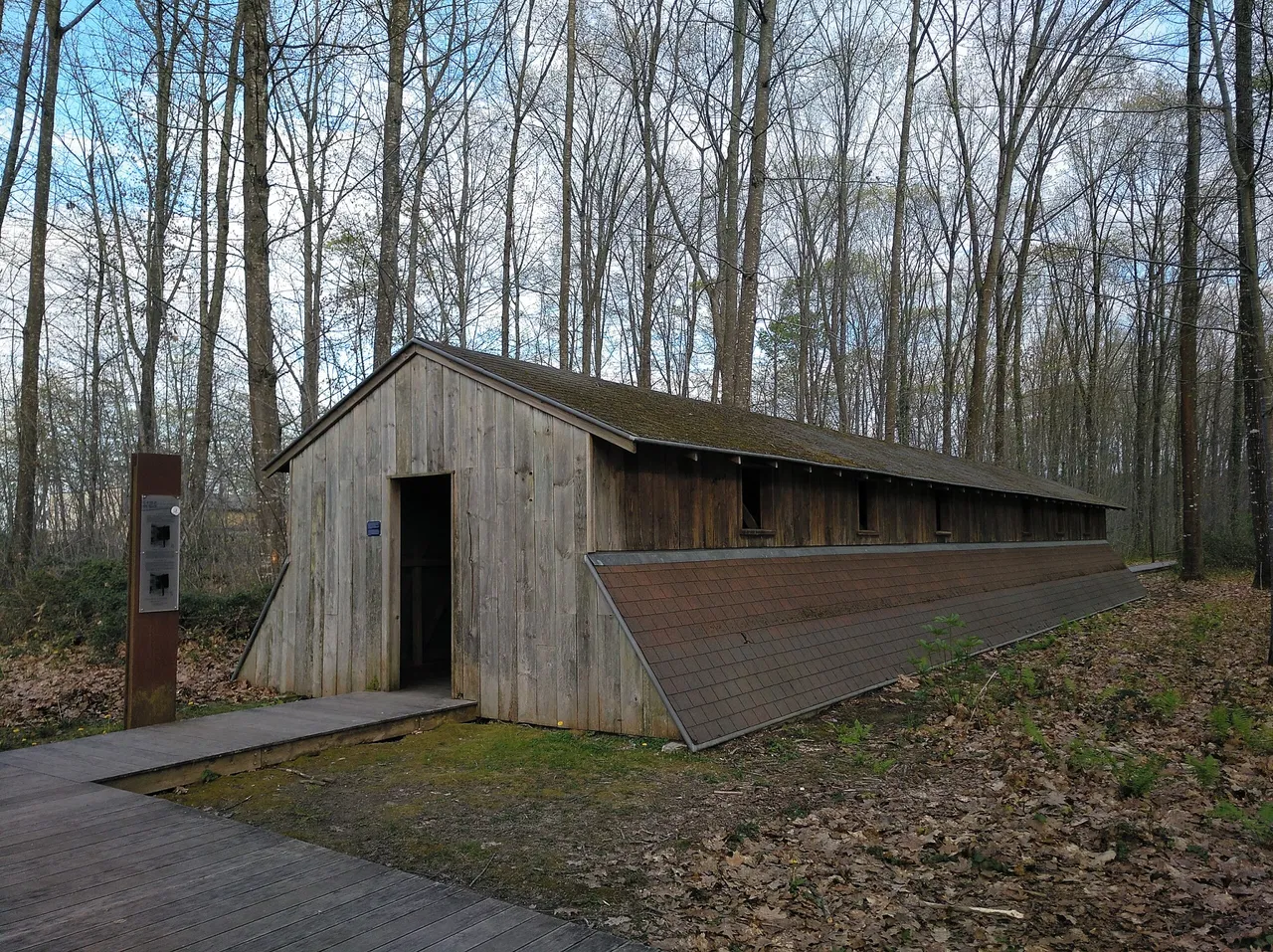
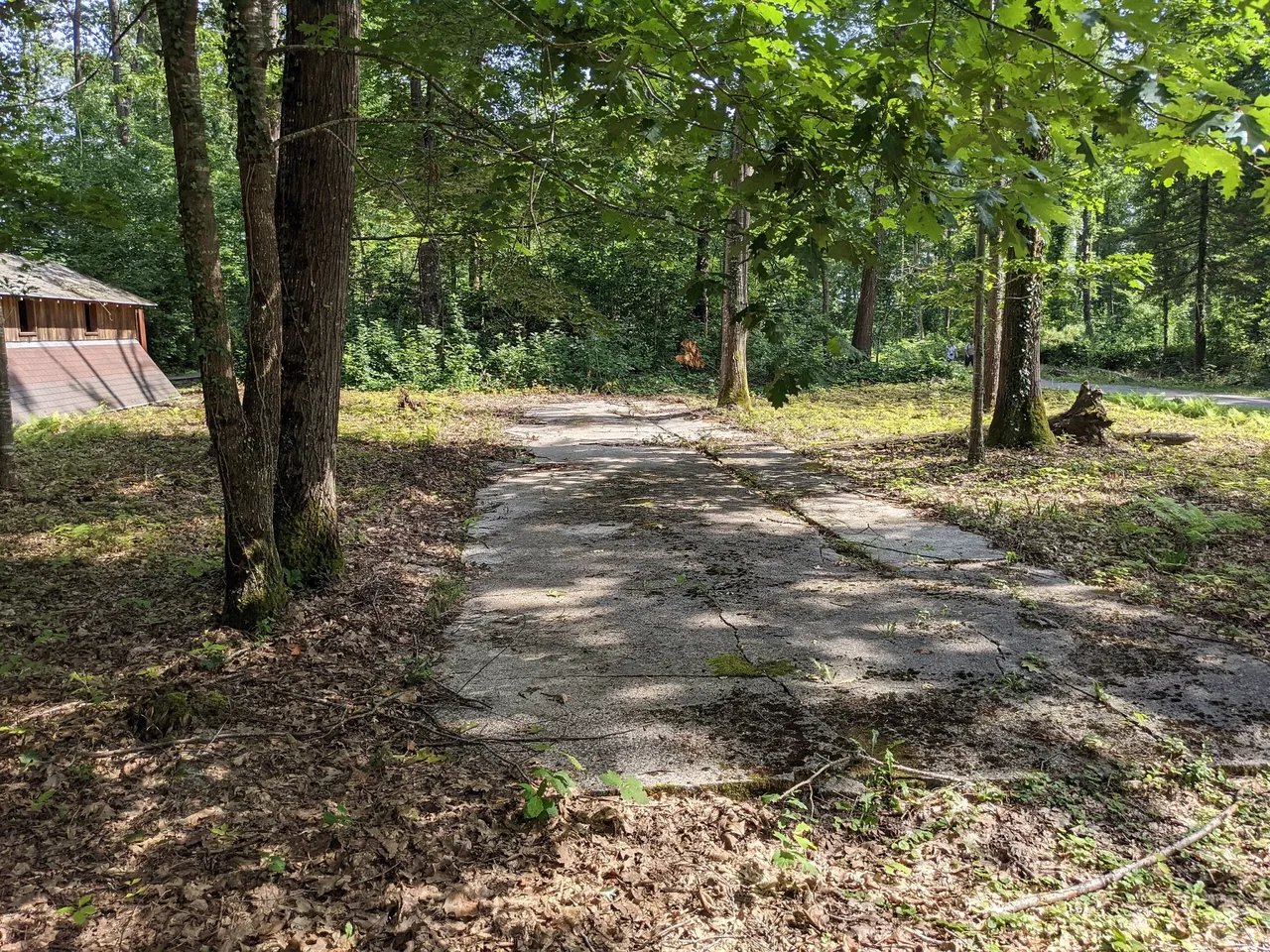
Constructed in 1939, the Gurs Internment Camp maintained its structure until its dismantling in 1946. The camp measured approximately 1,400 meters in length and 200 meters in width, covering an area of 28 hectares. A single road ran through it lengthwise. On both sides of the road, there were sectors of 200 meters by 100 meters, called lots, separated from each other by barbed wire. There were seven lots on one side and six on the other. Each lot contained about 30 barracks, all identical in structure and size.
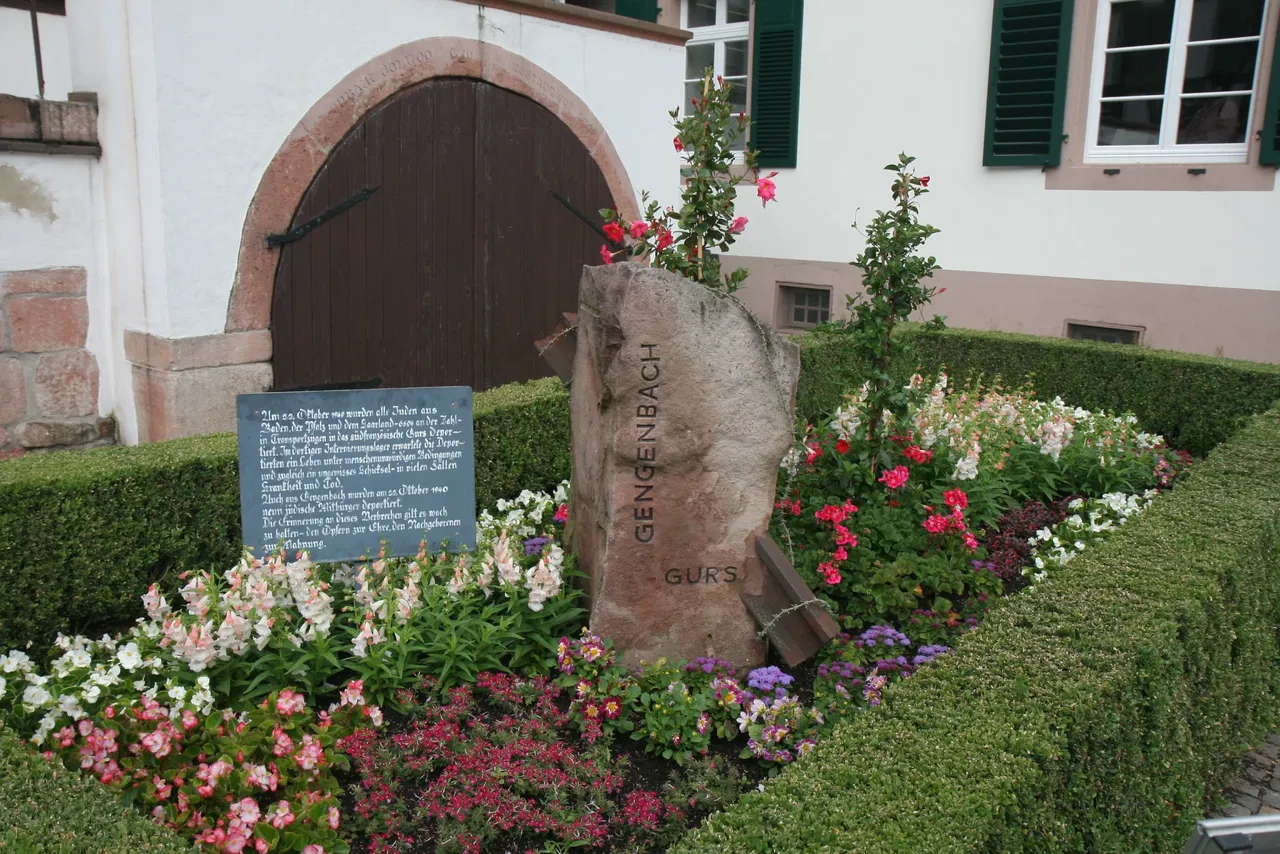
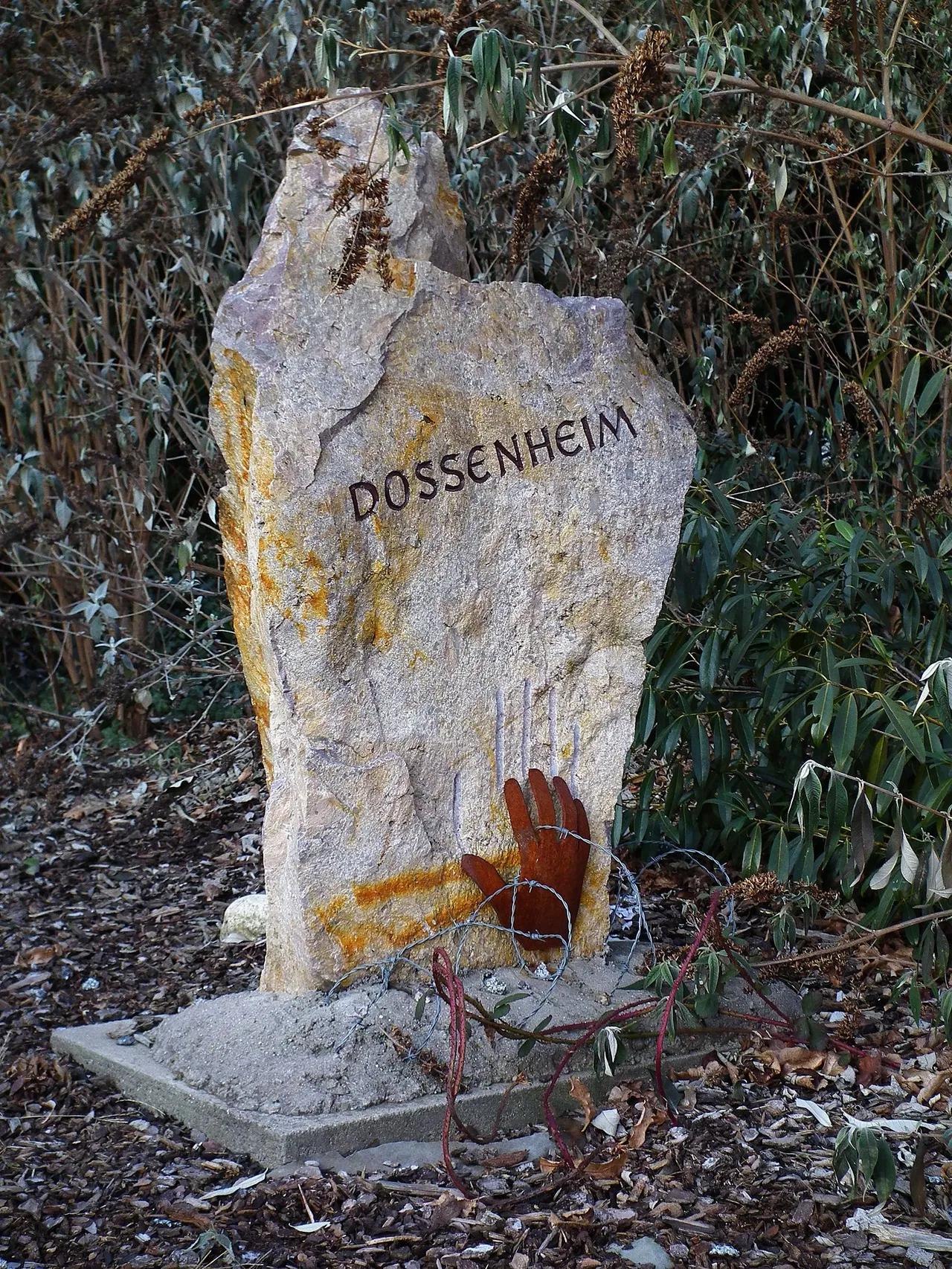
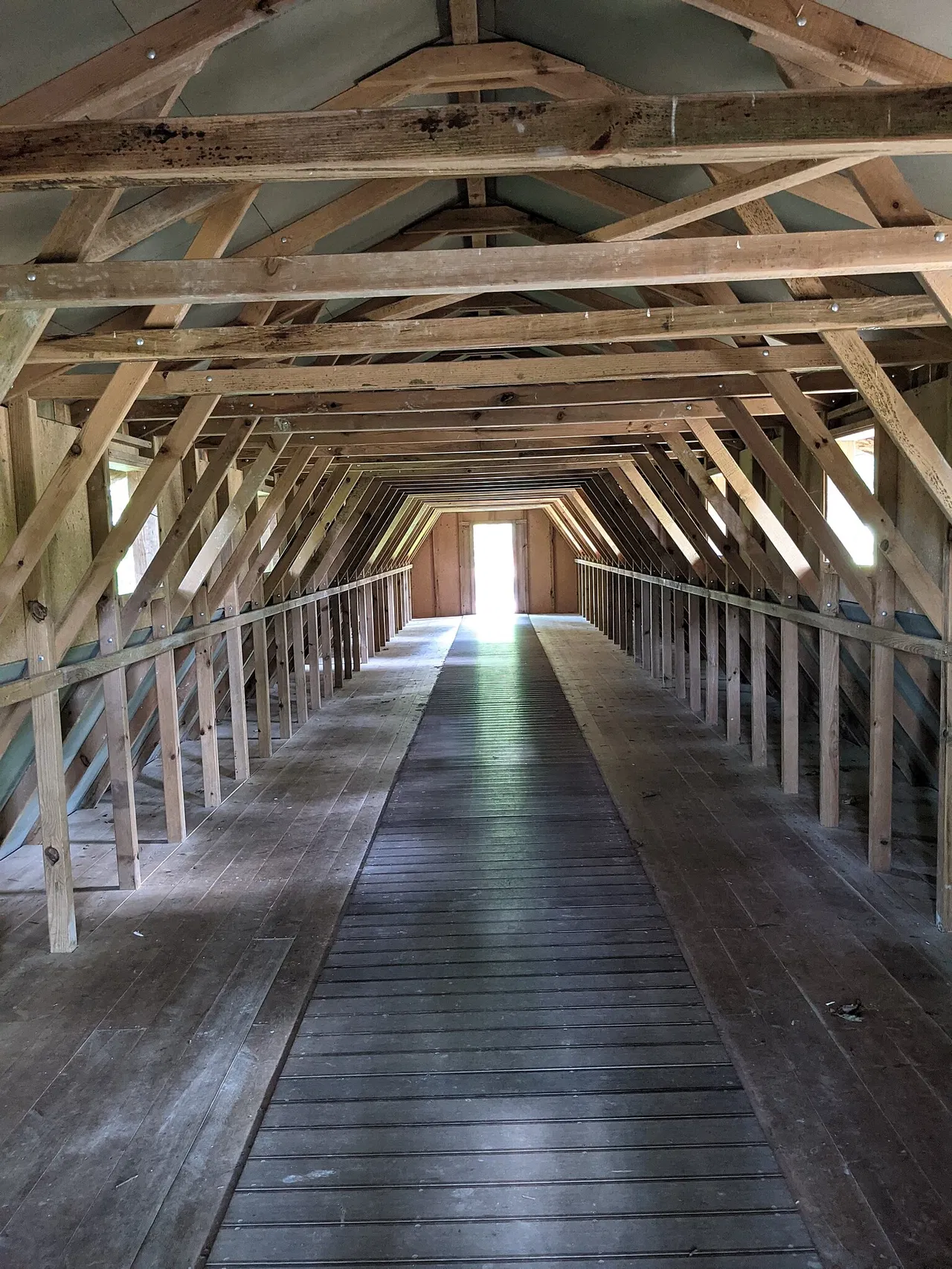
A barrack has been reconstructed identical to those once in use at the Gurs Internment Camp, and several monuments have been erected in memory of the internees and victims. Since 2004, a permanent exhibition has been opened in a modern building that now welcomes numerous visitors. The exhibition provides a detailed insight into the history of the camp and the experiences of those who were interned there.
History & Anthropology
No exhibitions in Gurs Internment Camp have been found.
Gurs Internment Camp has 1 rating.
The Gurs Internment Camp, located in Gurs, France, serves as a somber reminder of a dark period in French and European history. This site, now a memorial, offers visitors an opportunity to learn about the experiences of those interned here during World War II. The camp's remains and informational displays provide insight into the living conditions and historical context of the internment camp.
Visitors appreciate the site's historical significance and the effort to preserve memory. The memorial is well-maintained, with clear paths and informative panels that guide visitors through the camp's layout and history. The on-site documentation center offers additional resources for those seeking more in-depth information.
However, some visitors note that the experience can be underwhelming if one arrives unprepared. The site is mostly open fields with markers indicating where buildings once stood, which might disappoint those expecting more extensive physical remains. Additionally, some reviewers mention that signage is primarily in French, which can be challenging for international visitors.
The remote location of the camp can make it difficult to access without private transportation, which is a drawback for some visitors. Despite this, many find the journey worthwhile for its educational value and the opportunity for reflection it provides.
Overall, the Gurs Internment Camp is an important historical site that offers a meaningful, if sometimes sparse, look into a challenging period of history. It's best appreciated by those with a keen interest in World War II history and a willingness to engage with the provided information.
This rating is based on the rating of this museum on several other platforms.