Images of Nuraghe Seruci
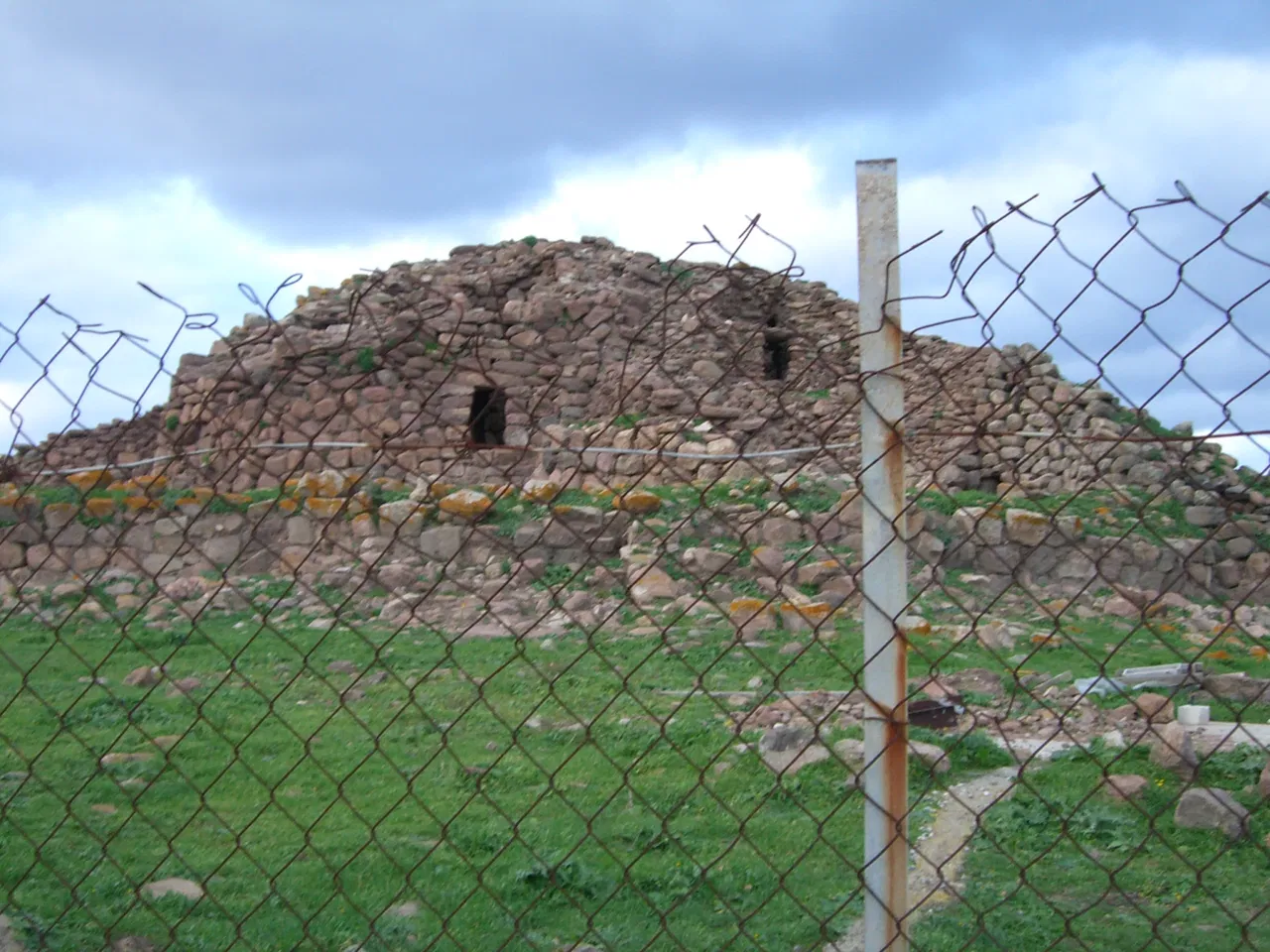

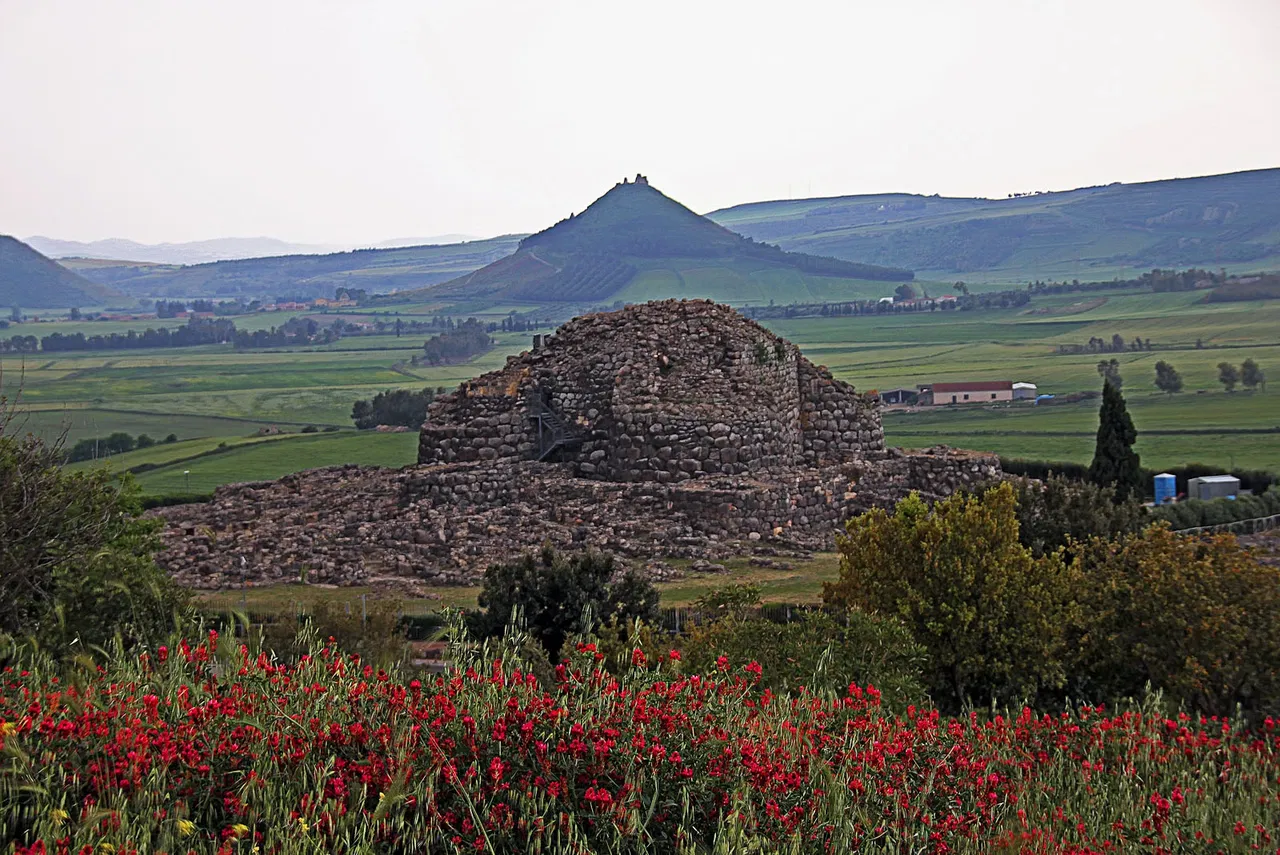
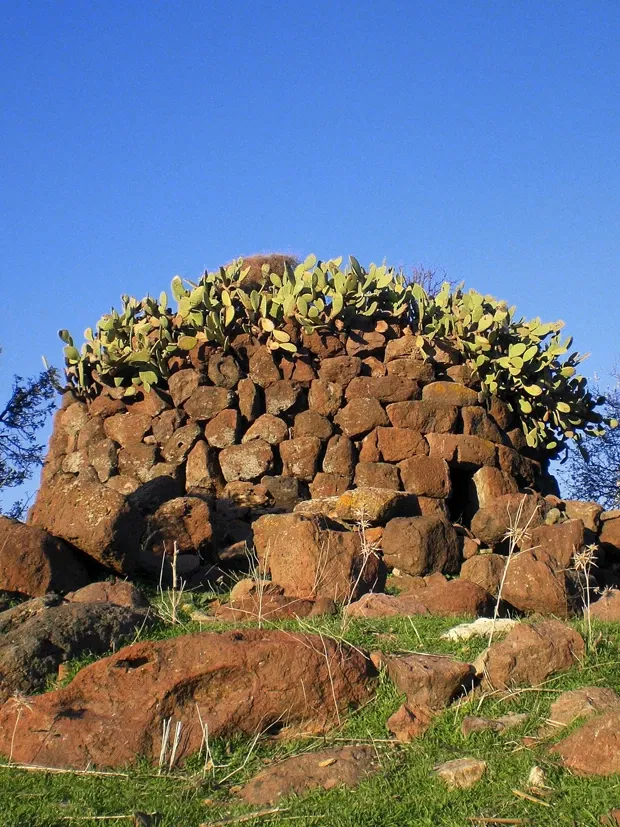
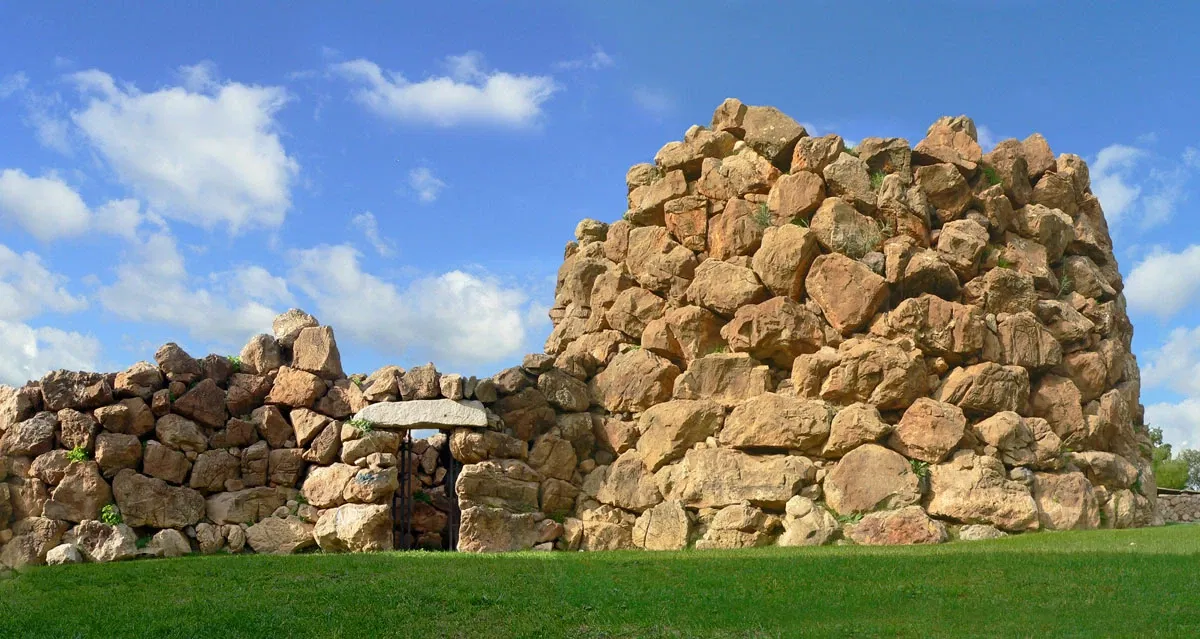
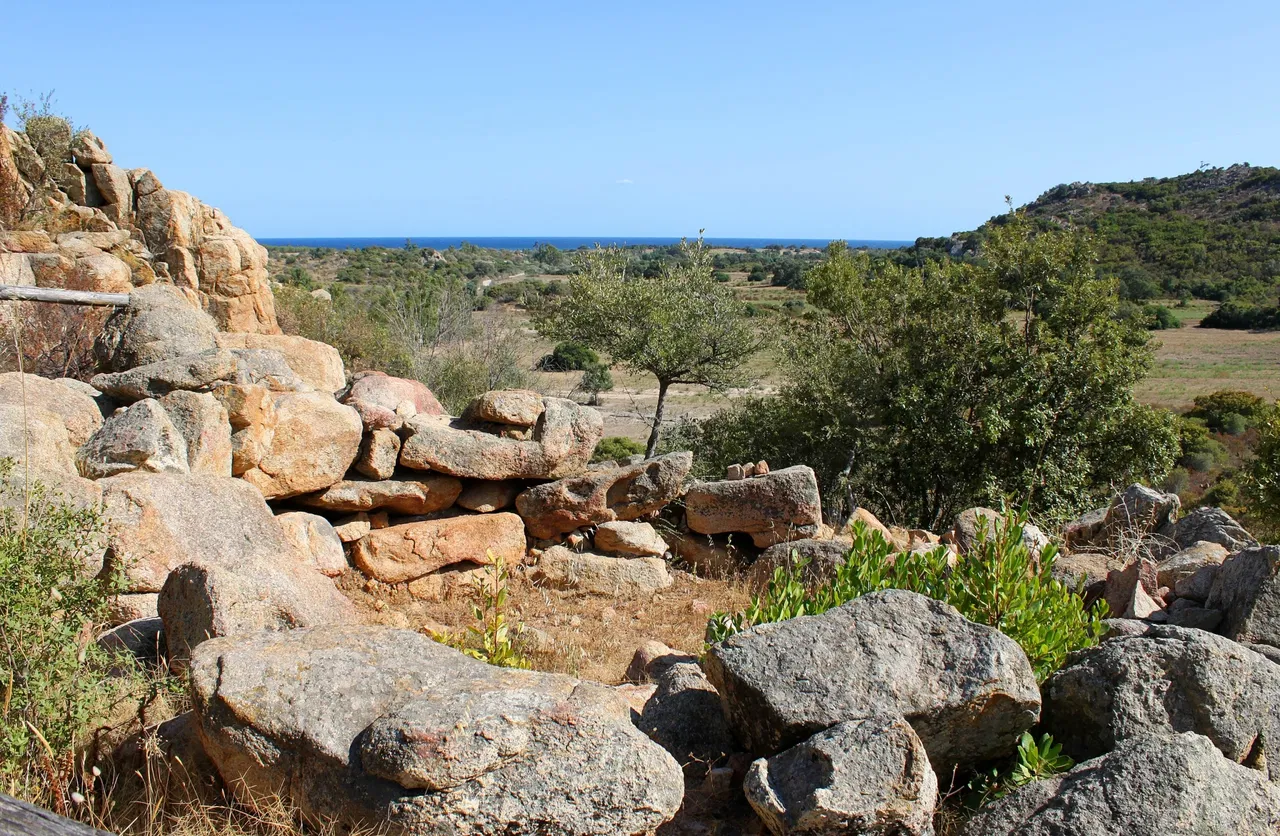
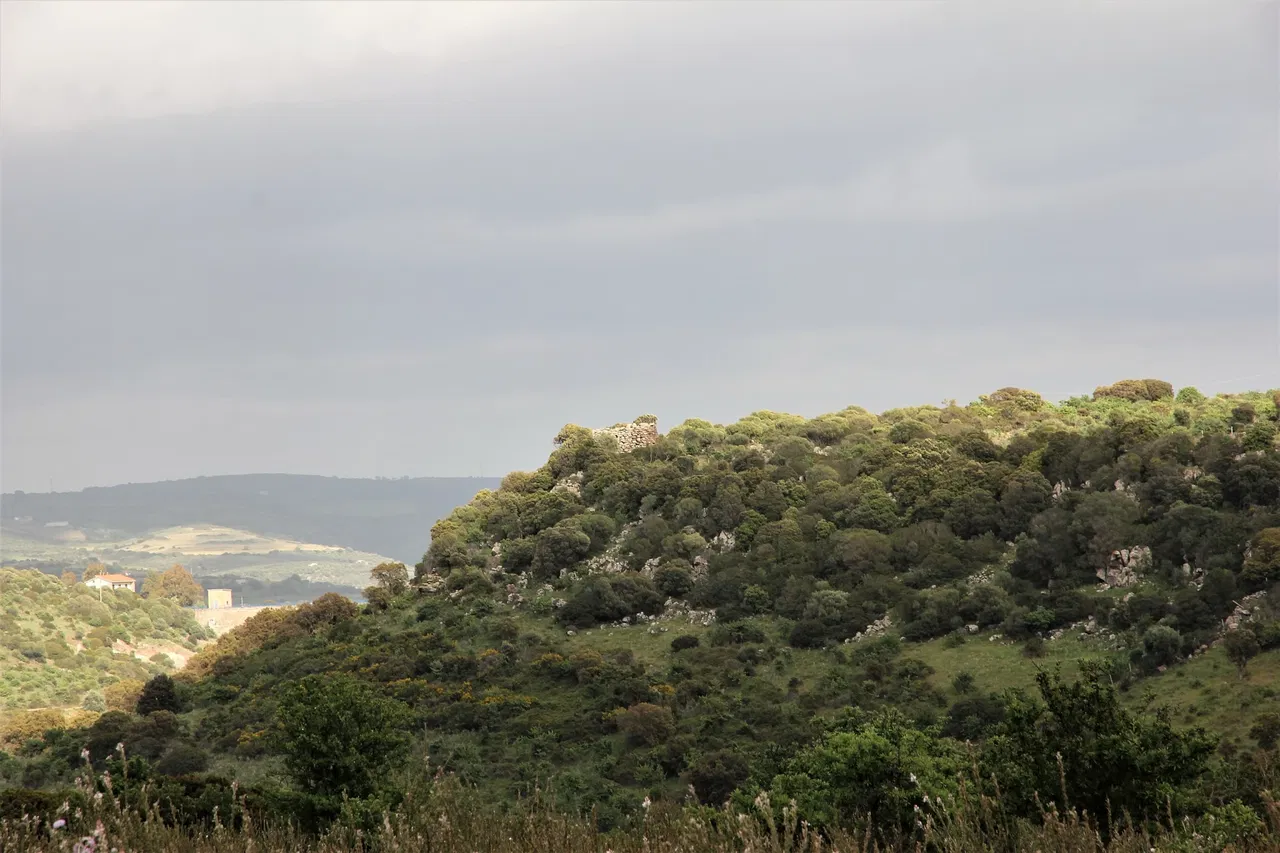
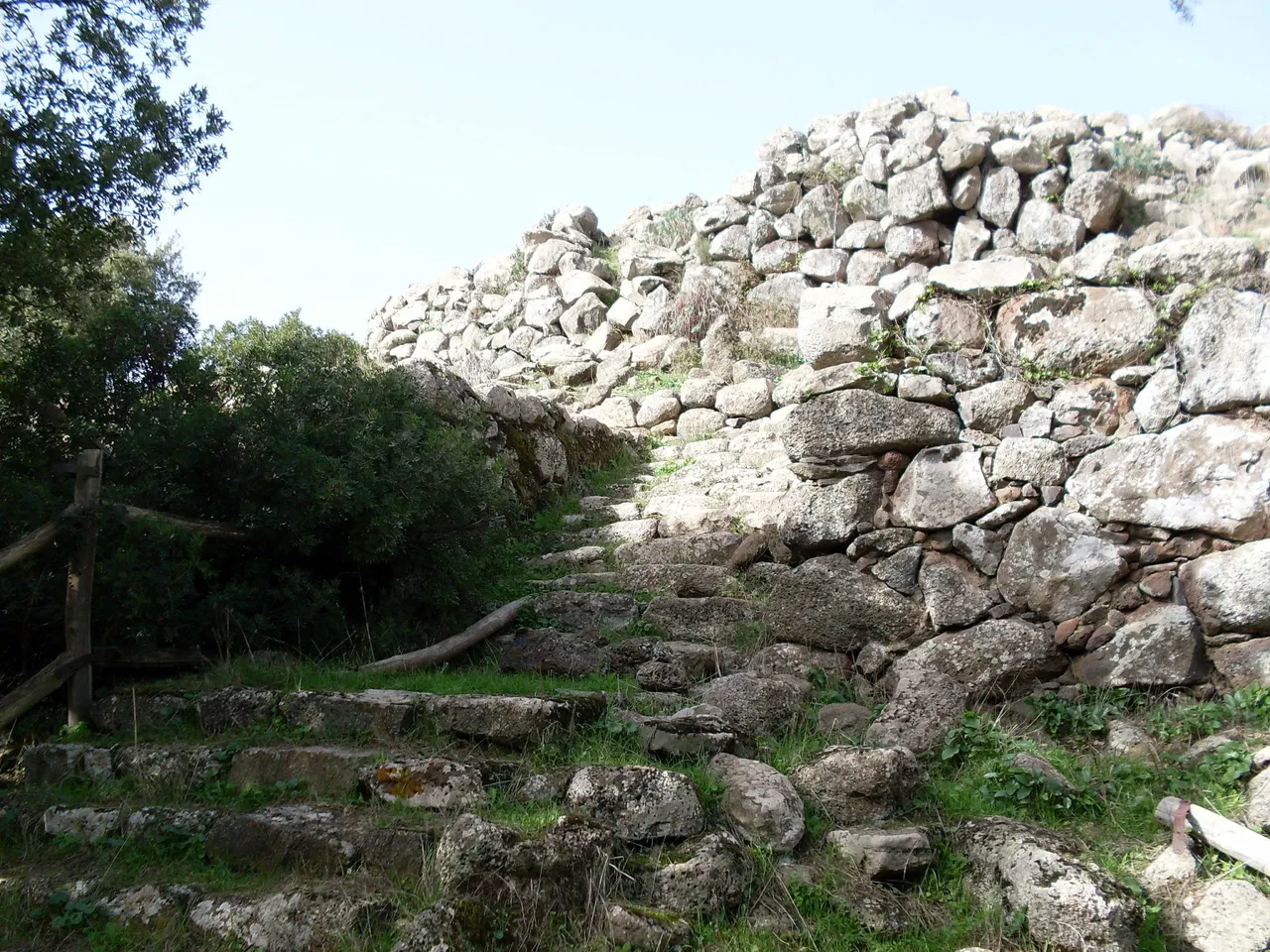
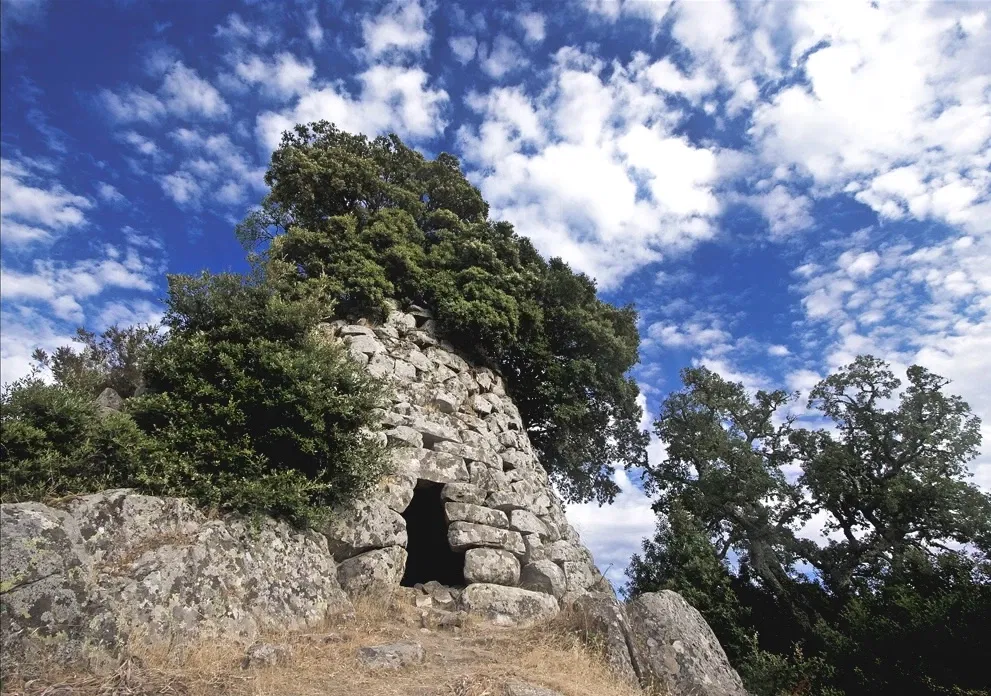
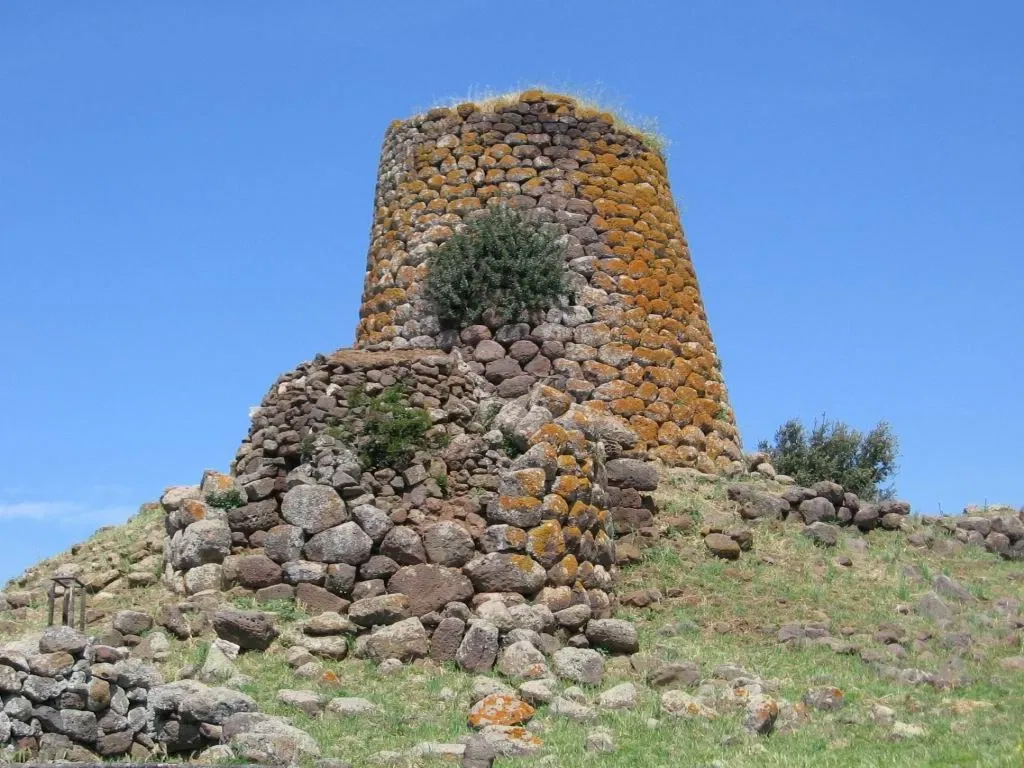
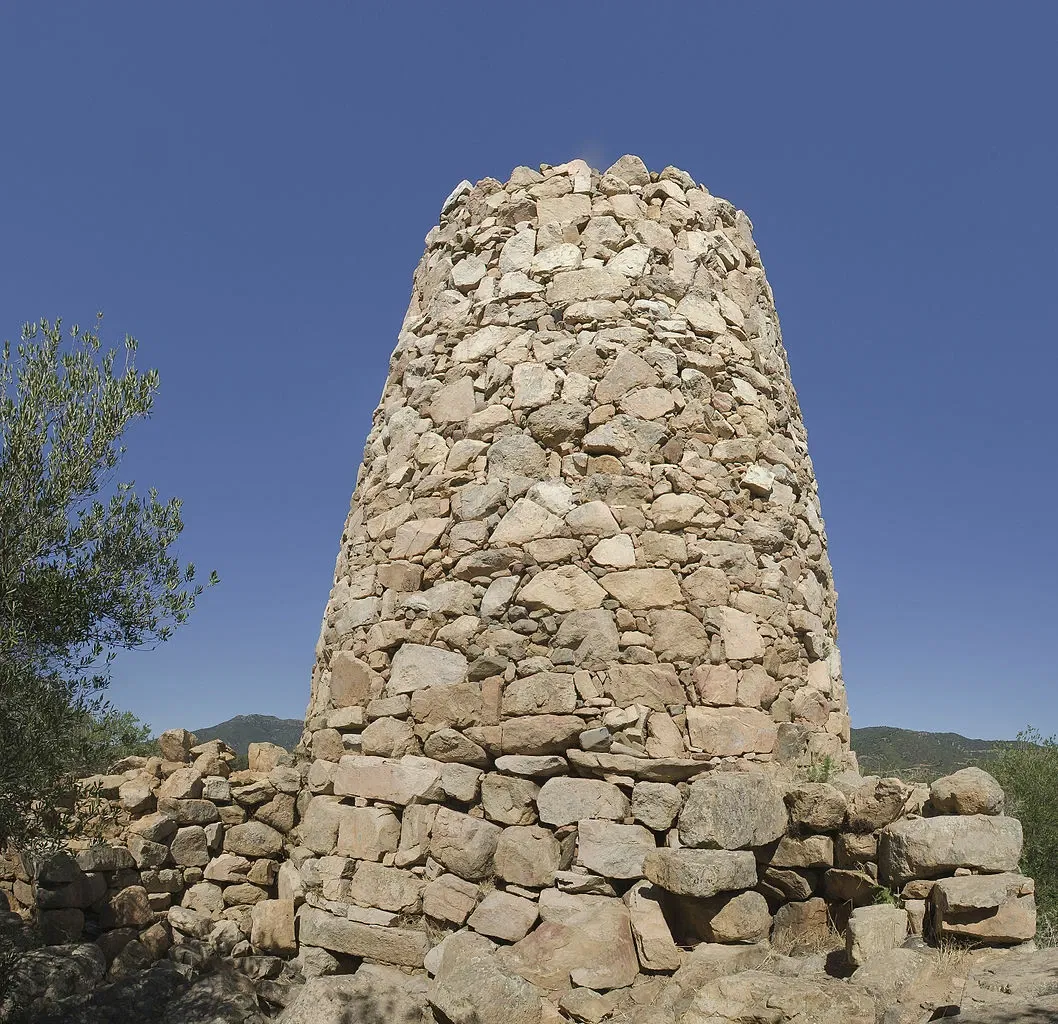
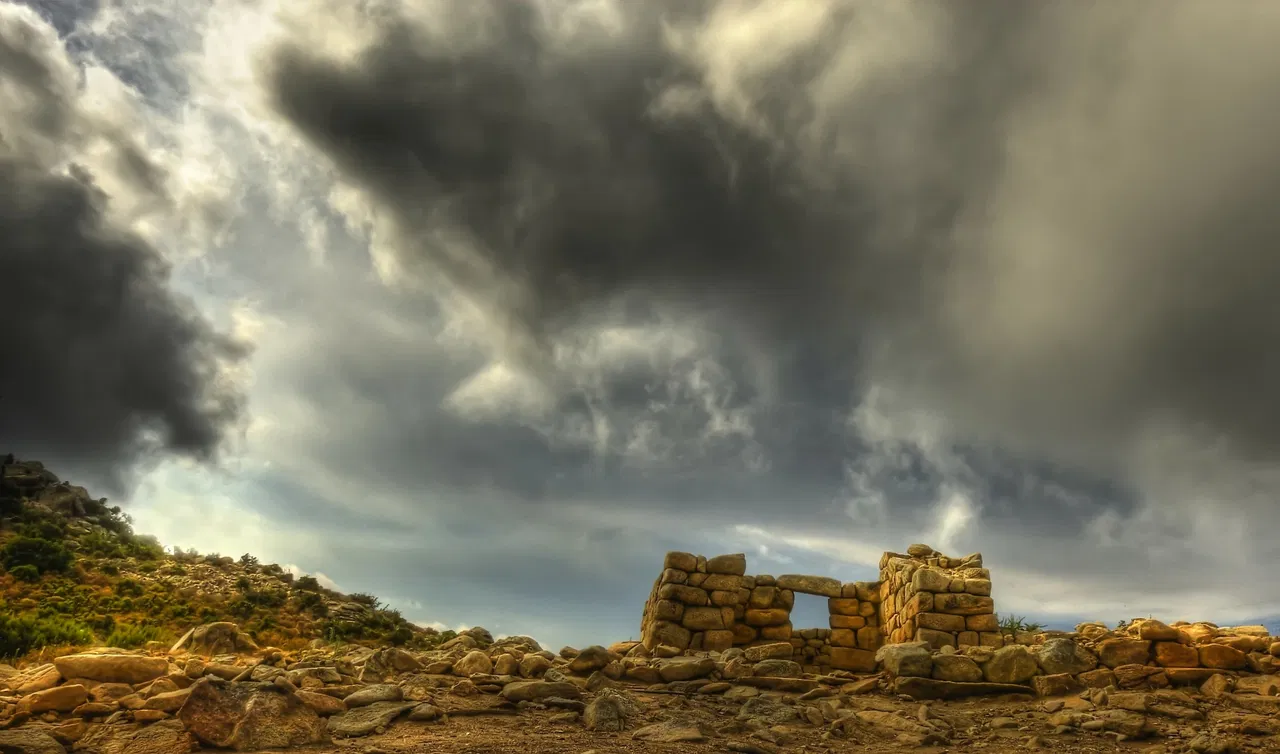
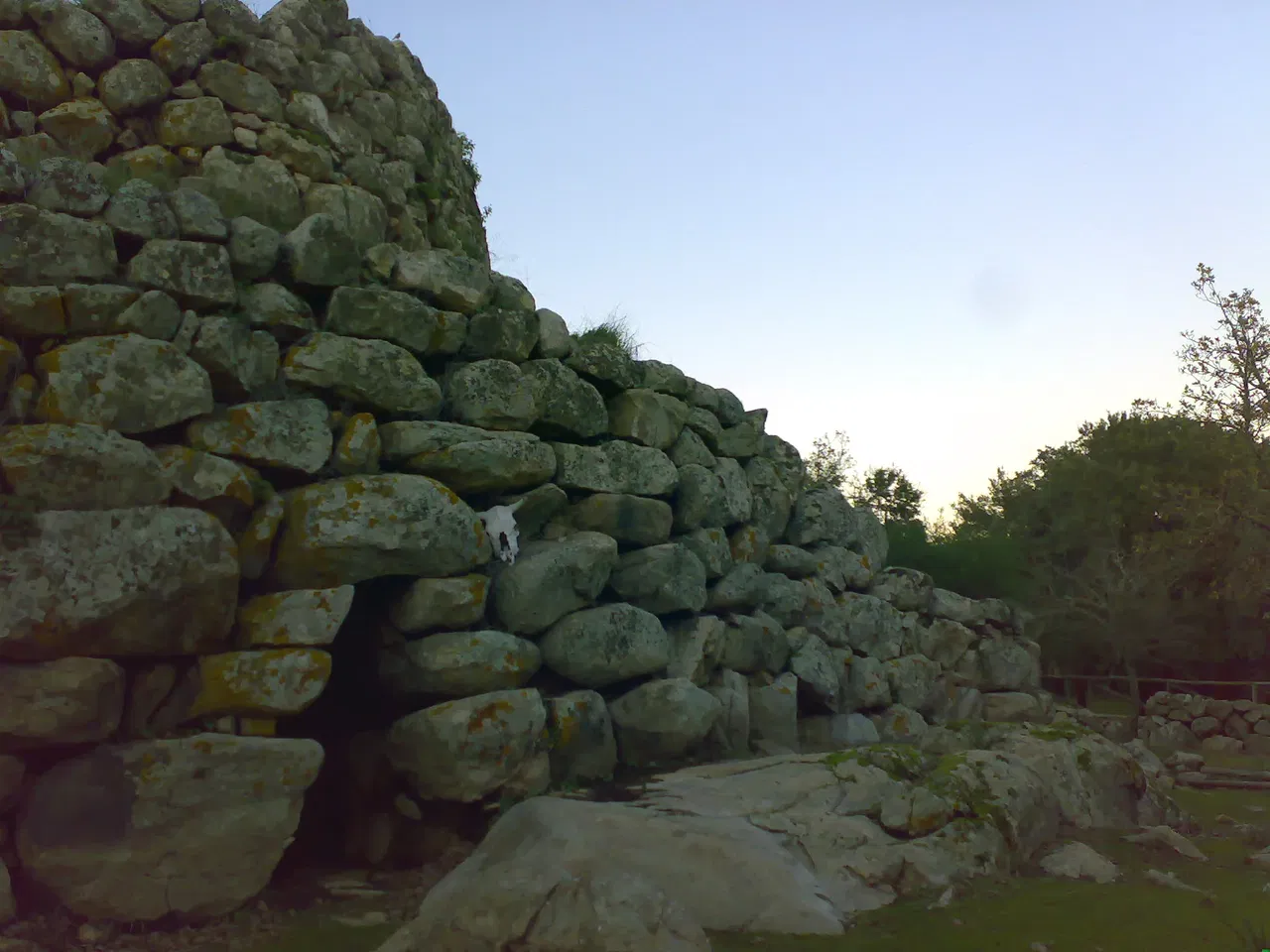
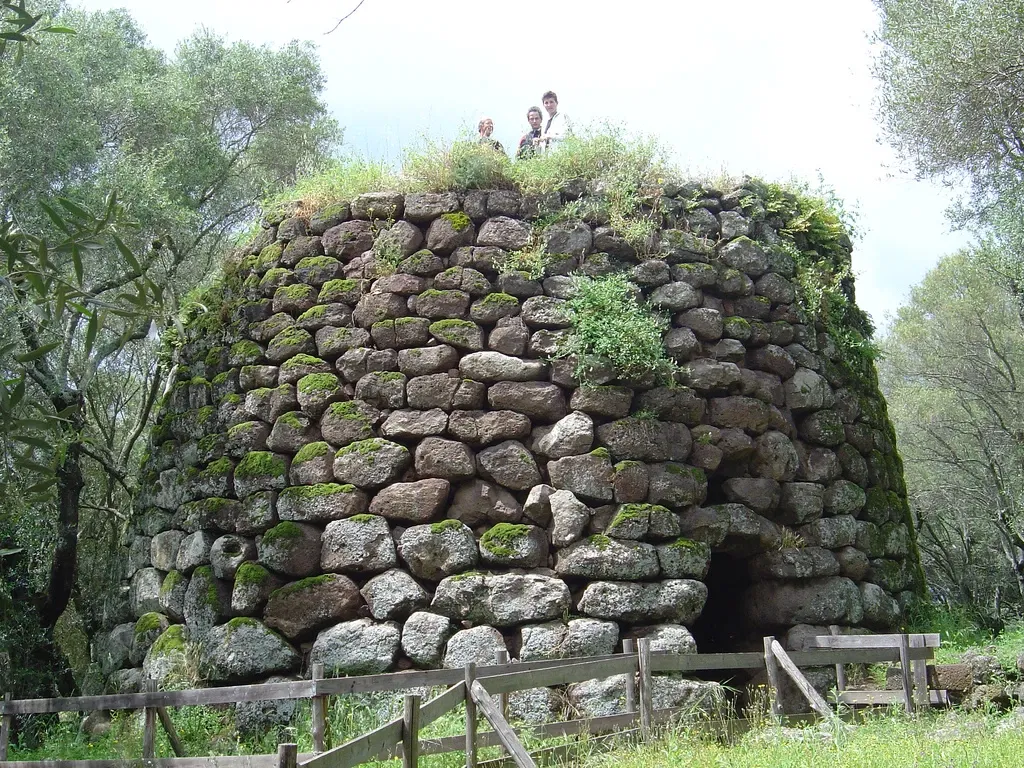
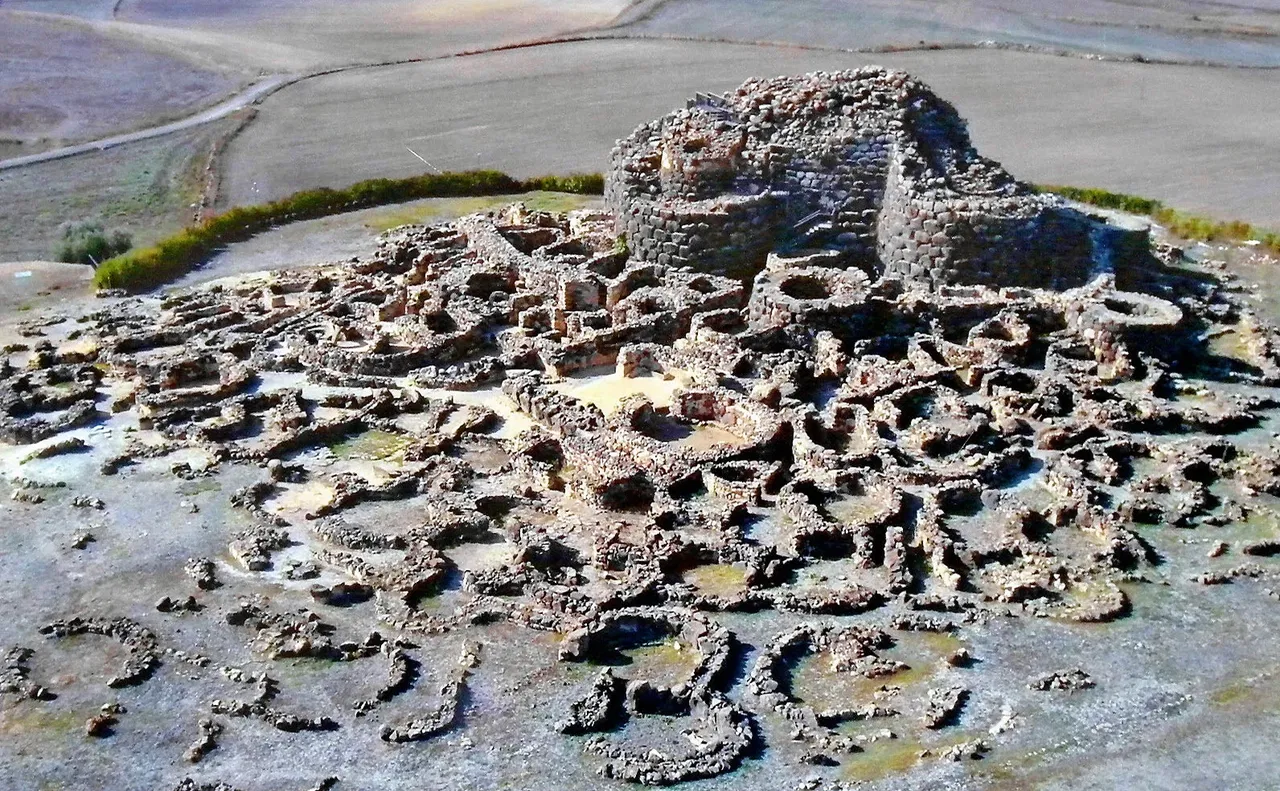

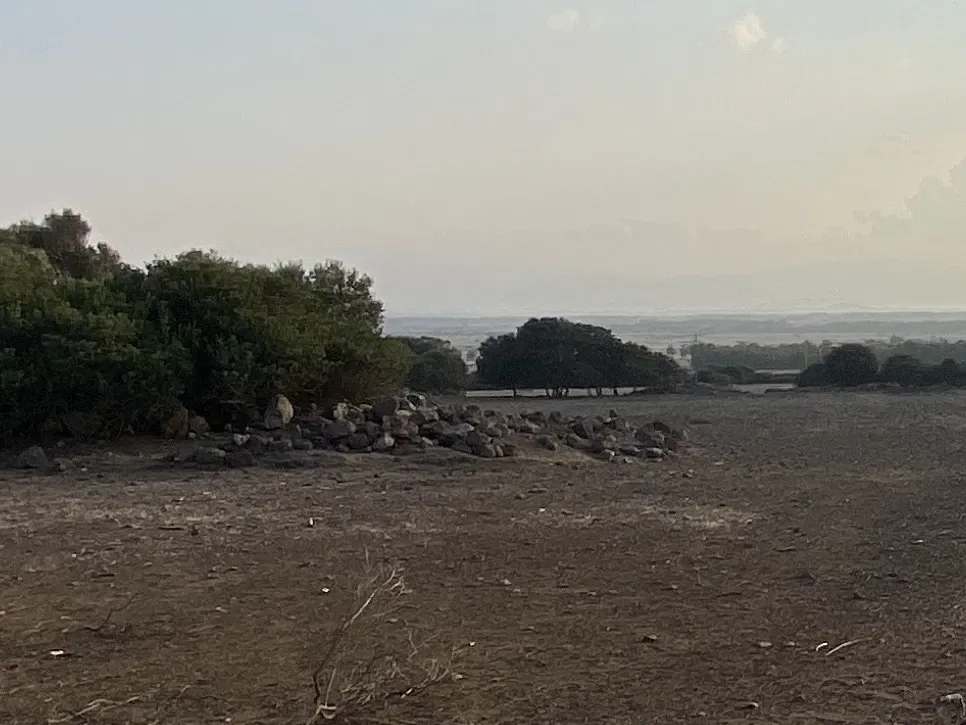
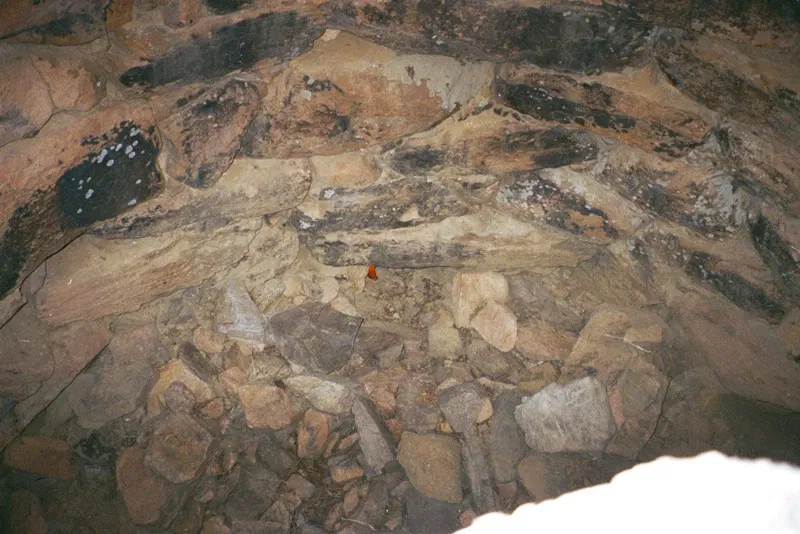

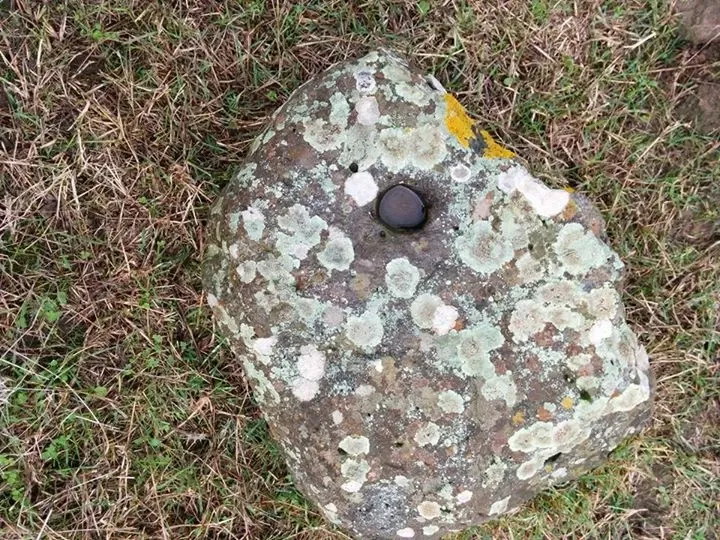

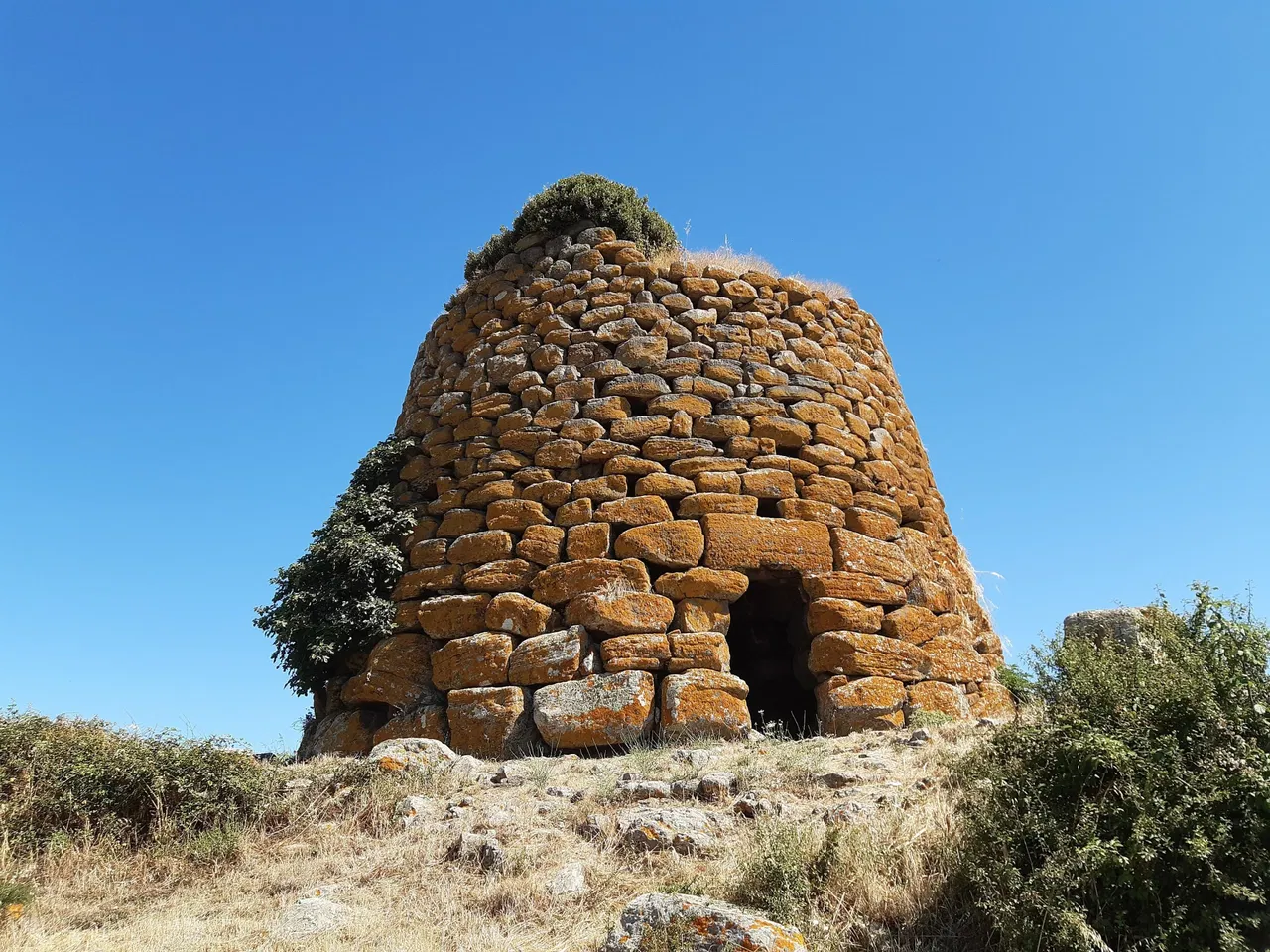
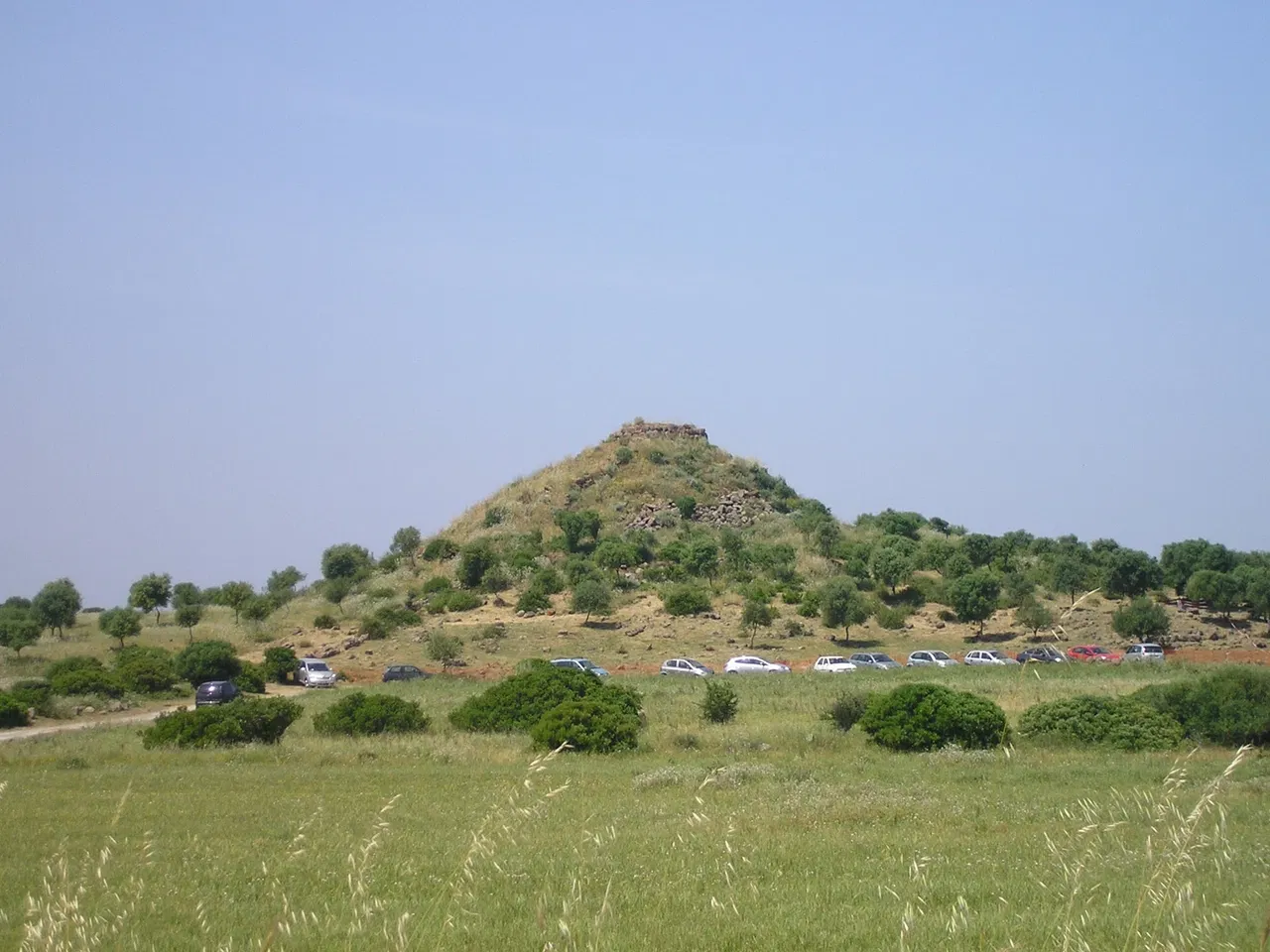
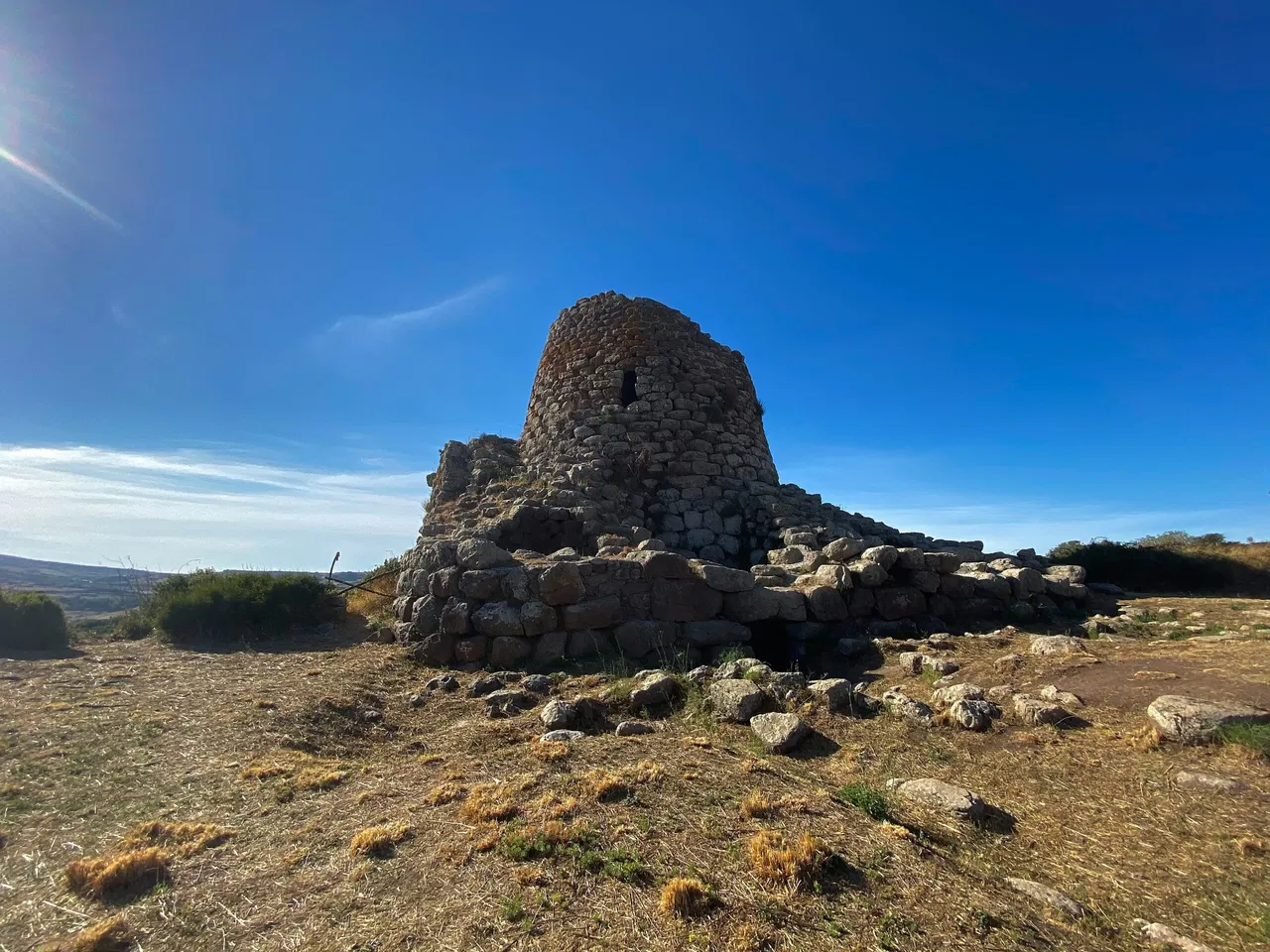
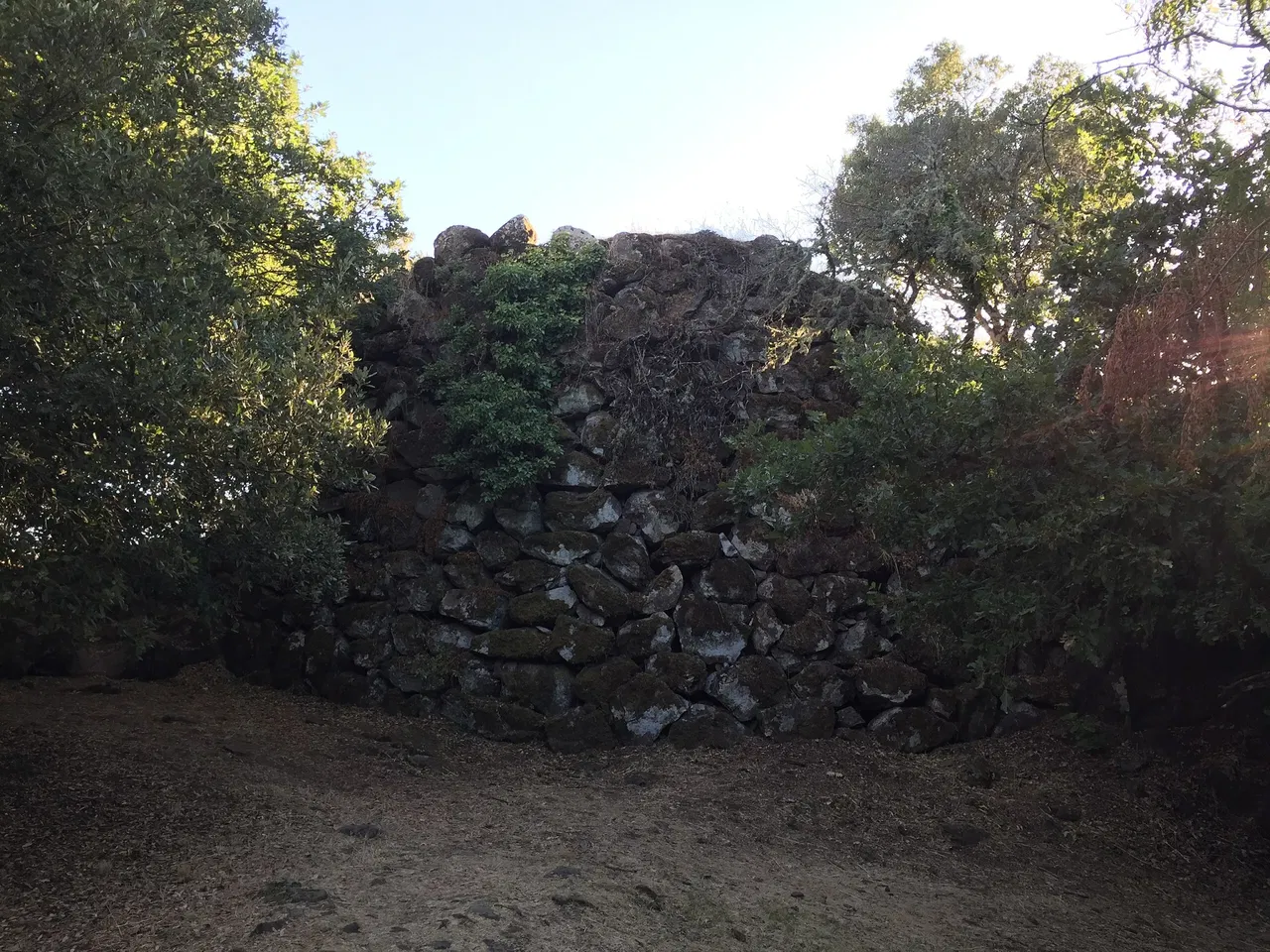
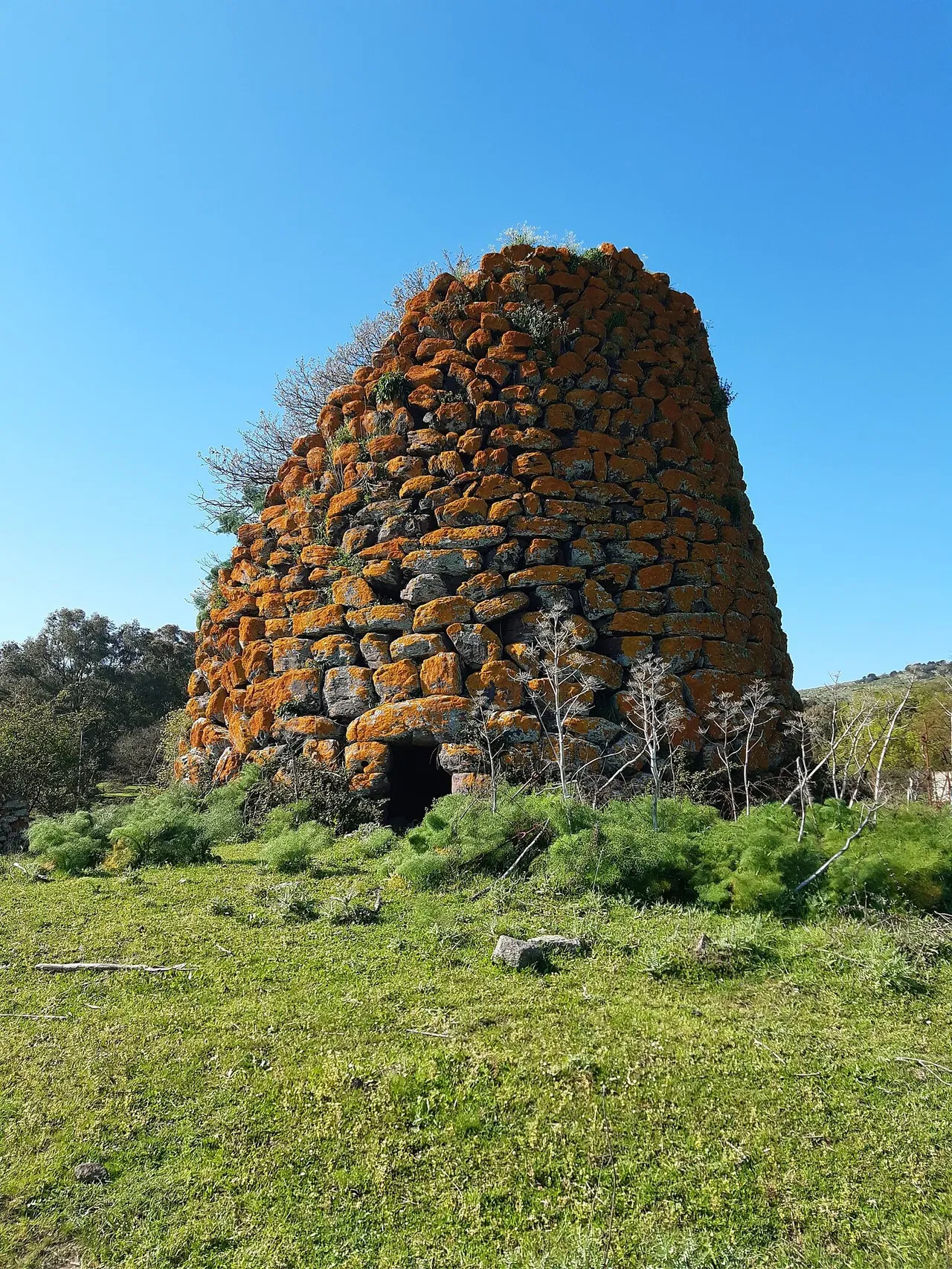
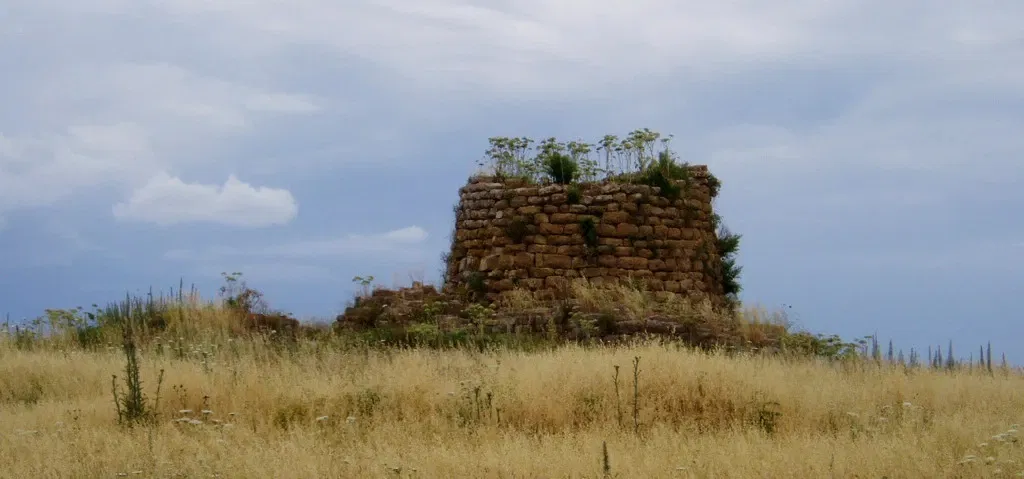
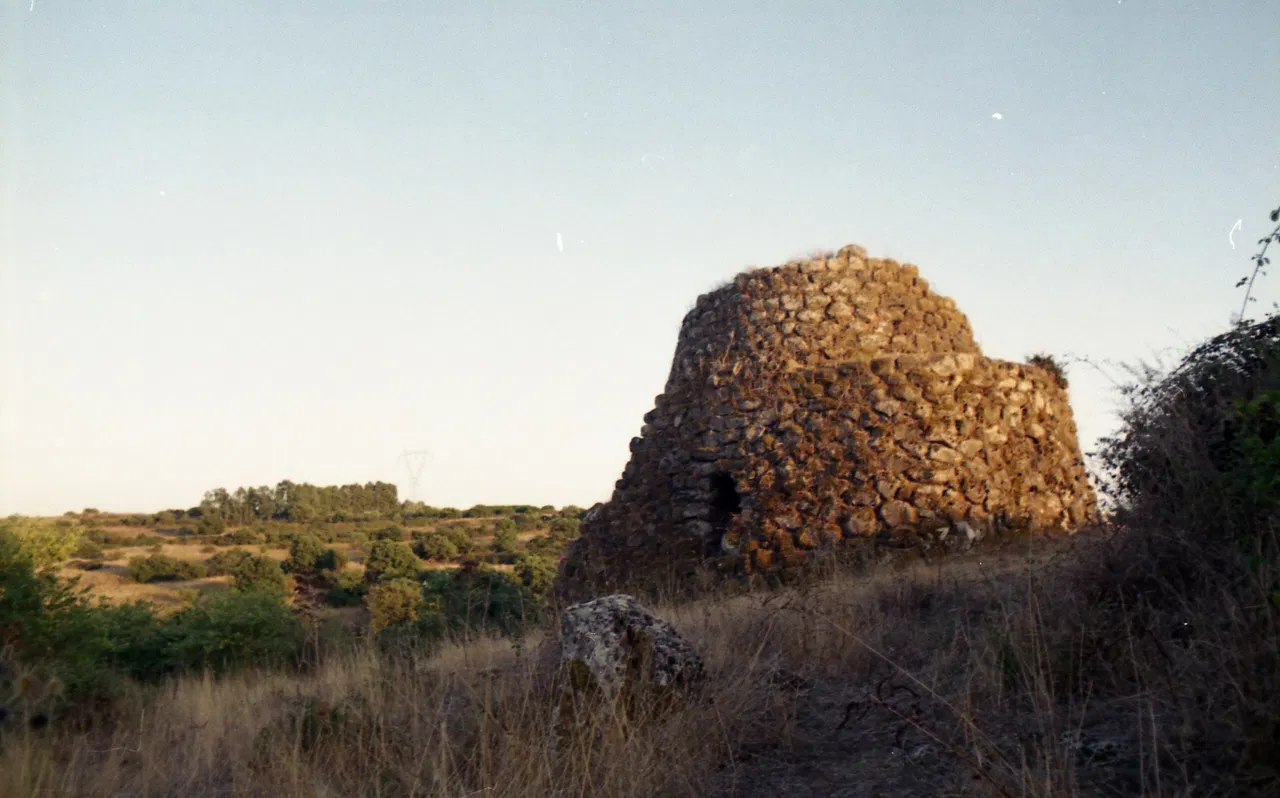
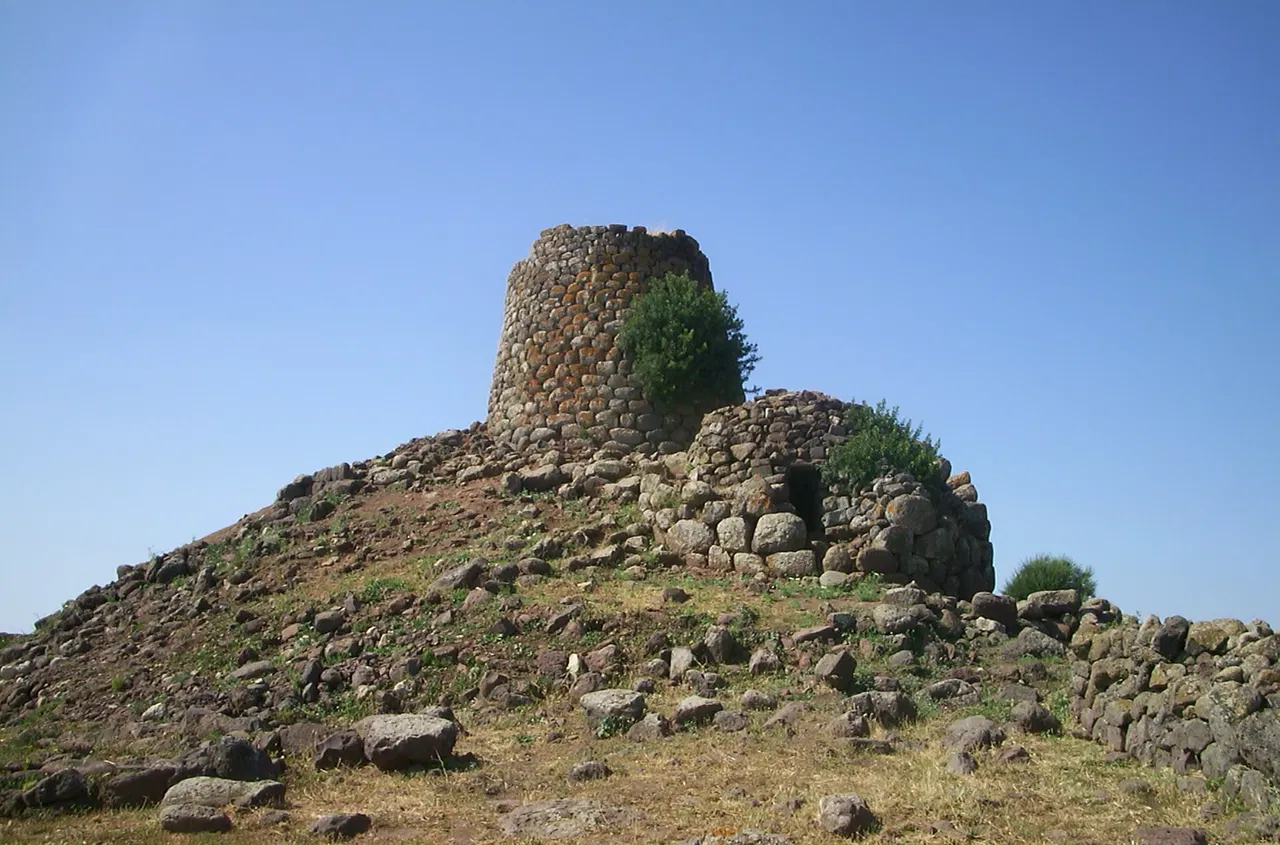


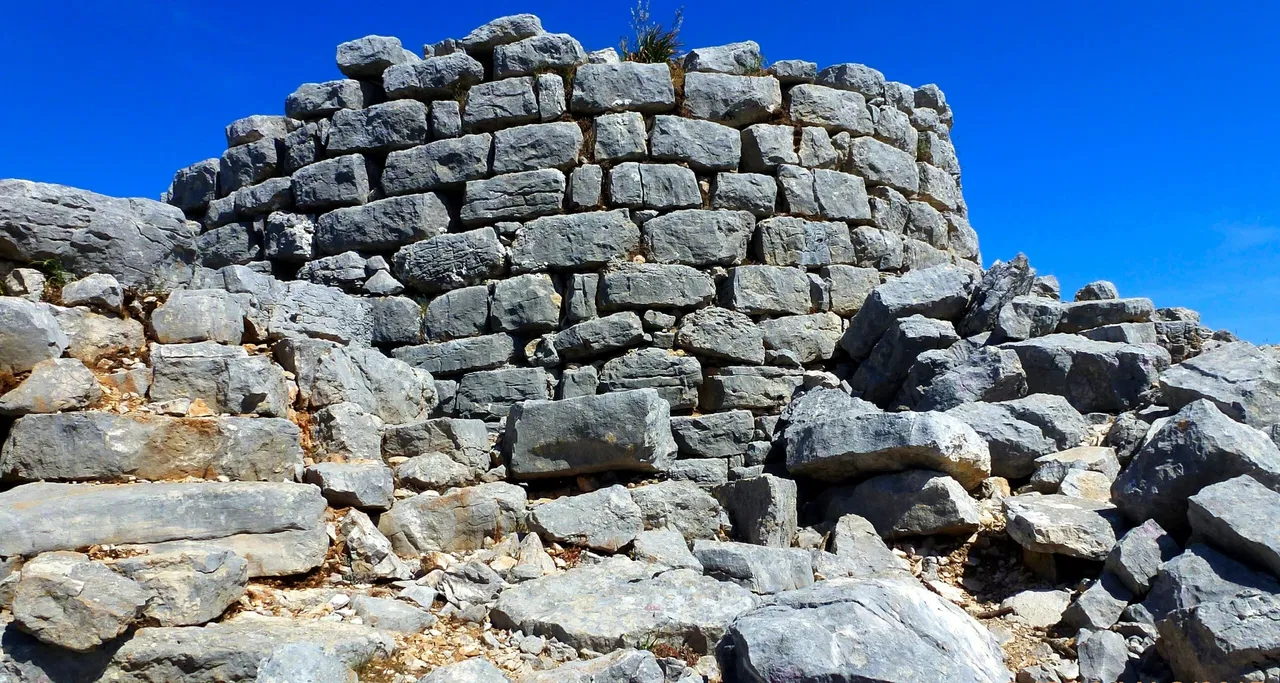
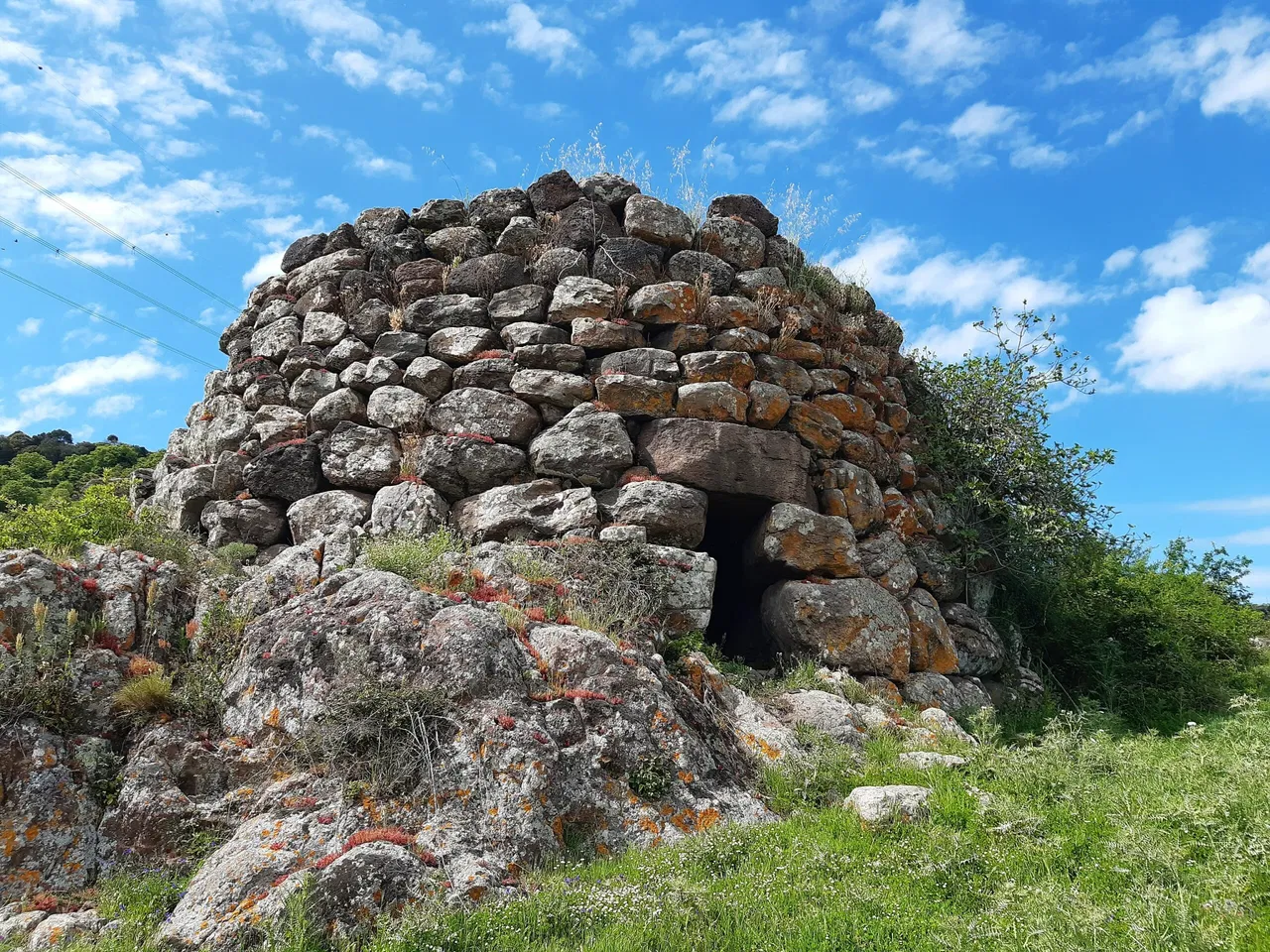
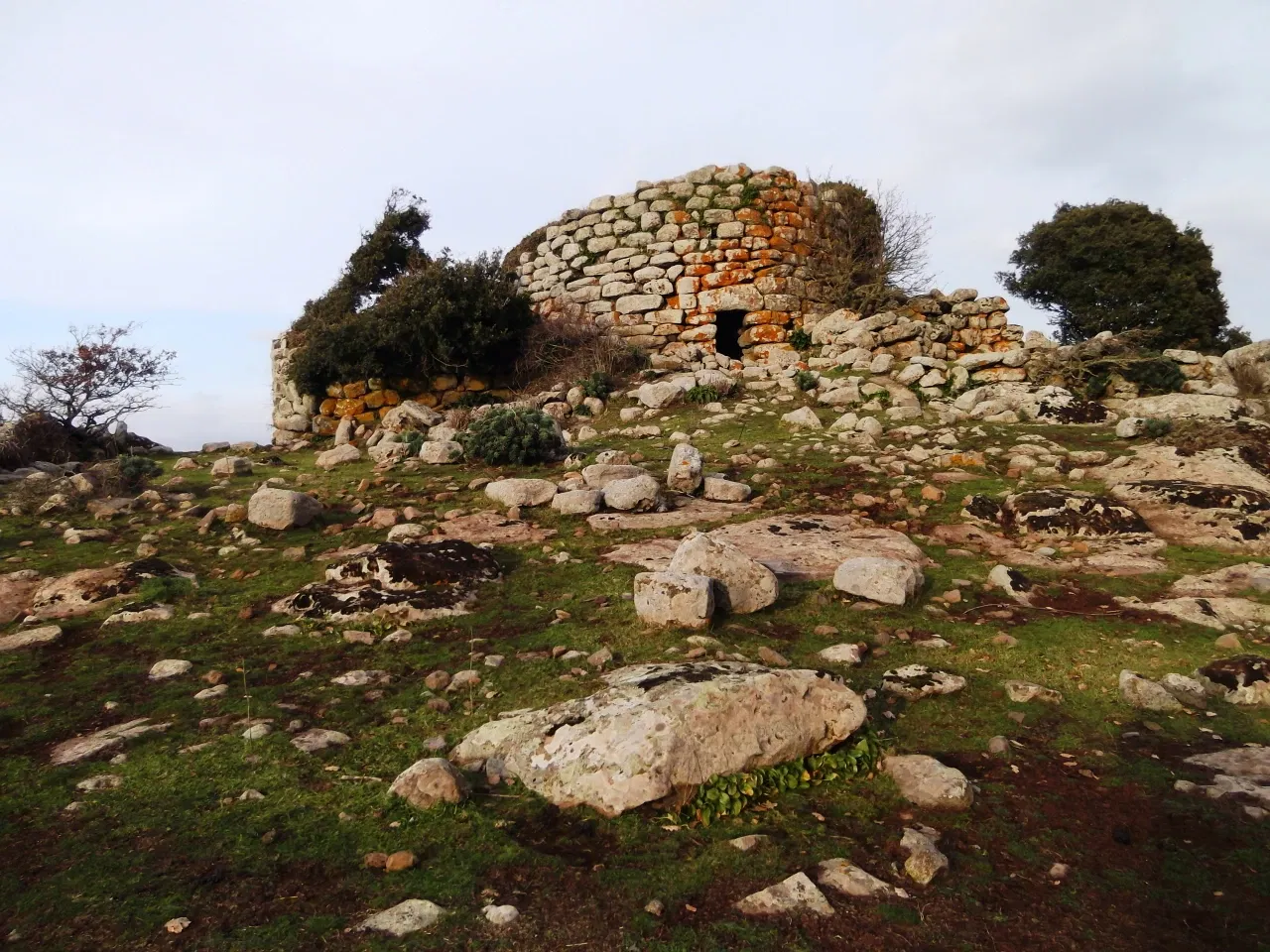
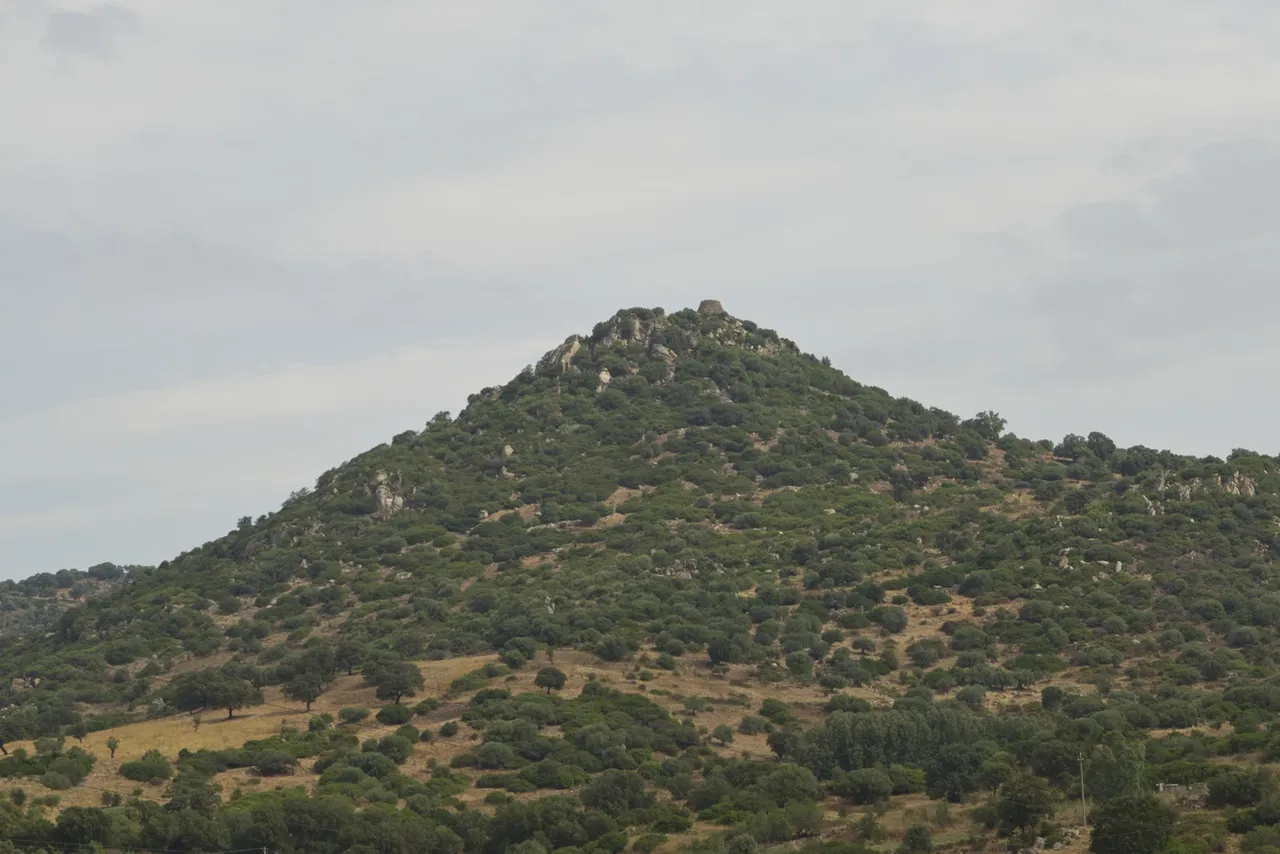
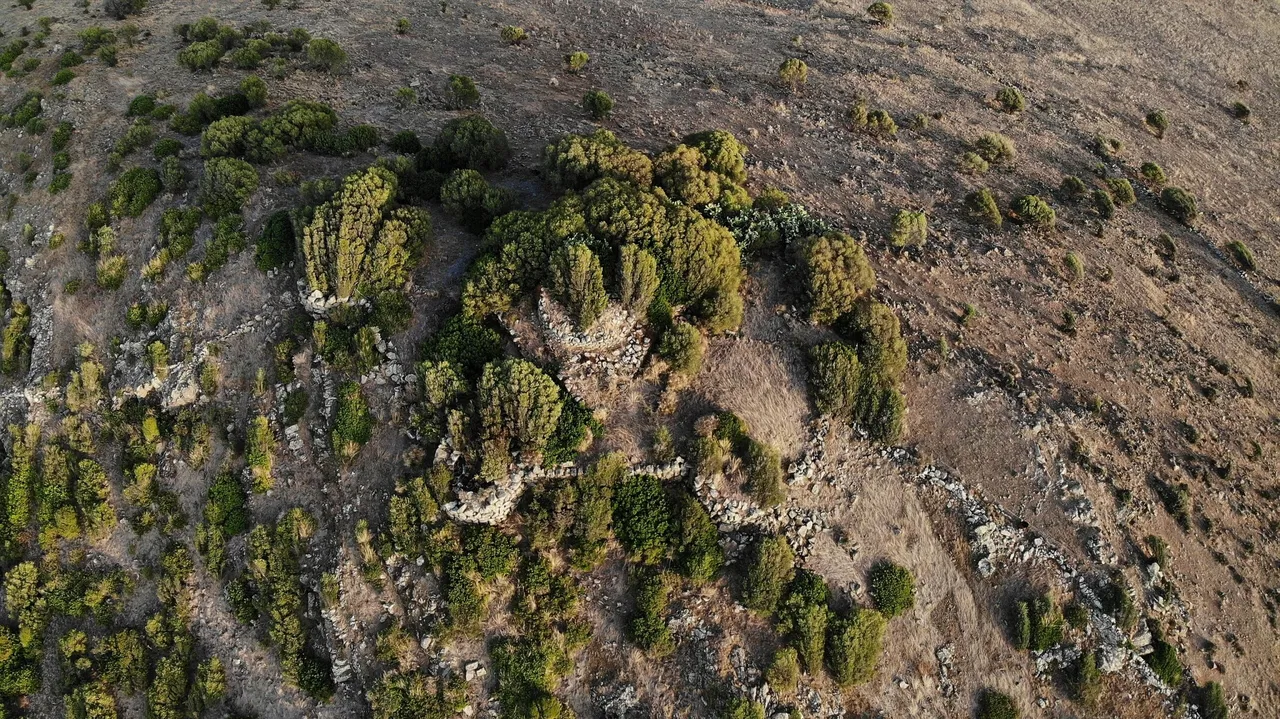
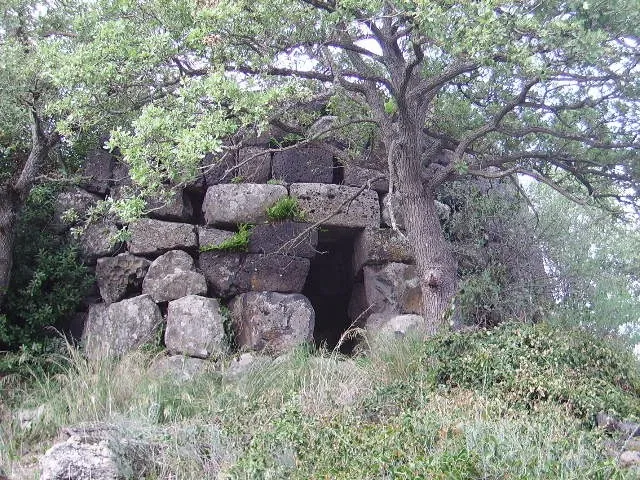
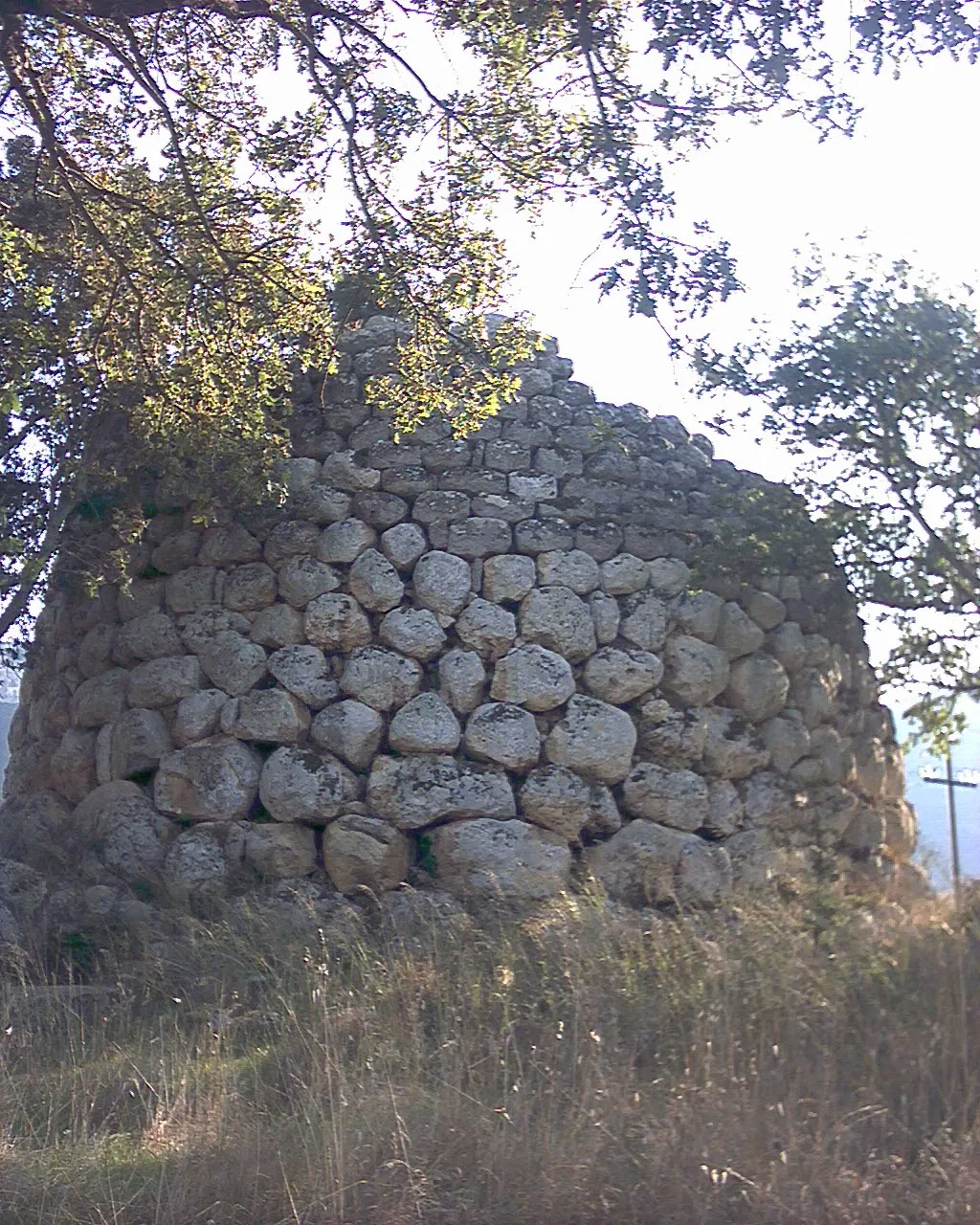
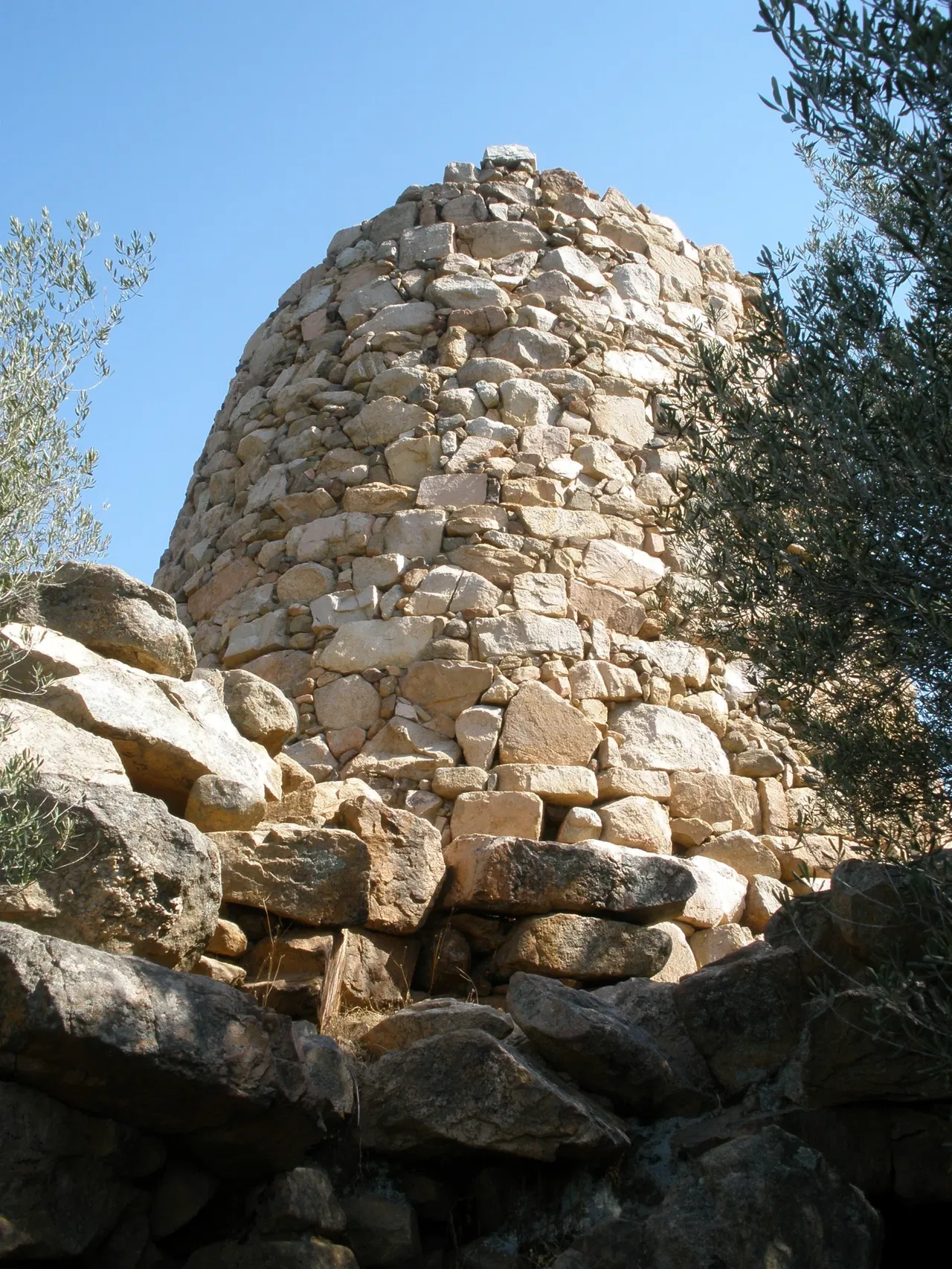

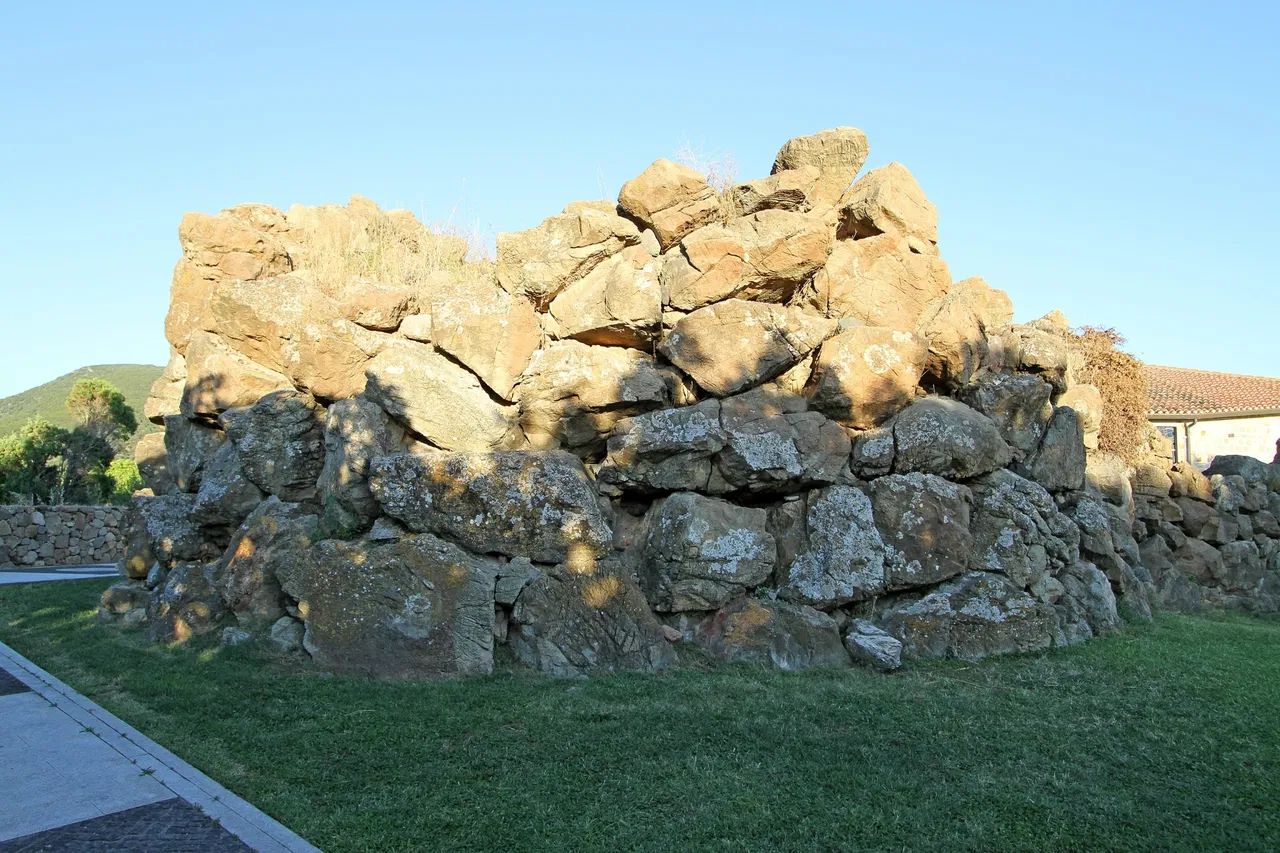
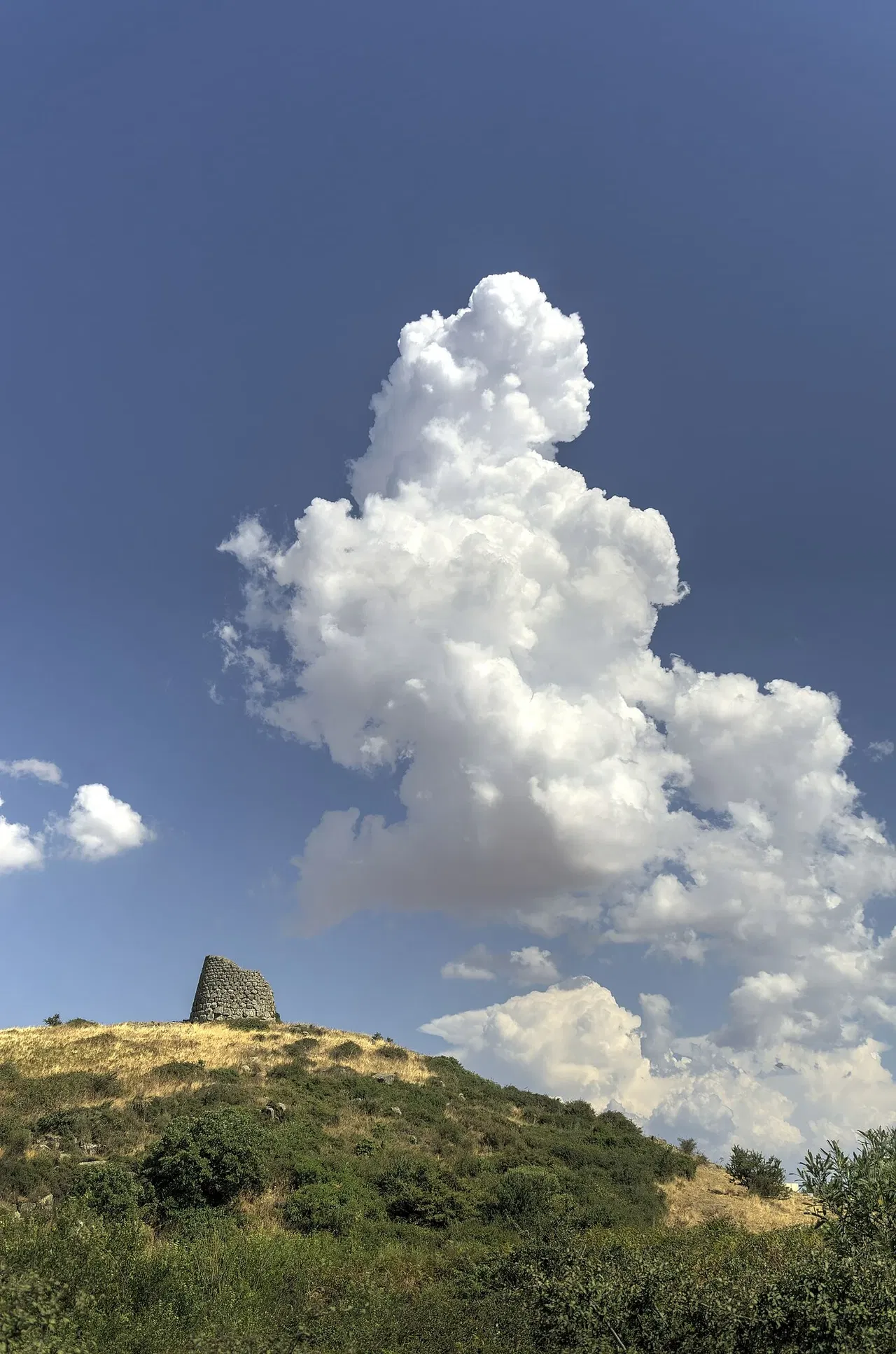
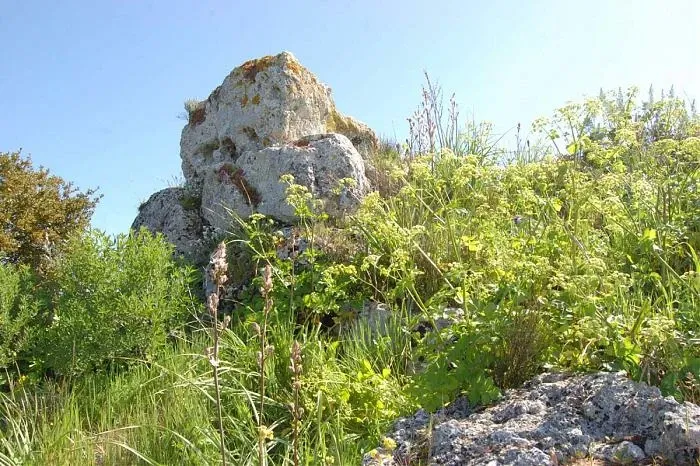
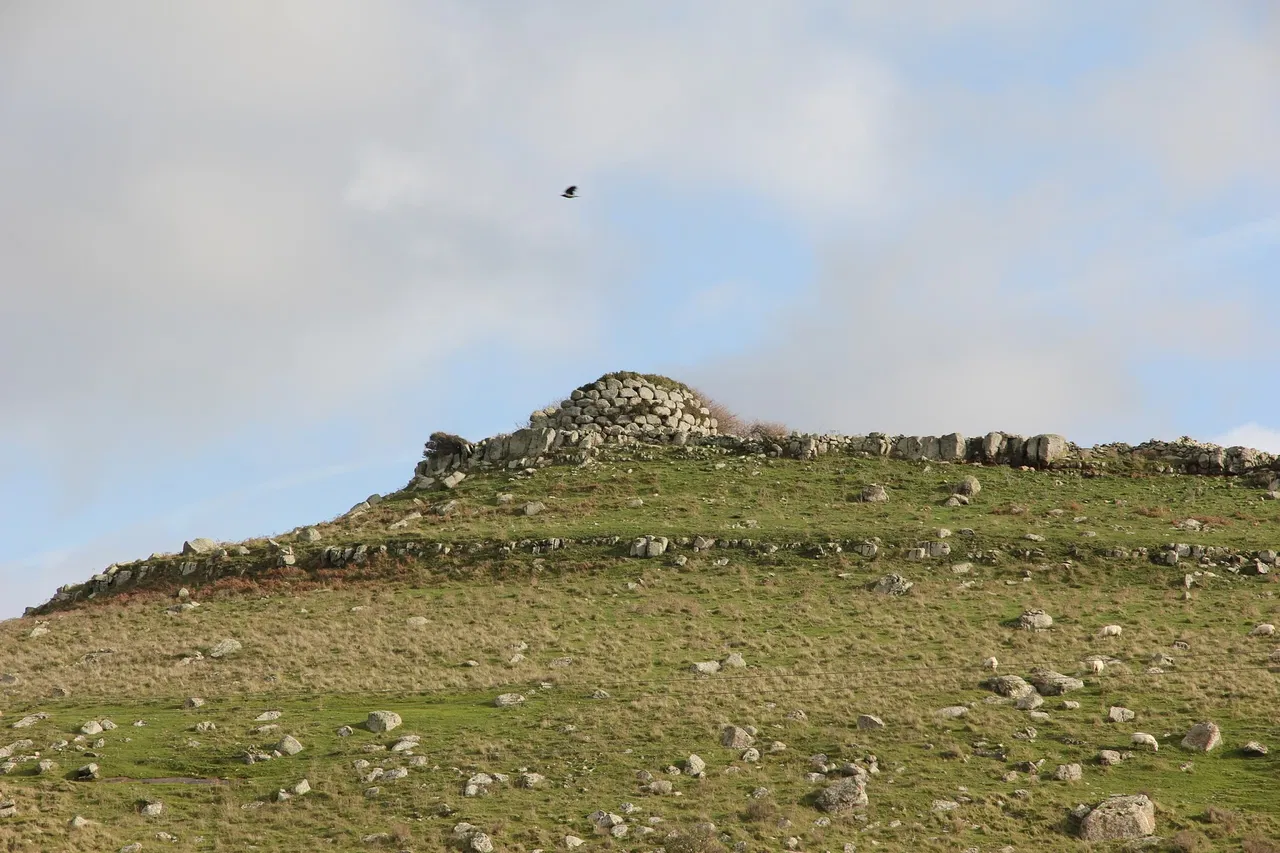
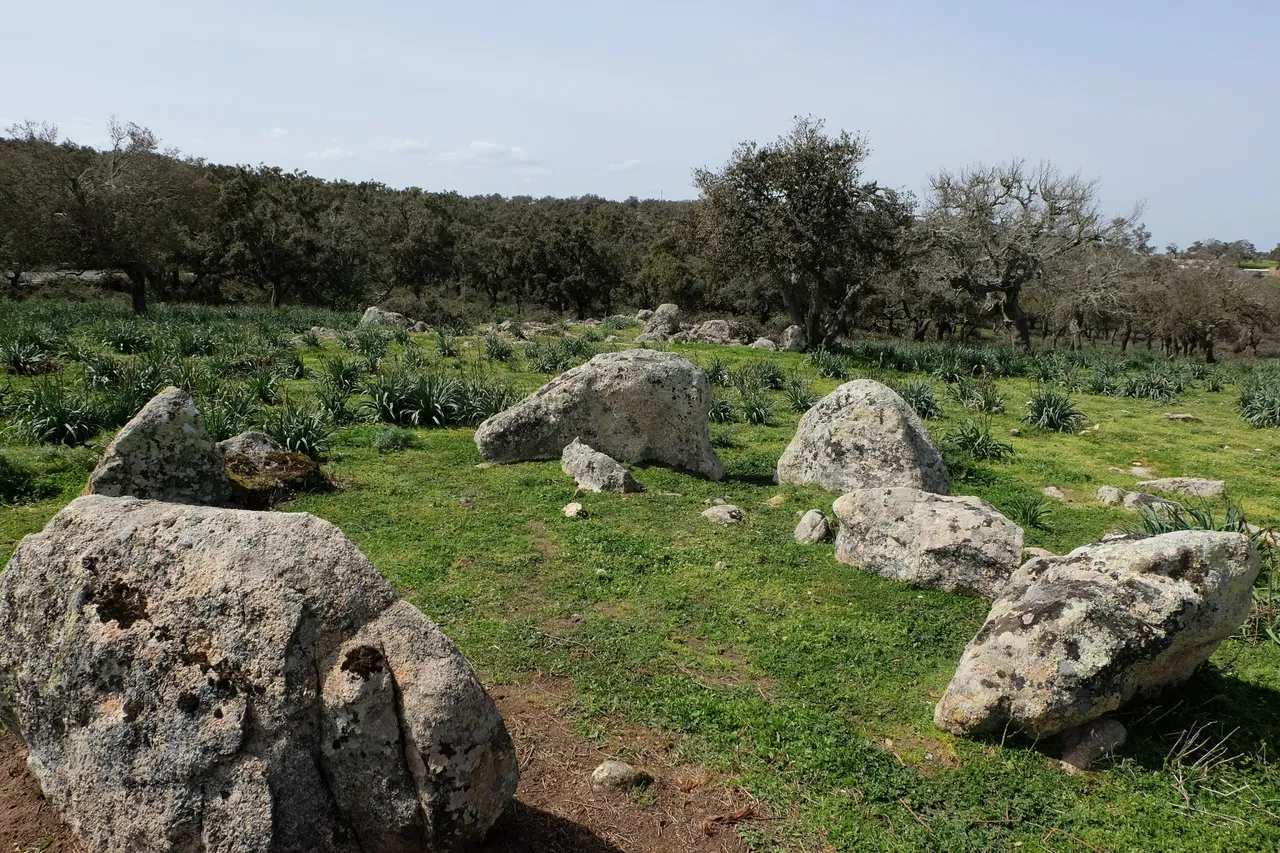
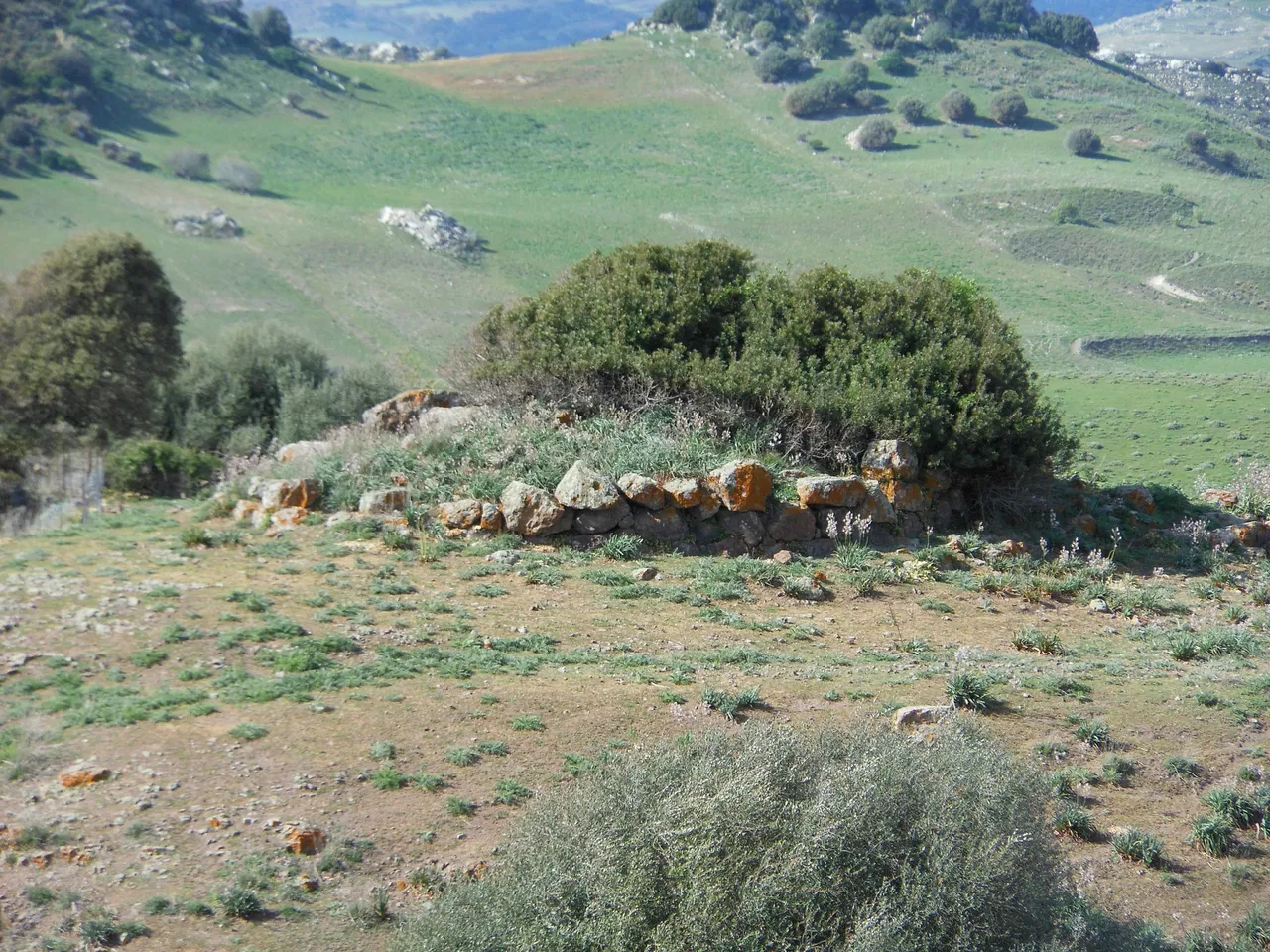
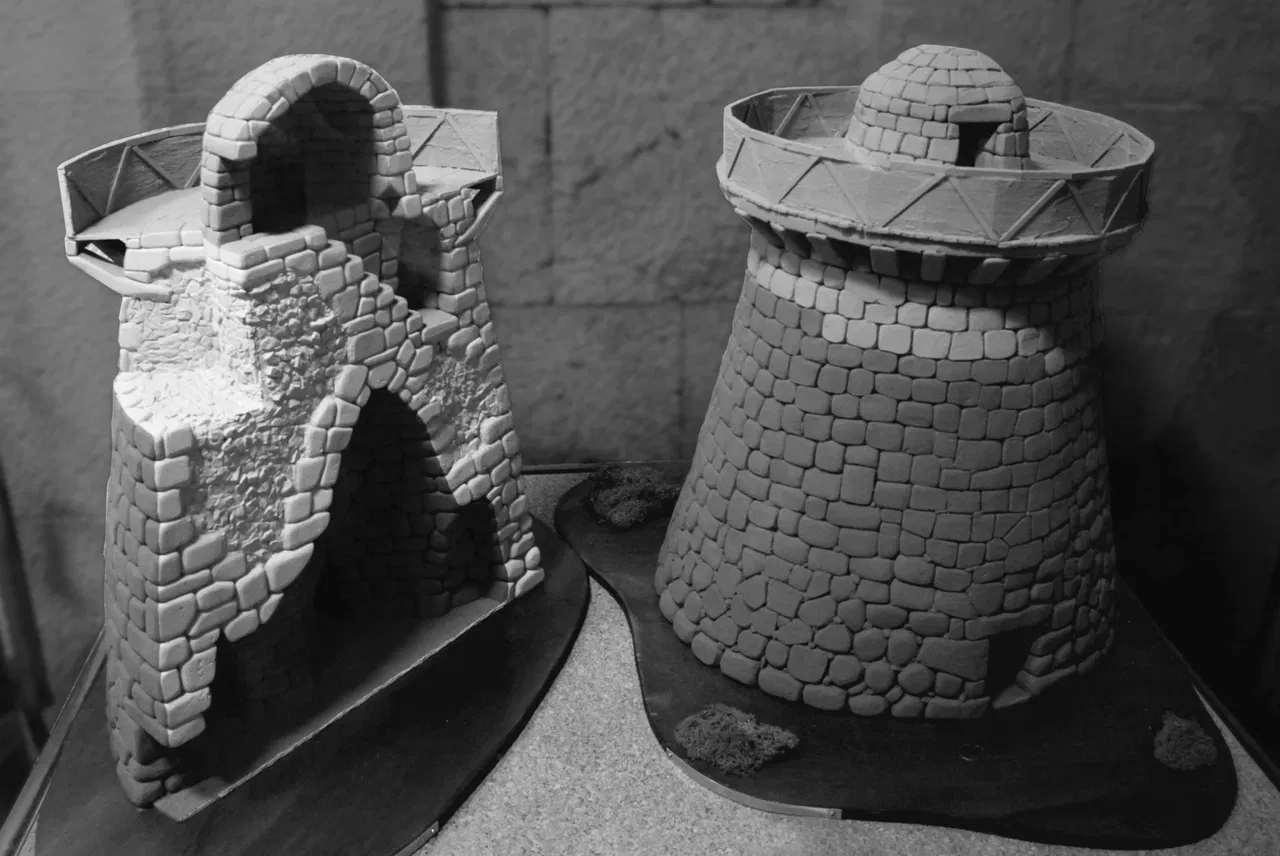

The Nuraghe is the primary type of megalithic structure that can be found in Sardinia, with origins dating back to years before 1000 BC. These structures have become a symbol of Sardinia and its distinctive culture. Typically, a Nuraghe is located in a panoramic location and takes the shape of a tower with a geometric shape of a truncated or halved cone. Some are taller, while others are very low, reminiscent of a tholos. The structure does not have foundations and is held up solely by the weight of the stones that form it, which can weigh several tons. Some Nuraghe measure more than 20 meters in height.
The use of the Nuraghe has not been clearly determined. They could have served various purposes, such as religious temples, daily accommodations, the residence of the village chiefs, military fortresses, meeting rooms of leaders, or a combination of some of these purposes. Some of the Nuraghe are, however, strategically located in relation to important passages that could be easily controlled. Undoubtedly, the Nuraghe had significant symbolic content. They could convey wealth or power, or indicate that the location was a village.
The most significant Nuraghe complex is Su Nuraxi de Barumini, which has been declared a World Heritage Site. This recognition underscores the historical and cultural importance of these structures, not only to Sardinia but to the world. Visiting this site provides a unique opportunity to explore and understand the Nuragic civilization and its contributions to history.
History & Anthropology
SP108, Gonnesa
No exhibitions in Nuraghe Seruci have been found.
Nuraghe Seruci has 1 rating.
Nuraghe Seruci, located in Gonnesa, Italy, is an impressive archaeological site that offers visitors a glimpse into the ancient Nuragic civilization of Sardinia. The complex consists of a central tower surrounded by several smaller towers, forming a significant example of prehistoric architecture.
Visitors appreciate the well-preserved state of the nuraghe, which allows them to explore and understand the structure's layout. The site's elevated position provides panoramic views of the surrounding landscape, adding to the overall experience.
Many reviewers highlight the informative guided tours available, which help in understanding the historical context and significance of the site. The guides are often praised for their knowledge and enthusiasm.
However, some visitors note that the site could benefit from more extensive signage and information panels in multiple languages to assist self-guided tours. Additionally, the rugged terrain and lack of modern facilities might be challenging for some visitors, especially those with mobility issues.
Access to the site can be a bit tricky, with some reviewers mentioning the need for better road signs. The remote location, while adding to the authentic atmosphere, means that visitors should come prepared with water and suitable footwear.
Despite these minor inconveniences, most visitors find Nuraghe Seruci to be a rewarding experience, offering a tangible connection to Sardinia's ancient past. The site's authenticity and the opportunity to explore a well-preserved nuragic complex make it a valuable stop for those interested in archaeology and ancient history.
This rating is based on the rating of this museum on several other platforms.
Discover museums near Nuraghe Seruci in or around Gonnesa.