Images of Málaga Cathedral
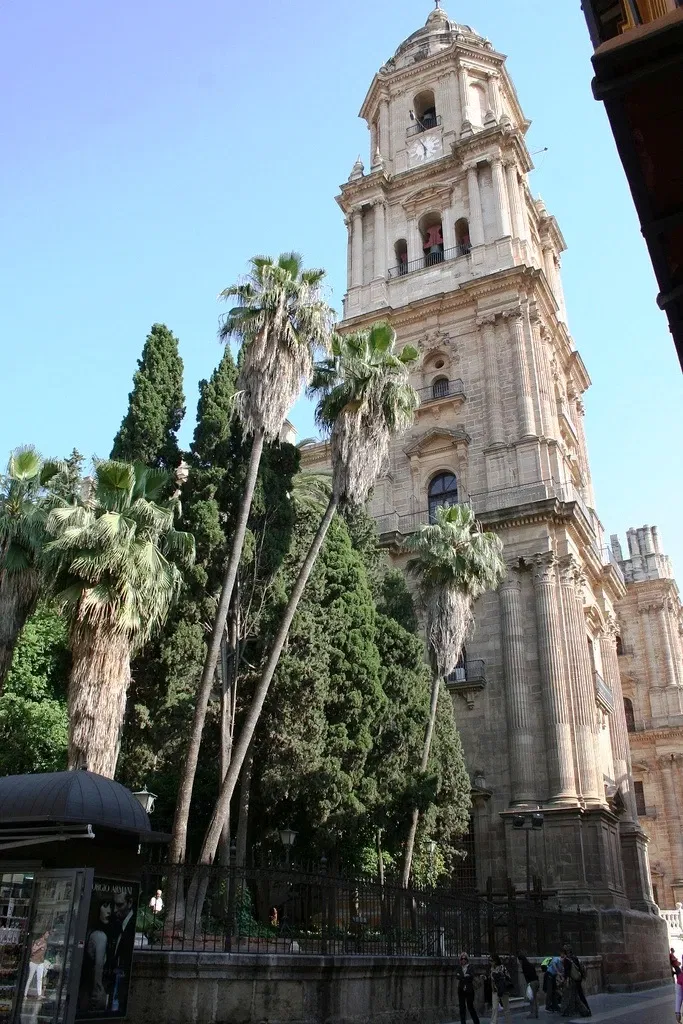

The Cathedral of Málaga, located in the city of Málaga in Andalusia, southern Spain, is a Roman Catholic church. It is a representation of the Renaissance architectural tradition, which is a significant period in the history of architecture. This cathedral is a testament to the rich cultural and historical heritage of the region.
The Cathedral of Málaga is situated within the boundaries defined by a now absent portion of the medieval Moorish walls. The remnants of these walls surround the nearby Alcazaba and the Castle of Gibralfaro. This location adds to the historical significance of the cathedral and provides a unique context for its existence.
The construction of the Cathedral of Málaga took place between 1528 and 1782, following the plans drawn by Diego de Siloe. The interior of the cathedral also follows the Renaissance style, reflecting the architectural preferences of the period. This long construction period contributes to the cathedral's historical significance.
The sanctuary of the Cathedral of Málaga is filled with a series of grand artworks. Among these are the Gothic altarpiece of the Chapel of Santa Barbara and the 16th century tombs of the Chapel of San Francisco. These artworks contribute to the cathedral's cultural and historical significance.
Calle Molina Lario, 9, Málaga
No exhibitions in Málaga Cathedral have been found.
Málaga Cathedral has 1 rating.
Málaga Cathedral, also known as the Cathedral of the Incarnation, is a prominent landmark in the heart of Málaga, Spain. The cathedral's construction began in the 16th century and took over 200 years to complete, resulting in a blend of architectural styles including Gothic, Renaissance, and Baroque elements.
Visitors often appreciate the cathedral's impressive exterior, with its ornate façade and the distinctive single tower that has earned it the nickname "La Manquita" (One-Armed Lady). The interior of the cathedral is equally noteworthy, featuring high vaulted ceilings, intricate chapels, and a collection of religious art and artifacts.
Many reviewers highlight the cathedral's grand choir stalls, carved from cedar and mahogany, as a particular point of interest. The pipe organs, dating back to the 18th century, are also frequently mentioned as impressive features.
While most visitors find the cathedral beautiful and historically significant, some note that the entrance fee is relatively high compared to other European cathedrals. Additionally, a few reviewers mention that ongoing restoration work can sometimes limit access to certain areas.
The rooftop tour is often recommended for those who don't mind climbing stairs, as it offers panoramic views of Málaga and provides interesting insights into the cathedral's architecture and history.
Overall, Málaga Cathedral is generally regarded as a worthwhile visit for those interested in religious architecture, history, and art, though it may not appeal as much to those looking for a quick or budget-friendly attraction.
This rating is based on the rating of this museum on several other platforms.
Discover museums near Málaga Cathedral in or around Málaga.