Images of Paul S. Russell, MD Museum of Medical History and Innovation - Ether Dome
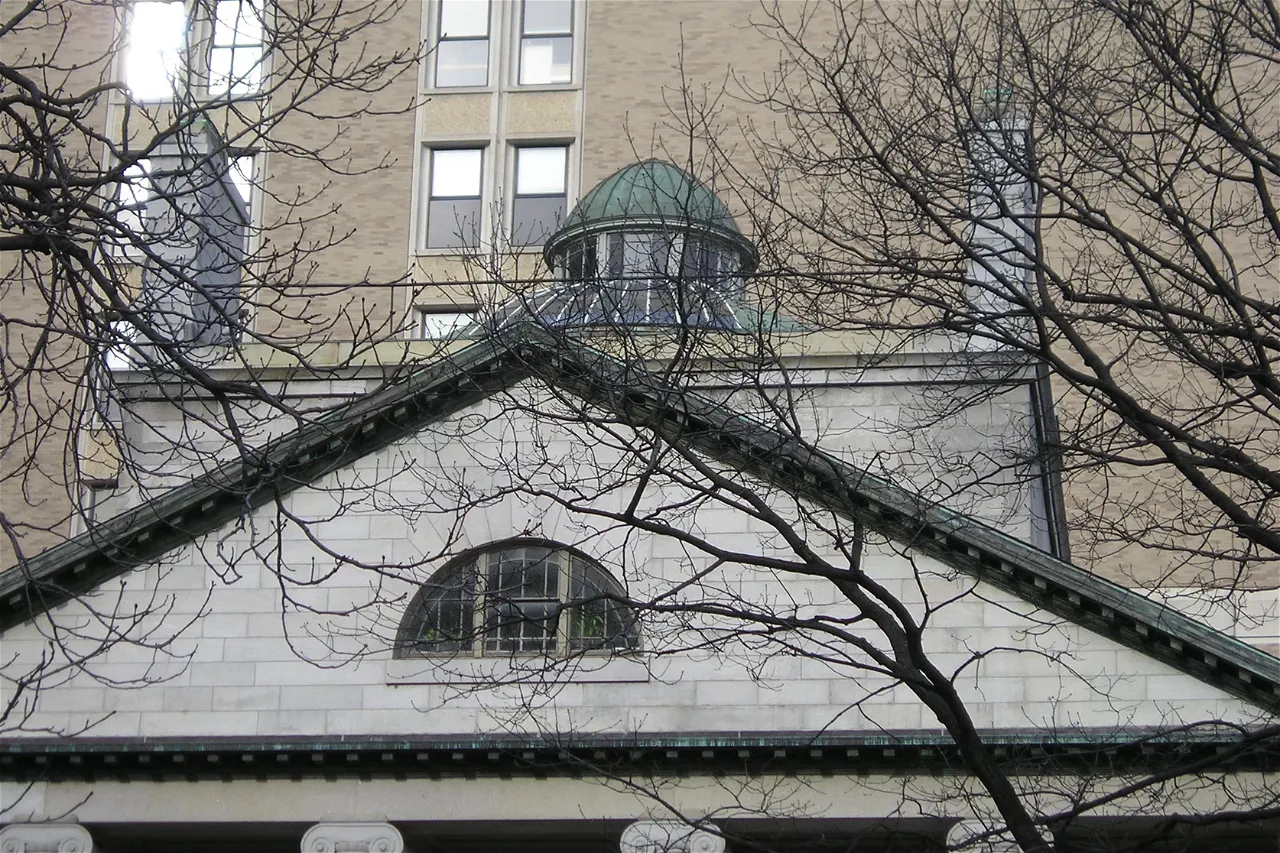
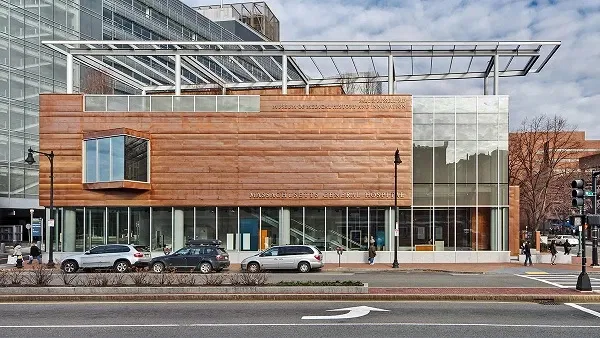

The Russell Museum is dedicated to drawing connections between innovations spanning more than 200 years, from the hospital’s charter in 1811 to the present day. Visit us for an experience that will inform, inspire and engage. In 1844 Hartford dentist Horace Wells noticed the painkilling effects of nitrous oxide at an event where volunteers inhaled the gas and then stumbled around. Such affairs were known as “frolics.” Wells used nitrous oxide in his dental practice for the painless extraction of teeth. In 1845 he attempted to demonstrate his discovery in Boston. The test failed, probably because the dose was inadequate. Soundly ridiculed, Wells became deeply discouraged. 1847 B&W daguerreotype photo of an operation under ether with man on right placing hands on the legs of patient Operation performed under surgical anesthesia. Southworth and Hawes, 1847. Surgeon John Collins Warren is at right, with hands on patient's legs. Morton is at the head of the patient, holding the anesthetic apparatus. William T.G. Morton, a partner in Wells’s practice, learned the technique and began experimenting on his own. Morton’s interest in using the method for surgical anesthesia was inspired by Wells but he also benefited from conversations with Charles T. Jackson, a professor of chemistry at Harvard, who advised him to use a higher grade of sulfuric ether. Jackson seemed to know that the gas could be effective in surgery, but he made no effort to apply his knowledge. With the help of MGH surgeon Henry Jacob Bigelow, Morton persuaded MGH co-founder and surgeon John Collins Warren to allow him to try his technique on a surgical patient. The demonstration took place in the Ether Dome on October 16, 1846. The patient – a young printer named Gilbert Abbott, who had a vascular neck tumor – announced that he had felt a scratching sensation, but no pain. Warren turned to the observers and proclaimed; “Gentlemen, this is no humbug.” Bigelow immediately published an article.
Science & Technology History & Anthropology Historic house
2 N Grove. St., Boston
No exhibitions in Paul S. Russell, MD Museum of Medical History and Innovation - Ether Dome have been found.
Paul S. Russell, MD Museum of Medical History and Innovation - Ether Dome has 1 rating.
The Paul S. Russell, MD Museum of Medical History and Innovation, including the Ether Dome, offers visitors a look into the history of medicine and surgery in Boston. Located at Massachusetts General Hospital, this museum provides an educational experience for those interested in medical advancements.
The Ether Dome, a highlight of the museum, is the restored amphitheater where the first public demonstration of ether anesthesia took place in 1846. Many visitors find this historical operating theater intriguing, noting its significance in medical history.
The museum's exhibits cover a range of topics from early surgical techniques to modern medical innovations. Visitors appreciate the well-curated displays that showcase medical instruments, photographs, and artifacts spanning over two centuries of healthcare evolution.
While some find the museum relatively small, many agree that it packs a lot of information into its space. The self-guided tour allows visitors to explore at their own pace, though some mention that additional context or guided tours could enhance the experience.
On the downside, a few visitors note that the museum might not appeal to everyone, particularly those without a specific interest in medical history. Additionally, some find the content a bit technical or overwhelming at times.
Overall, the Paul S. Russell, MD Museum of Medical History and Innovation - Ether Dome provides an informative and thought-provoking experience for those curious about the progress of medicine, especially in the context of Boston's significant contributions to the field.
This rating is based on the rating of this museum on several other platforms.
Discover museums near Paul S. Russell, MD Museum of Medical History and Innovation - Ether Dome in or around Boston.