Are you a real history buff and are you looking for the best history museums to visit in Spain? These are the ones:
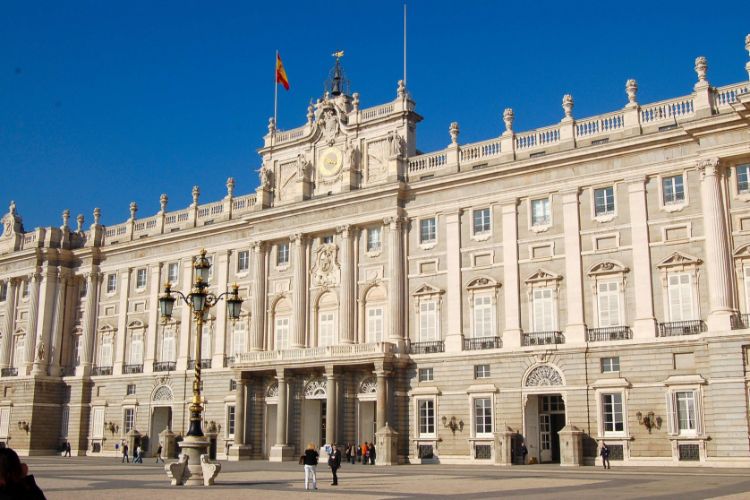
Royal Palace of Madrid
MadridThe Royal Palace of Madrid is the official residence of the Spanish royalty but is used only for state ceremonies. Visitors can see the marvelous interior decorations, made using various materials, from marble to mahogany. The palace is also home to Royal Armoury of Madrid. Surrounded by large and p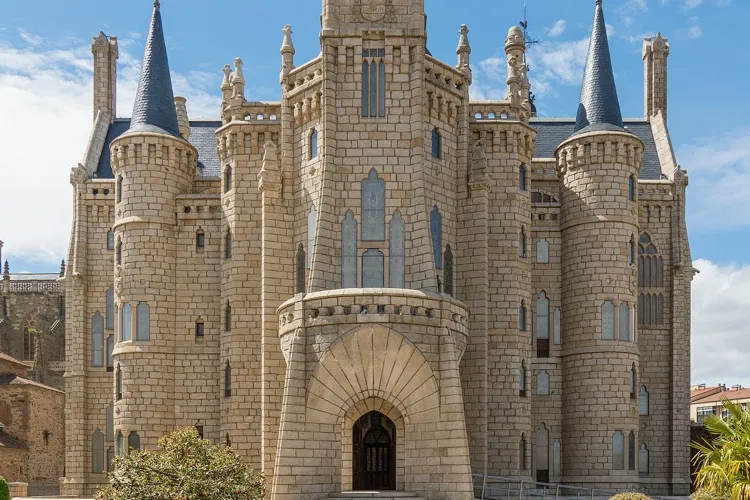
Palace of Gaudí
AstorgaThe Episcopal Palace of Astorga, a masterpiece by the renowned Catalan architect Antoni Gaudí, stands as a testament to the Catalan Modernisme style. Constructed between 1889 and 1913, this architectural marvel is one of only three buildings by Gaudí outside Catalonia. Its unique design and historical significance make it a fascinating destination for those interested in architecture and history.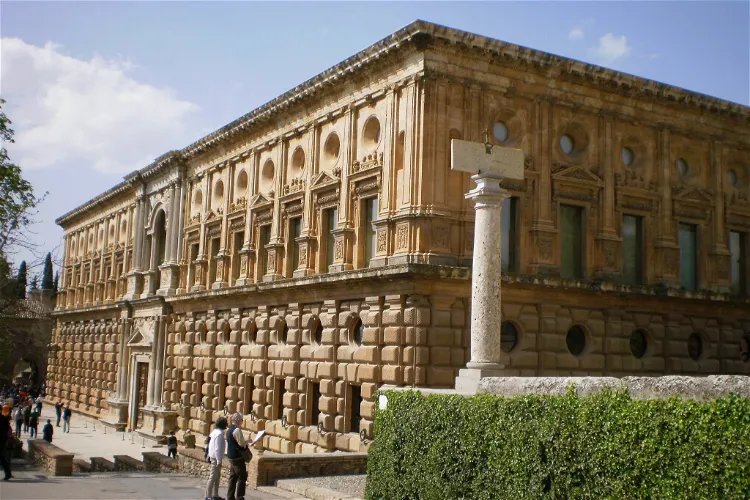
Museum of the Alhambra
GranadaThe Alhambra Museum, previously known as the National Museum of Hispano-Muslim Art, is located in the city of Granada. It is situated in the southern wing of the ground floor of the Palace of Charles V in the Alhambra. This location provides a unique setting for the museum, enhancing the historical and cultural experience for visitors.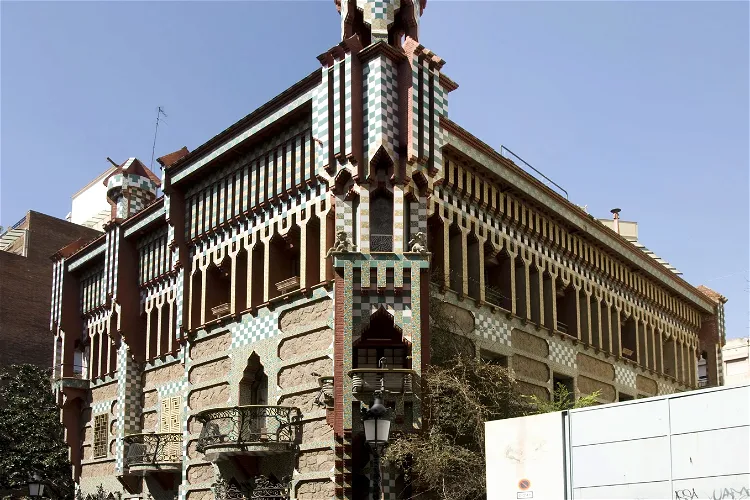
Casa Vicens
Barcelona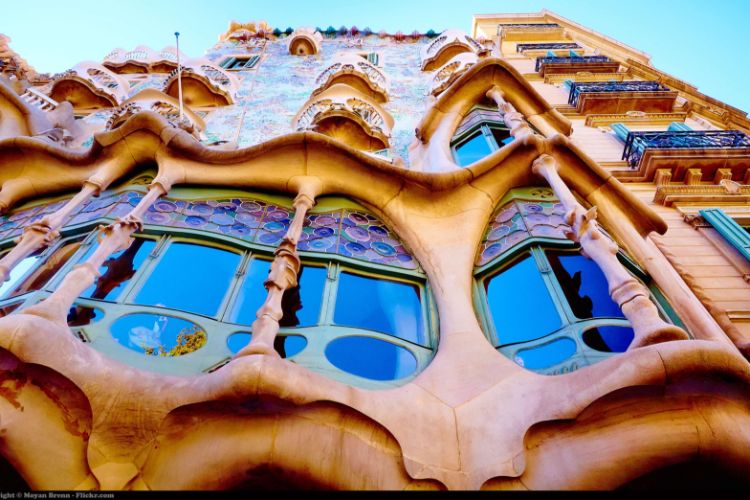
Casa Batlló
BarcelonaCasa Batlló is a building in the city centre of Barcelona that was designed by Antoni Gaudí, which is considered one of his masterpieces. Casa Batlló has been open to the public since 2002. You can visit the former residence of the Batlló family (Noble Floor), the former storerooms and laundry rooms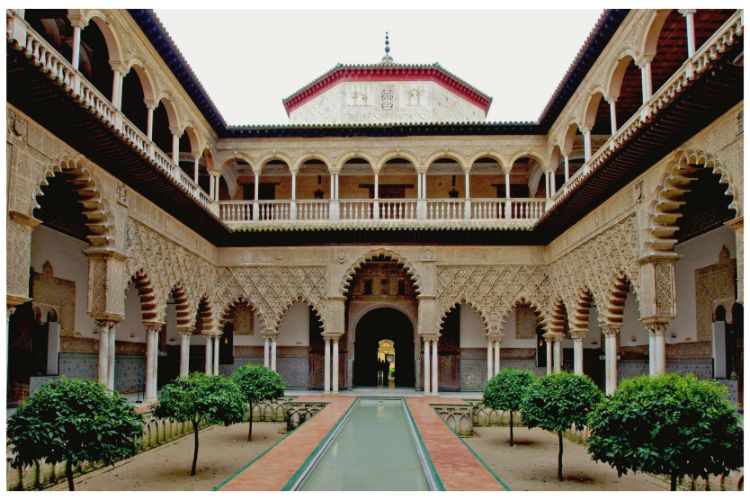
Real Alcázar
SevilleReal Alcázar is one of the best examples of Mudéjar architecture and is the oldest royal palace still in use in Europe. The gargantuan palace complex was originally a Moorish fort and is surrounded by vast gardens. You enter the palace into the Lion's Patio through Puerta del León. The following pat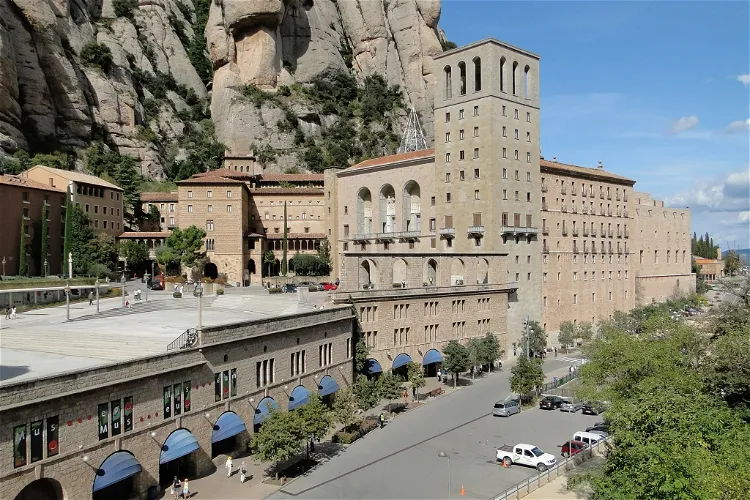
Montserrat Monastery
Monistrol de MontserratThe Montserrat Monastery, a Benedictine abbey, is situated in Catalonia. It is perched at an altitude of 720 meters on the eastern side of the Montserrat mountain, within the municipality of Monistrol de Montserrat. This location offers visitors a unique opportunity to experience the tranquility and beauty of the mountainous landscape while exploring the historical and religious significance of the monastery.- Online discount!
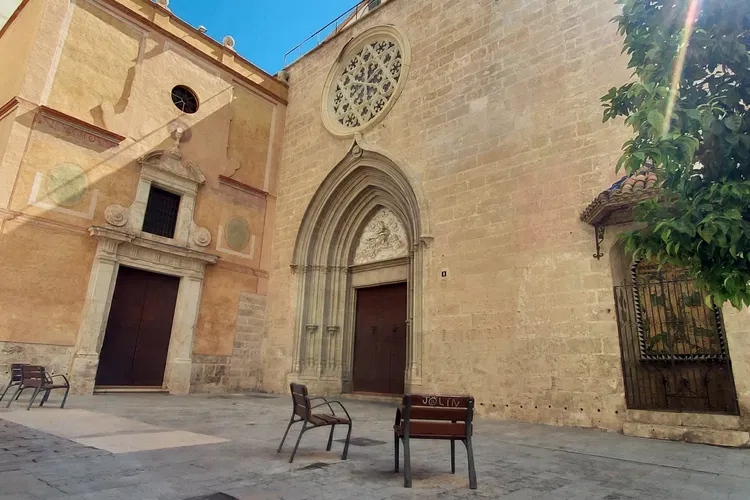
Church of San Nicolás
ValenciaThe Church of St. Nicholas and Peter, also known as the 'Sistine Chapel of Valencia', is one of the city's main attractions. Located in the El Carmen district in the historical center of Valencia, the church is renowned for its ceiling paintings. However, due to its location, it can be somewhat difficult for visitors to find as it is largely surrounded by other buildings. 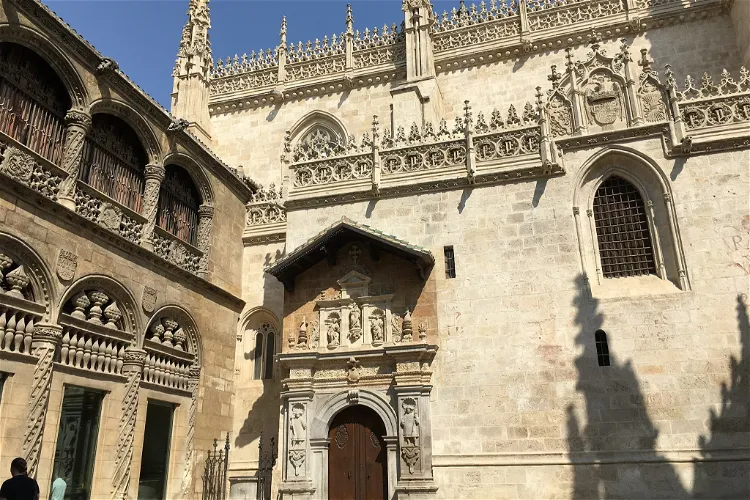
Royal Chapel of Granada
GranadaThe Cathedral of Granada, also known as Santa María de la Encarnación de Granada, is a significant religious site in southern Spain. It serves as the seat of the Archbishop of Granada. This historical monument is located in the heart of Granada, making it easily accessible for tourists.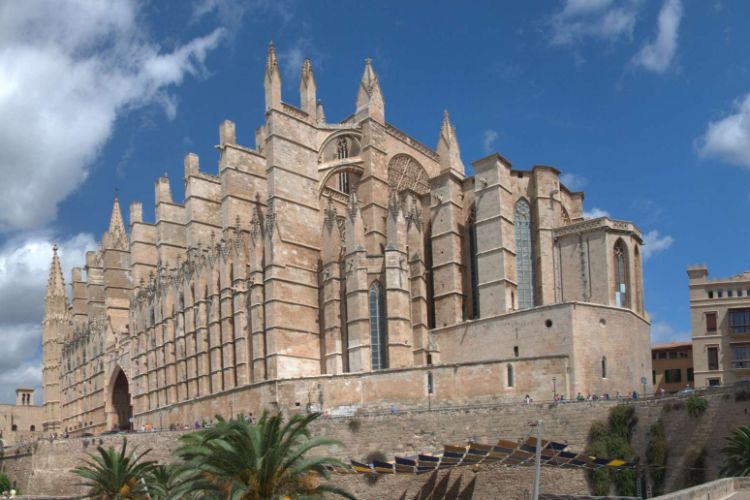
Catedral-Basílica de Santa María de Palma de Mallorca
Palma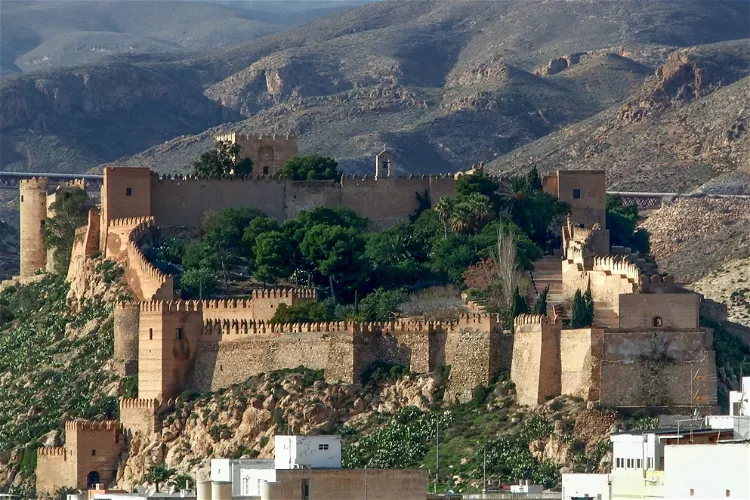
Alcazaba of Almería
AlmeriaThe Alcazaba of Almería, located in southern Spain, is a fortified complex with a rich history dating back to 955. This structure was not only a defensive citadel but also the seat of local government, overseeing the city and the nearby sea. Its strategic location and historical significance make it a fascinating destination for tourists interested in history and architecture.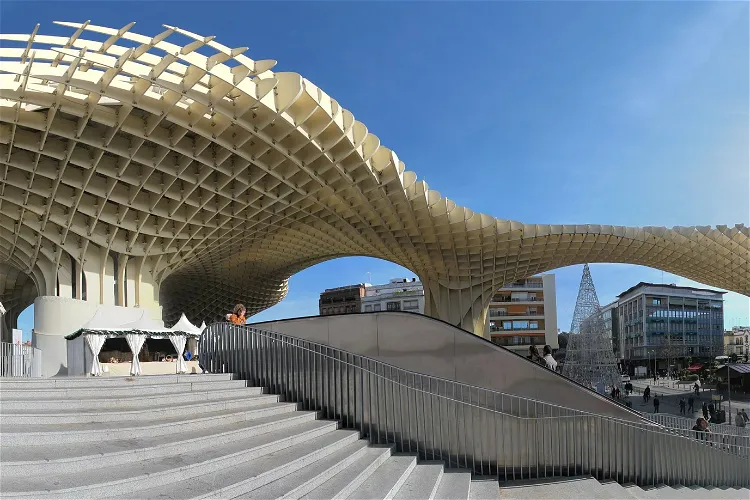
Mushrooms of Seville
SevilleThe Setas de Sevilla, also known as the Mushrooms of Seville, is a significant landmark in the old quarter of Seville, Spain. This large wooden structure is located at La Encarnación square and is a notable attraction for tourists visiting the city. The structure was designed by German architect Jürgen Mayer and was completed in April 2011. It is approximately 150 by 70 metres in size and stands at an approximate height of 26 metres.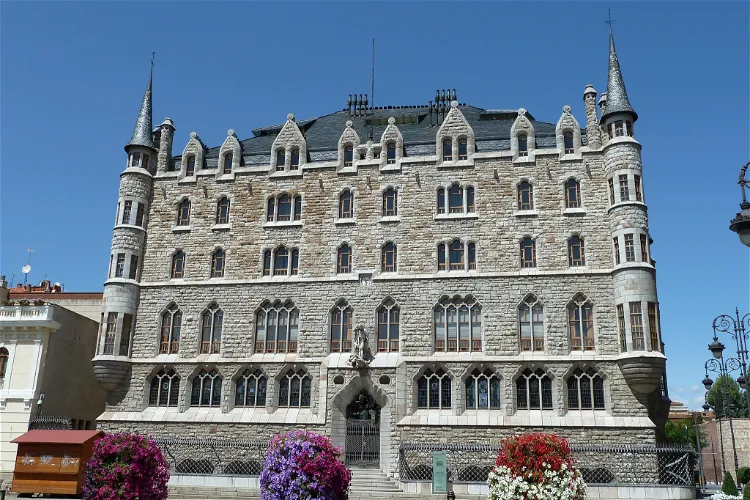
Gaudí Botines House Museum
LeónThe Casa Botines, constructed between 1891 and 1892, is a Modernist building located in León, Spain. This architectural masterpiece was designed by the renowned architect Antoni Gaudí. Today, it serves as a museum that showcases the works of Gaudí, Spanish art from the 19th and 20th centuries, and the history of the Casa Botines itself.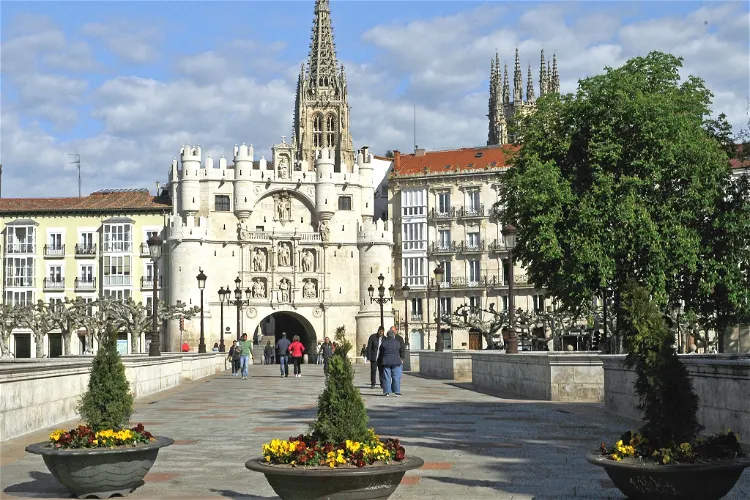
Arco de Santa María
BurgosThe Arco de Santa María in Burgos, Spain, is a significant historical site, being one of the twelve medieval gates that the city had during the middle ages. This gate is a testament to the city's rich history and offers a glimpse into the past.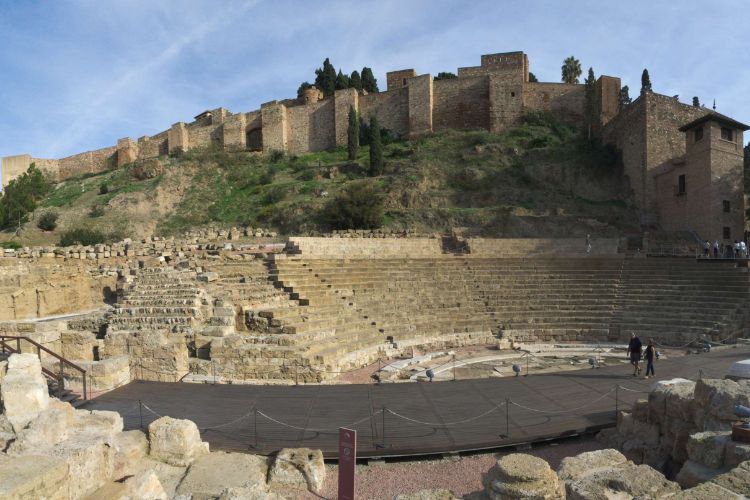
Alcazaba
Málaga
Arab Baths
RondaVisit the richly ornate spa complex that is really extraordinarily well preserved. Situated in a charming old quarter, too.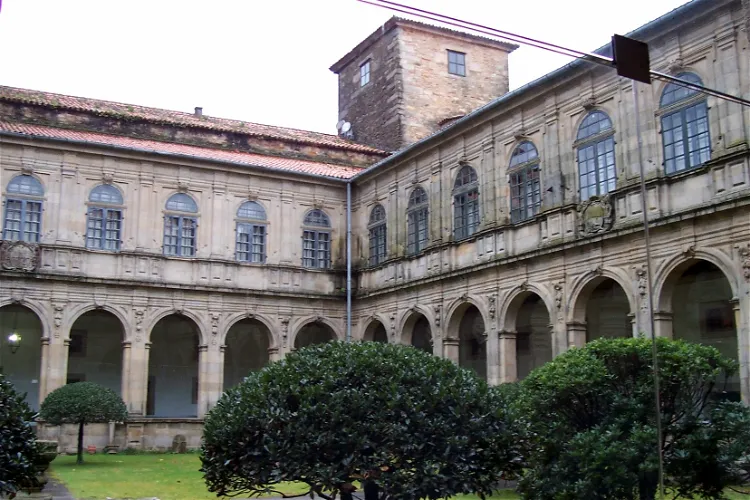
Museo do Pobo Galego
Santiago de CompostelaThe Museo do Pobo Galego, or Museum of the Galician People, is a private institution located in Santiago de Compostela. It was established in 1976 and opened to the public in 1977. The museum is housed in the former Dominican convent San Domingos de Bonaval, adding a layer of historical significance to the site.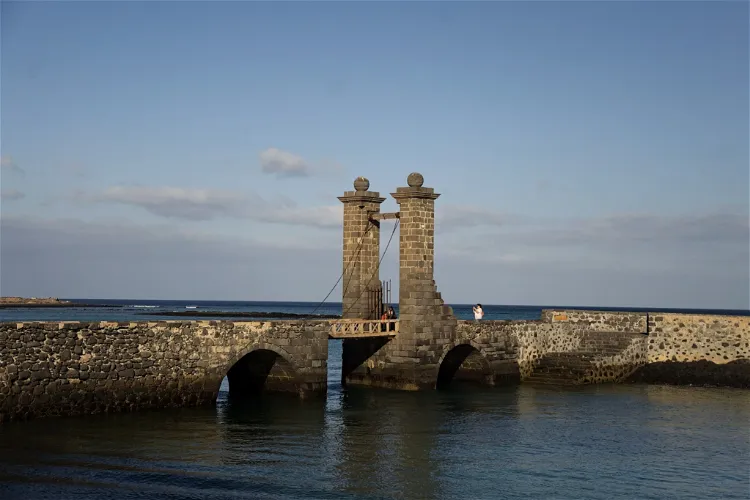
Saint Gabriel Castle
ArrecifeSituated on a small island accessible via two causeways, this compact fortress was built in 16th century for defensive purposes. Though it had been destroyed by pirates, it was completely rebuilt and now it houses an archaeological museum.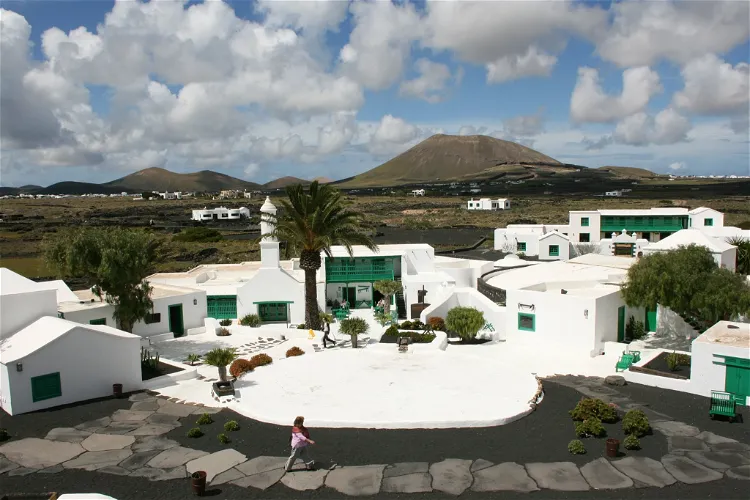
Monument to the Peasant
San BartoloméCreated by César Manrique, this monument and museum pay tribute to Lanzarote's agriculture. It celebrates the fact that despite the island's unfavorable environment, farmers are still able to produce world-renowned products including for instance wine.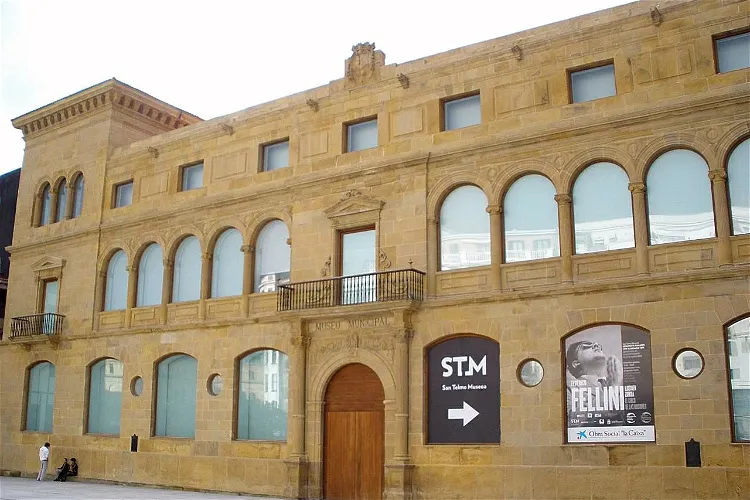
San Telmo Museum
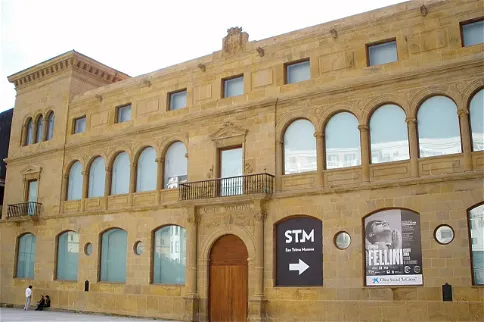
San SebastiánThe San Telmo Museum is situated in a prime location in San Sebastián, Spain. It is nestled on the plaza de Zuloaga, adjacent to the scenic Mount Urgull. This location not only offers easy access to the museum but also provides visitors with stunning views of the surrounding landscape.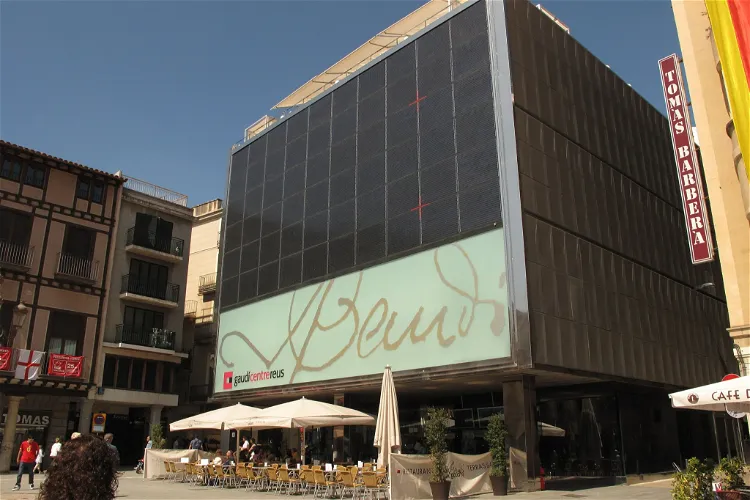
Gaudí Center
ReusThe Gaudí Centre, located in Reus, Catalonia, Spain, is a museum dedicated to the life and works of the renowned Spanish architect Antoni Gaudí I Cornet. This museum offers a comprehensive insight into Gaudí's artistic journey, showcasing his unique architectural style and innovative design techniques.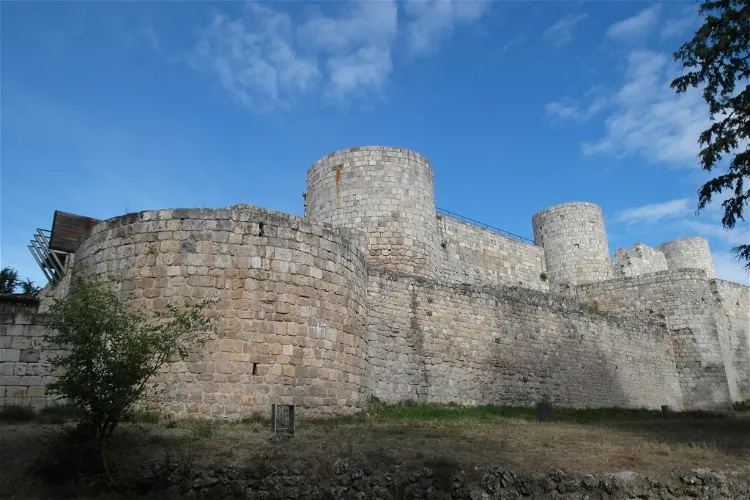
Castle of Burgos
BurgosThe Castle of Burgos is located on top of a small mountain, Cerro del Castillo, and stands about 75 meters above the city. This strategic location offers a panoramic view of the city, making it a great spot for sightseeing. The castle's elevated position also provides insight into its historical role as a defensive structure.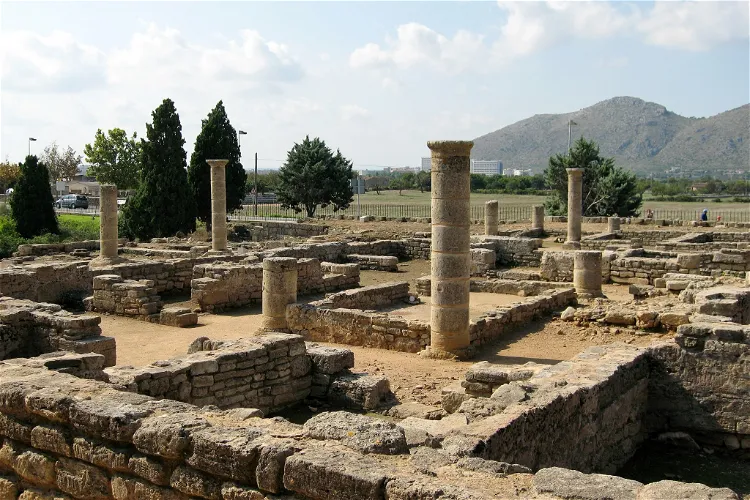
Roman City of Pollentia
AlcudiaPollentia, located in the municipality of Alcudia, is the most significant Roman archaeological site in Mallorca, Spain. This ancient city offers a unique glimpse into the Roman era, providing a rich historical context for visitors.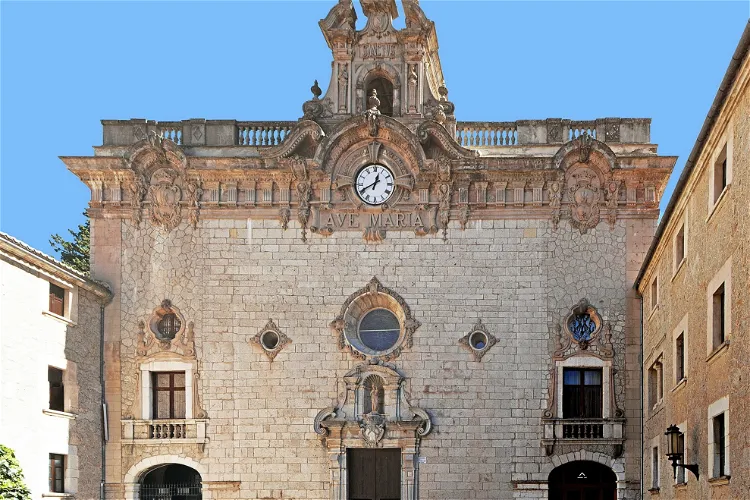
Lluc Sanctuary
EscorcaThe Lluc Sanctuary, also known as Santuari de Santa Maria de Lluc, is a significant religious site located in the Spanish municipality of Escorca. It is situated about 400 meters above sea level, nestled in the Tramontana mountain range on the island of Mallorca. This location offers visitors a unique blend of spiritual significance and natural beauty.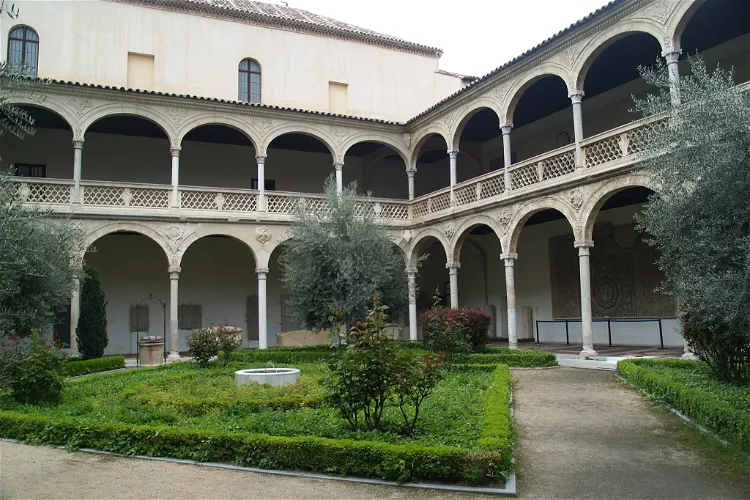
Museum of Santa Cruz
ToledoThe Museum of Santa Cruz is a significant cultural institution located in the historic centre of Toledo, Spain. It is an art, archaeology, and ethnographic museum that showcases collections related to the province of Toledo. The museum is a great place for tourists who are interested in art, history, and culture.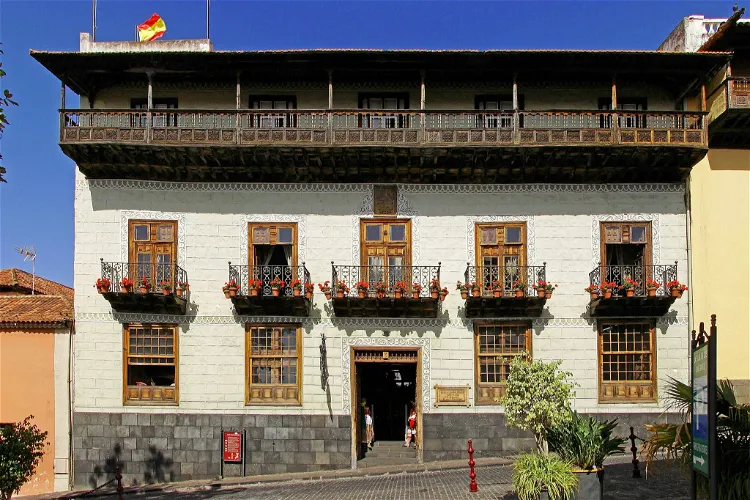
House of the Balconies
La OrotavaThe House of the Balconies, also known as Casa Méndez Fonseca, is a significant historical site in La Orotava, located in the north of Tenerife in the Canary Islands archipelago. This house is known for its unique three-story facade, referred to as 'sobrada', and its magnificent patio with carved wooden balconies. The house's history dates back to 1632 when it was originally built for Colonel Pedro Méndez de Castro. Over the years, the house has changed owners multiple times, with the ancestors of the current owners acquiring it in 1881.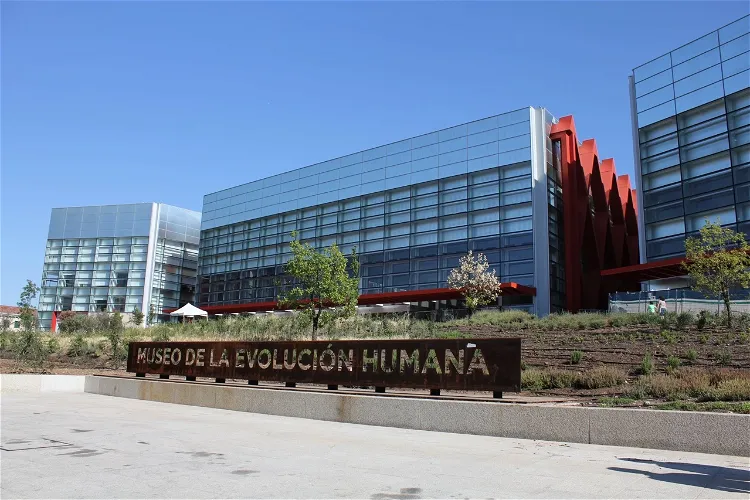
Museum of Human Evolution
BurgosThe Museum of Human Evolution is situated in the picturesque city of Burgos, Spain. It is nestled on the south bank of the river Arlanzón, providing a scenic backdrop for visitors. The museum's location is not only beautiful but also significant, as it is approximately 16 kilometers west of the Sierra de Atapuerca, a site known for some of the most important human fossil finds in the world.
Bellver Castle
PalmaBellver Castle (Castell de Bellver) is a Gothic-style castle on a hill in Palam, on the Island of Majorca. Its perfectly formed round design with its three turrets, makes this castle unique in Spain.The Bellver Castle was commissioned in 1300 by James II of Aragon. It was built by Pere Salva, the sa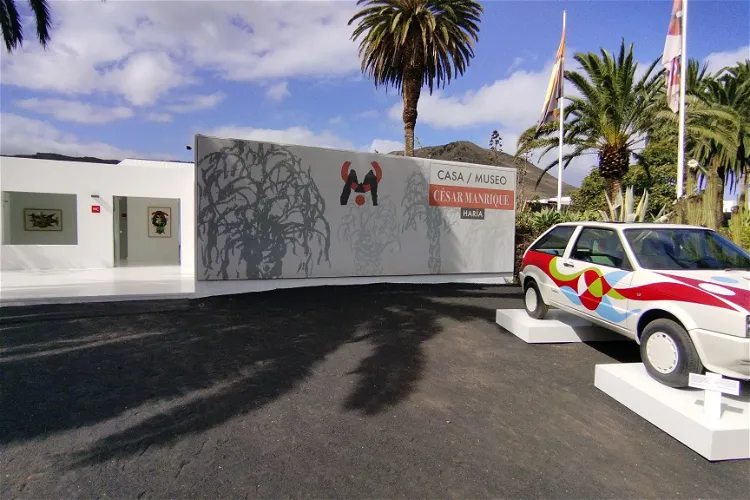
César Manrique House Museum
HaríaCésar Manrique's artistic influence extends to many buildings and projects on Lanzarote. These include the Mirador del Río, Jameos del Agua, Jardín de Cactus, the restaurant El Diablo in Timanfaya National Park, and the Gran Meliá Salinas hotel in Costa Teguise. These works reflect his unique style and his commitment to harmonizing architecture with nature.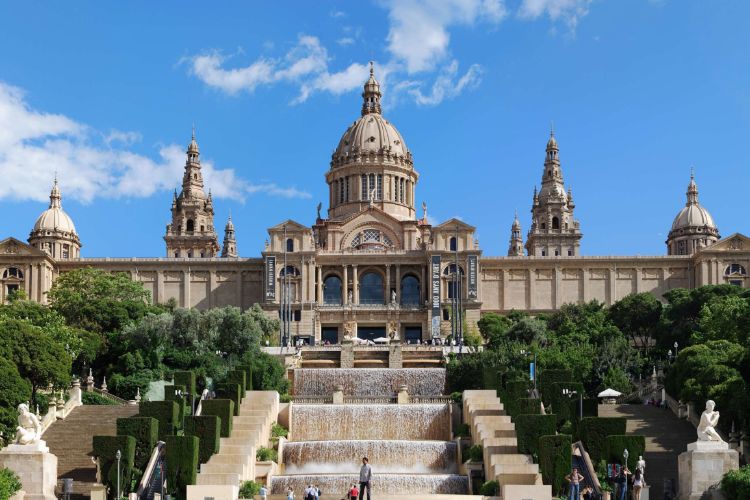
MNAC - Museu Nacional d'Art de Catalunya
BarcelonaMuseu Nacional d'Art de Catalunya displays original Catalan art but it is also known for its extensive collection of Romanesque paintings. It's set in the Palau Nacional of Montjuïc, a Spanish Renaissance building designed for the 1929 International Exhibition. On the ground floor, the collections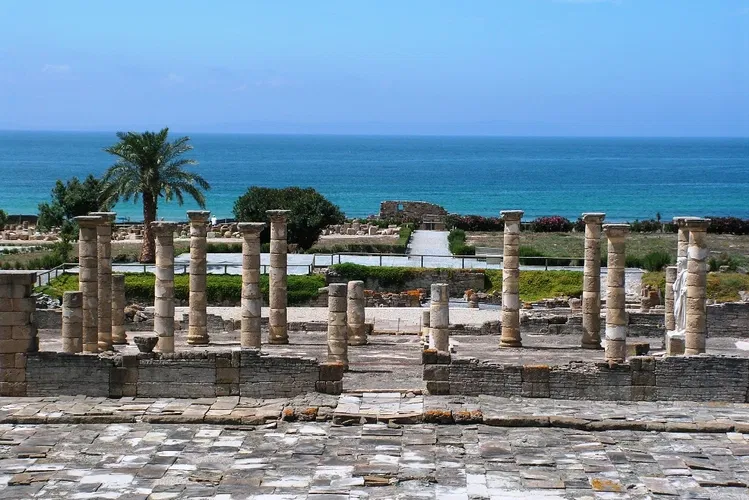
Baelo Claudia
TarifaBaelo Claudia is a Roman ruin city that is situated approximately 17 kilometers northwest of Tarifa, in the direction of Cádiz on the Atlantic coast. It is located right on Playa de Bolonia, offering visitors a unique blend of historical exploration and beachside relaxation.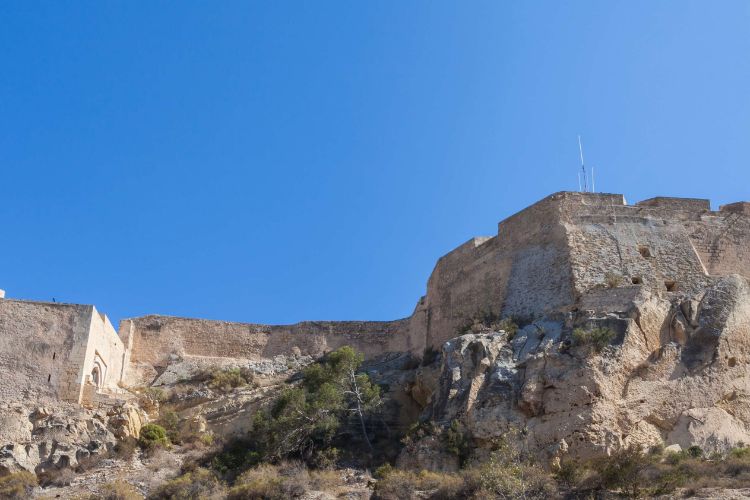
Castillo de Santa Bárbara - Museo de la Ciudad de Alicante
AlicanteCastillo de Santa Bárbara (The castle of Santa Bárbara) is a castle in Alicante, on Mount Benacantil, a rocky mass with a height of 167 meters that borders the sea and from which you can see the entire bay of Alicante and its terrestrial surroundings, giving it a big strategic advantage. The Museo d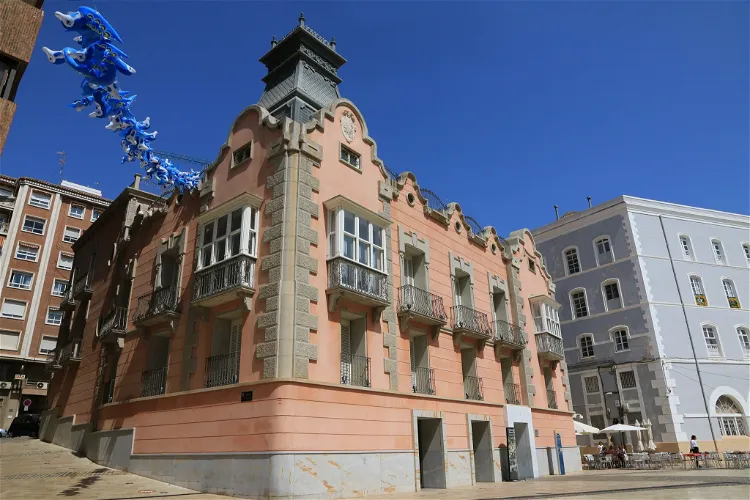
Roman Theatre Museum
CartagenaThe Roman Theatre Museum in Cartagena, a creation of architect Rafael Moneo, was officially opened to the public on July 11, 2008. The museum is dedicated to the excavation, restoration, and enhancement of the Roman Theatre of Cartagena.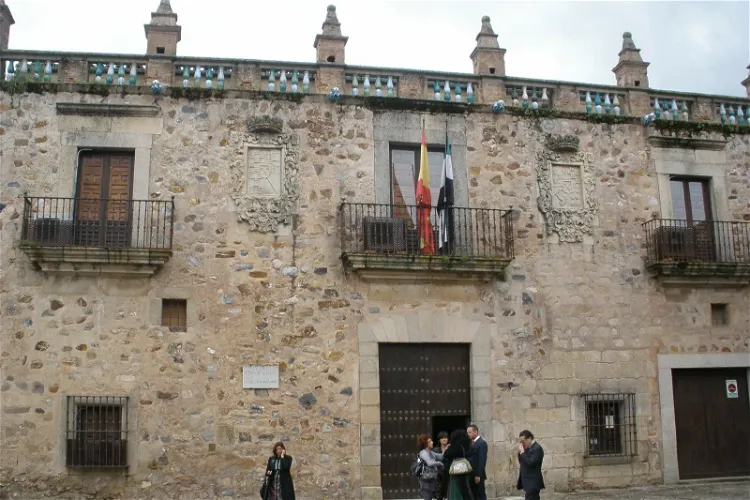
Cáceres Museum
CáceresThe Cáceres Museum is situated in the old town of the city, occupying two historic buildings: the Palace of Veletas and the House of Horses. These buildings themselves are a part of the city's history and their architecture is a testament to the region's past.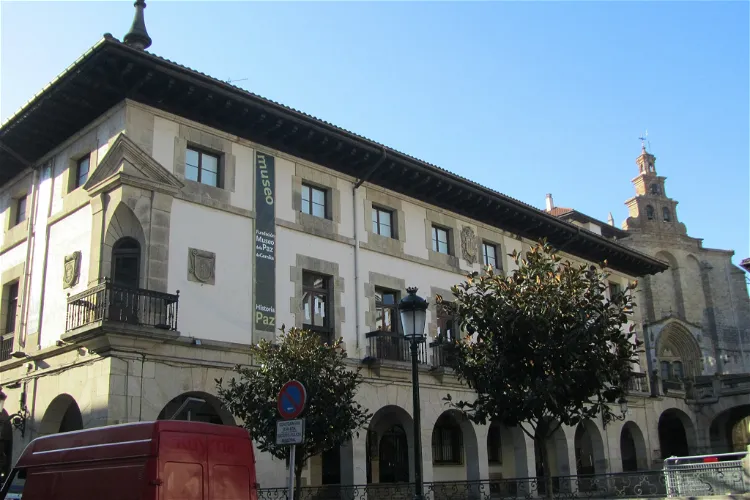
Gernika Peace Museum Foundation
GuernicaThe Gernika Peace Museum is conveniently located in the heart of Guernica and Luno, in the Plaza de los Fueros. This central location, opposite the town hall, makes it easily accessible for tourists visiting the city. The museum's location also adds to its historical significance, as it is situated in a city that has been a symbol of peace and reconciliation.- Online discount!
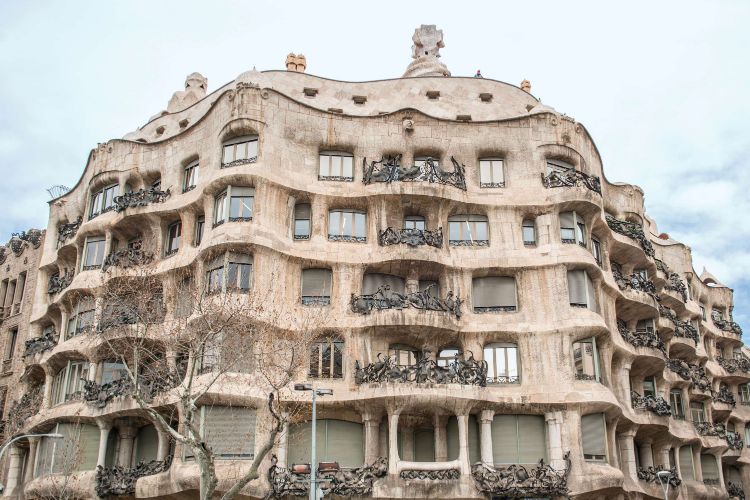
La Pedrera
BarcelonaCasa Milà, popularly known as ‘La Pedrera’ (the stone quarry), an ironic allusion to the resemblance of its façade to an open quarry, was constructed between 1906 and 1912 by Antoni Gaudí (1852-1926). For its uniqueness, artistic and heritage value have received major recognition and in 1984 was ins 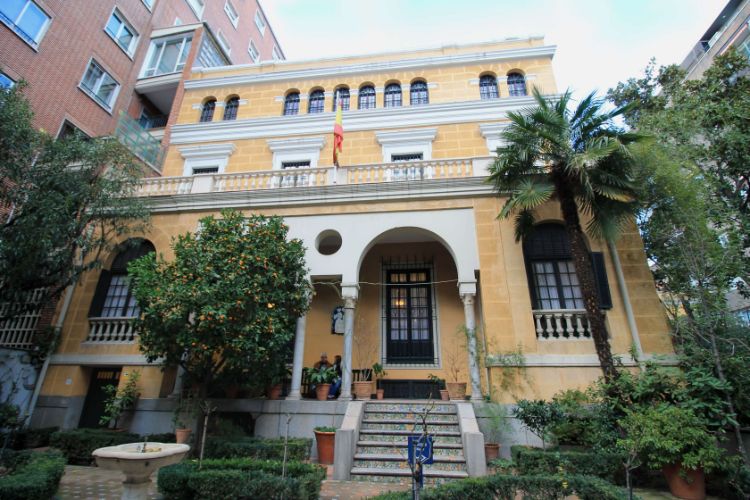
Sorolla Museum
MadridThe Sorolla Museum in Madrid holds and exhibits work by the artist Joaquín Sorolla, as well as members of his family such as his daughter Elena. Sorolla excelled in the painting of portraits, landscapes and monumental works of social and historical themes. The museum is housed in what was originally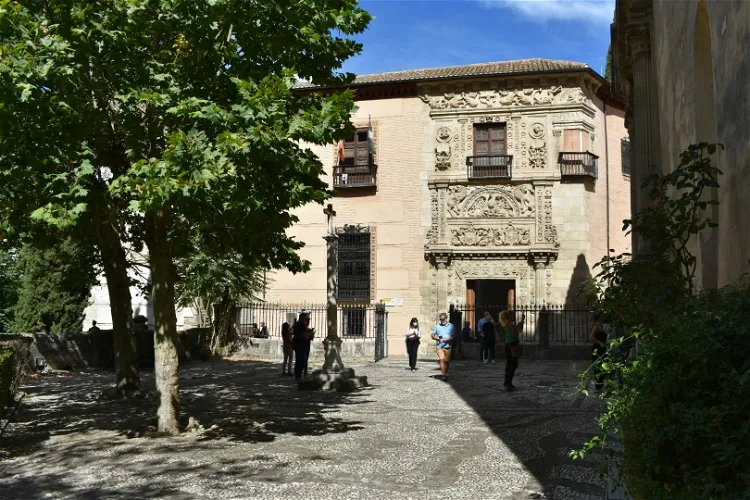
Castril Palace
GranadaCastril House, a Renaissance palace, is situated in the Spanish city of Granada, within the autonomous community of Andalusia. Today, it serves as the home of the Granada Archaeological Museum. This location offers visitors a chance to explore the rich history of the region through the museum's extensive collection.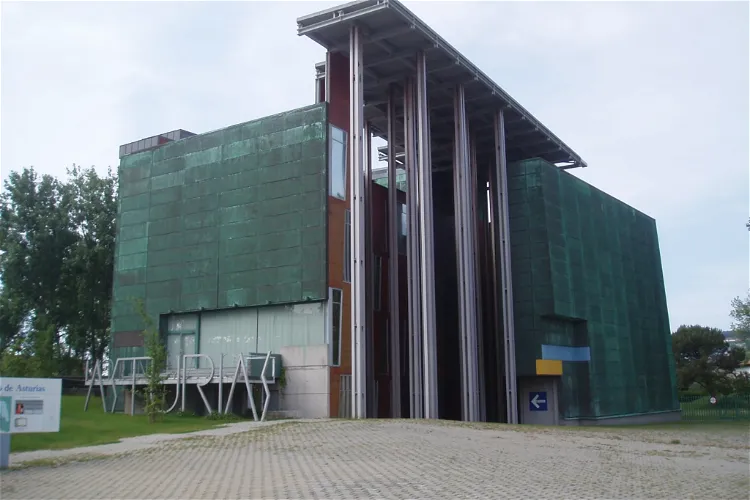
Museum of the Asturian People
GijónThe Museum of the Asturian People is situated in the city of Gijón, in the Principality of Asturias, Spain. This location is easily accessible for tourists visiting the region and offers a unique insight into the culture and history of the Asturian people.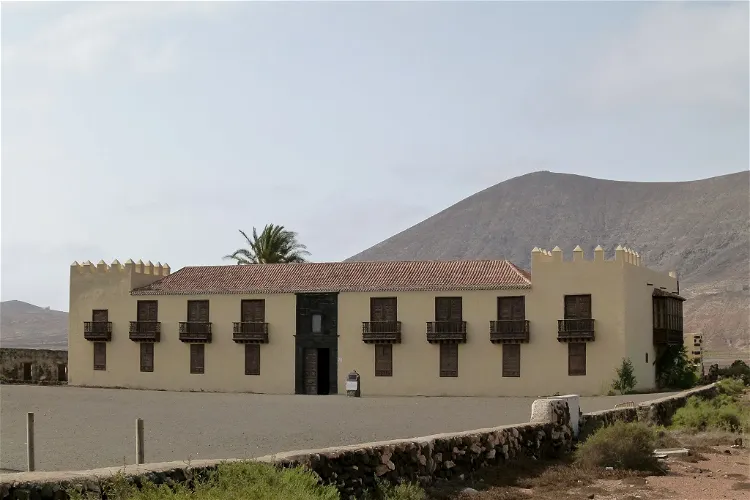
House of the Colonels
La OlivaCasa de los Coroneles is a historic building located in La Oliva, Canary Islands, Spain, on the island of Fuerteventura. This building holds a significant place in the history of the island and is a testament to the architectural style of the time.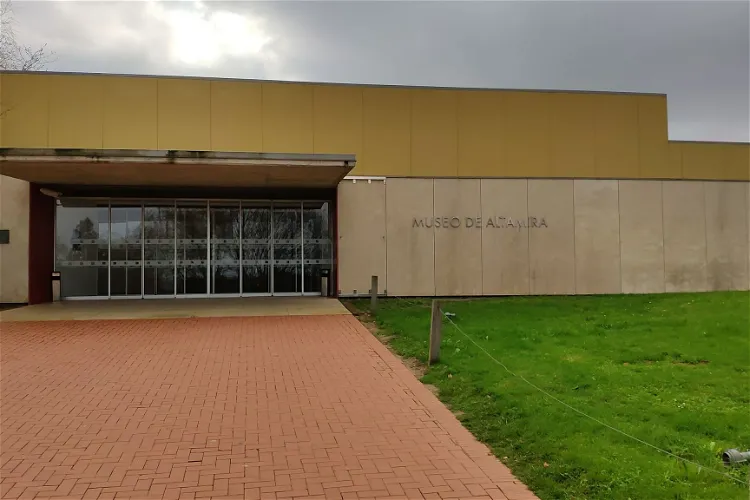
National Museum and Research Center of Altamira
Santillana del MarVisitors to the National Museum and Research Center of Altamira can participate in prehistoric technology workshops, offering a unique opportunity to learn about the tools and techniques used by early humans. The museum also hosts a permanent exhibition, 'Times of Altamira', which showcases objects not only from the Altamira cave but also from other palaeolithic caves in the Cantabria region.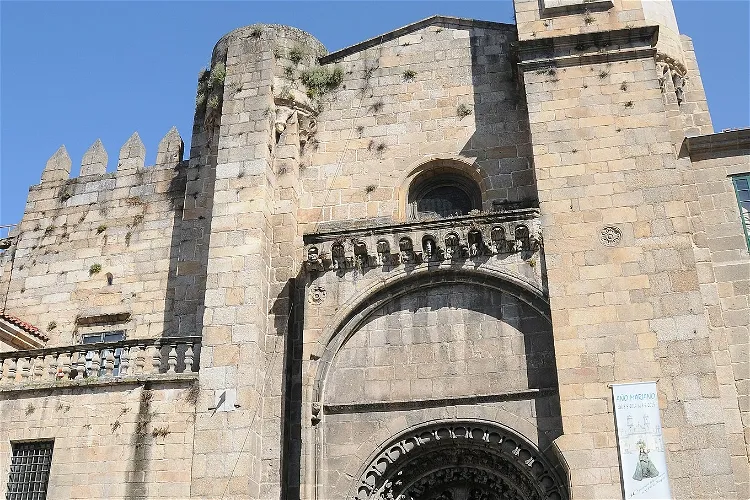
Ourense Cathedral
OurenseThe Ourense Cathedral has a history marked by destruction and rebirth. It was destroyed during Muslim incursions and later rebuilt during the 12th and 13th centuries, a period known for Romanesque architecture. The construction of the cathedral in its current form began in 1160 and was completed in the mid-13th century. This history of resilience and transformation is reflected in the cathedral's architecture, making it a fascinating site for those interested in historical architecture.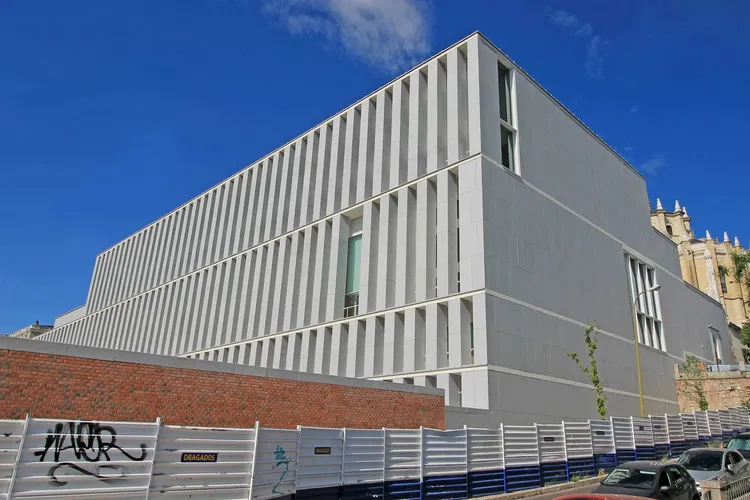
Royal Collections Gallery Madrid
MadridThe Royal Collections Gallery, which was originally known as the Royal Collections Museum, is an art museum situated in Madrid. It is managed by the Spanish state agency Patrimonio Nacional and is located in a new building above the gardens of the Campo del Moro park, adjacent to the Almudena Cathedral and the Royal Palace.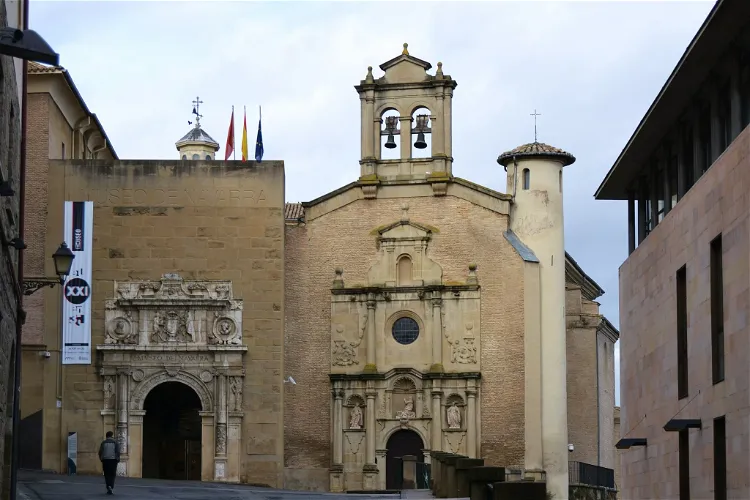
Museum of Navarre
PamplonaThe facade and chapel of the Museum of Navarre date back to the 16th century. The front is a work of Juan de Villarreal and Martín de Azcárate from 1556 and is the only example of civil Renaissance architecture in Pamplona. The side entrance to the chapel has a facade in the form of a 17th-century altarpiece from a church that was located on the main street, opposite the church of Santiago, in Puente la Reina.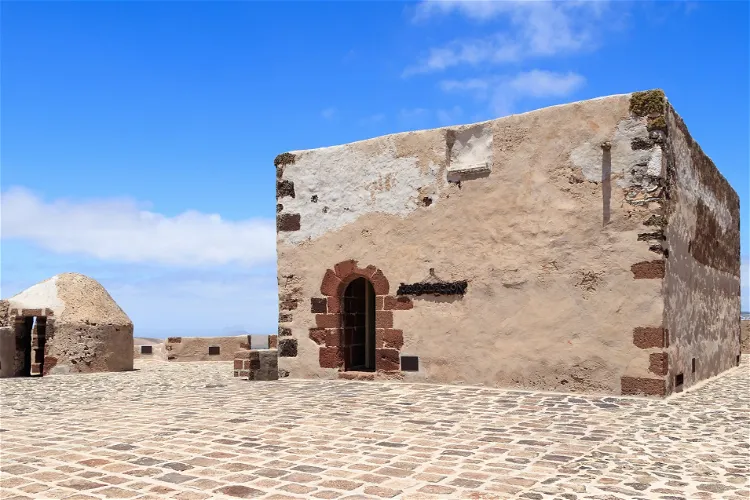
Santa Bárbara Castle
TeguiseSanta Barbara Castle, also known as Guanapay Castle or Teguise Castle, is situated on the edge of the Guanapay volcano crater. This historic site is not far from the city of Teguise on the island of Lanzarote. Its unique location offers visitors a chance to explore a piece of history while enjoying the natural beauty of the surrounding landscape.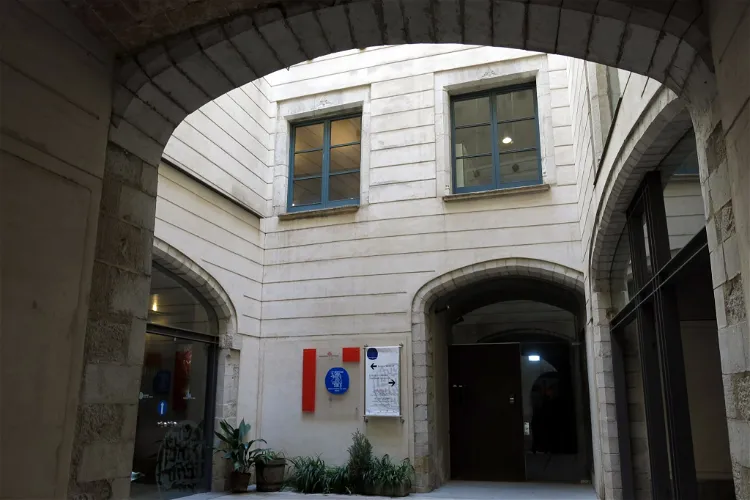
Museum of Jewish History
GeronaThe Museum of Jewish History in Gerona is situated in the Bonastruc ça Porta center, right in the heart of the Jewish quarter of Gerona. This location is steeped in history, providing an authentic backdrop to the museum's exhibits and collections.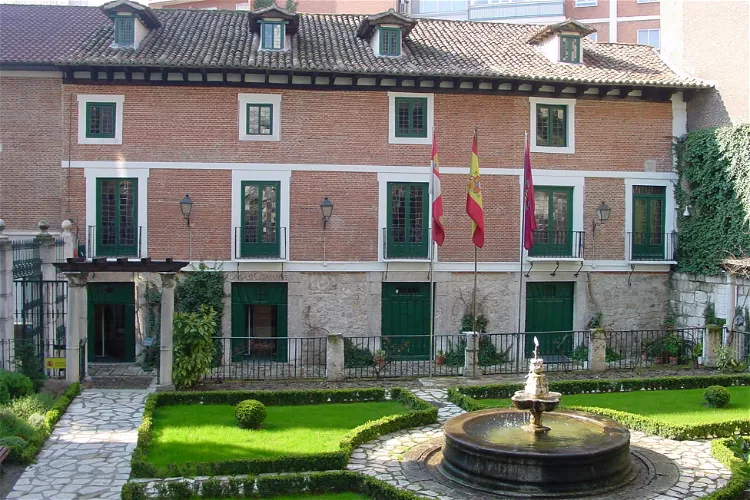
Cervantes Museum
ValladolidThe Casa de Cervantes, or Cervantes' House, is a museum situated in the city of Valladolid, Spain. This building was once the residence of the renowned Spanish author, Miguel de Cervantes. It offers a unique opportunity to explore the life and times of the author in the very place he once called home.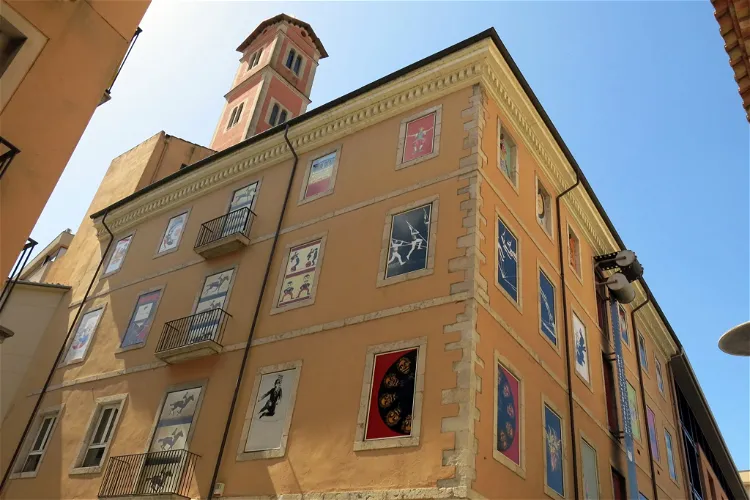
Cinema Museum
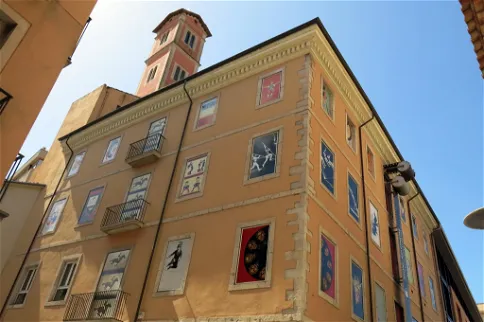
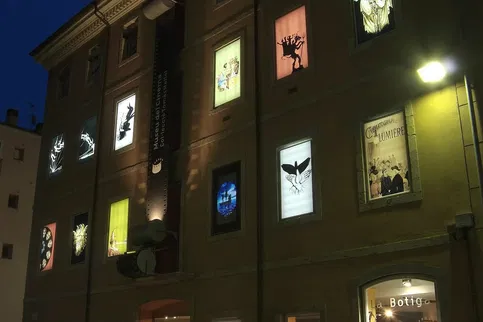
GeronaThe Cinema Museum, also known as the Tomàs Mallol Collection, is situated in the heart of Gerona, Spain. The building housing the museum is a part of the Inventory of Architectural Heritage of Catalonia, adding to its historical significance. The museum offers a unique opportunity to explore the evolution of cinema and its impact on visual culture.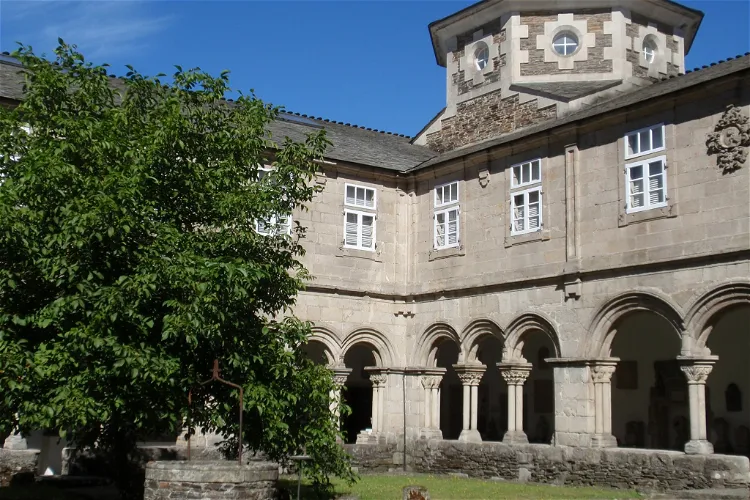
Provincial Museum of Lugo
LugoThe Provincial Museum of Lugo, situated in the Galician city of Lugo in Spain, was established in 1932 by the Provincial Council of Lugo. This museum is a significant cultural institution in the region, offering a rich collection of archaeological, historical, and artistic materials for visitors to explore.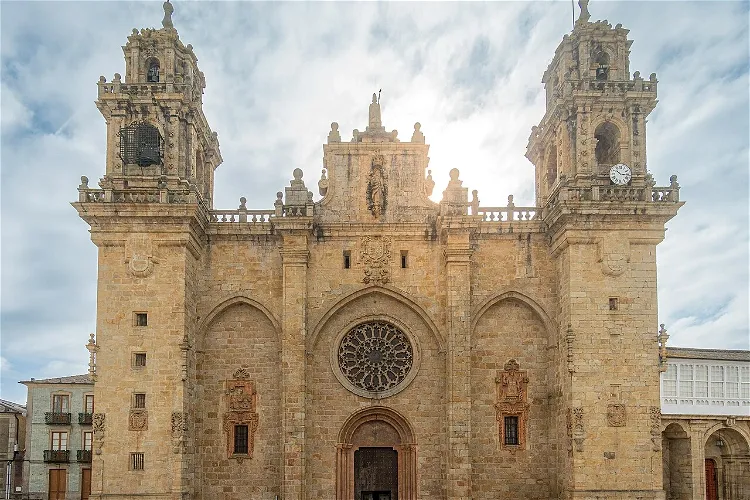
Mondoñedo Cathedral
MondoñedoMondoñedo Cathedral, also known as the Basilica of the Assumption of Our Lady, is one of the episcopal seats of the Diocese of Mondoñedo-Ferrol in Galicia, Spain. It is often referred to as the 'Kneeling Cathedral' due to its perfect proportions and modest height. The cathedral was declared a National Monument on May 23, 1902, and was named a basilica by Pope John XXIII in 1959.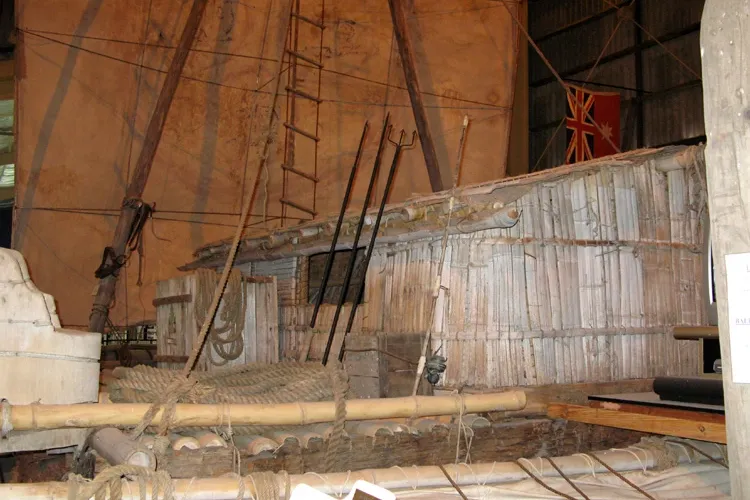
Vital Alsar
SantanderVital Alsar Ramírez was a renowned sailor and scientist known for his extremely long sailing expeditions. His life was deeply intertwined with nature and the sea, and his adventures have left a significant mark on the world of sailing. Visitors interested in maritime history and exploration will find his story fascinating.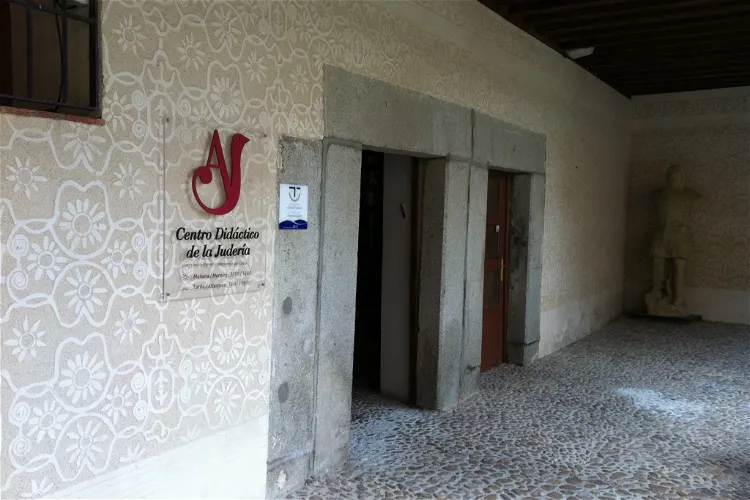
Didactic Center of the Jewish Quarter
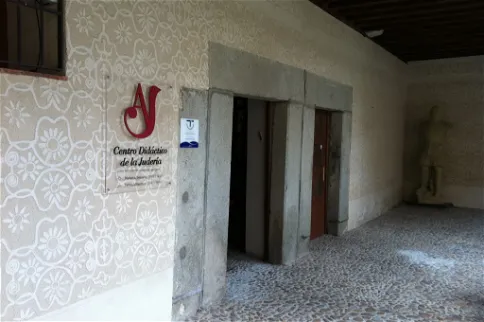
SegoviaThe Didactic Center of the Jewish Quarter in Segovia is a Jewish educational center that was opened in 2004. It is located in the Jewish Quarter of the city of Segovia, Spain. The center is housed in the former home of Abraham Senior, a major rabbi and accountant of Castile.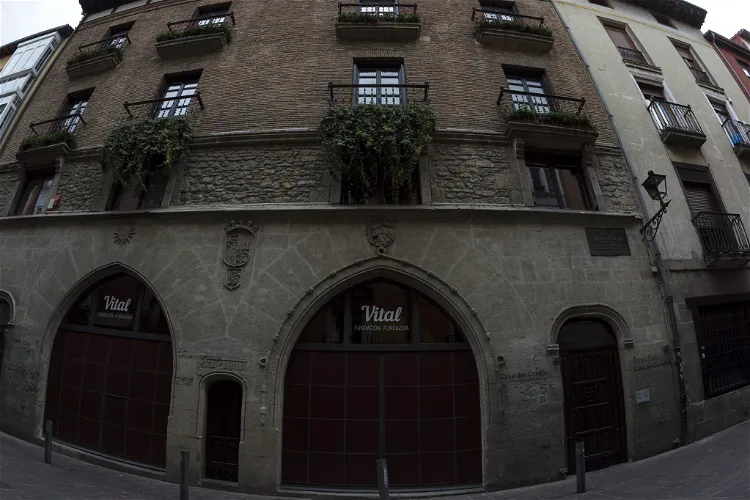
House of Cordón
Vitoria-GasteizThe Casa del Cordón is a significant historical building located in the Cuchillería street of the Old Quarter in Vitoria-Gasteiz, in the province of Alava, Basque Country, Spain. This monumental house or palace is a notable example of civil Gothic architecture and has been a residence for illustrious figures of its time.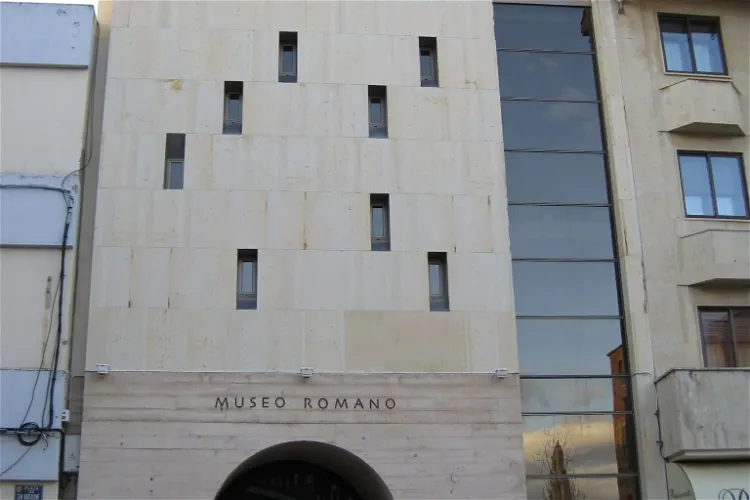
Roman Museum of Astorga
AstorgaThe Roman Museum, situated in Astorga, Spain, is a significant historical site that offers a deep dive into the Roman history of the region. The museum is housed in the 'Roman Ergástula', a Roman-era construction that has been declared a National Historic Monument since 1951. This location adds a unique historical context to the museum, making it a fascinating destination for those interested in Roman history and architecture.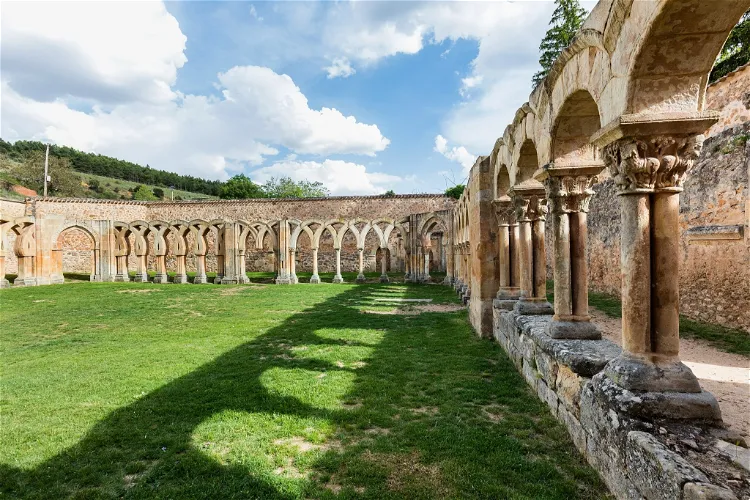
Monastery of San Juan de Duero
SoriaSan Juan de Duero, also known as Arcos de San Juan de Duero, is a significant site of Castilian Romanesque architecture. It is situated on the outskirts of the city of Soria, in the region of Castilla y León, Spain. This historical site serves as the Medieval Section of the Numantine Museum, offering visitors a glimpse into the architectural style and history of the period.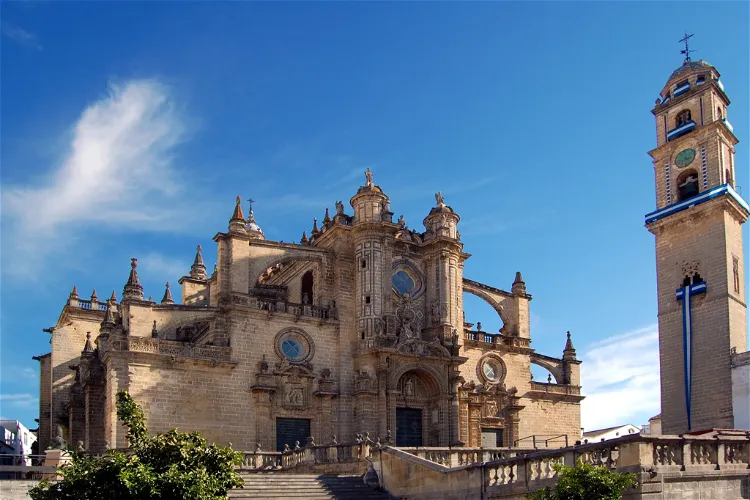
Cathedral of Jerez de la Frontera
Jerez de la FronteraThe Cathedral of the Holy Savior, a Catholic cathedral, is situated in the city of Jerez de la Frontera, within the autonomous community of Andalusia in Spain. This cathedral serves as a significant religious and cultural landmark in the region.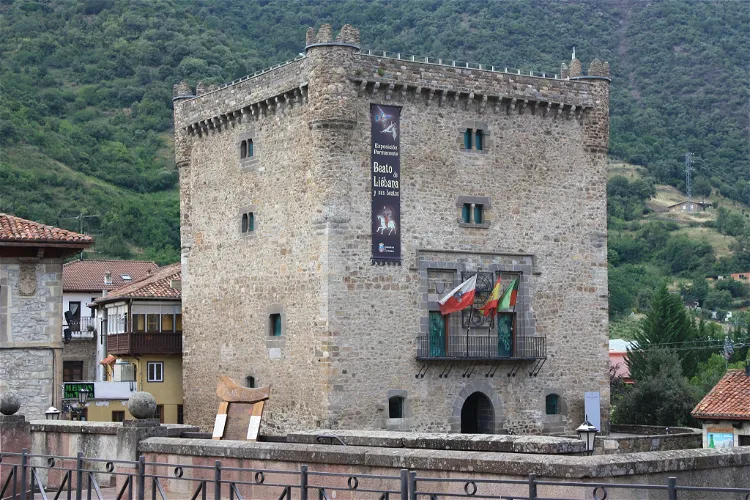
Tower of Infantado
PotesToday, the Tower of Infantado serves as an exhibition center, showcasing various displays that reflect its rich history. Recognized as a Site of Cultural Interest since 1985, it offers visitors a unique insight into the region's past.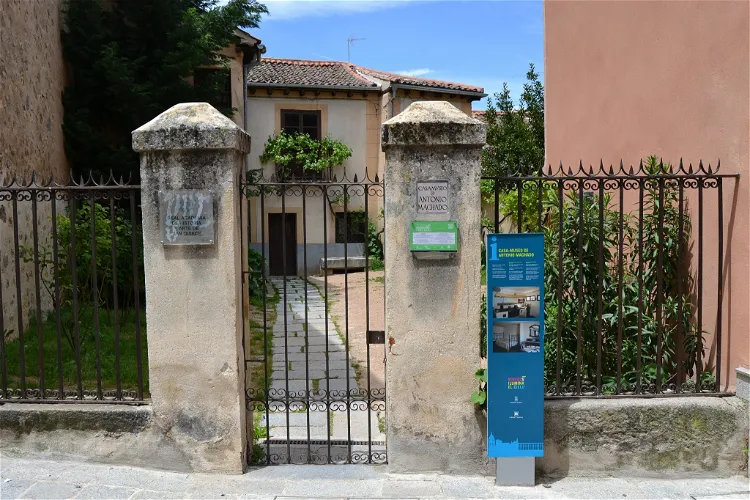
Antonio Machado House-Museum
SegoviaThe Antonio Machado House-Museum in Segovia is a traditional dwelling that was used as a boarding house in the 19th and part of the 20th century. It is located in the historic center of the city of Segovia, Spain. This location offers visitors a chance to step back in time and experience a piece of Spanish history.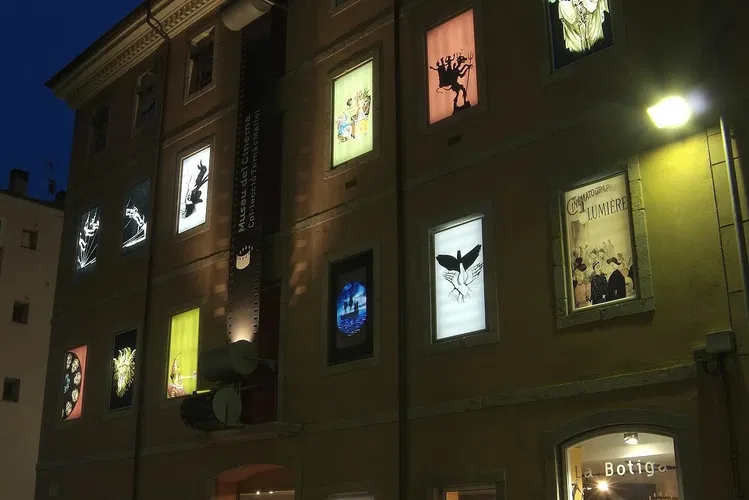
Cinema Museum
GironaThe Cinema Museum - Tomàs Mallol Collection is situated in the heart of Girona, Spain. The building housing the museum is a part of the Inventory of Architectural Heritage of Catalonia, adding to its historical significance. The museum offers a journey through 400 years of the history of moving images, making it a fascinating destination for those interested in the evolution of visual arts and cinema.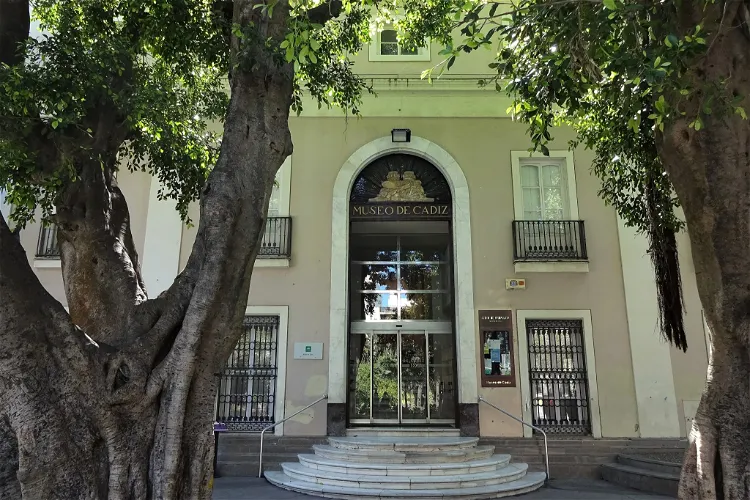
Cadiz Museum
CádizThe Cadiz Museum is situated in the heart of the old town of the Andalusian city of Cadiz, specifically at Plaza de Mina. This location is steeped in history and offers a unique cultural experience for visitors. The museum building itself was restructured by architect Juan Daura based on his 1838 design, transforming part of the secularized Franciscan convent.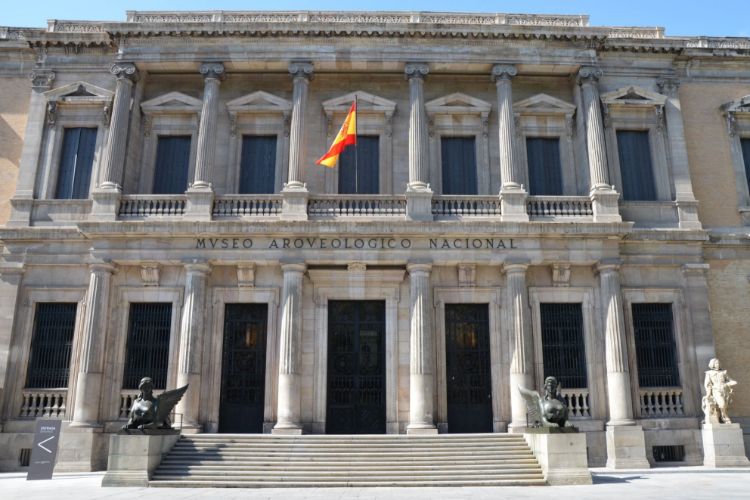
National Archaeological Museum Madrid
MadridThe National Archaeological Museum Madrid (Museo Arqueológico Nacional) is a museum in Madrid with numismatic, archaeological and ethnographical finds. Visitors can discover four floors of historical artifacts from different periods, from Prehistory and Protohistory, to the Middle Ages and the moder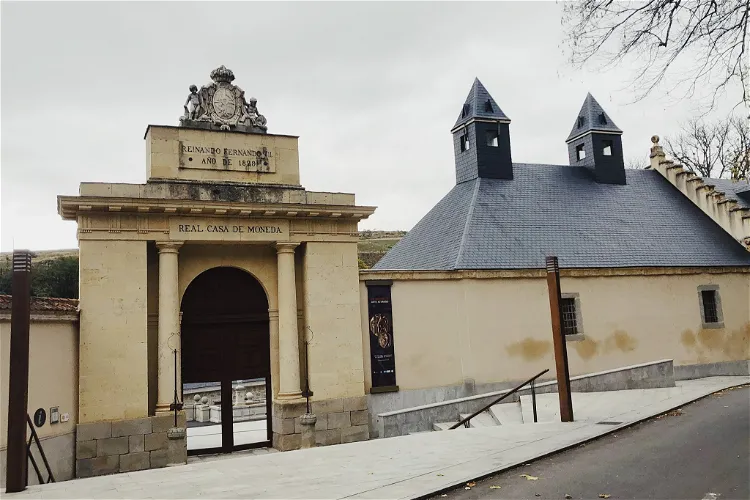
The Coining House
SegoviaThe Coining House, located in Segovia, Spain, is a historical site that dates back to the 1500s. It was once a royal mint, but today it serves as a museum. The museum is dedicated to showcasing coins, industrial heritage, and the famous aqueduct of Segovia. This provides a unique opportunity for tourists to delve into the rich history and culture of Spain.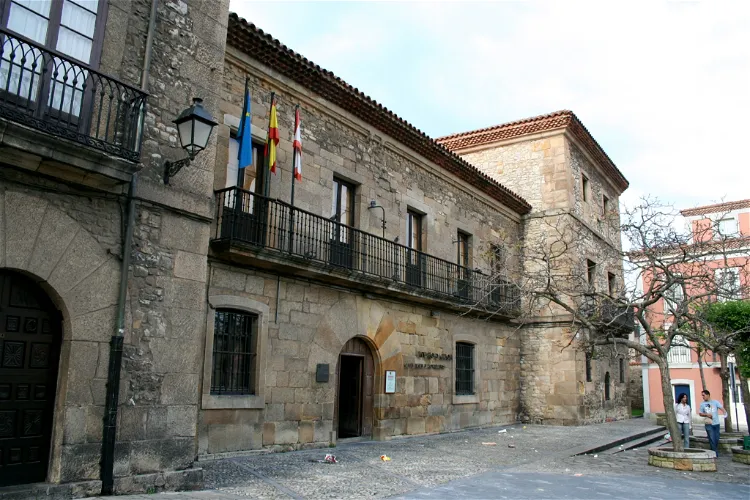
Jovellanos Birthplace Museum
GijónThe Jovellanos Birthplace Museum is situated in a palatial house in the Cimadevilla neighborhood of Gijón, Asturias, Spain. This location is steeped in history and offers a unique insight into the life and times of Jovellanos, a prominent figure in Spanish history. The museum is easily accessible and is a significant landmark in the city.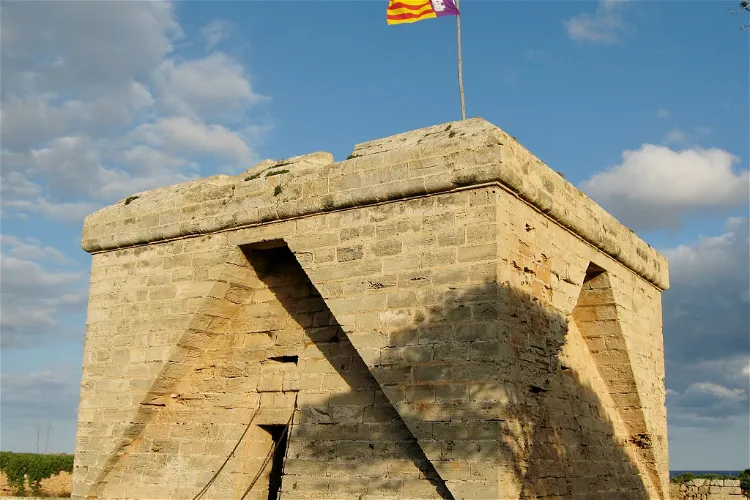
Castle of la Punta de Amer
San Lorenzo del CardessarThe Castell de sa Punta de n’Amer is a historical site located on the east coast of the Spanish Balearic island of Mallorca. This 17th-century defense tower is situated on the Punta de n’Amer peninsula, within the municipality of Sant Llorenç des Cardassar. The castle offers a glimpse into the island's past, providing a unique perspective on its history and architecture.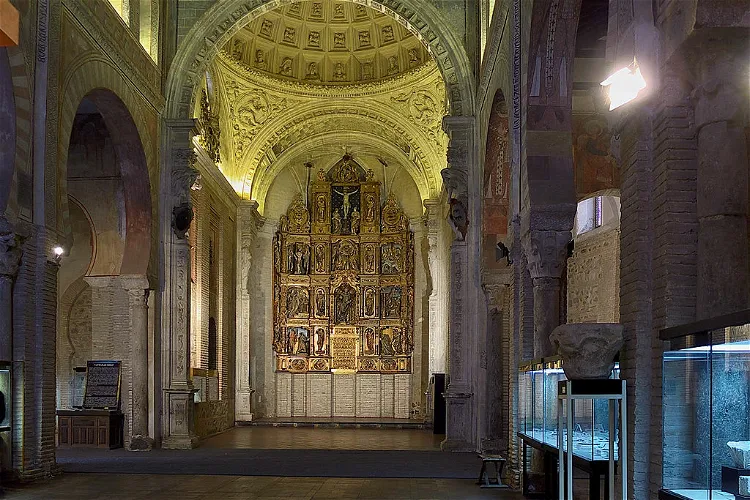
Church of San Román
ToledoThe Iglesia de San Román is a significant historical site in Toledo, Spain. Constructed in the 13th century, the church is a prime example of the Mudéjar architectural style, a unique blend of Christian and Islamic influences that is characteristic of the period. The church's design and construction reflect the cultural and religious diversity of Toledo during the Middle Ages.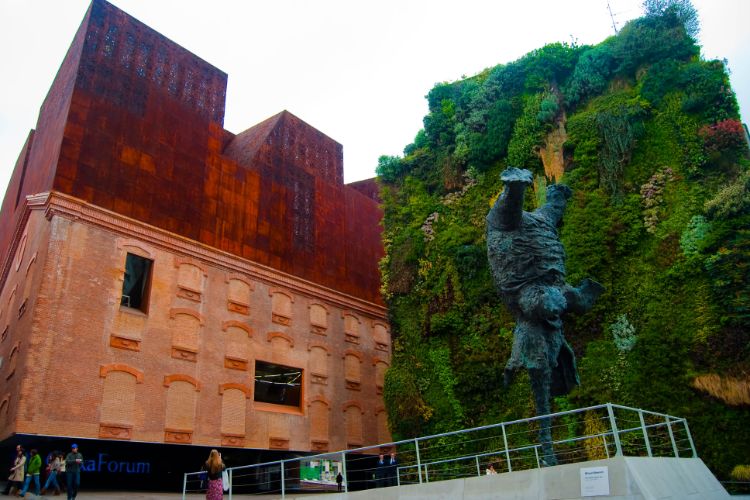
CaixaForum
MadridThe CaixaForum in Madrid is a museum of post-modern art that aims to promote Spanish art, culture and science to general public. The CaixaForum is sponsored by Caixa Bank and organizes various exhibitions of both ancient and contemporary art, talks, workshops and concerts.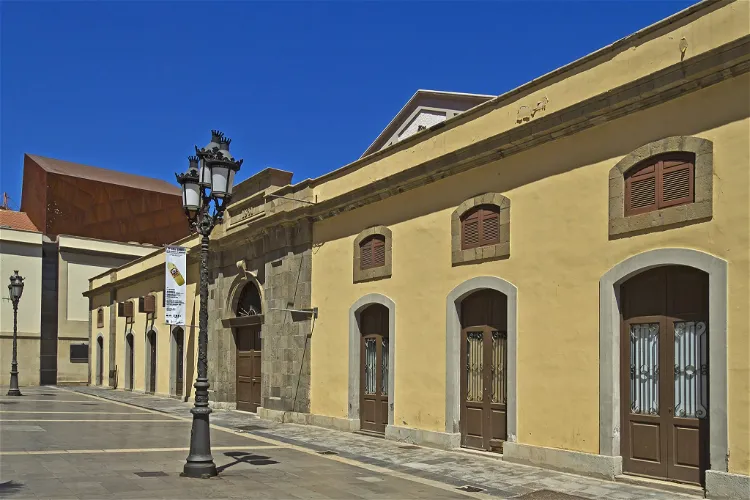
La Recova Art Center
Santa Cruz de TenerifeBased in a former market this interesting exhibition displays works of contemporary Spanish artists.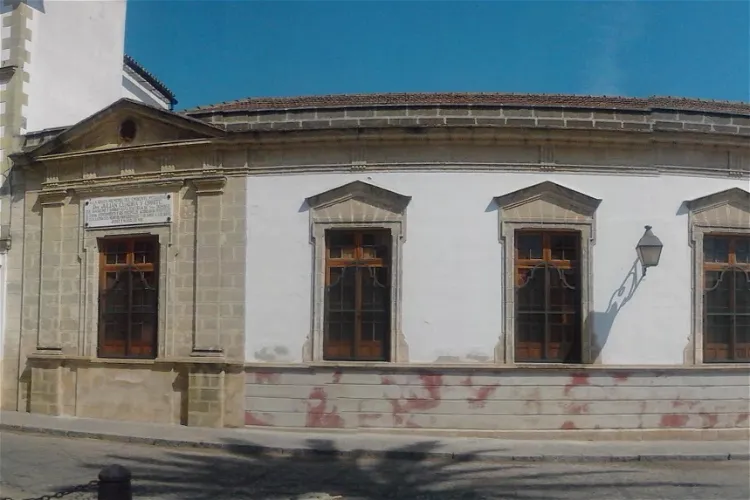
Museo Arqueológico Municipal de Jerez
Jerez de la FronteraThe Museo Arqueológico de Jerez is an archaeological museum situated in Jerez de la Frontera, a city in Andalucía, Spain. It is recognized as one of the most significant museums in both the city and the province of Cádiz.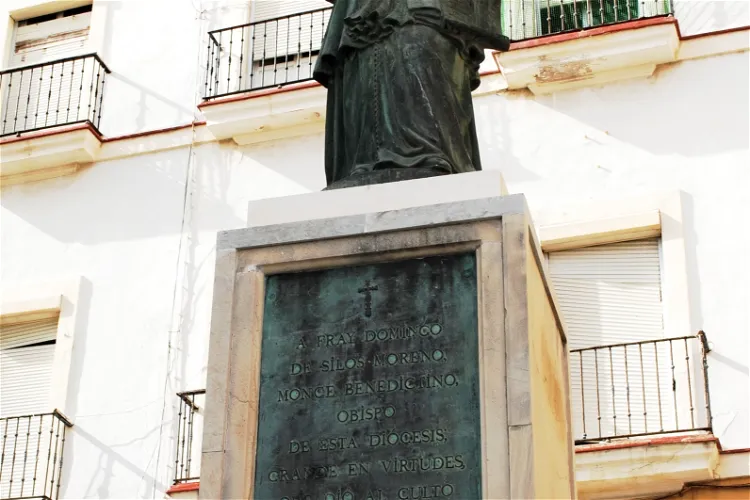
Women's Hospital
CádizThe Hospital de Nuestra Se ora del Carmen, situated in the city of Cádiz, Spain, is a noteworthy example of Baroque architecture from the mid-18th century. The building was designed by Pedro Luis Gutiérrez de San Martín, a master architect from Seville. This historical site offers a glimpse into the architectural style and cultural heritage of the period.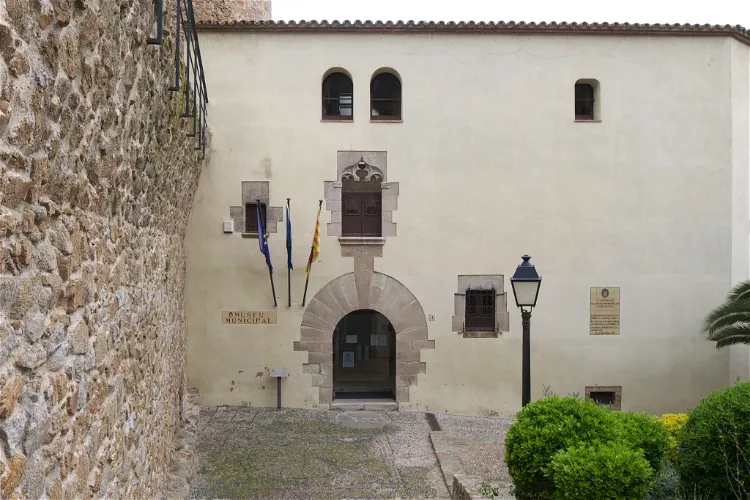
Municipal Museum of Tossa de Mar
Tossa de MarThe Municipal Museum of Tossa de Mar is a significant cultural asset of national interest located in the town of Tossa de Mar in Catalonia. The museum's primary purpose is to display the works of artists who have stayed in Tossa de Mar, making it a rich repository of artistic heritage.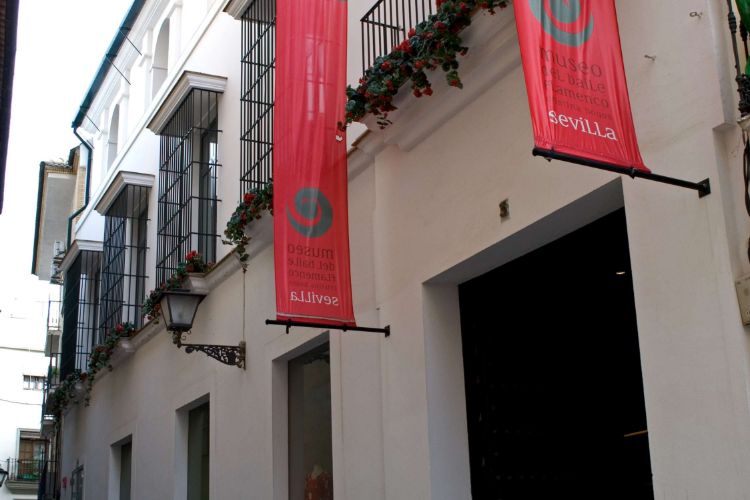
Museo del Baile Flamenco
SevilleMuseo del Baile Flamenco (The Flamenco Dance Museum of Seville), is a museum in Seville located in the heart of the city. The museum is dedicated to the Flamenco dance, one of the most important artists expressions that is rooted in the culture of Andalusia. It is the first, and only museum in the w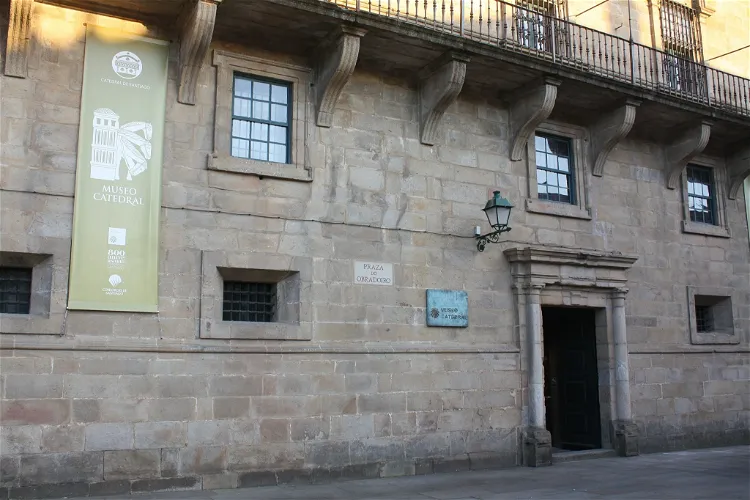
Santiago Cathedral Museum
Santiago de CompostelaThe Santiago de Compostela Cathedral Museum is a significant institution that houses a wide range of artistic and archaeological works. These works are owned by the Santiago de Compostela Cathedral and cover a broad timeline from the Roman era to the present day. This extensive collection provides a unique opportunity for visitors to explore the rich history and culture of the region through the various exhibits.
Camp Nou Experience Tour & Museum
BarcelonaThe FC Barcelona Museum can only be visited in combination with the Camp Nou Experience. The first section includes a collection of photos, documents and trophies detailing the club's history on an interactive glass wall that allows the exhibition of video, images and music. The second section is a
Ibero-American House of the City of Cádiz
Cádiz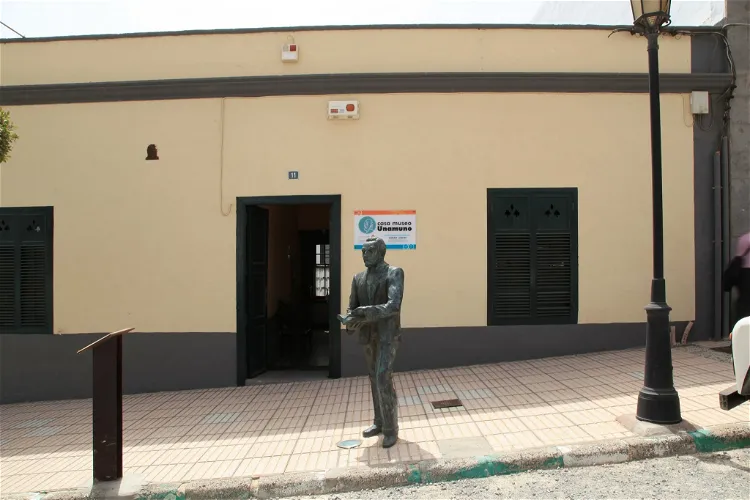
Unamuno House Museum
Puerto del RosarioThe Unamuno House Museum is situated in the historic heart of Salamanca, Spain. This location offers visitors the opportunity to explore the rich history and culture of the city, in addition to visiting the museum itself. The museum is easily accessible and is surrounded by other points of interest, making it a convenient stop on any tour of Salamanca.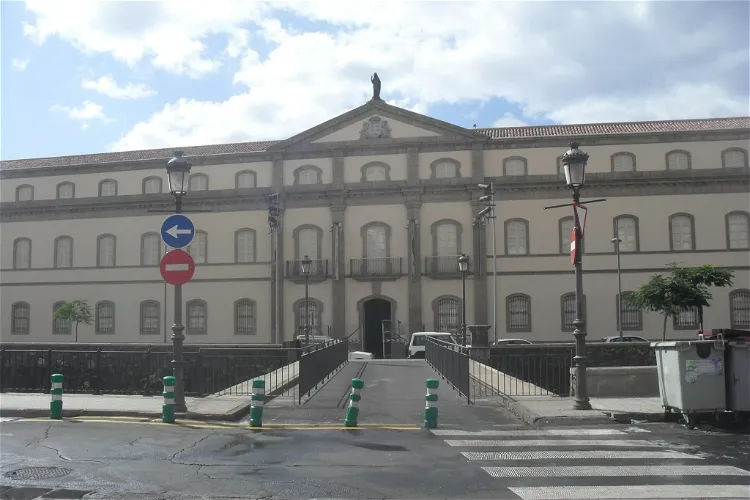
Museum of Nature and Archaeology
Santa Cruz de TenerifeThe Museum of Nature and Man, also known as Museo de la Naturaleza y el Hombre in Spanish, was inaugurated in the mid-1990s. It is an exhibition project that is part of the Autonomous Organism of Museums and Centers of the Cabildo de Tenerife. The museum is located in a neoclassical building outside the civil hospital of the city of Santa Cruz de Tenerife in the Canary Islands, Spain.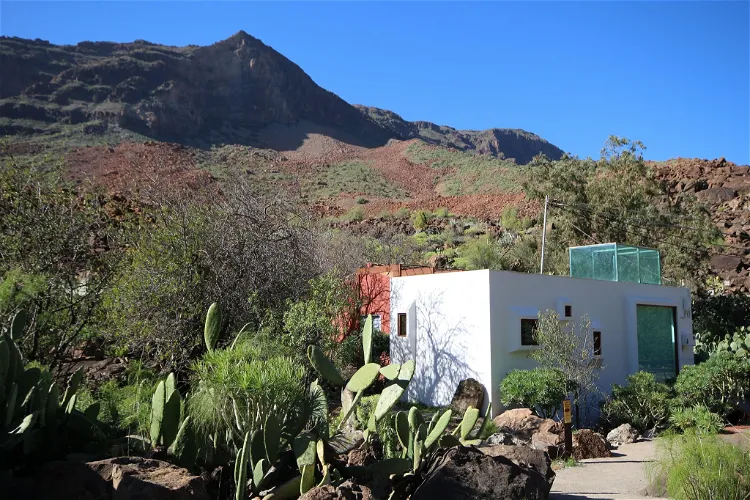
Necropolis of Arteara
San Bartolomé de TirajanaThe Necropolis of Arteara, located on the island of Gran Canaria in the Canary Islands, Spain, is an archaeological site of significant historical importance. It is the largest cemetery of the island's aborigines, providing a unique insight into the burial practices and customs of the early inhabitants of the island. The site is situated in the south of the island, on the right bank of the Fataga ravine next to the town of Arteara, in the municipality of San Bartolomé de Tirajana.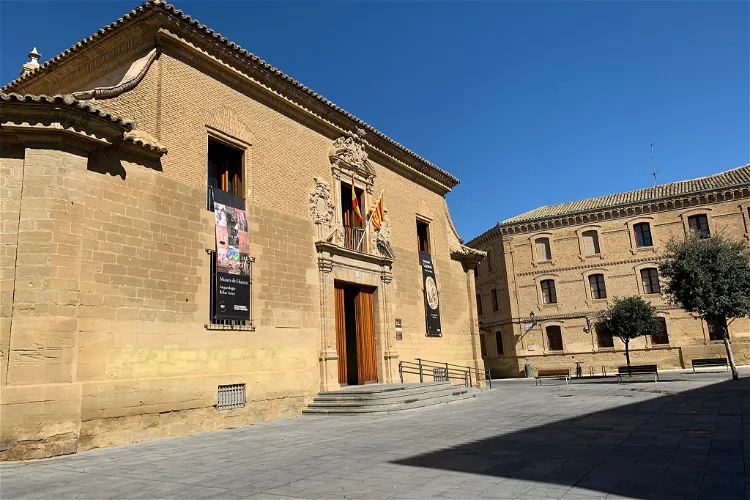
Huesca Museum
HuescaThe Huesca Museum is conveniently located in the University Square in the north of the city. Its location is ideal for tourists as it is near the cathedral and the town hall, making it a perfect addition to any sightseeing itinerary. The museum's location also offers easy access to other attractions and amenities in the city.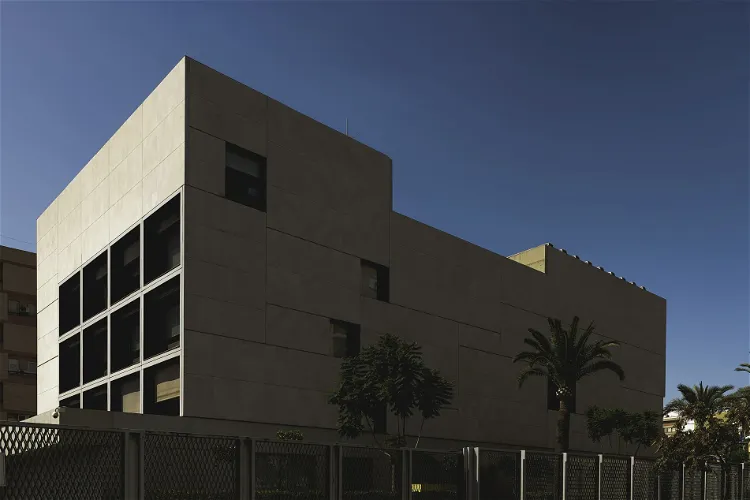
Museum of Almería
AlmeriaThe Museum of Almería, located in the Province of Almería, is an archaeological institution that has been serving the public since 1934. In 2006, the museum relocated to a new building, providing a modern and spacious environment for its exhibits.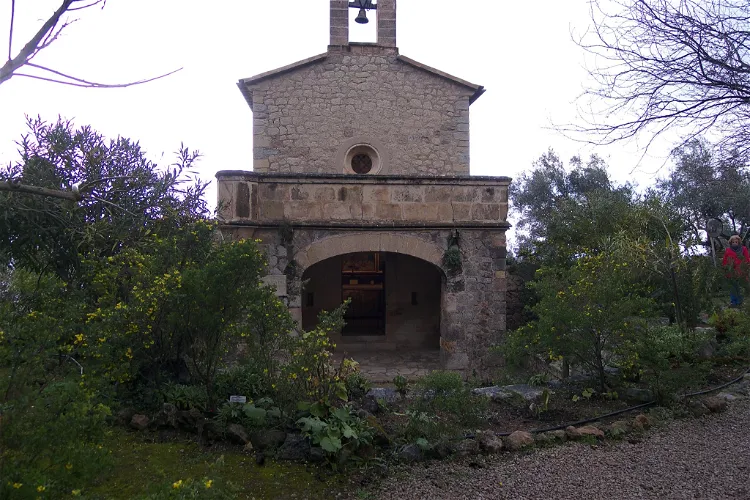
Miramar Monastery
ValldemossaFounded by King Jaume II in 1276, it originally served as a missionary school. There is a small museum now.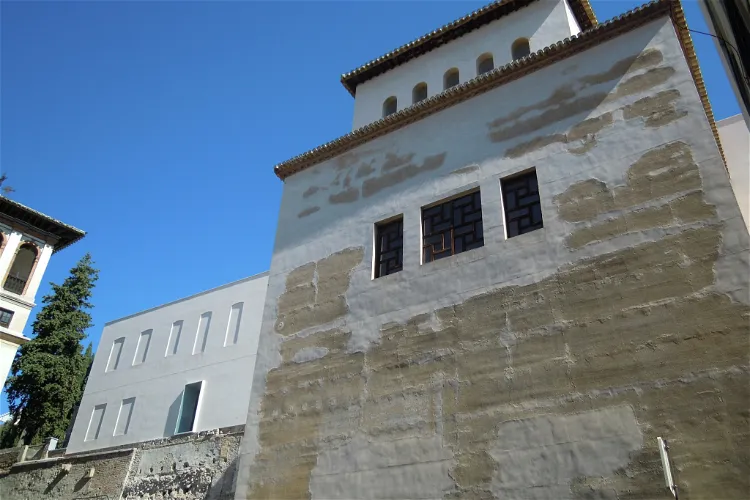
Royal Quarters of Santo Domingo
GranadaThe Cuarto Real de Santo Domingo, located in the Realejo quarter of Granada, Spain, is a former Nasrid palace and convent. This historical site offers visitors a glimpse into the past, showcasing the architectural and cultural heritage of the Nasrid dynasty.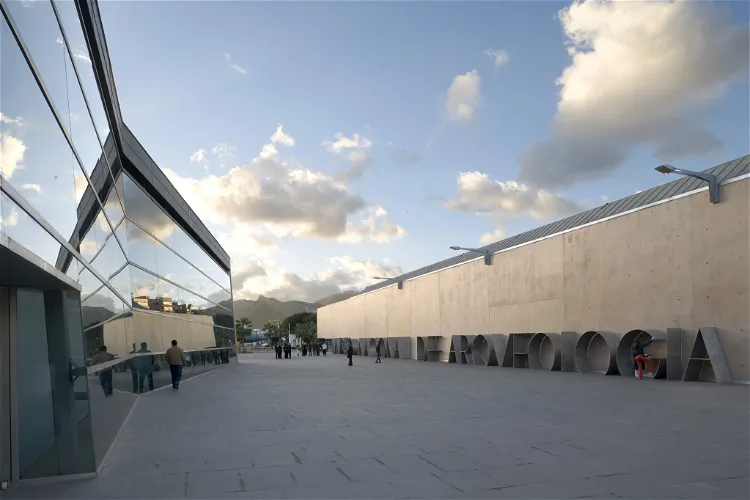
National Museum of Underwater Archaeology
CartagenaThe National Museum of Underwater Archaeology, also known as ARQVA, is an archaeological museum that specializes in underwater findings. It is situated in the city of Cartagena, in the region of Murcia, Spain. This museum offers a unique opportunity to explore the rich underwater archaeological heritage of Spain.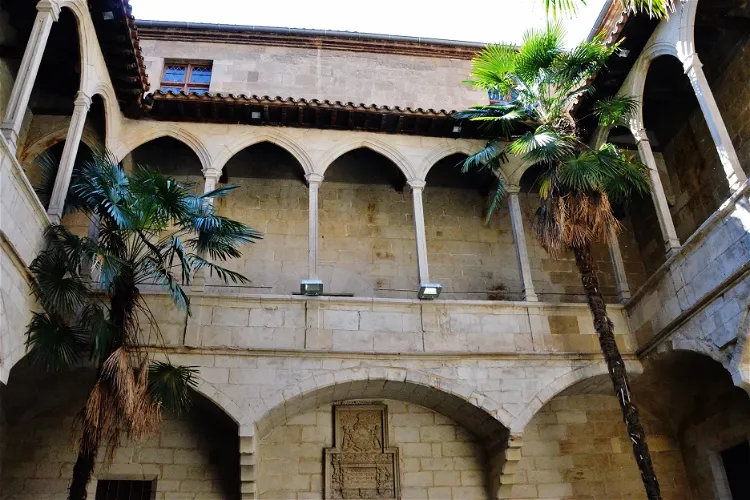
Old hospital of Santa Maria
LleidaThe Old Hospital of Santa Maria is a significant historical site in the Spanish city of Lleida. It is a prime example of Catalan Gothic civil architecture from the 15th and 16th centuries. The building's structure is simple, with a square layout and a square courtyard in the center. The ground floor has thick walls to support the weight of the roof beams and thinner walls on the upper floors. The building was declared an Architectural Artistic Monument by royal order on March 15, 1920.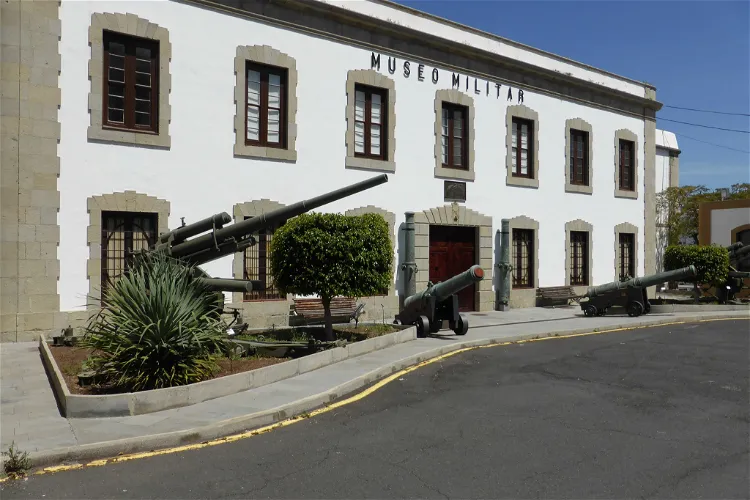
Historical Military Museum of the Canary Islands
Santa Cruz de TenerifeThe Historical Military Museum of the Canary Islands is situated within the Almeyda Fort in Santa Cruz de Tenerife, Canary Islands, Spain. The museum was first opened to the public in 1988, initially named the Regional Military Museum of the Canary Islands. Today, it is known as the Historical Military Museum of the Canary Islands.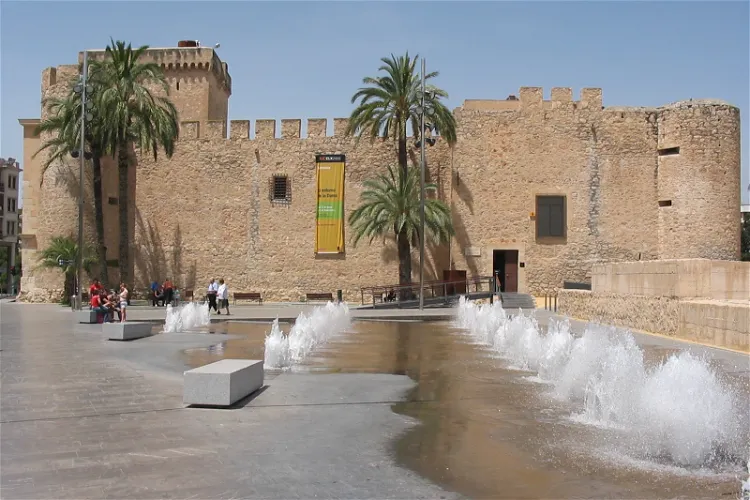
Altamira Palace
ElcheThe Altamira Palace, also known as Alcázar de la Señoría, is a historic building that holds a significant place in the heart of the Spanish city of Elche. It is conveniently located on the banks of the Vinalopó River, making it easily accessible for tourists.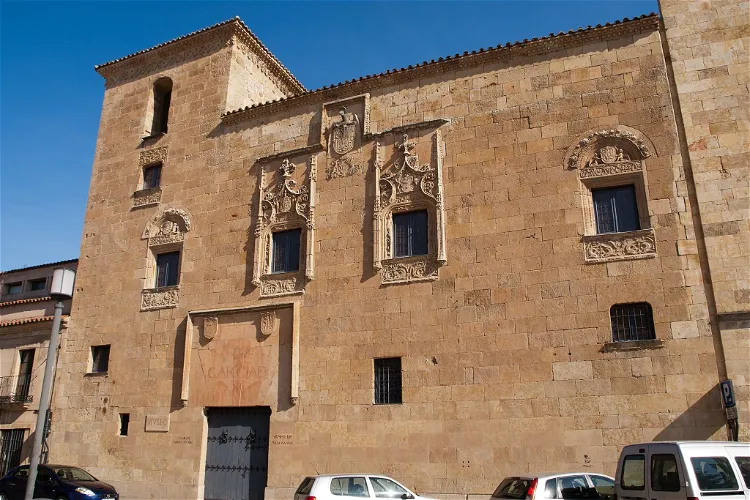
Museo de Salamanca (Casa de los Doctores de la Reina)
SalamancaThe Salamanca Museum, previously known as the Provincial Museum, has a rich history dating back to its establishment in 1835. Since 1947, it has been housed in the Casa de los Abarca, a former palace built in the late 15th century. This location adds to the museum's charm and historical significance.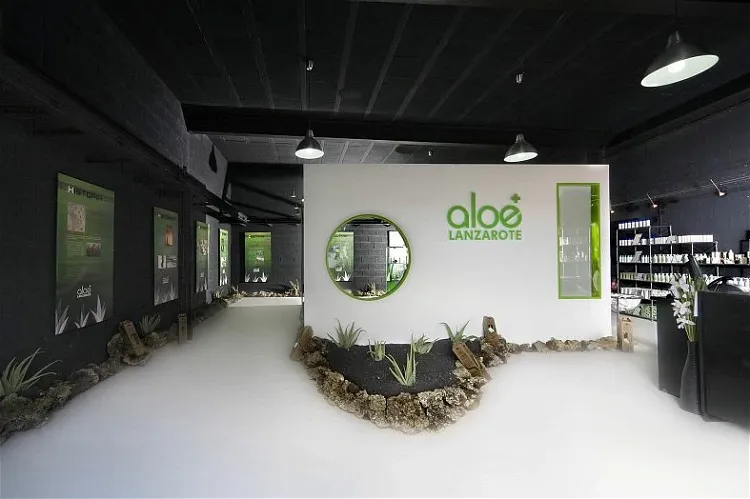
The Aloe Vera House Museum
HaríaCompany museum dedicated to the history of aloe vera treatments and to its medical effects. Visit this modern complex to learn more about it.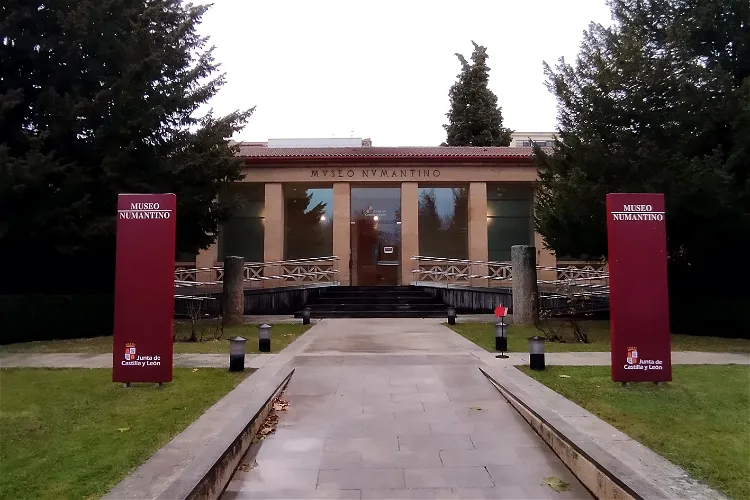
Numantine Museum of Soria
SoriaThe Numantine Museum of Soria is a significant cultural institution in Soria, Spain. It offers a comprehensive exploration of the prehistory and history of the province of Soria, presented through a rich collection of art and archaeological artifacts. The museum's focus on the region's past provides visitors with a deep understanding of the area's cultural and historical development.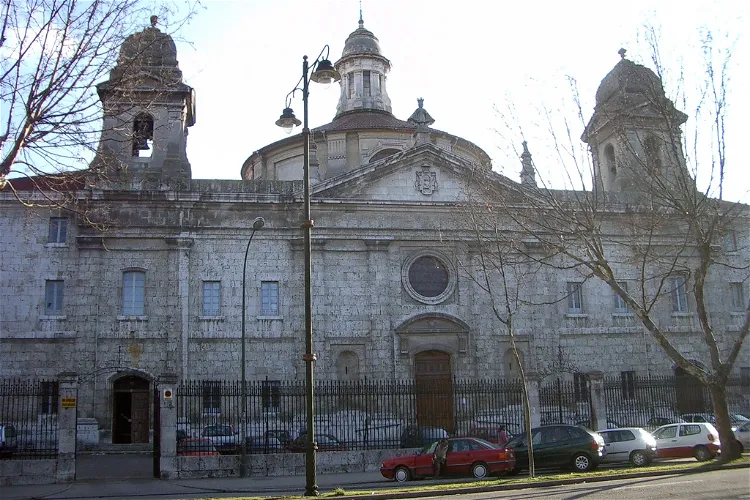
Oriental Museum
ValladolidThe Oriental Museum of Valladolid, situated within the convent of the Augustinians Filipinos in Valladolid, Spain, is recognized by some as the premier museum of its kind in the country. This museum offers a unique opportunity to explore a rich collection of Oriental art and artifacts, providing a deep insight into the cultures of the East.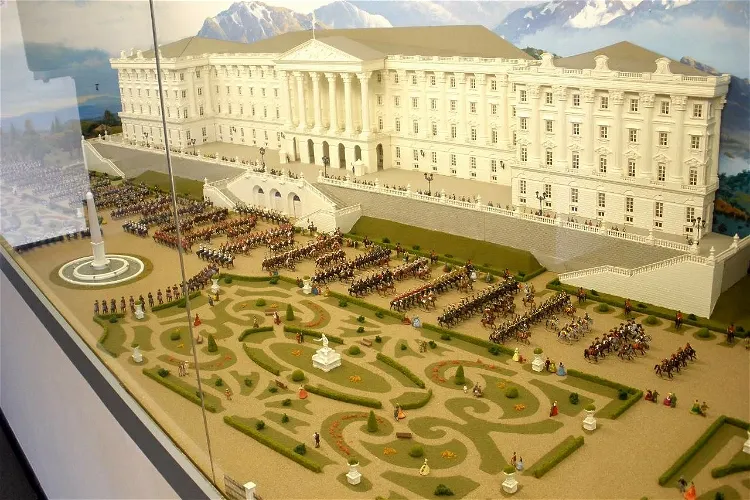
Museum of Military Miniatures
JacaLocated in the Jaca citadel, this museum has a peculiar locus of interest: lead military miniatures depicting famous battle scenes.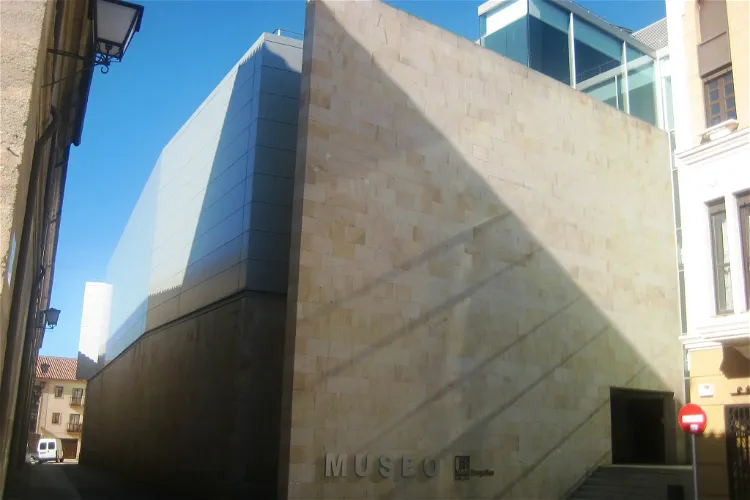
Ethnographic Museum of Castilla y León
ZamoraThe Ethnographic Museum of Castilla y León is situated in the city of Zamora. It is one of the four museums that form the Network of Regional Museums of Castilla y León. This network includes the Museum of Iron and Mining of Castilla y León, the Museum of Contemporary Art of Castilla y León, and the Museum of Human Evolution.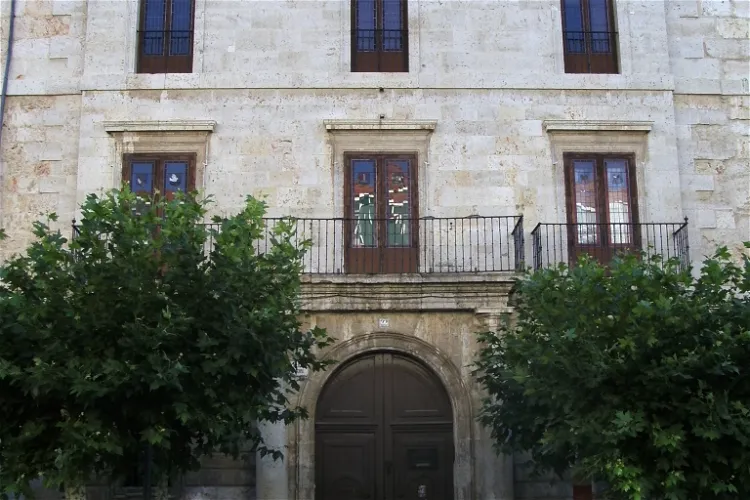
Diocesan Museum
PalenciaThe Diocesan Museum of Palencia, inaugurated in 1973, is a museum dedicated to the custody and study of the sacred art of the diocese. It is located in the Episcopal Palace of the capital of Palencia, a significant historical site in itself.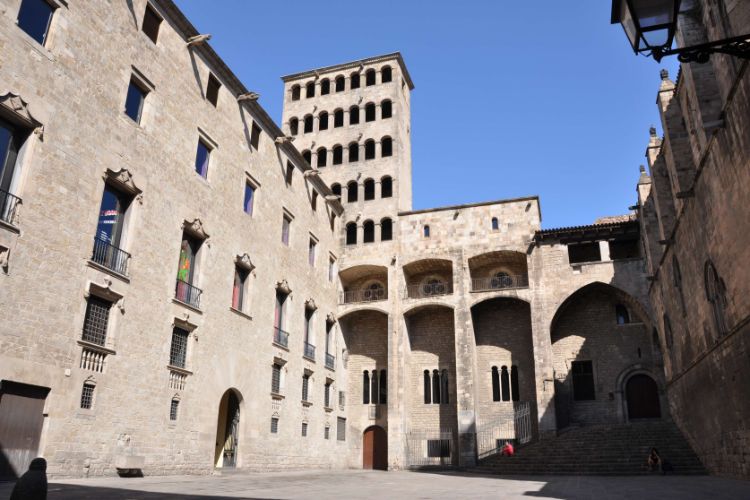
MUHBA Plaça del Rei
BarcelonaThe headquarters of the Barcelona City History Museum is situated in the three-story building. The museum lets you explore the remains of the ancient Roman city of Barcino. The museum consists of the archaeological underground and Palau Reial. The underground is all about the daily life in Roman ti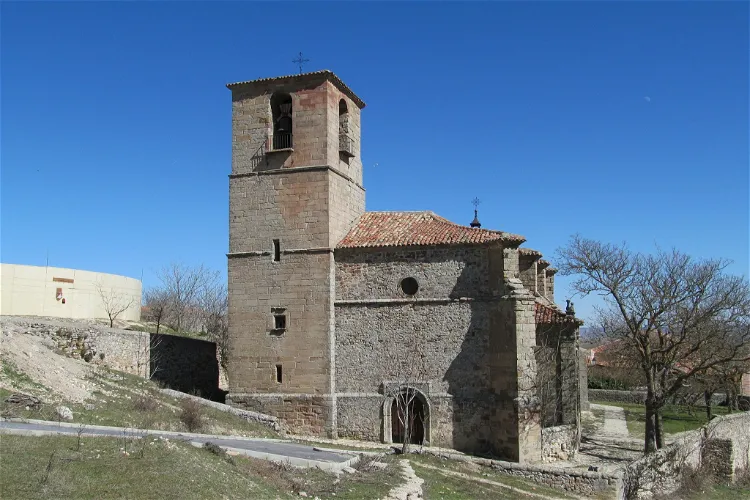
Church of the Holy Trinity
AtienzaThe Church of the Holy Trinity, located in Atienza, is a Romanesque style Catholic church that dates back to the late 12th century. This historical monument offers a glimpse into the architectural style and religious practices of the period. Its unique design and historical significance make it a point of interest for tourists visiting Atienza.
Cerralbo Museum
MadridThe Cerralbo Museum is a museum in Madrid that is housed in a historical mansion where it exhibits an extensive collection of artwork (over 50.000 objects). The museum is named after the marquis of Cerralbo, who used to own it. What was once considered the greatest private art collection in Spain, c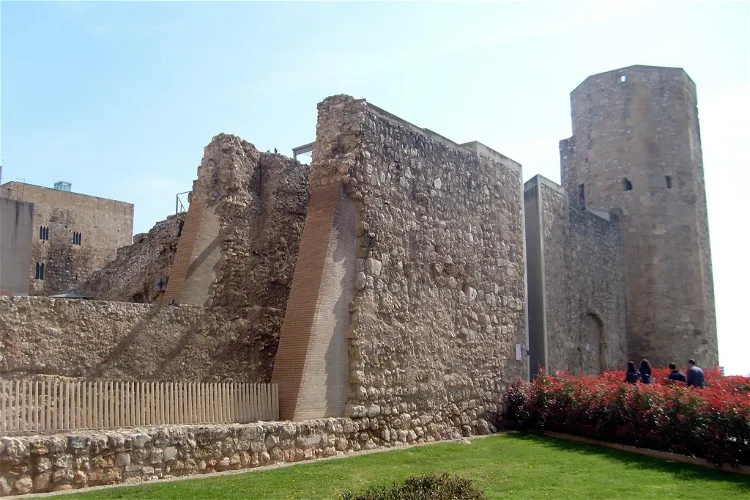
Praetorian Tower
Tarragona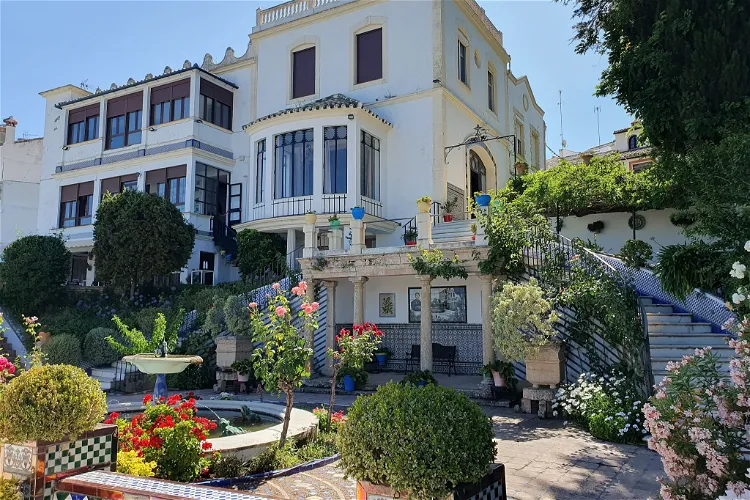
Don Bosco House Museum
RondaThe Don Bosco House Museum is a historic mansion situated in the heart of Ronda, Málaga. The interior of the house has been preserved in its original modernist style from the early 20th century, offering visitors a glimpse into the past.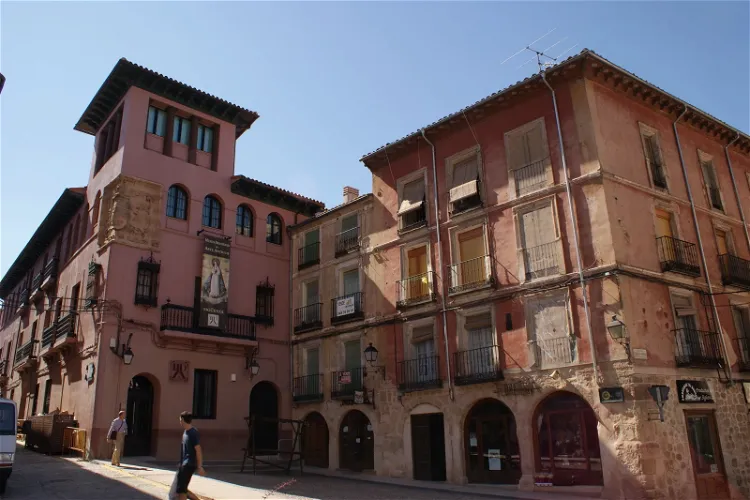
Diocesan Museum
SigüenzaThe Diocesan Museum of Ancient Art in Sigüenza is housed in a 16th-century neoclassical mansion known as the 'Antigua Casa de los Barrena'. This historic building is conveniently located in the heart of the city of Sigüenza, directly opposite the cathedral. This central location makes it easily accessible for tourists visiting the city.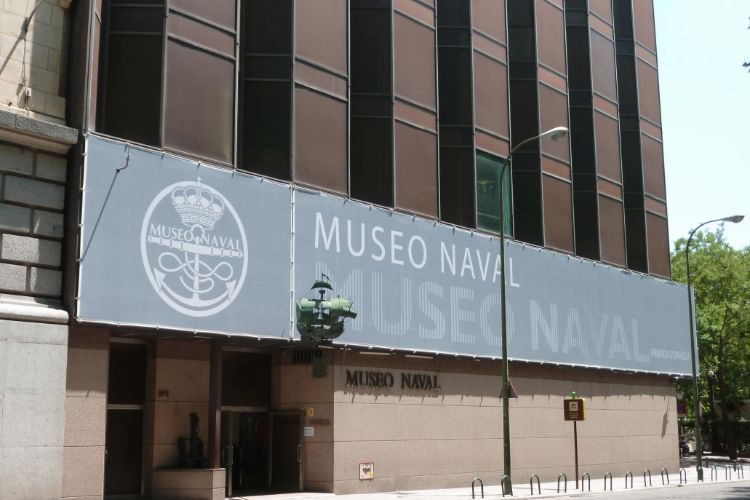
Naval Museum
MadridThis Naval Museum (Museo Naval) in Madrid offers a glimpse of the history of the Spanish navy from the 15th century up to more recent times. The large collection includes many artefacts such as maps, paintings and boat models. The aim of this museum is not only to guide visitors through the history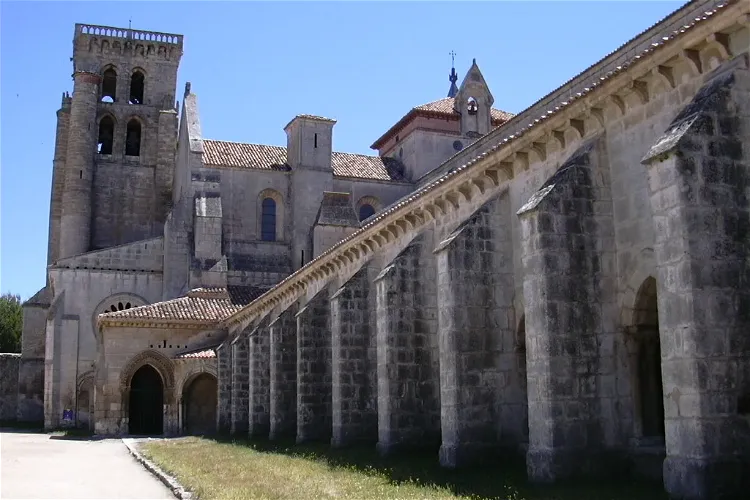
Museo de Telas Medievales
BurgosThe Museo de Telas Medievales, or the Museum of Medieval Textiles, is situated in the Monasterio de las Huelgas Reales in the city of Burgos, Spain. This location adds a historical and cultural significance to the museum, making it an interesting destination for tourists interested in medieval history and culture.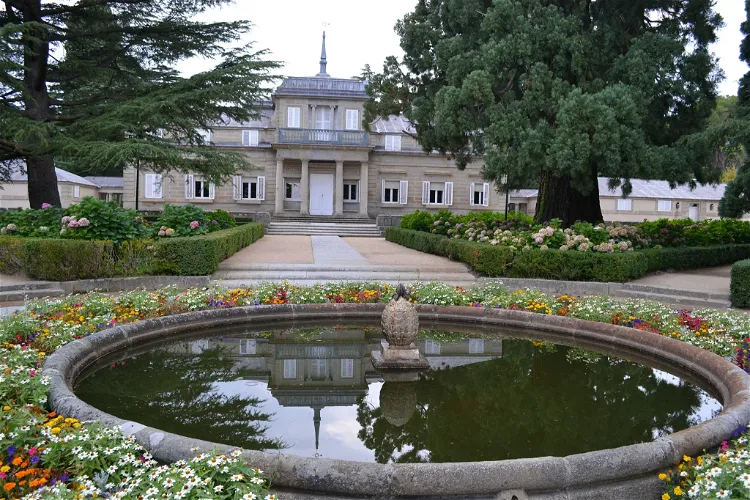
Casita del Príncipe
El EscorialLa Casita del Príncipe, also known as Casita de Abajo, is a royal residence from the 18th century. It is located in the municipality of El Escorial, in the Community of Madrid, Spain. The building was designed by Juan de Villanueva, one of the most important architects of Spanish neoclassicism, and was built between 1771 and 1775. It was declared a Cultural Interest Property in 1931.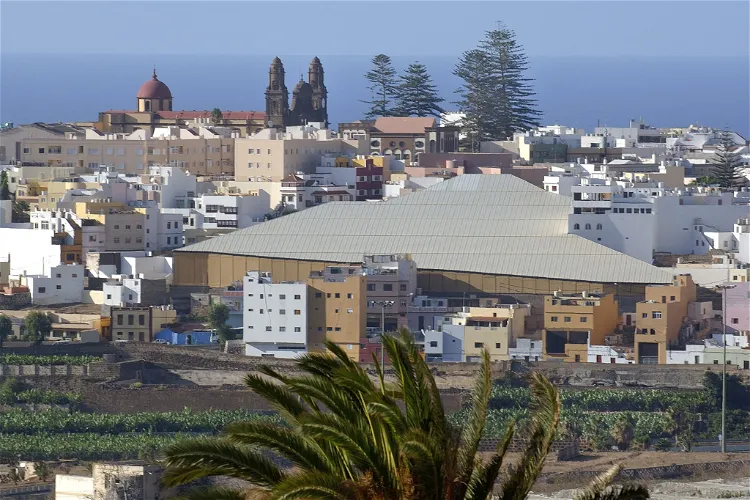
Cueva Pintada Museum and Archaeological Park
GáldarThe Cueva Pintada Museum and Archaeological Park is situated in the city of Gáldar, which is in the northwest of the island of Gran Canaria, Canary Islands, Spain. This location is a significant part of the Culture, Historical Heritage and Museums Council of the Cabildo de Gran Canaria.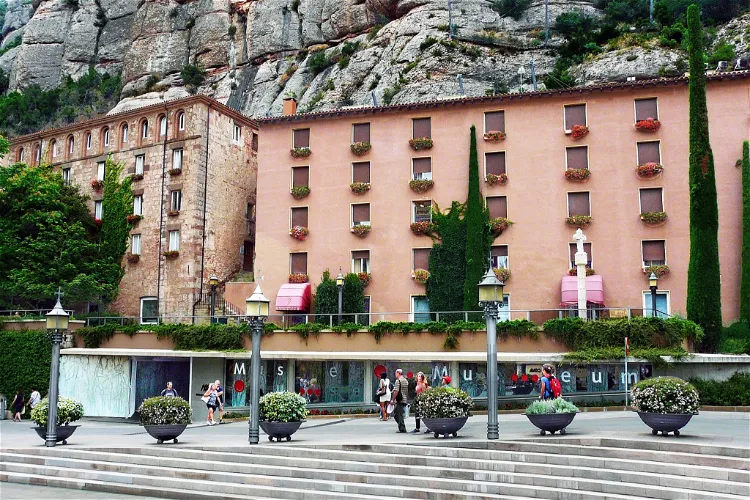
Museum of Montserrat
Monistrol de MontserratThe Museum of Montserrat is located within the Abbey of Montserrat, a thousand-year-old institution. It showcases a selection of the most outstanding artistic and archaeological heritage. This includes a wide range of collections, each unique and different, providing a comprehensive view of various historical periods and cultures.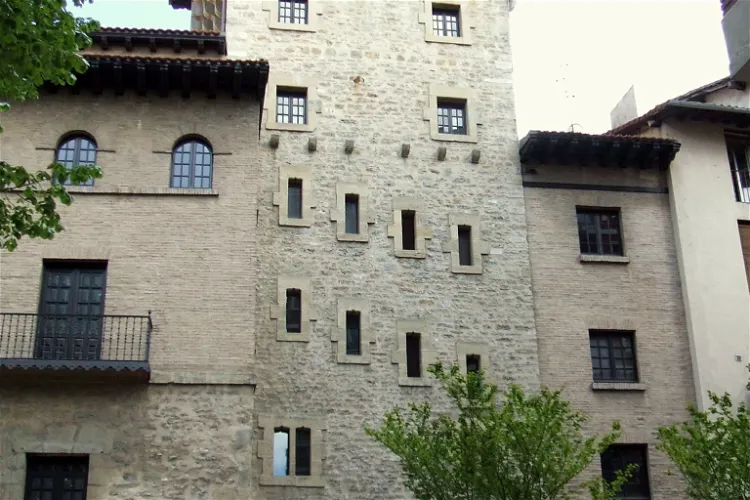
Museum of Natural Sciences of Álava
Vitoria-GasteizThe Museum of Natural Sciences of Álava (MCNA) is housed in the Torre de Doña Ochanda, a medieval defensive building in the city of Vitoria, Basque Country, Spain. This historic building, which once served as a stronghold in the 15th century, adds a unique historical charm to the museum experience.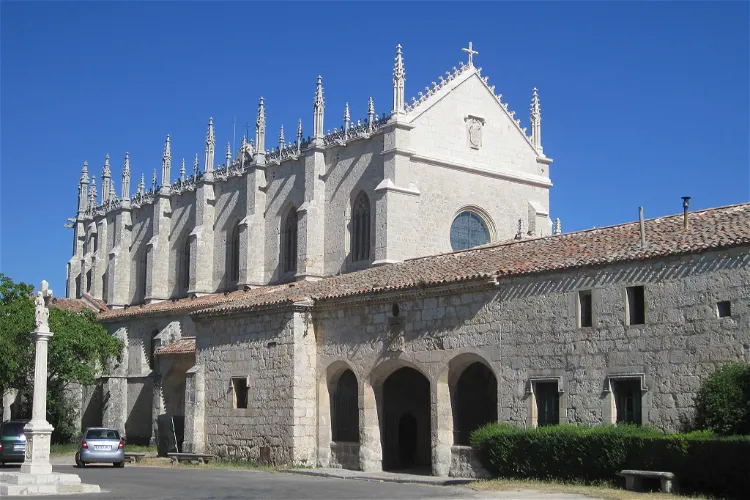
Miraflores Charterhouse
BurgosLa Chartreuse Notre-Dame de Miraflores, an ancient Carthusian monastery, is located on a hill known as Miraflores. This historical site is situated approximately three kilometers from the city center of Burgos, in the Fuentes Blancas park. The serene surroundings and the historical significance of the monastery make it an interesting site for tourists visiting Burgos.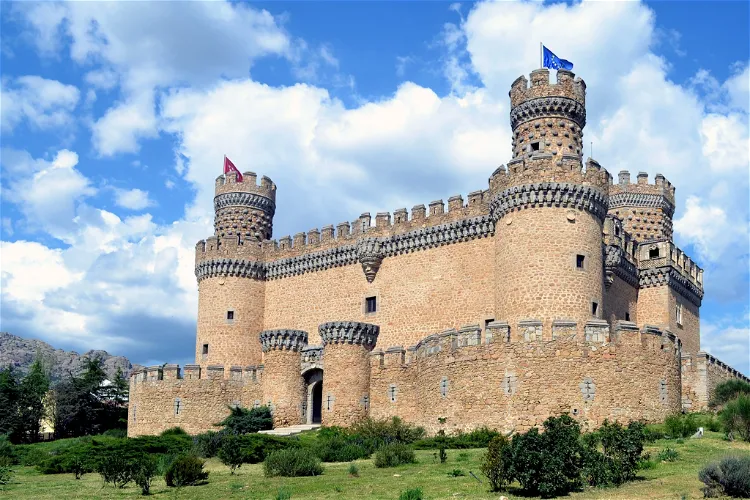
New Castle of Manzanares el Real
Manzanares el RealThe New Castle of Manzanares el Real, also known as the Castle of los Mendoza, is a palace-fortress that was built in the 15th century. It is located in the town of Manzanares el Real, which is part of the Community of Madrid in Spain. The castle is situated next to the Santillana reservoir and at the foot of the Sierra de Guadarrama mountain range. This location offers visitors stunning views of the surrounding landscape.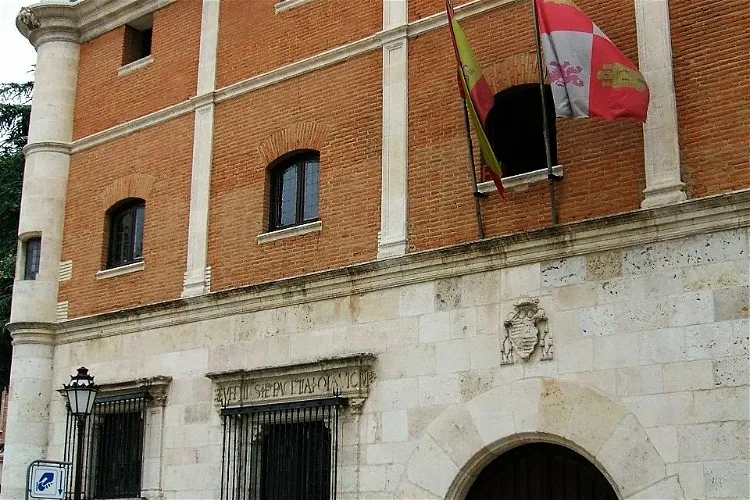
Burgos Museum
BurgosThe Museo de Burgos, previously known as the Museo Arqueológico Provincial, is situated in two neighboring 16th-century palaces, the Casa de Miranda and the Casa de Íñigo Angulo. These palaces form a block between Calle Calera and Calle Miranda in the Spanish city of Burgos. The museum's collections, which exclusively originate from the province of Burgos, showcase the historical and cultural evolution of the province.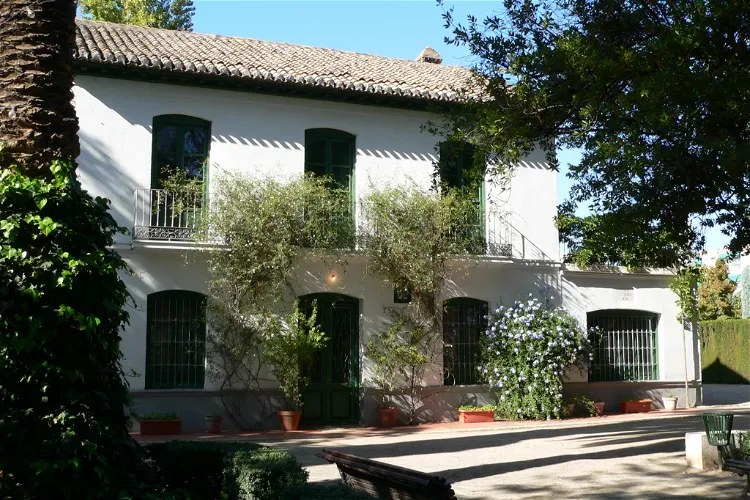
Huerta de San Vicente
GranadaThe Huerta de San Vicente, popularly known as the Casa-Museo de Federico García Lorca, served as the summer residence of the García Lorca family from 1926 to 1936. This period was up until the assassination of the poet during the early weeks of the Spanish Civil War. The house and its orchards are located in the heart of the Federico García Lorca Park, which was inaugurated in 1995.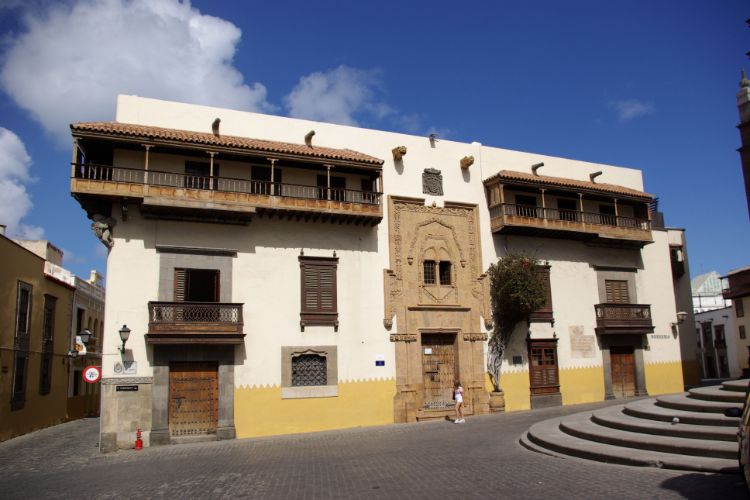
Casa de Colón
Las Palmas de Gran CanariaThe Casa de Colón is a cultural institution in Las Palmas de Gran Canaria.It is one of the most emblematic buildings of the city. It is dedicated to the history of the Canary Islands and its relations with America. It houses a museum, a library and study center, as well as spaces for temporary activ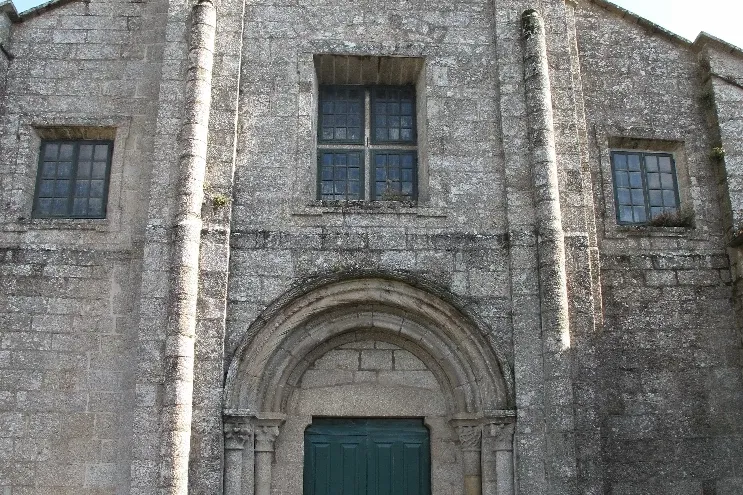
Museo Colexiata de Sar
Santiago de Compostela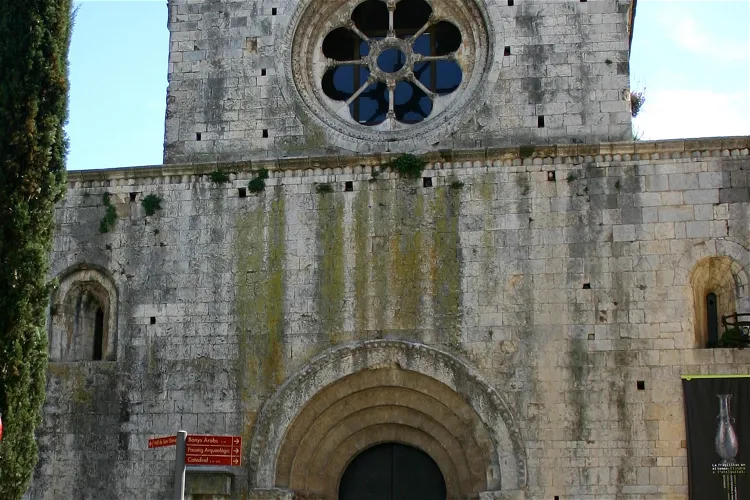
Archaeology Museum of Catalonia
GeronaThe Archaeology Museum of Catalonia in Gerona is housed in the historic monastery of San Pedro de Galligans. Established in 1857, the museum continues to operate from this location, offering visitors a unique blend of history and culture. The museum's setting in a former monastery adds a layer of historical significance to the artifacts on display.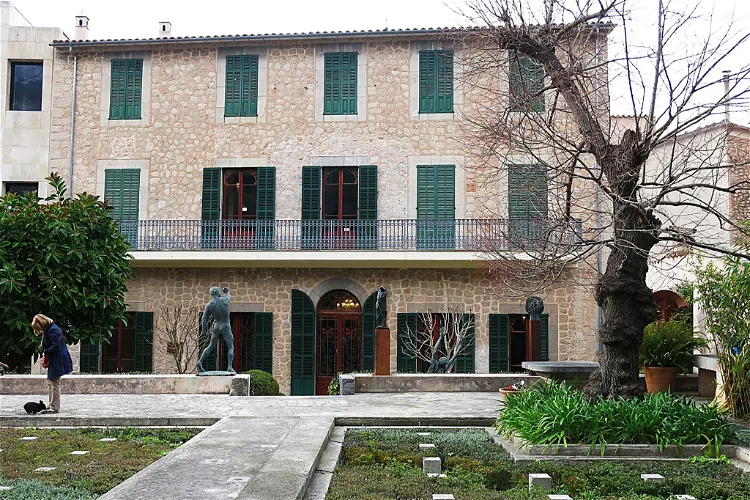
Museum of Modernism
SóllerCan Prunera, also known as Can Magraner, is a museum of modernist art located in Sóller, Mallorca, Spain. The museum is housed in a monumental building that was constructed between 1909 and 1911 by Joan Magraner Oliver, a Sóller immigrant who had made his fortune in the fruit business in France. The architecture of the building reflects the modernist style that was popular in Sóller at the time, with a particular emphasis on French Art Nouveau, a result of the city's close ties with France.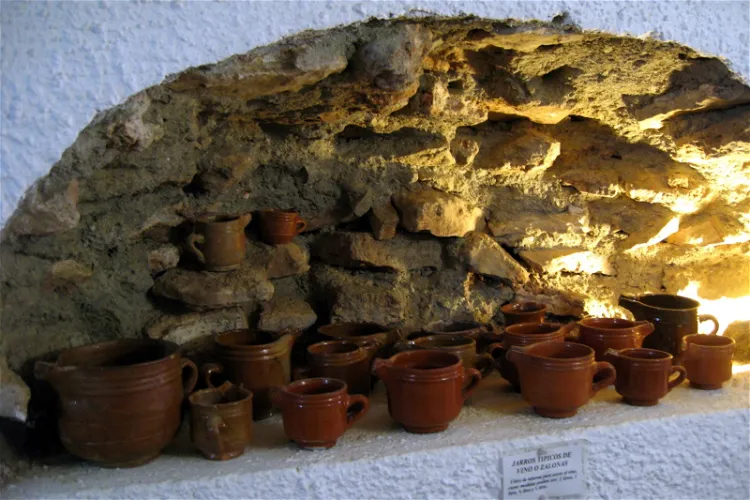
Cave Museum of Pottery
Guadix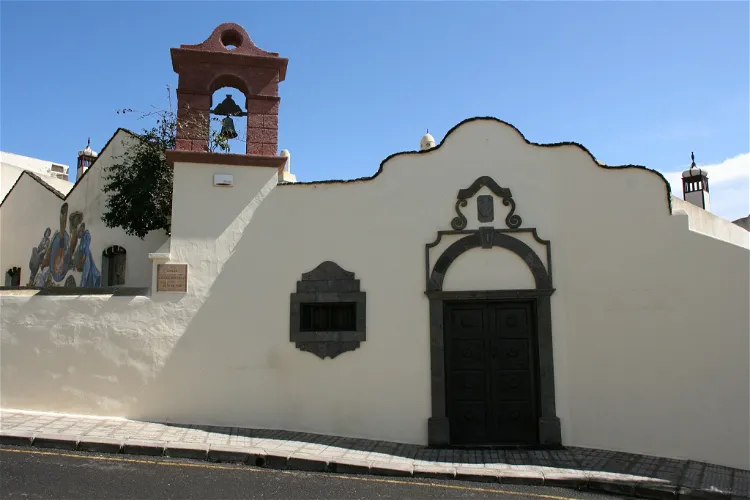
Tanit Ethnographic Museum
San BartoloméPicturesque museum that set its goal on presenting the traditional way of life in Lanzarote with its customs.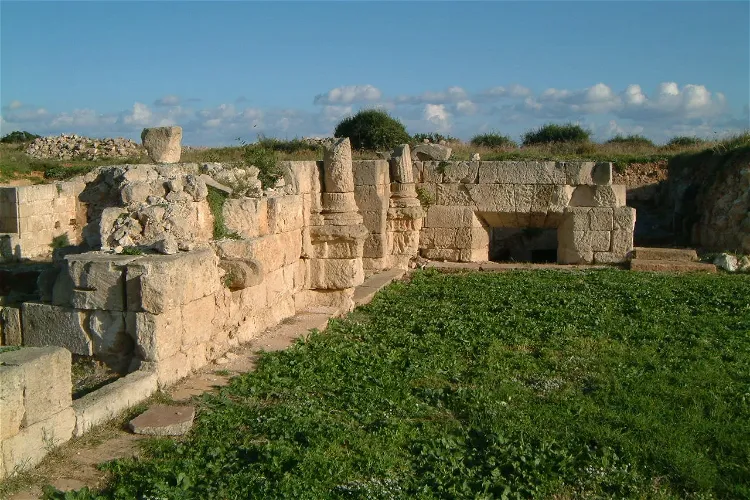
Castle of San Felipe
VillacarlosThe Castle of San Felipe in Menorca is a historical Spanish fortification dating back to the 16th century. It is situated on the southern shore of the port of Mahón, in the municipality of Villacarlos. This location offers visitors a unique opportunity to explore a significant piece of Spanish history while enjoying the beautiful coastal views of the port.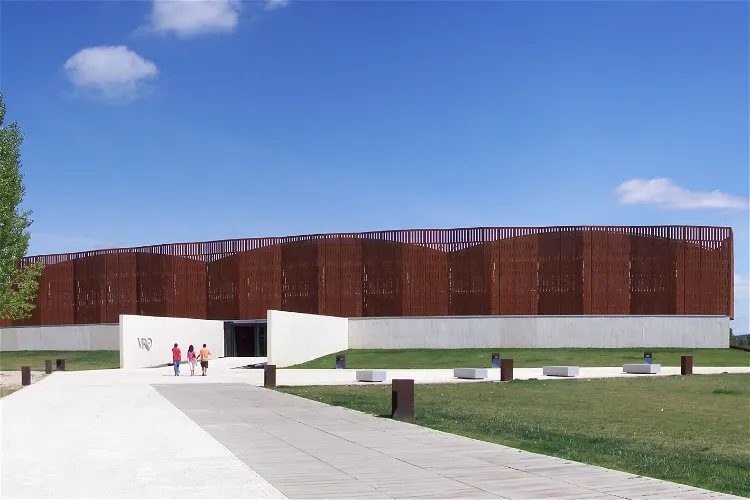
Roman Villa La Olmeda
Pedrosa de la VegaThe site of Roman Villa La Olmeda was declared a site of cultural interest on April 3, 1996. It spans two chronological phases: a villa from the 1st century, which was maintained until the end of the 3rd century, and the reconstruction of this villa in the 4th century, until it was destroyed and abandoned in the 6th century. This provides a fascinating insight into the evolution of Roman architecture and lifestyle over several centuries.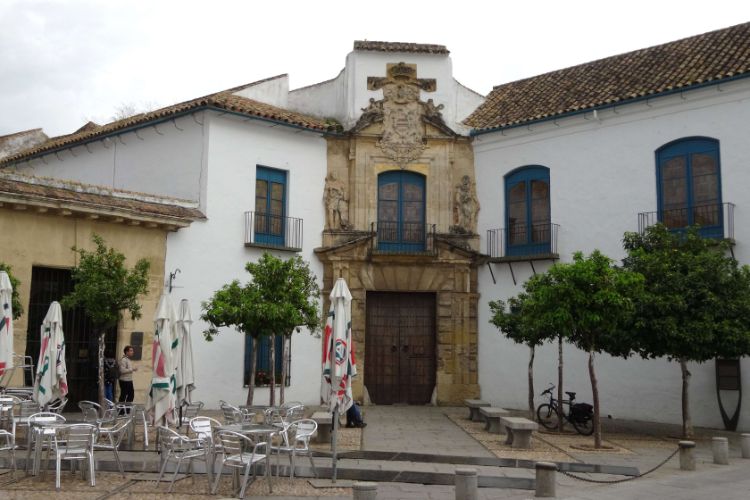
Palacio-Museo de Viana
CórdobaPalacio-Museo de Viana (The palace of the Marquises of Viana) is a palace-museum in Córdoba. The palace is an example of how the Cordovan nobility lived. The history of the palace begins in the 15th century. The collection of the museum is separated over various rooms, namely: the Gallery of the Azu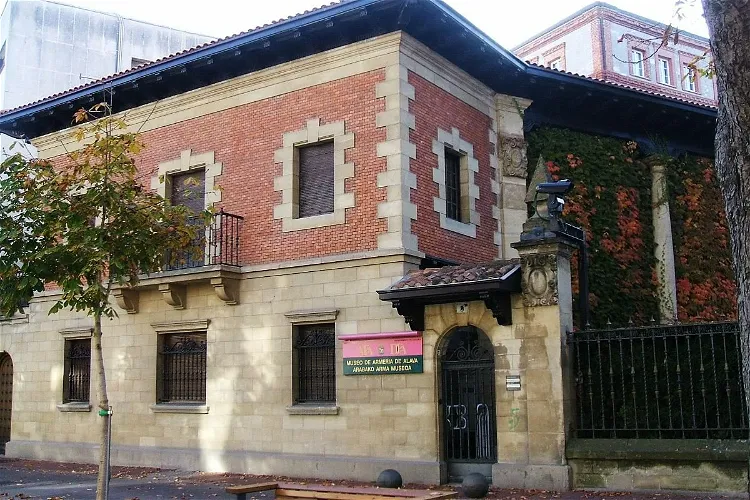
Armoury Museum
Vitoria-GasteizThe Armoury Museum of Alava, situated in the city of Vitoria in Spain, is a unique destination for those interested in the history of warfare. The museum's collection spans from Prehistory to the early 20th century, showcasing a wide range of weapons, uniforms, and various objects related to warfare from different eras and cultures. This comprehensive collection provides a fascinating insight into the evolution of warfare and the tools used in battle over the centuries.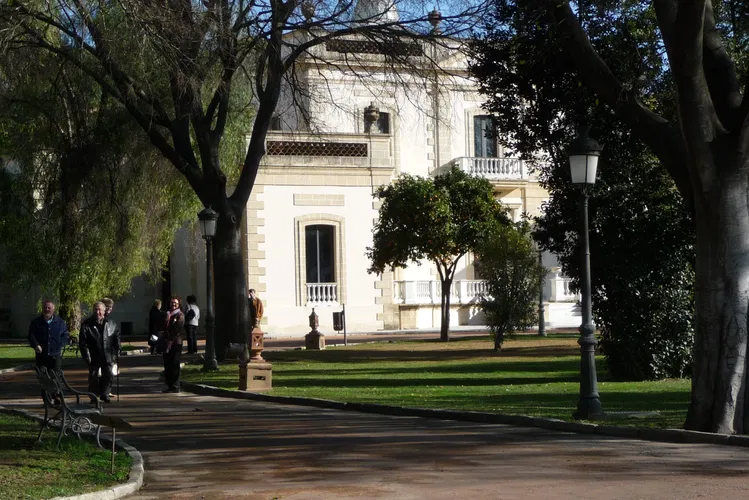
Palace of Time
Jerez de la FronteraLos Museos de la Atalaya is a cultural space located in Jerez de la Frontera, Andalucía, Spain. It comprises the Misterio de Jerez, a complex used for celebrations, shows, meetings, and the Palacio del Tiempo, a museum dedicated to clocks. This unique combination of cultural and historical elements makes it an interesting destination for tourists.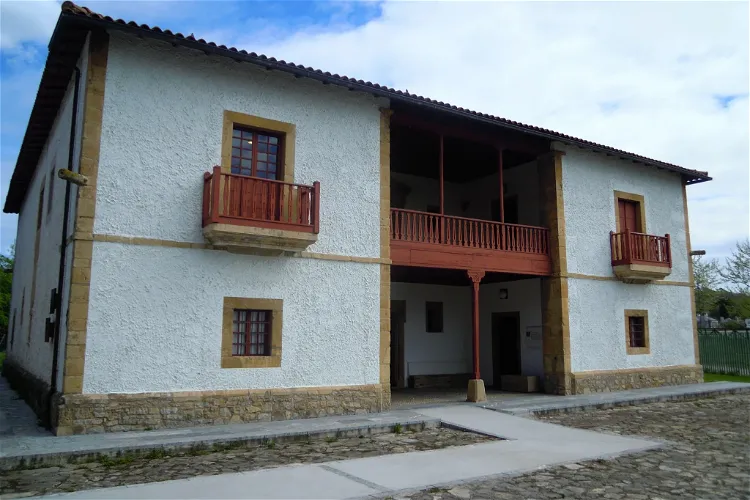
International Bagpipe Museum
GijónThe International Bagpipe Museum is situated within the Museum of the People of Asturias in the Spanish city of Gijón, in the Principality of Asturias. This location offers visitors the opportunity to explore not only the bagpipe museum but also the broader cultural and historical context of the Asturian people.
Museo Minero de Escucha
EscuchaThe Museo Minero de Escucha is not just a museum, but an authentic mining experience. It is situated inside a restored lignite mine called 'Se Verá'. This unique setting allows visitors to truly immerse themselves in the history and workings of a real mine.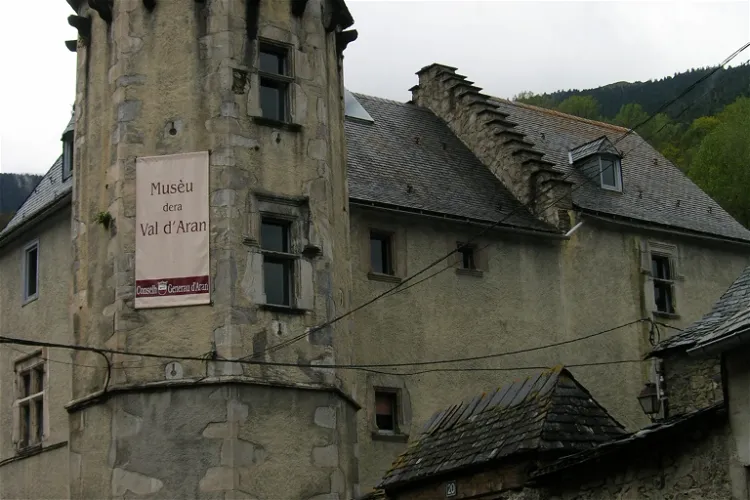
Musèu dera Val d'Aran
Viella Mitg AránThe Museo del Valle de Arán, also known as Musèu dera Val d'Aran, is a regional museum located in Viella. It is dedicated to the history, art, ethnography, and ethnology of the Aran Valley. The museum is housed in a late Gothic-style manor house known as the Torre del general Martinón. It also occupies the Casa Joanchiquet in Vilamós and the church of San Juan de Artiés. The museum's main objective is to preserve the Aranese culture in all its aspects, through the different stages and epochs of the Aran Valley.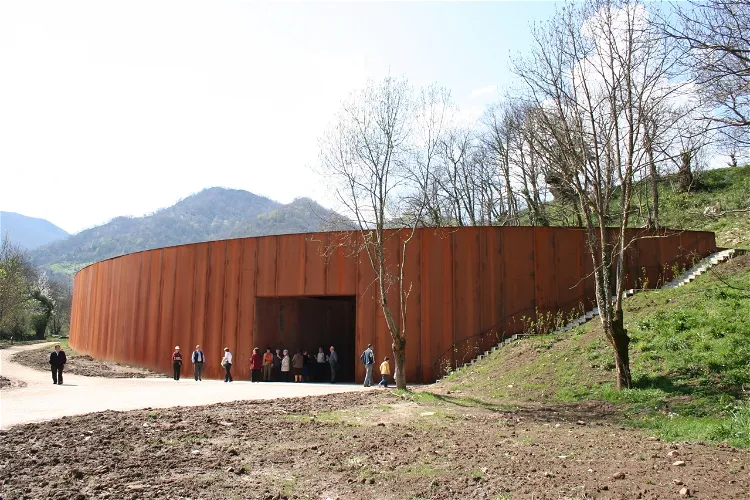
Prehistoric Park Teverga
TevergaThe park features two exhibition areas: The gallery and the Cave of Caves. Both these facilities, along with the service area that includes a cafeteria and a shop, are seamlessly integrated into the natural landscape. Only the entrances stand out in the relief, with the rest of each facility being underground.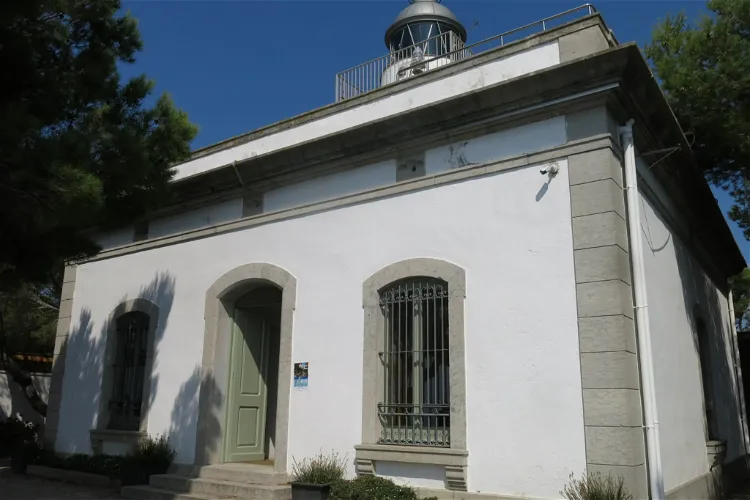
Cap de Tossa Lighthouse
Tossa de MarThe Tossa Lighthouse is a significant landmark located in the resort town of Tossa de Mar. This town is situated at the southern end of the Costa Brava, in the Province of Girona, Catalonia, Spain. The lighthouse offers a unique blend of historical and cultural significance, making it a point of interest for tourists visiting the area.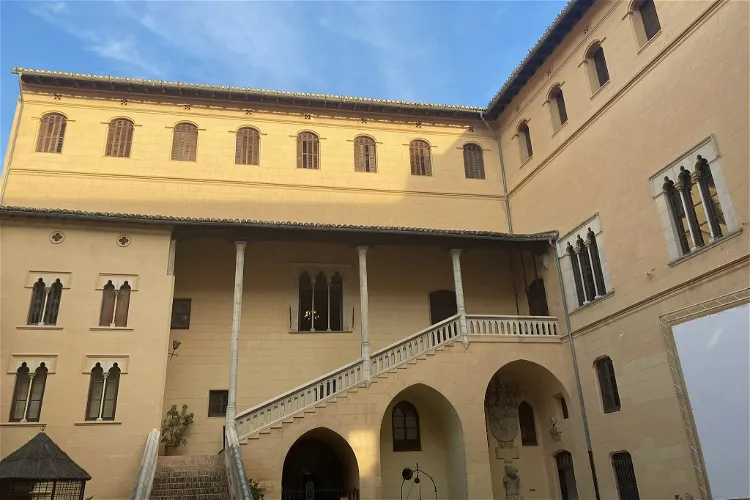
Ducal Palace of Gandia
GandíaThe Ducal Palace of Gandía, a significant monument in the city of Gandía, has seen numerous restorations over the years. This important example of Valencian civil Gothic architecture is a testament to the city's rich history and cultural heritage.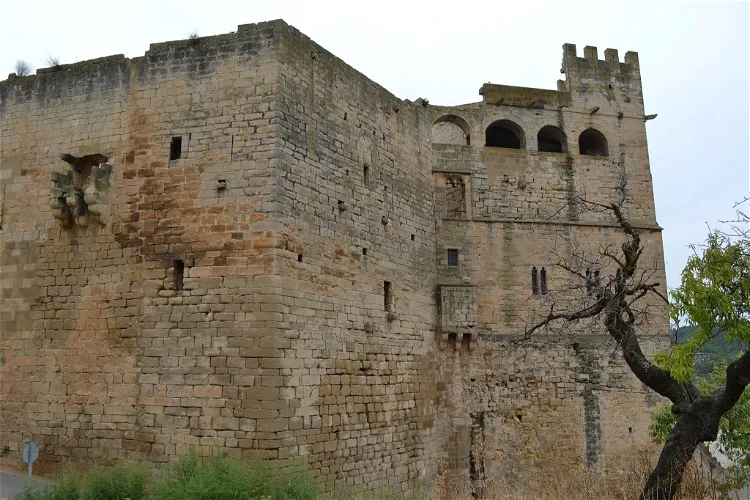
Valderrobres Castle
ValderrobresThe castle has recently undergone a restoration process, which was completed in 2021. This has ensured that the castle's historical features are preserved, while also making it safe and accessible for visitors. The restoration has breathed new life into the castle, making it a fascinating place to visit.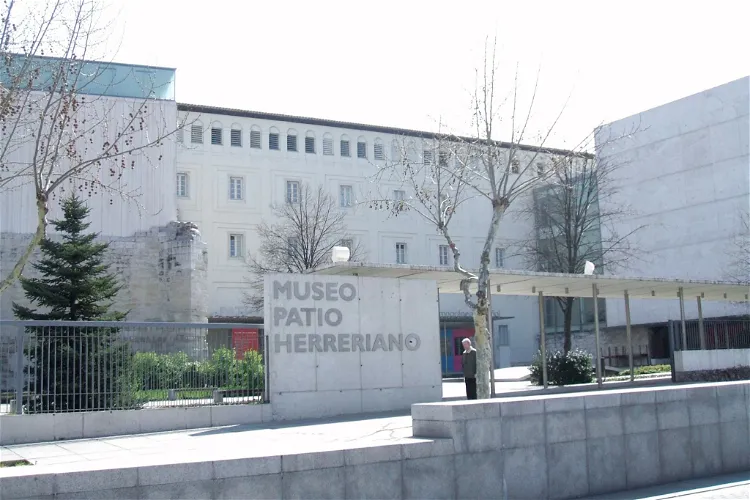
Museum of Contemporary Spanish Art
ValladolidThe Museum Patio Herreriano of Contemporary Spanish Art, which opened its doors in 2002, is a prominent art center located in the city of Valladolid. It showcases a vast collection of contemporary Spanish style artworks, which have been sourced from various private collections. The museum's collection spans the period from 1918 to the present day, offering visitors a comprehensive view of Spanish contemporary art over the last century.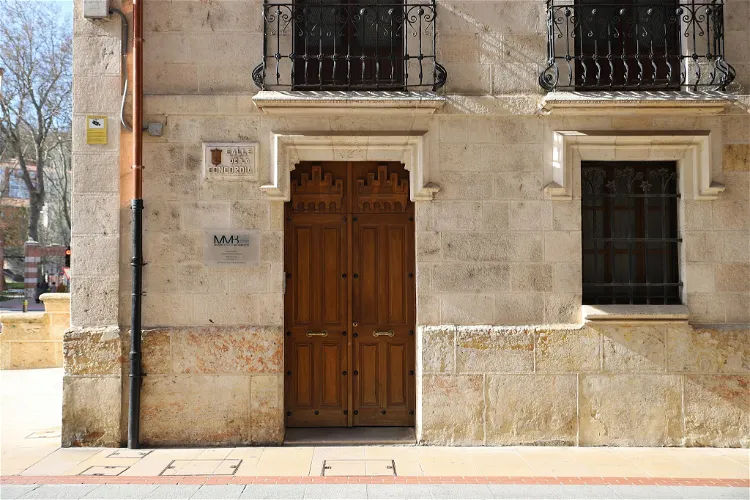
Military Museum of Burgos
Burgos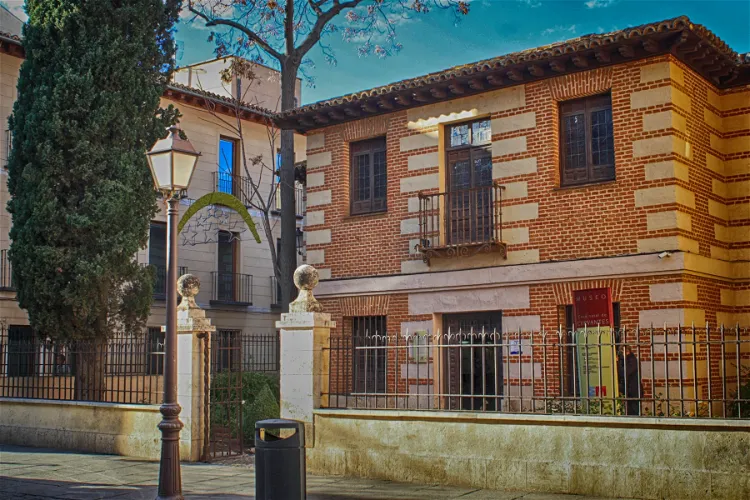
Cervantes Birthplace Museum
Alcalá de HenaresThe Cervantes Birthplace Museum is situated in Alcalá de Henares, Spain. This museum is housed in a building that recreates the home where the renowned writer Miguel de Cervantes was born. It offers a unique opportunity to step back in time and experience the environment that influenced one of Spain's most celebrated literary figures.
Salazar Tower
PortugaleteThe Salazar Tower, a 14th-century house tower, is a significant historical site in Portugalete, Vizcaya. Constructed around 1380, the tower is a testament to the architectural prowess of the era. Its masonry construction has stood the test of time, making it a fascinating destination for those interested in history and architecture.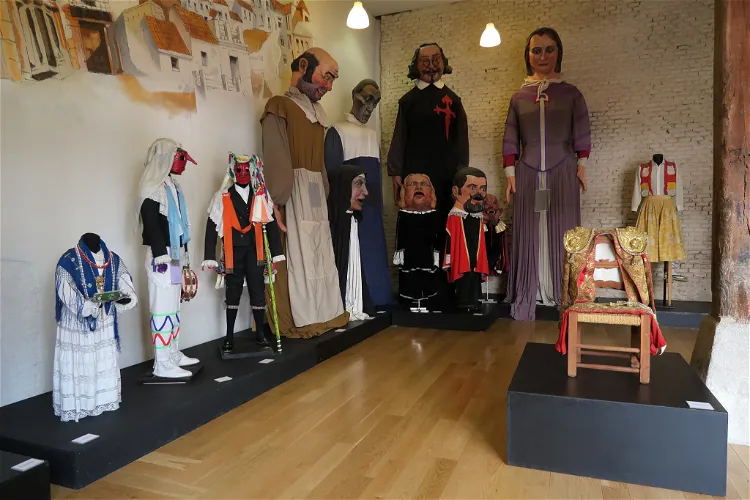
Museo de Gigantes y Cabezudos
Puebla de Sanabria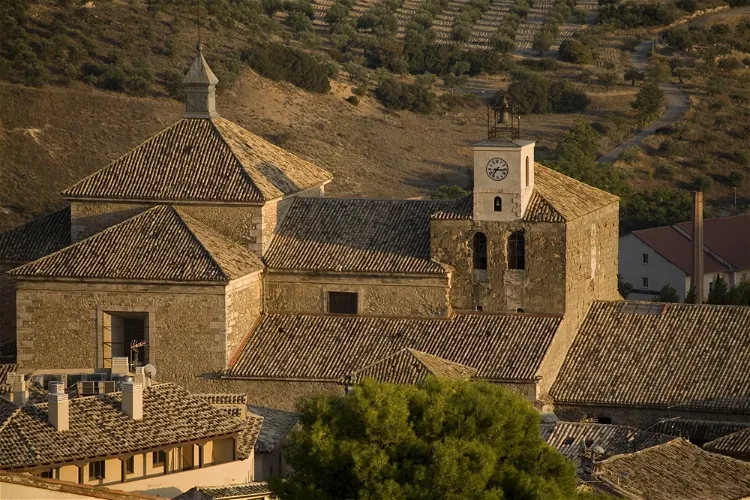
Collegiate Church
PastranaThe Collegiate Church of the Assumption is not just a place of worship, but also a museum housing a significant collection of tapestries and a wide variety of art pieces. These include paintings, altars, goldsmithing elements, and reliquaries. This diverse collection provides a comprehensive overview of the artistic and cultural richness of the region.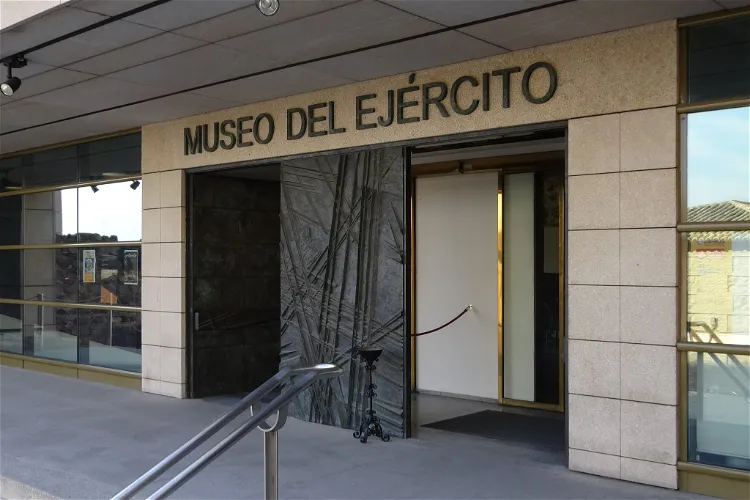
Army Museum
ToledoThe Museum of the Army is a national institution situated in Toledo, Spain. It is officially attached to the Ministry of Defence. This museum is a significant part of the country's cultural heritage and offers a comprehensive insight into the history of the Spanish military.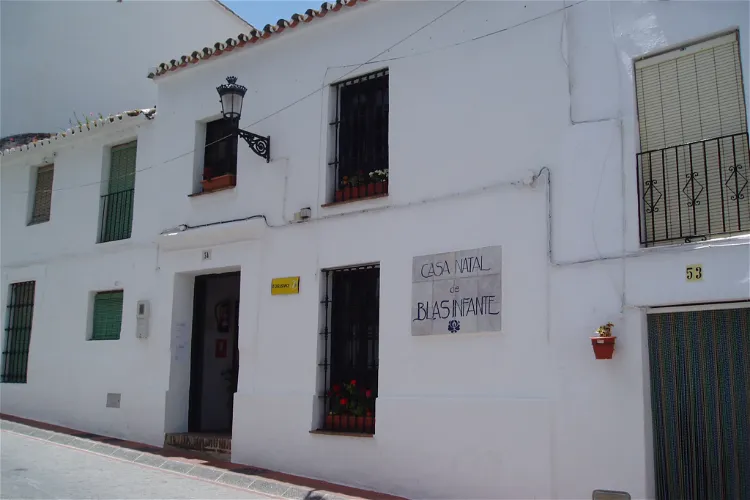
Casa Natal de Blas Infante
CasaresThe Blas Infante house museum is a significant site in Casares, Málaga, located on Carrera street nº 31. This museum is dedicated to Blas Infante, a prominent figure in Andalusian history, who was born in this very building on July 5, 1885. The museum offers a deep dive into the life and works of Infante, providing a unique perspective on his contributions.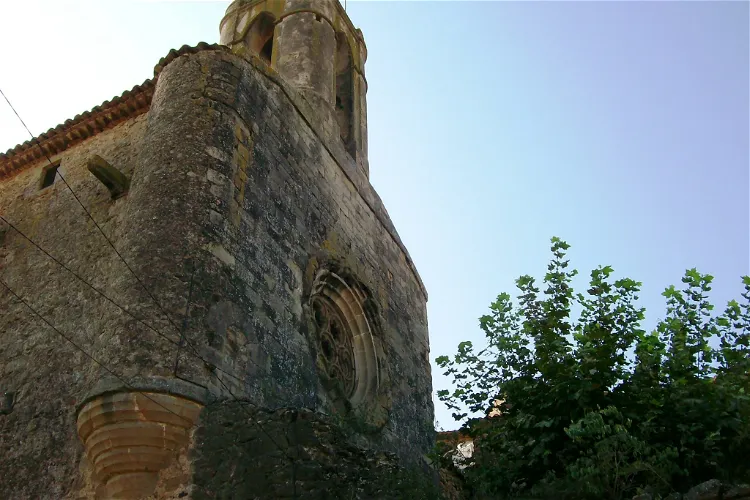
Castle of Púbol
PúbolThe Castle of Púbol, a Gothic-Renaissance fortification from the 11th century, is located in the hamlet of Púbol, which belongs to the municipality of La Pera, in the Baix Empordà. This historical site offers a unique glimpse into the past, with its well-preserved architecture and rich history.- 136
Silk Museum Valencia
Valencia 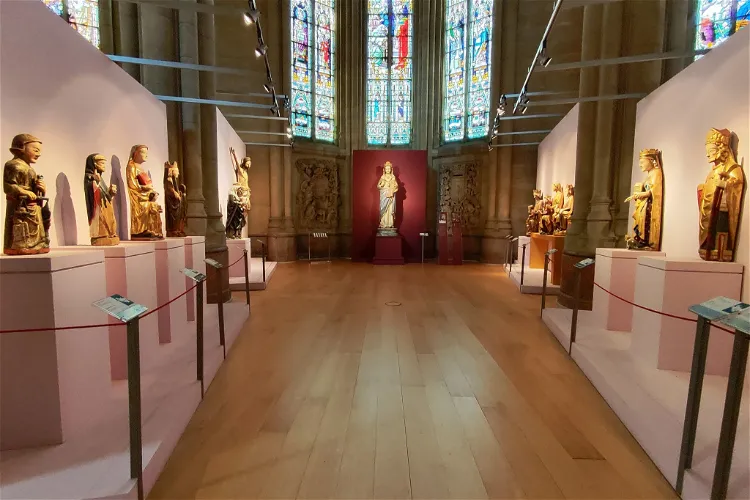
Diocesan Museum of Sacred Art
Vitoria-GasteizThe Diocesan Museum of Sacred Art, also known as Elizbarrutiko Arte Sakratuaren Museoa, is situated in the ambulatory of the Cathedral of Saint Mary Immaculate. This museum is located in the city of Vitoria-Gasteiz, Alava, in the Basque Country of Spain. It is a significant cultural and historical site that showcases a wide range of sacred art.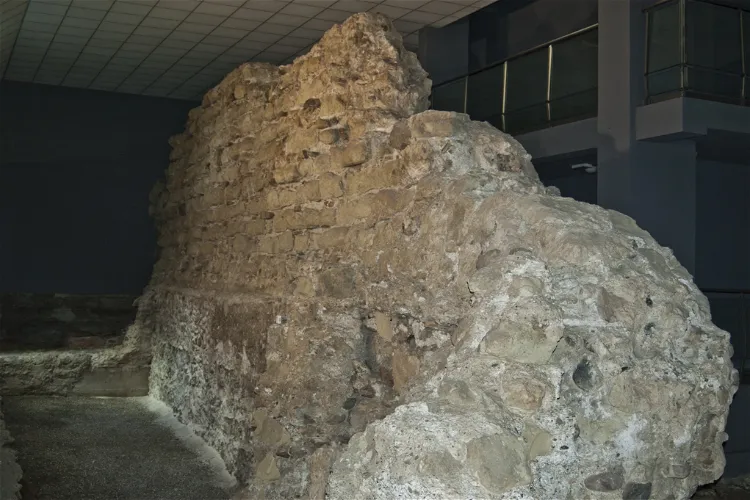
Enclave Arqueológico Puerta de Almería
AlmeriaThe Enclave Arqueológico Puerta de Almería is home to the only preserved Roman archaeological remains in the city. These include a salting factory, which is a significant testament to the city's ancient industrial history. Additionally, the museum also houses one of the gates of the Islamic wall that once enclosed the city to the south. This gate is a remarkable example of the city's medieval architectural heritage.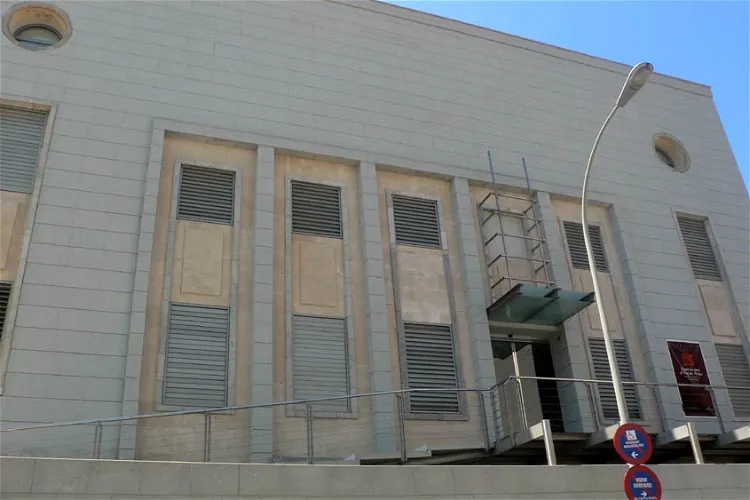
Monographic Museum and Necropolis
IbizaThe Puig des Molins is a significant historical site located in Ibiza Town, on the Island of Ibiza, in the Balearic Islands, Spain. This location is known for its rich history and cultural significance, making it an interesting destination for tourists interested in history and archaeology.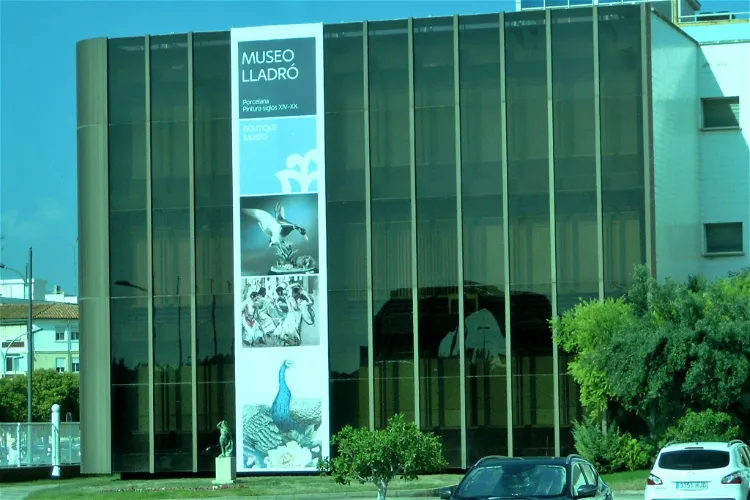
Lladró Museum
Tabernes BlanquesThe Lladró Museum, located in the town of Tabernes Blanques in Valencia, Spain, is a private institution owned by the renowned decorative porcelain firm, Lladró. This museum is a significant destination for those interested in the art of porcelain making and the history of the Lladró brand.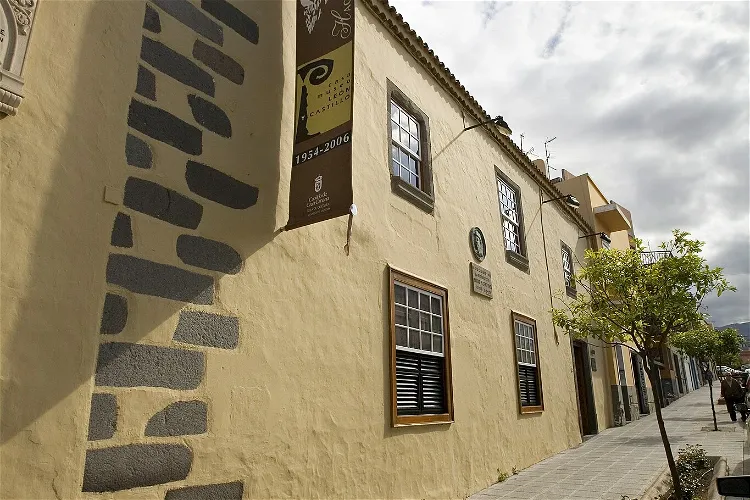
León y Castillo House Museum
TeldeThe León y Castillo House Museum is a public institution that is part of the Ministry of Culture, Historical Heritage and Museums of the Cabildo de Gran Canaria. It is situated in the city of Telde, on the island of Gran Canaria, which is part of the Canary Islands in Spain.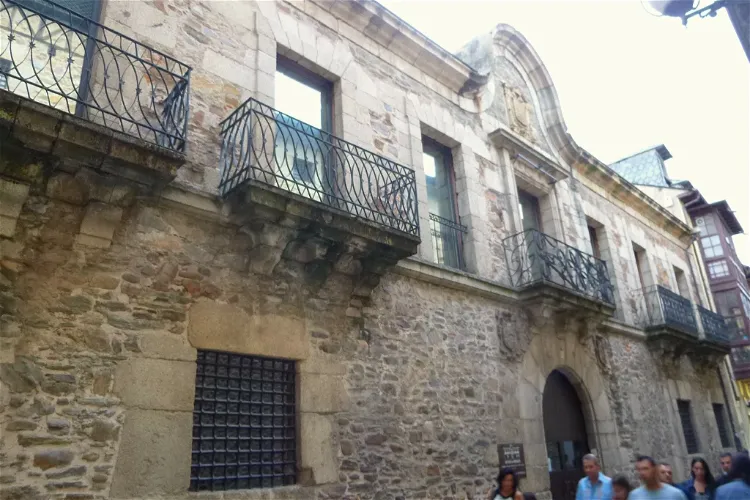
El Bierzo Museum
CompostillaEl Museo del Bierzo is situated in the city of Ponferrada, which is part of the Bierzo region in the province of León, within the autonomous community of Castilla y León. This location is significant as it provides visitors with a chance to explore not only the museum but also the rich cultural and historical heritage of the region.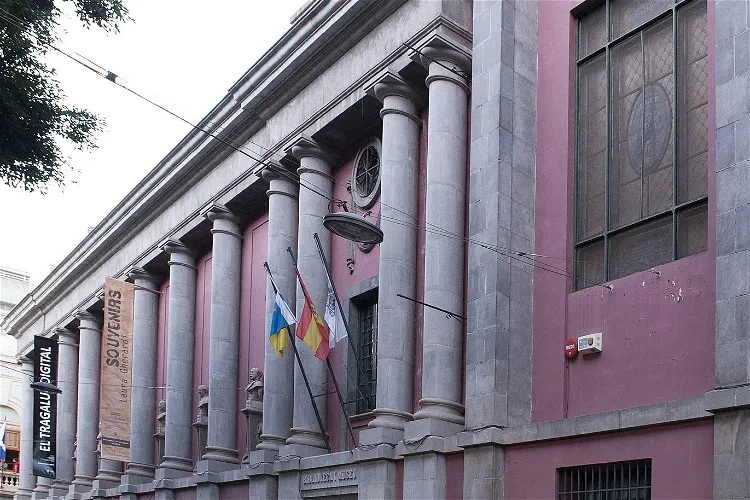
Municipal Museum of Fine Arts
Santa Cruz de TenerifeThe Municipal Museum of Fine Arts is situated in the city of Santa Cruz de Tenerife, Canary Islands, Spain. It is a part of the Autonomous Culture Organization of the Santa Cruz de Tenerife City Council. The museum is located at the rear of the building that was once the Convent of San Francisco, specifically on José Murphy Street, under the Plaza del Príncipe.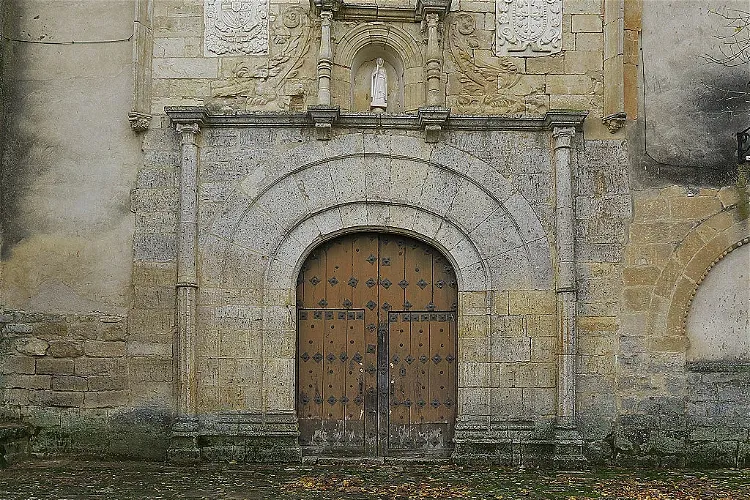
Monastery of Sancti Spiritus
ToroWithin the Monastery of Sancti Spiritus el Real, visitors can find the Museum of Sacred Art of Toro. This museum is home to a unique collection of polychrome sargas from the 16th century. These sargas depict scenes from the Passion, taken from large-scale Italo-Flemish prints. This collection provides a unique insight into the religious art of the period and is a must-see for any art enthusiasts or those interested in religious history.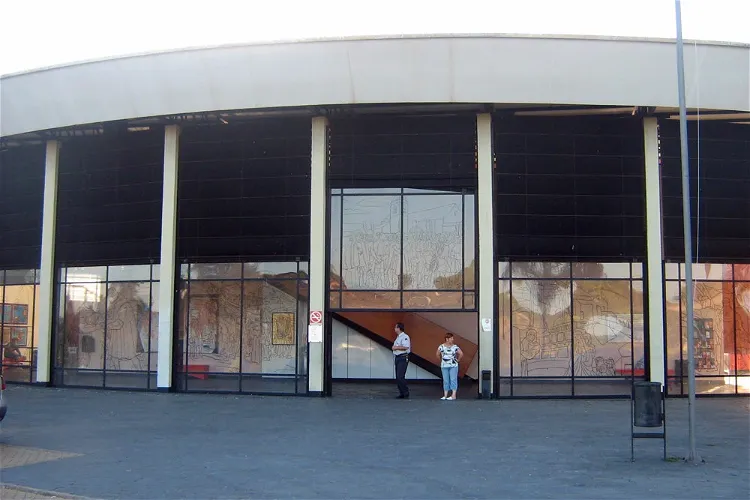
Wharf of the Caravels
Palos de la FronteraThe Wharf of the Caravels, or Muelle de las Carabelas, is a museum situated in the town of Palos de la Frontera in Huelva, Spain. This museum is a significant historical site that offers visitors a glimpse into the past, specifically the era of Christopher Columbus and his voyages to the New World.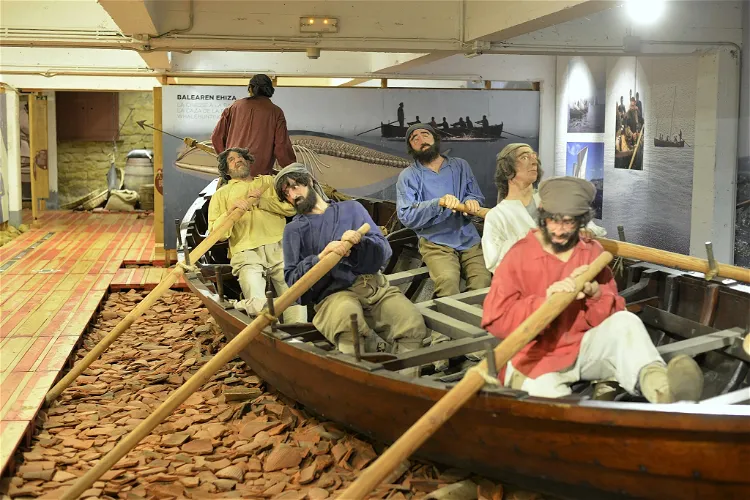
Albaola Itsas Kultur Faktoria
PasaiaAlbaola Itsas Kultur Faktoria, located in Pasajes San Pedro, Guipúzcoa, is a unique living-shipyard museum. Its main objective is to revitalize the Basque maritime heritage and recover the maritime technology used in the construction of boats of heritage or historical interest. This museum offers a unique opportunity for visitors to witness the process of boat construction and learn about the rich maritime history of the Basque region.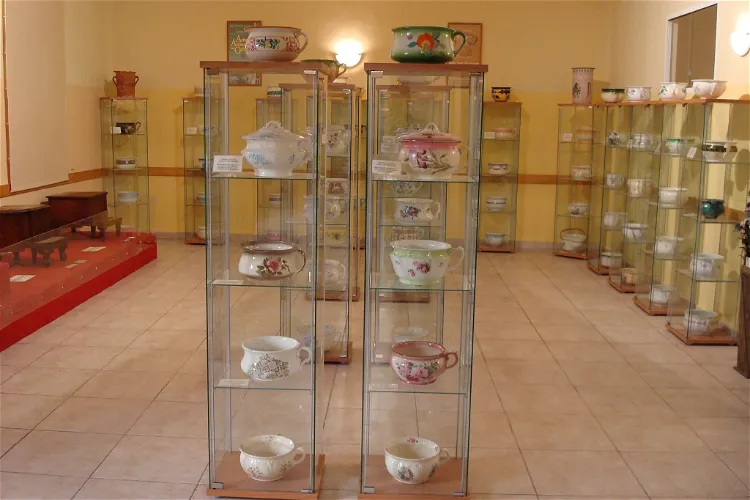
Urinal Museum
Ciudad RodrigoThe Urinal Museum in Ciudad Rodrigo, Salamanca, Spain, is a unique institution dedicated to the domestic hygiene utensil, the urinal. The museum showcases a variety of styles, models, and designs of this common household item, reflecting the craftsmanship applied to meet a biological need over centuries. It provides a unique perspective on a mundane object, making it an interesting destination for those interested in unusual museums.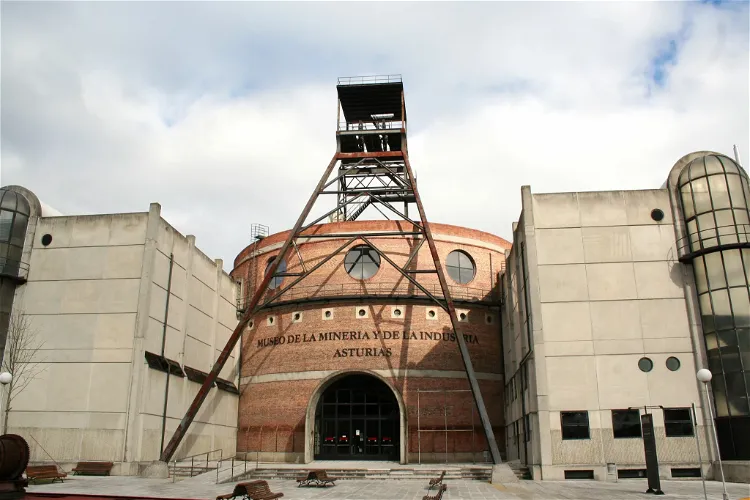
Museum of Mining and Industry
San Martín del Rey AurelioThe Museum of Mining and Industry of Asturias (MUMI) is situated in the village of San Vicente, close to El Entrego, in the municipality of San Martín del Rey Aurelio. This location is known for its rich mining tradition, making it a significant site for the museum.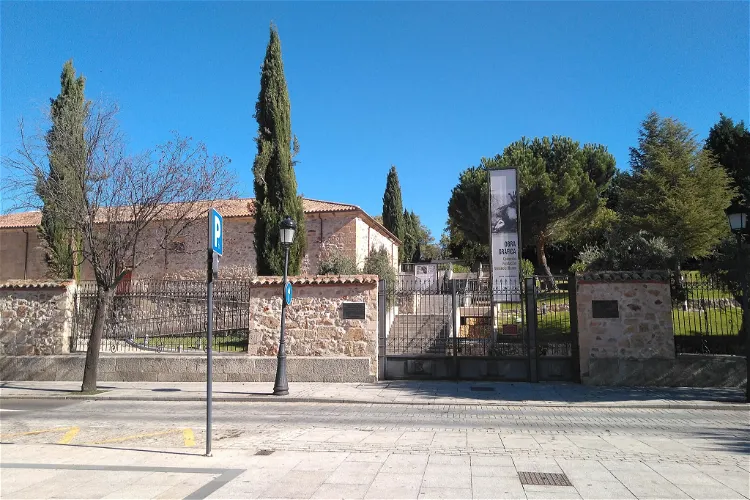
Sala de Exposiciones Santo Domingo de la Cruz
SalamancaThe Sala de Exposiciones Santo Domingo de la Cruz is an exhibition space located in the city of Salamanca. It was inaugurated in 2002, coinciding with the city's celebration as the European Capital of Culture. This historical event has added a significant cultural value to the exhibition hall, making it a notable destination for tourists interested in the city's rich cultural heritage.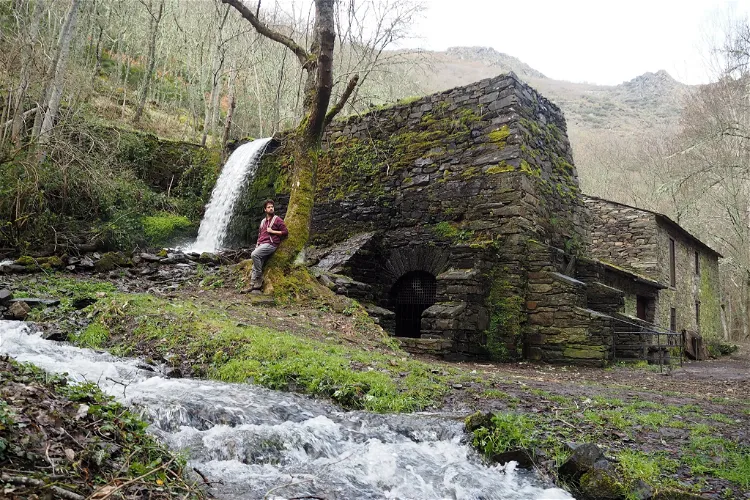
Herrería de Compludo
PonferradaLa herrería de Compludo is a medieval forge that is situated in the valley of Compludo, in the Spanish municipality of Ponferrada. This historical site is located in the region of Bierzo, within the province of León, in the autonomous community of Castilla y León. It offers a unique glimpse into the past, providing an opportunity to explore the rich history and culture of the region.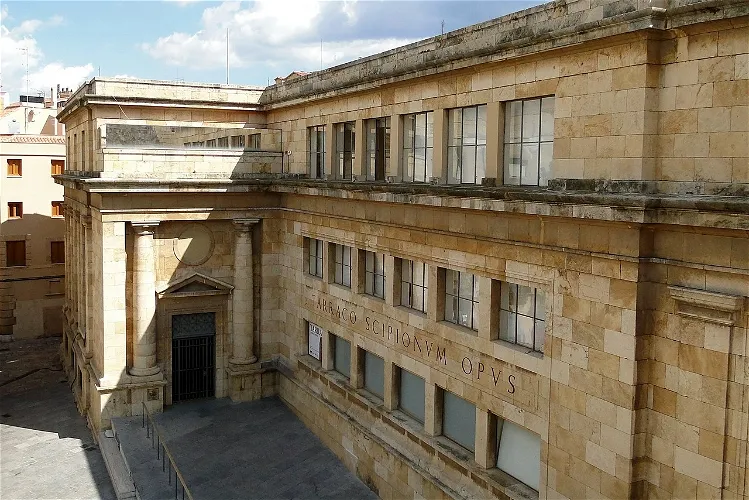
National Archaeological Museum of Tarragona
TarragonaThe National Archaeological Museum of Tarragona, also known as Museu Nacional Arqueològic de Tarragona or MNAT, is a public museum situated in the city of Tarragona in Catalonia, Spain. The museum is home to a variety of elements and remains that reflect the city's rich history and heritage.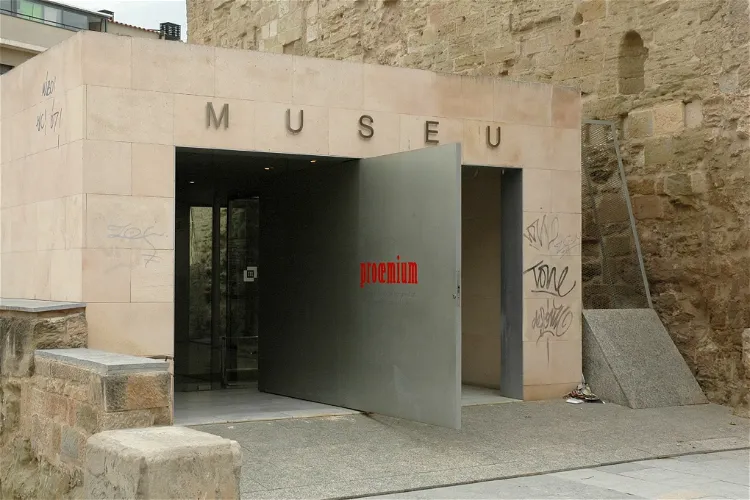
Lleida Museum
LleidaThe Lleida Museum, officially known as the Diocesan and Comarcal Lleida Museum, is a significant art and history museum situated in Lleida, Catalonia, Spain. It offers a rich collection of art and historical artifacts, making it a notable destination for those interested in art, history, and culture.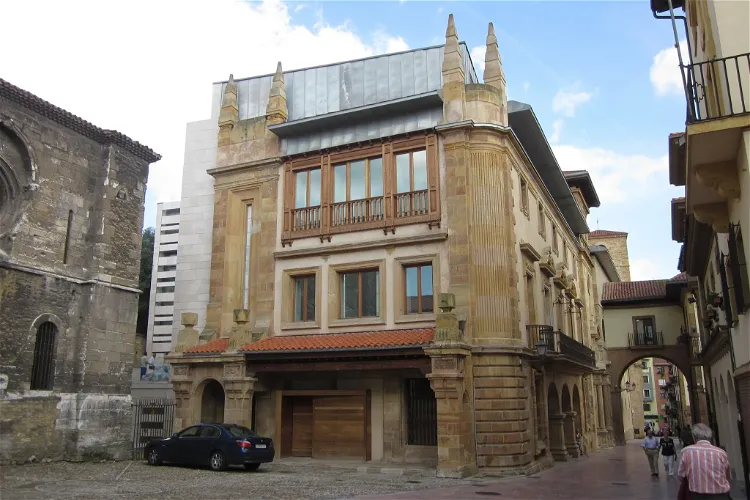
Archaeological Museum of Asturias
OviedoThe Archaeological Museum of Asturias, situated in Oviedo, is a regional institution committed to the preservation of the cultural and archaeological heritage of the Principality of Asturias. The museum's collection has been steadily growing since its establishment, primarily through discoveries, donations, and acquisitions of objects.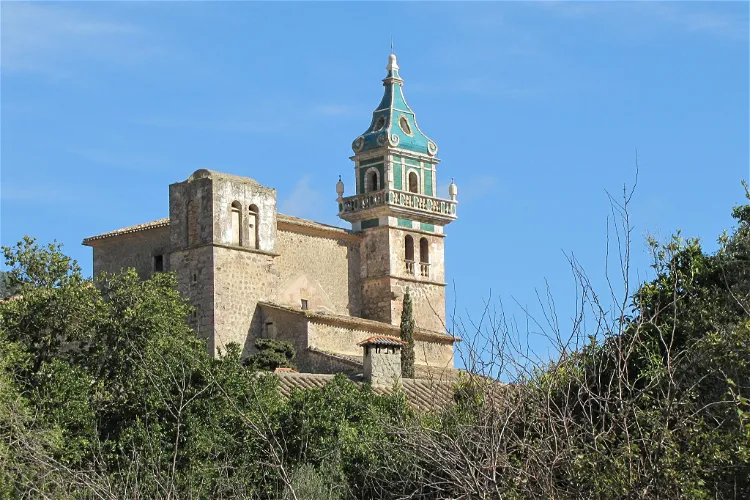
Valldemossa Charterhouse
Valldemossa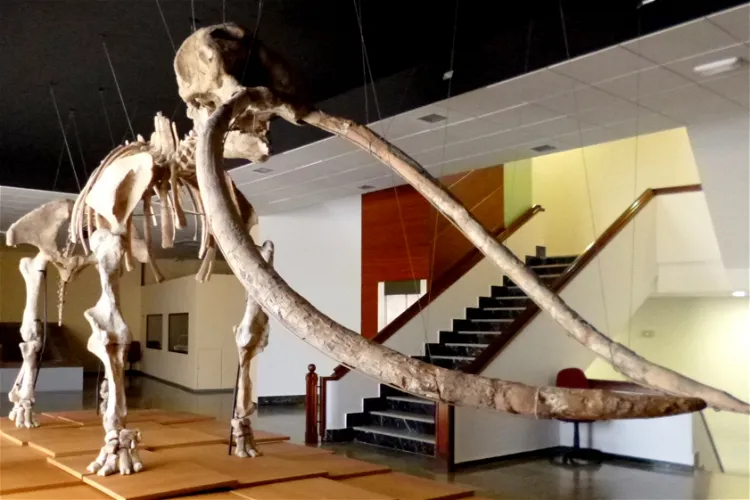
Provincial Museum of Ciudad Real
Ciudad RealThe Provincial Museum of Ciudad Real is divided into three sections: Paleontology, Archaeology, and Fine Arts. These sections are housed in two separate buildings, each offering a unique perspective on different aspects of history and culture. The Paleontology section features fossil remains from various provincial sites, allowing visitors to journey through geological periods from the Cambrian to the Quaternary. The Archaeology section continually expands due to materials from ongoing excavations throughout the province. The Fine Arts section showcases works of painting, sculpture, goldsmithing, and ceramics from the 16th to the 18th century.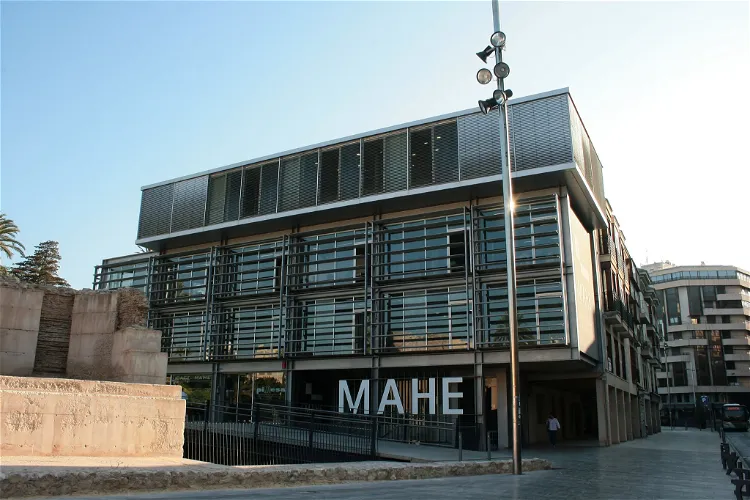
Museo Arqueológico y de Historia de Elche
ElcheThe Museo Arqueológico y de Historia de Elche (MAHE) is an archaeological museum situated in the Spanish city of Elche, within the province of Alicante. It is a significant regional archaeological reference point, offering a comprehensive overview of the city's various historical stages.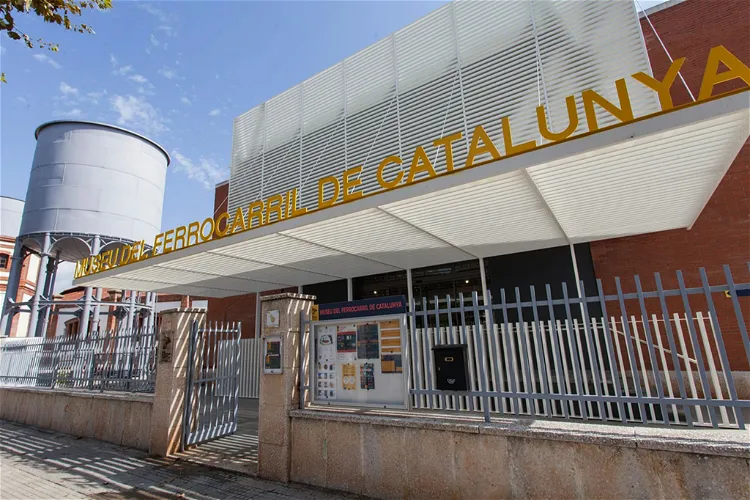
Railway Museum of Catalonia
Vilanova y GeltrúThe Railway Museum of Catalonia is situated in the town of Vilanova i la Geltrú, which is approximately 40 kilometers south of Barcelona. This location makes it easily accessible for tourists visiting Barcelona and looking for a day trip to explore the rich history of railways in Catalonia.
Circusland
Besalú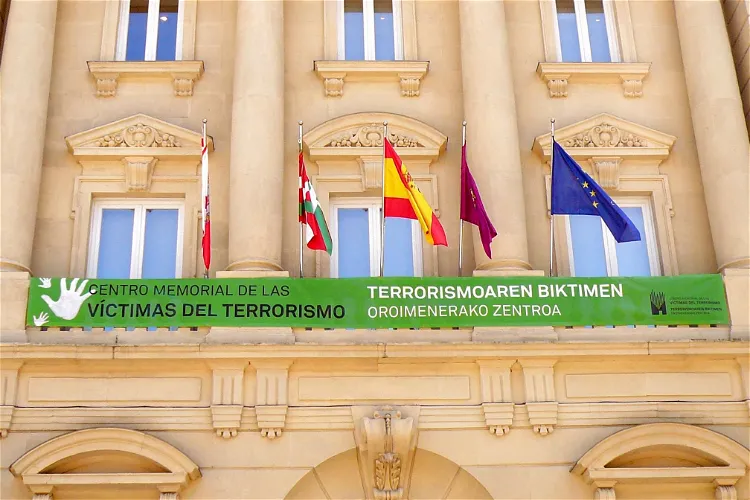
Centro Memorial de las Víctimas del Terrorismo
Vitoria-GasteizThe Centro Memorial de las Víctimas del Terrorismo, located in Vitoria, Spain, is a dedicated space for the victims of terrorism. This memorial center was inaugurated on June 1, 2021, and serves as a place to remember and honor the victims of various acts of terrorism that have occurred in Spain.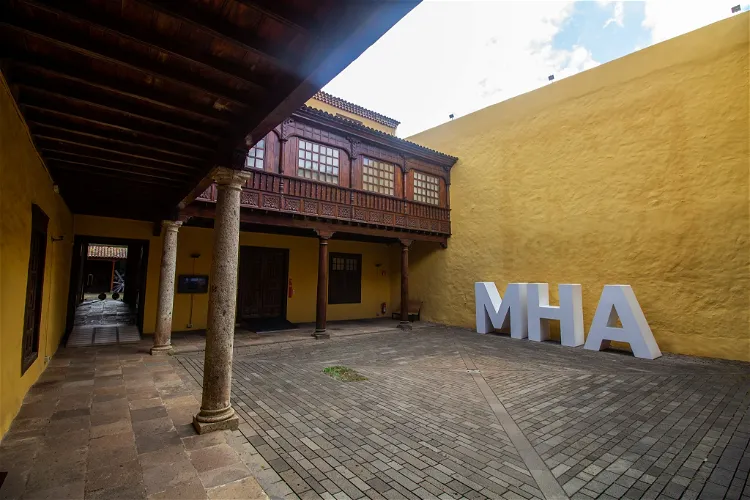
Museum of the History of Tenerife
San Cristóbal de La LagunaThe Museum of History and Anthropology of Tenerife provides a comprehensive overview of the island's history, from the 15th to the 20th century. It aims to disseminate the institutional, socioeconomic, and cultural development of Tenerife. Visitors can gain a deep understanding of the island's evolution through various exhibits and collections that highlight significant periods and events in its history.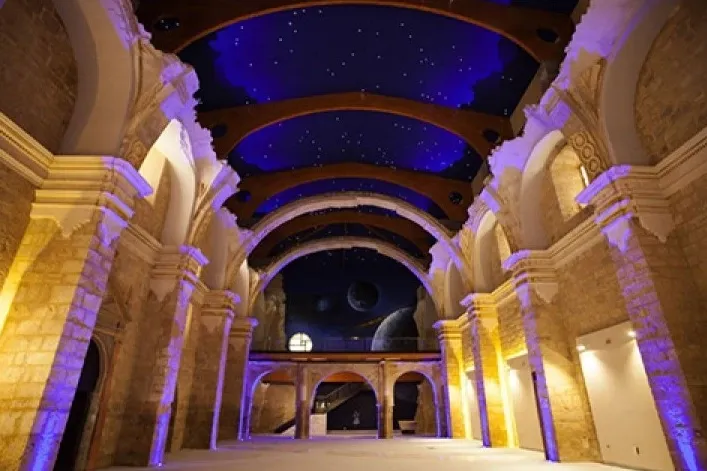
San Pedro Cultural
Becerril de CamposSan Pedro Cultural is a unique monument that was inaugurated on March 19, 2015. It was built from the ruins of the Church of San Pedro in the town of Becerril de Campos. This town was declared the most beautiful village in Spain by internet users in 2016. This makes it a significant location for tourists who are interested in history, architecture, and natural beauty.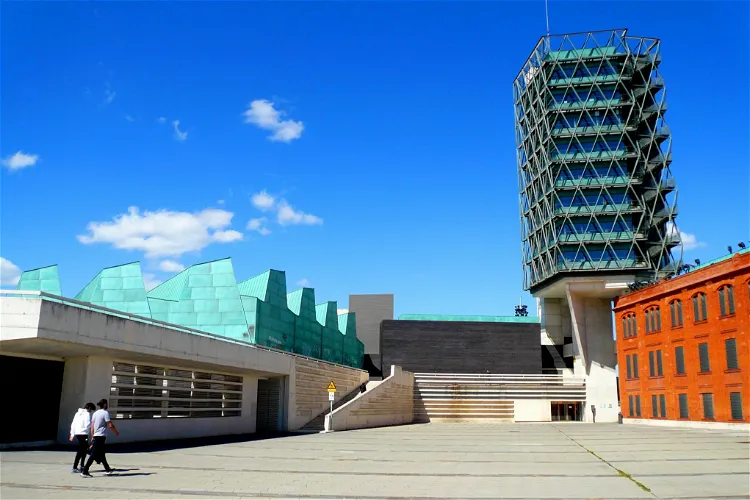
Valladolid Science Museum
ValladolidThe Valladolid Science Museum, which opened its doors in May 2003, is a unique blend of history and modernity. The museum is housed in a former flour mill, a nod to the city's industrial past. The design of the museum was entrusted to renowned architects Rafael Moneo and Enrique de Teresa, who skillfully incorporated elements of the old industrial complex into the new Science Museum.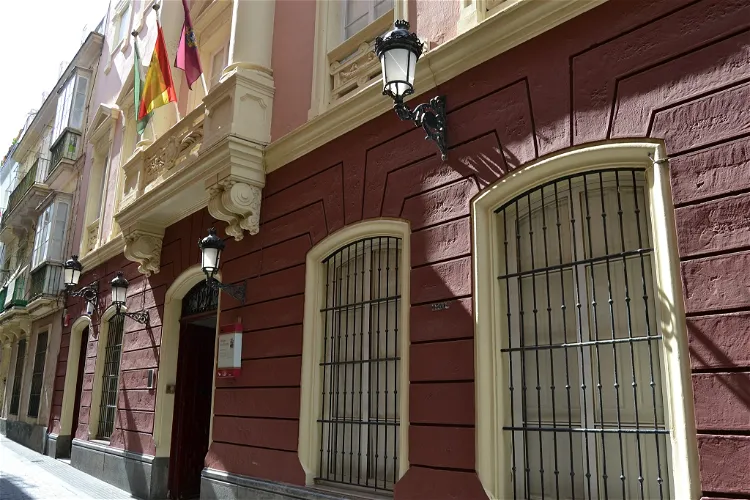
Cadiz Court Museum
CádizThe Museo de las Cortes de Cádiz is not strictly dedicated to the constitutional era, but rather provides a journey through the social, political, and economic situation of Cádiz in the 18th and 19th centuries. It houses various tapestries of Fernando VII, Celestino Mutis, and other celebrities of the referred centuries, maps and nautical charts, medals, flags, and several busts, including those of Carlos II and Cayetano del Toro himself.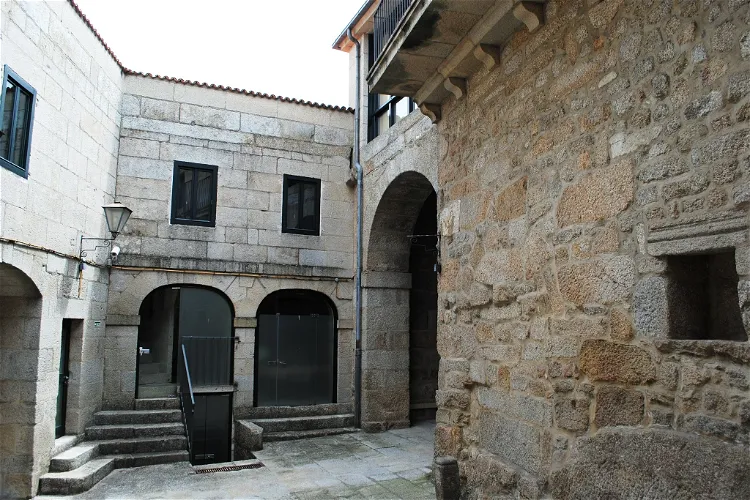
Museo Etnolóxico de Ribadavia
RibadaviaThe Museo Etnológico de Ribadavia is housed in the Pazo de Baamonde, also known as the Casa de la Fundación Martín Vázquez. This location is not only significant for the museum but also adds to the overall cultural and historical experience for visitors. The building itself is a part of the region's history and is worth noting when planning a visit.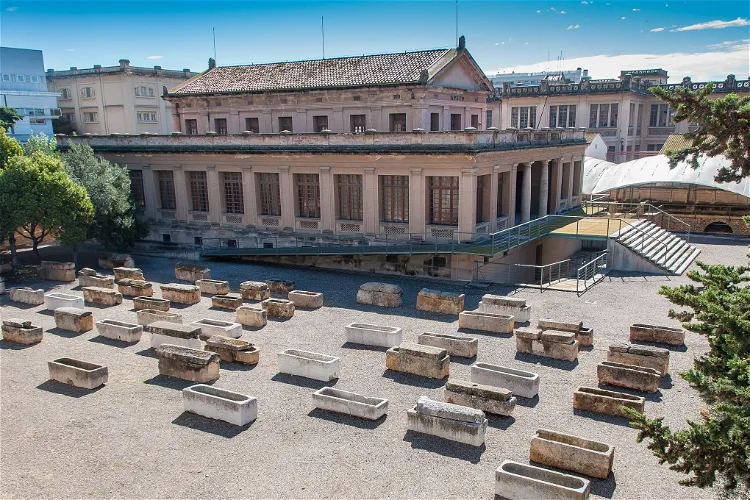
Roman Necropolis of Carmona
CarmonaThe Carmona Archaeological Ensemble, also known as CAC or CAE, is an archaeological site located in the Spanish municipality of Carmona. The site is represented by a Roman necropolis and amphitheater, which date back to the 1st and 2nd centuries AD. These historical structures provide a glimpse into the past and offer a unique opportunity to explore the rich history of the region.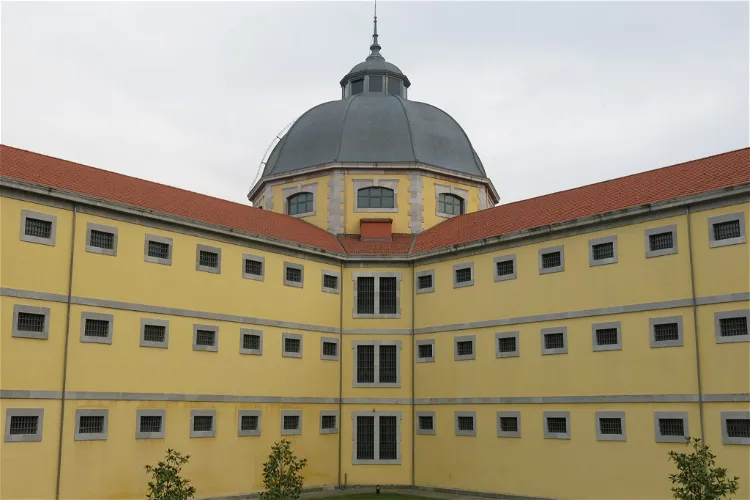
Historical Archives of Asturias
Oviedo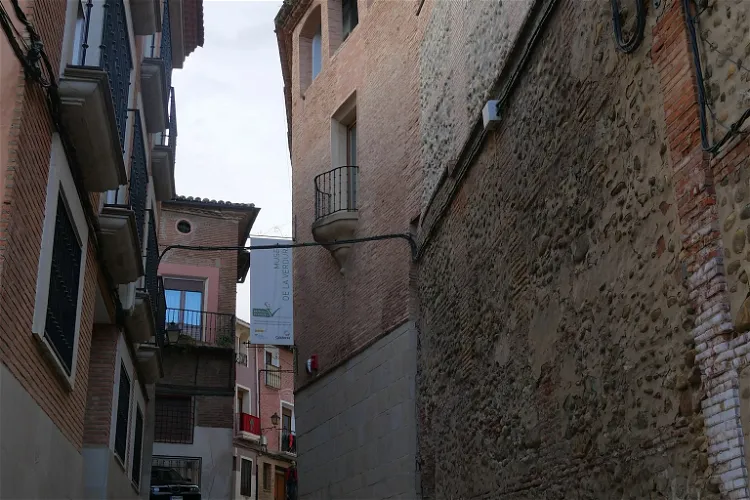
Vegetable Museum
CalahorraThe Vegetable Museum in Calahorra, La Rioja Province, Spain, offers an interactive experience focused on the production, distribution, trade, and consumption of vegetables. This unique museum provides a comprehensive insight into the agricultural practices and the importance of vegetables in the region.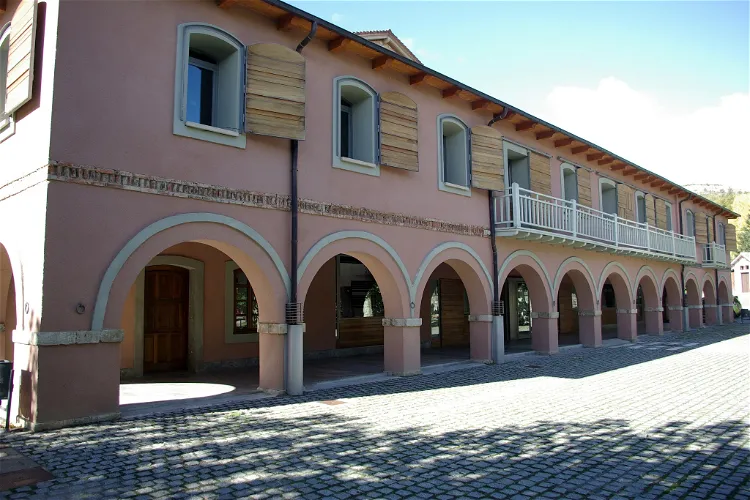
Museo de la Siderurgia y la Minería de Castilla y León
SaberoThe Museo de la siderurgia y la minería de Castilla y León, also known as MSM, is a museum situated in Sabero, León, within the autonomous community of Castilla y León in Spain. The museum was officially opened to the public on the 3rd of July, 2008.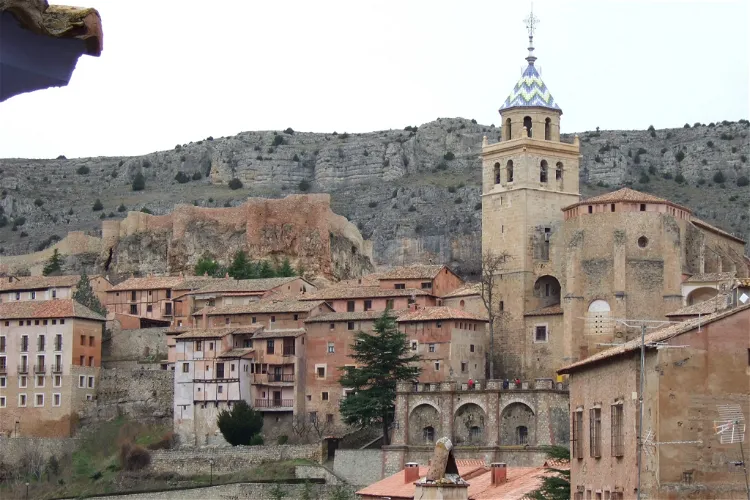
Albarracín Museum
Albarracín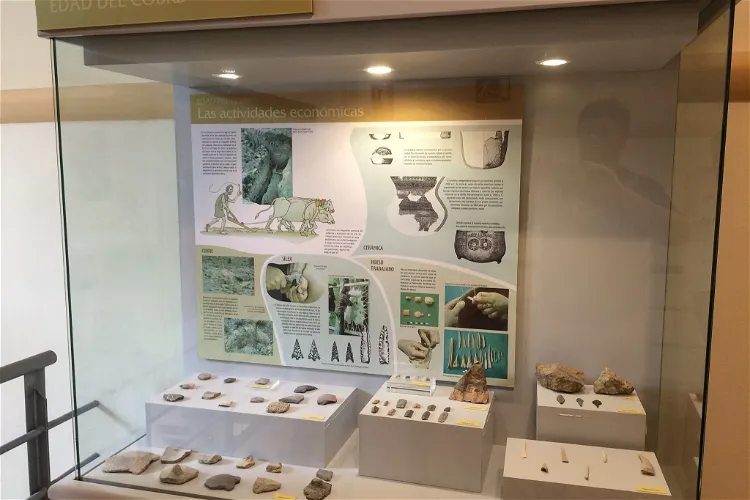
Galera Archaeological Museum
GaleraThe Galera Archaeological Museum is a space dedicated to showcasing the archaeological and paleoanthropological findings from the Spanish municipality of Galera, located in the province of Granada. It provides a unique opportunity for visitors to delve into the rich history and culture of the region through its extensive collection of artifacts.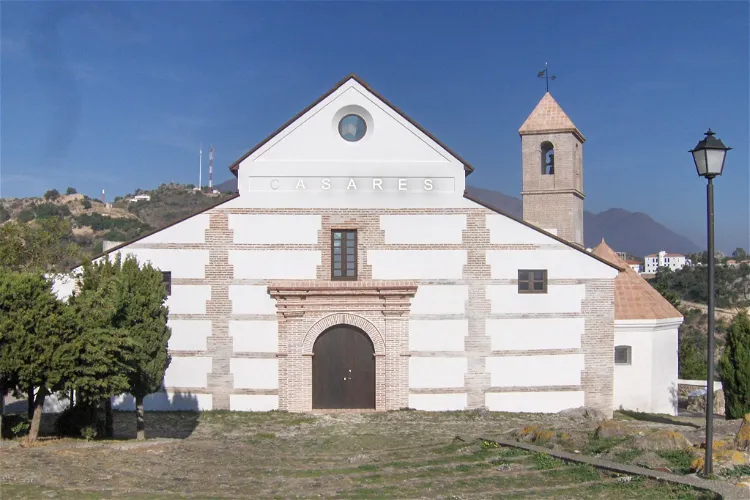
Blas Infante Cultural Centre
Casares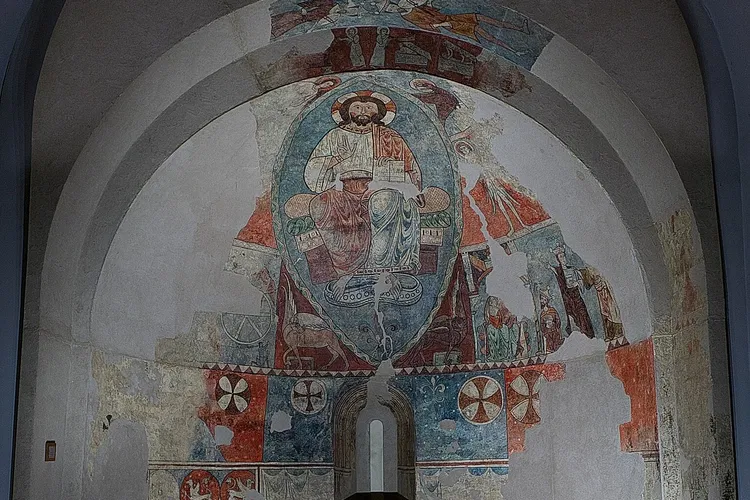
Barbastro Cathedral
BarbastroThe Cathedral of the Assumption of the Virgin Mary, also known as Catedral de Santa María de la Asunción, is a significant landmark in Barbastro, Spain. It serves as the cathedral of the Diocese of Barbastro-Monzón. This cathedral is not only a place of worship but also a historical monument that reflects the rich history and architectural prowess of the region.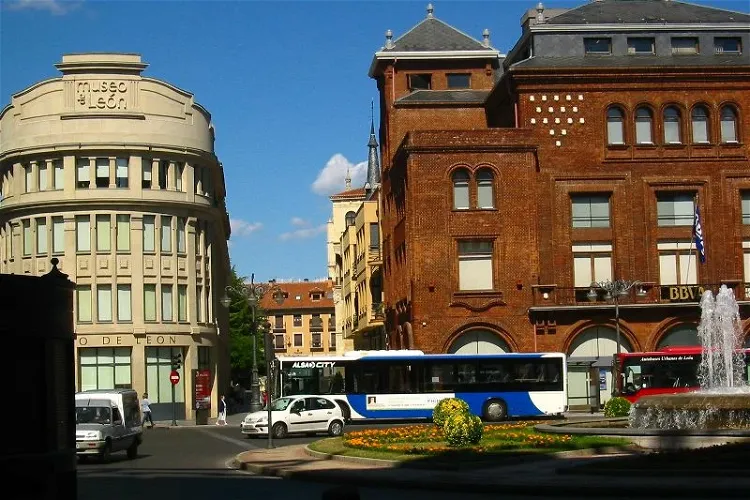
Museum of León
LeónThe Museum of León, situated in the Plaza de Santo Domingo in the city of León, Spain, holds the distinction of being the oldest museum in the province. Its primary focus is to narrate the history of the province through the lenses of Archaeology, Art, and Ethnography. This makes it a significant destination for those interested in these fields and the history of the region.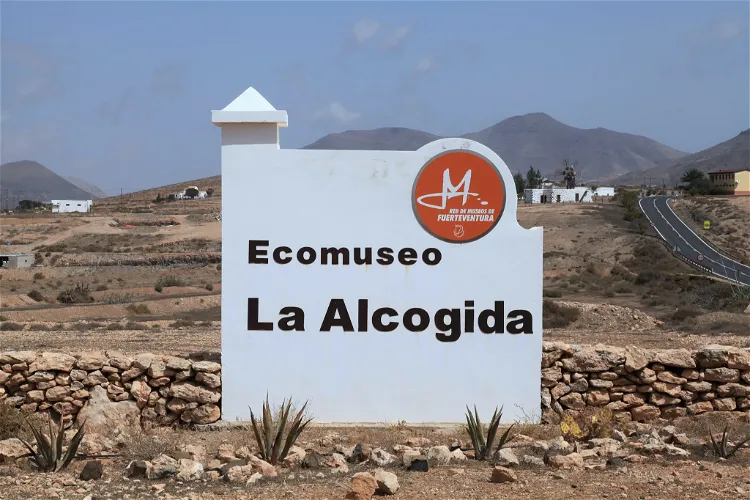
La Alcogida Ecomuseum
Puerto del RosarioAn open-air museum with seven restored houses. You can witness all of the "old life" here - from farming to crafts.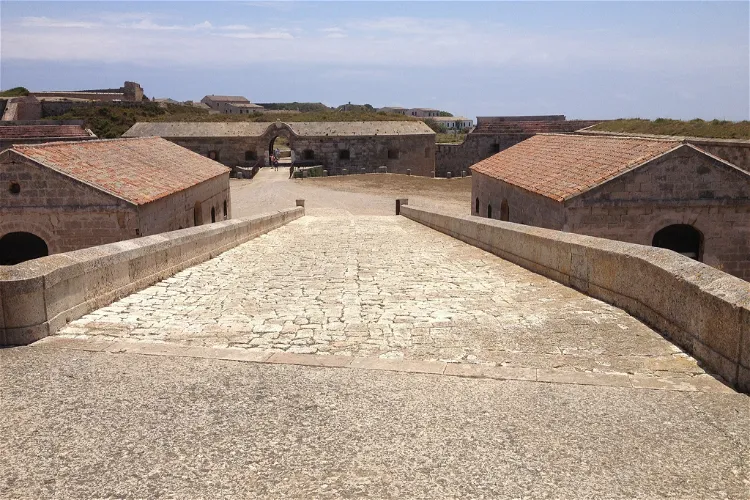
La Mola Fortress
MahónLa Mola Fortress, also known as Isabel II Fortress, is a Spanish military complex located on the Mola Peninsula, at the entrance of Mahón port, on the island of Menorca. It was built in the mid-19th century under the orders of Queen Isabel II. The fortress was designed with three main objectives: to defend the port, to serve as the base of operations for all the army forces on the island, and to provide a last resort stronghold for these forces.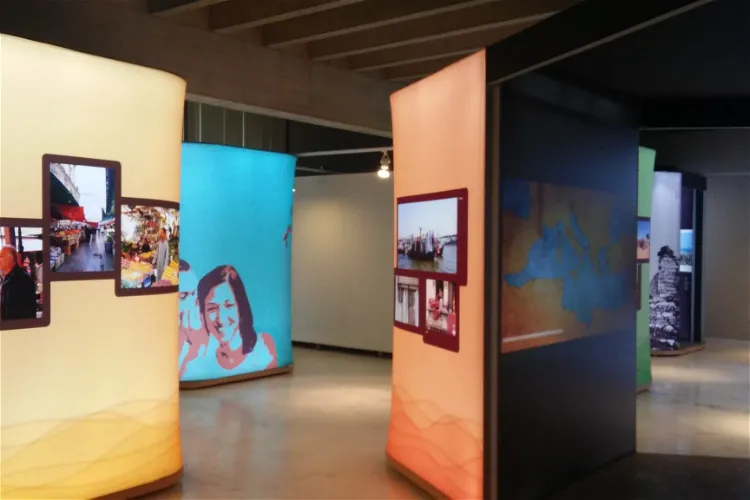
Museum of the Mediterranean
Torroella de MontgríThe Museum of the Mediterranean, established in 2003, is situated in the town of Torroella de Montgrí. It is housed in Can Quintana, a historical building dating back to the 16th century. This location adds a touch of historical charm to the museum, making it an interesting destination for tourists who appreciate both history and culture.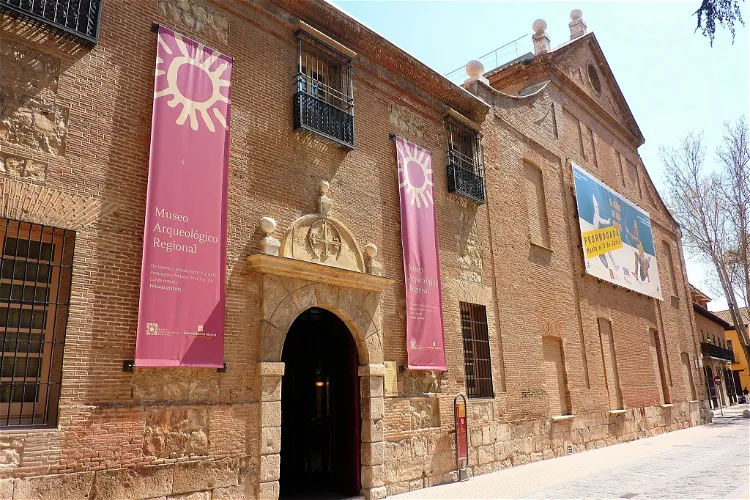
Regional Archaeological Museum
Alcalá de HenaresThe Regional Archaeological Museum of the Community of Madrid, established on November 27, 1997, is housed in the historic building of the old Dominican College Convent of the Mother of God. This location in Alcalá de Henares adds a layer of historical significance to the museum, making it a fascinating destination for those interested in both history and archaeology.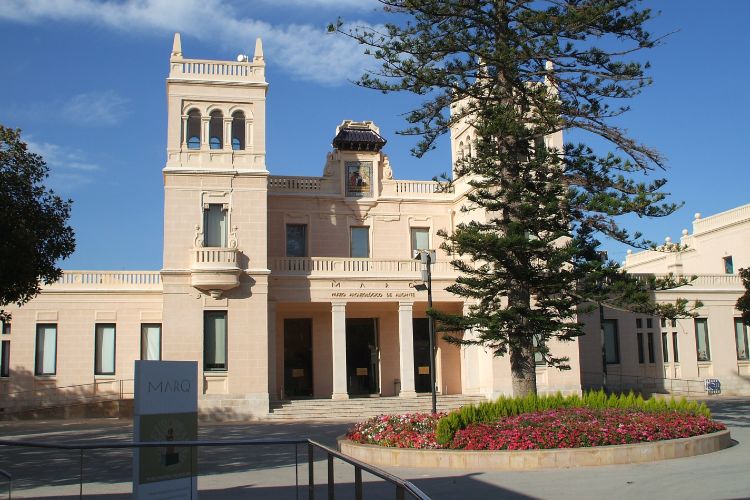
Museo Arqueológico Provincial de Alicante
AlicanteThe Archaeological Museum of Alicante (Museo Arqueológico Provincial de Alicante, MARQ) is an archaeological museum in Alicante with eight galleries that use multimedia to allow visitors to interact with the lives of past residents of Alicante and its region. The museum has a room of prehistory, of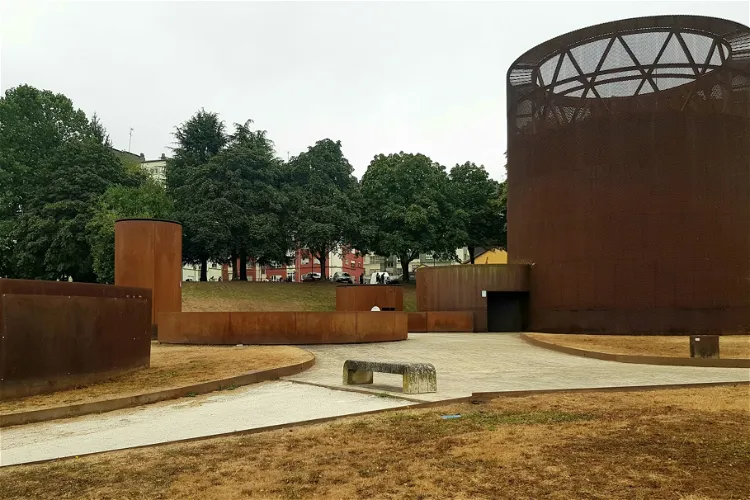
Interactive Museum of the History of Lugo
LugoThe Interactive Museum of the History of Lugo (MIHL) is a cultural space located in the city of Lugo, Galicia. The museum is known for its emphasis on new technologies, providing a modern and interactive experience for visitors. It offers a unique opportunity to explore the history of Lugo in a dynamic and engaging way.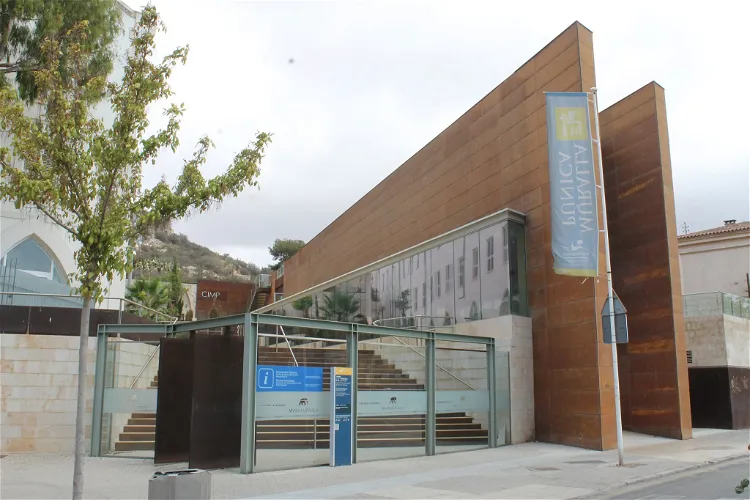
Punic Wall
CartagenaThe Punic wall of Cartagena is a significant archaeological site dating back to the 3rd century BC. It was constructed by the Carthaginians and stands as one of the few remnants of Carthaginian civilization in Spain. The wall bears witness to one of the most important events of Ancient history in the Mediterranean Sea: the Second Punic War.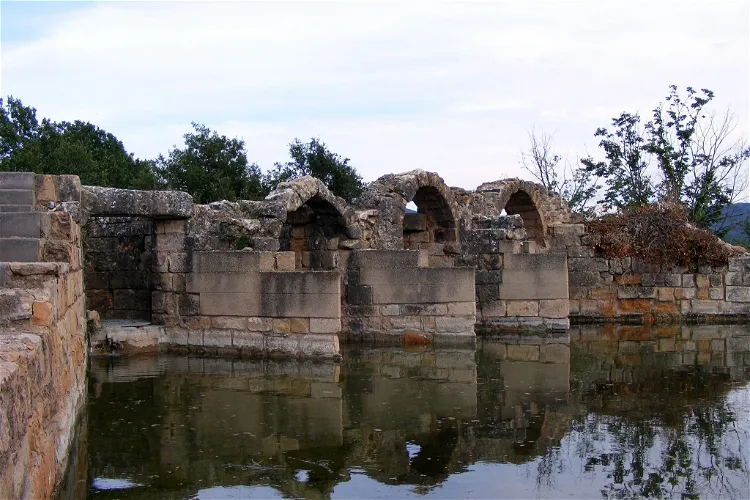
Los Molinos de la Vila
MontblancLos Molinos de la Vila, also known as Els Molins de la Vila in Catalan, are situated one kilometer east of the village of Montblanch, nestled between the Francolí and Anguera rivers. Specifically, they are located on the bank of the Anguera river. This location provides a picturesque setting for visitors to explore and appreciate the historical significance of these mills.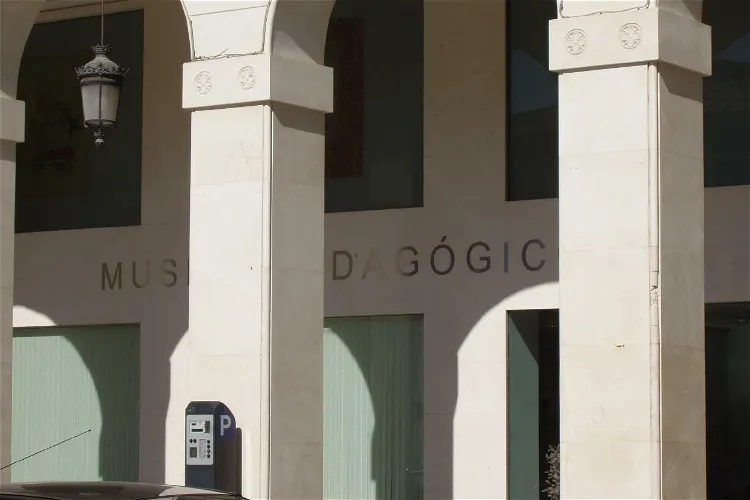
Pedagogic Museum of Aragón
HuescaThe Pedagogic Museum of Aragón is conveniently located in the same building as the Huesca Tourism Office, in Plaza López Allué, Spain. This central location makes it easily accessible for tourists visiting the city. The museum was established in 2006 and specializes in the education, culture, and society of the 20th century, as well as educational heritage and the school as a reflection of society.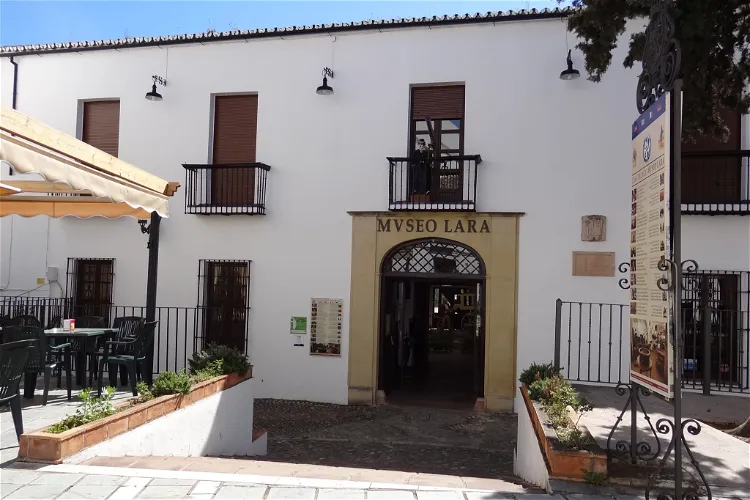
Lara Museum
RondaEl Museo Lara is an art and antiquities museum situated in the city of Ronda, in the province of Malaga, Spain. This museum is a significant cultural landmark in the region, offering visitors a chance to explore a vast collection of art and antiquities.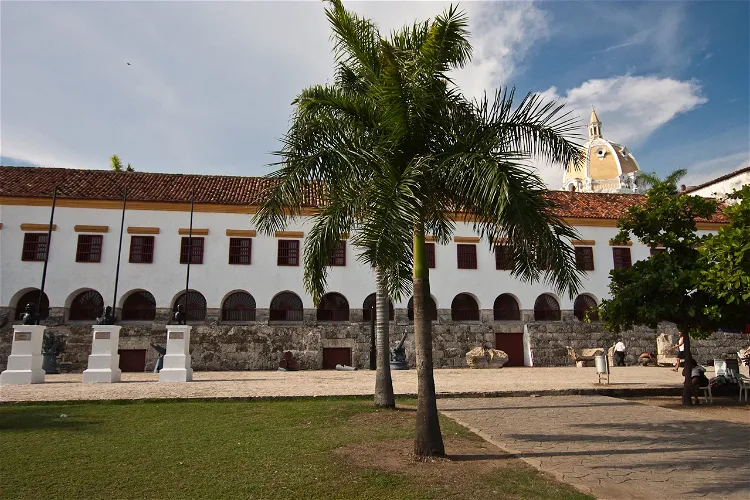
Cartagena Naval Museum
CartagenaThe Cartagena Naval Museum, located near the city port of Cartagena in Spain, is a military museum that showcases exhibitions related to naval construction. It provides a unique opportunity for visitors to delve into the history and intricacies of naval architecture and engineering.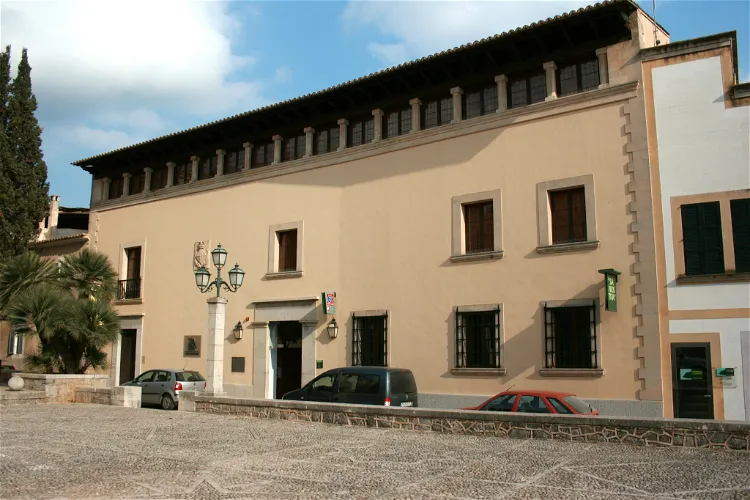
Artà Regional Museum
ArtáWell worth a visit for those who are interested in the history and culture of Arta and Mallorca.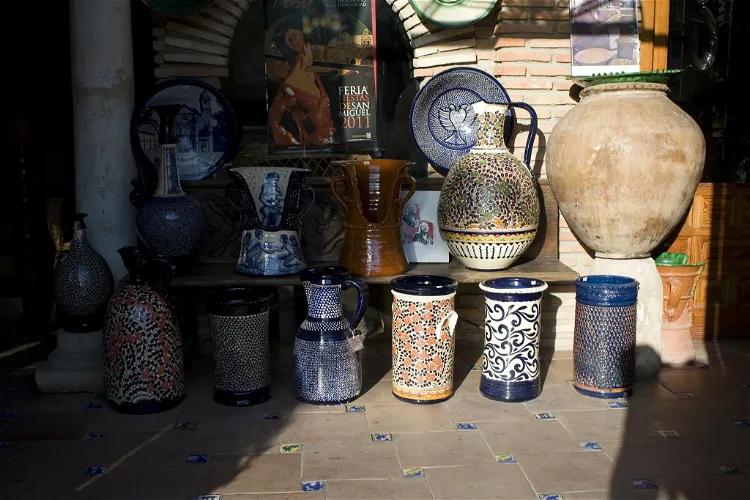
Museo de Alfarería
ÚbedaThe Museo de Alfarería de Agost is situated in a former factory in an industrial neighborhood that dates back to the late 19th and early 20th centuries. This setting serves as a testament to the traditional pottery wealth of the local population.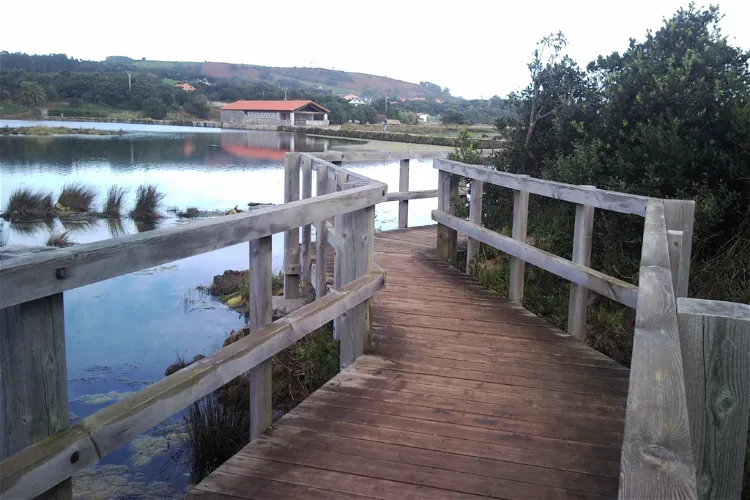
Trasmiera Ecopark
ArnueroThe Trasmiera Ecopark is not just about the natural environment, but also about the rich cultural heritage of the region. The ecopark includes centers that showcase the diverse cultural aspects associated with the four towns that make up the municipality - Castillo Siete Villas, Isla, Soano, and Arnuero. Each town contributes its unique cultural elements to the overall experience of the ecopark.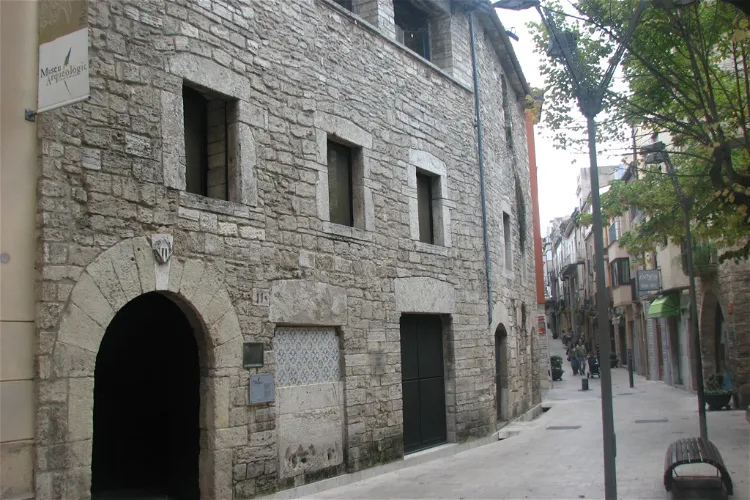
Banyoles Regional Archaeology Museum
BanyolesThe Banyoles Archaeological Museum (MACB) is a significant cultural institution located in the Pia Almoina building in Banyoles, Catalonia. The museum houses a vast collection of artifacts from various archaeological sites in the Pla de l'Estany region. These collections offer a comprehensive insight into the region's rich archaeological history, making it an interesting destination for those interested in history and archaeology.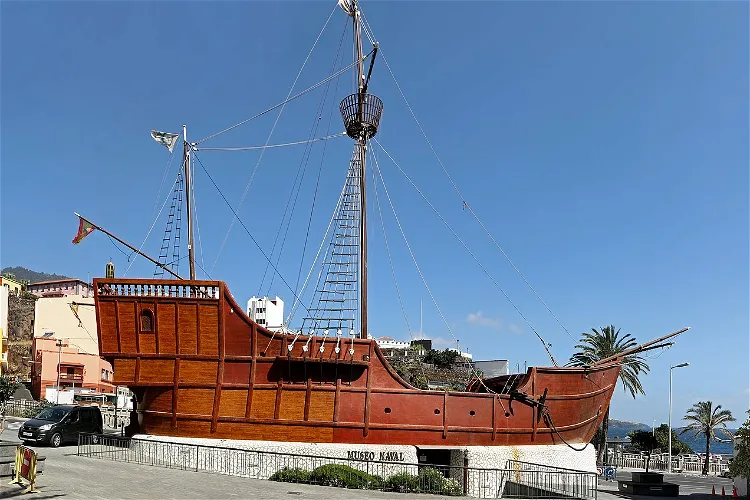
Naval Museum
Santa Cruz de la PalmaThe Naval Museum of the Ship of the Virgin is a unique attraction in Santa Cruz de La Palma, Canary Islands, Spain. It is a naval monument and museum that is shaped like a large galleon, and is situated next to the Las Nieves ravine, in the northern part of the city. This distinctive and iconic shape makes it a symbol of Santa Cruz de La Palma and one of the most recognized emblems of the island of La Palma itself.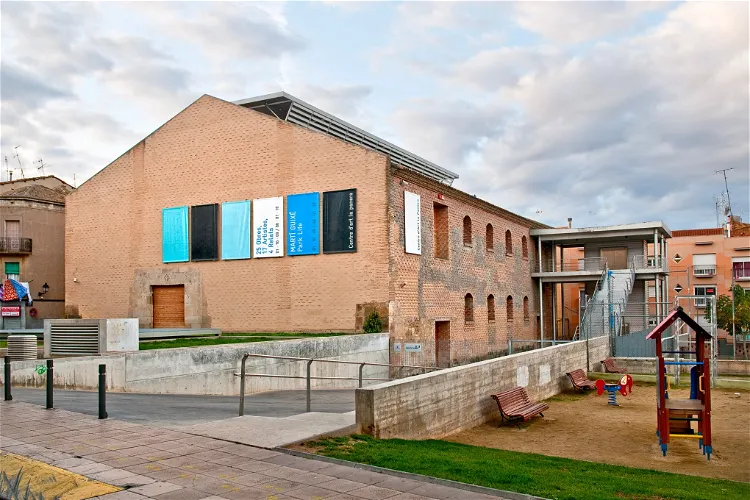
Art Centre of La Panera
LleidaThe Art Centre of La Panera is an art museum situated in the city of Lleida, Catalonia, Spain. It is a significant cultural institution in the region, offering visitors a chance to explore a wide range of contemporary art, particularly from Catalan and Spanish artists.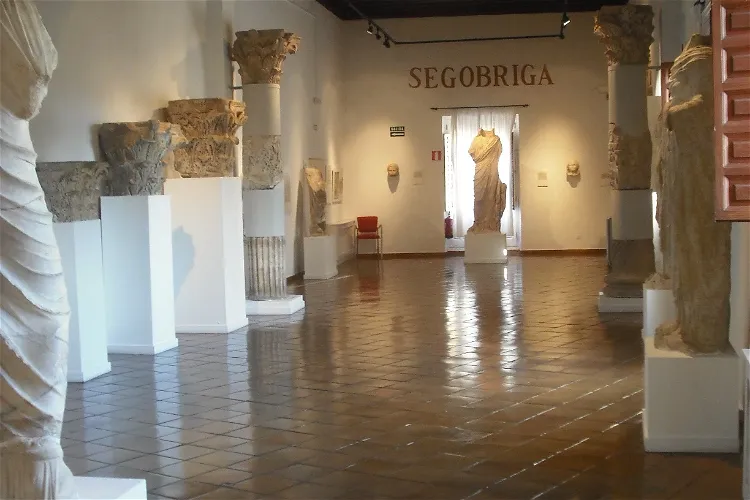
Museo de Cuenca
CuencaThe Museo de Cuenca, located in the historic Casa del Curato in the old town of Cuenca, Spain, offers visitors a unique opportunity to explore the rich history and culture of the region. The museum's location in the heart of the old town makes it easily accessible and adds to the overall cultural experience.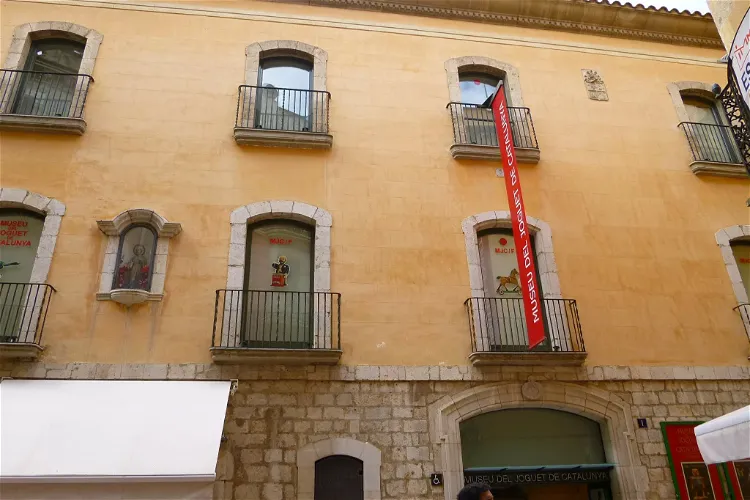
Toy Museum of Catalonia
FigueresThe Toy Museum of Catalonia is housed in the historic Casa Terradas, a building that dates back to 1767. Located in the city of Figueres, Spain, the museum offers visitors a unique opportunity to explore the rich history of toys in Catalonia. The museum's location adds an extra layer of historical significance, making it a fascinating destination for tourists interested in both history and toys.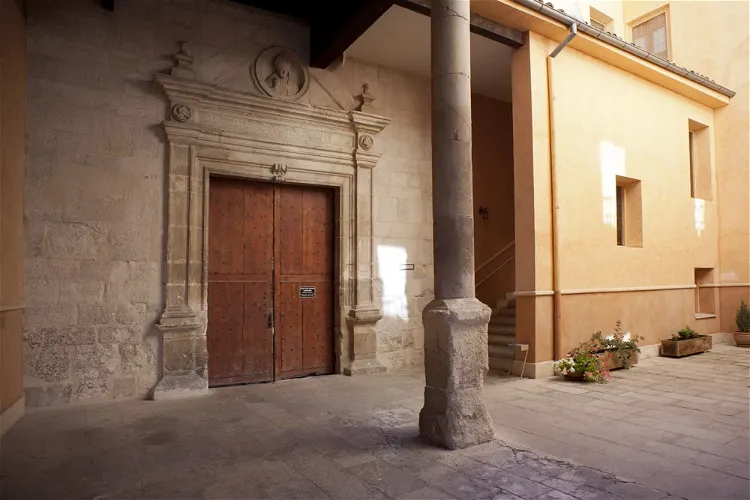
Episcopal Palace of Cuenca
CuencaThe Episcopal Palace is a significant historical building located in the Spanish city of Cuenca. It is home to the Diocesan Museum, which showcases a variety of religious artifacts and artworks. The palace itself is a testament to the city's rich history and architectural prowess, making it a worthwhile visit for those interested in history, architecture, and art.
Museo del Romanticismo
MadridThe Museo del Romanticismo is a musuem in Madrid that is housed in an 18th-century palace with more than 20 rooms filled with interesting period artifacts from paintings and decorative arts, to furniture and sculptures. Visitors can explore the place where romantic writers used to gather. One of the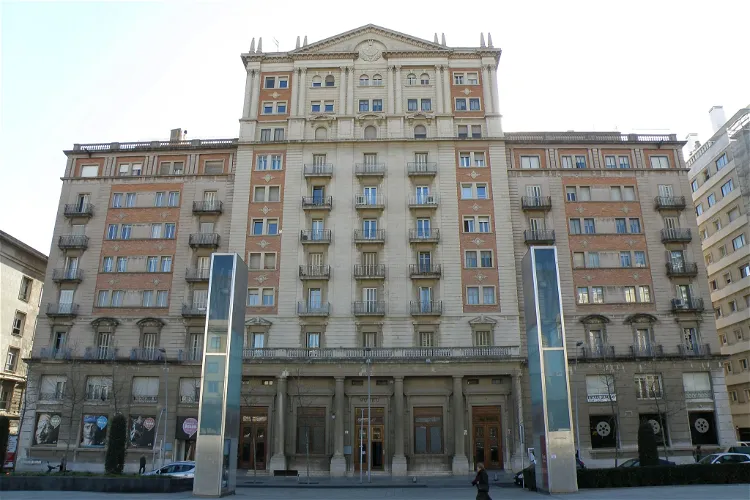
Reus Art and History Museum
ReusThe Reus Art and History Museum is a significant cultural landmark in the municipality of Reus, Tarragona, Spain. It is a protected building, recognized as a Cultural Asset of National Interest. This recognition highlights the museum's importance in preserving and showcasing the rich cultural and historical heritage of the region.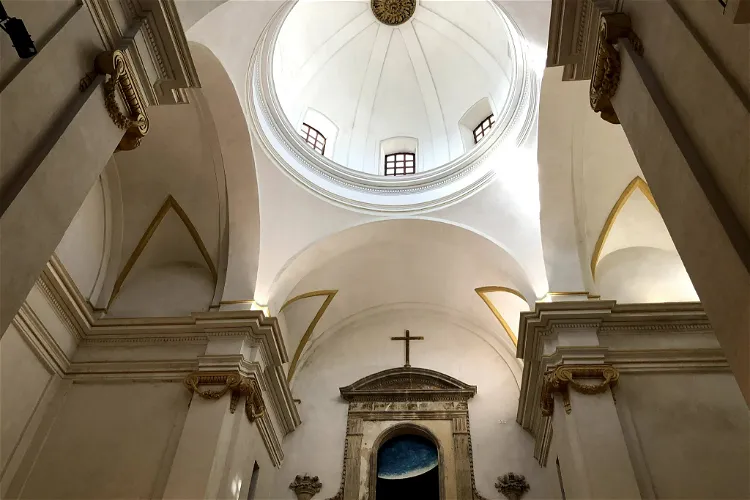
San Jose Church Cultural Center
Puerto RealThe San Jose Church, a declared Cultural Interest Site in the category of Monument, is a significant historical site located in the municipality of Puerto Real, Cadiz, in Andalusia. Its full name is Antigua Iglesia de Jesus, Maria y Jose, and it was constructed in the last third of the 18th century. The church is situated in the heart of the historic center of the town, making it a central point of interest for visitors.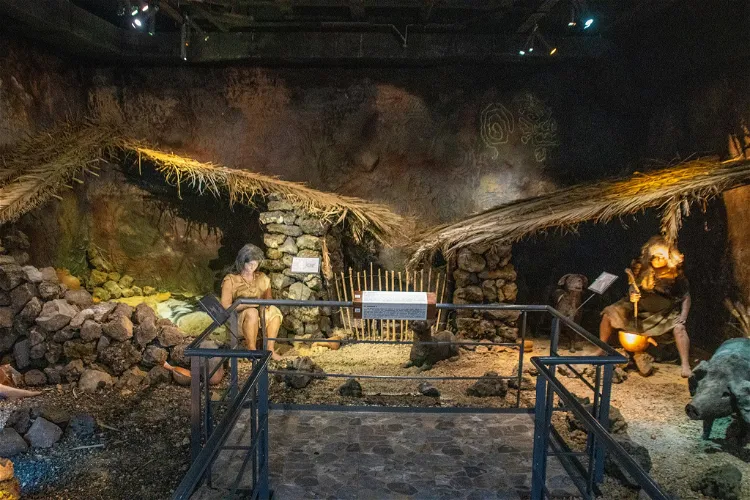
Guanche Museum
Icod de los VinosThe Museo Guanche is an ethnographic museum located in Icod de los Vinos, Tenerife. It provides a unique opportunity to delve into the history and culture of the Guanches, the native inhabitants of the Canary Islands.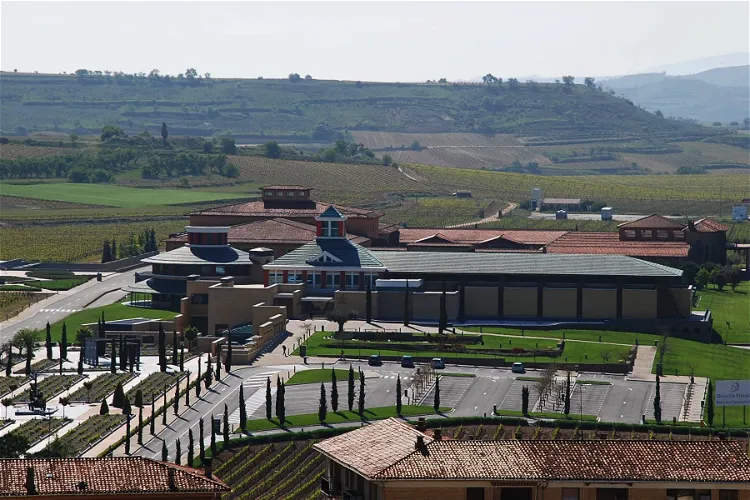
Winery - Vivanco Museum of Wine Culture
BrionesThe Vivanco Museum of Wine Culture is a unique institution situated within the Vivanco wineries in the Spanish municipality of Briones. The museum is a part of the Vivanco Foundation, a renowned organization dedicated to promoting wine culture and education.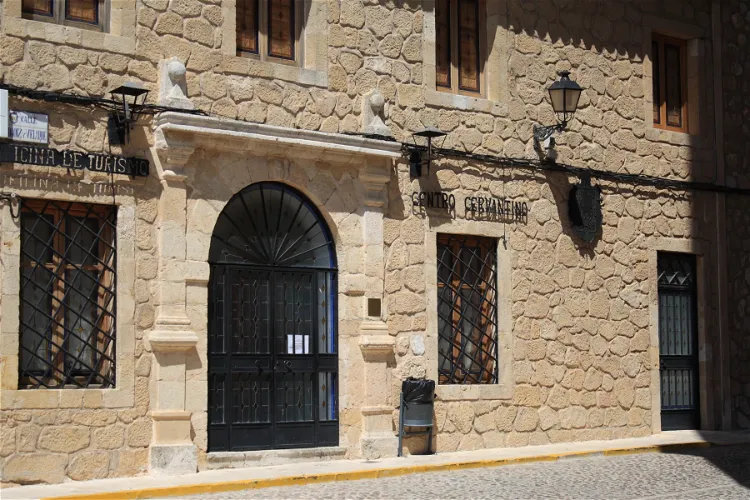
Cervantine Museum
El Toboso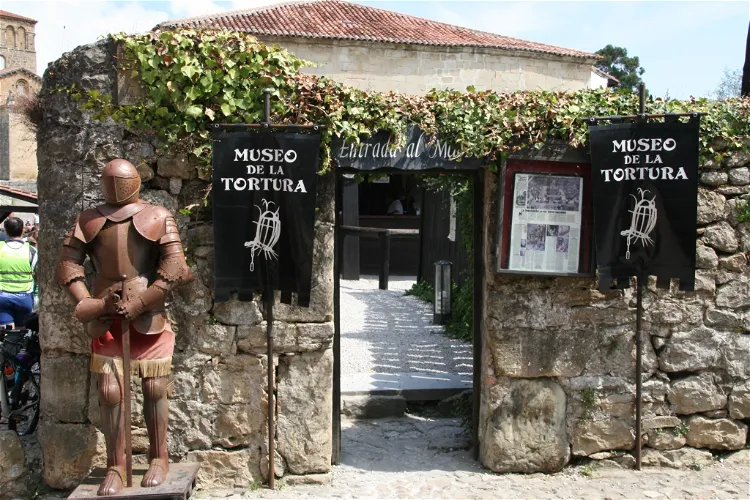
Museum of Torture
ToledoEl Museo de la Tortura, located in Santillana del Mar, Cantabria, is a private museum that showcases over fifty original torture and capital punishment instruments. These artifacts, which date from the 15th to the 19th centuries, provide a unique glimpse into Europe's historical methods of punishment.